
As an Amazon Associate KitchenwareSets.com earns from qualifying purchases.
11 Genius Green Kitchen Cabinet Ideas For Timeless Style
Struggling to choose a kitchen color that feels both personal and timeless? You want a space that stands out, but you’re worried a bold choice will look dated in just a few years.
This is the core challenge with choosing green kitchen cabinets, a design concept that blends natural tranquility with sophisticated style. You love the look but fear making a permanent, expensive mistake on a fleeting trend.
Yes, green is an excellent color for kitchen cabinets, offering a unique aesthetic with proven longevity. Muted shades like sage and olive green function as sophisticated neutrals, providing a connection to nature while complementing a wide range of materials like wood and brass. This guide will show you how to choose the right shade and pairings for an enduring, high-end design.
Contents
show
Are Green Kitchen Cabinets Truly Timeless? Understanding the Trend
Yes, green is an excellent color for kitchen cabinets, offering a unique aesthetic with proven longevity. Muted shades like sage and olive green function as sophisticated neutrals, providing a connection to nature (biophilic design) while complementing a wide range of materials like wood and brass. Far from a fleeting trend, green’s timelessness comes from its deep connection to the natural world. This is the core principle of biophilic design, which seeks to bring the outdoors in to create calming, restorative spaces.
Unlike highly saturated, trend-specific colors, the most enduring greens have complex undertones of grey, yellow, or blue. These muted shades act as “the bold neutral,” providing more personality than white or grey without sacrificing versatility. According to color psychology professionals, “The psychological benefit of green, tied to nature and tranquility, is why it has maintained popularity despite shifting trend cycles.” When you choose a shade like sage, moss, or forest green, you’re not just picking a color; you’re investing in a design concept with historical roots and a proven ability to create a serene, grounded atmosphere in the heart of your home.
11 Genius Green Kitchen Cabinet Ideas For a Cohesive, Enduring Design
To ensure your kitchen remodel results in a stunning and enduring space, it’s crucial to move beyond just the color. The following 11 ideas are curated based on professional design criteria, ensuring each concept adheres to principles like the 60-30-10 color rule and proven material compatibility. From the safest, most timeless pairings to bold, modern statements, this is your roadmap to a perfectly executed green kitchen.
1. Classic Sage Green Shaker Cabinets (The Timeless Neutral)

Pin this genius tips to your ‘Timeless Kitchen’ board!
Sage green is the ultimate safe choice for a reason. Its significant grey undertone classifies it as a neutral, making it incredibly versatile and easy to pair with other materials. When applied to the classic, clean lines of shaker style cabinets, the result is a look that feels both current and eternally classic. The warmth of antique brass hardware provides the perfect finishing touch, preventing the soft green from feeling too cool or washed out.
Materials Needed:
- Durable Sage Green Paint (High-quality acrylic-alkyd hybrid paint, such as a color matching Benjamin Moore ‘Saybrook Sage’)
- Classic Shaker Cabinet Doors (Prefinished or prepped for paint)
- Antique Brass Knobs and Pulls (Polished or unlacquered brass to enhance warmth)
- White Subway Tile Backsplash (Standard 3×6 or 4×8 for low visual noise)
Step-by-Step Directions:
- Prep the Surfaces: Ensure cabinets are meticulously cleaned and sanded (220-grit) to guarantee the best paint adhesion.
- Apply Bonding Primer: Use two thin coats of a shellac-based primer, specifically formulated for blocking bleed-through and ensuring durability on cabinet materials.
- Spray Paint Finish: Apply two to three thin, even coats of the selected sage green paint using an HVLP sprayer for a factory-like, smooth finish.
- Install Hardware: Fit the brass hardware, measuring carefully to ensure symmetrical placement on the shaker rails and stiles.
- Add Light Countertops: Pair with a simple white or light grey countertop to keep the look airy and allow the sage color to be the focus.
Pro-Tip: Sage Green works best in north-facing kitchens, as its inherent warmth counteracts the cool, blue cast of northern light, preventing the space from feeling too cold.

2. Dramatic Dark Forest Green Slab Fronts (High Contrast Modernism)

Save this clever organization idea!
For a bold, contemporary statement, nothing beats the combination of deep forest green and minimalist slab-front cabinets. This design creates a monolithic block of rich, moody color that feels luxurious and sophisticated. The key to success is high contrast. Pairing the dark, low-LRV (Light Reflectance Value) green with a crisp white marble or quartz countertop creates a dramatic visual break, preventing the space from feeling too heavy or enclosed.
Materials Needed:
- Deep Forest Green Pigmented Lacquer or Enamel Paint (Must have excellent coverage and durability)
- Slab Door Cabinets (MDF or high-quality plywood for the seamless finish)
- Large Format White Marble or Quartz Slab (Thick, statement countertop material)
- Recessed or Integrated Finger Pull Hardware (To maintain the seamless look)
Step-by-Step Directions:
- Maximize Light Sources: Integrate under-cabinet LED strip lighting and focus pendant lighting above the island to prevent the low-LRV color from absorbing too much light.
- Select High-Contrast Countertop: Choose a crisp, bright white countertop (Quartz or Marble) to break up the deep green and introduce necessary brightness.
- Ensure Flawless Finish: Use a high-quality, matte finish paint (or a semi-gloss if cleanability is paramount) and apply professionally for a streak-free, mirror-smooth surface.
- Design with Symmetry: Dark, slab cabinets rely on clean lines and symmetry. Ensure all appliances are integrated or panel-ready for a cohesive, minimalist look.
Lesson Learned: Dark green cabinets work best in kitchens with large windows and high ceilings. In small or dim spaces, use a semi-gloss finish to increase light reflection and prevent a cave-like feel.

3. Earthy Olive Green Cabinets with Warm Brass Hardware

Save this earthy color combination!
As homeowners lean into more organic and natural aesthetics, warm, earthy olive green has become a top contender. This shade, with its distinct yellow or brown undertones, feels grounding and inviting. The absolute best pairing for this color is warm brass hardware. The metal’s reflective quality adds a touch of luxury and prevents the earthy tone from feeling flat. To complete the look, introduce other natural materials like a butcher block countertop or a textured zellige tile backsplash.
Materials Needed:
- Warm Olive Green Paint (e.g., Farrow & Ball ‘Lichen’ or ‘Bancha’ equivalent)
- Unlacquered or Aged Brass Hardware (Long bar pulls or classic cup pulls for a vintage feel)
- Butcher Block or Warm Wood Countertops (Oak or Walnut for enhanced warmth)
- Creamy White or Textured Zellige Backsplash Tile (Avoid harsh, stark whites)
Step-by-Step Directions:
- Select Warm Undertones: Confirm the chosen olive paint has a yellow or brown base; this is crucial for ensuring the green harmonizes with the brass and wood tones.
- Install Complementary Hardware: Use brass hardware, which is the complementary metal to warm greens, creating a luxurious ‘sparkle’ that prevents the earthy tone from feeling flat.
- Integrate Natural Materials: Introduce a wood countertop or shelving to lean into the biophilic design and enhance the organic feel of the olive shade.
- Use Creamy Whites: Pair with walls and trim painted in an off-white or creamy color rather than a cool white, to maintain the overall warm palette.
Expert Insight: “When pairing dark green cabinets, brass or gold hardware is highly recommended as it provides a necessary ‘sparkle’ and warmth to offset the color’s depth.” – Interior Designer Consensus.

4. Two-Tone Green: Dark Island, Light Perimeter

Pin this color-balancing technique!
If you love the drama of dark green but worry about it overwhelming your space, the two-tone approach is the perfect solution. By using a deep, moody green exclusively on the kitchen island, you create a powerful focal point without sacrificing brightness. The surrounding perimeter cabinets are then painted in a much lighter green, like sage or moss, keeping the walls feeling airy and open. A continuous white countertop acts as a visual bridge, unifying the two distinct shades into one cohesive design.
Materials Needed:
- Dark Green Paint (Low LRV shade, e.g., Benjamin Moore ‘Backwoods’ or ‘Hunter Green’)
- Light Green Paint (High LRV shade, e.g., Farrow & Ball ‘Mizzle’ or ‘Slipper Satin’)
- White Quartz or Marble Countertop (To provide a continuous visual bridge)
- Consistent Hardware Finish (Use the same finish, e.g., matte black, on both light and dark cabinets)
Step-by-Step Directions:
- Select Shades in the Same Family: Choose two greens that share a similar undertone (e.g., both cool-based or both warm-based) to ensure harmony across the tones.
- Anchor the Island: Reserve the darkest, most dramatic green shade exclusively for the island, which is naturally a focal point in the kitchen.
- Keep Perimeter Light: Use the lighter green shade on the perimeter cabinets (uppers and lowers) to maintain a bright, spacious feeling around the walls.
- Unify with Neutrals: Use a single, continuous, simple white or light grey countertop and matching backsplash across both perimeter and island to tie the two colors together.
Pro-Tip: Using the boldest green shade only on the large island reduces visual heaviness in the kitchen, making the design feel deliberate and high-end.

5. Mint Green Cabinets for Small, Bright Kitchens

Pin this light and airy look for small spaces!
In smaller kitchens where every inch of visual space matters, a light and airy mint green can be a game-changer. This high-LRV color bounces light around the room, creating the illusion of a larger, brighter space. It offers more personality than plain white while still serving the same space-enhancing function. Pair it with cool-toned reflective hardware like chrome or brushed nickel and simple white countertops to maximize the fresh, clean aesthetic.
Materials Needed:
- High LRV Mint Green Paint (Such as a very pale green with blue undertones)
- Slim Profile Hardware (Thin chrome or brushed nickel bar pulls)
- Simple White Countertops (Avoid busy patterns that can shrink a small space)
- Reflective Backsplash (Glossy white subway tile or a mirrored backsplash)
Step-by-Step Directions:
- Utilize High LRV: Select a mint green shade with a Light Reflectance Value (LRV) above 60 to ensure the cabinets bounce light and visually enlarge the small space.
- Choose Reflective Accents: Pair with chrome or polished nickel hardware, which reflects light back into the room, enhancing the brightness of the mint color.
- Maintain Consistency: Paint both upper and lower cabinets the same light mint shade to create vertical continuity and avoid chopping up the sightlines.
- Keep Countertops Clear: Implement vertical storage solutions or open shelving above the counters (painted white) to keep the working space free of clutter, reinforcing the airy feel.
Pro-Tip: For small kitchens, opt for a light shade of green or apply dark green only to the lower cabinets to maintain brightness and vertical space perception.

6. Matte Black Hardware on Deep Emerald Green

Save this high-contrast look!
To create a sharp, graphic, and distinctly modern look, pair a cool, jewel-toned emerald green with architectural matte black hardware. The non-reflective black finish creates a powerful contrast against the rich green, defining the lines of each cabinet and drawer. This combination feels confident and slightly masculine. Enhance the effect by continuing the black accent in the faucet and potentially a dark grey or black countertop for a fully cohesive design.
Materials Needed:
- Deep Emerald Green Enamel Paint (Cool, blue-based green)
- Architectural Matte Black Hardware (Long bar pulls or chunky T-knobs for visual weight)
- Minimalist Countertop (Black or dark grey quartz, or plain white for maximum graphic contrast)
- Black Faucet Fixture (To tie the black contrast throughout the space)
Step-by-Step Directions:
- Emphasize Contrast: The matte black hardware acts as a grounding element, providing high-definition against the rich green. Avoid mixing metals to keep the look clean.
- Choose Finish Carefully: Opt for a semi-gloss or satin finish on the emerald green cabinets. This sheen enhances the jewel-toned color and provides better wipe-down durability than matte.
- Introduce Neutrality: If using a black countertop, ensure the backsplash and walls are a clean white or light neutral to prevent the design from becoming too dark or heavy.
- Select Simple Tile: Pair with a simple white subway tile and dark grout, which echoes the black hardware, creating visual harmony across the vertical surfaces.
Pro-Tip: Matte black hardware works exceptionally well with cool greens (emerald, teal) because the lack of reflectivity enhances the modern, graphic quality of the pairing.

7. Pairing Green with White Quartz Countertops

Save this perfect material pairing!
When you’re investing in a bold cabinet color like green, the supporting elements should play a complementary, not a competing, role. White quartz countertops are the ideal partner for almost any shade of green. The crisp, clean surface provides a bright, neutral plane that allows the cabinet color to be the star. From a practical standpoint, quartz is non-porous and highly durable, making it a low-maintenance choice for a high-traffic kitchen.
Materials Needed:
- Green Cabinetry (Any shade, but moss or forest green creates the most dramatic contrast)
- White Quartz Slab (Preferably one without excessive veining, such as a pure white or very subtle speckle)
- Installation Supplies (Appropriate adhesive, leveling shims, and sealing materials if using a porous material like marble)
Step-by-Step Directions:
- Prioritize Simplicity: Choose a light, simple countertop material (like quartz) that doesn’t compete with the bold green color.
- Ensure Durability: Quartz is preferred over marble for its non-porous nature, making it highly stain-resistant—ideal for pairing with a statement color that demands attention.
- Use a Thick Edge: Implement a thicker edge profile (e.g., 2-inch mitered edge) on the quartz to give the countertop sufficient visual weight to balance the intensity of the green.
- Extend the Backsplash: Consider running the same white quartz material up the backsplash for a continuous, clean, and luxurious look that minimizes grout lines.
Expert Insight: “Countertop choice is the dominant constraint; choose a simple, light surface (white quartz) to allow the green cabinets to be the focal point of the design.” – Kitchen Design Expert.

8. Integrating Natural Wood Open Shelving

Pin this wood and green accent idea!
To enhance the natural, biophilic feel of green cabinets, integrate natural wood tones. Replacing traditional upper cabinets with thick, warm oak or walnut open shelving creates a beautiful textural contrast. This pairing works exceptionally well with deeper greens like hunter or forest green on the base cabinets. The wood adds organic warmth and softness, while the open shelving prevents the upper half of the kitchen from feeling heavy, creating a perfect balance.
Materials Needed:
- Hunter Green Base Cabinets (Can be Shaker or Slab style)
- Solid Wood Shelving Material (Oak, walnut, or reclaimed wood for texture)
- Hidden Floating Shelf Brackets (Heavy-duty, load-bearing brackets for a clean look)
- Natural Wood Sealer or Stain (To bring out the wood grain and protect against moisture)
Step-by-Step Directions:
- Balance the Weight: Use the deep hunter green on the base cabinets, allowing the upper half of the kitchen to remain open and brightened by the shelves and the wall color.
- Match Undertones: Ensure the wood tone of the shelves is warm (e.g., golden oak or walnut) to complement the richness of the green paint, fulfilling the biophilic design connection.
- Secure Brackets: Install heavy-duty floating shelf brackets directly into wall studs, as the shelving will need to support the weight of dishes and kitchen accessories safely.
- Style Thoughtfully: Only display essential or aesthetically pleasing items (white dishes, glassware, cookbooks) on the open shelves to prevent visual clutter, which would detract from the clean lines of the green cabinets.
Pro-Tip: Green cabinets have a synergistic relationship with natural wood accents, echoing nature and enhancing the wood’s warmth. This is essential for a truly timeless design.

9. Transitional Grey-Green Cabinets (Safe, Sophisticated Neutral)

Save this sophisticated neutral color idea!
If you want the subtle character of green without committing to a strong color, a grey-green is the perfect compromise. These sophisticated shades contain a high concentration of grey pigment, making them read as a complex neutral rather than a true color. This makes them exceptionally easy to live with and decorate around, boosting timelessness and resale value. They pair beautifully with cool-toned accents like brushed nickel hardware and concrete or light grey countertops, creating a serene, transitional look.
Materials Needed:
- Grey-Green Paint (High-LRV color with high saturation of grey pigment, e.g., Farrow & Ball ‘Pigeon’ equivalent)
- Transitional Cabinet Doors (Shaker profile with very slim stiles and rails)
- Brushed Nickel or Stainless Steel Hardware (Simple bar pulls or soft D-pulls)
- Countertop Material (Light grey or white solid surface or quartz)
Step-by-Step Directions:
- Choose a High-Grey Pigment: Select a shade where the grey content is high enough that the green appears as a subtle, soft suggestion of color, rather than an intense hue.
- Use Cool Accents: Pair with cool-toned metals (brushed nickel, stainless steel) and cool-toned grey countertops to reinforce the subtle neutrality of the color.
- Integrate Simple Tile: Use a white or very pale grey stacked tile backsplash to complement the transitional aesthetic and maintain a clean backdrop.
- Style Conservatively: Avoid highly contrasting colors in décor; focus on soft creams, whites, and pale woods to let the subtle cabinet color shine through.
Lesson Learned: Choosing a green with sufficient grey pigment is the best way to make the color truly “timeless,” as it behaves exactly like a complex neutral, making future decorating easier.

10. Custom Fluted Cabinet Panels in Muted Green

Pin this high-end texture trend!
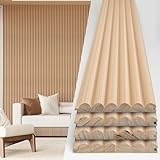
For a truly high-end, bespoke look, add texture. Fluted or reeded wood panels are an emerging trend that adds incredible depth and dimension to cabinet fronts. When painted in a sophisticated, muted pine green, the texture creates a beautiful play of light and shadow that a flat panel can’t replicate. This approach is best used sparingly as a feature—on a kitchen island, a bank of pantry doors, or the sides of base cabinets—to create a custom, luxurious feel.
Materials Needed:
- Muted Pine Green Paint (Earthy, non-saturated green)
- Fluted or Reeded Wood Panels (To apply to the sides of islands, base cabinet ends, or specific feature doors)
- Strong Wood Glue and Finishing Nails (For securing the fluting strips)
- Quality Filler and Sanding Supplies (Essential for a seamless, high-end paint finish over texture)
Step-by-Step Directions:
- Plan Feature Zones: Use the fluting texture sparingly—usually on the island base, pantry doors, or the cabinet panels facing the dining area—to highlight the texture without overwhelming the space.
- Measure and Cut: Precisely measure the fluting strips to fit perfectly and securely glue and tack them into place on the cabinet substrate.
- Ensure a Flawless Finish: Sand carefully and use a specialized high-build primer. The paint must be applied by spraying to ensure the color penetrates the grooves without creating runs or pooling.
- Highlight with Light: Position pendant or accent lighting to strike the fluted panels at an angle, utilizing the strong side shadows that the texture creates to add dramatic depth.
Pro-Tip: Fluted or reeded cabinet panels are an emerging high-end trend. By painting this texture in a classic green, you inject trendiness without sacrificing the timeless appeal of the color itself.
11. Green Lower Cabinets Only (Maximizing Light in Small Spaces)

Save this clever two-tone tips for height!
This is the ultimate strategy for using a deep, moody green in a small or light-challenged kitchen. By applying the dark moss green only to the lower base cabinets, you anchor the space and introduce rich color without sacrificing vertical brightness. The upper cabinets and walls are kept a crisp, reflective white, which draws the eye upward and makes the ceiling feel higher. This two-tone approach gives you the best of both worlds: the personality of a bold color and the space-enhancing properties of a white kitchen.
Materials Needed:
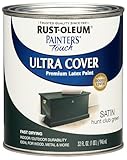
- Deep Moss Green Paint (High pigment load for a rich, grounding base)
- Crisp White Paint (High LRV white for the upper cabinets and ceiling)
- Simple Hardware (Use the same hardware on both uppers and lowers for cohesion, e.g., brushed brass)
- Simple, Light Flooring (Polished concrete, light wood, or large format light tiles)
Step-by-Step Directions:
- Determine the Anchor: Apply the green shade exclusively to the lower base cabinets. This grounds the kitchen and allows the color to act as a functional base.
- Lift the Eye: Paint the upper cabinets, walls, and ceiling in a crisp white. The visual break at the counter level draws the eye up, making the ceilings feel higher and the kitchen feel more expansive.
- Maintain Cohesion: Use the same hardware style (and ideally the same countertop) across the entire kitchen to ensure the two-tone effect feels deliberate and unified.
- Utilize Reflective Surfaces: Ensure the backsplash material is glossy or highly reflective to bounce light from the window and artificial sources onto the upper white cabinets.
Lesson Learned: In small kitchens, the two-tone approach (dark lowers, light uppers) is the safest way to incorporate bold color while actively maximizing the perceived vertical space.
Mastering Green Cabinet Pairings: Hardware, Countertops, and Walls
Choosing the right shade of green is only half the battle. To create a truly cohesive and high-end design, you must master the art of pairing your cabinets with the other fixed elements in your kitchen. The hardware, countertops, and backsplash are not afterthoughts; they are crucial components that will either elevate or undermine your design.
Hardware Pairing Matrix: Warm Greens vs. Cool Greens
The key to pairing hardware with green is matching the undertone. Warm greens (olive, sage) require warm metals like brass or gold to enhance their richness. Cool greens (emerald, forest) pair best with high-contrast matte black or cool metals like polished nickel to maintain a crisp, modern edge. Brass introduces a sense of warmth and luxury, while matte black provides a graphic, contemporary definition.
Countertop and Backsplash Cohesion
Keep it simple and light. White quartz, Carrara marble, or light butcher block are the best pairings as they provide a neutral, clean canvas that allows the green cabinets to remain the primary focal point. Avoid busy patterns or dark granite, which can make the space feel muddy or overwhelming. Your countertop should act as a quiet, supportive partner to the statement-making color of your cabinets.
Why LRV and Lighting Temperature Matter
The Light Reflectance Value (LRV) of green paint dictates how dark it will look in your kitchen. Dark greens (LRV below 20) need extensive layered lighting (under-cabinet, pendants) to prevent gloominess. Furthermore, warmer artificial LED lighting can pull out yellow undertones in a green shade, while cool natural light (North-facing) will emphasize blue undertones. Always test a large sample board in your kitchen for 24 hours to see how the color shifts with the light before committing.
Key Takeaways: Your Quick Guide to a Timeless Green Kitchen
Achieving a green kitchen that will stand the test of time comes down to a few core principles. By focusing on classic profiles, balanced pairings, and high-quality materials, you can ensure your design remains sophisticated for years.
- Shade Selection: Prioritize muted shades (Sage or Moss) or complex, deep colors (Hunter, Forest) over highly saturated bright greens. These complex neutrals have greater longevity.
- Profile Matters: Pair green with classic profiles (Shaker) or minimalist styles (Slab) that transcend fleeting design fads. Let the color be the main statement, not an overly ornate door style.
- Hardware Rule: Match the metal’s temperature to the paint’s undertone: Brass for Warm Greens, Black/Nickel for Cool Greens. This creates instant visual harmony.
- Balance is Key: Use light countertops and ample white/neutral accents to balance the visual weight of the green. This prevents the color from overwhelming the space.
- Prioritize Durability: Invest in high-quality acrylic-alkyd hybrid cabinet paint for a long-lasting, wipeable finish that can withstand the rigors of a busy kitchen.
FAQs About green kitchen cabinets ideas
Is Dark Green a Timeless Color for Kitchen Cabinets?
Yes, dark green is considered highly timeless, provided it is used in a classic style (like Shaker) and paired with enduring materials such as white marble or quartz. Deep greens function similarly to neutral charcoal or navy in design, offering personality without risking the temporary nature of highly saturated trend colors.
What is the Most Durable Finish for Green Kitchen Cabinets?
Semi-gloss or Satin finishes (30-60% sheen level) are recommended for maximum durability and cleanability. These finishes are often achieved using specialized acrylic-alkyd hybrid enamels or pigmented lacquers, which offer superior adhesion, moisture resistance, and block resistance compared to standard wall paint.
How Do I Prevent My Green Cabinets From Looking Muddy or Dated?
To prevent a muddy look, ensure the surrounding elements (walls, trim, backsplash) are clean neutrals that don’t clash with the green’s undertone. To avoid feeling dated, stick to modern, simple hardware (long pulls) and avoid busy backsplash patterns, keeping the green cabinet color as the sole statement.
Should I Buy Pre-finished Green Cabinets or Paint Existing Ones Myself?
If budget allows, buying pre-finished green cabinets offers superior, factory-grade durability and a flawless finish, highly recommended for longevity. DIY painting is a cost-effective alternative, but success relies entirely on meticulous surface preparation (sanding/degreasing) and using professional-grade cabinet paint and primer.
What Wall Color Goes Best with Deep Forest Green Cabinets?
Crisp white or soft, warm off-white colors are ideal for walls paired with deep forest green cabinets. These neutrals ensure the dark cabinets remain the focal point and prevent the room from feeling too enclosed, maintaining a bright and balanced atmosphere.
Final Thoughts
Green kitchen cabinets are far more than a passing trend; they are a sophisticated design decision that grounds your home in nature and individuality. They offer a unique opportunity to create a space that feels both deeply personal and universally appealing. By adhering to the timeless pairings and durability tips outlined in these 11 ideas, you can ensure your kitchen remains stylish and high-end for years to come.
Which of these 11 ideas best suits the light and style of your kitchen remodel? Share your favorite shade in the comments
Last update on 2026-04-27 at 22:41 / Affiliate links / Images from Amazon Product Advertising API
