
As an Amazon Associate KitchenwareSets.com earns from qualifying purchases.
Cream Kitchen Cabinets Timeless Pairing Guide 2026
Worried your dream cream kitchen will end up looking more dated than timeless? It’s a common fear that holds many back from this warm, inviting choice. Cream kitchen cabinets are a classic design element, a painted finish with a warm, off-white hue that offers a softer alternative to stark white.
Cream kitchen cabinets are definitively timeless, provided they are paired with contemporary materials and the right undertones. This expert guide will show you exactly how to select the perfect pairings, from countertops to hardware. You’ll learn the technical secrets to ensure your kitchen looks sophisticated and modern for years to come.
Contents
show
Are Cream Kitchen Cabinets Still Timeless in 2026? Debunking the “Dated” Myth
Yes, cream kitchen cabinets are still a timeless and popular choice in 2026. They offer a psychological warmth and softness that stark white cabinets often lack, creating an inviting, high-end neutral kitchen aesthetic. The “dated” reputation comes from the 1990s and early 2000s, when cream was often paired with busy granite countertops, ornate raised-panel doors, and overtly yellow undertones.
The modern approach to cream cabinetry is entirely different. Professional design principles focus on achieving a sophisticated look through strategic color pairings. To keep cream looking fresh and current, designers pair it with:
- Clean, simple countertops like white quartz.
- High-contrast hardware in matte black or the warm elegance of aged brass.
- Simple cabinet door styles, like the ever-versatile Shaker style.
- The right undertones. Modern cream shades lean towards subtle beige or gray (greige), which reads as a sophisticated neutral rather than a pale yellow.
By understanding the technical aspects of color theory—like Light Reflectance Value (LRV) and undertone selection—you can confidently create a cream kitchen that is both warm and completely contemporary. This guide details the exact rules professionals follow to achieve that flawless, lasting look.
The Technical Pairing Guide: 9 Expert Rules for Flawless Cream Kitchen Cabinets
Achieving a timeless cream kitchen isn’t about luck; it’s about applying a few key rules based on professional color theory and material science. These nine pairing decisions are the foundation of a flawless design. Before we dive into the specific elements, it’s critical to understand the secret weapon that governs them all: LRV and undertones. Mastering this technical concept is the difference between a kitchen that looks muddy and one that looks magnificent.
Critical Sub-Section: The LRV and Undertone Test: Avoiding the Yellow Pitfall
The single biggest fear with cream cabinets is that they will look yellow, dingy, or muddy. This pitfall is almost always caused by a mismatch between the cabinet’s undertone and the room’s lighting.
Light Reflectance Value (LRV): This is a metric from 0-100 that measures how much light a color reflects. Cream colors typically have an LRV between 75 and 85, meaning they reflect a lot of light but are softer than pure white (LRV 90+). In a low-light or north-facing kitchen, choosing a cream with a higher LRV (80-85) is crucial to avoid a drab look.
The Three Undertones:
* Yellow/Golden Undertone: This is the most traditional cream. It creates a very warm, sunny look but can become overly yellow in rooms with warm artificial light.
* Pink/Rosy Undertone: A less common but beautiful choice that creates a soft, welcoming glow. It pairs poorly with green or cool gray tones.
* Gray/Taupe Undertone (Greige): The most modern and versatile option. These “greige” creams have a sophisticated, muted quality that prevents them from ever looking too yellow.
The expert-recommended approach is to always test your selected cream color on site. Paint large foam boards with your top three choices and move them around the kitchen at different times of day. This is the only way to see how your specific natural and artificial light will affect the color and prevent a costly mistake.
1. Anchor the Room with White Quartz Countertops

Pin this genius tips to your ‘Dream Kitchen’ board!
White quartz is the safest and most modern countertop pairing for cream cabinets. Its durability and clean, seamless appearance provide a bright surface that creates a gentle, pleasing contrast ratio. This pairing keeps the kitchen feeling light and airy, preventing the warm tones of the cabinets from becoming overwhelming.
Inspiration Needed:
- Countertop Material: White Quartz with minimal or very fine grey veining (avoiding overtly busy patterns).
- Sample Size: Minimum 12×12 sample slab to test against cabinets in situ.
- Edge Style: Simple, clean edge profile (e.g., eased or waterfall edge) for a modern look.
Styling Tips:
- Test Undertones: Hold the quartz sample vertically against the cabinet sample in the exact kitchen light to confirm the quartz’s tone (is it cool white or warm white?). Choose a warmer white quartz to avoid making the cream cabinet look yellow.
- Maximize Seamlessness: If budget allows, run the quartz up the wall as a cohesive backsplash for a high-end, contemporary look that minimizes grout lines.
- Ground the Space: If the countertop is white, use dark or matte hardware to ground the cabinets and provide contrast, preventing the entire kitchen from looking washed out.
Pro-Tip: When comparing quartz, look for an LRV close to 90 or higher to ensure sufficient contrast with the cream cabinet (LRV 75-85).

2. Modernize the Look with Matte Black Hardware

Save this clever organization idea!
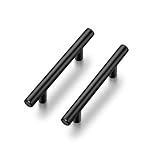
Matte black hardware is the fastest way to add contrast and modernity to cream cabinets. The deep, non-reflective finish provides strong visual weight, which grounds the light color of the cabinetry and defines the clean lines of Shaker-style doors. This pairing instantly signals a contemporary or transitional design.
Materials Needed:
- Hardware Finish: Matte Black (high-quality, powder-coated finish for durability).
- Hardware Style: Simple bar pulls (for transitional/modern) or thin T-knobs (for minimalist).
- Mounting: Hardware template or jig for accurate installation.
- Tools: Drill, measuring tape, pencil.
Installation & Styling Steps:
- Select Pull Length: Choose pulls that are appropriately scaled to the cabinet door width (often 1/3 the width for large drawers).
- Position Correctly: For Shaker style, position the pulls centered on the rail (the vertical portion of the door frame).
- Drill and Install: Use the mounting template to ensure all pulls are aligned perfectly, then secure them tightly with the provided screws.
- Balance the Look: If using an open-concept design, repeat the matte black finish in the kitchen faucet or pendant light fixtures to create visual continuity.
Lesson Learned: Avoid overly ornate, highly detailed black hardware; the simplicity of the matte black finish is what delivers the modern edge against the warm cream.
3. Introduce Elegance with Aged Brass Accents

Pin this idea for a touch of luxury!
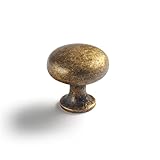
For a warmer, more luxurious feel, aged brass hardware is the perfect complement to cream cabinets. The soft patina and golden tones of the brass act as jewelry for your cabinetry, enhancing the inherent warmth of the cream paint for a rich and cohesive look.
Materials Needed:
- Hardware Finish: Aged Brass or Unlacquered Brass (will patina over time for an authentic look).
- Style: Small mushroom knobs, bin pulls, or sleek T-pulls.
- Coordination: Brass faucet or lighting pendants (optional but recommended for continuity).
Styling Tips:
- Choose Aged Finish: Opt for “aged,” “satin,” or “brushed” brass over polished or lacquered brass, as the high shine of polished brass can sometimes clash with the soft cream color.
- Mix Metals Cautiously: If using a stainless steel sink/appliances, use brass only for the cabinet hardware and lighting, keeping the faucet in stainless or nickel to avoid overwhelming the space.
- Maintain Warmth: Use this pairing when the cream cabinet has a subtle golden or yellow undertone; the brass finish enhances that warmth for a cohesive, rich look.
- Balance Placement: Use knobs on upper cabinets and pulls on lower drawers for visual interest and ergonomic comfort.
Pro-Tip: Unlacquered brass will naturally develop a unique, darker patina over time, which adds incredible character to the classic cream cabinetry.
4. Harmonize Walls and Trim with Subtle Greige Tones

Pin this expert color strategy!
The wall and trim color choice is critical. Pairing cream cabinets with the wrong wall color can make them look dingy or yellow by comparison. The safest and most sophisticated choice is a warm greige (a versatile neutral blend of gray and beige) or a warm off-white.
Materials Needed:
- Paint Type: Low-VOC, durable matte or eggshell finish wall paint (for easy cleaning).
- Color Shade: A warm greige (gray-beige blend) or a warm off-white with an LRV 5-10 points higher than the cabinet color.
- Tools: Large foam board (for testing paint samples), roller, brush.
Application Steps:
- Test the Tone: Paint a large swatch (2ft x 2ft) of the selected greige on the wall next to the cabinet sample. Observe it throughout the day.
- Avoid Pure White: CRITICAL STEP: Never pair cream cabinets directly with a stark, cool-toned white trim (e.g., Ultra Pure White) unless the goal is to purposefully make the cabinets look visibly warmer/yellower.
- Blend the Trim: For a seamless, high-end design, either paint the trim and crown molding the exact same cream color as the cabinets, or use a slightly lighter, coordinating warm white.
- Consider Lighting: If the kitchen is dark, select a lighter greige (LRV 70+) to maximize light reflection.
Pro-Tip: Look at colors that belong to the Benjamin Moore Historical Collection or Sherwin Williams’ Timeless Collection, as these are often designed to have rich, nuanced undertones that complement traditional and transitional cream colors perfectly.

5. Embrace Texture with Handmade Zellige Backsplash

Pin this elegant texture idea!
To prevent a cream kitchen from looking flat, introduce texture through the backsplash. Handmade Zellige tiles are an excellent choice because their slight irregularities and glossy finish catch the light beautifully, adding artisanal character and visual interest without introducing a busy pattern.
Materials Needed:
- Tile: Zellige, handmade ceramic tile, or a high-variation glossy subway tile (in white or a pale warm gray).
- Grout: Non-sanded grout in a color matching the cabinet cream or the tile itself (to minimize lines).
- Tools: Tile cutter, trowel, float, level.
Installation & Design Steps:
- Choose Variation: When using cream cabinets, select a white Zellige tile or a very light gray that focuses on textural variation and reflectivity rather than bold color contrast.
- Minimize Grout Lines: Use a slightly darker grout than the cabinet color only if you want to emphasize the pattern; otherwise, match the grout to the tile/cabinet for a cohesive, wall-like look.
- Avoid Speckled Granite: Design Mistake Alert: Never pair cream cabinets with a busy, multicolored granite backsplash from the 90s, as this is the fastest way to make the kitchen feel dated.
- Consider Stone: Natural stone like polished marble (Calacatta Gold, if the gold vein is subtle) works well, but requires sealing and maintenance.
Lesson Learned: The slightly irregular, textural quality of Zellige tile perfectly counteracts the smooth, uniform finish of factory-painted cream cabinets, providing essential visual depth without adding color complexity.

6. Ground the Design with Dark Wood Flooring

Save this crucial color pairing rule!
To prevent light cream cabinets from looking like they are floating, it’s essential to ground them with a contrasting floor. Dark wood flooring in an espresso, dark brown, or rich walnut stain provides the perfect anchor. This sharp contrast makes the cream color pop and adds natural texture and warmth to the entire room.
Materials Needed:
- Flooring Type: Engineered or solid hardwood (Walnut, Dark Oak, or Ash with a deep stain).
- Alternative: High-quality LVP/LVT or laminate with realistic dark wood grain texture.
- Tools: Underlayment, saws, nail gun/adhesive (depending on material).
Pairing Steps:
- Maximize Contrast: Use dark wood flooring (espresso or dark brown) to create maximum contrast with the light cream cabinets; this immediately grounds the room and highlights the cabinet color.
- Avoid Clashing Undertones: If your cream cabinet has a gray undertone, ensure the wood stain is a true brown or dark gray-brown, avoiding any competing red or orange tones in the wood.
- Consider Foot Traffic: For busy kitchens, choose a wood species or finish with a high Janka hardness rating, or opt for a durable LVP that mimics the look of dark wood.
- Lighter Alternative: If dark wood is too intense, the next best option is a medium-toned natural oak or a large-format porcelain tile in a warm gray.
Pro-Tip: Dark flooring minimizes visual distractions on the floor, allowing the eye to focus on the beautiful light cream cabinets, creating a high-end, gallery-like effect.

7. Optimize Durability with a Professional Satin Finish

Pin this essential quality tip!
The paint finish on your cream cabinets is just as important as the color itself. A satin finish is the industry standard for high-end cabinetry because it offers the perfect balance of durability and aesthetics. It has a low sheen that diffuses light beautifully without glare, and it’s far easier to clean than a matte finish.
Materials Needed:
- Preferred Finish (Professional): Catalyzed conversion varnish or 2K polyurethane paint (factory-applied or specialized professional application).
- Preferred Finish (DIY): High-quality waterborne acrylic enamel in a Satin sheen.
- Tools: High-quality brush and foam roller (for DIY), degreaser, fine-grit sandpaper.
Application & Selection Steps:
- Choose Satin: Select a satin sheen (which is between matte and semi-gloss). This finish hides imperfections better than high-gloss while still offering excellent cleanability and light reflection without glare.
- Prioritize Durability: If ordering new, insist on a factory-applied catalyzed finish (Conversion Varnish) as it offers maximum resistance to moisture and chipping—essential for high-traffic cream paint.
- Prep is Key (DIY): If painting existing cabinets, spending 70% of the time on proper cleaning and sanding (degreasing is mandatory) is the only way to ensure the paint adheres and does not peel or chip quickly.
- Avoid Oil-Based: Steer clear of traditional oil-based paints, which are guaranteed to yellow over time, destroying the cream tone. Stick to high-performance water-based formulations.
Pro-Tip: Factory-applied conversion varnish offers superior longevity against impact, grease, and moisture compared to any paint applied on-site. If budget allows, factory finish is always recommended.

8. Select Shaker Style Doors for Transitional Versatility

Save this definitive style choice!
The Shaker cabinet door is the most versatile and timeless style available, making it the perfect choice for cream paint. Its simple, clean lines with a recessed center panel prevent the warm cream color from looking overly traditional or heavy, which can happen with more ornate raised-panel doors.
Materials Needed:
- Cabinet Door Style: Shaker (five-piece construction with recessed center panel).
- Material: Solid wood or high-quality MDF core (better resistance to warping than solid wood for painted finishes).
- Tools: None needed for selection, only comparison tools.
Design Choice Criteria:
- Choose Simplicity: The clean, unadorned lines of the Shaker style prevent the cream color from looking heavy or overly traditional (which can happen with ornate raised panel doors).
- Maximize Versatility: Shaker cabinets are the most versatile style, able to be dressed up with ornate brass hardware for a traditional look, or streamlined with sleek black pulls for a modern aesthetic.
- Ensure Quality: Check the construction material. For painted finishes, a cabinet door with an MDF center panel is actually preferable over solid wood, as it minimizes cracking at the panel joints where paint typically fails.
- Consider Flat Panel: For an ultra-modern aesthetic, use a flat-panel (slab) door style with the cream color, but Shaker offers the best long-term style security.
Lesson Learned: Shaker is the safest choice for cream, as it provides enough architectural detail to prevent the color from looking like a flat box, while remaining simple enough to remain relevant for decades.

9. Brighten Low-Light Kitchens with Warm LED Lighting

Pin this essential lighting trick!
Lighting is a non-negotiable element for success with cream cabinets, especially in rooms with low natural light. The right artificial light will enhance the cabinet’s natural warmth, while the wrong light will make it look gray and muddy. Layered, warm-toned lighting is the solution.
Materials Needed:
- Lighting Type: High-quality LED strip lighting (tape lights) or puck lights.
- Color Temperature: Critical: 2700K to 3000K (Warm White) – avoid 4000K or higher (Cool White).
- Tools: Adhesive backing, wire cutter, dimmer switch (optional but recommended).
Installation & Strategy Steps:
- Choose Warmth: Cream cabinets thrive under warm light (2700K-3000K). Cool blue-toned lighting (4000K+) will fight the cream’s natural warmth and make it appear dingy or slightly grey.
- Layer Lighting: Install under-cabinet lighting, internal cabinet lighting (if glass fronts are used), and pot lights on dimmers to maximize light sources and eliminate shadows.
- Prevent Muddy Color: In low-sunlight rooms (North-facing), the lack of natural warm light is often why cream looks gray. Use 3000K under-cabinet lights even during the day to enhance the cabinet’s golden undertone.
- Hide the Source: Mount LED strips toward the front lip of the cabinet frame to ensure the light is focused on the backsplash/countertop and the source is concealed from sight.
Pro-Tip: Installing a full perimeter LED strip (tape light) provides a seamless glow that is far superior to individual puck lights and is critical for maintaining the vibrant, warm hue of cream cabinets.

Key Takeaways: Your Quick Guide to a Timeless Cream Kitchen
To ensure your cream kitchen remains a timeless classic, focus on these five essential rules. They are your roadmap to avoiding common pitfalls and achieving a sophisticated, high-end look.
- The 5 Rules for Timeless Cream Cabinets:
- Master the Undertone: Always select a cream leaning towards subtle beige or gray (greige) to avoid the overtly yellow, dated look. Test large samples in your kitchen light.
- Contrast is Key: Ensure the cabinets are defined by either white quartz countertops (for lightness) or dark wood flooring/matte black hardware (for grounding).
- Prioritize Durability: Opt for a professional, high-quality satin finish (like conversion varnish or high-performance acrylic) that resists yellowing and chipping better than traditional oil-based paints.
- Harmonize the Neutrals: When selecting wall paint or trim, use a slightly warmer white or a pale greige to complement the cream, preventing an artificial clash with cool whites.
- Illuminate Correctly: Use layered lighting, focusing on warm LED strips (2700K-3000K) under cabinets, to maintain the cream’s warm glow and counteract dark shadows.
People Also Ask About Cream Cabinetry Longevity and Maintenance
Are cream kitchen cabinets outdated in 2026?
No, cream cabinets are still timeless and popular in 2026 because they offer the warmth and softness that stark white cabinets lack. The key is to modernize the pairing by selecting Shaker-style doors, matte black or aged brass hardware, and clean, simple countertops like white quartz. Avoid busy patterns and yellow undertones to maintain a fresh aesthetic.
How do I clean and maintain cream kitchen cabinets without damaging the finish?
Routine cleaning is crucial. Use a mild, pH-neutral solution of warm water and a few drops of dish soap with a soft microfiber cloth for weekly wiping. Avoid harsh, abrasive cleaners, chemical solvents, or oil-based polishes, as these can dull or break down the protective topcoat and lead to premature yellowing or discoloration, especially on high-traffic areas near the stove.
What is the cost difference between RTA and custom cream cabinets?
RTA (Ready-to-Assemble) cream cabinets can cost 50% to 70% less than fully custom cream cabinetry, depending on the quality of the finish and materials. While custom offers precise sizing and specialized finishes (like conversion varnish), high-quality RTA options often use durable finishes (thermofoil or painted wood) that offer good long-term value for budget-conscious remodels.
Final Thoughts
The transition to a cream kitchen is an investment in warmth, elegance, and timeless style. By applying these specific pairing rules—from the crucial LRV test to the perfect hardware finish—you ensure your cabinets remain fresh and sophisticated, avoiding the outdated pitfalls of the past. Stop agonizing over the yellow risk and move forward with confidence, knowing you have the expert guidance to create a truly enduring kitchen design.
Which of the 9 pairings are you most excited to use in your September kitchen remodel? Let us know in the comments below
Last update on 2026-09-17 at 11:31 / Affiliate links / Images from Amazon Product Advertising API
