
As an Amazon Associate KitchenwareSets.com earns from qualifying purchases.
11 Textured Decor Ideas To Warm Up Your Kitchen for 2026
Staring at that blank kitchen wall again? It feels like a missed chance, a space that should be full of life but just… isn’t.
You know your kitchen needs a touch of warmth and personality, but flat prints and posters feel uninspired. That’s where textured wall art, a type of dimensional decor, comes in. It offers a sophisticated, tactile quality that completely transforms a space.
Textured wall decor is the perfect solution for kitchen walls because it adds visual weight, warmth, and sophistication. Unlike flat prints, its three-dimensional surface interacts with light, creating dynamic shadows that make a space feel more curated, cozy, and alive. This guide will walk you through 11 stunning ideas to bring that character to your kitchen.
Contents
show
Is Your Kitchen’s Blank Wall a Wasted Opportunity?
It’s a common problem: you’ve perfected your countertops and cabinets, but the walls feel like an afterthought, leaving the heart of your home feeling a bit sterile. In our experience, adding a single piece of dimensional, textured art is the fastest way to solve this. It introduces character and a tactile quality that flat art simply can’t match. This isn’t just about filling a blank space; it’s about adding a layer of personality and making your kitchen feel truly complete. We’ve curated 11 stunning, actionable ideas to show you exactly how to turn that boring wall into a sophisticated focal point.
11 Textured Decor Ideas To Warm Up Your Kitchen for 2026
Ready to find the perfect piece? We’ve gathered 11 distinct and inspiring textured decor ideas, curated based on 2026‘s top interior design trends and the timeless principles of textural balance. From serene minimalist plaster art to rustic reclaimed wood, there’s a style here to match your unique kitchen. Each idea includes practical tips on achieving the look and caring for it in a real kitchen, ensuring your choice is both beautiful and functional.
1. Embrace Serenity with Minimalist White Plaster Art

Pin this serene look to your ‘Minimalist Home’ board!
This sophisticated style adds depth and a sculptural element to a modern kitchen without introducing distracting color. It’s all about the subtle play of light and shadow across the sweeping arcs of white plaster, creating a calm and serene focal point.
Key Elements to Get This Look:
- Large Square Canvas: Look for a gallery-wrapped canvas, at least 30″x30″, to make a statement.
- White Plaster or Joint Compound: The key is a heavy-body material that holds its shape.
- Matte Finish: A completely flat, non-reflective finish emphasizes the shadows and raw texture.
- Floater Frame (Optional): A thin, natural wood floater frame can add a touch of warmth and a polished edge.
How to Recreate the Style:
- Placement is Key: Hang this piece on a focal wall, away from direct splatter, like behind a kitchen table or on a large, empty accent wall.
- Consider Lighting: Position it where it will catch natural light from a window. The changing light throughout the day will alter the shadows and make the art feel alive.
- Maintain Balance: Pair this art with other simple, organic elements like ceramic vases, light wood tones, and soft linen textiles to maintain a serene, uncluttered aesthetic.
Pro-Tip: For a true minimalist feel, try the “color drench” trend. Paint your wall the exact same shade of white as the art. The texture itself becomes the focal point through the shadows it creates.

2. Add Organic Shape with an Earth-Tone Arch Canvas

Save this beautiful arch idea for a touch of organic style!
Breaking away from traditional rectangular art, the arched canvas introduces a soft, organic shape that feels both modern and timeless. Covered in a rough, sandy texture and painted in a warm earth tone like terracotta, it brings a warm, inviting, and on-trend boho feel to any kitchen.
Key Elements to Get This Look:
- Shaped Canvas: An arch or half-circle shaped canvas is the star of the show.
- Sand-Textured Paint: Look for acrylic paint pre-mixed with sand or a texturizing additive to create that earthy, grainy feel.
- Warm, Muted Color Palette: Think terracotta, rust, ochre, or dusty rose.
How to Recreate the Style:
- Break Up Lines: Use the soft curve of the arch to contrast with the hard, straight lines of cabinetry and countertops. It’s perfect for narrow walls or the end of a cabinet run.
- Create a Pair: For a larger wall, hang two matching arches side-by-side, leaving about 3-4 inches between them for a high-impact, symmetrical look.
- Complement with Nature: This style pairs beautifully with natural elements. Style the surrounding area with wooden bowls, terracotta pots, and lots of green plants.
Pro-Tip: If you can’t find a pre-made arch canvas, you can easily create one from a rectangular canvas and a piece of thin plywood or MDF cut into an arch shape and glued to the top.

3. Introduce Warmth with Modern Farmhouse Reclaimed Wood

Pin this rustic idea to your ‘Farmhouse Kitchen’ board!
Perfect for the modern farmhouse aesthetic, a geometric mosaic of reclaimed wood adds instant warmth and rustic character. The natural, weathered texture of the wood contrasts beautifully with the clean lines of modern kitchen design, creating a space that feels both fresh and grounded.
Key Elements to Get This Look:
- Reclaimed Wood Planks: Use wood pieces with varied tones, saw marks, and nail holes for authentic character.
- Geometric Pattern: A classic herringbone, chevron, or simple block pattern adds a modern touch to the rustic material.
- Solid Backing Board: A piece of thin plywood is needed to mount the wood pieces securely.
- Clear Matte Sealant: Protects the wood from kitchen humidity without adding an artificial shine.
How to Recreate the Style:
- Go Big: This style works best as a large, statement piece. Aim for art that covers at least two-thirds of the width of the wall or the table it’s hanging above.
- Tie It In: Choose wood tones that complement your flooring, shelving, or cutting boards to create a cohesive look throughout the space.
- Contrast with Sleek: Place this rustic piece against a clean backdrop like white shiplap or smooth, painted drywall to let the texture truly stand out.
Lesson Learned: Ensure any reclaimed wood is properly cleaned and sealed before bringing it into a kitchen environment to prevent pests and make it easier to wipe down.
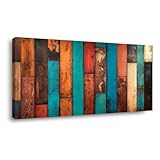
4. Soften the Space with a Boho Chic Macrame Wall Hanging

Save this soft and stylish boho idea!
In a room full of hard surfaces like stone, tile, and metal, a soft textile wall hanging provides a welcome and necessary contrast. A hand-knotted macrame piece made from natural cotton offers a relaxed, bohemian vibe and introduces a gentle, woven texture that makes the entire kitchen feel softer and more inviting.
Key Elements to Get This Look:
- 100% Cotton Macrame Cord: Natural, off-white cord provides the classic boho look. Choose a thick cord (4-5mm) for a substantial feel.
- Natural Branch or Dowel: A piece of found driftwood adds organic character, while a smooth wooden dowel offers a more modern, clean look.
- Complex Knotting: Look for pieces that incorporate various macrame knots (like square knots, half hitches, and berry knots) for rich visual texture.
How to Recreate the Style:
- Contrast Hard with Soft: Hang macrame on a wall adjacent to sleek tile backsplashes or stone countertops to provide a beautiful textural contrast.
- Use as a Valance: A long, narrow macrame piece can be hung above a window as a unique, light-filtering alternative to a traditional fabric valance.
- Keep it Clean: Position it away from the stove or sink to avoid grease and moisture buildup in the fibers. It’s perfect for a kitchen dining nook or pantry door.
Pro-Tip: To refresh a macrame hanging that has collected some dust, take it outside and give it a few gentle shakes. You can also use a lint roller for a quick touch-up.

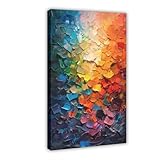
5. Inject Personality with an Abstract Impasto Color Pop

Pin this colorful idea for a bold statement!
For those who crave both color and texture, an abstract impasto painting is the perfect solution. The impasto technique involves applying paint so thickly that the brushstrokes and palette knife marks are visible, creating an incredibly rich, dimensional surface. In a neutral kitchen, a colorful piece like this becomes an instant focal point, injecting energy and personality.
Key Elements to Get This Look:
- Heavy Body Acrylic Paint: This type of paint is thick and holds its shape, essential for creating the impasto effect.
- Palette Knives and Stiff Brushes: These tools are used to apply the paint thickly and create the signature strokes and peaks.
- Vibrant, High-Contrast Colors: Choose a palette of 3-4 bold colors that contrast with your kitchen’s primary color scheme.
- Gloss Varnish: A glossy finish can enhance the colors and make the piece easier to wipe down.
How to Recreate the Style:
- Create a Focal Point: Let this be the star of the show. Hang a single, medium-to-large piece in the most visible spot in your kitchen, like above a banquette or on the wall facing the entrance.
- Pull Accent Colors: Pick one or two of the minor colors from the painting and repeat them in small doses around the kitchen—think tea towels, a vase, or a bowl of fruit—to make the look feel intentional.
- Let it Stand Alone: Avoid placing other decor items too close to the painting. Give it plenty of “negative space” on the wall to maximize its impact.
Pro-Tip: When choosing colors, find a piece that includes at least one neutral color from your existing kitchen (like white, beige, or grey). This will help the bold colors feel integrated rather than out of place.
6. Achieve Sophistication with a Sculptural Neutral Triptych

Save this elegant triptych idea for a high-end look!
For a long or large kitchen wall, a triptych—a piece of art displayed in three separate panels—is an incredibly elegant solution. Using three matching canvases with complementary minimalist plaster designs creates a cohesive and high-impact statement that feels more intentional and architectural than a single piece.
Key Elements to Get This Look:
- Three Matching Canvases: The panels should be identical in size and orientation (e.g., three 12″x36″ vertical canvases).
- Cohesive Color and Texture: All panels should be the same neutral color (like warm beige, off-white, or light gray) with textures that are related but not identical.
- Precise Spacing: The key to a successful triptych is consistent spacing between the panels.
How to Recreate the Style:
- Plan Your Spacing: The ideal distance between panels is 2 to 3 inches. Use a laser level and measuring tape to mark your spots before drilling any holes.
- Fill a Long Wall: A triptych is the perfect solution for a long, narrow wall in a galley kitchen or along a dining area. The repetition fills the space beautifully without overwhelming it.
- Hang at Eye Level: Treat the entire triptych (including the spaces) as one single piece of art. The center of the entire grouping should be at 57-60 inches from the floor.
Lesson Learned: Don’t eyeball the spacing! Taking 10 extra minutes to measure and level a triptych is the difference between a professional-looking installation and a sloppy one.

7. Get an Authentic Feel with Wabi-Sabi Inspired Raw Canvas

Pin this perfectly imperfect wabi-sabi look!
Embracing the Japanese philosophy of finding beauty in imperfection, wabi-sabi inspired art is perfect for creating a calm, grounded atmosphere. This style often features unframed, raw canvas with a minimal smear of plaster, celebrating the natural texture of the materials, subtle cracks, and an overall unfinished, authentic feel.
Key Elements to Get This Look:
- Unprimed, Raw Canvas: The natural, beige color of the raw fabric is a key part of the aesthetic.
- Minimalist Application: A single smear or a few lines of plaster or gesso is all that’s needed.
- Embrace Imperfection: Look for pieces with subtle cracks, uneven edges, and an overall unfinished feel.
- Unframed or Leaning: Displaying the art unframed, with exposed staples on the side, or simply leaning it on a shelf enhances the raw, authentic vibe.
How to Recreate the Style:
- Lean, Don’t Hang: For an effortlessly styled look, lean a medium-sized piece on a countertop against the backsplash or on an open shelf.
- Group with Handmade Items: This style shines when paired with other objects that show the maker’s hand, such as handmade pottery, carved wooden spoons, or hand-blown glass.
- Create a Quiet Moment: Place this art in a calmer corner of the kitchen, like a coffee station or a small seating nook, to create a mindful, serene vignette.
Pro-Tip: Wabi-sabi is all about appreciating the passage of time. Don’t worry if the piece gets a tiny scuff or mark over the years; it simply adds to its character and story.

8. Define Space with Linear Geometric Wood Panels

Save this sleek and modern wood panel idea!
For a more integrated, architectural feel, consider linear wood panels. Thin vertical slats of wood create a fluted or ribbed texture that adds incredible depth and a sense of modern sophistication. The clean lines play with light and shadow, making this a dynamic choice that feels built-in rather than simply hung on the wall.
Key Elements to Get This Look:
- Thin Wood Slats or Pole Wrap: Use half-round wood dowels or pole wrap sheets for an easy way to get the fluted look.
- Consistent Spacing: The precision of the lines is what makes this look so appealing. Use small spacers for perfect alignment.
- Natural Wood Finish: A light wood like oak, maple, or birch keeps the look airy and modern. Stain or paint it to match your cabinetry for a custom look.
How to Recreate the Style:
- Create an Accent Nook: Install these panels on the back wall of a built-in bench or a coffee bar nook to define the space and add incredible depth.
- Wrap a Kitchen Island: Apply the panels to the front or sides of a plain kitchen island for a high-end, custom-built look that adds major texture.
- Go Vertical: Emphasize ceiling height in a smaller kitchen by running the slats vertically from the countertop to the ceiling.
Pro-Tip: Many companies now sell pre-made acoustic wood slat panels. These are easy to install and have the added benefit of absorbing sound, which is a great bonus in a noisy, open-concept kitchen.

9. Add Earthy Depth with a Rustic Stacked Slate Panel

Pin this rugged and rustic stone idea for major impact!
For a durable and high-impact accent wall, nothing beats the rugged texture of natural stacked slate. The varying thicknesses and earthy colors of the stone create a powerful, rustic feel that’s perfect for industrial or mountain-modern kitchens. This is a permanent installation that adds significant architectural interest and value.
Key Elements to Get This Look:
- Interlocking Stone Ledger Panels: These pre-made panels of real stone make installation much easier than setting individual stones.
- Strong Wall Adhesive: A high-strength construction adhesive is required to securely bond the heavy panels to the wall.
- Natural Cleft Finish: This refers to the natural, uneven surface of the split stone, which provides the best texture.
How to Recreate the Style:
- Choose Your Wall Wisely: This is a permanent installation. It’s perfect for a kitchen backsplash, the wall behind a dining table, or as a feature on a kitchen island base.
- Enhance with Lighting: Use “wall grazing” lighting techniques—placing lights close to the wall—to cast dramatic shadows down the stone and highlight its incredible texture.
- Balance with Smoothness: Since the stone is so visually heavy and textured, balance it with smooth surrounding elements like flat-panel cabinets, sleek metal hardware, and simple countertops.
Lesson Learned: Stacked stone is very porous. If using it as a backsplash behind a sink or stove, it’s essential to apply a quality stone sealer to protect it from water and grease stains.

10. Opt for Coziness with Soft Fabric or Woven Art

Save this cozy and unique textile art idea!
Framed textile art offers a sophisticated way to introduce soft, cozy texture into your kitchen. A piece of hand-woven fabric with chunky, natural yarns adds a layer of warmth and comfort that balances the room’s hard surfaces. Framing the piece gives it a polished, finished look and offers protection from the kitchen environment.
Key Elements to Get This Look:
- Chunky, Natural Fibers: Look for weavings that use thick wool roving, cotton, or other natural yarns to maximize the tactile quality.
- Simple Framing: A minimalist wood frame keeps the focus on the textile’s texture and craftsmanship.
- A Cohesive Color Story: Choose a piece with colors that echo your cabinet, wall, or backsplash color for a harmonious look.
How to Recreate the Style:
- Sound Absorption: Textile art is great for absorbing sound. Hang it in an eat-in kitchen or an open-concept space with high ceilings to help reduce echo and noise.
- Protect with Framing: Unlike an open macrame piece, framing a woven artwork behind glass or acrylic offers protection from dust and kitchen grime, making it a more practical choice for this room.
- DIY with a Scarf: For a simple, budget-friendly version, find a beautifully textured scarf or piece of fabric and have it professionally framed.
Pro-Tip: If framing without glass to appreciate the texture fully, choose a spot far from the stove. Give it a gentle vacuum with a brush attachment every few months to keep it fresh.

11. Make It Your Own with DIY Textured Color Drench Art

Pin this high-end DIY project for your next weekend!
For a truly custom and budget-friendly option, try making your own “color drench” art. This high-end technique involves creating a textured canvas and then painting it the exact same color as your wall. The result is a chic, monochrome look where the texture itself becomes the star, revealed through the play of light and shadow.
Materials Needed:
- Blank Canvas: Any size you like.
- Pre-mixed Joint Compound or Drywall Mud: A small tub is inexpensive and easy to work with.
- Putty Knife or Trowel: A plastic putty knife with teeth or a cake icing spatula works great for creating patterns.
- Leftover Wall Paint: The key is using the exact same paint that is on your wall.
- A Small Paint Brush.
Step-by-Step Directions:
- Apply the Texture: Scoop some joint compound onto your canvas and use your putty knife to spread it around. Create swoops, lines, or fan shapes. Don’t overthink it! Let it dry completely for 24 hours.
- Sand Lightly (Optional): If there are any very sharp peaks, you can lightly sand them down for a softer look.
- Paint the Canvas: Once the compound is fully dry, use your leftover wall paint to cover the entire textured canvas. Make sure to get into all the nooks and crannies. Let it dry.
- Hang and Admire: Hang your custom art on the matching wall. The monochrome effect is incredibly chic and lets the texture do all the talking.
Pro-Tip: Before you start on your canvas, practice your texture techniques on a piece of cardboard so you can get a feel for the material and decide on a pattern you love.

Key Takeaways: Your Quick Guide to Textured Kitchen Decor
- Texture Adds Warmth: Textured art provides a crucial contrast to the hard, sleek surfaces of a kitchen, making the space feel cozier and more inviting.
- Placement Matters: Keep delicate or hard-to-clean pieces (like raw textiles) away from high-splatter zones like the stove and sink. A dining nook or accent wall is a safer choice.
- Scale is Everything: To create a true focal point, choose a single large piece of art that takes up about 2/3 of the empty wall space. When in doubt, go bigger.
- Light is Your Friend: The beauty of textured art is how it plays with light. Position your art where it can catch natural light or highlight it with a dedicated picture light to maximize its dimensional effect.
- Consider Cleaning: Before buying, think about maintenance. Sealed canvases, wood, and stone are easier to wipe down than raw plaster or open-weave textiles.
People Also Ask About Textured Kitchen Decor
Can you put textured canvas art in a kitchen?
Yes, you absolutely can put textured canvas art in a kitchen, but placement is key. To ensure its longevity, hang it on a wall away from direct heat, steam, and grease, such as in a breakfast nook or on a wall opposite the stove. Choosing a piece with a protective matte or satin varnish can also help make it more durable and easier to clean.
How do you clean textured wall art without damaging it?
For routine dusting, use a soft, dry paintbrush or a can of compressed air held at a distance. This will remove dust from crevices without abrasion. For a minor spot, very gently dab the area with a slightly damp Q-tip and a tiny amount of mild dish soap, testing in a hidden corner first. Never scrub the surface.
What is the best rule for hanging art in a kitchen?
Hang art so the center of the piece is at average eye level, which is 57 to 60 inches from the floor. If hanging it above a table or banquette, leave 6-8 inches of space between the bottom of the frame and the furniture. This ensures the art feels connected to the space rather than floating too high.
How do I choose art that won’t go out of style?
To choose timeless art, focus on neutral colors, natural materials, and simple abstract forms. Pieces with minimalist plaster textures, rustic wood elements, or classic abstract paintings in a palette of whites, beiges, and grays will adapt to changing trends and complement your kitchen for years to come.
Final Thoughts
Your kitchen is the heart of your home, and its walls shouldn’t be an afterthought. By choosing to add texture, you’re not just decorating; you’re infusing the space with depth, warmth, and a story. Whether you opt for a serene minimalist piece or a bold, colorful statement, the right textured art can transform your kitchen from a purely functional room into a space that truly feels like you.
What kind of texture are you dreaming of for your kitchen? Share your favorite idea from the list in the comments below.
Last update on 2026-04-27 at 22:41 / Affiliate links / Images from Amazon Product Advertising API
