
As an Amazon Associate KitchenwareSets.com earns from qualifying purchases.
Modern Kitchen Design: 9 Genius Ideas for Small Spaces 2026
Is your small kitchen making it hard to achieve that sleek, modern look you crave? Many homeowners struggle with limited counter space, awkward layouts, and persistent clutter, feeling restricted by their compact footprint. It’s a common challenge to blend contemporary aesthetics with efficient functionality when every inch counts.
Modern kitchen design for small spaces focuses on maximizing utility, minimizing visual clutter, and using sleek finishes and clean lines to create an illusion of greater space. This style heavily utilizes integrated appliances, vertical storage, and monochromatic palettes to enhance efficiency and aesthetic flow within restricted square footage. Leveraging tested frameworks and data-driven insights, this guide reveals 9 genius ideas to transform your cramped quarters into a highly functional, elegant modern kitchen. You’ll discover specific design strategies and actionable steps to overcome spatial limitations.
Contents
show
9 Genius Ideas To Maximize Functionality in Your Small Modern Kitchen
1. Maximize Vertical Storage Space with Floor-to-Ceiling Cabinets

Pin this brilliant space-saving cabinet concept to your ‘Modern Remodel’ board!
Maximizing vertical space is a cornerstone of efficient modern small kitchen design, turning often-wasted wall area into valuable storage. Floor-to-ceiling cabinets eliminate dust-collecting gaps and draw the eye upward, making the room feel significantly taller and more expansive. This approach allows a tiny kitchen to enable efficiency by leveraging every available inch, creating storage density crucial for compact living. The sleek, handleless design of these tall units further enhances the streamlined modern kitchen aesthetic.
Key Design Elements
- Full-height pantry cabinets: Units reaching 90-100 inches to the ceiling, often utilizing specialized lift mechanisms for upper sections.
- Integrated trim and molding: Minimalist, shallow trim that seamlessly blends the cabinets into the ceiling and walls for a streamlined modern kitchen look.
- Adjustable shelving hardware: High-load capacity shelf pins and slides to optimize storage based on item height.
- Push-to-open hardware: Eliminates external handles for a clean line kitchen aesthetic.
Step-by-Step Implementation Instructions
- Measure and Plan: Carefully measure the wall height and calculate necessary cabinet dimensions, ensuring a 1-2 inch buffer for ceiling variance and base leveling.
- Choose Configuration: Select between standard 12-inch depth cabinets or deeper 24-inch pantry units based on stored items, using lighter depths for visual airiness.
- Install Base and Level: Secure the base cabinets first, ensuring they are perfectly level, which is critical for vertical alignment.
- Stack and Secure: Attach upper vertical units directly to the base and secure all units firmly to wall studs using heavy-duty L-brackets or mounting rails.
- Apply Finish: Use matching paint or veneer on visible gaps to ensure a seamless, built-in appearance that makes the small kitchen feel larger.
Pro-Tip: For the highest, hardest-to-reach shelves, install a concealed fold-out step stool or specify cabinets with an automated pull-down system. This utilizes ergonomic small kitchen design principles and significantly improves the functional aesthetic.

2. Integrate Appliances to Create a Seamless, Decluttered Look

Pin this aesthetic integrated design idea to your ‘Apartment Renovation’ board!
Integrated appliances are vital for achieving a truly minimalist modern kitchen, eliminating the visual breaks caused by bulky, freestanding units. By concealing refrigerators, dishwashers, and even microwaves behind matching cabinet panels, you create an uninterrupted, sleek small kitchen aesthetic. This approach minimizes visual complexity, making the compact living kitchen feel larger and more cohesive. The compact design enhances functionality by blending essential appliances seamlessly into the overall kitchen flow, a hallmark of architectural modern small kitchen design.
Key Design Elements
- Panel-ready appliances: Specific models of dishwashers, refrigerators, and freezers designed to accept custom cabinetry fronts.
- Appliance measurement guides: Precise dimensions and hinge requirements for flush installation.
- High-quality mounting kits: Specialized kits ensuring the cabinet panel aligns perfectly with the adjacent cabinetry.
- Slim-profile induction cooktops: Modern alternatives to gas burners, offering a flat, uninterrupted surface when not in use.
Step-by-Step Implementation Instructions
- Purchase Panel-Ready Units: Select compact, integrated appliances suitable for small modern kitchen requirements, prioritizing efficiency and size.
- Review Panel Specifications: Obtain the appliance template and panel weight/dimension requirements before ordering custom cabinetry fronts.
- Install Appliance Housing: Build the surrounding cabinet housing structure first, ensuring electrical and plumbing connections are accessible.
- Mount Panels: Affix the custom cabinet panels to the appliance door using the provided mounting hardware, ensuring precise alignment with the neighboring cabinets for the ideal streamlined look.
- Test Functionality: Open and close all integrated units to confirm smooth operation and clearance, vital for maintaining the minimalist kitchen design.
Pro-Tip: Opt for a push-to-open mechanism (magnetic or spring-loaded) on integrated fridge and dishwasher panels instead of handles. This drastically improves the seamless look, ensuring that every surface is clean and uninterrupted, which visually expands the compact living kitchen.

3. Implement Handleless Cabinetry for a Clean Line Aesthetic

Pin this sleek aesthetic idea to your ‘Minimalist Design’ board!
Handleless cabinetry is essential for achieving the clean line aesthetic that defines modern kitchen design, especially in small spaces. Eliminating external knobs and pulls creates an uncluttered, seamless visual flow, preventing any interruptions that might make a narrow kitchen feel more confined. This ergonomic small kitchen design not only saves space visually but also prevents snagging on handles in tight quarters. The result is a truly minimalist kitchen design, where every surface appears intentional and unadorned.
Tools Required
- Push-to-Open Latches: Magnetic or mechanical latches installed inside the cabinet frame.
- Recessed Channel Profile: Aluminum or plastic strips installed horizontally or vertically between cabinet doors (for true integrated handleless).
- Precision drill and jigs: Required for accurate installation of internal latches or recessed channels.
- Matte finish cabinetry: Essential to minimize fingerprints and maintain the sleek aesthetic.
Step-by-Step Installation Instructions
- Choose Your Mechanism: Decide between mechanical push latches (budget-friendly) or professional recessed channel integration (high-end, true handleless).
- Prepare Doors: If using a J-pull profile, ensure cabinet doors are pre-routed. If using push latches, patch and finish any old handle holes completely.
- Install Latches: Mount the magnetic or mechanical push-to-open latches inside the cabinet frames, ensuring the strike plate is aligned to allow the door to open fully with a light push.
- Adjust Gaps: Fine-tune cabinet hinges and latch positions to ensure consistent, tight gaps (typically 2-3mm) between cabinet faces, which is crucial for the clean line look.
- Test Ergonomics: Confirm doors and drawers open easily without excessive force, optimizing kitchen flow in the compact design.
Pro-Tip: If retrofitting existing cabinets, use a high-quality matte black or charcoal cabinet wrap instead of paint. This provides a durable, modern finish that complements the clean lines of handleless systems and is more resistant to fingerprints than high-gloss finishes, solving the common problem of clutter in small modern kitchen.

4. Create Depth and Ambience with Concealed Lighting Techniques

Pin this lighting essential to your ‘Kitchen Upgrades’ board!
Concealed lighting is a powerful tool in modern kitchen design for small spaces, transforming a compact area into a visually expansive and inviting environment. By hiding light sources behind panels or beneath cabinets, you create a soft, ambient glow that eliminates harsh shadows and adds depth. This advanced lighting technique makes the small kitchen feel larger and more luxurious, enhancing both functionality for tasks and the overall aesthetic appeal. Optimal lighting transforms ambience and ensures the bright modern small kitchen you envision.
Supplies Needed
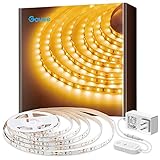
- High-density LED strip lights: Requires 60-120 LEDs per meter for smooth, consistent light without visible dots.
- Aluminum channels with diffusers: Essential for concealing the light source, protecting the strips, and softening the light output for a professional look.
- Dimmable drivers (transformers): Required for controlling the light intensity and integrating with smart home technology small kitchen.
- Warm white (2700K-3000K) LEDs: Recommended for a cozy, welcoming modern ambience.
Step-by-Step Installation Instructions
- Measure and Cut Channels: Measure the underside of the upper cabinets and cut the aluminum channels to fit flush against the front lip, concealing the strip light.
- Mount Strips: Adhere the LED strips into the channels, ensuring continuity for a seamless glow.
- Wire Drivers: Connect the LED strips to the dimmable drivers, hiding the driver unit either on top of the cabinet or inside an adjacent pantry unit.
- Secure Channels: Screw or use heavy-duty adhesive to mount the channels firmly underneath the cabinets.
- Integrate Dimming: Install a modern, minimalist dimmer switch or integrate the system into a smart home hub for voice or app control, utilizing smart kitchen technology small.
Pro-Tip: Install toe-kick lighting (LED strips mounted beneath the base cabinets) aimed at the floor. This visually separates the cabinetry from the floor, making the base cabinets appear as if they are floating, which is an innovative kitchen solution that tricks the eye into perceiving more open floor space.
5. Design a Multi-Functional Compact Kitchen Island or Peninsula

Pin this brilliant small kitchen island solution!
For a small kitchen, a multi-functional island or peninsula can be a game-changer, but careful planning is key to optimizing its utility. Rather than a purely decorative element, this central feature must serve multiple purposes: a prep area, a dining space, and often, an integrated storage solution. A well-designed kitchen island for a small space creates an essential workspace and defines the layout, while a compact peninsula can offer similar benefits by extending from a wall, maximizing kitchen space. According to qualified kitchen architects, maintaining ergonomic small kitchen design principles, such as proper walkway clearances, is crucial.
Key Design Elements
- Narrow profile base: Base cabinets should be no wider than 15-20 inches to maintain optimal flow in compact design.
- Countertop overhang: Extend the countertop 10-12 inches on the seating side to accommodate two modern bar stools.
- Integrated storage: Include open shelving or thin drawers on the kitchen side for frequently used items.
- Locking caster wheels (if movable): Allows the island to be reconfigured, maximizing tiny kitchen area when not in use.
Step-by-Step Implementation Instructions
- Determine Clearance: Use painter’s tape to map out the footprint, ensuring minimum 36-inch clearance around all working sides (especially for galley kitchen vs U-shaped small layouts).
- Choose Fixed or Mobile: Select a fixed peninsula if you need built-in storage and define the space; choose a mobile island for maximum flexibility.
- Build Storage Base: Assemble the narrow base cabinet unit, ensuring the unit is secured to the floor or wall if fixed, or wheels are installed if mobile.
- Attach Multi-functional Top: Secure a durable, modern countertop (quartz or butcher block) with the required overhang for seating.
- Style and Utilize: Position two slim bar stools beneath the overhang. Use the surface for prep, dining, or a temporary work station.
Pro-Tip: If using a peninsula, extend the countertop surface using a sleek, contrast material (like natural wood on a white quartz kitchen). This extension provides essential extra counter space kitchen without requiring extra floor space and helps delineate the dining area, solving small kitchen dilemmas.

6. Design with a Monochromatic Palette for Visual Expansion

Pin this aesthetic color strategy to your ‘Small Space Tricks’ board!
Using a monochromatic palette is one of the most effective visual tricks for making a small kitchen feel larger and more open. By painting walls, cabinets, and even the ceiling in varying shades of a single light color (such as white or pale gray), you blur the visual boundaries of the room. This lack of contrast prevents the eye from stopping at distinct lines, creating an illusion of seamless expansion. Research-backed kitchen space planning principles show that light colors and reflective finishes optimize light distribution, enhancing a bright modern small kitchen aesthetic.
Key Design Elements
- Unified color palette: Using light neutrals (whites, off-whites, pale grays) across cabinets, walls, and backsplash to blur visual lines.
- Reflective finishes: Choosing subtle high-gloss or satin lacquers for cabinets to bounce light.
- Continuous flooring: Extending the kitchen flooring (e.g., light wood) into adjacent rooms to create seamless transitions.
- Minimal contrast: Utilizing black hardware accents only for necessary definition, such as black + hardware co-occurrence.
Step-by-Step Implementation Instructions
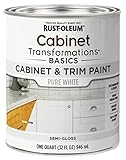
- Select Base Neutral: Choose a foundational neutral (e.g., Sherwin Williams Extra White or a pale greige) for the majority of walls and ceiling.
- Match Cabinetry: Select cabinet faces that are within one or two shades of the wall color to reduce visual interruptions.
- Choose Low-Contrast Backsplash: Opt for a small, simple modern kitchen backsplash in the same color family as the cabinets, using a glossy finish (like polished subway tile) to reflect light.
- Integrate Accents: Introduce small accents of darker color (charcoal, black, deep blue) in functional elements like faucets, hardware, or pendant lighting.
- Control Texture: Layer different textures (smooth quartz, light wood, matte metal) within the monochromatic scheme to add depth without adding visual clutter.
Pro-Tip: If using a contrasting floor (dark wood), paint the baseboard trim the same color as the walls, not the floor. This eliminates a dark line that would visually anchor and shrink the room’s perceived size, maximizing tiny kitchen area.
7. Optimize the Galley Layout for Efficient Kitchen Workflow

Pin this workflow layout guide to your ‘Kitchen Planning’ board!
The galley kitchen layout, with its parallel countertops, is inherently efficient for small spaces when optimized for workflow and ergonomic principles. Often found in apartment kitchens, this narrow configuration can become a highly functional work zone by strategically placing the sink, stove, and refrigerator to form a tight “work triangle.” This arrangement minimizes movement and enhances functionality, making it a prime example of efficient kitchen design for confined areas. The compact design enhances functionality by maximizing utility within its linear constraints.
Key Design Elements
- Streamlined Work Triangle: Placing the primary sink, stove, and refrigerator in close proximity, optimally on the same wall or directly across the narrow aisle.
- Uniform Counter Depth: Maintaining a consistent 24-inch countertop depth on both sides to maximize the working surface area without compromising walkway width.
- Narrow Walkway: Minimum aisle width of 36 inches (or 42 inches for multiple users) to ensure comfortable movement and compliance with ergonomic principles.
- End-Cap Storage: Utilizing the short ends of the galley kitchen for shallow storage, open shelving, or a small built-in pantry.
Step-by-Step Implementation Instructions
- Map the Triangle: Define the primary working areas (prep, cooking, cleaning) and ensure the three key appliances form the most efficient, tightest triangle or straight-line path.
- Prioritize Counter Space: Position the sink and stove to allow for substantial, uninterrupted counter space on either side for food prep (the limited counter space kitchen problem).
- Select Compact Appliances: Choose smaller 24-inch wide ranges and refrigerators to maintain walkway clearance, integrating them to uphold the modern aesthetic.
- Install Overhead Storage: Ensure upper cabinets do not jut out excessively, maintaining visual flow. Consider vertical lift systems for upper doors instead of traditional swing doors that block the aisle.
- Add Utility Rails: Install sleek utility rails on the backsplash for hanging frequently used tools, freeing up drawer and counter space immediately adjacent to the work zones.
Pro-Tip: If using a one-wall layout, position the tallest element (refrigerator or pantry) at one end. This prevents it from breaking the visual flow of the countertop and helps draw the eye down the length of the kitchen, contributing to the streamlined modern kitchen design.

8. Embrace Open Shelving and Minimalist Decor to Reduce Bulk

Pin this airy shelving look to your ‘Minimalist Home’ board!
Open shelving can significantly reduce the heavy visual bulk of upper cabinets, making a small kitchen feel more open and airy. This approach aligns perfectly with minimalist kitchen ideas for compact apartments, creating a lighter, more expansive aesthetic. However, to avoid clutter in a small modern kitchen, open shelving requires meticulous organization and a disciplined approach to display. It’s crucial to select durable materials and mounting systems, as highlighted by tested space-saving kitchen solutions.
Materials Needed
- Solid wood floating shelves: Requires internal metal mounting rods for a clean, handleless aesthetic.
- Heavy-duty shelf brackets: Rated for at least 30-50 pounds per linear foot.
- Uniform storage containers: Matching glass jars, minimalist ceramic dishware, or metal canisters for organizing.
- Leveling and mounting tools: Required for precise, flush, and secure installation into studs.
Step-by-Step Installation Instructions
- Strategic Placement: Choose shelving placement strategically, typically above the main countertop but away from the stove area where grease and steam are highest.
- Mount Brackets Securely: Locate wall studs and use high-load anchors to mount the floating shelf brackets, ensuring they are perfectly level—accuracy is crucial for the sleek look.
- Maintain Minimalism: Limit items to 50% of the shelf surface area, displaying only visually appealing, frequently used items or minimalist decor elements.
- Use Uniformity: Group similar objects (e.g., all white bowls, glass spice jars) to reduce visual chaos, which is a major concern with open shelving.
- Clean Regularly: Establish a weekly cleaning routine to address dust and maintain the bright, airy aesthetic required for the minimalist kitchen philosophy.
Pro-Tip: If you have to store mismatched items, use tall, matching, opaque containers (like matte black canisters or white ceramic vases) on the open shelves. This hides the clutter while maintaining the geometric, clean line appearance necessary for the small modern kitchen aesthetic.

9. Incorporate Smart, Hidden Storage Hacks to Optimize Every Nook

Pin this innovative small space storage hack now!
Intelligent storage systems are paramount for maximizing every nook and cranny in a small modern kitchen, transforming traditionally wasted spaces into highly functional areas. Clever storage ideas for modern small kitchen designs focus on hidden solutions like pull-out pantries, blind corner mechanisms, and toe-kick drawers. These systems not only optimize kitchen storage but also maintain the sleek, uncluttered aesthetic essential for contemporary spaces. An expert review of small kitchen design solutions reveals that durable, smooth-operating hardware is key to the long-term success of these complex mechanisms.
Supplies Needed
- Full-extension slide hardware: High-quality soft-close rails for smooth operation of pull-out units.
- Blind corner pull-out mechanisms (Magic Corner): Specialized hardware that utilizes the deep, hard-to-reach corner space.
- Toe-kick drawer systems: Low-profile drawers installed in the typically unused space beneath the base cabinets.
- Cabinet door organizers: Wire or plastic racks for storing spices or foils on the inside of cabinet doors.
Step-by-Step Installation Instructions
- Identify Wasted Space: Locate all potential storage voids: blind corners, the 4-inch gap beneath the base cabinet (toe-kick), and the space behind large sink basins.
- Install Blind Corner Mechanism: Follow manufacturer instructions carefully to install the pull-out hardware into the blind corner cabinet, typically requiring securing the central rotating shaft and aligning the sliding baskets.
- Build Toe-Kick Drawers: Construct low-profile drawers (3-4 inches high) and install under-cabinet glides, utilizing the space for flat items like cutting boards or serving trays.
- Organize Vertically: For narrow gaps (4-8 inches), install a slender pull-out unit, maximizing vertical space for canned goods or spices.
- Test Weight Capacity: Load and test all specialized storage systems to ensure smooth operation, preventing common small kitchen renovation problems like stuck drawers.
Pro-Tip: If your small kitchen has a sink base cabinet, install a U-shaped pull-out shelf system around the plumbing. This innovative solution converts otherwise unusable space around the pipes into accessible storage for cleaning supplies, effectively organizing a compact kitchen.

FAQs About Modern Kitchen Design for Small Kitchen
What are common small kitchen design mistakes I should avoid?
The most frequent small kitchen design mistakes include poor lighting choices, prioritizing décor over functionality, and installing appliances that are too large for the space. Additionally, using too many visual interruptions (like busy patterns or contrasting upper/lower cabinets) breaks the flow, making the room feel smaller and more cluttered. Always choose handleless or concealed hardware and integrate primary appliances to maintain visual continuity, which is crucial for maximizing tiny kitchen area.
What colors work best for small modern kitchens to make them feel larger?
Light, monochromatic color palettes are universally recommended for small modern kitchens because they reflect light and blur the visual boundaries of the room. White, pale gray, and soft neutrals work best, as they make small kitchen feel larger. If you desire color, incorporate deep shades (like navy or black) only in small, controlled accents such as hardware or a specific feature wall, using a consistent, high-sheen finish to prevent light absorption.
How much clearance space is needed around a small kitchen island or peninsula?
A minimum clearance of 36 inches (90 cm) is considered industry standard for walkways around fixed elements like an island or peninsula in a small kitchen. If your kitchen is used by two or more people simultaneously, a 42-inch clearance is strongly advised to maintain comfortable flow and avoid awkward small kitchen layout fixes. Always measure from the widest point (e.g., appliance handles or cabinet doors) to ensure adequate clearance.
Can I incorporate open shelving without making my small kitchen look cluttered?
Yes, open shelving can reduce visual bulk, but success hinges on meticulous organization and maintaining a strict minimalist approach. Only display essential, visually uniform items like matching white ceramics or glass containers, and utilize only 50% of the shelf capacity. Use modern kitchen cabinets for items that cannot be consolidated or color-coordinated to avoid the main source of clutter in small modern kitchen.
What is the ideal layout for a narrow apartment kitchen with modern design?
The ideal layout for a narrow apartment kitchen is typically the galley or a straight one-wall layout, as they utilize space most efficiently. When planning, follow the ‘work triangle’ principle, placing the sink, refrigerator, and stove in close proximity to optimize workflow in tiny kitchens. In a galley kitchen, ensure the aisle width is maximized, and use floor-to-ceiling cabinetry to take advantage of vertical space.
What are some affordable modern small kitchen designs I can DIY?
Affordable modern small kitchen designs often focus on hardware swaps, fresh paint, and lighting upgrades rather than full structural renovations. You can achieve a sleek look by retrofitting existing cabinets with push-to-open hardware, painting them a matte neutral color, and installing DIY under-cabinet LED strip lighting. These easy modern kitchen updates for small kitchens create the aesthetic impact of a renovation without the high cost.
How can I make my small kitchen appear taller?
To make a small kitchen appear taller, utilize vertical visual lines and minimal horizontal breaks. Install cabinets that extend all the way to the ceiling, use tall, vertical cabinet pulls, and ensure a seamless paint color from the wall onto the ceiling. Use continuous vertical elements like subway tile backsplashes installed vertically, which psychologically draws the eye upward, improving small kitchen functionality and perception.
What materials are best for small modern kitchen countertops?
Non-porous materials with sleek, uninterrupted surfaces, such as polished quartz, granite, or solid surface synthetics, are best for small modern kitchen countertops. These materials offer durability and are available in light, monochromatic colors that reflect light. Opting for a seamless design where the countertop material continues up the wall as the backsplash further emphasizes the clean, sleek kitchen finishes.
Should I choose integrated or freestanding appliances in a compact kitchen?
For the modern, minimalist aesthetic in a compact kitchen, integrated (panel-ready) appliances are almost always superior. While freestanding appliances might be cheaper initially, integrated units disappear behind cabinet fronts, creating a cohesive, streamlined look that significantly reduces visual clutter and maximizes the perceived size of the space. This aligns with the principles of smart modern kitchen design.
What’s the difference between modern and contemporary small kitchens?
Modern small kitchen design refers to the specific style dating back to the 1920s (clean lines, functionalism, materials like steel and glass), while contemporary is constantly evolving and references current trends. However, for small spaces, both emphasize similar attributes: sleekness, minimalism, and efficiency. Contemporary small kitchen ideas today often blend natural textures (wood) with modern technology (smart home integration).
Key Takeaways
Achieving a true modern kitchen design in a small space requires shifting your perspective from traditional aesthetics to one that prioritizes efficiency and minimalism. The nine genius ideas detailed here are not simply stylistic choices; they are structural and ergonomic solutions engineered to overcome the inherent challenges of restricted square footage. By embracing integration, vertical storage, and visual tricks—like monochromatic palettes and concealed lighting—you can transform a cramped kitchen into a highly functional, sleek, and elegant cooking area. This transformation is rooted in architectural design principles, ensuring every inch serves a purpose.
Implementing these tested space-saving kitchen solutions allows you to solve small kitchen dilemmas permanently, establishing a high-utility zone that perfectly reflects the clean, uncluttered ideal of modern living. Start by identifying the single biggest pain point in your current kitchen—be it lack of storage or visual chaos—and use the two-part actionable content guides above to plan your initial steps. Even small updates can radically transform the way your kitchen feels and functions.
We hope this authoritative guide small kitchen design empowers you to create the compact modern kitchen of your dreams. What are you planning to incorporate first: the handleless cabinets or the brilliant hidden storage hacks? Let us know in the comments below!
Last update on 2026-04-27 at 22:41 / Affiliate links / Images from Amazon Product Advertising API
