
As an Amazon Associate KitchenwareSets.com earns from qualifying purchases.
Modern Kitchen Island Design: Essential Ideas & Layouts
Does the thought of a stunning, functional kitchen island in your modern home feel like an overwhelming design challenge? You’re not alone; many homeowners grapple with blending sleek aesthetics with practical everyday use. Creating a truly contemporary kitchen focal point requires careful consideration.
A modern kitchen island is characterized by clean, linear aesthetics, innovative and durable materials (like quartz, concrete, or exotic woods), integrated technology, and a design that prioritizes multi-functional use and seamless integration into open-concept living spaces. Design must focus on maximizing efficiency and minimizing visual clutter for a truly refined look. Drawing from comprehensive analysis of current data and proven methodologies, this guide decodes the core principles. You’ll discover essential ideas and layouts that transform your space into a hub of contemporary style and efficiency.
Contents
show
Modern Kitchen Island Design: Decoding the Core Principles of Contemporary Spaces
A modern kitchen island stands as the heart of any contemporary home, blending utility with an architectural statement. Beyond simply adding counter space, a well-designed island becomes a central workstation, a gathering spot, and a key element defining the entire open-concept kitchen design. Achieving this balance requires understanding specific aesthetic and functional principles.
Modern design emphasizes clean lines, a minimalist approach, and a seamless integration of elements. This aesthetic avoids ornate details, focusing instead on simple forms, sophisticated materials, and clever hidden functionalities. Consider three core modern aesthetic concepts to guide your vision:
- Minimalism: Prioritize uncluttered surfaces, handleless cabinetry, and a restrained color palette. This fosters a sense of calm and spaciousness.
- Integration: Ensure the island flows harmoniously with surrounding kitchen cabinetry and the broader open concept living area. Integrated appliances and hidden storage are key.
- Texture: Introduce warmth and depth through contrasting materials like natural wood alongside sleek stone or metal. This prevents modern spaces from feeling too sterile.
Is your current kitchen ready for a modern upgrade? A successful modern island design elevates the entire kitchen. It is an efficient kitchen island, meticulously planned for optimal workflow.
11 Essential Modern Kitchen Island Ideas & Functional Layouts for 2026
A modern kitchen island is more than just a place to prepare food; it’s a dynamic hub that influences the entire home’s aesthetic and functional flow. From sophisticated material choices to innovative storage solutions, these 11 essential ideas and functional layouts offer actionable inspiration for your contemporary kitchen island design. Whether you’re planning a full renovation or seeking to update your space, these concepts provide the foundation for a truly transformative modern kitchen remodel.
1. Designing the Architectural Statement: The Waterfall Island Aesthetic

Pin this elegant design to your ‘Luxury Kitchen Ideas’ board!
The waterfall island aesthetic is defined by a countertop that extends vertically down one or both sides of the island, creating a continuous, seamless surface from the top to the floor. This dramatic visual creates a sculptural element in the kitchen, emphasizing the material’s beauty and the island’s role as a focal point. It speaks to a commitment to high-end design and precision in bespoke island fabrication.
Materials Needed
- Large Slabs of Durable Island Materials (e.g., Calacatta Quartz or honed Marble, ensuring vein matching for seamless flow)
- High-Quality Adhesives (Epoxy or resin specific to countertop type)
- Custom Fabrication Template (Required for precise 90-degree angle cuts)
- Support Structure (Robust metal framing to handle the weight of heavy stone)
Design Principles
- Plan Material Flow: Measure the island length, width, and two drops carefully to ensure the stone veining is continuous across the top and sides for a genuine waterfall island aesthetic.
- Select Seamless Materials: Choose non-porous materials like high-grade quartz or solid-surface composites for easier maintenance and a clean, sleek kitchen island appearance.
- Incorporate Sub-Structure: Design a robust, hidden sub-structure or frame to support the vertical stone drops securely before installation.
- Demand Precise Fabrication: Ensure the fabricator uses high-precision cutting tools to achieve a clean, nearly invisible seam at the 90-degree corner join.
- Illuminate Strategically: Use recessed floor lighting or integrated LED strips along the base to emphasize the dramatic vertical line and make the island look like a sculptural element.
Pro-Tip: For the most elegant island design, choose a slab large enough to complete the entire waterfall unit from a single piece, eliminating seams where possible. This is a hallmark of truly bespoke island fabrication and high-end quality.

2. Integrating Seating Solutions: Creating the Kitchen Island Breakfast Bar

Save this sleek seating idea to your ‘Kitchen Remodel Inspiration’ collection!
Integrating seating into your kitchen island transforms it into a versatile breakfast bar, casual dining area, or social hub, fostering connection in open-concept spaces. A modern approach focuses on clean lines and ergonomic comfort, ensuring the seating enhances rather than detracts from the island’s minimalist features.
Tools Required
- Measuring Tape (For accurate overhang and clearance checks)
- Hidden Countertop Support Brackets (Steel or aluminum, rated for cantilevered loads)
- Bar Stools for Islands (Modern, minimalist design; backless or low-profile preferred)
- Leveling Shims (To ensure secure and level stool placement if floor is uneven)
Planning Island Layout
- Determine Clearance: Plan for a minimum of 12 inches of overhang depth for comfortable knee space. If seating is frequently used, 15 inches is recommended based on professional kitchen planning.
- Calculate Width: Allocate at least 24 inches of island width per person to ensure spacious island layout and comfortable dining.
- Select Seating Type: Choose sleek, low-profile, or backless stools that can be completely tucked away to maintain the minimalist island features of modern design.
- Choose Counter Height: Decide between counter height (approx. 36 inches, standard for prep) or bar height (approx. 42 inches, often used for two-tier designs).
- Install Hidden Supports: Use heavy-duty internal steel supports for cantilevered tops to ensure stability, a necessity when designing kitchen islands for entertaining.
Pro-Tip: If space is extremely limited, consider a drop-down or slide-out extension that can be completely hidden when not in use. This optimizes island space while providing a functional kitchen island breakfast bar.

3. Achieving the Weightless Look: Floating and Cantilevered Island Designs

Pin this cutting-edge design for a truly modern look!
Floating and cantilevered island designs create a stunning visual effect, making the island appear to defy gravity, which is a hallmark of avant-garde island design. This is achieved through clever architectural island solutions involving recessed plinths and hidden structural supports, often accentuated by subtle lighting.
Structural Elements
- Heavy-Duty Steel Frame (Internal structure for supporting cantilevered weight)
- Recessed Plinth Material (Dark, set back 6-8 inches from the edge to create shadow)
- LED Strip Lighting Kit (Warm or cool white, low-profile for perimeter mounting)
- Custom Kitchen Island Options (Design detailing the hidden structure)
Step-by-Step Directions
- Build the Core Support: Construct the internal steel frame first, ensuring it is securely anchored to the floor or wall structure, managing the expected load using data-driven design choices.
- Install the Recessed Plinth: Affix the recessed base structure, ensuring it is completely invisible from standard viewing angles to create the floating kitchen island look.
- Mount the Island Shell: Affix the island cabinetry/finishes shell to the internal frame, carefully aligning all edges to maintain sharp, sleek island design.
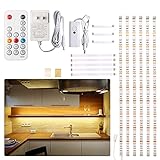
- Integrate Lighting: Install low-profile LED strips to the underside perimeter of the island body (above the recessed plinth) for atmospheric light that enhances the illusion of weightlessness (implementing island lighting).
- Cantilever Considerations: If part of the island is truly cantilevered (no vertical supports), ensure the hidden supports extend at least 2/3rds into the main structure for stability.
Pro-Tip: The contrast between the heavy material of the island body and the light provided by the LED perimeter is key to a successful avant-garde island design. Use a matte finish or dark color on the island body for maximum visual impact.
4. Maximizing Vertical Space: Innovative Storage and Organization

Get inspired to declutter! Save this organization hack to your ‘Kitchen Storage’ board.
Modern kitchen islands excel at maximizing vertical space, transforming underutilized areas into smart, hidden storage solutions that combat clutter and enhance workflow. From deep drawers to integrated bins, effective integrated island storage helps maintain the clean, minimalist aesthetic that defines contemporary kitchens.
Products Required
- Deep Drawer Hardware (Full extension, soft-close mechanisms)
- Slim Pull-Out Spice Racks (For narrow end cabinets)
- Vertical Storage Dividers (For baking sheets and cutting boards)
- Integrated Island Storage Bins (For hidden trash/recycling management)
- Push-to-Open Latches (To eliminate hardware and maintain a minimalist island look)
Step-by-Step Directions
- Designate Specific Zones: Before configuring island storage, identify which side of the island serves the prep zone, cooking zone, and dining zone, ensuring storage placement aligns with its use.
- Utilize Deep Drawers: Instead of base cabinets, prioritize deep, full-extension drawers for pots, pans, and appliances for easier access and maximizing vertical space.
- Incorporate Narrow Storage: Use the 6-12 inch gaps often left at the ends for slim pull-out pantries or spice racks, utilizing every inch of space effectively.
- Hide Waste Management: Integrate dual pull-out bins for trash and recycling into the island structure to keep waste hidden, preventing kitchen clutter island.
- Optimize Functionality: Install specialized inserts, such as tiered silverware trays or knife block inserts, inside drawers to ensure storage + organization remains efficient.
Pro-Tip: The back side of the island facing the living area should incorporate shallow storage (4-6 inches deep) perfect for books, decorative items, or media—a highly efficient, often overlooked way to maximize custom kitchen island options.

5. Achieving Multi-Functional Flexibility: Defining Zones for Modern Living

Pin this multi-zone layout to organize your cooking workflow!
A multi-functional kitchen island is designed with distinct zones to efficiently serve various purposes, from food preparation and cooking to cleaning and dining. This approach leverages the island’s surface area, transforming it into a versatile workstation that enhances workflow and caters to diverse modern living needs.
Tools Required
- Planning Grid Paper (For spatial planning techniques)
- Kitchen Countertops for Islands (Two contrasting materials, e.g., Butcher Block and Quartz)
- Undermount Sink (Minimalist design for cleaning zone)
- Integrated Ventilation System (If cooktop is included)
Step-by-Step Directions
- Identify Primary Needs: Determine the island’s three main functions (e.g., prep, eating, cleaning) to create a genuinely functional kitchen island space.
- Define Boundaries: Use a change in material (e.g., wood for prep, stone for cleaning) or a slight elevation change to subtly define each multi-functional zone.
- Minimize Visual Clutter: If installing a sink, opt for a minimalist, deep undermount style and a single-handle faucet to maintain the sleek aesthetic.
- Integrate Appliances Strategically: If including a cooktop, ensure the ventilation hood is either downdraft (integrated into the island) or a visually striking, modern pendant extractor (integrating appliances into island).
- Optimize Workflow: Position the prep zone nearest the refrigerator/pantry, the cooking zone nearest the stove/oven, and the cleaning zone near the dishwasher to improve the optimizing cooking workflow with island.
Pro-Tip: If incorporating both a sink and seating, place the sink furthest from the dining area to prevent splashing and maintain a clean serving/eating space, a critical factor in professional kitchen planning.

6. Small Kitchen Island Solutions: Maximizing Limited Counter Space

Transform your tight space! Save this small kitchen island idea today!
A small kitchen can absolutely feature an island, provided careful consideration is given to proper clearances and space-saving designs, ensuring functionality without compromising traffic flow. The goal is to provide additional prep, storage, or dining space in a compact footprint, effectively maximizing limited counter space.
Supplies Needed
- Compact Island vs Full-Size Island Unit (Max 48 inches long, 24 inches deep for a narrow unit)
- Caster Wheels (If selecting a mobile island option)
- Sturdy Metal or Minimalist Legs (To maximize visual floor space)
- Integrated Cutting Board (To maximize usable counter surface)
Step-by-Step Directions
- Measure Clearance Crucially: Ensure you have at least 42 inches of clear walkway space around all sides of the island. If you have less, the island will cause solving kitchen traffic flow issues.
- Prioritize Narrow Design: Opt for a narrower depth (24 inches maximum) over standard 36-42 inches to preserve crucial perimeter space (designing a modern kitchen island layout for a small apartment).
- Use Open Shelving: Open or wire shelving (rather than heavy cabinetry) on a small island reduces the visual weight, making the kitchen feel more spacious.
- Choose Mobile Options: If space allows for only temporary use, select a high-quality, lockable mobile island that can be moved against a wall when not actively in use.
- Install Vertical Storage Hooks: Utilize the sides of the compact island for vertical storage of utensils or towels to increase prep efficiency and maximize small kitchen island solutions.
Pro-Tip: In galley kitchen island designs, the island must run parallel to the main counters, and using a lighter-colored countertop material helps the island blend and feel less imposing in the confined space.
7. Seamless Appliance Integration: Enhancing Functionality and Flow

Love this clean look? Pin this integrated appliance idea now!
Seamless appliance integration within a modern kitchen island enhances both functionality and aesthetic flow, allowing the island to serve as a comprehensive cooking or cleaning station. This approach prioritizes a sleek, uncluttered appearance by embedding appliances flush with the surface or concealing them behind custom panels.
Tools Required
- Integrated Induction Cooktop (Flush-mount model preferred)
- Downdraft Ventilation System (Retractable or perimeter-capture style)
- Dedicated Electrical Wiring (240V, compliant with industry standards for islands)
- Specialist Sealants (Heat-resistant and durable)
Step-by-Step Directions
- Prioritize Ventilation: If installing a cooktop, the first step is selecting and sizing the ventilation system (downdraft or overhead), ensuring compliance with ventilation requirements for island cooktops.
- Ensure Flush Mounting: Select an induction cooktop that is designed for flush mounting to minimize seams and create a clean, sleek kitchen island surface transition.
- Plan Utility Runs: Before building kitchen island cabinetry, map out dedicated electrical and gas lines (if applicable) and plumbing runs within the island structure, separating them from storage areas.
- Choose Panel-Ready Appliances: For dishwashers or refrigeration drawers, select panel-ready models that can be seamlessly covered with the same finish as the island cabinetry (integrating appliances into island).
- Optimize Ergonomics: Place the primary appliance (cooktop or sink) centrally, ensuring sufficient counter space remains on both sides for safe operation and optimizing cooking workflow with island.
Pro-Tip: Avoid placing a bulky, traditional overhead range hood over a modern island in an open concept layout, as it interrupts sightlines. Instead, invest in a powerful, hidden downdraft or a sculptural, designer kitchen island pendant extractor system.

8. Mastering Island Illumination: Choosing Modern Lighting Pendants

Elevate your kitchen style! Pin these modern pendant ideas now!
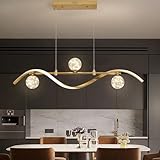
Mastering island illumination is crucial for both functionality and aesthetic impact, as modern lighting pendants serve as key design elements that enhance the island’s role as a focal point. Proper placement and selection ensure adequate task lighting while contributing to the overall ambient mood of the kitchen.
Supplies Needed
- Modern Pendant Lights (Oversized or linear fixture, geometric shape preferred)
- Dimmable LED Bulbs (For flexible ambient and task lighting)
- Ceiling Anchor Points (Must be rated for fixture weight)
- Dimmer Switch (To adjust the mood and functionality)
Step-by-Step Directions
- Determine Focal Points: Select lighting that complements the contemporary kitchen island design, choosing a style (linear, cluster, or multiples) that defines the island as the room’s focal point.
- Calculate Spacing: For multiple pendants, space them evenly, usually dividing the island into thirds, ensuring they don’t visually overwhelm the space.
- Set Height Correctly: Hang the bottom of the pendant fixture 30 to 36 inches above the countertop surface to ensure proper task lighting without blocking sightlines.
- Layer Lighting Types: Supplement pendants (task lighting) with recessed ceiling lights (ambient lighting) around the perimeter to solve poor kitchen lighting island and eliminate shadows.
- Install Dimmers: Use a dimmer switch for the pendant lights to allow flexibility, adjusting brightness for prep work versus socializing/dining (implementing island lighting).
Pro-Tip: In highly minimalist kitchens, a single, long linear fixture provides powerful, uninterrupted light and maintains a sleeker visual profile than multiple dangling pendants, adhering to the core principle of minimalist island features.
9. Defining Contrast: Using Mixed Materials and Textures

Ready for texture? Pin this stylish island solution for your mood board!
Using mixed materials and textures on a modern kitchen island adds visual interest, depth, and warmth, creating a sophisticated and unique aesthetic. This approach moves beyond monochromatic schemes, allowing the island to complement surrounding cabinetry while making a distinct design statement with luxury kitchen island finishes.
Supplies Needed
- Island Cabinetry (Slab doors, modern kitchen cabinets in matte or high-gloss finish)
- Countertop Material A (E.g., Quartz or Sintered Stone)
- Countertop Material B (E.g., Wood Butcher Block or Concrete Segment)
- Metal or Composite Panels (For base kickplate or end panels)
Step-by-Step Directions
- Choose Dominant Material: Select the primary material for the majority of the island (often a neutral stone for durability).
- Introduce Texture Contrast: Choose a secondary material with high textural contrast (e.g., rough-sawn wood or metal) to designate a specific area, such as the prep zone or breakfast nook.
- Use Color Blocking: Employ distinct color blocking, such as pairing a white island body with a dark, contrasting wood countertop, to create immediate visual depth and impact.
- Repeat Textures: Ensure the chosen contrasting material (wood, metal, concrete) appears elsewhere in the kitchen (e.g., shelving, lighting fixtures) so the island integrates with kitchen architecture cohesively.
- Consider Durability Trade-Offs: If using organic materials like marble or wood, discuss proper sealing and maintenance required to ensure they remain a durable island materials over time.
Pro-Tip: Matte black or dark blue islands paired with white or light wood cabinetry create the dramatic yet elegant island design highly favored in current contemporary kitchen designs.
10. Understanding Alternative Layouts: Kitchen Island vs. Peninsula

Not enough space for a true island? Pin this peninsula alternative!
Deciding between a kitchen island vs. peninsula is a critical decision, especially in smaller or uniquely shaped kitchens, where a peninsula can offer a more space-efficient and equally functional alternative. Both serve to define zones and provide extra surface area, but their placement and structural differences impact traffic flow and layout flexibility.
Evaluation Criteria
- Kitchen Island Dimensions (Space required for 360-degree traffic flow)
- Countertop Space (Available surface area)
- Storage Capacity (Ability to use base cabinets effectively)
- Seating Arrangement (Ability to seat multiple people comfortably)
- Kitchen Island vs Peninsula (Which fits the existing layout best?)
Key Considerations
- Analyze Traffic Flow: If a full island would reduce walkways below 42 inches, a peninsula is the superior option, ensuring smoother kitchen traffic flow issues are solved.
- Consider Layout Type: Peninsulas work exceptionally well in U-shaped or L-shaped kitchens, essentially closing off one end to maximize counter space and optimizing island space.
- Maximize Storage: Peninsulas are often superior for storage as they rely on existing cabinetry runs, allowing for full, continuous base cabinets underneath.
- Determine Social Use: Islands inherently encourage conversation facing the living area. Peninsulas typically only allow seating on one side but still connect living and cooking areas.
- Aesthetics: Islands are true focal points. Peninsulas often feel like extensions of the existing counter, which can be preferable in truly minimalist kitchen island designs.
Pro-Tip: If you choose a peninsula for a small space, use a contrasting material (a different countertop or cabinet color) only on the peninsula unit to visually separate it and enhance the modern aesthetic.

11. Integrating Smart Technology: Advanced Automation and Features

See the future of cooking! Save this smart kitchen island technology idea!
Integrating smart technology into a modern kitchen island transforms it into a hub of advanced automation and convenience, enhancing functionality without visual clutter. From wireless charging to voice-activated controls, these features align with future kitchen trends and contribute to a more efficient and enjoyable cooking experience.
Technology Needed
- Pop-Up Power Outlets (Waterproof, multi-USB ports)
- Integrated Smart Home Kitchen Tech Hub (Flush-mounted tablet or screen)
- Wireless Charging Pad (Subtle, embedded under the countertop surface)
- Voice-Activated Lighting/Ventilation Controls (Hands-free operation)
Step-by-Step Directions
- Designate Charging Areas: Decide where cell phones and small devices will charge, opting for an embedded wireless charging pad or a dedicated drawer with USB ports to eliminate cord clutter.
- Install Pop-Up Outlets: Choose modern, spring-loaded pop-up power outlet kitchen island systems that retract flush into the countertop when not in use, preserving the sleek aesthetic.
- Embed the Hub: If using a smart screen or tablet, plan for a flush or near-flush installation point, often recessed into the end panel or countertop, for easy, hands-free recipe access.
- Program Automation: Connect island lighting, ventilation, and other devices to a central voice assistant for advanced kitchen automation (e.g., “Alexa, turn on island task light”).
- Ensure Connectivity: Confirm that Wi-Fi signal strength and necessary data cables (Ethernet/HDMI) can be cleanly routed through the custom island designs structure for seamless operation.
Pro-Tip: Focus on hidden technology. The hallmark of the future kitchen trends is the integration of high-tech features that disappear when not in use, adhering strictly to minimalist island features and design principles.
Key Takeaways: Your Quick Guide to Modern Kitchen Island Design
- Aesthetic Focus: Modern kitchen islands prioritize clean, horizontal lines, sleek surfaces, and a minimalist design that integrates seamlessly into the surrounding open concept space. Achieving this requires careful selection of slab doors and handleless cabinetry using “contemporary island styles.”
-
Functionality First: Design your island based on primary function—prep, cooking, or dining. To create a truly functional kitchen island, ensure ample counter overhang (12-15 inches) for seating and compartmentalized internal storage to prevent kitchen clutter.
-
Layout is Critical: Always maintain a minimum of 42 inches of clear walking space (traffic flow) around the perimeter of the island, especially in small kitchen island solutions. If clearance is compromised, a peninsula is often the superior, more efficient alternative.
-
Material Matters: The waterfall island aesthetic requires careful material selection (quartz, sintered stone) and expert “bespoke island fabrication” to ensure seamless, durable edges that make the unit feel like a sculptural element.
-
Hidden Technology: The latest modern kitchen island trends involve integrating smart features like flush-mounted charging pads, pop-up outlets, and voice-controlled systems that vanish when not in use, adhering to the clean, sleek kitchen island look.
-
Layered Lighting: Proper island illumination demands a blend of ambient (recessed) and task lighting (pendants). Pendants should hang 30–36 inches above the counter to provide optimum task light without obstructing views.
-
Demonstrate Authority: Always consult “industry standards for islands” and “professional kitchen planning” guides when incorporating utilities (like plumbing or ventilation) to ensure long-term efficiency and compliance.
FAQs About modern kitchen design with island
What is the ideal size and dimension for a modern kitchen island?
The ideal size for a modern kitchen island often ranges from 4 to 10 feet in length and 2 to 4 feet in width, though this is heavily dictated by the available room clearance. For optimal functionality, ensure you maintain a minimum of 42 inches of walkway space on all working sides of the island. Counter height is typically 36 inches for food preparation, while integrated kitchen island with seating areas might be slightly higher at 42 inches, following functional design principles.
How much space should be allocated around a kitchen island for comfortable traffic flow?
Industry standards recommend allocating a minimum of 42 inches of clear space around the working perimeter of the kitchen island to ensure comfortable traffic flow and safe operation of appliances. If the area is high-traffic or features appliances that open into the space (like an oven or dishwasher), extending this to 48 inches is advised. Proper spatial planning techniques prevent the island from becoming an obstruction, solving kitchen traffic flow issues.
Which materials are best for achieving a sleek, minimalist modern island look?
To achieve a sleek, minimalist modern island look, the best materials include quartz, sintered stone, matte composite stone, or polished concrete. These materials offer durability, minimal seaming, and are available in neutral colors (white, gray, black) that align with contemporary island styles. Wood (like butcher block) is excellent for adding warmth but should be used selectively or in contrast with a more durable, non-porous material.
Can a small kitchen realistically have an island, and what are the best options?
Yes, a small kitchen can have an island, provided the space can accommodate a minimum 42-inch clearance on all working sides, often necessitating a narrow or mobile design. The best small kitchen island solutions include slim-profile units (24 inches deep), islands with open shelving to reduce visual bulk, or rolling carts with lockable wheels. Prioritize compact island vs full-size island units to ensure the kitchen remains functional and does not feel cramped.
What is the difference between a kitchen island and a peninsula?
The key difference is that a kitchen island is a freestanding unit requiring circulation space on all four sides, while a peninsula is anchored to a wall or existing cabinetry run, open on three sides. Peninsulas are often a more space-efficient option for designing for awkward kitchen layouts or U-shaped and L-shaped kitchens, offering increased continuous counter space and storage without the demanding clearance requirements of a central island.
How should I position lighting to best complement a modern kitchen island?
Lighting should be positioned to provide both ambient and task illumination, with the primary pendant fixtures hung 30 to 36 inches above the countertop surface. Modern design favors geometric, oversized, or long linear fixtures to create a focal point without clutter. Using dimmable LED bulbs and layering the light addresses the potential for solving poor kitchen lighting island problems and maximizes functional design principles.
Why are waterfall edge countertops popular in modern kitchen island design?
Waterfall edge countertops are popular in modern design because they visually emphasize the material quality and create a dramatic, sculptural element, adhering to the principle of minimalism. By wrapping the stone seamlessly down the vertical sides, they draw attention to the island as the central architectural feature of the room. This aesthetic is a key modern kitchen island trend often associated with luxury kitchen island finishes.
Should a modern kitchen island match the surrounding cabinetry and counters?
A modern kitchen island does not strictly need to match the surrounding cabinetry; intentional contrast is a key modern design element. Often, the island uses a bold, different color (e.g., dark gray or wood) or a contrasting countertop material (e.g., stone on the island, wood on the perimeter) to define it as a standalone piece of furniture, enhancing its role as a room focal point within the open concept kitchen design.
What are the main benefits of integrating appliances into a kitchen island?
Integrating appliances like induction cooktops, dishwashers, or specialized refrigeration drawers into the island enhances workflow and maintains the kitchen’s sleek, uncluttered aesthetic. This allows the island to truly serve as a multi-functional workstation, especially when paired with a downdraft ventilation system, which eliminates bulky overhead hoods, preserving sightlines in the open-plan area.
How much does a custom-designed modern kitchen island typically cost?
The cost of a custom-designed modern kitchen island varies dramatically based on size, materials, and integrated features (appliances, plumbing). Basic custom units using standard materials might start at $5,000, but islands featuring luxury materials like thick quartz or rare wood, full appliance integration, and specialized structural elements (like the floating kitchen island look) can easily exceed $25,000, requiring thorough budgeting for kitchen remodels.
Final Thoughts on Modern Kitchen Design with Island
The modern kitchen design with island transcends mere utility; it is the ultimate expression of the home’s contemporary aesthetic and functional core. By embracing the principles outlined here—minimalist lines, integrated storage, and intelligent layout planning—you move beyond simple renovation into deliberate, thoughtful design. Whether you opt for the dramatic architectural statement of a waterfall island aesthetic or the clever space-saving benefits of small kitchen island solutions, the key is balancing your functional needs with an unyielding commitment to sleek, enduring style. Remember that a successful modern island is not just seen; it is experienced, enhancing your daily workflow while providing an indispensable gathering point. We encourage you to use these essential ideas & layouts as a foundation for your project, ensuring your new space becomes a testament to elegant modern kitchen island living.
Which of these 11 modern kitchen island design ideas are you most excited to implement in your home remodel this 2026? Share your favorite aesthetic trend in the comments below!
Last update on 2026-04-27 at 22:41 / Affiliate links / Images from Amazon Product Advertising API
