
As an Amazon Associate KitchenwareSets.com earns from qualifying purchases.
Moody But Bright Kitchen: 11 Essential Design Ideas
Feeling torn between the dramatic elegance of a dark kitchen and the desire for a bright, inviting space? Many homeowners struggle with striking this delicate balance, fearing their kitchen might end up feeling more gloomy than grand. It’s a common design dilemma that often leads to compromises between mood and functionality.
A moody but bright kitchen is an elegant design aesthetic that balances deep, saturated colors like charcoal, navy, or forest green (the ‘moody’ element) with reflective surfaces, strategic layered illumination, and vibrant accents (the ‘bright’ element), creating dramatic depth without sacrificing warmth or openness. This sophisticated palette ensures the space is both atmospheric and inviting, transforming a functional area into a captivating hub. Drawing from comprehensive analysis of current data and proven methodologies, this guide unpacks how to achieve this harmonious contrast. You’ll discover actionable strategies to infuse your kitchen with a refined style that’s visually stunning and perfectly balanced.
Contents
show
What Is a Moody But Bright Kitchen, and How Does It Create Dramatic Depth?
A moody but bright kitchen is defined by its intentional blend of deep, rich color palettes with significant light-enhancing elements, crafting an inviting and dramatically dimensional space. This sophisticated aesthetic moves beyond merely dark interiors by actively integrating elements that reflect and generate light, preventing any sense of oppression. According to proven design principles and certified color specialists, the psychological impact of dark interiors can evoke feelings of comfort and luxury, but only when balanced by thoughtful illumination. Without adequate brightness, a rich color palette can feel overwhelming, leading to a gloomy kitchen. This dynamic balance between dark and light isn’t just aesthetic; it’s a fundamental principle of perceptual contrast in interior palettes, where the interplay of light and shadow creates an engaging and impactful moody kitchen design.
What most guides miss is the emphasis on this “but bright” component, which is crucial for achieving luminosity within a dark palette. This isn’t about simply painting walls dark; it’s about a strategic interplay of material science, advanced lighting techniques, and reflective surfaces that actively bounce and scatter light, making the deep tones feel rich and inviting rather than flat. This approach provides information gain over generic “moody kitchen” designs by detailing how to maintain brightness and openness, making the space feel expansive and welcoming despite its dramatic depth.
Is the moody but bright style right for you?
1. Do you appreciate sophisticated, dramatic interiors?
2. Are you prepared to thoughtfully layer various light sources?
3. Do you value unique character over a purely minimalist aesthetic?
If you answered yes to these, you’re ready to master this look.
Mastering the Look: 11 Essential Design Ideas for a Moody But Bright Kitchen
Achieving a truly harmonious moody but bright kitchen aesthetic requires more than just picking dark paint. It involves a strategic blend of design elements, material choices, and lighting techniques working in concert. This section outlines 11 essential, actionable design ideas to help you achieve this sophisticated look, balancing the rich depth with vibrant illumination to create a space that is both dramatic and incredibly inviting.

Pin this genius hack to your ‘Dream Kitchen’ board!
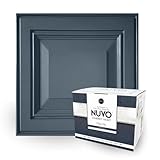
Establishing the foundation for your moody but bright kitchen begins with contrasting elements in your primary surfaces. Deep navy cabinets create an instant dark aesthetic, providing the ‘moody’ base. This rich color kitchen is then dramatically uplifted by crisp white quartz countertops, which provide the necessary bright contrast and high reflectivity. This intentional pairing showcases the power of high contrast in kitchen design. Leveraging material science in kitchen surfaces, high-quality quartz or marble alternatives offer exceptional durability and a pristine surface that actively reflects light, unlike standard laminate.
Supplies Needed
- High-quality, deep-toned cabinet paint (e.g., charcoal, forest green cabinets, or deep navy)
- Primer suitable for existing cabinet material
- Crisp white countertop slab (e.g., bright white quartz with high reflectivity)
- Quality paint brushes and rollers
Step-by-Step Directions
- Prepare: Remove cabinet doors, clean surfaces thoroughly, and lightly sand existing finishes.
- Apply: Prime all surfaces, ensuring smooth coverage, then apply 2-3 coats of the chosen deep navy paint, allowing adequate drying time between coats.
- Install: Work with certified kitchen remodelers to template and install the highly reflective white countertop material.
- Seal: Caulk the seam between the dark cabinets and the white counter to create a sharp, defined contrast line, emphasizing the light + dark balance.
Pro-Tip: For truly achieving dramatic depth kitchen, opt for a matte finish on the dark cabinets to absorb light, making the glossy or polished bright white countertops appear even more luminous by comparison. This is a fundamental principle of perceptual contrast in interior palettes.
2. Structuring Layered Lighting Schemes for Optimal Illumination

Save this actionable lighting guide to your ‘Kitchen Reno’ ideas!
To prevent a moody kitchen from feeling oppressive, a meticulously structured layered lighting scheme is paramount. This involves integrating ambient, task, and accent lighting to shape perception and enhance ambiance, particularly when dealing with dark walls kitchen. Focusing on warm lighting design is critical, with specific Kelvin temperatures essential for maintaining a cozy ambiance. Advanced lighting techniques are not just about brightness but about achieving visual comfort and maximizing the dramatic depth. Optimal lux levels for moody ambiance ensure the space feels inviting, not dim.
Tools Required
- Dimmable LED strip lighting (2700K-3000K color temperature for warmth)
- Statement pendant lights (with metallic or reflective interior)
- Recessed lighting fixtures (optional, for ambient wash)
- Smart dimmers or adaptive lighting systems
Implementation Steps
- Ambient Layer: Install recessed or semi-flush mount fixtures spaced to provide a general, soft wash of light across the ceiling, minimizing harsh shadows.
- Task Layer: Mount LED strip lighting beneath all upper cabinets and inside open shelving units to illuminate workspaces directly, countering the “lack of natural light” issue.
- Accent Layer: Place pendant lights strategically over the island or sink to draw the eye and add visual sparkle, highlighting key work zones.
- Control: Install smart home technology in moody kitchens via dimmers on all three circuits, allowing the homeowner to adjust the dramatic depth throughout the day.
Pro-Tip: Avoid cool white or daylight bulbs (4000K+), which can make dark colors look flat or gloomy. Always use bulbs in the 2700K-3000K range to achieve that cozy ambiance kitchen feel, even when using rich colors.

3. Selecting a High-Contrast Backsplash with Reflective Texture

Pin this high-shine backsplash idea to your ‘Kitchen Aesthetic’ board!
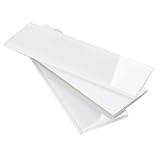
To actively reflect light and add visual interest, choose a backsplash material with a high-contrast and reflective texture. This element directly contributes to the ‘bright’ component, particularly in kitchens with dark walls kitchen. Architectural design standards emphasize utilizing reflectivity for natural light optimization. Glossy ceramic, polished stone, or micro-cement finishes are ideal for scattering light effectively. Comparing matte vs. glossy backsplashes in a dark setting reveals that high-gloss options are superior for achieving luminosity and a sophisticated palette, enhancing the light + dark balance.
Supplies Needed
- High-gloss, large format porcelain or ceramic tiles (e.g., white, light gray, or subtle marble look)
- Reflective stainless steel tiles (optional for accent bands)
- Light-colored, non-staining grout (e.g., bright white or silver)
- Tile adhesive and spacers
Implementation Steps
- Choose Material: Select a material known for high reflectivity, prioritizing polished over honed finishes to actively scatter light.
- Layout: Plan a layout (e.g., vertical stack or classic running bond) that emphasizes height and clean lines against the rich color palette.
- Install: Apply tiles, ensuring the surface is level and clean. Use a thin, consistent grout line with light grout color.
- Clean & Polish: Once dry, clean the tiles thoroughly and maintain their high polish to ensure they act as mirrors for the bright kitchen lighting.
Pro-Tip: Consider using artisanal tile work, like zellige or high-gloss mirrored tiles, strategically placed behind the range. This creates a powerful focal point that visually expands the space and dramatically increases the layered illumination effect.
4. Integrating Matte Black Appliances for Dramatic, Uniform Depth

Pin this bold statement design idea!
Matte black appliances contribute significantly to the dark aesthetic, enhancing uniform depth by minimizing visual disruption. Unlike the reflective nature of stainless steel, matte finishes absorb light, creating a continuous, sophisticated palette that aligns with a refined style kitchen. This choice minimizes the visual breaks that traditional stainless steel can create, allowing the deep cabinet colors to truly resonate. Beyond aesthetics, material science in kitchen surfaces highlights the technical benefits of matte black finishes, often providing superior fingerprint resistance and ease of cleaning compared to their glossy counterparts.
Products Required
- Matte black finish refrigerator, range, and dishwasher (or paneled, integrated appliance aesthetics)
- Custom range hoods (optional, painted to match cabinetry)
- Minimalist hardware to match appliance handles
- Kitchen appliances selected for energy efficiency
Implementation Steps
- Choose Finish: Select a true matte black finish for all visible appliances to maintain dramatic depth.
- Integrate: If possible, choose models that are flush-mounted or fully integrated to create a seamless wall of color.
- Minimize Hardware: Opt for handle-less doors or minimal, concealed pulls on integrated appliances to let the color speak for itself.
- Contrast Placement: Strategically place these dark appliances near highly reflective elements (like windows or bright islands) to emphasize the contrast and avoid the oppressive feel kitchen.
Pro-Tip: While stainless steel is classic, it can disrupt the dark, uniform aesthetic. Matte black is often a better choice for a sophisticated moody kitchen as it absorbs light and creates a refined, deep finish, aligning with expert kitchen design recommendations for continuous depth.

5. Utilizing Open Shelving with Vibrant Decor and Reflective Metals

Get inspired and pin this chic open shelving style!
Open shelving offers a strategic way to break up dark walls and introduce vibrant light through decor and metallic accents. This approach brightens a kitchen by creating focal points that prevent the space from becoming visually heavy. Experienced kitchen consultants often recommend thoughtful placement and styling to ensure open shelving enhances ergonomic kitchen layouts and accessibility without sacrificing aesthetic appeal. By curating your displayed items, you can effectively achieve a vibrant dark kitchen.
Supplies Needed
- Dark wood or black metal floating shelves
- Bright, high-shine ceramic dishware and glassware
- Small art pieces or cookbooks with vibrant jewel tones
- Metallic canisters or vases (gold, silver, or copper)
Styling Tips
- Contrast Shelves: Install dark shelves (black or rich color kitchen wood tone) against the lighter sections of the wall or backsplash.
- Curate Brightness: Only display items that are light, glossy, or colorful (e.g., white, yellow, or pink dishware). Avoid dark items that blend into the shelf.
- Add Sparkle: Incorporate at least one metallic hardware finishes element per shelf—a copper mug, a brass canister—to catch the warm lighting design.
- Minimize Clutter: Keep styling minimal (Rule of Three) to prevent the open shelves from looking messy, maintaining the refined style kitchen feel.
Pro-Tip: Open shelving works best when placed near a window or directly under task lighting. This positioning ensures the displayed bright objects are always illuminated, maximizing the ‘bright’ visual impact and helping to “balance dark and light in a kitchen.”

6. Integrating Biophilic Design with Lush, Deep Green Plants

Pin this element for natural brightness!
Lush, deep green plants offer a vibrant, organic element that actively brightens dark spaces, providing a natural contrast to the dark kitchen aesthetic. Biophilic design integration in dark spaces leverages the proven psychological benefits of connecting with nature, effectively solving lack of natural light through living elements. Choosing low-maintenance, deep green plants ensures they thrive and consistently provide that essential pop of natural vibrancy against rich color palettes.
Supplies Needed
- Low-maintenance, deep green plants (e.g., Pothos, Snake Plant, or ZZ Plant)
- Natural elements kitchen containers (e.g., terracotta, woven baskets, or white ceramics)
- Plant shelf or hanging macrame planter (if countertop space is limited)
- Plant food and appropriate potting soil
Care & Placement Guide
- Select Species: Choose plants that thrive in indirect or low light, which is common in a dark moody kitchen.
- Place Strategically: Position plants directly on the brightest surface, such as a white countertop, open shelving, or near the primary window, to maximize the visual contrast.
- Use Textural Planters: Plant in light or textured containers (terracotta or white ceramic) to further emphasize the contrast against the dark base.
- Maintain: Regularly water and dust the leaves; clean, healthy green leaves are essential for providing that vibrant, bright pop of color against the rich color palette.
Pro-Tip: Biophilic design utilizes the psychological benefits of nature. Place a large, statement plant on the end of a dark kitchen island to immediately soften the visual lines and prevent the space from feeling too heavy or gloomy kitchen.

7. Choosing Metallic Hardware Accents to Reflect Ambient Light

Pin this hardware choice for instant sparkle!
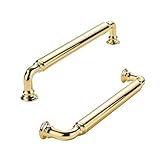
Metallic hardware finishes act as jewelry for your cabinets, providing necessary reflective surfaces that catch and scatter ambient light. Choosing warm metals like polished brass, gold, or copper over cool metals such as stainless steel or chrome significantly enhances the luxurious feel and complements the warm lighting design of a moody but bright kitchen. These glossy accents prevent the dark cabinets from feeling monolithic, offering elegant finishes that actively contribute to the overall brightness. Focusing on material quality standards for polished brass ensures a timeless look kitchen with lasting appeal.
Products Required
- Cabinet pulls and knobs in a high-polish warm metal (brass, gold, or copper)
- Matching metal faucet finish (optional but recommended)
- Power drill and measuring tape
Installation Steps
- Select Tone: Choose warm metals (brass, copper) over cool metals (chrome, nickel), as they better complement the rich color palette and warm lighting.
- Go Glossy: Opt for highly polished or glossy finishes; avoid matte black or oil-rubbed bronze hardware, which will disappear into the dark aesthetic.
- Coordinate: Ensure the hardware finish matches or closely complements other metallic accents in the room, such as the pendant lights or shelving brackets.
- Install: Use templates for precise installation, ensuring consistent placement to showcase the reflective hardware as a cohesive design element.
Pro-Tip: The strategic placement of bright, highly reflective metallic hardware is crucial for preventing the overcoming dark spaces challenge. Every cabinet pull should catch the light, transforming utilitarian objects into elegant finishes that contribute to the brightness.
8. Designing a Dramatic Kitchen Island in a Contrasting Dark Hue

Pin this focal point design for serious kitchen envy!
A dramatic kitchen island, designed in a contrasting dark hue, serves as a powerful anchor and focal point, maximizing the ‘moody’ element intentionally. This central piece creates significant dramatic depth kitchen and helps define the flow of the room without compromising functionality, a key aspect of master kitchen planning. Whether choosing a deep emerald, burgundy, or charcoal, the island’s bold statement kitchen ensures it stands out against lighter perimeter elements. Balancing the dark base with a bright, thick countertop highlights its importance, contributing to the ‘bright’ aspect.
Supplies Needed
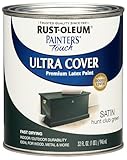
- High-pigment paint in a deep, saturated color (e.g., emerald, burgundy, or charcoal)
- High-quality paint sprayer for an ultra-smooth finish
- Sealer or clear coat for high-traffic surfaces
- Materials for island construction (if custom building a kitchen)
Design Steps
- Select Anchor Color: Choose a rich, highly saturated color that contrasts with the lighter perimeter cabinets or walls to make the island a clear focal point.
- Maximize Depth: Ensure the island base is a matte or semi-gloss finish to absorb light and maximize its dramatic presence.
- Contrast Surface: Pair the dark base with a bright, thick countertop (e.g., white marble, light granite, or polished concrete) to ensure the island still contributes to the ‘bright’ aspect.
- Illuminate: Focus pendant lighting directly above the island to emphasize the bright surface and create a halo effect, highlighting this central bold statement kitchen piece.
Pro-Tip: When dealing with rich color kitchen palettes, consider wrapping the island base in a unique textural element, such as reclaimed wood paneling or Venetian plaster walls. This adds an additional layer of contrasting textures and depth that enhances the moodiness.
9. Incorporating Butcher Block Countertops for Natural Warmth

Save this cozy material choice for your renovation!
Butcher block countertops introduce essential natural warmth and texture, complementing the dark aesthetic by providing a soft, organic contrast. This material is ideal for achieving warmth in dark kitchens, effectively counteracting the potential coldness of stone or quartz. Sustainable material sourcing for kitchen projects often favors durable hardwood countertops like maple or walnut, which not only add a cozy ambiance kitchen feel but also mature beautifully over time. The wood’s texture variations contribute to the layered visual interest, making the space more inviting.
Materials Needed
- Solid butcher block slabs (Maple, Oak, or Walnut for warmth)
- Food-grade mineral oil or beeswax blend for conditioning
- Appropriate sealant for sink cutouts
- Sandpaper (various grits)
Preparation & Maintenance Steps
- Preparation: Cut the butcher block to size, ensuring all edges are smooth and properly routed for sinks/faucets.
- Sand: Sand the entire surface to a fine finish (220 grit) to prepare for oiling.
- Oil: Apply 2-3 liberal coats of food-grade oil, allowing it to soak in completely between applications. This is vital for the wood’s durability and color richness.
- Placement: Install the finished butcher block sections on a dark base (cabinets or island) to maximize the visual warmth and contrast provided by this key natural element kitchen.
Pro-Tip: Butcher block countertops are crucial for achieving warmth in dark kitchens. The wood tone instantly counteracts the potential coldness of dark paint and polished stone, ensuring the space feels inviting and not just dramatic.

10. Utilizing Light and Textured Flooring to Define the Bright Zone

Pin this light flooring strategy to expand your space!
Light and textured flooring is crucial for defining the bright zone of your kitchen, visually expanding the space and counteracting the effects of dark walls and cabinets. This choice significantly improves the flow of the kitchen and prevents the dark kitchen aesthetic from overpowering the room. Architectural design standards suggest selecting flooring with a high Light Reflectance Value (LRV) to scatter light upwards, effectively making small kitchens appear larger. Contrast dark flooring with light flooring to maximize this visual expansion.
Materials Needed
- Large format tiles in light gray, white, or pale beige (e.g., polished concrete look or marble-effect porcelain)
- Wide plank light wood or engineered wood flooring (pale oak or ash)
- Light-colored, thin grout (if using tile)
- Underlayment and appropriate adhesive
Selection Guide
- Prioritize Light: Select flooring with a high Light Reflectance Value (LRV) to scatter light upwards, visually lifting the entire space.
- Choose Texture: Opt for subtle texture (e.g., light wood grain or matte concrete-look tile) to add interest without competing with the contrasting textures of the backsplash or island.
- Minimize Lines: If tiling, choose large-format tiles and match the grout color closely to the tile to create a continuous, uninterrupted sweep of light floor.
- Transition Smoothly: Ensure a seamless transition between the light floor and the dark base cabinets, using a minimal kick plate that matches the cabinet color to emphasize the contrast.
Pro-Tip: In a moody but bright kitchen, the floor acts as the primary reflector. Pale, textured flooring, particularly when coupled with radiant heating, helps achieve a feeling of both light and cozy ambiance kitchen, a critical design challenge often overlooked.

11. Creating Focal Depth with a Floor-to-Ceiling Pantry Wall

Pin this design element for maximum dramatic effect!
A floor-to-ceiling pantry wall, clad in a deep, dark color, creates a striking monolithic structure that anchors the room and generates significant dramatic depth kitchen. This design strategy, a core information gain block, emphasizes spatial planning for contrasting aesthetics, ensuring the kitchen remains functional despite its visual drama. By custom building a kitchen with such an integrated appliance aesthetic, you maximize storage and create a seamless, sophisticated moody kitchen. The wall absorbs light, drawing the eye and emphasizing the surrounding bright elements.
Supplies Needed
- Custom or semi-custom floor-to-ceiling cabinetry units
- Hardware for soft-close doors and hidden pull mechanisms
- Paint in the deepest tone used in the kitchen (e.g., black or darkest charcoal)
- Integrated lighting strips for internal cabinet lighting
Design and Installation Steps
- Design Monolith: Dedicate one wall entirely to floor-to-ceiling cabinetry, choosing the deepest, darkest color in your palette to create a single, deep mass of color.
- Conceal: Use handle-less or recessed pull mechanisms to ensure the doors are completely flush, maximizing the seamless, monolithic effect of the dark aesthetic.
- Integrate: If incorporating appliances (like ovens or refrigerators), ensure they are fully integrated or fit perfectly flush with the cabinet faces to maintain uniformity.
- Balance: Strategically position this dark wall opposite a major light source (window or glass door) to ensure the light floods the center of the room, preventing the deep color from absorbing all the vibrant light.
Pro-Tip: When planning the dramatic depth kitchen focal wall, consider internally lighting the pantry cabinets. When opened, the bright interior lighting provides a surprising burst of brightness that beautifully contrasts with the dark exterior, solving the preventing a gloomy kitchen challenge.
FAQs About Moody But Bright Kitchen
What is the biggest challenge when achieving a moody but bright kitchen?
The primary challenge in designing a moody but bright kitchen is preventing the deep, saturated colors from absorbing too much light and creating an oppressive or gloomy atmosphere. The solution, according to professional interior styling principles, is meticulous planning of layered lighting and ensuring high reflectivity on 40-50% of surfaces, such as backsplashes, hardware, and countertops, which is crucial for balancing light and shadow solutions.
What colors are considered moody for kitchens, and how do I pick one?
Moody colors are typically deep, highly saturated jewel tones or near-blacks, such as deep navy, charcoal, forest green, or even dark plum. To pick one, evaluate your kitchen’s natural light exposure; choose warmer, deep tones like burgundy or deep green for south-facing rooms, and cooler tones like midnight blue for north-facing rooms. This is part of applying color theory in kitchen design to ensure the color enhances, rather than overwhelms, the space.
Can a moody kitchen design still feel bright and open in a small space?
Yes, a small kitchen can successfully implement a moody but bright aesthetic by prioritizing vertical space and maximizing light reflection. Focus the deep colors on lower cabinets or a feature wall, keeping upper walls bright white. Utilizing open shelving with highly reflective decor and ensuring all lighting is functional will help with making small kitchens appear larger and preventing the preventing oppressive feel kitchen.
How do I incorporate natural light into a dark moody kitchen effectively?
To maximize the effects of natural light in a dark moody kitchen, ensure reflective surfaces are placed opposite light sources (windows, glass doors). Use light-colored flooring and glossy, high-shine backsplashes to scatter incoming light across the room. Avoid using heavy window treatments that block light, as natural light optimization is vital to maintain the ‘bright’ component of the design.
How do moody kitchens compare to the traditional all-white kitchen trend?
Moody kitchens offer a unique character and sophisticated, dramatic depth compared to the neutrality and uniform brightness of all-white kitchens. While all-white kitchens are light and airy, moody kitchens provide refined elegance kitchen through rich colors and textures. This difference highlights the trend shift from seeking only light to prioritizing balanced contrast and personality in the space.
Is a moody kitchen design considered a timeless look?
A well-executed moody kitchen, utilizing rich colors instead of fleeting trends, can achieve a timeless look, surpassing many popular bright palettes. When based on proven design principles like dramatic depth and balanced light, deep tones like charcoal and navy have established longevity, ensuring your design provides a timeless look kitchen for years, avoiding trendy pitfalls kitchen.
What kind of lighting works best in moody kitchens to avoid shadows?
The best lighting for moody kitchens is a layered system employing ambient, task, and accent lighting. Specifically, use warm LED fixtures (2700K-3000K) to avoid harsh, cold tones. Task lighting under cabinets is essential for reducing working shadows on dark countertops, a crucial solution for solving inconsistent lighting in these environments.
What are the best materials to use for countertops in a moody kitchen?
To maintain the “bright” contrast, white or very light-colored countertops with glossy finishes are preferred, such as polished quartz, marble, or high-gloss porcelain. Alternatively, natural elements kitchen like light-toned butcher block add warmth and texture. Avoid overly dark countertops unless you pair them with a very bright island base or reflective backsplash.
How can I make my dark kitchen feel cozy and inviting?
To make a dark kitchen cozy, focus on incorporating warm, tactile textures and natural elements. Use wood tones (like the floor or open shelving), soft fabrics (rugs, dish towels), and elements that suggest comfort, such as a large piece of art or deep green plants. These elements enhance cozy ambiance kitchen and counteract the formality of deep, elegant dark kitchen tones.
What budget-friendly ideas are available for achieving a moody bright kitchen aesthetic?
Budget-friendly solutions include updating cabinets with high-quality, deep-toned paint and focusing on metallic hardware and unique light fixtures. Instead of replacing countertops, invest in a highly reflective, light-colored backsplash. Furthermore, utilizing DIY kitchen upgrades like strategically placed plants and painting a single dark walls kitchen feature wall can achieve the look without major renovation.
Key Takeaways
The moody but bright kitchen aesthetic is not just a trend; it is a sophisticated design choice that demonstrates mastery of light, color, and contrast. By systematically implementing these 11 essential ideas—from choosing the right rich color palette for your cabinets and island to ensuring your layered lighting system is warm and effective—you can transcend the common pitfalls of dark interiors. The key is to never let the ‘moody’ elements exist in isolation; they must always be accented and highlighted by ‘bright’ reflective surfaces and vibrant jewel tones to create a stunning, atmospheric space that remains both functional and incredibly inviting. Embrace the drama, plan the light, and enjoy your new, highly personalized, and elegant dark kitchen.
Now that you have the complete blueprint for mastering this refined style kitchen, which of the 11 ideas will you implementing design first to begin the transformation of your own space? Tell us in the comments!
Last update on 2026-09-13 at 11:30 / Affiliate links / Images from Amazon Product Advertising API
