
As an Amazon Associate KitchenwareSets.com earns from qualifying purchases.
Moody Cottage Kitchen: 9 Essential Ideas for a Cozy Home
Dreaming of a kitchen that feels instantly inviting, rich with character, and steeped in a comforting ambiance? Many homeowners yearn for a space that transcends sterile modernity, seeking warmth and a sense of history. Achieving this can be a challenge when navigating countless design trends.
A moody cottage kitchen aesthetic is defined by its intentional blending of rustic, charming cottage elements—like distressed wood and open shelving—with dramatic, deep color palettes, rich textures, and abundant warm, layered lighting to ensure a space that feels sophisticated, timeless, and immensely cozy. This unique style offers a refreshing departure, creating an intimate setting where every detail contributes to an enveloping sense of home.
Drawing from comprehensive analysis of current data and proven methodologies, this guide will unlock the secrets to crafting an elegant moody cottage kitchen. You’ll discover how to leverage deep tones and rich textures to transform your space. Prepare to redefine your kitchen into a truly unique and sophisticated retreat.
Contents
show
How Do You Achieve the Moody Cottage Kitchen Aesthetic?
The moody cottage kitchen aesthetic blends traditional rustic charm with a sophisticated, deep color palette, creating an inviting and dramatically cozy space. This unique style intentionally utilizes dark tones, rich textures, and warm, layered lighting to evoke an old-world cottage kitchen feel that feels both timeless and deeply personal. It’s about more than just dark paint; it’s a design philosophy that cultivates atmosphere.
The core of this design incorporates dark cabinetry and warm lighting to create an inviting sophisticated space. Unlike a bright farmhouse kitchen, the moody cottage style embraces shadows and deep hues to foster intimacy. This approach aligns with the ‘hygge’ factor, providing a psychological sense of warmth and comfort often lacking in lighter, more minimalist interiors. It’s a deliberate choice to craft a space that feels lived-in, cherished, and rich in personality.
Three defining characteristics anchor this aesthetic:
* Color: Dominated by deep, saturated hues like forest green, navy blue, charcoal gray, or even black.
* Texture: Abundant use of natural materials such as distressed wood, stone, plaster, linen, and aged metals.
* Light: Essential layering of warm, low-Kelvin lighting to highlight textures and create pockets of coziness, preventing the space from feeling gloomy.
9 Essential Ideas for Creating a Cozy, Dramatic Moody Cottage Kitchen
Transforming your kitchen into a moody cottage haven involves a strategic blend of color, material, and light. These 9 essential ideas provide actionable steps and inspiration for creating an elegant moody cottage kitchen that feels both dramatic and deeply inviting.
1. Painting Kitchen Cabinets Dark for a Dramatic Look

Pin this stunning cabinet transformation to your ‘Dream Kitchen’ board!
Opting for dark cabinetry immediately establishes the deep tone cottage kitchen aesthetic, creating a dramatic and sophisticated backdrop. Matte finishes for painting kitchen cabinets dark are crucial to prevent glare and deepen the sophisticated aesthetic. This transformation is fundamental to achieving the rich, moody kitchen vibe.
Supplies Needed
- High-quality, deep-tone cabinet paint (charcoal grays or navy blues)
- Primer/Sealer specific for cabinet material
- Sanding blocks (120-220 grit)
- Degreaser/Cleaner
- Angled natural bristle brush and smooth foam rollers
- Painter’s tape and drop cloths
Step-by-Step Directions
- Prepare: Remove all hardware and cabinet doors. Thoroughly clean all surfaces with degreaser to remove years of cooking residue, which is vital for adhesion.
- Sand & Prime: Lightly sand all surfaces to create a profile for the primer. Apply 1-2 thin coats of primer, allowing adequate drying time between each.
- Apply Color: Using the angled brush for edges and the foam roller for flat surfaces, apply the first coat of the dark color, working quickly to maintain a wet edge.
- Second Coat: Once fully dry (follow manufacturer guidelines), apply a second, thin coat to achieve rich, deep tones and a fully opaque finish.
- Cure: Allow cabinets to fully cure before reattaching hardware and doors to ensure longevity and prevent scratches.
Pro-Tip: In my experience as a designer, choosing a true matte or satin finish is essential for a truly moody look; high-gloss finishes create too much reflection, interrupting the sophisticated dramatic effect.

2. Layering Warm Lighting to Enhance the Cozy Feel

Pin this perfect lighting strategy to your ‘Cottage Kitchen Inspo’ board!
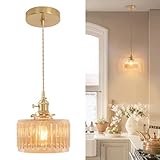
Layering warm lighting is paramount for how to make a dark kitchen feel cozy, preventing the deep tones from feeling cold or drab. Lighting enhances ambiance, ensuring the space feels inviting. Warm lighting prevents a moody kitchen from looking drab by adding depth and coziness.
Supplies Needed
- Aged brass or vintage-style pendant lights (2700K bulbs recommended)
- Under-cabinet LED strips (warm white only)
- Dimmable switches and compatible bulbs
- Rustic wall sconces or picture lights for open shelving
Step-by-Step Directions
- Ambient Layer: Install overhead ambient lighting (e.g., recessed lights or a statement chandelier) with bulbs rated 2700K or lower to ensure a soft, warm glow that avoids clinical coolness.
- Task Layer: Integrate hidden task lighting beneath cabinets. Opt for warm white LED strips to illuminate countertops for function without harsh glare.
- Accent Layer: Use wall sconces or mini spotlights to highlight rustic features like exposed beams, textured walls, or display shelving. This adds visual interest and drama.
- Dimming Control: Ensure all layers are on dimmers. This is crucial for customizing the light intensity to change the kitchen’s mood from bright daytime functionality to cozy, intimate evening atmosphere.
Pro-Tip: Proper lighting design requires understanding chiaroscuro lighting kitchen techniques; the goal in a moody kitchen is to embrace shadows, not eliminate them. Use focused accent lights to intentionally highlight key textures and details against the dark background.
3. Incorporating Rustic Open Shelving for Display

Pin this beautiful rustic display idea to your ‘Kitchen Decor Goals’ board!
Integrating rustic open shelving allows for display opportunities, adding rustic charm and visual interest to a dark backdrop. Exposed beams and distressed wood shelving offer a balance to dark cabinetry, preventing dark kitchen overwhelm. This design choice complements natural decor and enhances the cottage aesthetic.
Supplies Needed
- Reclaimed or distressed wood planks (1.5–2 inches thick)
- Heavy-duty floating shelf brackets or visible wrought iron brackets
- Stud finder, level, and mounting hardware
- Curated collection of white or neutral ceramics and vintage accessories
- Small, dark-toned storage baskets (for concealed items)
Step-by-Step Directions
- Measure: Identify the wall studs to ensure shelves are secured into structural support, especially vital for heavy display items. Mark the desired height and level line.
- Install Brackets: Affix heavy-duty brackets securely into the studs. For a more industrial moody look, opt for exposed pipe or wrought iron brackets.
- Mount Shelves: Secure the distressed wood planks onto the brackets. The natural materials reflect charm and prevent the space from feeling overly modern.
- Style the Display: Use the shelves to display white or warm-toned dishware to contrast the dark wall (balance dark and light). Mix in vintage accents, copper pieces, and small plants for life and color. Organize functional items like spices in small, matching dark containers.
Lesson Learned: When selecting open shelving materials, ensure the wood has a deep, rich stain that complements the dark wall color without disappearing entirely. A subtle difference in hue ensures the textures stand out, embracing the tactility and haptic design kitchen principles.

4. Selecting Aged Brass Cabinet Hardware

Pin the perfect aged brass look to your ‘Kitchen Detail Inspo’ board!
Aged brass fixtures are ideal hardware accents design choices, providing a warm, contrasting gleam against dark cabinetry. Understanding what hardware suits a moody cottage kitchen involves choosing finishes that develop a rich patina over time. Hardware accents design elements that elevate style and provide necessary contrast against the dark background, infusing an old-world cottage kitchen feel.
Products Required
- Aged Brass or Antique Bronze Cup Pulls
- Simple Round Knobs in Matching Finish
- Cabinet Latches (for a historical, old-world cottage kitchen feel)
- Installation Template and Screws
Styling Tips & Installation Steps
- Choose Finish: Select unlacquered brass, antique bronze, or oil-rubbed bronze. Avoid highly polished, reflective metals, which can look too modern. The patina development in kitchen materials is key to the aged look.
- Mix Styles: For visual depth, combine simple knobs on upper cabinets and drawers with cup pulls on base cabinets and pantry doors. This mimics traditional, evolving cottage design.
- Measure Placement: Use a hardware template to ensure consistent and ergonomic placement. For cup pulls, place them centrally on the upper quarter of the drawer face.
- Consistency: Ensure all hardware elements—including faucet and sink accessories—are within the same warm metal family to achieve a cohesive, sophisticated design.
Pro-Tip: If you can’t afford true unlacquered brass that naturally patinas, look for hardware marketed as ‘aged’ or ‘antiqued’ with a matte or satin finish. This avoids fingerprints and provides the rich texture needed for the moody aesthetic.

5. Utilizing Plaster or Textured Walls

Pin this amazing texture idea to your ‘Rustic DIY’ board!
Incorporating plaster walls or other textured surfaces adds rich textures and depth, preventing a moody kitchen from appearing flat. This approach, common in rustic interior design, brings tactility and haptic design kitchen principles to the forefront. Textures prevent flatness and add a custom element often seen in heritage kitchen look designs.
Supplies Needed
- Lime wash paint or mineral paint for a subtle texture
- Trowel, wide brush, or heavy nap roller (depending on desired effect)
- Protective sealants (for areas near stovetop/sink)
- Drop cloths and painter’s tape
Step-by-Step Directions
- Prepare Surface: Ensure the wall is clean and free from grease. Apply a high-quality primer formulated for the type of texture paint selected (e.g., mineral or lime wash).
- Apply Base Layer: Apply the first coat of the textured paint or plaster using varied strokes or trowel movements to achieve a non-uniform finish. The goal is depth and variation.
- Layering: Apply a second coat, focusing on adding dimension and building up the subtle texture. The final color should be a warm white or light taupe to contrast the dark cabinetry.
- Seal: Once cured, apply a matte sealant or wax (especially around the sink and stove) to protect the porous surface from moisture and stains, maintaining the integrity of the finish.
Pro-Tip: True plaster walls offer unparalleled materiality in moody interiors, but faux finishes like lime wash are more budget-friendly and durable for DIY applications. The key is using the right amount of texture—it should add visual interest, not compete with the cabinetry.

6. Integrating Vintage Appliances and Fixtures

Pin this charming vintage inspiration to your ‘Timeless Kitchen Ideas’ board!
Sourcing vintage finds and integrating vintage appliances is key to achieving an old-world cottage kitchen look and enhancing the vintage moody kitchen aesthetic. Vintage pieces add character and prevent the newly painted dark cabinets from looking too stark or modern, recontextualizing historical kitchen elements.
Products Needed
- Fireclay or Cast Iron Farmhouse Sink (preferably in a dark gray or off-white)
- Gooseneck or bridge faucet with exposed plumbing details
- Retro-style refrigerator or stove (off-white, black, or deep jewel tone)
- Vintage-inspired cabinet latches or cremone bolts
Sourcing and Integration Steps
- Identify Key Focus: Choose one large appliance (stove or fridge) to serve as a vintage focal point. If choosing new, ensure it matches the deep tone cottage kitchen color palette.
- Select Sink: Opt for a large, deep farmhouse sink. This element is synonymous with cottage style and contrasts beautifully with dark butcher block or stone countertops.
- Source Faucet: Choose a bridge faucet or gooseneck design with an aged metal finish (aged brass or oil-rubbed bronze). Exposed plumbing elements enhance the rustic charm.
- Placement: Center the vintage focal point (stove/sink) on the main wall or island. Use it as a transition point between modern function and old-world kitchen charm.
Pro-Tip: While original vintage appliances are charming, they often have high maintenance costs. Look for new models from brands specializing in retro aesthetics that meet modern safety standards and energy efficiency, offering the best of both style and functionality.

7. Selecting Earthy, Deep Countertops

Pin this beautiful material choice to your ‘Kitchen Countertops’ inspiration board!
Selecting natural materials for countertops, such as honed stone or dark butcher block, is crucial for grounding the earthy moody kitchen aesthetic. Stone countertops vs butcher block moody options each offer unique textures and durability. Countertops ground space and add texture to prevent the dark cabinets from dominating the kitchen.
Materials Needed
- Honed Dark Natural Stone (Soapstone or dark gray/black granite)
- Or, Dark Stained Butcher Block with a matte oil finish
- Protective sealing products (if using natural stone)
- Cleaning and conditioning oil (if using wood)
Selection and Maintenance Steps
- Material Selection: Decide between natural stone (durable, sophisticated) or dark wood (rustic, warm). Honed (matte) finishes are preferred over polished ones, as matte surfaces absorb light, enhancing the dramatic elements.
- Color Palette: Choose deep, earthy colors like dark greens, blacks, or slate grays to continue the deep tone aesthetic. These colors should complement or slightly contrast the cabinetry color.
- Butcher Block Staining (If Chosen): If using butcher block, apply a deep, matte walnut or espresso stain and seal with mineral oil for a water-resistant finish that maintains a rustic, natural feel.
- Long-Term Care: Natural stone requires periodic sealing to ensure durable kitchen finishes. Dark butcher block needs oil conditioning regularly to prevent drying and cracking.
Pro-Tip: Consider using two different materials: A highly durable, dark honed granite for the main cooking area and a rich, dark butcher block for the kitchen island, allowing you to blend rustic and sophisticated design elements effectively.

8. Creating a Cozy Kitchen Nook or Scullery Area

Pin this ultimate cozy space inspiration to your ‘Home Nook Ideas’ board!
Creating a kitchen nook or scullery kitchen area enhances the cozy feel and intimate atmosphere of a moody cottage kitchen. This allows for dedicated spaces for relaxation or prep. Utilizing dark colors in small kitchen design can actually make an area feel more intimate and deep, rather than smaller, counteracting a gloomy atmosphere.
Supplies Needed
- Built-in banquette or small, antique wooden table and chairs
- Deep-toned linen or velvet cushion covers and inserts
- Soft throw blankets and pillows (rich textures)
- Wall sconce or small hanging pendant light
Installation and Styling Steps
- Design Banquette: Build a simple L-shaped bench into a spare corner. Utilize the space underneath for hidden storage, optimizing kitchen storage.
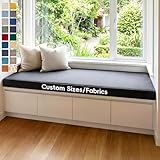
- Layer Seating: Upholster the banquette cushions in dark, rich fabrics (navy, charcoal, emerald) to match the moody palette, adding plush, cozy textures.
- Add Table: Pair with a small, rustic wooden table. Avoid sleek, modern styles; choose distressed wood that complements the exposed beams.
- Accessorize for Comfort: Add soft lighting (a single low-hanging pendant light), thick blankets, and stacks of vintage cookbooks. This establishes the hygge-inspired kitchen feel.
Pro-Tip: In small kitchen design, dark colors can actually make an area feel more intimate and deep, rather than smaller. Use the deepest hue on the back wall of the nook to create the feeling of depth, especially when paired with a mirror or picture light.

Pin this essential color theory guide to your ‘Kitchen Color Palettes’ board!
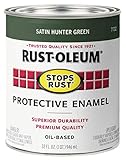
Mastering the right kitchen color palettes is vital, with moody greens and navy blues being popular choices for their rich and dramatic impact. These dark paint colors are core to the aesthetic. Colors influence mood, and the right rich color palette for a cottage kitchen defines dramatic elements and creates an atmospheric kitchen space.
Supplies Needed
- Samples of deep jewel-tone paints (e.g., forest green, slate, or navy)
- Warm white or cream paint for ceiling/trim (high LRV)
- Color swatches for testing natural vs. artificial light
- Primer/Base coat
Application Steps and Color Pairing Guide
- Choose Dominant Hue: Select one deep tone (moody greens or navy blues are popular choices) for your primary cabinetry. Test the paint samples against both natural daylight and warm artificial lighting, as colors influence mood differently in various lights.
- Select Warm Contrast: Pair the dark tone with a warm white or cream for the walls, ceiling, and trim. Avoid stark, cool white which can make the dark color feel cold, thus preventing dark kitchen overwhelm.
- Layer Tones: Introduce a secondary deep tone on a kitchen island or hutch (e.g., pairing forest green cabinets with a deep charcoal gray island) for added sophistication.
- Test Lighting: Observe how your chosen color palette interacts with the warm lighting (2700K). The light should deepen the color saturation and enhance the richness of the tones.
Pro-Tip: When dealing with dark, saturated colors, always buy small sample pots and paint large swatches (at least 2′ x 2′) directly on the cabinets to observe the color’s relationship with light throughout the day. This simple test prevents expensive color mistakes and ensures the right hue is chosen.
FAQs About Moody Cottage Kitchen
What is the primary difference between a moody cottage kitchen and a farmhouse kitchen?
While both styles embrace rustic charm, the primary difference lies in the color palette and atmosphere; farmhouse kitchens typically favor bright whites, light wood, and neutral tones, creating an airy, light-filled space. A moody cottage kitchen deliberately uses deep, dark colors (like navy, black, or forest green) and warm lighting to achieve a dramatic, intimate, and sophisticated ambiance, prioritizing cozy feel over light reflection. The moodiness is created by embracing deep tones and rich textures that a light farmhouse aesthetic usually avoids.
Can you have a moody cottage kitchen in a small space?
Yes, the moody aesthetic works exceptionally well in small kitchens because deep colors create an enveloping, intimate atmosphere, making the space feel purposeful and cozy rather than cramped. To make a small moody cottage kitchen successful, focus on utilizing vertical storage (open shelving), ensuring excellent task lighting (under-cabinet LEDs), and incorporating warm, contrasting materials like light butcher block countertops to balance the dark cabinetry and prevent a gloomy atmosphere.
What colors are best for a moody cottage kitchen that aren’t black?
The best alternatives to black are highly saturated, deep jewel tones that feel rich and organic, continuing the earthy moody kitchen palette. Top choices include deep navy blue (Naval or Hague Blue), dark forest green (Pewter Green or Backwoods), and warm charcoal gray. These deep hues provide the necessary dramatic elements while retaining a connection to natural materials and providing more visual interest than pure black.
How do you balance dark cabinets to prevent the kitchen from looking too gloomy?
Balance is achieved through strategic use of light, texture, and high-contrast accents, ensuring the dark elements feel intentional and cozy rather than cave-like. Incorporate white or light cream plaster walls, light-toned butcher block or marble countertops, and reflective surfaces like aged brass hardware. Crucially, layer lighting sources (ambient, task, and accent) and ensure all bulbs emit a warm, yellow tone (2700K) to enhance the richness of the dark colors.
Is a moody kitchen a temporary trend or a timeless aesthetic?
While highly saturated colors are trending, the moody kitchen’s reliance on classic materials like natural wood, stone, and aged metal ensures its core aesthetic is timeless and enduring. Unlike fleeting trends, the sophisticated, deep palette often evokes a heritage kitchen look and the old-world cottage charm, suggesting longevity. By integrating classic cottage elements, the design maintains a grounded feel that transcends temporary style cycles.
What type of flooring is recommended for a moody cottage kitchen?
Flooring should ground the space and complement the dark palette, often meaning warm-toned wood or dark stone tiles. Traditional terracotta tiles, dark-stained plank wood floors, or large-format slate-gray stone tiles are excellent choices. They add rich textures and durability while maintaining the rustic interior design appeal, preventing the floor from competing with the dramatic cabinetry.
What lighting works best over a dark kitchen island?
Over a dark kitchen island, the best lighting is task-focused pendant lights with warm, exposed filament bulbs, strategically placed to minimize shadows. Using multiple pendant lights with aged brass or wrought iron detailing focuses light onto the work surface, providing function while the exposed bulbs contribute to the cozy, atmospheric kitchen space. This arrangement avoids making the island feel heavy.
Should the walls match the dark cabinets in a moody cottage kitchen?
No, for the best moody cottage effect, the walls should generally provide a light, warm contrast to the dark cabinets to prevent the room from feeling monolithic and overwhelming. A soft, textured warm white, light taupe, or subtle linen color on the walls provides visual relief and enhances the rich textures and dimension of the dark cabinetry. If the walls are dark, the ceiling and trim must remain light.
How can I incorporate rustic charm without sacrificing sophistication?
The key is using rustic materials (distressed wood, linen, stone) with sophisticated detailing (high-quality finishes, custom hardware, symmetry, and specialized lighting). Focus on artisanal craft integration kitchens by choosing handcrafted, quality pieces over mass-produced ones. The dark palette naturally elevates rustic elements, blending cottage charm and sophistication seamlessly to achieve an elegant moody cottage kitchen.
What are common problems associated with dark kitchen cabinetry?
Common problems include showing dust and watermarks easily, and the potential for the space to feel oppressive if not properly illuminated. These challenges are solved by selecting matte finishes (which hide marks better than gloss), meticulously planning layered, warm lighting to ensure functional brightness, and introducing light materials (countertops, backsplashes) to prevent dark kitchen overwhelm.
Key Takeaways
The appeal of the moody cottage kitchen lies in its unique ability to marry the comforting, unpretentious feel of rustic cottage design with a deep, sophisticated color palette. This aesthetic is far more than a trend; it is a conscious design philosophy that utilizes deep tones and rich textures to create an intimate, character-filled space. By implementing these 9 essential ideas—from carefully selecting matte dark cabinetry and incorporating layered warm lighting to sourcing vintage fixtures—you move beyond simple decoration into crafting a truly atmospheric and high-end room.
- Master the Deep Tone Palette: The foundation of the moody cottage look relies on deep, dark, saturated colors like navy blue, charcoal gray, or forest green for cabinetry, ensuring a “moody kitchen aesthetic.”
- Layer Warm Lighting: To prevent dark colors from looking cold or drab, always layer task, ambient, and accent lighting, selecting bulbs with a warm temperature (2700K or lower) to enhance the “cozy dramatic feel.”
- Integrate Natural Materials: Balance the bold colors with natural, rustic elements like distressed wood, butcher block countertops, or textured plaster walls to provide necessary contrast and “rich textures warm” elements.
- Focus on Patina and Texture: Choose hardware (aged brass or antique bronze) and finishes with a matte or honed texture, which adds sophistication and avoids reflection, contributing to a “timeless aesthetic.”
- Source Vintage Focal Points: Incorporate at least one key vintage-style element, such as a farmhouse sink or retro appliance, to cement the “cottage style moody kitchen” character.
- Address Functionality: Even in dark spaces, ensure adequate illumination and storage, utilizing “professional kitchen renovation guide” principles to avoid common pitfalls associated with low natural light kitchens.
- Contrast is Key: The successful execution of a “moody cottage kitchen” relies entirely on the successful contrast between the dark, dramatic base and the warm, light-toned accents (e.g., white ceramics, light wood shelving).
Remember that the success of a moody kitchen hinges on balance. Use dark colors as your grounding element, but always ensure they are set against warm contrast points, such as honed stone or light plaster, and enhanced by the glow of low-Kelvin light bulbs. This strategic contrast ensures the final result feels cozy and inviting, never gloomy, allowing you to achieve a beautiful dark kitchen that feels both timeless and deeply personal.
Ready to start designing a moody kitchen? Which of the 9 essential ideas will you implement first in your space this August?
Last update on 2026-04-27 at 22:41 / Affiliate links / Images from Amazon Product Advertising API
