
As an Amazon Associate KitchenwareSets.com earns from qualifying purchases.
Open Kitchen Living Room with Island Layout: Ultimate Guide
Does the idea of a flowing, connected home space where cooking and socializing blend effortlessly appeal to you? Many homeowners struggle to achieve that seamless integration, often battling with design complexities that can turn their dream open kitchen and living room with island layout into a functional puzzle. The desire for a central gathering place that truly unifies a home is a common, yet often elusive, aspiration.
An open kitchen and living room with an island layout is a highly sought-after contemporary design that maximizes space, enhances natural light, and creates a central social hub. This layout requires careful planning to optimize traffic flow, minimize noise transfer, and ensure visual cohesion between the cooking and relaxation zones. Leveraging tested frameworks and data-driven insights, this guide draws from comprehensive analysis of current trends and architectural layout principles. You will discover the essential steps to design a functional, stylish, and comfortable integrated kitchen living room island, unlocking the full potential of your home’s most vital spaces.
Contents
show
How to Design a Functional and Stylish Open Kitchen Living Room with Island Layout?
1. Optimize Traffic Flow and Define Open Concept Zones

Pin this essential design guide to your ‘Open Concept Inspiration’ board!
To truly design an open kitchen island layout that facilitates smooth movement and clear purpose, optimizing traffic flow and defining distinct zones is paramount. The kitchen island, while a unifying element, must also subtly separate the cooking area from the relaxation space, establishing a logical flow between the integrated living space zones. This strategic placement ensures that the layout enhances rather than hinders daily activities.
Tools Required / Products:
- Measuring Tape (accurate to 1/8 inch)
- Floor Marking Tape (bright color for visualization)
- Kitchen Design Software (to visualize layout and adjacency diagrams)
- Area Rugs (large, low-pile to define living zone)
- Accent Lighting Fixtures (pendants for kitchen, floor lamps for living to enhance spatial adjacency diagrams)
Step-by-Step Directions / Planning Steps:
- Measure Dimensions: Start by mapping the total spacious open layout dimensions and mark the minimum recommended clearance of 42 inches around all working sides of the island.
- Determine Primary Function: Strategize kitchen placement and decide if the island will be primarily prep area, dining bar, or both, as this dictates required width and appliance placement.
- Define Psychological Zones: Use large area rugs, strategic furniture arrangement, or ceiling treatments (e.g., dropped beams or different paint colors) to subtly separate the integrated living space from the kitchen.
- Test Traffic Flow: Physically walk the planned routes using the floor marking tape to ensure the flow is seamless and free from bottlenecks, especially between the refrigerator, sink, and primary cooking zone (the work triangle).
Pro-Tip: In my experience implementing proven space planning strategies, utilizing an asymmetrical island layout often helps define zones more naturally than a strictly symmetrical design, particularly in long, narrow spaces.

2. Configure Island Seating and Dining Integration

Save this beautiful seating arrangement idea to your ‘Kitchen Island Goals’ board!
To create an inviting kitchen space that encourages social interaction, configuring island seating and integrating dining functions requires careful consideration. An island provides versatile bar stool seating that can serve as a casual breakfast bar or an ideal spot for guests to mingle while you cook. The key is to balance aesthetic appeal with ergonomic design standards to ensure comfort and functionality.
Products & Specifications Needed:
- Bar Stools (Choose based on required height: 24-26 inches for counter height, 28-30 inches for bar height)
- Countertop Material (durable and easily cleaned, like quartz, for the breakfast bar ideas)
- Adequate Overhang Supports (to support 12-15 inches of overhang, using concealed brackets)
- Electrical Outlets (for charging devices near seating area)
Design Instructions / Planning Steps:
- Determine Seating Capacity: Measure the island length; plan for 24-30 inches of linear counter space per person for comfortable island seating.
- Choose Height: Select stools that correspond to the island height (most standard islands are 36 inches high). Ensure there is a minimum of 12 inches between the seat and the counter surface.
- Select Stool Type: Decide between backless stools (minimalist, space-saving) or stools with backs (more comfortable living area feel, better for long periods). Ensure the style aligns with the elegant open design.
- Integrate Electrical: Plan for accessible electrical outlets or USB ports to plan electrical outlets for a kitchen island in an open space, making the seating area functional for homework or remote work.
Pro-Tip: When planning seating, choose stools that have adjustable footrests and durable, stain-resistant upholstery. Using stools with felt pads ensures the island connects living room flooring seamlessly without scratches.

3. Ensure Proper Dimensions for Functional Kitchen Islands

Map out your renovation with this functional kitchen island layout idea!
A functional kitchen island is defined by its dimensions, which must be carefully calculated to ensure adequate efficient layout flow and adherence to architectural layout principles. Without proper planning, an island can quickly become an obstacle, hindering movement and diminishing the benefits of an open plan living space. This section addresses the crucial question: what are the dimensions for a functional kitchen island?
Necessary Measurements & Guidelines:
- Minimum Aisle Clearance (36 inches for a single cook, 42-48 inches for multiple cooks/high traffic)
- Minimum Island Length (4 feet (48 inches) for small spaces, 6-8 feet is typical)
- Minimum Island Depth (2 feet (24 inches) for basic function, 3-4 feet for appliances/seating)
- Countertop Overhang (minimum 12 inches for comfortable seating)
Process: Calculate and Implement Size:
- Calculate Clearance First: Using the measuring for furniture data, subtract the required clearances from the room’s total width and length to determine the maximum viable size for the island.
- Prioritize Function: If space is limited, prioritize the work triangle over seating; a narrower island (24 inches) can still offer prep area and storage.
- Use Templates: Use cardboard cutouts or masking tape on the floor to physically visualize layout and the dimensions. Ensure you can fully open appliance doors (oven, dishwasher) without hitting the island.
- Finalize Dimensions: Once clearances are verified, finalize the kitchen island architecture size, prioritizing symmetry with the room’s centerline or the main living area focal point.
Pro-Tip: Pay special attention to the structural engineering for open walls if you removed load-bearing structures to create the open plan living space. Consult a licensed contractor to ensure building code compliance for the integrated living space.

4. Maximizing Space in Small Open Plan Kitchen Living Rooms

Pin this genius compact open kitchen island solution for your apartment renovation!
Even a small open plan kitchen living room with island can be highly functional with strategic planning and space utilization strategies. The challenge of limited square footage doesn’t mean sacrificing the benefits of an island. Instead, it demands innovative small kitchen island solutions that adapt the primary entity for tight spaces while maintaining an aesthetic bright living space.
Space-Saving Products & Features:
- Narrow Island Cart (portable, lockable wheels)
- Fold-Down Counter Extensions (for occasional seating)
- Vertical Storage Inserts (for maximizing limited storage island)
- Light-Colored Countertops and Cabinetry (to create a bright living space)
Design Strategy for Small Spaces:
- Evaluate Size Constraint: Before considering an island, confirm the kitchen can accommodate minimum aisle clearances (even 36 inches is possible if movement is restricted to one side).
- Choose Mobility: If space is tight, implement island design using a narrow, freestanding cart that can be moved against a wall when not in use.
- Prioritize Light: Use white or very light neutral colors for cabinetry, walls, and countertops to make the small open plan appear more spacious open layout.
- Go Vertical: Maximize the functionality of the island by incorporating tall, shallow storage for pantry items or pull-out garbage/recycling bins to solve managing open space clutter.
Pro-Tip: For small open plan layouts, choose a minimalist island layout design without heavy details. Consider a waterfall edge countertop in a reflective material to visually extend the perception of space.

5. Incorporate High-Functionality Storage Solutions in the Island

Maximize your island storage solutions with this smart design!
To keep an open concept kitchen living room island clean and inviting, incorporating high-functionality storage solutions within the island itself is crucial. The island can be a powerhouse of organization, absorbing essential kitchen items and preventing clutter in open living space. This approach maximizes the functional island design and allows for a truly streamlined island kitchen.
Specific Storage Components:
- Deep Drawer Inserts (full extension soft-close runners)
- Custom Vertical Dividers (for baking sheets and cutting boards)
- Integrated Waste Bin System (pull-out double trash can)
- Appliance Garage (for small items like toasters, blenders to solve clutter in open living space)
- Shallow Drawers (for cutlery and utensils near the prep area)
Strategy to Maximize Island Functionality:
- Map Needs: Determine what items must be stored on the island based on adjacency needs (e.g., cutlery near the dining bar, pots near the cooktop, if applicable).
- Prioritize Drawers: Construct open concept islands with deep drawers over standard cabinets for 50% more usable storage, utilizing advanced cabinetry solutions.
- Design Dual-Sided Access: If the island connects living room and kitchen, incorporate storage on the living room side for non-kitchen items (e.g., board games, serving ware, bar supplies).
- Conceal Clutter: Integrate waste bins and appliance garages directly into the island to ensure the streamlined island kitchen remains aesthetically pleasing when viewed from the living room.
Pro-Tip: Consider the spatial adjacency diagrams—store dining-related items (plates, glasses, silverware) on the island side nearest the living area to facilitate entertainment + cooking workflow and reduce travel distance.

6. Strategize Integrated Lighting and Ventilation Systems

This accent lighting kitchen plan is the perfect way to divide your space stylishly!
Effective lighting and ventilation are often overlooked, yet they are critical to the comfort and functionality of an open kitchen living room with island layout. Proper illumination ensures the island is a practical workspace, while a robust high-performance ventilation system combats open plan kitchen ventilation issues like cooking odors and excessive heat. Acoustic considerations open spaces also come into play when selecting quiet-operating systems.
Necessary Equipment & Supplies:
- Task Lighting (2-3 pendant lights, sized appropriately for the island)
- Ambient Lighting (recessed lighting for overall room brightness)
- Accent Lighting (strip lighting under the island kick plate for aesthetics)
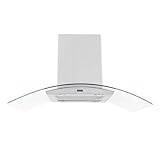
- High-Performance Range Hood (minimum 600 CFM, with quiet operation)
- Dimmers (to adjust light levels for different zones and moods)
Installation and Planning Steps:
- Layer Lighting: Install task pendants 30-36 inches above the counter surface for optimal workspace illumination. Ensure accent lighting kitchen details (e.g., under cabinet lights) enhance the modern aesthetic island.
- Prioritize Ventilation: If the cooktop is on the island, choose a powerful, but quiet, ventilation system (e.g., a high-performance ventilation downdraft system or a discreet ceiling hood) to address open plan kitchen ventilation issues.
- Zone Lighting: Use separate dimmers for the kitchen and living room lighting, allowing users to soften the kitchen light when entertaining in the living area, promoting the cohesive open kitchen island look.
- Pre-Wire Electrical: Before construction, plan to plan electrical outlets for a kitchen island in an open space and ensure the island can handle the load for appliances, lighting, and charging stations.
Pro-Tip: For optimal thermal comfort in open concept homes, ensure your ventilation system exhausts outdoors, not just recirculates. Use acoustic considerations open spaces when choosing appliance and hood noise levels.
7. Select Durable and Visually Cohesive Countertop Materials

Choosing the right countertop materials ensures seamless design integration!
Selecting the right countertop materials for your open kitchen and living room with island layout is a decision that balances aesthetics, durability, and maintenance. Since the island often serves as a focal point and a bridge between the kitchen and living area, its surface needs to be both hard-wearing for kitchen tasks and visually complementary to the elegant open design of the entire space. Material science for surfaces guides these choices.
Comparison of Primary Materials:
- Quartz (non-porous, highly durable, low maintenance, consistent color)
- Granite (natural stone, unique patterns, requires periodic sealing)
- Butcher Block (warm aesthetic, high maintenance, requires oiling, rustic open kitchen island style)
- Marble (luxurious, high cost, prone to etching and staining, needs careful maintenance)
Selection Process Steps:
- Assess Maintenance Tolerance: If the island is used for a high volume of cooking and family use, select low-maintenance options like Quartz or high-quality solid surfaces.
- Ensure Visual Continuity: Choose an island material that either matches or perfectly complements the countertops in the perimeter kitchen (e.g., matching the veining or the undertone of the colors) for a cohesive open kitchen island look.
- Factor in Edges: Select an edge profile (e.g., waterfall, eased, or ogee) that complements the contemporary island design and lifestyle—smooth edges are generally safer for families.
- Choose Slab Size: Confirm the desired island size can be achieved with a single slab of your chosen material to avoid distracting seams, especially if aiming for luxury open plan kitchen island.
Pro-Tip: For a busy family-friendly island, consider choosing a matte finish over high-gloss to minimize the visibility of fingerprints and light scratches, ensuring the island remains an inviting kitchen space.

8. Achieve Seamless Design Integration and Cohesive Style

Learn the secret to a perfectly cohesive open kitchen island design!
Achieving seamless design integration is the hallmark of a successful open concept kitchen living room island layout, creating a unified living environment. The goal is for the kitchen and living room to feel like distinct, yet harmonious, parts of a single integrated living space. This involves thoughtful coordination of elements where the design complements living by balancing kitchen functionality with living room comfort.
Design Elements Required for Cohesion:
- Unified Flooring Material (e.g., continuous engineered hardwood or large format tile)
- Shared Color Palette (2-3 primary colors repeated in both zones)
- Consistent Metal Accents (matching appliance, cabinet, and lighting finishes)
- Cohesive Trim and Molding (matching baseboards, crown molding throughout)
Implementation Steps for Stylistic Integration:
- Repeat Materials: Select one key element (e.g., the island countertop material or the cabinet hardware finish) and repeat it in the living room (e.g., on a fireplace mantel, built-in shelving, or lighting fixtures).
- Unified Color Story: Choose a neutral base color for the walls and use one accent color in the kitchen accessories, then repeat that color in the living room pillows, art, or throws.
- Use the Island as Bridge: Design the island to bridge the two styles; for a transitional open plan, use a clean cabinet style with a rustic wood top that nods to the living room furniture.
- Arrange Furniture for Connection: Position living room seating to face the island or the kitchen, encouraging interaction and confirming that the living room with island acts as a social hub.
Pro-Tip: Focus on psychological impact of open plan living by using softer, non-kitchen-specific lighting fixtures (like large linear pendants or low-hanging chandeliers) over the island to draw the eye away from functional kitchen elements.

9. Troubleshooting Common Open Concept Kitchen Design Challenges

Solve the toughest open concept kitchen living room island problems with these expert solutions!
While an open concept kitchen living room island offers many advantages, it also introduces unique challenges that require proactive problem-solution keywords to address. Issues like noise in open concept kitchen, clutter in open living space, and open plan kitchen ventilation issues can detract from the intended comfortable living area. Fortunately, effective strategies exist to mitigate these drawbacks and ensure the space remains serene and functional.
Necessary Mitigation Tools & Supplies:
- Quiet Appliances (dishwasher and refrigerator with low dB ratings)
- Sound-Absorbing Decor (large area rugs, fabric furniture, thick curtains)
- Integrated Clutter Zone (dedicated baskets or drawers for mail, keys, etc.)
- High-CFM Range Hood (effective open kitchen ventilation issues solution)
Solutions to Design Challenges:
- Reduce Noise Transfer: Implement design elements like heavy fabric window treatments, large area rugs, and upholstered furniture in the living area to absorb sound, addressing soundproofing an open living space.
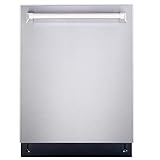
- Minimize Appliance Noise: When selecting appliances, prioritize those with low Decibel ratings (under 45 dB for a dishwasher) to prevent disruption in the adjacent comfortable living area.
- Control Odors: Ensure a high-performance ventilation system is installed that moves air quickly and exhausts outdoors, minimizing the spread of cooking smells into the living space.
- Implement Clutter Protocols: Designate a specific, non-visible spot (e.g., a deep island drawer or a cabinet near the entry) as the “drop zone” for daily items to solve managing open space clutter. Ensure all work surfaces are wiped down nightly, as the kitchen flows into living seamlessly.
Pro-Tip: Utilizing advanced fabrication techniques for kitchen island cabinetry that extends slightly into the living area can create a visual block for minor clutter, establishing a subconscious natural separator that enhances the overall aesthetic.
FAQs About Open Kitchen Living Room with Island Layout
How much space is needed for an open kitchen with an island?
A functional open kitchen island requires a minimum of 36 inches of clearance on all non-working sides and 42-48 inches on working sides (near appliances) to maintain ergonomic flow. The typical minimum size for an island that includes seating is about 7 feet long by 3 feet deep, allowing for enough counter surface and at least 12 inches of overhang for leg room. Consulting architectural layout principles is essential to balance the island size with the overall spacious open layout.
Can a small kitchen have an island in an open plan?
Yes, a small open plan kitchen can incorporate a functional island, but it often requires space-saving alternatives like a narrow, mobile island or a compact, fixed island. When designing for limited square footage, the island width should be reduced to 24 inches, and priority must be given to the minimum 36-inch aisle clearance. This design strategy utilizes creative island ideas for small spaces to maximize space utility.
What are the benefits of an open concept kitchen with island?
The primary benefits include enhanced natural light and visibility, improved social interaction, and maximized resale value of the home. The open concept kitchen living room island layout enables flow and transforms the kitchen from a utilitarian space into the central gathering and entertainment hub of the home, providing a modern feel highly desirable to buyers.
How to divide an open plan living room kitchen with an island?
The island itself serves as the primary natural separator, creating a visual and physical boundary without isolating the spaces. This separation can be further enhanced by incorporating different lighting treatments (pendants over the kitchen, chandeliers over the living area), using large area rugs to define the living room, or changing the ceiling height over the island.
What are common mistakes in open concept kitchen island design?
Common mistakes include neglecting adequate traffic clearance, choosing poor ventilation, and failing to create visual cohesion between the two zones. Insufficient aisle space often leads to solving traffic flow problems, while a mismatch in style, materials, or hardware between the kitchen and living room cabinetry results in a disjointed, non-cohesive look.
What island features are best for an open layout?
Multi-functional features are best, including ample storage (deep drawers), built-in seating for socializing, and integrated quiet appliances. The best islands provide prep area and cleanup zones on the kitchen side, while the living room side is designed for aesthetic appeal, often incorporating a bookcase, a wine fridge, or a streamlined island kitchen design that hides clutter.
How to create a cohesive look in open kitchen living rooms?
Cohesion is achieved by repeating key materials, colors, and textures across both spaces, often by using the same flooring throughout and coordinating metal finishes. The goal is to make the living space extends kitchen naturally, so the design complements living by subtly borrowing elements from the kitchen (like the counter material) and placing them in the living area.
What are the latest trends in open concept island design?
Current trends focus on oversized, monolithic islands with thick waterfall edges, integrated smart home technology, and two-tiered designs for optimal seating and work function. There is a move towards biophilic design principles open concept, integrating natural wood tones and living plants, paired with advanced features like pop-up electrical outlets and integrated smart home ecosystems.
What are alternatives to a kitchen island in an open plan?
If space limitations prevent an island, suitable alternatives include a peninsula (attached to the wall), a rolling butcher block cart, or a narrow dining table placed strategically as a room divider. These options still provide additional prep area and storage solutions while maintaining the crucial seamless flow and open feel of the open plan living space.
How to light an island in an open living space?
Effective lighting requires a combination of task lighting (pendants or linear fixtures) centered over the island, and ambient or accent lighting that integrates with the living room’s overall illumination plan. The island lights should be dimmable and placed at a height that does not obstruct sightlines between the kitchen and the living room, contributing to a light-filled open space.
Final Thoughts on Open Kitchen Living Room Island Layout
Implementing an open kitchen and living room with island layout is one of the most impactful home renovations you can undertake in 2026, significantly boosting both functionality and aesthetic appeal. As this ultimate guide has demonstrated, true success lies not just in aesthetic choices, but in meticulous plan island layout execution—ensuring proper dimensions, controlling noise and clutter, and achieving seamless design integration across the entire open plan living space. The island must function as a multi-purpose entity, facilitating entertainment + cooking while acting as the primary natural separator.
By prioritizing architectural precision and utilizing the expert kitchen design strategies detailed above, you can avoid common pitfalls and create a harmonious, cohesive open kitchen island layout that truly reflects your lifestyle. Remember to factor in not just the visual elements, but also the often-overlooked practical aspects like ventilation and acoustic mitigation to create a comfortable, unified environment. This layout is an investment in your home’s functionality and resale value, provided the design dictates functionality and adheres to industry best practices open concept.
Are you planning to install an open concept kitchen island this August? Which of these design strategies—zoning, storage, or lighting—do you find most challenging to tackle? Share your thoughts and project goals in the comments below!
Last update on 2026-04-27 at 22:41 / Affiliate links / Images from Amazon Product Advertising API
