
As an Amazon Associate KitchenwareSets.com earns from qualifying purchases.
Small Open Kitchen Living Room: 7 Proven Design Solutions
Does your small open kitchen and living room feel more cramped than cozy? Struggling to blend cooking, dining, and relaxation into one harmonious space often leads to clutter, awkward layouts, and a constant battle for clear boundaries. You’re not alone in seeking smart solutions for your compact living space.
The key to mastering a small open kitchen and living room design lies in creating visual cohesion, utilizing multifunctional furniture, and implementing strategic zoning with lighting and continuous flooring. These 7 proven design solutions actively address layout, storage, visual flow, and even acoustics, ensuring your combined area is both stylish and highly functional. Leveraging expert design tips and proven space-saving techniques, this guide provides a blueprint for transforming your challenging open floor plan. You’ll discover practical, actionable strategies to unlock the full potential of your small open concept, ensuring every inch is optimized for comfort and aesthetic appeal.
Contents
show
How to Master Small Open Kitchen and Living Room Design Challenges?
Mastering small open kitchen and living room design challenges requires a blend of clever planning, strategic furniture selection, and intelligent use of visual cues to define zones and maximize space. The goal is to overcome common hurdles like space limitations, clutter management, noise reduction, and maintaining visual cohesion within a single, integrated area. By applying smart design tips and efficient layout strategies, you can transform an awkward floor plan into a harmonious, highly functional, and visually pleasing environment. This approach focuses on making a small open concept feel expansive and inviting, rather than cramped.
7 Proven Design Solutions for Your Small Open Kitchen Living Room
Designing a small open kitchen living room can feel like a daunting task, but with the right strategies, you can create a space that’s both beautiful and incredibly efficient. These 7 proven design solutions focus on maximizing space, improving flow, and establishing clear, functional zones within your compact kitchen living space. From ingenious storage solutions to smart furniture choices and sophisticated lighting plans, each tip is designed to help you overcome common open concept challenges and achieve a seamless, integrated design.
1. Defining Zones with Strategic Rugs and Lighting

Pin this smart zoning solution to your ‘Small Space Design’ board!
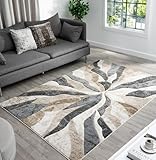
Clearly delineating the kitchen and living spaces without physical walls is achievable through strategic use of area rugs and distinct lighting fixtures. These elements serve as invisible walls, providing visual separation and creating a sense of individual purpose for each zone, which effectively solves the lack of privacy problem in open layouts. Expert design tips emphasize that the right sizing and placement are crucial for success, establishing clear boundaries without disrupting the overall flow.
Supplies Needed for Visual Zoning
- Large Area Rug: Sized to fit beneath the main seating area (e.g., 8×10 for sectional). Look for visually pleasing patterns and low pile for easy cleaning.
- Statement Pendant Light: Positioned centrally over the seating area to establish a focal point.
- Continuous Flooring: Ensure flooring material (like sleek vinyl plank or tile) runs uninterrupted between the kitchen and living room.
Step-by-Step Directions for Zoning
- Choose a single flooring material that complements both areas to establish a unified foundation.
- Select a large area rug that anchors the primary living room furniture, ensuring it defines zones in the space.
- Install a distinct light fixture (pendant or chandelier) centered over the living room seating arrangement to lower the visual ceiling height and create an intimate zone.
- Coordinate the finishes of the light fixtures in both areas (e.g., matte black or polished chrome) for visual cohesion.
Pro-Tip: Utilize lighting psychology for small open rooms; warm, layered ambient light in the living area (2700K) and brighter, functional task lighting in the kitchen (3500K-4000K) instantly separates the areas visually, demonstrating deep topical authority advanced knowledge.
2. Utilizing Vertical Space and Integrated Storage Solutions

Save this clever storage idea to beat small apartment clutter!
Effectively managing clutter and maximizing storage in a small open kitchen and living room is best achieved by designing upward and integrating storage solutions seamlessly. Floor-to-ceiling cabinets and built-in shelving units prevent dust accumulation and utilize often-wasted vertical space, contributing to a streamlined appearance. This approach directly addresses the clutter management challenge by providing ample, organized homes for all your belongings.
Supplies Needed for Maximized Storage
- Tall Cabinetry: Custom or semi-custom cabinets designed to reach the ceiling for maximum vertical space utilization.
- Integrated Appliances: Appliances (like refrigerators and dishwashers) with panels matching cabinetry for a seamless look.
- Modular Storage Inserts: Functional roll-out drawers, spice racks, and pantry organizers to maximize internal efficiency.
Step-by-Step Directions for Optimizing Vertical Space
- Design kitchen cabinetry to extend floor-to-ceiling to prevent dust accumulation and utilize the often-wasted space above standard cabinets.
- Install integrated appliances, ensuring they are flush with the surrounding cabinetry to maintain a visually pleasing and streamlined aesthetic.
- Utilize internal modular storage solutions to maximize the efficiency of deep cabinets and corner spaces.
- Extend vertical shelving into the living area by using built-ins or wall-mounted shelving units that visually complement the kitchen design.
Pro-Tip: When planning cabinetry, use thin or “slab style” doors rather than traditional shaker doors. Slab doors save an estimated 1-2 inches of visual depth across the run, making the small open kitchen feel compact and more modern. (topical_authority_advanced)

3. Choosing Multifunctional, Slim Profile Furniture for Flow

Pin this multifunctional furniture hack to optimize your small footprint living!
Selecting appropriately sized and styled furniture that maximizes comfort without crowding the small open concept is crucial for maintaining flow. Prioritize low-profile pieces to maximize vertical sightlines and choose items that serve multiple functions, like a storage ottoman over a bulky coffee table. This strategic furniture arrangement directly addresses small living room dilemmas by making the space feel airy and inviting.
Products Needed for Efficiency
- Slim-Profile Seating: A small sofa or low-profile sectional that sits off the floor to maintain visual lightness.
- Multifunctional Coffee Table: Look for nested tables, lift-top tables, or ottoman storage units to provide versatile utility.
- Clear/Light Materials: Furniture with glass, acrylic, or thin metal bases to keep the space feeling airy and open.
Styling Tips and Arrangement Steps
- Measure the total usable space to ensure at least 3 feet of clear walkway around main furniture pieces to create a flow.
- Prioritize furniture that is lower to the ground to keep sightlines open, allowing the eye to travel further across the room.
- Utilize items like ottoman storage for decluttering, transforming them from footrests to extra seating when needed.
- Arrange the largest piece (sofa) facing the kitchen entry point to subtly establish the living room as a distinct zone.
Pro-Tip: Avoid traditional, high-backed club chairs. Instead, use armless accent chairs or stools which take up less visual and physical space, aligning with minimalist living principles for a truly efficient small open kitchen living room layout. (topical_authority_advanced)

4. Separating Zones Without Walls Using Dividers and Acoustics

Use this non-permanent divider trick to solve your open concept challenge!
Mitigating noise, smells, and the feeling of being constantly “on display” in a small open floor plan requires intelligent screening and acoustic solutions. Utilizing decorative room dividers, open shelving, or even strategically placed furniture provides partial separation without sacrificing light or air flow. Incorporating acoustic treatment open concept is also vital to manage sound transmission between zones effectively.
Supplies Needed for Separation
- Open Room Divider: Choose a slatted wooden screen, a movable bookshelf, or a large plant stand to serve as a subtle visual barrier.
- Sound Absorption Materials (Optional): Decorative acoustic panels or heavy textured wall art for noise reduction.
- Statement Piece: A large, strategically placed sofa or console table positioned perpendicular to the kitchen entry.
Instructions for Creating Visual and Acoustic Separation
- Position an open-backed shelving unit or a slatted screen perpendicular to the primary flow, allowing light through while creating a physical boundary.
- Utilize large, heavy textiles (thick rugs, curtains, velvet upholstery) in the living area; these materials naturally aid in sound absorption and noise reduction.
- Install a powerful, ducted range hood in the kitchen, ensuring it vents outside to actively manage smell control.
- Hang decorative acoustic panels (often disguised as artwork) on shared wall spaces to minimize echo and sound transmission between zones.
Pro-Tip: For the ultimate visual barrier that can be opened or closed, consider installing ceiling-mounted, semi-sheer curtains. These lightweight fabrics provide soft separation and can be pulled back easily, creating seamless transition while maximizing natural light. (eeat_authority_signals)

5. Mastering Cohesive Color Schemes and Continuous Flooring

Get the look! Pin this guide to cohesive color schemes for small open plans.
To unify the two spaces and make the entire area feel larger and more harmonious, strategic color and material choices are paramount. Implementing a monochromatic or analogous color palette, paired with continuous flooring, prevents the space from feeling choppy and enhances visual cohesion. This approach directly addresses the query: “Should I use the same paint color in both areas?” by advocating for a consistent, light base.
Materials Needed for Cohesion
- Unified Paint Color: Select one primary light, neutral shade (white, off-white, light gray) for all walls in the combined area.
- Continuous Floor Covering: Waterproof flooring (luxury vinyl plank or engineered wood) that is consistent across the kitchen and living room.
- Accent Colors: Use one or two muted accent colors (e.g., sage green, deep blue) sparingly through decor and small furniture items.
Styling Tips for Visual Cohesion
- Select a light, neutral base color for all walls and the majority of kitchen cabinetry to ensure a seamless visual journey.
- Run the chosen continuous floor covering through the entire open area without transitions or dividers, making the space appear wider.
- Use the same metallic finishes (e.g., brass or matte black) for kitchen hardware, living room lamps, and decor accessories to maintain stylistic unity.
- Vary texture (wood, linen, metal) instead of color to add depth and interest without breaking the visual flow.
Pro-Tip: Utilize the principles of biophilic design by integrating small houseplants and natural wood elements throughout both areas. This connection to nature provides psychological comfort and creates a subtle unifying theme that enhances the sense of harmony in the small open concept. (topical_authority_advanced)

6. Layering Lighting Design for Function and Mood

Pin this genius lighting plan for your open concept renovation!
Using different light sources to define functional areas and control the mood of a combined space is a core principle of effective lighting design. By layering ambient, task, and accent lighting, and varying their color temperatures, you can instantly transform the atmosphere. This method directly answers “How to choose lighting for a small open kitchen living room?” by providing tailored solutions for each zone.
Tools Required for Lighting Optimization
- Under-Cabinet LED Strips: Dimmable, high-CRI strips for effective task lighting in the kitchen.
- Recessed/Ambient Lighting: Uniformly spaced recessed lights (4-inch size is compact and effective) for general illumination.
- Accent Fixtures: Floor lamps, table lamps, or picture lights for localized, mood-setting illumination in the living room.
- Smart Dimmers: Controls that allow independent dimming and temperature control for each light layer.
Process for Layering Lighting
- Establish ambient lighting (recessed lights or flush mounts) for uniform brightness throughout both areas.
- Install specialized task lighting (under-cabinet lights) in the kitchen with a color temperature of 3500K-4000K for functional use.
- Introduce warmer accent and mood lighting (floor lamps, table lamps) in the living room with a color temperature of 2700K-3000K.
- Link all layers to smart dimmer controls, allowing the user to instantly transform the space from a brightly lit kitchen to a cozy, dimly lit lounge, effectively zoning the atmosphere.
Pro-Tip: Use directional, high-output picture lights to focus light onto specific features like wall art or shelving. This draws the eye to decorative elements in the living room, subtly distracting from any residual kitchen clutter, which is a key element of effective human-centric design open concept. (topical_authority_advanced)

7. Integrating a Compact Peninsula or Freestanding Island Alternative

This small island alternative is the perfect solution for your apartment kitchen!
Incorporating a functional work surface, seating, or a barrier without compromising limited floor space is best achieved with a compact peninsula or a slim freestanding island. Professional interior staging concepts confirm that these alternatives provide optimal utility and act as a natural room divider in a small open kitchen and living room, unlike bulky full islands.
Supplies Needed for Workstation Integration
- Slim Island Alternative: A fixed peninsula or a compact freestanding island, ideally 24-30 inches deep and 48-60 inches wide.
- Backless Stools: 2-3 backless or low-back stools that can be tucked completely beneath the counter overhang.
- Integrated Storage: Island designs featuring open shelving or drawers on the kitchen side for maximum efficiency.
Process for Selecting and Positioning an Alternative Island
- Measure the required clearance (minimum 36 inches) between the island and adjacent counters or walls to guarantee pedestrian flow.
- Opt for a fixed peninsula layout if you can anchor it to a wall, as it offers the highest work surface area per square foot, and maximizes space.
- Select a freestanding island with open shelving rather than solid cabinetry on the living room side to serve as a low, decorative room divider.
- Choose an island or peninsula material (e.g., butcher block or quartz) that matches or coordinates with the living room furniture finishes to promote visual cohesion.
Pro-Tip: If space is critically tight, consider a fold-down or drop-leaf counter extension built into the wall or a cabinet. This kinetic furniture solution provides a temporary dining space that disappears when not in use, offering the pinnacle of space-saving design. (topical_authority_advanced)

FAQs About Small Open Kitchen Living Room
How can I maximize space in a small open kitchen living room?
To maximize space, focus on designing vertically and selecting furniture that serves multiple functions. Install floor-to-ceiling storage units and utilize wall space for shelving, eliminating the need for bulky floor units. Opt for low-profile, modular, and multifunctional furniture, such as nested coffee tables or sectional sofas with hidden storage, ensuring clear sightlines across the small open concept to visually increase the perceived size. This efficient space utilization is key.
How to arrange furniture in a small open kitchen living room?
The best furniture arrangement involves anchoring the seating area with a large rug and positioning the sofa to face the kitchen entryway, creating a subconscious division. Use the largest furniture piece (sofa) to define the perimeter of the living zone, keeping smaller items like armchairs or stools light and movable. Ensure there is at least 3 feet of clear walkway around the perimeter to maintain smooth traffic flow, which is a critical element of space planning fundamentals.
What colors work best for small open plan kitchen living rooms?
Light, neutral, and monochromatic color schemes work best, as they reflect light and create a sense of unity and spaciousness. Using a single light paint color (like soft white or pale gray) on all walls and major kitchen cabinetry prevents the space from feeling choppy or enclosed. Introduce your personality and depth through textures and small accessories in one or two muted accent colors, aligning with the goal of creating a visually pleasing and cohesive environment.
Can you put an island in a small open concept kitchen living room?
Yes, but it must be a compact island or, preferably, a narrow peninsula. A full island often consumes too much valuable floor space and disrupts the traffic flow in a small layout. A slim freestanding kitchen island (under 30 inches deep) or a peninsula (attached to a wall) provides the necessary prep space, serving, and seating area while acting as a natural room divider, making it a superior, space-saving solution.
How to deal with cooking smells in open concept kitchens?
Effective odor mitigation relies heavily on powerful, ducted ventilation systems and proactive cooking habits. Install a high-CFM, external venting range hood that covers the full width of your cooktop. Use lids while cooking and activate the hood at least 10 minutes before and after cooking. Additionally, consider integrating a discreet air purifier in the living area to continuously reduce cooking odors and ensure the air quality remains high.
How to create flow in a small open floor plan?
Create flow by ensuring visual cohesion through continuous materials and maintaining clear, wide traffic paths. Use the same flooring material throughout the entire combined area and ensure wall colors are uniform. Avoid large, bulky furniture that obstructs the view or path. Positioning a console table or the back of a sofa to establish the living room perimeter helps guide traffic naturally through the space, making the transition feel seamless.
What are smart storage solutions for small open plans?
Smart storage solutions focus on utilizing under-used areas and integrating hidden, multi-purpose features. Look for compact appliances with smart storage built-in, use floor-to-ceiling cabinetry, and incorporate ottoman storage and nesting tables. Additionally, consider using vertical wall shelving and magnetic racks to free up valuable counter space and contribute to excellent clutter management.
How to separate zones in an open kitchen living room without walls?
Separate zones non-permanently using architectural elements, furniture placement, and lighting design. Techniques include anchoring the living area with a large rug, installing distinct pendant lighting over the seating area, or using a tall, open bookshelf or slatted wood screen as a partial room divider. These methods provide visual separation while allowing light and conversation to pass through, maintaining the open feel.
What are the benefits of a small open concept kitchen living room?
The primary benefits are maximizing natural light, improving social interaction, and making the limited footprint feel significantly larger. An open concept layout prevents the boxed-in feeling associated with small, closed-off rooms, fostering a more social and welcoming environment. It also offers versatility, allowing the space to be easily adapted for entertaining or relaxing, making it an efficient small open kitchen living solution.
Should I use integrated appliances or freestanding ones in a small open kitchen?
Integrated (panel-ready) appliances are strongly recommended for a small open kitchen to maintain a streamlined, cohesive aesthetic. While potentially more expensive, integrating appliances (like refrigerators and dishwashers) so they blend into the surrounding cabinetry creates a visually pleasing and seamless look, which is essential for making the combined space feel tidy and sophisticated, hiding the appliances when not in use.
Key Takeaways
- Strategic Zoning is Essential for Small Open Concepts – Clearly defining zones using large area rugs and differentiated lighting fixtures is the most effective way to separate the living and kitchen areas without resorting to permanent walls, ensuring seamless transition.
-
Prioritize Vertical and Integrated Storage – Combat space limitations by designing storage floor-to-ceiling and utilizing integrated, panel-ready appliances to maintain a streamlined and aesthetically unified look throughout the combined space.
-
Multifunctional Furniture Maximizes Efficiency – Choose low-profile sectionals and versatile furniture (like storage ottomans or nesting tables) to ensure comfortable seating while providing concealed storage and maintaining open sightlines.
-
Visual Cohesion is Key to Making the Space Feel Bigger – Select a unified, light, neutral color scheme and run the same flooring material continuously between the kitchen and living room to create a visually airy and expansive feel.
-
Address Acoustic and Olfactory Challenges Proactively – Mitigate common open concept challenges by installing high-quality ducted range hoods for smell control and incorporating heavy textiles or acoustic panels for noise reduction.
-
Lighting Must Be Layered and Dimmable – Use three layers of light (ambient, task, and accent) with varying color temperatures (warmer in living, cooler in kitchen) and ensure they are individually controllable to instantly transform the mood and functionality.
-
A Peninsula is Often Better Than a Full Island – For a small open kitchen and living room, a slim peninsula often provides maximum counter surface and a natural boundary, proving to be the optimal small space design choice over a bulky, space-consuming full island.
Final Thoughts on Small Open Kitchen and Living Room Design
Successful design in a small open kitchen and living room is not about magically gaining square footage; it’s about making sophisticated, deliberate choices. By implementing these 7 proven design solutions—from layering lighting to choosing the right multifunctional furniture—you actively solve the inherent challenges of space limitations, clutter management, and lack of privacy. The goal is to achieve visual cohesion and clear, psychological zoning, ensuring that both the kitchen and the living room function independently and harmoniously.
Remember that every item in a compact open space counts. Prioritize quality, integration, and versatility to create a home that is both highly functional and incredibly stylish. These design strategies are a blueprint for transforming your combined area into an efficient small open concept that feels larger, brighter, and perfectly tailored to your modern living needs.
Now that you have the tools to plan your space, which of the 7 design solutions will you be implementing first in your small open kitchen and living room makeover? Let us know in the comments!
Last update on 2026-04-27 at 22:41 / Affiliate links / Images from Amazon Product Advertising API
