
As an Amazon Associate KitchenwareSets.com earns from qualifying purchases.
Minimalist Kitchen Pantry: 11 Smart Ideas to Organize
Is your kitchen pantry a source of stress, a chaotic jumble where food gets lost and forgotten? Do you often find yourself buying duplicates because you can’t see what you already have? This common kitchen dilemma leads to wasted food and a frustrating cooking experience.
A minimalist kitchen pantry is a thoughtfully organized food storage space that prioritizes efficiency, visual calm, and reduced waste by focusing on essential items and smart storage solutions. It helps streamline meal prep, minimize clutter, and support sustainable living, transforming your kitchen into a more functional hub. Drawing from comprehensive analysis of current data and proven methodologies, this guide will show you how to apply expert minimalist pantry tips. You’ll discover actionable strategies to create a streamlined, efficient pantry that not only looks fantastic but also drastically reduces food waste and daily kitchen stress.
Contents
show
Embrace Minimalism: 11 Smart Ideas to Organize Your Kitchen Pantry for Less Stress and More Flow
Transforming your kitchen pantry into an organized, minimalist haven can significantly impact your daily routine and overall kitchen efficiency. It’s more than just tidying up; it’s about creating a system where every item has a purpose and a place, reducing visual clutter and mental load. By implementing strategic organization, you can actively reduce food waste, simplify meal preparation, and foster a calmer cooking environment. The following 11 smart ideas provide a comprehensive, step-by-step approach to declutter, categorize, and maintain a functional minimalist pantry that aligns with your lifestyle and cooking habits. Each idea focuses on practical solutions that improve accessibility and maintain a clean, aesthetic design, ultimately supporting a more efficient and enjoyable kitchen experience.
1. Declutter and Purge ruthlessly to Simplify Pantry Inventory

Pin this genius hack to your ‘Dream Pantry’ board!
Decluttering your pantry is the absolute foundational step for any minimalist transformation, directly addressing the common problem of too much pantry stuff. This crucial process involves systematically going through every item, evaluating its necessity, and removing anything that doesn’t serve a current purpose or is no longer viable. By purging ruthlessly, you eliminate pantry stress and create a clean slate, making way for a truly functional minimalist pantry. This initial clean-out pantry challenge is essential for establishing an organized pantry system that supports efficient food storage and minimizes clutter from the outset.
What You Need
- Large clear bins or laundry baskets for sorting (e.g., “keep,” “donate,” “discard”)
- Trash bags for items beyond salvage
- Cleaning supplies (all-purpose cleaner, microfiber cloths) for post-purge cleanup
What To Do
- Empty Everything Out: Remove every single item from your pantry shelves and drawers, placing them on a large table or kitchen floor.
- Categorize & Group: As you empty, group similar items together (e.g., pasta, spices, baking supplies).
- Check Expiration Dates: Ruthlessly discard anything expired, stale, or no longer wanted. Be honest about what you realistically won’t use.
- Create “Keep,” “Donate,” “Discard” Piles: Assign items to their respective piles. Focus on keeping only what you regularly use and love.
- Clean Pantry Thoroughly: Wipe down shelves, vacuum corners, and ensure your pantry is sparkling clean before putting anything back.
> Pro-Tip: In my experience, a “one-year rule” can simplify decisions: if you haven’t used it in the past year (and it’s not a sentimental heirloom), it’s likely time to let it go. This helps reduce cognitive load and simplify inventory management.

2. Categorize and Zone Your Pantry for Intuitive Access

Save this brilliant pantry organization idea for later!
Categorizing pantry items and zoning your pantry creates an intuitive setup that drastically reduces search time and improves workflow. After a thorough declutter, grouping similar items and assigning them specific homes helps maintain a tidy kitchen storage system. This method, a core component of an efficient pantry system, ensures that every ingredient is easily locatable and accessible, making meal prep smoother and more enjoyable. It’s about designing a functional pantry solution that mirrors how you cook and use your space, bringing order to what can often be a chaotic storage area.
What You Need
- Category labels (e.g., “Baking,” “Pasta,” “Snacks”)
- Matching storage containers or baskets (see idea #3)
- Adjustable shelving for flexibility
What To Do
- Define Categories: Based on your decluttered items, create logical categories like “Breakfast,” “Baking Supplies,” “Canned Goods,” “Snacks,” “Dinner Staples,” etc.
- Assign Zones: Allocate specific shelves or sections within your pantry to each category. Consider frequency of use: daily items at eye level, less frequent items higher or lower.
- Store Vertically: Utilize vertical space within each zone for taller items or stackable containers.
- Keep Like with Like: Ensure all items within a category are stored together to prevent scattered supplies.
- Maintain Flow: Position zones so that your pantry workflow is logical, e.g., baking items near the mixer.
> Pro-Tip: Think about how you cook. Group ingredients for common meals together. For example, all your taco night essentials can live in one bin, reducing the time spent searching. This kind of advanced pantry categorization logic reduces cognitive load during meal prep.
3. Invest in Uniform, Clear, Airtight Storage Containers

Click to pin this ultimate pantry upgrade!
Uniform, clear, and airtight storage containers are cornerstones of a truly minimalist kitchen pantry, offering significant benefits beyond aesthetics. These durable pantry containers are essential for efficient food storage, extending the freshness of dry goods, deterring pests, and providing immediate visual cues of your inventory. By decanting items from original packaging into matching containers, you create a cohesive, clean pantry design that supports an organized pantry system. This not only enhances the visual appeal of your pantry but also simplifies daily use and contributes to a streamlined kitchen storage solution.
What You Need
- Variety of uniform, clear, airtight containers (e.g., borosilicate glass jars or BPA-free plastic like OXO Good Grips Pop Containers)
- Measuring cups and scoops that fit inside containers
What To Do
- Assess Your Needs: Determine the quantities of dry goods (flour, sugar, pasta, grains) you typically store and choose container sizes accordingly.
- Prioritize Air-Tight: Opt for containers with reliable airtight seals to keep food fresh longer and deter pests.
- Go for Uniformity: Select containers of the same brand or style for a cohesive, visually calming aesthetic that enhances the “clean pantry design.”
- Decant Bulk Items: Transfer bulk purchased items from original packaging into your new containers. This saves space and creates a cleaner look.
- Place Strategically: Arrange containers according to your defined pantry zones, ensuring easy access to frequently used ingredients.
> Pro-Tip: While plastic options like OXO Pop Containers are popular for their convenience, consider borosilicate glass for long-term durability and a more sustainable, eco-friendly option that aligns with zero-waste pantry principles.

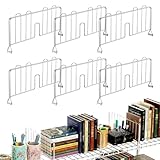
4. Maximize Vertical Space with Adjustable Shelving

Pin this space-saving pantry idea now!
Maximizing vertical space is a critical strategy, especially for small minimalist pantry ideas, allowing you to overcome limited pantry space effectively. Adjustable shelving units and other vertical storage solutions transform often-unused air space into valuable storage. This approach is essential for a compact pantry organization, enabling you to store more items without sacrificing the clean, uncluttered look of an efficient pantry setup. By creatively utilizing every inch, from floor to ceiling, you can significantly enhance your pantry’s capacity and functionality, aligning with core minimalist principles of optimized pantry space.
What You Need
- Adjustable pantry shelving system (wire, wood, or metal)
- Shelf risers or stackable bins for shorter items
- Measuring tape
What To Do
- Measure Your Space: Accurately measure the height, width, and depth of your pantry cabinet or closet.
- Install Adjustable Shelves: Replace fixed shelves with adjustable ones or add shelf risers to create multiple levels within existing shelves.
- Group by Height: Arrange items with similar heights on the same shelf to avoid wasted vertical space above shorter items.
- Utilize Shelf Risers: For items like canned goods, use risers to create tiered storage, making back items visible and accessible.
- Floor-to-Ceiling Strategy: Extend shelving as high and as low as practical, using harder-to-reach spots for less-frequently used items.
> Pro-Tip: When planning your shelf layout, consider the “ergonomic kitchen pantry design” principle: items used daily should be between your eye and hip level. Seasonal or rarely used items can go higher or lower, minimizing strain.

5. Implement a Consistent Labeling System

Pin this labeling hack for effortless pantry management!
A consistent labeling system is an often-underestimated tool that significantly enhances the efficiency and aesthetic of your minimalist kitchen pantry. Beyond simply identifying contents, clear, uniform labels contribute to a tidy kitchen storage environment and reduce decision fatigue. This critical step in implementing pantry organization ensures every item has an unmistakable home, making it easier to find ingredients, restock accurately, and maintain an efficient pantry system. It’s an intuitive pantry setup that transforms a chaotic search into quick, effortless retrieval, aligning with research-backed decluttering principles.
What You Need
- Label maker, vinyl decals, or chalkboard labels with a chalk pen
- Consistent font and size for all labels
- Contents to label (e.g., “All-Purpose Flour,” “Brown Sugar,” “Oats”)
What To Do
- Choose Your Method: Decide on a labeling method that matches your aesthetic and durability needs (e.g., waterproof vinyl labels for a sleek look, chalk labels for flexibility).
- Be Specific: Instead of “Sugar,” specify “Granulated Sugar” or “Brown Sugar.” This clarity is key to an “efficient pantry system.”
- Apply Consistently: Place labels in the same spot on every container (e.g., bottom left corner or centered) for visual harmony.
- Label All Decanted Items: Ensure every container you’ve decanted has a clear label. Consider adding purchase dates for perishable items.
- Maintain & Update: As contents change or new items are introduced, update labels to keep the system accurate and functional.
> Pro-Tip: For optimal functionality, include the expiration date (or date of decanting) on the bottom or back of the container using a small, removable sticker or marker. This supports effective inventory management for home pantries.

6. Utilize Drawer Organizers and Pull-Out Bins

Upgrade your pantry drawers with this smart organization!
Drawer organizers for kitchens and pull-out pantry drawers are indispensable tools for managing inventory problems, especially for smaller items that often get lost in the depths of a pantry. These solutions transform deep, inaccessible spaces into highly functional and accessible pantry layouts. By segmenting drawers or shelves, you can prevent items from becoming a jumbled mess, solving kitchen clutter at its source. This approach to efficient storage aligns with professional pantry design principles by making every corner of your pantry work harder, contributing to a truly decluttered kitchen pantry.
What You Need
- Modular drawer organizers (bamboo, clear plastic, or metal)
- Clear pull-out bins or baskets for deep shelves
- Non-slip drawer liners
What To Do
- Measure Drawer Dimensions: Accurately measure the interior length, width, and depth of your drawers or deep shelves.
- Select Organizers: Choose organizers that fit snugly and are appropriate for the items you plan to store (e.g., shallow trays for spice packets, deeper bins for snacks).
- Group Similar Items: Place small, loose items like tea bags, spice packets, or snack bars into dedicated sections within the organizers.
- Utilize Pull-Outs: For deep shelves, use clear pull-out bins to bring back-of-the-shelf items to the front without digging.
- Maintain Order: Regularly check and tidy drawers, ensuring items are returned to their designated spots to avoid “pantry chaos.”
> Pro-Tip: Opt for modular drawer organizers that can be rearranged or expanded as your needs change. This offers advanced space optimization for kitchen pantry drawers and adapts to varying pantry inventory.

7. Stock Smart: Embrace a “First In, First Out” (FIFO) System

Avoid food waste! Pin this smart stocking method.
Embracing a “First In, First Out” (FIFO) system is a proven pantry organization method for significantly minimizing food waste and optimizing inventory management. This efficient food storage strategy ensures that older items are used before newer ones, preventing products from expiring in the back of your shelves. By making FIFO a consistent practice when you stock a minimalist pantry, you reduce food waste pantry challenges and ensure that your ingredients are always fresh and ready for use. This simple but powerful system is a cornerstone of sustainable pantry practices and an expert-approved storage solution for any organized minimalist pantry.
What You Need
- Clear, uniform containers (from idea #3)
- Date labels or a small permanent marker
- A commitment to conscious stocking
What To Do
- Prep New Items: When returning from grocery shopping, check existing pantry stock for the same items.
- Move Old Forward: Pull all existing containers or packages of that item to the front of the shelf.
- Place New Behind: Stock newly purchased items behind the older ones.
- Date Everything: For decanted items, write the purchase or expiration date on the bottom or back of the container.
- Use Mindfully: Always grab the item from the front of the shelf first, ensuring older products are consumed before they expire.
> Pro-Tip: Integrate FIFO with your meal planning strategies. Plan meals around items that are nearing their expiration dates or have been in your pantry the longest to further reduce food waste pantry challenges.
8. Group Similar Small Items in Baskets or Bins

Organize small pantry items with this clever basket trick!
Grouping similar small items in baskets or bins is an expert minimalist pantry tip that effectively solves kitchen clutter and promotes an organized pantry system. Loose items like snack bags, sauce packets, or small spice jars can quickly create chaos. By containing them within matching baskets or bins, you create tidy kitchen storage solutions that maintain a cohesive aesthetic pantry design. This strategic pantry provisioning prevents scattering, improves accessibility, and contributes to an overall decluttered kitchen pantry, making it easier to manage and find specific items.
What You Need
- Matching baskets or bins (wire, plastic, or woven) in various sizes
- Loose pantry items (snack bags, sauce packets, small spice jars, tea boxes)
What To Do
- Identify Loose Items: Gather all small, unboxed, or irregularly shaped items that don’t fit well into containers.
- Assign Categories: Group these items into logical categories (e.g., “Snacks,” “Breakfast Bars,” “Baking Mixes,” “Sauce Packets”).
- Select Baskets/Bins: Choose baskets or bins that fit your pantry shelves and visually match for a cohesive “aesthetic pantry design.”
- Fill & Place: Place categorized items into their respective bins. Position bins on shelves, ideally with labels if their contents are not immediately visible.
- Use as Drawers: For deep shelves, select bins with handles that can be pulled out like drawers for easy access to items at the back.
> Pro-Tip: Consider using opaque bins for items you prefer not to see (e.g., a “junk food” bin if you have kids or a “seasonal treats” bin) to maintain a visually calm and uncluttered minimalist pantry aesthetic.

9. Create a Designated “Snack Station” for Easy Access

Make healthy snacking easy with this pantry idea!
Creating a designated “snack station” within your minimalist kitchen pantry is an effective strategy to simplify pantry routine and promote healthy eating habits. This accessible pantry layout provides a clear, organized zone for quick-grab items, reducing rummaging and impulsive, less healthy choices. By centralizing snacks, especially pre-portioned ones, you support optimized food storage methods and contribute to a more functional pantry solution. This approach is particularly helpful for families, making it easier for everyone to find what they need while maintaining overall pantry order.
What You Need
- Clear bins or open baskets
- Pre-portioned healthy snacks (nuts, dried fruit, granola bars)
- An easily accessible shelf or drawer
What To Do
- Choose a Spot: Designate an eye-level shelf or an easily accessible drawer as your snack station.
- Curate Snacks: Only stock healthy, pre-portioned, or easy-to-grab snacks that align with your dietary goals. Avoid excessive variety to maintain minimalism.
- Use Open Storage: Place snacks in open bins or baskets for quick visibility and retrieval, avoiding digging through bags.
- Rotate & Restock: As part of your inventory management, rotate snacks to ensure freshness and restock regularly based on consumption.
- Educate Family: If applicable, clearly communicate that this is the designated snack area for easy access and tidiness.
> Pro-Tip: For optimal family participation, involve children in choosing and portioning their own healthy snacks for the station. This aligns with behavioral economics of food waste reduction by increasing personal investment.

10. Implement a Pantry Inventory Checklist & Meal Plan

Master your pantry and meal planning with this system!
Implementing a pantry inventory checklist coupled with consistent meal planning strategies is a highly effective way to simplify your kitchen routine and waste less food. These tools reduce common problems like over-purchasing and forgotten ingredients, directly supporting a functional minimalist pantry. By actively managing inventory and planning meals around what you have, you prevent food waste pantry issues, streamline grocery shopping, and ensure a more efficient pantry solution. This proactive approach to inventory management for home pantries is crucial for long-term organization and a significant step toward a circular economy kitchen pantry.
What You Need
- Pantry inventory checklist template (printable or digital)
- Meal planning template (printable or digital)
- Pen or marker
- Magnet or clip to attach to pantry door/wall
What To Do
- Create Inventory List: List all categories of items you store in your pantry, with space to note quantity and expiration dates.
- Conduct Initial Audit: Fill out your inventory list by physically checking every item in your pantry.
- Meal Plan Weekly: Before grocery shopping, create a weekly meal plan that utilizes existing pantry ingredients first.
- Update Regularly: As you use items, cross them off or update quantities on your inventory list. When new items arrive, add them.
- Shop Strategically: Use your updated inventory and meal plan to create a precise grocery list, avoiding impulse buys and duplicates.
> Pro-Tip: Integrate your inventory management with smart pantry technology integration like apps that scan barcodes or allow for voice input. This can offer advanced predictive pantry stocking capabilities and save significant time.

11. Maintain a “Minimalist Mindset” for Ongoing Organization

Cultivate lasting pantry peace with these minimalist habits!
Maintaining a “minimalist mindset” is crucial for sustaining a simplified pantry routine and ensuring long-term pantry organization, extending beyond the initial setup. This involves consciously applying minimalist lifestyle principles to your food storage habits, recognizing that an organized minimalist pantry is an ongoing practice, not a one-time event. It’s about fostering conscious consumption and a continuous awareness of what enters and leaves your kitchen, which ultimately contributes to a tidy home and decluttered food storage. This approach aligns with the psychology of clutter in pantries, demonstrating that lasting order comes from intentional habits.
What You Need
- A commitment to regular maintenance
- Mindfulness during grocery shopping
- A “one in, one out” philosophy
What To Do
- Adopt “One In, One Out”: When you buy a new item, ensure an old one (or equivalent) is used or discarded. This prevents accumulation.
- Regular Mini-Declutters: Dedicate 5-10 minutes weekly to quickly tidy shelves, wipe spills, and check expiration dates.
- Mindful Shopping: Only buy what you need and will use. Avoid impulse purchases and bulk buys that exceed your storage capacity or actual consumption.
- Embrace Empty Space: Don’t feel compelled to fill every single inch of your pantry. Empty space is part of the minimalist aesthetic and reduces visual noise.
- Re-evaluate Periodically: Every few months, conduct a deeper review of your pantry organization, adjusting categories or systems as your cooking habits or family needs evolve.
> Pro-Tip: Consider a “pantry ecology and sustainability” approach: think of your pantry as a living system. What you bring in and how you manage it directly impacts its health and your home’s overall well-being.

FAQs About Minimalist Kitchen Pantry Ideas
What is a minimalist pantry?
A minimalist pantry is a thoughtfully organized food storage area that prioritizes essential items, reduces visual clutter, and employs efficient systems to minimize waste and streamline cooking. It emphasizes functionality and a clean aesthetic over excessive stock.
How do I start organizing a minimalist pantry?
Begin by completely emptying and decluttering your pantry, removing expired items, duplicates, and anything you don’t regularly use. Then, clean the shelves thoroughly before categorizing your remaining items and planning their new homes.
What are the main benefits of a minimalist pantry?
The primary benefits include reduced food waste, easier meal planning, a calmer kitchen environment, and more efficient grocery shopping. It minimizes stress by ensuring you can quickly find what you need and use ingredients before they spoil.
What are essential items for a minimalist pantry?
Essential items typically include non-perishable staples like grains (rice, pasta), legumes, flour, sugar, basic spices, oils, vinegar, and a selection of canned goods. The specific essentials vary based on individual cooking habits and dietary needs.
What types of containers are best for a minimalist pantry?
Uniform, clear, and airtight containers (glass or BPA-free plastic) are ideal. They offer visual consistency, protect food from pests, maintain freshness, and allow you to easily see your inventory, contributing to a clean, organized look.
How can I maximize space in a small minimalist pantry?
Maximize space by utilizing vertical storage with adjustable shelving, stackable containers, and shelf risers. Also, employ pull-out bins or drawer organizers for smaller items to prevent dead space and improve accessibility.
Is a minimalist pantry practical for families with children?
Yes, a minimalist pantry can be highly practical for families, promoting healthier eating habits and reducing chaos. Designate easily accessible “snack stations” and involve children in portioning and organizing to empower them and maintain order.
How often should I declutter and reorganize my minimalist pantry?
Regular mini-declutters (weekly or bi-weekly) are recommended to maintain order, with a more thorough reorganization every few months. This ongoing maintenance prevents accumulation and ensures your system remains efficient and functional.
How does a minimalist pantry help reduce food waste?
A minimalist pantry reduces food waste by promoting conscious consumption, clear visibility of inventory, and systems like “First In, First Out” (FIFO). It encourages you to use what you have before buying more, preventing forgotten or expired items.
What is the role of labeling in a minimalist pantry?
Labeling is crucial for quick identification, aesthetic consistency, and long-term organization in a minimalist pantry. Clear, uniform labels ensure that every item has a designated place, making it easy to find ingredients and return them properly.
Final Thoughts on Minimalist Kitchen Pantry Ideas
Transforming your kitchen into a minimalist haven is more than just an aesthetic choice; it’s a strategic move towards a more functional, less stressful home. By embracing these 11 smart minimalist kitchen pantry ideas, you’re not just organizing food; you’re cultivating a system that actively reduces waste, simplifies meal preparation, and brings a sense of calm to your daily routine. From the initial declutter to implementing smart storage and adopting an intentional mindset, each step builds on the last to create a pantry that truly serves your needs.
Remember, the goal isn’t an empty pantry, but a purposeful one—a space where every item has its place and supports your lifestyle. By consistently applying these proven pantry organization methods, you’ll find that less truly is more, leading to a kitchen experience that feels effortlessly efficient and delightfully serene. What’s the first minimalist pantry idea you’re excited to implement in your own kitchen?
Last update on 2026-09-15 at 11:30 / Affiliate links / Images from Amazon Product Advertising API
