
As an Amazon Associate KitchenwareSets.com earns from qualifying purchases.
Exposed Kitchen Pantry: 7 Genius Ideas for Organized Style
Ever feel like your kitchen storage is a chaotic mess, leaving you frustrated with clutter and an uninspiring cooking space? Many homeowners struggle to balance practical storage needs with a desire for a beautiful, cohesive kitchen aesthetic. This often leads to a constant battle against visual noise, making the idea of an organized, stylish kitchen feel out of reach.
An exposed kitchen pantry is a visible storage solution that combines practicality with aesthetic display, integrating seamlessly into kitchen design without traditional doors. It serves as both a functional larder and a decorative feature, requiring careful organization and styling to maintain a tidy and appealing look. Drawing from comprehensive analysis of current data and proven methodologies in kitchen design and home organization, we’ll delve into the world of exposed kitchen pantries. You’ll discover genius ideas to transform your kitchen into an organized, stylish, and highly functional hub.
Contents
show
Unveiling the Beauty: Exposed Kitchen Pantry Ideas for Organized Style
Embracing exposed kitchen pantry ideas means more than just removing cabinet doors; it’s about intentionally designing a space where functionality meets aesthetic appeal. These open kitchen pantry concepts are trending for their ability to merge daily necessities with interior design, creating visible kitchen storage designs that enhance the overall ambiance. The challenge, and the beauty, lies in transforming what could be a source of clutter into a curated display that is both practical and inspiring. We’ll explore seven creative ways to achieve an unhidden pantry solution that makes your kitchen more efficient and visually stunning, tackling common pain points like visible mess and maximizing utility.
1. Design an Integrated Display Pantry

Pin this concept for an effortlessly chic kitchen design!
An integrated display pantry blends seamlessly with your kitchen’s architecture, creating a high-end look where storage is both functional and decorative. This approach prioritizes a sleek, modern aesthetic by matching materials and finishes with existing cabinetry. It’s an ideal solution for those undertaking kitchen remodel projects, allowing for custom exposed pantry solutions that feel purpose-built rather than added on.
Materials Needed
- Matching cabinetry or shelving units that blend with existing kitchen decor
- High-quality wood or laminate for shelves (e.g., solid oak, white melamine)
- Recessed LED strip lighting for under-shelf illumination
- Clear, airtight food storage containers (various sizes for grains, pasta, spices)
- Coordinated ceramic or glass canisters for baking supplies
- Decorative items such as small plants, cookbooks, or art pieces
- Measuring tape, level, drill, screws for installation
Step-by-Step Directions
- Assess and Plan: Carefully measure the available space and plan the layout to ensure it integrates with existing kitchen elements, considering wall placement and traffic flow.
- Select Materials: Choose shelving materials and colors that precisely match or complement your current kitchen cabinetry and countertops for a cohesive look.
- Install Shelving: Securely install shelves at varying heights to accommodate different items, ensuring they are level and sturdy enough to hold pantry contents.
- Integrate Lighting: Install recessed LED lighting under shelves to highlight displayed items and improve visibility, creating a warm and inviting glow.
- Curate Contents: Select aesthetically pleasing items for display, such as clear glass jars for staples, coordinated canisters, and stylish crockery.
- Organize for Function: Group similar items together (e.g., baking, breakfast, snacks) for easy access and a tidy appearance, utilizing stackable containers to maximize vertical space.
- Add Decorative Touches: Incorporate a few select decorative elements, like a small potted herb plant or a visually appealing cookbook, to enhance the display without creating clutter.
Pro-Tip: For a truly integrated look, consider extending the pantry’s back panel material (e.g., backsplash tile or wood paneling) from the kitchen walls into the exposed pantry space. This bespoke joinery open pantry technique creates visual continuity and elevates the design.

2. Organize with Cohesive Storage Solutions

Save this pin for ultimate pantry organization goals!
Maintaining an organized open pantry relies heavily on cohesive storage solutions, transforming potential visual mess into a practical and efficient display. By standardizing your storage containers and utilizing smart organizational tools, you can achieve a tidy and functional aesthetic. This approach tackles disorganized pantry fixes head-on, ensuring everything has a designated place and contributes to the overall clean look.
Materials Needed
- Matching set of clear, airtight storage containers (glass or BPA-free plastic)
- Uniform spice jars with minimalist labels
- Acrylic or bamboo drawer/shelf organizers
- Woven baskets or fabric bins for less aesthetic items (e.g., chips, snacks)
- Shelf risers or expanders for vertical maximization
- Label maker or waterproof chalk markers
- Microfiber cloth for cleaning
- Airtight food storage containers for dry goods
Step-by-Step Directions
- Empty and Declutter: Remove all items from the pantry, check expiration dates, and discard anything expired or unused, focusing on declutter kitchen pantry.
- Clean Thoroughly: Wipe down all shelves and surfaces to ensure a fresh, clean starting point.
- Categorize Items: Group similar items together (e.g., baking supplies, breakfast cereals, snacks, spices) to streamline access.
- Transfer to Matching Containers: Transfer dry goods (pasta, rice, flour, sugar) into clear, airtight containers. Use uniform spice jars for all spices for a cohesive look.
- Utilize Organizers: Place smaller items in acrylic or bamboo organizers. Use shelf risers to create different levels and maximize vertical space.
- Label Everything: Clearly label all containers and bins. This ensures quick identification and helps maintain organization over time.
- Arrange Aesthetically: Place taller items at the back, shorter items in front. Use woven baskets for items that are less visually appealing but need to be accessible. Arrange items by frequency of use.
Pro-Tip: When choosing food storage containers, prioritize a single brand or style to ensure all pieces are stackable and visually cohesive. This functional design principles approach significantly contributes to the overall tidy appearance and prevents visible mess solutions.
3. Create a Minimalist Open Pantry Aesthetic

Achieve minimalist kitchen bliss with this open pantry inspo!
A minimalist exposed pantry aesthetic embraces simplicity, creating a serene and uncluttered kitchen environment through careful curation and ample negative space. This sleek open pantry design emphasizes quality over quantity, with each displayed item serving both a functional and decorative purpose. It’s about cultivating a calm visual experience by reducing visual noise and focusing on essential elements.
Materials Needed
- Fewer, higher-quality storage items (e.g., handmade ceramic bowls, elegant clear glass jars)
- Minimalist shelving units (floating shelves in light wood or white)
- Selected decorative accents (e.g., a single small plant, a framed print)
- White or neutral-toned containers
- High-quality, durable shelving (e.g., solid wood, metal with clean lines)
- Invisible wall mounts or brackets
Step-by-Step Directions
- Radical Decluttering: Ruthlessly pare down pantry items to only essentials that are frequently used and aesthetically pleasing when displayed, embracing the decluttering strategies.
- Choose a Limited Color Palette: Stick to a monochromatic or very limited color scheme for containers and displayed items (e.g., white, clear glass, natural wood) to reduce visual noise.
- Invest in Quality Pieces: Select beautiful, well-made containers and kitchenware that you are happy to display, making each item a design element.
- Embrace Negative Space: Do not fill every shelf. Leave ample empty space around displayed items to emphasize their form and create a sense of calm.
- Strategic Arrangement: Arrange items with intention, focusing on balance and symmetry. Stacks of plates, rows of matching jars, and single decorative elements work well.
- Conceal the Rest: Store less attractive or bulkier items in discreet, closed storage elsewhere in the kitchen or within hidden bins on the lowest shelves.
- Maintain Daily: A minimalist pantry requires daily upkeep to remain tidy. Quickly return items to their designated spots after use.
Pro-Tip: When aiming for a minimalist exposed kitchen pantry design, consider storing only items with a cohesive visual appeal. For instance, dry goods in matching jars work well, while brightly colored cereal boxes should be stored out of sight. This aligns with lean organization principles for pantries.

4. Build Custom Floating Shelves for Exposed Storage

DIY dream alert! Pin these custom floating shelves for your exposed pantry.
Building custom floating shelves offers a versatile and aesthetic way to create an exposed kitchen pantry, maximizing space while reflecting your personal style. This DIY-friendly option allows for precise customization to fit any kitchen layout, making it an excellent solution for maximizing pantry space. Floating shelves integrate seamlessly, providing practical exposed storage that feels light and airy.
Materials Needed
- Solid wood planks (e.g., oak, pine, or reclaimed wood), chosen for strength and aesthetics
- Heavy-duty floating shelf brackets (e.g., concealed steel rods or L-brackets)
- Wood screws suitable for your wall type (e.g., drywall anchors, stud screws)
- Wood stain or paint (optional, to match kitchen decor)
- Level, drill, stud finder, measuring tape, pencil
- Sander and sandpaper (if finishing raw wood)
- Safety glasses and gloves
Step-by-Step Directions
- Measure and Mark: Decide on the length and placement of your shelves. Use a stud finder to locate studs for secure mounting and mark positions carefully with a pencil and level.
- Cut and Finish Wood: Cut your chosen wood planks to the desired length. Sand the wood smooth and apply stain or paint if desired, allowing it to dry completely.
- Install Brackets: Following manufacturer instructions, securely install the floating shelf brackets into the wall. Ensure they are perfectly level and spaced according to your shelf design.
- Attach Shelves: Slide the finished wood planks onto the installed brackets. If using concealed rod brackets, ensure a snug fit. If using L-brackets, secure the shelf to the brackets with screws from underneath.
- Test Stability: Gently apply downward pressure to each shelf to ensure it is stable and can hold the weight of your pantry items safely.
- Load and Style: Once secure, begin loading your shelves with carefully selected pantry items, focusing on organized display.
- Maintain Cleanliness: Regularly wipe down shelves and visible items to prevent dust and maintain a fresh look.
Pro-Tip: When building pantry shelves for heavy items, always install into wall studs for maximum stability. If studs are unavailable, use heavy-duty toggle anchors that are rated for significant weight. This prevents shelf sagging and ensures safety, reflecting safety standards kitchen storage.

5. Style an Industrial Pipe Pantry System

Add some edge to your kitchen! Pin this industrial pantry look!
An industrial pipe pantry system offers a robust and stylish alternative to traditional kitchen cabinetry, lending a unique, contemporary edge to your kitchen decor. This design concept utilizes sturdy black iron pipes and reclaimed wood for a rugged yet refined aesthetic. It’s one of the more unique exposed pantry ideas, perfect for those seeking a blend of raw materials and functional display storage solutions.
Materials Needed
- Black iron pipes and fittings (e.g., flanges, elbows, T-connectors)
- Wood planks (e.g., reclaimed wood, distressed pine)
- Wood screws for securing shelves to pipes
- Wall anchors or stud screws for mounting pipes
- Level, drill, measuring tape, pipe wrench
- Dark-colored clear glass jars or metal canisters
- Vintage-style kitchen accessories (e.g., metal tins, enamelware)
Step-by-Step Directions
- Measure and Design: Determine the dimensions and configuration of your industrial pipe pantry. Sketch out the layout, including pipe lengths, fittings, and shelf placement.
- Gather Materials: Purchase black iron pipes, flanges, elbows, and T-connectors, along with sturdy wood planks. Ensure all pipe pieces are clean and ready for assembly.
- Assemble Pipe Frame: Assemble the pipe frame according to your design, tightening all connections with a pipe wrench. Ensure the structure is stable and upright.
- Mount to Wall: Position the assembled pipe frame against the wall, using a level. Mark the drilling points for the flanges and securely mount the entire structure to the wall, preferably into studs.
- Install Shelves: Place the wood planks onto the horizontal pipe sections. Secure the planks to the pipes from underneath with wood screws for added stability.
- Load with Industrial-Style Items: Stock the shelves with items that complement the industrial aesthetic, such as clear glass jars for dry goods, metal containers, and vintage-inspired kitchenware.
- Accent with Details: Incorporate minimalist, rugged decorative items like a concrete planter or a metal-framed clock to enhance the overall industrial vibe.
Pro-Tip: To ensure stability and prevent wobbling in industrial style exposed kitchen pantry setups, always use wall flanges at multiple points along the vertical pipe runs and secure them directly into wall studs or with robust anchors. This robust installation guarantees lasting functionality.

6. Implement a Functional Corner Pantry Nook

Maximize every inch! Pin this clever corner pantry solution!
Transforming an awkward kitchen corner into a functional pantry nook is a smart space-saving exposed pantry idea, especially valuable for smaller kitchens. This approach converts often underutilized areas into efficient visible storage, demonstrating clever open pantry solutions. By choosing specialized shelving and organizational tools, you can create an ergonomic and highly accessible storage zone that enhances kitchen layout planning.
Materials Needed
- L-shaped or triangular corner shelving units
- Wall mounting hardware (screws, anchors)
- Lazy Susan turntable organizers for deeper shelves
- Clear storage containers in various sizes
- Tiered spice racks
- Drill, level, measuring tape, pencil
Step-by-Step Directions
- Assess Corner Space: Measure the depth and height of the corner. Consider if it’s a true 90-degree angle or slightly off, which may require custom-cut shelves.
- Select Corner Shelving: Choose L-shaped shelves or individual triangular shelves designed for corners. Opt for sturdy materials like wood or metal.
- Install Shelving: Mount the shelves securely to both walls of the corner, ensuring they are level. Vary shelf heights to accommodate different items.
- Utilize Turntables and Risers: For deeper corner shelves, use Lazy Susan turntables to make items accessible. Implement shelf risers to create vertical layers for smaller containers.
- Categorize and Containerize: Group pantry items logically (e.g., oils/vinegars, baking goods, snacks) and transfer them into matching clear containers for visual appeal and easy identification.
- Optimize for Accessibility: Place frequently used items on easily reachable shelves. Use tiered spice racks to organize spices, ensuring every bottle is visible.
- Style for Impact: Add a small decorative element like a hanging plant or a single elegant vase to elevate the corner from purely functional to aesthetically pleasing.
Pro-Tip: When dealing with awkward pantry corner ideas, maximize every inch by opting for custom fabrication exposed pantry or using specialized corner pantry shelving solution. Lazy Susans are indispensable for making items in deep corners easily accessible, preventing food from getting lost.
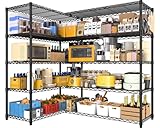
7. Transform an Existing Cabinet into an Open Pantry

Instant kitchen upgrade! Pin this clever cabinet transformation for your open pantry.
Converting an existing cabinet into an open pantry is a budget-friendly and straightforward way to introduce exposed storage into your kitchen without a full renovation. This easy DIY exposed kitchen pantry project transforms an often overlooked enclosed space into a stylish display area. It’s a fantastic solution for those seeking kitchen cabinet alternatives, providing immediate visual impact and improved accessibility.
Materials Needed
- Screwdriver or power drill (for removing cabinet doors)
- Wood filler (for hinge holes)
- Sandpaper (fine-grit)
- Paint or primer (for cabinet interior and exterior if desired)
- Paintbrush or roller
- Clear, stackable containers
- Basket organizers
- Decorative items (small plant, ceramic dishware)
Step-by-Step Directions
- Remove Cabinet Doors: Using a screwdriver or drill, carefully remove the doors and hinges from the chosen cabinet. Set them aside if you wish to reattach them later.
- Fill and Sand Holes: Fill any visible hinge holes with wood filler. Once dry, sand the filled areas smooth to create a seamless surface.
- Clean and Prep: Thoroughly clean the interior and exterior of the cabinet. If desired, lightly sand all surfaces you plan to paint for better adhesion.
- Paint or Refinish (Optional): Paint the interior of the cabinet a contrasting color for a pop of style, or paint it to match the exterior for a unified look. You can also refinish the exterior. Allow adequate drying time.
- Organize with Containers: Place clear, stackable containers, baskets, and shelf risers inside to maximize storage. Group similar items for easy access.
- Curate Display: Select your most aesthetically pleasing kitchen items (e.g., matching dishware, colorful cookbooks, unique spices in jars) for display.
- Style and Maintain: Arrange items thoughtfully, leaving some negative space. Regularly dust and wipe down the surfaces to keep the newly exposed pantry looking pristine.
Pro-Tip: When you convert cabinet to open pantry, consider painting the interior back wall of the cabinet a vibrant or contrasting color. This simple step creates an instant visual anchor and makes the displayed items pop, contributing to an aesthetic exposed pantry without a major renovation.

FAQs About Exposed Kitchen Pantry Ideas
How to style an exposed pantry?
Styling an exposed pantry involves thoughtful curation and strategic arrangement to blend functionality with aesthetic appeal. Use cohesive containers, group similar items, and incorporate decorative elements like cookbooks or small plants. Maintain a consistent color palette and leave some negative space to prevent a cluttered appearance.
What are the best exposed pantry ideas for small kitchens?
For small kitchens, utilize vertical space with tall, narrow shelving units or floating shelves to maximize storage without occupying floor space. Corner pantry nooks are also excellent for small exposed pantry ideas. Prioritize essential items, use clear, stackable containers, and minimalist designs to avoid overwhelming the compact area.
What materials are best for exposed pantry shelving?
Durable and aesthetically pleasing materials like solid wood (oak, maple), industrial black iron pipes, or sleek metal shelving are best for exposed pantry shelving. The choice depends on your kitchen’s style (e.g., rustic wood for farmhouse, metal for modern). Ensure materials are easy to clean and sturdy enough to hold weight.
How to keep an open pantry organized?
To keep an open pantry organized, consistently use matching, airtight containers for dry goods, clearly label everything, and implement a “one in, one out” policy. Regularly declutter, group similar items, and utilize shelf risers and drawer organizers to maintain visual order and accessibility, preventing pantry clutter solutions.
Is an exposed pantry practical for everyday use?
An exposed pantry can be highly practical for everyday use, offering easy access to frequently used items and improving kitchen workflow. Its practicality depends on diligent organization and a commitment to keeping items tidy. For busy households, careful selection of displayed items and regular maintenance are crucial.
What items should be stored in an open pantry?
Ideal items for an open pantry are visually appealing, frequently used, and can be stored in attractive containers, such as dry goods in clear jars (pasta, grains), spices in uniform jars, or neatly stacked dishware. Less aesthetic or rarely used items should be stored in closed storage or discreet baskets within the open pantry.
Can an exposed pantry look tidy?
Yes, an exposed pantry can absolutely look tidy with strategic planning, consistent organization, and a commitment to aesthetics. Key elements include using matching storage containers, categorizing items, embracing a limited color palette, and incorporating decorative elements while avoiding overfilling the shelves.
What are common exposed pantry mistakes to avoid?
Common exposed pantry mistakes include overfilling shelves, using mismatched or unsightly containers, neglecting regular cleaning, and displaying clutter-prone items. Avoid poor lighting, which can make the space feel dark, and ensure shelving is securely installed to prevent safety hazards.
How to integrate an exposed pantry into kitchen design?
Integrate an exposed pantry by matching its materials and color scheme to your existing kitchen cabinetry, countertops, and backsplash for seamless visual flow. Consider architectural features like recessed lighting or built-in shelving that align with the kitchen’s overall design, creating a cohesive and inviting space.
How to clean an exposed pantry?
To clean an exposed pantry, regularly dust shelves and visible items with a microfiber cloth to prevent buildup. For spills, wipe down surfaces immediately. Periodically remove and wash containers, rotating contents to check for expiration dates and ensure freshness, maintaining hygiene and appearance.
Final Thoughts on Exposed Kitchen Pantry Ideas
The journey to a truly organized and stylish kitchen can often feel like an endless quest, but with these exposed kitchen pantry ideas, you’re equipped to transform a functional necessity into a striking design feature. From designing exposed pantry solutions that seamlessly blend with your decor to organizing open pantry contents with meticulous care, the key lies in intentionality and attention to detail. An aesthetic kitchen pantry is more than just storage; it’s a reflection of your commitment to a beautiful, efficient living space.
Whether you opted for the minimalist exposed pantry look or embraced the rugged charm of an industrial exposed pantry, remember that ongoing maintenance and smart home organization tips are paramount. Each choice, from choosing pantry containers to styling a functional corner pantry nook, contributes to the overall success of your visible storage. By implementing these genius exposed pantry solutions, you’re not just decluttering; you’re elevating your entire kitchen’s design. Which of these exposed kitchen pantry ideas will you try first to unlock your kitchen’s full potential?
Last update on 2026-09-16 at 11:30 / Affiliate links / Images from Amazon Product Advertising API
