
As an Amazon Associate KitchenwareSets.com earns from qualifying purchases.
13 Genius Kitchen Pantry Ideas for Small Spaces
Does your small kitchen pantry feel more like a black hole than a practical storage space? Are you constantly battling clutter and struggling to find what you need, leaving you frustrated before you even start cooking?
Maximizing storage in a small kitchen pantry involves utilizing vertical space, optimizing cabinet interiors with organizers, and implementing door-mounted solutions. These strategies efficiently combat clutter and create functional, accessible storage in compact areas. Drawing from comprehensive analysis of current data and proven methodologies, this guide unpacks the most effective strategies to transform your tiny pantry. You’ll discover smart, tested solutions designed to maximize every inch, ensuring your kitchen pantry ideas for small spaces become a reality.
Contents
show
13 Genius Kitchen Pantry Ideas for Small Spaces
A small kitchen pantry often presents unique challenges, making efficient organization not just a convenience, but a necessity. The goal is to move beyond simple storage and transform these compact areas into highly functional, easily accessible hubs that support your kitchen workflow. This requires creative thinking and a strategic approach, focusing on solutions that maximize every available surface and cavity, from vertical spaces to often-overlooked door interiors. We’ll dive into 13 genius ideas that offer practical, actionable steps to optimize your pantry, ensuring you have a place for everything and everything in its place, even in the smallest of kitchens.
1. Maximize Height with Vertical Shelving Systems

Pin this genius vertical storage idea to your ‘Small Kitchen Hacks’ board!
Maximizing vertical pantry storage involves utilizing every available inch from floor to ceiling, effectively doubling your storage capacity. In compact spaces, this means thinking upwards, transforming otherwise dead space into functional areas for provisions. Adjustable or fixed shelving systems, when strategically installed, can provide versatile storage for everything from tall cereal boxes to short canned goods, ensuring that no space is wasted. This approach is key to an efficient small pantry design, allowing you to store more without expanding your footprint.
Materials Needed:
- Adjustable wire shelving units or custom cut wood shelves
- Wall anchors and screws appropriate for your wall type (e.g., drywall, stud)
- Measuring tape and level
- Drill and screwdriver
- Stud finder (optional, but recommended)
Step-by-Step Directions:
- Measure Your Space: Accurately measure the height, width, and depth of your pantry area. Consider the items you plan to store on each shelf.
- Choose Your Shelving: Select either pre-made adjustable shelving units for ease or custom cut shelves for a perfect fit. Ensure materials are sturdy enough for pantry items.
- Plan Shelf Placement: Use a pencil to mark shelf heights, ensuring enough clearance for taller items at the bottom and smaller items higher up. Use a level to ensure straight lines.
- Install Brackets/Uprights: If using adjustable systems, install the vertical uprights first, ensuring they are securely anchored to wall studs if possible. For custom shelves, install shelf brackets at marked points.
- Secure Shelves: Place shelves onto brackets or within the adjustable system. Double-check stability before loading.
- Load and Organize: Start loading shelves from the bottom up, placing heavier items on lower shelves.
Pro-Tip: In my experience installing various pantry systems, ensuring that at least two shelf brackets or vertical uprights are anchored into wall studs significantly enhances stability and weight-bearing capacity, preventing future sagging.

2. Utilize Door-Mounted Organizers for Hidden Storage

Save this brilliant door storage hack to your ‘Pantry Goals’ board!
Door-mounted organizers provide invaluable hidden pantry solutions by transforming an often-unused surface into efficient storage. The back of your pantry door is prime real estate for lightweight, frequently accessed items that would otherwise clutter shelves. These slim organizers are perfect for spices, snack bags, foil, plastic wrap, or small bottles, adding significant capacity without taking up precious internal shelf space. Utilizing door storage is a smart way to maximize pantry space, especially in narrow or shallow pantries where every inch counts.
Supplies Needed:
- Over-the-door pantry organizer or screw-in racks
- Screwdriver or drill (if mounting)
- Measuring tape
- Pencil
Step-by-Step Directions:
- Assess Your Door: Check if your pantry door has enough clearance (space between the door and shelves when closed) for an organizer, especially for over-the-door models.
- Choose Organizer Type: Decide between an over-the-door hook style (no drilling) or a screw-in mounted system (more stable).
- Install Over-the-Door: Simply hang the hooks over the top edge of your pantry door. Ensure the organizer hangs straight and securely.
- Install Mounted Racks: If using screw-in racks, measure and mark desired positions on the inside of your door. Pre-drill small pilot holes before screwing in the racks.
- Organize Small Items: Use the organizer for lightweight items like spices, small jars, snack bags, foil/wrap boxes, or cleaning supplies.
Pro-Tip: For optimal functionality in a tiny pantry, consider a slim, adjustable door-mounted organizer. This prevents bulk and allows the door to close smoothly, a critical detail often overlooked in compact kitchen planning.

3. Implement Pull-Out Drawers and Baskets

Pin this brilliant pantry drawer solution for a clutter-free kitchen!
Pull-out pantry shelves and baskets are transformative for deep pantry spaces, making every item easily accessible and preventing things from getting lost in the back. Traditional deep shelves can become black holes for forgotten items, leading to clutter and wasted food. By integrating sliding storage drawers or wire baskets, you bring the contents to you, eliminating the need to rummage. These elements improve pantry access, making your small kitchen pantry more efficient and user-friendly.
Supplies Needed:
- Pull-out wire drawers or baskets with sliding rails
- Drill and screwdriver
- Measuring tape
- Pencil
- Level
Step-by-Step Directions:
- Measure Shelf Depth and Width: Measure the interior depth and width of your pantry shelves carefully to ensure a perfect fit for the pull-out unit. Account for any door hinges.
- Select Your Drawers: Choose units that match your measurements and storage needs. Consider wire baskets for produce/cans or solid drawers for smaller, loose items.
- Install Rails: Follow manufacturer instructions to install the sliding rails to the base of your pantry shelf or cabinet. Use a level to ensure they are perfectly straight.
- Attach Baskets/Drawers: Secure the baskets or drawers to the installed rails. Test the sliding mechanism to ensure smooth operation.
- Organize Contents: Place frequently used items or those prone to getting lost (e.g., canned goods, baking supplies, snacks) in the pull-out units.
Pro-Tip: When choosing pull-out drawers for a compact pantry, prioritize units with full-extension slides. This ensures complete visibility and access to items at the very back, maximizing every inch of storage and preventing food waste.

4. Use Clear Stackable Containers for Visibility

Save this brilliant container strategy to your ‘Kitchen Organization’ board!
Clear stackable containers are indispensable for organized pantry ideas, especially in small spaces, by enhancing visibility and maximizing vertical storage. Transferring dry goods like pasta, rice, flour, and snacks from their original bulky packaging into uniform, transparent containers instantly creates a cleaner, more streamlined look. More importantly, it allows you to see exactly what you have at a glance, preventing overbuying and reducing food waste, which are crucial efficient home management techniques for any kitchen.
Supplies Needed:
- Various sizes of clear, airtight, stackable food storage containers
- Labels (permanent marker or label maker)
- Dry pantry staples (pasta, rice, flour, sugar, snacks)
Steps:
- Empty and Assess: Remove all dry goods from their original packaging. Discard any expired items.
- Choose Container Sizes: Match container sizes to the quantity of each item, opting for stackable designs to maximize vertical space.
- Fill Containers: Pour dry goods into their respective clear containers.
- Label Contents: Clearly label each container with its contents and expiration date (if applicable) for easy identification.
- Stack and Arrange: Arrange containers by category (baking, pasta, snacks) and stack them efficiently on your pantry shelves. Place frequently used items at an accessible height.
Pro-Tip: Invest in a uniform set of clear, stackable containers. Not only does this create a visually appealing and cohesive pantry, but the consistent footprint allows for efficient vertical stacking and optimized space utilization, a hallmark of smart kitchen storage.

5. Incorporate Lazy Susans for Corner Optimization

Spin your way to a tidy pantry! Pin this Lazy Susan idea now.
Lazy Susans are brilliant for optimizing awkward pantry corners and deep shelves, transforming inaccessible spaces into functional storage. These rotating organizers ensure that items, especially bottles, jars, and spices, are always at your fingertips. By simply spinning the tray, you can access contents that would otherwise be hidden or difficult to reach. This makes them a fundamental tool for accessible pantry design and overcoming problem solution keywords related to limited access.
Supplies Needed:
- Lazy Susan organizer (single or double tier, sized for your pantry shelf)
- Items to organize (condiments, oils, spices, small jars)
Steps:
- Measure Your Space: Measure the depth and width of your pantry shelf, particularly the corner area, to determine the maximum diameter Lazy Susan that will fit and rotate freely.
- Select Your Lazy Susan: Choose a model based on size, material (clear plastic, wood, metal), and number of tiers. Consider models with a rim to prevent items from falling off.
- Place on Shelf: Position the Lazy Susan in the desired corner or deep section of your pantry shelf.
- Load and Organize: Arrange items like oils, vinegars, sauces, spices, and small jars on the Lazy Susan. Group similar items together.
- Test Rotation: Gently spin the Lazy Susan to ensure all items are accessible and it rotates smoothly without hitting the pantry walls or door.
Pro-Tip: For optimal corner pantry organization, choose a Lazy Susan with a non-slip surface and a raised edge. This prevents bottles from toppling over during rotation and keeps everything secure, making deep corner access effortlessly efficient.

6. Design a Shallow Pantry (or Convert Existing)

Discover the shallow pantry secret! Pin this efficient design idea.
Designing a shallow pantry is a highly effective way to prevent items from getting lost or forgotten, a common problem in tiny pantries. Unlike deep shelves where items can disappear behind others, shallow designs ensure everything is visible at a glance. This improves inventory management and reduces food waste, aligning with efficient small pantry design principles. You can either build a new shallow unit in an unused nook or convert existing deeper shelves into more manageable shallow spaces using risers or narrow bins.
Supplies Needed:
- Shelving material (wood, wire, or adjustable shelf risers)
- Measuring tape and level
- Drill and screwdriver (if building/installing)
- Pencil
- Caulk gun and caulk (for sealing gaps if DIY)
Step-by-Step Directions:
- Assess Your Space: Determine if you have a suitable wall space (e.g., behind a door, an unused hallway nook) to build a shallow pantry, or if you can adapt existing deep shelves.
- Plan Depth: Aim for a depth of 6-12 inches (15-30 cm) for a shallow pantry, ensuring items are only stored one deep.
- Install Shelves (New Build): Cut shelves to size and install them using brackets or a dado joint system, ensuring they are level. Space them according to the height of your items.
- Optimize Deep Shelves (Existing): Use tiered shelf risers or narrow bins on existing deep shelves to effectively create a shallow-style organization.
- Organize by Category: Arrange items in single rows, grouping similar items. This allows you to see everything at a glance.
Pro-Tip: For the most efficient shallow pantry in a truly tiny space, opt for adjustable shelves. This allows you to customize the height for specific items like cereal boxes or canned goods, eliminating wasted vertical space above irregularly sized products and improving compact pantry solutions.

7. Install Wall-Mounted Spice Racks

Free up your pantry shelves! Pin this spice organization hack.
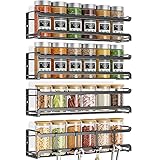
Wall-mounted spice racks are one of the most effective kitchen pantry ideas for small spaces when it comes to maximizing vertical space and freeing up shelves. Spices can quickly consume valuable pantry real estate, especially in tiny kitchens. By moving them to a wall-mounted solution, either inside the pantry, on a cabinet side, or even behind a door, you create dedicated, easily accessible storage. This not only declutters shelves but also keeps your spices organized and visible, enhancing your cooking workflow.
Supplies Needed:
- Wall-mounted spice racks (single or multi-tiered, material of choice)
- Drill and screwdriver (for screw-in racks)
- Measuring tape and level
- Pencil
- Adhesive (if using peel-and-stick)
Step-by-Step Directions:
- Identify Placement: Choose a suitable wall space inside your pantry, on the side of a cabinet, or even on the inside of a pantry door (if not using another organizer). Ensure it’s away from direct heat.
- Measure and Mark: Use a tape measure and level to mark the exact placement for your spice racks. Consider the height of your spice jars.
- Install Racks:
- Screw-in: Pre-drill pilot holes, then securely screw the racks into the wall.
- Adhesive: Peel off the backing and firmly press the racks into place, holding for the recommended time.
- Magnetic: Simply attach to any magnetic surface.
- Load Spices: Transfer spices to uniform jars if desired, then arrange them alphabetically or by frequency of use on the racks.
Pro-Tip: When planning wall-mounted spice racks for a tiny pantry, opt for slim, tiered designs or a magnetic system. This maximizes vertical real estate on otherwise unused surfaces, keeping spices visible and accessible without encroaching on precious shelf depth.
8. Add Under-Shelf Baskets for Extra Layers

Instantly create more pantry space! Pin this under-shelf basket idea.
Under-shelf baskets are a clever pantry storage solution that instantly creates additional storage without any permanent installation. These clip-on or slide-on wire baskets utilize the often-wasted space directly beneath a pantry shelf, providing an extra layer for small, lightweight items. They are ideal for snack bags, foil, plastic wrap, small towels, or tea boxes, effectively adding extra storage to a tiny kitchen without sacrificing valuable shelf surface area. This strategy is a testament to efficient home management techniques for small spaces.
Supplies Needed:
- Under-shelf wire basket(s)
- Small, lightweight pantry items (snack bags, foil, plastic wrap, small towels, tea boxes)
Steps:
- Assess Shelf Space: Look for shelves with ample vertical space below them (at least 6-8 inches) that can accommodate an under-shelf basket without obstructing items on the shelf below.
- Choose Basket Size: Select baskets that fit the depth and width of your shelf. Ensure the clips or hooks are compatible with your shelf thickness.
- Attach Basket: Simply slide the basket’s clips or hooks onto the underside of the chosen shelf. Ensure it’s securely attached.
- Organize Contents: Fill the basket with lightweight, frequently used items that you want to keep easily accessible but off the main shelf surface.
Pro-Tip: When utilizing under-shelf baskets in a compact pantry, prioritize using them for lighter items like sandwich bags, napkins, or snack packs. This prevents overloading the shelf above and maintains the structural integrity of your existing shelving, a smart space-saving practice.

9. Roll in Slim Carts for Narrow Gaps

Transform dead space into storage! Pin this rolling cart hack now.
Slim rolling carts are ingeniously effective compact pantry solutions for utilizing narrow gaps often found next to refrigerators, between cabinets, or even within a larger pantry. These multi-tiered units on wheels can slide into spaces that would otherwise be considered dead space, providing accessible storage for spices, canned goods, cleaning supplies, or tall bottles. Their mobility also allows for easy cleaning and reorganizing, demonstrating an application of efficient home management techniques for small, adaptable spaces.
Supplies Needed:
- Slim, multi-tiered rolling storage cart
- Items for storage (spices, canned goods, cleaning supplies, small bottles)
Steps:
- Measure the Gap: Carefully measure the width, height, and depth of any narrow spaces next to your pantry, between cabinets, or near the refrigerator.
- Select Cart: Choose a rolling cart that fits precisely into your measured gap. Consider carts with sturdy wheels and enough tiers for your items.
- Assemble Cart: Follow the manufacturer’s instructions to assemble your rolling cart.
- Load and Categorize: Fill the cart with items suitable for its size and your needs, such as spices, smaller canned goods, cleaning products, or even tall bottles. Categorize items by tier.
- Roll into Place: Slide the loaded cart into its designated narrow gap. Roll it out as needed for easy access.
Pro-Tip: When integrating a slim rolling cart into a small kitchen pantry, opt for models with lockable wheels. This ensures the cart stays securely in place when not in use, preventing accidental movement and maximizing the stability of your temporary storage solution.

10. Convert a Closet into a Functional Pantry

Don’t have a pantry? Pin this closet conversion idea!
Transforming a closet into a functional pantry space is an excellent solution for kitchens that lack dedicated pantry storage, especially in small homes or apartments. This DIY project converts an unused or underutilized closet, often in a hallway or adjacent room, into a highly organized food storage area. By strategically installing shelving and integrating door storage, a small closet can become a surprisingly spacious and efficient pantry, solving the problem of no pantry in small kitchen layouts.
Supplies Needed:
- Shelving material (wood boards, wire shelving units, or modular shelving kits)
- Shelf brackets and hardware
- Measuring tape, level, stud finder
- Drill, screwdriver, saw (if cutting custom shelves)
- Paint and primer (optional)
- Caulk
- Door-mounted organizer (optional)
Step-by-Step Directions:
- Empty and Clear: Remove everything from the closet. If there’s existing shelving or closet rods, remove them. Patch and paint the interior if desired.
- Measure and Plan: Accurately measure the closet’s interior dimensions. Plan your shelving layout, considering height for different pantry items (e.g., tall cereal boxes, canned goods, small appliances).
- Install Shelving: Based on your plan, install adjustable shelving units or custom-cut wooden shelves. Ensure all shelves are level and securely anchored to wall studs for maximum stability.
- Add Door Storage: Install a door-mounted organizer on the inside of the closet door for spices, small jars, or wraps to maximize every inch.
- Organize Contents: Group similar items, use clear containers, and label everything. Place heavier items on lower shelves.
Pro-Tip: When converting a closet into a pantry, consider installing a motion-sensor LED light strip inside. This simple addition significantly improves visibility in what can be a dark space, making it easier to find items and preventing food from getting lost.

11. Utilize Vertical Can Organizers

Keep your canned goods tidy! Pin this vertical can organizer hack.
Vertical can organizers are excellent pantry overflow solutions that efficiently store groceries in a small pantry, especially for canned goods. Cans can be bulky and awkward to stack, often leading to wasted space and disorganized shelves. These specialized organizers, whether stackable or gravity-fed, keep cans neatly arranged, easily visible, and often enforce a “first-in, first-out” system. This not only declutters but also helps in reducing the risk of expired canned goods, a key aspect of efficient home management.
Supplies Needed:
- Vertical can organizer(s) (stackable or gravity-fed)
- Canned goods
Steps:
- Measure Shelf Height: Ensure you have adequate vertical space on your pantry shelf to accommodate the can organizer and the height of your standard cans.
- Select Organizer Type: Choose between simple stackable can racks or gravity-fed dispensers. Consider the number of cans you typically store.
- Place Organizer: Position the can organizer on your chosen pantry shelf.
- Load Cans: Load your canned goods into the organizer. For gravity-fed systems, load from the top rear, allowing cans to roll to the front.
- Rotate Stock: When adding new cans, place them at the back or top of the organizer to ensure older cans are used first, especially with gravity-fed models.
Pro-Tip: To truly optimize space with vertical can organizers in a small pantry, look for stackable units. This allows you to create multiple levels of organized can storage, effectively doubling your capacity for these bulky items within the same shelf footprint.

12. Employ Expandable Shelf Organizers

Double your pantry storage instantly! Pin this expandable shelf idea.
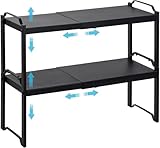
Expandable shelf organizers are a flexible and easy-to-install solution for creating more vertical storage on existing pantry shelves. Often, there’s significant unused air space between shelves that can be effectively harnessed. These adjustable shelf risers effectively double the usable area on a single shelf, allowing you to stack items like plates, bowls, or smaller appliances, while using the space underneath for smaller jars or mugs. This is a practical method to maximize pantry space without permanent modifications, ideal for both homeowners and renters.
Supplies Needed:
- Expandable shelf organizer(s)
- Items to organize (plates, bowls, mugs, small jars, canned goods)
Steps:
- Assess Shelf Space: Identify pantry shelves that have significant vertical clearance between the items currently stored and the shelf above.
- Choose Organizer: Select an expandable shelf organizer that fits the depth of your pantry shelf and can expand to the desired width. Consider the weight of the items you plan to store.
- Adjust and Place: Expand the organizer to the desired width. Place it on your chosen shelf, ensuring it’s stable and level.
- Load and Layer: Place items on top of the organizer (e.g., plates, small appliances) and utilize the space underneath for smaller items (e.g., mugs, small bowls, spices).
- Fine-Tune: Adjust the expansion as needed to perfectly fit your items and maximize every inch of vertical space.
Pro-Tip: For maximum efficiency with expandable shelf organizers in a tiny pantry, utilize them not just for dishware but also for creating custom-height tiers for canned goods or small appliance parts, effectively doubling shelf capacity and optimizing compact storage solutions.
13. Consider Custom Built-Ins for Awkward Spaces

Dreaming of a perfect pantry? Pin this custom built-in inspiration!
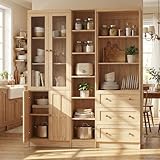
For truly awkward or irregular small spaces, custom small pantry built-ins offer the ultimate tailored storage solutions, transforming challenging nooks into highly efficient pantries. While requiring more effort and investment, a custom design ensures every unique contour and dimension is perfectly utilized. This approach allows for a mix of shallow shelves, specific dividers, and integrated elements like pull-out spice racks, ensuring the design enhances small kitchen functionality. It’s an investment in ergonomic pantry design principles and long-term durability, turning a design limitation into a showcase of clever organization.
Supplies Needed:
- Plywood or MDF sheets (for shelves and framework)
- Wood filler, sandpaper, paint or stain
- Drill, driver, saw (circular saw, miter saw, or table saw)
- Measuring tape, level, stud finder, pencil
- Screws, wood glue, shelf pins
- Optional: Pull-out drawer slides, cabinet hardware, trim
Step-by-Step Directions:
- Detailed Measurement & Design: Accurately measure every dimension of your awkward space. Sketch out your ideal pantry, planning for specific items and incorporating a mix of shelves, drawers, and perhaps vertical dividers.
- Cut Materials: Based on your design, cut all wood pieces for the frame, shelves, and any drawer boxes. Sand all edges smooth.
- Build Framework: Assemble the basic frame of your built-in unit, ensuring it’s square and sturdy. Secure it to the wall studs if applicable.
- Install Shelves/Drawers: Install adjustable shelf pins or fixed shelf supports. Assemble and install any pull-out drawers or specialized compartments.
- Finish and Personalize: Fill screw holes with wood filler, sand smooth, and then paint or stain your built-in unit to match your kitchen decor. Add any hardware.
- Organize: Fill your new custom pantry with items, appreciating how every inch is perfectly utilized.
Pro-Tip: Before embarking on a custom built-in pantry project for an awkward small space, create a detailed 3D rendering or paper template of your design. This advanced planning step helps identify potential obstructions or wasted space, ensuring a hyper-efficient and tailored storage solution that maximizes every unique contour.
FAQs About kitchen pantry ideas for small spaces
What are the best kitchen pantry ideas for small spaces?
The best kitchen pantry ideas for small spaces focus on maximizing verticality and utilizing every inch with smart organizational tools. Key strategies include installing floor-to-ceiling adjustable shelving, implementing door-mounted racks for spices or wraps, and using pull-out drawers or Lazy Susans to access deep corners. Clear, stackable containers also improve visibility and organization, transforming compact areas into highly functional storage hubs.
How to organize a small kitchen pantry effectively?
To effectively organize a small kitchen pantry, start by decluttering and grouping similar items. Then, implement vertical storage solutions like tiered shelves or can dispensers. Use clear, airtight, and stackable containers for dry goods to improve visibility and save space. Label everything clearly, utilize door storage, and integrate pull-out bins for easy access to items at the back, maintaining a tidy and efficient setup.
What storage solutions work for tiny pantries?
For tiny pantries, effective storage solutions include slim rolling carts for narrow gaps, under-shelf baskets to create extra tiers, and wall-mounted spice racks. Prioritize clear, stackable bins for essentials and consider shallow shelving units to ensure every item is visible. Maximizing vertical space with adjustable shelves and optimizing door space are crucial for turning limited areas into functional storage.
How can I maximize space in a small pantry?
To maximize space in a small pantry, focus on vertical expansion and clever use of depth. Install adjustable shelving up to the ceiling, utilize the inside of the pantry door for small items, and deploy pull-out drawers for easy access to deep contents. Group similar items, use uniform stackable containers, and incorporate Lazy Susans for corner efficiency. Every unused surface is a potential storage opportunity.
What are clever pantry designs for small kitchens?
Clever pantry designs for small kitchens often involve converting unused spaces like closets into dedicated pantries or integrating shallow, built-in shelving into narrow walls. These designs prioritize visibility, ensuring items are only one deep, and incorporate features like pull-out systems, door-mounted organizers, and custom-fit vertical dividers. The goal is a highly customized and efficient layout that blends seamlessly with the kitchen.
Is a shallow pantry better for small spaces?
Yes, a shallow pantry is often better for small spaces as it prevents items from getting lost in the back and ensures everything is visible at a glance. With a depth typically between 6-12 inches, shallow designs eliminate the problem of forgotten or expired goods, making inventory management simpler. This efficient design reduces clutter and maximizes accessibility, enhancing functionality in compact kitchens.
What products help organize small pantries?
Numerous products help organize small pantries, including clear stackable containers, Lazy Susans for corners, and vertical can dispensers. Other effective tools are under-shelf baskets, slim rolling carts for narrow gaps, and door-mounted spice racks or multi-tiered organizers. Choosing products that are adjustable, modular, and designed for compactness can significantly improve small pantry functionality.
How to store food in a tiny kitchen pantry?
To store food efficiently in a tiny kitchen pantry, first transfer dry goods into clear, airtight, and stackable containers. Group items by category (e.g., baking, snacks, canned goods). Utilize vertical space with tiered shelves and can organizers. Place frequently used items at eye level and use pull-out bins or Lazy Susans for easier access to items stored in deeper or less accessible spots.
Can I convert a closet into a small pantry?
Yes, converting a closet into a small pantry is an excellent solution for kitchens lacking dedicated pantry space. This DIY project typically involves removing existing closet fixtures, patching and painting, and then installing adjustable shelving, often combined with door-mounted organizers. Proper planning for ventilation and optimal shelf spacing ensures a highly functional and integrated food storage area.
What are smart storage hacks for a narrow pantry?
Smart storage hacks for a narrow pantry emphasize verticality and custom-fit solutions to maximize every inch. Utilize full-height, adjustable shelving to accommodate various item sizes. Employ door-mounted racks for slender items like spices or wraps. Consider slim rolling carts that fit into small gaps. Clear, uniform containers and vertical dividers help maintain order in confined spaces.
Final Thoughts on Kitchen Pantry Ideas for Small Spaces
Transforming a small kitchen pantry from a cluttered challenge into an organized asset is entirely achievable with the right strategies. As we’ve explored, genius doesn’t always mean grand; often, it’s the clever application of simple solutions—like maximizing vertical space, employing door-mounted organizers, or investing in clear, stackable containers—that yields the most significant impact. These practical kitchen pantry ideas for small spaces aren’t just about fitting more items in; they’re about enhancing accessibility, streamlining your workflow, and creating a more enjoyable cooking and living environment.
Remember, every inch counts in a compact kitchen. By embracing adaptable solutions like pull-out drawers for deep shelves, Lazy Susans for awkward corners, or even converting an unused closet, you can overcome common storage dilemmas. The goal is to design a system that works tirelessly for you, keeping essentials visible and within easy reach, reflecting expert advice in home organization. Don’t let limited square footage dictate your kitchen’s potential; instead, use these proven methods to craft a pantry that’s both functional and aesthetically pleasing. What’s the first small pantry idea you’re excited to try in your kitchen?
Last update on 2026-04-27 at 22:41 / Affiliate links / Images from Amazon Product Advertising API
