
As an Amazon Associate KitchenwareSets.com earns from qualifying purchases.
Outdoor Kitchen Organization Ideas That Create Clutter Free Storage
Tired of searching for your grill tongs while the burgers burn? An outdoor kitchen is supposed to be a source of joy, not a cluttered countertop that adds stress to your backyard gatherings. You’re not alone if your dream outdoor cooking space has become a disorganized mess.
Organizing an outdoor kitchen involves creating designated zones for prepping, cooking, and serving, then implementing weatherproof storage to protect tools and supplies. Key strategies include using built-in cabinets and drawers for secure storage, maximizing vertical space with shelving, and incorporating multi-functional furniture to keep countertops clear and the entire area clutter-free.
Drawing from established best practices and proven outdoor storage solutions, this guide will walk you through actionable outdoor kitchen organization ideas. You’ll discover how to select the right materials and implement smart systems. The result is a functional, beautiful space that makes outdoor cooking effortless and enjoyable.
Contents
show
How Do You Organize an Outdoor Kitchen to Eliminate Clutter?
Achieving a clutter-free outdoor kitchen begins with a strategic approach, not just random storage bins. The goal is to create a seamless outdoor cooking workflow where every tool, plate, and spice has a logical, protected home. This means thinking about your space in terms of zones—a prep area with knives and cutting boards, a cooking zone with tongs and spices, and a serving station with platters and napkins. By organizing your storage solutions around this workflow, you enhance not only tidiness but also the efficiency and enjoyment of your entire outdoor cooking experience. The most effective outdoor kitchen organization ideas combine durable, weatherproof materials with smart, space-saving designs to protect your investment from the elements while keeping everything you need right at your fingertips.
9 Outdoor Kitchen Organization Ideas for a Clutter-Free Space
Transforming your patio from a cluttered cooking area into a streamlined culinary oasis is easier than you think. The following nine outdoor kitchen storage ideas are designed to be both practical and inspiring, offering concrete steps to tackle your biggest organizational challenges. Each idea is presented as a mini-guide, detailing what you need and how to implement it. From secure, all-weather cabinets that protect your gear to clever multi-functional furniture that saves precious space, these proven solutions will help you build an outdoor kitchen that is as organized as it is beautiful. Get ready to reclaim your countertops and create a space perfect for effortless entertaining.
1. Install All-Weather Cabinets for Secure, Dry Storage

Pin this durable storage solution to your ‘Outdoor Living’ board!
The foundation of any organized outdoor kitchen is a set of high-quality, weatherproof cabinets. Unlike their indoor counterparts, these units are specifically engineered to withstand moisture, temperature swings, and UV rays, ensuring your dinnerware, cookware, and dry goods stay clean, dry, and pest-free. Investing in durable materials like 304-grade stainless steel or marine-grade polymer is the single most important step toward creating a lasting, low-maintenance storage system.
What You Need
- Weather-resistant outdoor kitchen cabinets (e.g., 304-grade stainless steel, marine-grade polymer, or powder-coated aluminum)
- Tape measure and level
- Drill with appropriate bits for masonry or siding
- Exterior-grade screws and fasteners
- Caulk gun with weatherproof silicone sealant
- Shims for leveling
How to Implement
- Measure and Plan: Carefully measure your space to determine the correct cabinet sizes. Plan the layout around your grill and other appliances for an efficient outdoor kitchen work triangle.
- Prepare the Base: Ensure you have a level, solid base like a concrete patio or paver foundation. The area must be properly graded for drainage away from the cabinets.
- Position and Level: Set the first cabinet in place. Use a level and shims to ensure it is perfectly level and plumb.
- Secure the Cabinets: Fasten the cabinet to the wall or floor using exterior-grade screws. If installing multiple cabinets, bolt them together for a seamless, stable unit.
- Seal the Gaps: Apply a bead of weatherproof silicone sealant along any seams where the cabinets meet the wall or countertop to create a waterproof barrier.
Pro-Tip: From my experience, always opt for cabinets with rubber gaskets or seals around the doors. This small feature is critical for creating a truly waterproof outdoor kitchen organization system that keeps moisture and insects out.
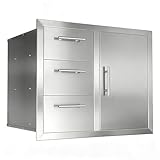
2. Integrate Smart Pull-Out Drawers for Easy Access

Save this easy-access drawer idea for your dream grill station!
While cabinets are great for bulkier items, drawers are the undisputed champion for organizing smaller tools, spices, and linens. A system of weatherproof pull-out drawers eliminates the frustration of digging into the back of a deep cabinet. By using dividers and inserts, you can create a designated spot for every single utensil, ensuring you can grab your tongs or thermometer in a split second.
What You Need
- Weatherproof outdoor kitchen drawer units
- Heavy-duty, full-extension drawer slides
- Modular drawer dividers or inserts (bamboo, plastic, or stainless steel)
- Non-slip drawer liners
- Small storage containers for spices and rubs
How to Implement
- Designate Drawer Zones: Assign each drawer a specific purpose. Use a top drawer for frequently used utensils (tongs, spatula), a middle drawer for spices and rubs, and a bottom drawer for foil, plastic wrap, or cleaning supplies.
- Install Dividers: Use adjustable drawer dividers to create custom compartments for different tools. This prevents items from sliding around and becoming jumbled.
- Use Liners: Place a non-slip liner at the bottom of each drawer to keep items in place and protect the drawer surface.
- Containerize Small Items: Store spices, rubs, and marinades in small, airtight containers to keep them fresh and prevent spills. Label them clearly.
- Arrange by Workflow: Place drawers closest to your prep area or grill based on their contents to create an ergonomic outdoor kitchen workflow.
Pro-Tip: Look for drawer systems with integrated paper towel holders or spice racks. These specialized units are a fantastic space-saving outdoor kitchen idea and keep essential items within arm’s reach.
3. Maximize Vertical Space with Open Shelving Units

Love this rustic look? Pin it to your ‘Backyard Ideas’ board!
When you’re short on floor space, think vertically. Open shelving is a fantastic way to add both storage and style to your outdoor kitchen, especially in a covered or semi-protected area. It keeps frequently used items like plates, glasses, and serving bowls within easy reach while also providing a space to display decorative items like potted herbs or lanterns.
What You Need
- Weather-resistant shelving material (e.g., pressure-treated wood, sealed cedar, stainless steel, or composite decking)
- Heavy-duty shelf brackets rated for exterior use
- Stud finder
- Level and tape measure
- Drill and appropriate exterior-grade mounting hardware
- Weatherproof sealant or outdoor-grade paint/stain
How to Implement
- Choose the Right Location: Select a wall that is preferably covered or protected from direct rain. Ideal locations are above a countertop or prep area for easy access.
- Select Materials: Choose a material that complements your outdoor kitchen’s style and can withstand the elements. Ensure any wood is properly sealed or painted with an exterior-grade product.
- Locate Wall Studs: Use a stud finder to locate the studs in the wall. Shelves loaded with dishes can be heavy, and mounting directly to studs is essential for safety and stability.
- Mount the Brackets: Mark your desired shelf height, ensuring it’s level. Securely attach the heavy-duty brackets to the wall studs using the appropriate hardware.
- Attach and Style: Place the shelves on the brackets and secure them. Arrange items like plates, glasses, and potted herbs, leaving some empty space to avoid a cluttered look.
Pro-Tip: For a high-end, modern look, consider using stainless steel floating shelves. They are incredibly durable, easy to clean, and resistant to corrosion, making them a perfect material for topical authority advanced topics like marine-grade outdoor cabinetry.

4. Hide Clutter with an Integrated Trash and Recycling Center

Pin this genius idea to keep your outdoor kitchen spotless!
Nothing clutters an elegant outdoor kitchen faster than an overflowing, freestanding trash can. An integrated pull-out trash and recycling center is a game-changing solution that hides waste behind a cabinet door, keeping your space clean, hygienic, and free of pests. These systems are easy to install within a standard cabinet base and make cleanup during and after your cookout a breeze.
What You Need
- A pull-out or tilt-out trash can cabinet system designed for outdoor use
- The corresponding outdoor kitchen cabinet base unit
- Standard trash and recycling bins that fit the system
- Drill and screwdriver
- Mounting hardware included with the system
How to Implement
- Select the Right System: Choose a system that fits within one of your standard outdoor kitchen cabinet bases. A double-bin system is ideal for separating trash and recycling.
- Assemble the Gliding Mechanism: Follow the manufacturer’s instructions to assemble the gliding frame that will hold the bins.
- Install in Cabinet: Securely mount the gliding mechanism to the floor of the cabinet base. Ensure it’s centered and square for smooth operation.
- Attach the Door: Attach the cabinet door directly to the front of the pull-out mechanism. This allows the entire unit to open with one pull.
- Place Bins: Drop the trash and recycling bins into their designated spots on the frame.
Pro-Tip: When planning your outdoor kitchen zone planning, place the trash and recycling center next to your prep sink or main food prep countertop. This optimizes the ergonomic outdoor kitchen workflow by making it easy to dispose of scraps and waste as you work.

5. Add Multi-Functional Furniture with Hidden Storage

Seating AND storage? Pin this brilliant two-in-one idea!
In any space, but especially smaller ones, furniture that performs double duty is a huge asset. An outdoor storage bench, a deck box that can serve as a buffet, or an ottoman with a hidden compartment can provide much-needed storage for bulky items like cushions, blankets, or serving platters while also offering extra seating for guests.
What You Need
- A high-quality, weatherproof outdoor storage bench or ottoman
- Waterproof storage bags or containers (optional, for extra protection)
- Items to store: cushions, outdoor tableware, grilling accessories, kids’ toys
How to Implement
- Choose a Strategic Location: Place the storage bench where it provides useful seating, such as near your outdoor dining table or in a conversational grouping.
- Select for Durability: Opt for furniture made from all-weather wicker, resin, or sealed teak that is designed to withstand sun and rain.
- Organize the Interior: Use the hidden compartment to store bulky but lightweight items. Store outdoor dining plates, placemats, and larger serving bowls here to free up cabinet space.
- Protect Delicate Items: For items that are not fully waterproof, place them in sealed plastic bags or small waterproof containers inside the bench for an extra layer of protection.
- Use it Daily: Make it a habit to store cushions and throws in the bench overnight to protect them from morning dew and extend their lifespan.
Pro-Tip: A large deck box can double as a serving buffet in a pinch. When guests are over, clear the top, lay down a nice outdoor tablecloth, and use it as a station for drinks or appetizers.

6. Create a Custom Grill Station with a Pegboard Organizer

Keep your tools handy! Pin this ultimate grill master setup.
For the serious grill master, having tools visible and within arm’s reach is essential. A wall-mounted pegboard system made from metal is the perfect solution. It’s infinitely customizable with various hooks, baskets, and shelves, allowing you to create a personalized organization station for your specific collection of tongs, spatulas, brushes, and thermometers right where you use them most.
What You Need
- A metal pegboard panel (stainless steel, galvanized steel, or powder-coated)
- A set of pegboard hooks, baskets, and shelf accessories
- Mounting screws and anchors suitable for your exterior wall type
- Drill, level, and tape measure
How to Implement
- Select a Weatherproof Pegboard: Do not use standard pressboard pegboards. Choose a metal system designed to resist rust and moisture.
- Plan Your Layout: Lay the pegboard on the ground and arrange your most-used grilling tools on it to figure out the optimal placement for hooks before mounting.
- Mount Securely: Install the pegboard on the wall directly behind or beside your grill. Ensure there is a small gap between the board and the wall to allow hooks to be inserted. Use heavy-duty anchors.
- Organize Your Tools: Hang tongs, spatulas, and grill brushes on long hooks. Use small baskets for bottles of oil or sauce, and a magnetic strip for your meat thermometer.
- Evolve the System: The beauty of a pegboard is its flexibility. Adjust the layout as you acquire new tools or as your cooking habits change.
Pro-Tip: Install a small, battery-powered LED puck light above your pegboard. This simple addition provides essential integrated outdoor lighting storage for nighttime grilling sessions.

7. Go Mobile with a Rolling Kitchen Cart or Island

Need more prep space? Pin this flexible rolling cart solution!
If your outdoor kitchen lacks counter space or you need a more flexible setup, a rolling cart or island is the perfect answer. It can serve as a mobile prep station, a bar cart when entertaining, or extra storage that can be moved out of the way when not needed. Look for heavy-duty models with locking wheels for stability and materials like stainless steel that are built for the outdoors.
What You Need
- A heavy-duty outdoor kitchen cart with locking caster wheels
- Models often include features like a butcher block or stainless steel top, shelves, drawers, and towel bars.
How to Implement
- Choose the Right Size and Material: Select a cart that fits your patio space. Stainless steel is excellent for durability and easy cleaning, while sealed wood tops are great for food prep.
- Create a Mobile Prep Station: Use the top surface for chopping vegetables and prepping meats. Position it next to the grill to streamline your cooking process.
- Stock the Shelves: Use the lower shelves to store bulky items like bags of charcoal, serving platters, or drink dispensers. This keeps your main countertops clear.
- Utilize Side Hooks and Bars: Hang grilling tools, oven mitts, and towels from integrated hooks and bars for immediate access.
- Lock and Store: When not in use, roll the cart into a sheltered corner or cover it. Always lock the casters when the cart is stationary for safety.
Pro-Tip: Choose a cart with a built-in drop-leaf extension. This space-saving feature provides extra counter space when you need it for large meals or parties, but folds away for compact storage.

8. Designate an “Appliance Garage” for Small Gadgets

Keep your countertops clear! Pin this smart appliance garage idea.
Small appliances like blenders, coffee makers, or portable pizza ovens can quickly clutter your valuable prep surfaces. An “appliance garage”—a countertop-level cabinet with a lift-up or retractable door—is a brilliant solution borrowed from indoor kitchen design. It keeps these gadgets hidden and protected when not in use but easily accessible when it’s time to make frozen margaritas.
What You Need
- A custom-built or prefabricated cabinet box made from weatherproof materials
- A lift-up or tambour (retractable) door mechanism
- Outdoor-rated GFCI electrical outlets
- Weatherproof sealant
How to Implement
- Plan the Location: The best spot is at countertop level in a corner to maximize space. It should be deep enough to hold your most-used small appliances.
- Build the Box: Construct a three-sided box from marine-grade polymer or other weatherproof material that matches your cabinets.
- Install Electrical: Have a licensed electrician install one or two outdoor-rated GFCI outlets inside the back wall of the garage. This is crucial for safety.
- Attach the Door: Install the lift-up or retractable door mechanism according to the manufacturer’s instructions. Ensure it operates smoothly.
- Seal and Finish: Seal all seams with weatherproof silicone caulk to protect the interior from moisture. Your blender for frozen margaritas now has a permanent, protected home!
Pro-Tip: For the ultimate convenience, choose a lift-up door with hydraulic or spring-loaded hinges. This allows the door to open smoothly and stay open on its own, leaving your hands free to grab the appliance.

9. Organize with Smart Countertop Storage Solutions

Keep essentials nearby and organized with this cute tray idea. Pin it!
While the goal is to keep countertops as clear as possible, some items just need to be readily accessible. The key is to “corral” these items so they look intentional and organized rather than cluttered. Using decorative trays, caddies, and utensil crocks groups similar items together, reduces visual noise, and makes it easy to move everything at once for cleaning.
What You Need
- A decorative, weather-resistant tray or caddy
- A utensil crock or holder
- Small, attractive containers for salt, pepper, and spices
- A small cutting board that can be stored vertically
How to Implement
- Create a Condiment Station: Use a tiered tray to hold bottles of olive oil, vinegar, salt, pepper, and your favorite sauces. This keeps them all in one place and easy to move.
- Corral Your Utensils: Place spatulas, whisks, and wooden spoons in an attractive, heavy-bottomed crock next to your prep area. This is faster than opening a drawer every time.
- Use a Knife Block: Instead of letting knives lie on the counter, use a compact knife block for safety and organization. Choose one made from a durable material like acacia wood.
- Lean and Layer: Store a small-to-medium cutting board by leaning it vertically against the backsplash. This saves horizontal space and adds a decorative, rustic touch.
- Edit Ruthlessly: Only keep the most essential, frequently used items on the counter. Everything else should be stored away in cabinets or drawers.
Pro-Tip: A magnetic knife strip mounted on the wall or backsplash is a fantastic space-saving and accessible outdoor kitchen design solution that keeps sharp tools safely out of drawers and off the counter.

Key Takeaways: Your Quick Guide to Outdoor Kitchen Organization Ideas
Achieving and maintaining an organized outdoor kitchen boils down to a few core principles. By focusing on smart material choices, efficient layout, and versatile storage solutions, you can create a space that remains clutter-free and ready for action.
- ✅ Prioritize Weatherproof Materials: The single most important factor is choosing storage made from materials like 304-grade stainless steel, marine-grade polymer, or sealed teak to prevent rust, rot, and weather damage.
- ✅ Create Dedicated Zones: A well-organized outdoor kitchen has distinct zones for prepping, cooking, and cleaning. Arrange your storage solutions to support this ergonomic workflow and keep everything you need within arm’s reach.
- ✅ Think Vertically and Multi-Functionally: Don’t just focus on base cabinets. Maximize space by using wall-mounted shelves and pegboards. Incorporate multi-functional furniture like storage benches to get both seating and organization from one piece.
- ✅ Drawers Are for Accessibility: Use pull-out drawers with dividers for small, frequently used items like utensils, spices, and linens. They prevent you from having to dig through deep, dark cabinets.
- ✅ Hide the Unattractive Items: Integrated, pull-out bins for trash and recycling are a game-changer for keeping your outdoor kitchen looking clean, tidy, and free of pests.
- ✅ Safety First with Electrical: If adding appliance storage or lighting, always use a licensed electrician and insist on outdoor-rated GFCI outlets to ensure your setup is safe and code-compliant.
People Also Ask About Outdoor Kitchen Organization Ideas
What type of cabinets are best for an outdoor kitchen?
The best cabinets for an outdoor kitchen are made from 304-grade stainless steel or marine-grade polymer (HDPE). Both materials are extremely durable, waterproof, and resistant to rust, corrosion, and pests. While stainless steel offers a sleek, professional look, marine-grade polymer comes in various colors and won’t get as hot in direct sunlight, providing excellent durability with more design flexibility.
How do you weatherproof outdoor kitchen storage?
True weatherproofing comes from using inherently waterproof materials like stainless steel or polymer, not from trying to seal wood. Ensure cabinets have tight-fitting doors with rubber gaskets or seals. For covered areas, you can use wood like teak or cedar if it’s regularly treated with a high-quality exterior-grade sealant to protect it from moisture and UV damage.
Can you use regular kitchen cabinets outside?
No, you should never use regular indoor kitchen cabinets outside, even in a covered area. Indoor cabinets are typically made from MDF or particleboard, which will absorb moisture, swell, delaminate, and grow mold very quickly when exposed to outdoor humidity and temperature changes. They simply are not built to withstand the elements.
How do you organize a small outdoor kitchen?
To organize a small outdoor kitchen, focus on maximizing vertical space and using multi-functional pieces. Install wall-mounted shelves or a pegboard above your counter. Use a rolling cart that can double as prep space and storage. Choose a storage bench for seating that also hides supplies. Keep countertops clear by only having essential tools out.
What is the best way to store outdoor kitchen utensils?
The best way is in shallow, weatherproof drawers with dividers located near the grill. This keeps them protected, organized, and easily accessible. For a budget-friendly option, a wall-mounted magnetic knife strip or a pegboard with hooks provides excellent organization while keeping tools off the counter. A heavy utensil crock also works well for larger tools.
How do I protect my outdoor kitchen items from pests?
Use cabinets and drawers with tight-fitting, sealed doors to keep pests out. Stainless steel and polymer are impenetrable to rodents and insects. Always store food items like chips or buns in airtight containers, even inside cabinets. Regularly clean up spills and crumbs, and ensure your trash bin has a tight-fitting lid.
What should be stored in an outdoor kitchen?
Store non-perishable items you use frequently for outdoor cooking. This includes grilling tools, marinades, spices, oils, serving platters, outdoor-safe dinnerware, and cleaning supplies. Avoid storing perishable food, delicate glassware, or expensive electronics unless your storage is completely climate-controlled and secure.
How much does outdoor kitchen storage cost?
The cost varies dramatically, from a few hundred to over $10,000. A simple freestanding cart might cost $200-$500. A set of prefabricated stainless steel cabinets can range from $2,000 to $8,000, while a fully custom-built outdoor kitchen with high-end storage solutions can easily exceed $15,000. Material choice is the biggest cost factor.
Is an outdoor pantry a good idea?
Yes, a dedicated dry storage pantry is an excellent idea if you have the space. It should be a tall, fully sealed cabinet system designed to be completely waterproof. This provides a centralized location for storing dry goods, snacks, paper towels, and larger serving pieces, freeing up valuable space in your other cabinets.
How do I keep my outdoor kitchen organized long-term?
Maintain organization by assigning a permanent home for everything and tidying up after each use. Use drawer dividers, cabinet organizers, and labels to ensure every item has a designated spot. At the beginning and end of the season, do a full clean-out, wipe down all surfaces, and restock essential supplies.
Final Thoughts on Your Clutter-Free Outdoor Kitchen
Ultimately, a well-organized outdoor kitchen is about more than just having a tidy space; it’s about enhancing the entire experience of cooking and entertaining outdoors. By thoughtfully implementing storage solutions that prioritize weatherproofing, accessibility, and an efficient workflow, you transform your patio into a true extension of your home—a place where making meals is as relaxing and enjoyable as sharing them. The relationship between smart organization and functionality is direct; one enables the other.
You now have a comprehensive playbook of proven strategies, from installing durable stainless steel cabinets and drawers to maximizing vertical real estate with shelving. The key is to start. You don’t have to tackle everything at once. Choose one idea from this guide—perhaps integrating a pull-out trash bin or adding a rolling cart—and see what a difference it makes. Building momentum one step at a time is the best way to create a beautiful, clutter-free outdoor kitchen you’ll love using for years to come.
Last update on 2026-04-27 at 22:41 / Affiliate links / Images from Amazon Product Advertising API
