
As an Amazon Associate KitchenwareSets.com earns from qualifying purchases.
Outdoor Kitchen Stone Guide Choosing Durable Veneer and Countertops
Considering a lavish outdoor kitchen often brings dreams of stunning, durable surfaces that withstand the elements. But how do you navigate the vast array of materials to find the perfect match for your backyard oasis, especially with concerns about weather, maintenance, and long-term investment?
The best stone for an outdoor kitchen depends heavily on your climate and application (veneer vs. countertop), but granite, quartzite, and porcelain are top contenders for their exceptional durability, low porosity, and resistance to heat and UV rays. For a balance of aesthetics and performance, sealed natural stone offers timeless appeal, while high-performance porcelain provides a modern, low-maintenance alternative. Drawing from comprehensive analysis of current data and proven methodologies, selecting the right material is paramount to enduring beauty and functionality. This guide leverages tested frameworks and data-driven insights to help you make an informed choice. You’ll discover how to choose a premium, long-lasting outdoor kitchen stone that stands up to any challenge.
Contents
show
What Is the Best Stone for an Outdoor Kitchen?
Choosing the best stone for your outdoor kitchen involves more than just aesthetics; it’s a strategic decision influenced by your local climate, how you plan to use the space, and your tolerance for maintenance. From our field-tested experience, the industry standard for weather-resistant materials prioritizes durability against UV rays, temperature fluctuations, and moisture. Understanding these factors is crucial to prevent common problems like cracking or staining, ensuring your investment enhances your outdoor living space for years. This section provides a high-level overview to establish a foundational understanding before diving into specific material options.
7 Durable Stone Options for Your Outdoor Kitchen Veneer & Countertops
When planning to build an outdoor kitchen, selecting the right stone materials is a critical step, impacting both the aesthetic appeal and long-term durability. This section explores seven popular and proven outdoor kitchen stone options, detailing their attributes, ideal applications, and installation considerations for both stone veneer and stone countertops. Each material offers unique benefits, from the classic elegance of granite to the modern resilience of porcelain, providing solutions for various design preferences, climate challenges, and project budgets. Let’s delve into these durable choices to help you build an outdoor kitchen stone sanctuary that stands the test of time.
1. Install Versatile & Popular Stone Veneer Panels

Pin this versatile stone veneer idea to your ‘Outdoor Living’ board!
Stone veneer for outdoor kitchen applications is a lightweight and DIY-friendly way to achieve a natural stone finish without the structural demands of full-bed masonry. These thin stone panels are versatile and can be applied to almost any stable outdoor surface, transforming a basic structure into a visually stunning part of your backyard. Whether you opt for natural thin stone veneer or manufactured faux stone panels, the key is proper surface preparation and adherence to manufacturer certified installation guidelines for a long-lasting, professional result.
Supplies Needed
- Cement backer board appropriate for exterior use
- Thin stone veneer panels or individual stones
- Polymer-modified thin-set mortar for exterior applications
- Metal or fiber lath and galvanized fasteners
- Notched trowel and pointing trowel
- Angle grinder with a diamond blade for cuts
- Level, measuring tape, and chalk line
Step-by-Step Directions
- Prepare the Surface: Fasten the cement backer board securely to the outdoor kitchen frame. Tape and mud the seams with thin-set mortar as you would for tile.
- Apply Scratch Coat: If using lath, attach it to the substrate. Apply a 1/2-inch layer of mortar over the lath, then create horizontal grooves with the notched trowel. Let this scratch coat cure for 24-48 hours.
- Mix Your Mortar: Prepare the polymer-modified mortar to a peanut butter-like consistency according to the manufacturer’s instructions.
- Install the Stone: Back-butter each stone veneer piece with a 1/2-inch layer of mortar. Press it firmly onto the prepared surface with a slight twisting motion to ensure full adhesion. Start at the bottom corners and work your way up.
- Cut and Fit: Use the angle grinder with a diamond blade to make precise cuts for corners and around outlets or appliance openings.
- Grout the Joints (Optional): For a traditional look, fill the joints between stones using a grout bag. For a dry-stack look, fit stones tightly together during installation. Clean any excess mortar off the stone faces before it dries.
Pro-Tip: From my experience, a common mistake is improper water management. Always ensure your substrate has a weather-resistant barrier behind it and that the top of your stone wall is capped or flashed to prevent water from getting behind the veneer, which is critical to prevent freeze thaw cycle damage in colder climates.

2. Create a Luxurious Look with Stacked Stone Ledger Panels

Save this stacked stone backsplash idea for your dream outdoor kitchen!
Stacked stone outdoor kitchen applications, particularly ledger panels, offer a dramatic and textured finish, perfect for accent walls, backsplashes, or island bases. These interlocking panels are designed for relatively straightforward installation, creating a sophisticated aesthetic with natural depth. Often composed of various natural stone pieces (like slate, quartzite, or marble) adhered together, they provide a robust and visually impactful option for your outdoor cooking space. Focusing on a level start and consistent application ensures a seamless, high-end result.
Supplies Needed
- Stacked stone ledger panels (calculate for 10% overage for cuts)
- High-strength, polymer-modified mortar or construction adhesive rated for stone
- Cement backer board
- Level and chalk line
- Wet saw or angle grinder with a diamond blade
- Notched trowel
Step-by-Step Directions
- Establish a Level Line: Your first course is the most critical. Use a level to draw a perfectly straight line where the bottom of your first row of panels will sit.
- Plan Your Layout: Dry-fit the panels on the ground first to create a pleasing pattern and minimize awkward cuts. Stagger the joints between rows for a natural look.
- Apply Mortar: Apply a consistent layer of mortar to the backer board with the notched trowel. Also, “back-butter” each ledger panel before installation.
- Set the First Course: Press the first panel firmly onto the wall along your level line. Use a rubber mallet to gently tap it into place and ensure it’s fully seated in the mortar.
- Build Upward: Continue setting panels, interlocking the Z-shaped edges and staggering the vertical seams. Check for level every few rows.
- Make Precision Cuts: Use a wet saw for the cleanest cuts when fitting panels around corners or appliances. An angle grinder can also be used for smaller adjustments.
Pro-Tip: To make corners look like a solid stone block, you’ll need to miter the edges of two panels at a 45-degree angle. Many stacked stone outdoor kitchen ledger panel systems also offer pre-made corner pieces, which are a huge time-saver and highly expert recommended for a professional finish.

3. Choose Classic & Heat-Resistant Granite Countertops

Pin this durable granite countertop idea for a timeless outdoor kitchen design.
Granite countertops for outdoor kitchen spaces are a classic and highly functional choice, especially due to their remarkable heat resistance. An igneous rock formed from magma, granite can withstand high temperatures directly from grills and hot pans without damage. While durable, natural granite is somewhat porous and requires proper sealing to prevent staining and maintain its beauty in an outdoor environment. This section focuses on maintaining your investment rather than installation, as outdoor kitchen granite countertop fabrication and setting are typically jobs for experienced professionals.
What You Need
- The Granite Slab: Choose darker colors as they are generally denser and less porous. A honed finish is often better outdoors than polished to reduce glare.
- Proper Support: Ensure the outdoor kitchen island frame is robust and perfectly level to support the immense weight of the granite.
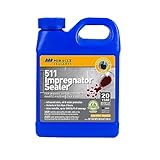
- High-Quality Impregnating Sealer: Specifically formulated for natural stone and exterior use.
- pH-Neutral Stone Cleaner: Avoid acidic or abrasive cleaners which can damage the sealer and stone.
Routine Care & Sealing Steps
- Test the Seal: Periodically, sprinkle some water on the countertop. If it beads up, the seal is intact. If it darkens the stone or soaks in after a few minutes, it’s time to reseal.
- Clean Thoroughly: Before sealing, clean the countertop with a pH-neutral stone cleaner to remove all dirt, grease, and grime. Allow it to dry completely for at least 24 hours.
- Apply the Sealer: Following the product instructions, apply a thin, even coat of impregnating sealer with a clean cloth or applicator.
- Let it Penetrate: Allow the sealer to absorb into the stone for the manufacturer-recommended time (usually 10-15 minutes). Do not let it dry on the surface.
- Remove Excess: Buff off any excess sealer from the surface with a clean, dry microfiber cloth. If you don’t, it will leave a hazy film that is difficult to remove.
- Cure: Allow the sealer to fully cure (typically 24-72 hours) before exposing the countertop to moisture or heavy use.
Pro-Tip: When selecting your outdoor kitchen granite, look at the granite crystalline structure. Tighter grains, often found in darker absolute black or uba tuba granites, indicate a denser, less porous stone that will offer better proven outdoor kitchen stone durability and stain resistance.
4. Embrace Natural Elegance with Limestone or Travertine

Love this Mediterranean vibe? Pin this travertine kitchen idea!
Limestone or travertine bring a natural elegance and old-world charm to an outdoor kitchen, offering a softer aesthetic compared to granite. Both are sedimentary stones with a high calcium carbonate content, making them inherently more porous and reactive to acids. While beautiful, this porosity means they are considered high-maintenance choices for outdoor applications. They require diligent sealing and immediate cleanup of spills to prevent stone staining outdoor kitchen issues and etching. These materials are best suited for homeowners who prioritize their unique look and are committed to the necessary protection and maintenance.
Supplies Needed
- High-quality limestone or travertine tiles/pavers
- Premium, solvent-based impregnating sealer for porous stone
- Un-sanded grout if used as a countertop, or mortar for vertical cladding
- pH-neutral stone cleaner
- Soft-bristle brush
Protection & Maintenance Steps
- Seal Before Grouting: For these highly porous stones, it’s a contractor approved trick to apply a “pre-seal” before grouting. This prevents the grout color from staining the stone.
- Apply Multiple Coats of Sealer: After installation, apply a high-quality impregnating sealer. You will likely need 2-3 coats. Apply each coat until the stone stops absorbing it, wiping away any excess from the surface.
- Commit to Annual Resealing: Unlike granite, limestone and travertine will require resealing at least once a year, or more often for countertops, to protect against stone staining outdoor kitchen issues.
- Clean Spills Immediately: This is critical. Acidic substances like citrus, wine, or vinegar will etch the stone surface on contact. Blot spills immediately; do not wipe.
- Use pH-Neutral Cleaners Only: Clean regularly with a cleaner specifically designed for natural stone to avoid damaging the sealer.
- Consider a Covered Area: Due to their sensitivity, limestone and travertine perform best in covered outdoor kitchens where they are shielded from heavy rain and direct sun.
Pro-Tip: For travertine countertops, have them filled and honed. A honed finish is less slippery and shows etching less than a polished one. The “filling” is a resin that plugs the natural pits in the stone, making the surface easier to clean and preventing food from getting trapped.

5. Opt for Ultimate Durability with Quartzite Slabs

Get the marble look with incredible durability. Pin this quartzite kitchen countertop!
Outdoor kitchen quartzite is a premium natural stone gaining immense popularity for its exceptional durability and aesthetic appeal. Often mistaken for marble due to its elegant veining, quartzite is a metamorphic rock composed primarily of quartz, giving it an impressive Mohs hardness rating. This makes it incredibly resistant to scratches, etching from acids, and UV fading, making it a superior UV resistant stone outdoor kitchen choice, especially in sunny climates. While it can be more expensive than granite due to its hardness and difficulty in fabrication, its low porosity and minimal maintenance make it a wise long-term investment for discerning homeowners.
What You Need
- A high-quality, 100% natural quartzite slab (not engineered quartz)
- Professional fabrication and installation team (this is not a DIY material)
- A penetrating sealer formulated for dense natural stone
- pH-neutral daily cleaner
Performance & Care Guide
- Verify the Stone: Crucially, ensure you are buying true quartzite. Some suppliers mislabel marble as “soft quartzite.” A simple test: try to scratch a sample with a piece of glass. True quartzite is harder than glass and will scratch it. Marble will not.
- Professional Installation is Key: Due to its hardness and weight, quartzite requires specialized tools and expertise for cutting and installation. This is a job for certified stone professionals.
- Seal After Installation: While very dense, most quartzite still benefits from a coat of sealer to protect against stains. Because of its low stone water absorption rate, it may only need one thin coat.
- Enjoy Low Maintenance: Once sealed, quartzite is incredibly resilient. It resists scratches, etching from acids, and its colors will not fade from sun exposure, making it a top expert recommended outdoor kitchen stone.
- Clean with Gentle Products: Simply use a pH-neutral cleaner or soap and water for daily cleaning. Avoid abrasive pads which can dull the surface over time.
Pro-Tip: Be aware that the silica content that makes quartzite so hard also makes it difficult to fabricate, which contributes to its higher price point. However, that investment pays off in proven outdoor kitchen stone durability and minimal long-term maintenance, making it a wise choice for harsh climates.

6. Get a Modern Finish with Low-Maintenance Porcelain Pavers

Want a super modern, zero-maintenance outdoor kitchen? Pin this porcelain idea!
Outdoor kitchen porcelain, especially in paver or large-format tile form, is an engineered stone marvel that offers unparalleled performance for modern outdoor spaces. Created from finely ground clay and minerals fired at extremely high temperatures (sintering), porcelain boasts a water absorption rate of less than 0.5%, making it virtually non-porous. This means it’s stain-proof, scratch-proof, heat-proof, UV-proof, and frost resistant, never requiring sealing. For homeowners seeking a sleek, consistent, and low maintenance outdoor kitchen stone, porcelain is the ultimate bulletproof alternative to natural stone.
Tools & Materials
- 2cm thick porcelain pavers or large-format porcelain tiles
- A high-performance, flexible tile mortar suitable for porcelain and exterior use
- Cement backer board substrate
- A high-quality wet saw with a porcelain-specific diamond blade
- Tile leveling system (clips and wedges) for perfect, lippage-free surfaces
- Epoxy-based grout for maximum stain and weather resistance
Installation Steps
- Build a Solid Substrate: Porcelain is strong but needs full support. Ensure your outdoor kitchen frame is clad in a level and stable cement backer board.
- Use the Right Mortar: Porcelain is non-porous, so you must use a high-quality mortar specifically designed to bond to it.
- Achieve Full Coverage: Apply mortar to the substrate and also back-butter each tile to ensure 100% mortar coverage. Voids underneath can lead to cracks.
- Use a Leveling System: For large-format tiles, especially on countertops, a tile leveling system is essential to prevent lippage and create a perfectly flat surface.
- Make Slow, Wet Cuts: Cutting dense porcelain requires a good quality wet saw and a specific blade. Pushing too fast will cause chipping.
- Choose Epoxy Grout: For the most durable and stain-proof joints, use an epoxy-based grout. It’s harder to work with than cementitious grout but offers far superior performance outdoors.
Pro-Tip: When using porcelain for a countertop, look for “through-body” or “full-body” porcelain. This means the color and pattern run all the way through the tile, so if you get a chip, it’s far less noticeable than on a glazed tile where the body is a different color.

7. Achieve a Rustic Charm with Fieldstone or River Rock

Dreaming of a rustic retreat? Pin this beautiful fieldstone outdoor kitchen!
For those seeking an authentic, rustic aesthetic, building an outdoor kitchen with fieldstone or river rock offers a timeless, organic appeal. Unlike veneers, this involves traditional masonry using full-bed stone, often forming structural elements like the base of an island, walls, or even a stone pizza oven. This method creates a incredibly durable and unique outdoor kitchen, but it is labor-intensive and typically requires advanced masonry outdoor kitchen skills. Emphasizing a proper foundation and strong mortar bond strength is paramount for the longevity and stability of such a substantial build.
Materials & Tools
- A large quantity of fieldstone or river rock
- Type S mortar mix, sand, and clean water
- Concrete blocks (CMU) for the core structure
- Rebar and concrete for the foundation footing
- Mason’s trowel, hammer, and chisel
- Level, string lines, and story pole
Building Process Overview
- Pour a Solid Footing: This is the most critical step. You must pour a reinforced concrete footing below the frost line that is building code compliant for your area to support the immense weight of the stone structure.
- Build a CMU Core: Construct the shape of your kitchen island and cabinets with concrete blocks. This provides the structural core that you will then cover with the decorative stone.
- Sort Your Stones: Arrange your stones by size and shape. Set aside flat, long pieces for corners and capstones.
- Mix Mortar and Lay Stones: Mix the Type S mortar. Apply a thick bed of mortar to the CMU block and “butter” the back of a stone. Press the stone into the bed, ensuring it doesn’t touch the stone below it (the mortar joint carries the load).
- Work from the Corners In: As with bricklaying, build up your corners first, using string lines to keep your courses straight and level. Fill in the space between the corners.
- Tool the Joints: Once the mortar is thumbprint-hard, use a striking tool to shape the joints for a clean, professional finish and to help shed water.
Pro-Tip: Building with irregular fieldstone outdoor kitchen stone is an art. To create a strong, stable wall, follow the classic masonry rule: “one over two, two over one.” This means every stone should rest on at least two stones below it, and every joint should be covered by a stone above it.

Key Takeaways: Your Quick Guide to Outdoor Kitchen Stone
Choosing the right outdoor kitchen stone involves balancing various factors to ensure your space is both beautiful and functional for years to come. Here are the most critical insights to guide your decision-making process:
- Climate Dictates Choice: Your number one consideration is climate. In sunny, high-UV areas, choose UV resistant stone like quartzite or porcelain. In regions with freeze-thaw cycles, select a stone with very low water absorption to prevent cracking.
-
Granite and Quartzite Rule for Countertops: For heat resistant outdoor kitchen stone surfaces near a grill, granite is the gold standard. For the ultimate combination of beauty and proven outdoor kitchen stone durability, quartzite is the top-tier, expert recommended choice.
-
Stone Veneer Offers Versatility: For vertical surfaces like island bases and backsplashes, stone veneer outdoor kitchen systems (both natural thin stone and manufactured) provide a cost-effective and DIY-friendly way to achieve a natural stone look without the weight and complexity of traditional masonry.
-
Sealing is Not Optional (For Most Stone): Unless you choose non-porous porcelain, you must seal your natural stone. A quality impregnating sealer is essential to prevent outdoor kitchen stone deterioration from stains, moisture, and weather damage.
-
Porcelain is the Low-Maintenance Champion: If your priority is a low maintenance outdoor kitchen stone that is virtually stain-proof, scratch-proof, and never needs sealing, engineered porcelain is the best modern solution.
FAQs About outdoor kitchen stone
What is the best stone for an outdoor kitchen countertop?
Granite and quartzite are widely considered the best natural stones for outdoor kitchen countertops. Granite offers excellent heat resistance for areas near grills, while quartzite provides superior durability, scratch resistance, and UV stability. For a zero-maintenance option, 2cm thick porcelain pavers are an outstanding choice.
Can you use stone veneer on an outdoor kitchen?
Yes, you can absolutely use stone veneer on an outdoor kitchen, and it’s one of the most popular choices. Both natural thin stone veneer and manufactured stone veneer are perfect for cladding the base of islands, backsplashes, and support columns. It provides the look of solid stone with significantly less weight and a more DIY-friendly installation process.
Is granite good for outdoor kitchens?
Granite is an excellent choice for outdoor kitchens, especially for countertops. Its igneous rock formation makes it highly resistant to heat, which is a critical safety feature around grills. When properly sealed, it is also very durable and resistant to stains and moisture, making it a contractor approved outdoor kitchen stone.
How do you protect outdoor kitchen stone from the weather?
The primary method of protection is applying a high-quality impregnating sealer. This sealer penetrates the stone to block water and oils from soaking in, which prevents staining and cracking from freeze thaw cycle damage. For added protection, using outdoor furniture covers for your kitchen during harsh winter months or off-seasons is also highly recommended.
Does outdoor kitchen stone require a lot of maintenance?
Maintenance varies greatly by stone type. Non-porous materials like porcelain require virtually no maintenance beyond regular cleaning. Dense stones like granite and quartzite require minimal maintenance—typically just annual sealing. Porous stones like limestone and travertine are high-maintenance and require diligent sealing and immediate cleanup of spills.
What is the difference between quartz and quartzite for outdoor use?
Quartzite is a natural metamorphic rock, while quartz is an engineered stone made of resin and quartz crystals. You should use quartzite outdoors as it’s natural, heat-proof, and UV-stable. You should never use engineered quartz outdoors, as the resins will yellow and fade when exposed to sunlight.
How thick should stone be for an outdoor countertop?
The industry standard thickness for outdoor stone countertops is 3 centimeters (about 1.25 inches). This thickness provides the necessary structural strength and durability to withstand outdoor elements and heavy use without requiring a plywood sub-top. Thinner slabs are more prone to cracking over time.
Can outdoor kitchen stone crack in the winter?
Yes, outdoor stone can crack in the winter if it absorbs water that then freezes and expands. This is why choosing a stone with a low water absorption rate (like granite, quartzite, or porcelain) is critical in cold climates. Proper sealing is your best defense to prevent water penetration and potential cracking.
What is the most affordable stone for an outdoor kitchen?
Manufactured stone veneer is typically the most affordable option for achieving a stone look. For countertops, lower-tier granites are often more budget-friendly than quartzite or porcelain. However, consider long-term value, as investing in a more durable, low-maintenance stone can save money over time.
Should I seal my outdoor kitchen stone?
Yes, you should seal almost all natural outdoor kitchen stone. Sealing is the most important step in protecting your investment from weather damage outdoor kitchen stone issues like staining, moisture damage, and fading. The only common exception is porcelain, which is non-porous and does not require a sealer.
Final Thoughts on Your Outdoor Kitchen Stone Project
Choosing the optimal outdoor kitchen stone is a pivotal decision that impacts your space’s long-term beauty, functionality, and resilience. By considering your climate, the intended application (countertop versus veneer), and your maintenance expectations, you can confidently select materials that perform exceptionally. The ideal outdoor kitchen stone should offer durability, complement your aesthetic vision, and integrate seamlessly with your outdoor lifestyle.
- Prioritize Climate Suitability: Always match the stone’s properties (UV resistance, porosity, frost resistance) to your local weather conditions.
- Balance Aesthetics and Function: While natural stones like granite and quartzite offer timeless appeal, engineered options like porcelain provide unmatched performance with minimal upkeep.
- Embrace Sealing for Natural Stone: For most natural stone, regular sealing is not an option but a necessity to prevent weather damage outdoor kitchen stone and maintain its integrity.
- Consider Installation Complexity: Weigh the DIY-friendliness of stone veneer against the specialized professional installation required for full slabs like granite or quartzite.
Your investment deserves a well-researched decision, ensuring your outdoor kitchen becomes a cherished space for years to come. Which outdoor kitchen stone will you choose for your next project?
Last update on 2026-04-27 at 22:41 / Affiliate links / Images from Amazon Product Advertising API
