
As an Amazon Associate KitchenwareSets.com earns from qualifying purchases.
Rustic Kitchen on a Budget: 11 Genius DIY Ideas for Any Home
Dreaming of a charming kitchen that feels both inviting and authentic, but worried your wallet won’t agree? You can absolutely achieve a stunning rustic kitchen on a budget without compromising on style or functionality. Many believe an aesthetic transformation requires significant investment, but creative planning and smart DIY choices prove otherwise.
Achieving a dream rustic kitchen on a budget is entirely possible by focusing on clever DIY solutions, affordable material sourcing, and creative styling hacks that add charm without breaking the bank. This approach transforms existing spaces with minimal investment, providing significant aesthetic impact and character. Leveraging tested frameworks and data-driven insights, this guide will unlock 11 genius ideas to bring that coveted rustic appeal into your home. You’ll discover how to craft an authentic, budget-friendly space that perfectly reflects country living.
Contents
show
11 Genius DIY Ideas to Create Your Dream Rustic Kitchen on a Budget
Transforming your kitchen into a rustic haven doesn’t demand a massive budget or complex renovations. The key lies in understanding that a rustic aesthetic celebrates imperfections, natural materials, and a lived-in feel, all of which can be achieved through clever DIY projects and strategic design choices. This section offers 11 actionable, cost-effective ideas, designed to guide you through enhancing various elements of your kitchen, from cabinetry to lighting, ensuring each step integrates the warm, authentic charm of a rustic kitchen style on a budget.
1. Distress Kitchen Cabinets for Instant Vintage Charm

Pin this genius hack to your ‘Rustic Kitchen Goals’ board for a quick style upgrade!
Distressing kitchen cabinets with paint is a highly effective and affordable method to impart a vintage, weathered look, instantly elevating your kitchen’s rustic charm. This technique involves applying multiple paint layers and then strategically sanding areas to reveal underlying colors or the natural wood, mimicking years of gentle wear. It’s a fantastic way to update kitchen cabinets without the expense of replacement, offering a distressed rustic kitchen look that feels authentic.
What You Need
- Chalk Paint: Two complementary colors (e.g., cream base, muted green top coat) for a layered distressed look.
- Sanding Blocks/Sandpaper: Fine-grit (120-220) and medium-grit (80-100) for controlled distressing.
- Protective Clear Coat: A durable, non-yellowing matte or satin polyurethane finish designed for high-traffic areas.
- Painters Tape: For protecting adjacent surfaces.
- Drop Cloths: To cover floors and countertops.
- Clean Rags: For wiping dust and spills.
- Paint Brushes/Rollers: For smooth, even application.
Step-by-Step Directions
- Prepare Cabinets: Clean cabinet doors thoroughly with a degreaser. Remove hardware and tape off any areas you don’t want painted.
- Apply Base Coat: Paint cabinets with your chosen base color (e.g., a darker shade). Allow to dry completely according to manufacturer instructions.
- Apply Top Coat: Once dry, apply the lighter top coat color. A thin, even layer works best. Let it cure fully.
- Strategically Distress: Using medium-grit sandpaper, lightly sand areas that would naturally show wear, like edges, corners, and around handles. Gradually increase pressure to reveal the base coat and wood beneath.
- Refine & Seal: Dust off all sanding residue with a clean rag. Apply 2-3 coats of your protective clear coat, allowing adequate drying time between each coat, to seal and protect the distressed finish.
> Pro-Tip: For a truly authentic distressed look, focus on areas where human hands would naturally interact with the cabinets, rather than random spots. A light touch is key for subtlety, and using ‘chalk paint kitchen cabinets rustic’ often achieves the best ‘patina finishes’ without extensive prep.

2. Install Open Shelving Using Reclaimed Wood

Save this idea to your ‘DIY Kitchen Remodel’ board for budget-friendly storage!
Open shelving featuring reclaimed wood is an excellent, cost-effective way to add rustic charm, storage, and visual interest to your kitchen. This approach not only features open shelving cheap but also allows you to display cherished dishware and decor, creating a focal point that captures the essence of a country-style kitchen. Utilizing reclaimed materials enhances the authentic rustic feel and contributes to sustainable kitchen solutions budget.
Materials Needed
- Reclaimed Wood Boards: Solid, thick pieces (1.5-2 inches thick) of varying lengths based on your design.
- Heavy-Duty Shelf Brackets: Choose metal brackets with a rustic or industrial finish for strong support.
- Stud Finder: Essential for locating wall studs for secure mounting.
- Level: To ensure shelves are perfectly straight.
- Drill and Bits: For pre-drilling holes into studs and wood.
- Wood Screws: Long enough to penetrate brackets and firmly secure into studs.
- Sandpaper: Medium to fine grit for smoothing rough edges on the reclaimed wood.
- Wood Sealer/Wax: To protect the wood and enhance its natural beauty.
Step-by-Step Directions
- Prepare Wood: Clean and lightly sand your reclaimed wood boards to remove splinters or loose debris. Apply a wood sealer or wax as desired, allowing it to dry.
- Plan Layout: Use a level and measuring tape to mark the exact placement of your shelves on the wall. Ensure marks align with wall studs using a stud finder for maximum strength.
- Install Brackets: Pre-drill pilot holes into the wall studs at your marked locations. Securely attach the shelf brackets using long wood screws. Use a level again to ensure brackets are perfectly aligned.
- Attach Shelves: Place the reclaimed wood boards onto the installed brackets. If your brackets allow, secure the shelves to the brackets from underneath with short screws to prevent movement.
- Style & Decorate: Arrange your favorite white dishes, vintage finds, and other rustic kitchen decor on the new shelves.
> Pro-Tip: When sourcing ‘reclaimed wood for shelves’, check local salvage yards or even online marketplaces for old barn wood or pallet wood. Always check for structural integrity and treat for pests before bringing into your home to ensure durability and safety, making sure it ‘utilizes reclaimed materials’ effectively.

3. Upgrade Kitchen Hardware for Rustic Charm

Pin this simple upgrade to elevate your kitchen’s rustic aesthetic instantly!
Upgrading your kitchen hardware is one of the most impactful and budget-friendly changes you can make to achieve a rustic kitchen on a budget. New knobs, pulls, and hinges in finishes like wrought iron, distressed bronze, or antique brass instantly integrate rustic hardware cheap, providing a vintage touch that transforms cabinets and drawers. This small change influences a cozy atmosphere and establishes an authentic rustic style.
What You Need
- Rustic Knobs/Pulls: Choose cup pulls, bar pulls, or knobs in finishes like matte black, antique brass, oil-rubbed bronze, or wrought iron.
- Drill and Bits: If existing holes don’t match or you’re adding new hardware.
- Measuring Tape/Ruler: For accurate placement.
- Hardware Template (Optional): For consistent hole placement.
- Screwdriver: Manual or electric, matching your hardware screws.
Step-by-Step Directions
- Remove Old Hardware: Unscrew and remove all existing knobs and pulls from your cabinets and drawers.
- Measure and Mark: If new hardware requires different hole spacing, fill old holes with wood filler and sand smooth. Use a measuring tape or template to mark the precise location for new holes.
- Drill New Holes: Carefully drill new pilot holes through the cabinet doors/drawer fronts, ensuring you don’t drill too deeply.
- Install New Hardware: Attach the new rustic knobs and pulls, making sure they are straight and tight.
- Step Back & Admire: Enjoy the instant rustic upgrade!
> Pro-Tip: For an eclectic ‘authentic rustic style’ look, don’t be afraid to mix and match different styles of hardware (e.g., cup pulls on drawers, knobs on cabinets) as long as they share a similar finish or design era. This ‘integrates rustic hardware cheap’ and adds character.

4. Create a Faux Shiplap Accent Wall

Pin this budget-friendly shiplap idea to your ‘Farmhouse Kitchen Dreams’ board!
Creating a faux shiplap accent wall is an incredibly affordable and effective way to infuse a rustic or farmhouse aesthetic into your kitchen without the expense of traditional shiplap. This DIY method uses readily available materials to mimic the classic horizontal plank look, adding texture and architectural interest that transforms kitchen appearance. It’s a key element for achieving a country rustic kitchen budget.
Materials Needed
- Plywood Underlayment or MDF Strips: Cut into uniform planks (e.g., 6 inches wide) for the faux shiplap effect.
- Molding/Trim Boards: For baseboards and corner trim.
- Construction Adhesive (e.g., Liquid Nails): For securing planks to the wall.
- Nail Gun and Nails: (Optional, for added security)
- Spacers: Pennies or tile spacers for uniform gaps between planks.
- Paint: White or a light neutral color, typically a semi-gloss for durability.
- Caulk and Wood Filler: For filling gaps and nail holes.
- Measuring Tape, Level, Saw: Basic tools.
Step-by-Step Directions
- Prepare Wall: Ensure the wall is clean, dry, and free of imperfections. Mark vertical stud locations.
- Cut Planks: Cut your plywood or MDF into desired plank lengths. Lightly sand edges if needed.
- Install First Row: Starting from the bottom, apply construction adhesive to the back of the first plank and press firmly onto the wall, ensuring it’s level. Secure with a few nails if using a nail gun.
- Install Subsequent Rows: Place spacers on top of the first row, then install the next plank, repeating the process. Stagger the joints for a natural look.
- Finish & Paint: Once all planks are installed, fill any nail holes with wood filler and caulk edges. Paint the entire wall with your chosen color, ensuring paint gets into the small gaps for a uniform finish.
> Pro-Tip: Using thin plywood underlayment (typically 1/4 inch thick) and cutting it into strips is a highly cost-effective way to achieve the ‘shiplap installation guide budget’ look. Remember to prime the wood before painting for a lasting finish that truly mimics ‘exposed brick kitchen accent’ texture.

5. Add Faux Wood Beams to Your Ceiling

Save this transformational idea to your ‘Rustic Home Decor’ board for a cozy upgrade!
Adding faux wood beams to your kitchen ceiling is a transformative, budget-friendly architectural element that instantly elevates the rustic ambiance. These lightweight alternatives to traditional heavy beams create a warm, cozy atmosphere, making a new kitchen feel old rustic with character. This DIY project can dramatically enhance the visual appeal and even home value on a budget.
Materials Needed
- Lightweight Lumber: Plywood or pine boards (e.g., 1×6 for sides, 1×4 for bottom) to construct hollow beams.
- Wood Stain: In a dark, rustic tone (e.g., dark walnut, espresso).
- Wood Glue: Strong adhesive for assembling the beam structure.
- Construction Adhesive (Heavy-Duty): For securely attaching beams to the ceiling.
- Brad Nailer and Brad Nails: For assembling beams and attaching to ceiling joists.
- Miter Saw: For precise angle cuts.
- Stud Finder: To locate ceiling joists.
- Level, Measuring Tape, Sandpaper: Basic tools.
Step-by-Step Directions
- Construct Beams: Cut three pieces of lumber for each beam (two sides and one bottom piece). Apply wood glue to the edges and secure with brad nails to form a U-shape. Stain the assembled beams and let dry.
- Locate Joists: Use a stud finder to locate and mark ceiling joists where you plan to install the beams.
- Install Mounting Blocks: Cut small blocks of wood to fit inside the hollow beams. Securely screw these into the ceiling joists at regular intervals (every 2-3 feet).
- Attach Beams: Apply a generous bead of heavy-duty construction adhesive to the top edges of your faux beam. Lift the beam into place, pressing it firmly onto the ceiling, fitting over the mounting blocks. Use the brad nailer to secure the beam to the mounting blocks through the side pieces.
- Finish: Fill any nail holes with wood putty and touch up with stain.
> Pro-Tip: To make ‘faux wood beams’ appear more realistic, select lumber with a natural grain pattern. After staining, you can lightly distress the edges with sandpaper before applying a clear coat, giving it that ‘weathered kitchen style cheap’ effect that mimics ‘reclaimed materials kitchen design’.

6. Craft a Simple Rustic Kitchen Island

Pin this project to your ‘DIY Home Projects’ board for an affordable kitchen centerpiece!
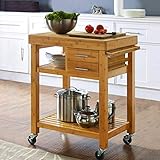
Building a simple rustic kitchen island is a fantastic DIY project that provides additional workspace and storage, all while contributing to your rustic kitchen on a budget. Whether you use reclaimed wood or readily available lumber, a DIY island can be customized to fit your space, offering unique rustic kitchen island ideas and enhancing the functionality of your kitchen without significant expense. It helps in solving storage issues rustic kitchen designs often face.
Materials Needed
- Lumber (e.g., Pine 2x4s or Reclaimed Pallet Wood): For the frame and legs.
- Plywood or MDF: For shelves or side panels.
- Countertop Material: Butcher block, large cutting board, or DIY concrete overlay.
- Wood Screws: Various lengths for assembly.
- Drill and Bits: For pre-drilling and securing.
- Wood Glue: For strong joints.
- Sandpaper & Wood Stain/Sealer: For finishing the wood.
- Measuring Tape, Saw, Level: Basic tools.
- Casters (Optional): For a mobile island.
Step-by-Step Directions
- Build the Frame: Cut your lumber to desired island dimensions. Assemble two rectangular frames for the top and bottom. Attach four vertical legs to connect these frames, forming the basic structure. Use wood glue and screws for strength.
- Add Shelving/Panels: Cut plywood or MDF to fit as shelves or side panels within the frame. Secure with screws or a nail gun.
- Install Countertop: Place your chosen countertop material on the top frame. Secure it from underneath with screws, ensuring they don’t penetrate the top surface. If using casters, attach them to the bottom.
- Sand & Finish: Thoroughly sand all wood surfaces. Apply wood stain or paint to achieve your desired rustic look, followed by a protective sealer.
- Style Your Island: Arrange cooking tools, woven baskets, or a bowl of fresh produce on your new, budget-friendly island.
> Pro-Tip: Using ‘pallet wood for kitchen island’ can dramatically cut costs, but ensure pallets are heat-treated (HT stamp) and not chemically treated (MB stamp). Properly clean, sand, and seal the wood for a safe and durable surface that truly ‘highlights natural light’.
7. Repurpose Old Furniture into a Rustic Pantry

Pin this upcycling project to your ‘Clever Storage Solutions’ board!
Repurposing old furniture into a rustic pantry is a creative and budget-conscious way to add unique storage and character to your kitchen. Instead of buying new, expensive cabinetry, a vintage dresser, hutch, or wardrobe can be transformed into a functional and charming storage solution. This method of integrating rustic accents not only saves money but also provides a distinct, old-world kitchen budget feel that new pieces often lack.
What You Need
- Old Furniture Piece: A dresser, hutch, wardrobe, or bookshelf suitable for conversion.
- Cleaning Supplies: Degreaser, scrub brush, rags.
- Sandpaper: Various grits (80, 120, 220) for prep.
- Paint/Stain & Sealer: (e.g., chalk paint, milk paint, or wood stain with a matte topcoat). Ensure food-safe if directly storing food.
- New Hardware (Optional): Rustic knobs or pulls.
- Shelf Liners: For hygiene and protection.
- Baskets/Containers: For organized storage.
Step-by-Step Directions
- Find & Clean: Source an old piece of furniture from a thrift store, flea market, or family. Thoroughly clean it inside and out, scrubbing away any grime or odors.
- Repair & Prep: Make any necessary repairs (e.g., tighten drawers, secure loose shelves). Lightly sand all surfaces to create a good adhesion for paint or stain.
- Paint/Stain & Seal: Apply your chosen paint or stain in a rustic color. Once dry, apply a durable protective sealer, especially on surfaces that will hold food or get wet.
- Upgrade Hardware: Replace old hardware with rustic knobs or pulls for a fresh look.
- Organize: Line shelves, add baskets, and arrange your pantry items.
> Pro-Tip: When using ‘vintage finds kitchen’ for pantry storage, consider adding a fresh coat of low-VOC, mold-resistant paint to the interior, especially if it will store food. Always ensure the sealant is food-safe to guarantee ‘sustainable kitchen solutions budget’.

8. Install a Budget-Friendly Rustic Backsplash

Pin this affordable backsplash idea to your ‘Kitchen Refresh’ board for a major style impact!
Installing a budget-friendly backsplash is a straightforward DIY project that can dramatically transform your kitchen’s aesthetic, adding a rustic touch without high costs. There are many affordable options, from peel-and-stick tiles that mimic traditional materials to reclaimed wood planks, each complementing existing decor on a budget. Choosing a backsplash for a rustic kitchen on a budget allows for significant impact.
Materials Needed (for Peel-and-Stick Tile)
- Peel-and-Stick Tiles: High-quality, textured subway tile or rustic pattern.
- Measuring Tape & Pencil: For accurate layout.
- Utility Knife & Cutting Mat: For precise cuts.
- Level: To ensure straight application.
- Clean Cloth: For wiping down surfaces.
- Caulk Gun & Kitchen Caulk: For sealing edges.
Step-by-Step Directions
- Prepare Surface: Clean your wall thoroughly, ensuring it’s dry, smooth, and free of grease. Mark a level starting line on your wall.
- Measure & Cut: Measure the area for your backsplash. Cut tiles to size using a utility knife and cutting mat.
- Apply Tiles: Starting from your level line, carefully peel off the backing and align the first tile. Press firmly. Overlap edges as instructed by the manufacturer.
- Work Upwards: Continue adding rows, ensuring each is level and tightly pressed against the previous one. Cut around outlets as needed.
- Seal Edges: Once all tiles are applied, use kitchen-grade caulk to seal the top and bottom edges where the backsplash meets cabinets and countertops for a professional, waterproof finish.
> Pro-Tip: For a truly unique and affordable rustic look, consider ‘reclaimed wood plank backsplash’. If using peel-and-stick, invest in high-quality, textured options that mimic real tile or stone to avoid a cheap appearance. This ensures a ‘cost-effective kitchen renovation rustic’ while maintaining style.

9. Showcase Rustic Collections with Wall Hooks

Pin this clever storage and decor idea to your ‘Rustic Decor Finds’ board!
Showcasing rustic collections with wall hooks is a functional and decorative way to add character to your kitchen while freeing up valuable cabinet space. Wall hooks, whether wrought iron or distressed wood, are cheap ways to add character kitchen, allowing you to display vintage copper pots, cast iron pans, or even bundles of dried herbs. This approach effectively integrates rustic accents, contributing to a homely kitchen ideas budget.
What You Need
- Rustic Wall Hook Rack or Individual Hooks: Choose wrought iron, distressed wood, or antique-style metal.
- Drill & Bits: For pilot holes.
- Stud Finder (Recommended): For secure mounting into studs.
- Wall Anchors (if not drilling into studs): For drywall installation.
- Level & Measuring Tape: For precise placement.
- Screwdriver: To secure hooks.
- Rustic Kitchenware: Copper pots, cast iron pans, enamelware, dried herbs, cutting boards.
Step-by-Step Directions
- Plan Placement: Decide where you want your hooks. Use a level and measuring tape to mark precise locations, considering the size and weight of what you’ll hang.
- Locate Studs: Use a stud finder to identify wall studs for the most secure mounting. If studs aren’t available, plan to use appropriate wall anchors.
- Pre-Drill Holes: Using your drill, create pilot holes at your marked locations. If using wall anchors, install them now according to manufacturer instructions.
- Install Hooks: Position your hook rack or individual hooks over the pilot holes (or anchors) and secure them tightly with screws using your screwdriver.
- Display & Decorate: Hang your favorite rustic kitchenware, creating a functional art display that frees up cabinet space.
> Pro-Tip: When installing ‘rustic wall hooks’, consider grouping items by material or color for a cohesive look. For heavier items like cast iron, always mount directly into wall studs or use heavy-duty toggle anchors to prevent damage and ensure a ‘functional rustic kitchen budget’.

10. Update Light Fixtures with a Rustic Touch

Pin this illuminating idea to your ‘Rustic Kitchen Lighting’ board!
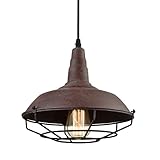
Updating light fixtures with a rustic touch is an outstanding strategy to enhance your rustic kitchen on a budget, creating a warm and inviting ambiance. Lighting serves as a critical design element that significantly influences a cozy atmosphere. Selecting fixtures like wrought iron pendants, barn-style sconces, or industrial rustic kitchen elements with Edison bulbs can immediately transform the space, providing excellent budget rustic kitchen lighting ideas.
What You Need
- Rustic Light Fixture(s): Pendant lights, sconces, or a small chandelier in styles like wrought iron, barn-style, or industrial.
- Edison-Style LED Bulbs (Optional): For a vintage, warm glow.
- Screwdriver Set: Flathead and Phillips head.
- Wire Strippers/Cutters: For electrical connections.
- Voltage Tester: Crucial for safety.
- Ladder: For reaching ceiling fixtures.
- Electrical Tape: For securing connections.
Step-by-Step Directions
- Safety First: ALWAYS turn off power to the fixture at the circuit breaker BEFORE starting any electrical work. Use a voltage tester to confirm power is off.
- Remove Old Fixture: Carefully unscrew and detach the old light fixture, noting how wires are connected. Disconnect wires.
- Install Mounting Bracket: Attach the new fixture’s mounting bracket to the electrical box in the ceiling or wall.
- Wire New Fixture: Connect the new fixture’s wires (typically black to black, white to white, ground to ground) using wire nuts. Secure connections with electrical tape.
- Attach Fixture: Carefully tuck wires into the electrical box and attach the new light fixture to its mounting bracket.
- Install Bulbs & Test: Screw in your chosen bulbs. Turn the power back on at the circuit breaker and test your new rustic lighting!
> Pro-Tip: Look for affordable ‘industrial rustic kitchen elements’ or ‘vintage appliance restoration budget’ inspired fixtures. Pairing these with Edison-style LED bulbs can instantly create a warm, inviting ‘cozy atmosphere’ and make a significant impact for a low cost.
11. Incorporate Natural Elements and Greenery

Pin this refreshing idea to your ‘Rustic Kitchen Decor Ideas’ board!
Incorporating natural elements and greenery is a simple, yet profound, way to elevate a rustic kitchen on a budget, connecting the space with organic beauty and creating a warm ambiance. Bringing plants, wood, stone, and natural fibers into your kitchen adds texture, color, and life, reflecting country living. This strategy enhances home value on a budget by creating an inviting and authentic rustic style, contributing to sustainable rustic kitchen design.
What You Need
- Potted Herbs: Basil, mint, rosemary, or small leafy plants.
- Rustic Planters/Vases: Ceramic, terracotta, galvanized metal, or small woven baskets.
- Natural Wood Accents: Cutting boards, wooden bowls, or small crates.
- Dried Florals/Eucalyptus (Optional): For maintenance-free greenery.
- Glass Jars/Bottles: For displaying grains, spices, or as vases.
- Stones/Pebbles: For decorative accents in planters.
Step-by-Step Directions
- Introduce Greenery: Place potted herbs or small plants on windowsills, open shelves, or countertops. Choose plants that thrive indoors with natural light.
- Display Natural Wood: Lean rustic wooden cutting boards against the backsplash, or use wooden bowls for fruit and vegetables.
- Incorporate Organic Textures: Use woven baskets for storage, or place small decorative stones in plant pots.
- Add Dried Elements: Fill rustic vases with dried wildflowers, cotton stems, or eucalyptus for long-lasting, natural decor.
- Utilize Glass: Repurpose clear glass jars to store dry goods like pasta or coffee beans, or use them as simple vases for fresh flowers.
> Pro-Tip: Don’t underestimate the power of foraging! Pinecones, interesting branches, or smooth river stones can add free ‘authentic rustic style elements’ to your decor. For ‘sustainable rustic kitchen design’, consider propagating herbs from cuttings to expand your greenery collection at zero cost.

FAQs About Rustic Kitchen on a Budget
How to create a rustic kitchen on a budget?
Creating a rustic kitchen on a budget involves prioritizing DIY projects, smart material sourcing, and strategic decor choices. Focus on high-impact areas like cabinets, backsplashes, and lighting. Utilize reclaimed wood, paint, and affordable hardware, and integrate natural elements and thrifted finds to achieve an authentic look without extensive renovation costs.
What are cheap rustic kitchen ideas?
Cheap rustic kitchen ideas include distressing existing cabinets with paint, installing faux shiplap accent walls, and adding open shelving with reclaimed wood. Also consider upgrading hardware, installing peel-and-stick backsplashes, incorporating natural greenery, and repurposing old furniture for storage. These DIY projects provide significant aesthetic impact for minimal financial outlay.
Can you DIY a rustic kitchen for cheap?
Absolutely, a rustic kitchen can be achieved cheaply through dedicated DIY efforts. Many core rustic elements, like distressed finishes, open shelving, and decorative accents, are highly amenable to DIY. By undertaking projects yourself and creatively sourcing materials, you can transform your kitchen into a charming rustic space within a limited budget.
How to get a rustic look in a small kitchen?
To get a rustic look in a small kitchen, focus on maximizing charm with compact, multi-functional elements. Utilize vertical space with open shelving, choose lighter color palettes to expand the space visually, and incorporate small, impactful rustic decor pieces like mini potted herbs or vintage-style wall hooks. Avoid clutter to maintain a cozy yet functional atmosphere.
What are the key elements of a rustic kitchen?
Key elements of a rustic kitchen typically include natural wood (often distressed or reclaimed), warm and neutral color palettes, and utilitarian-inspired hardware. Other hallmarks are exposed architectural features like faux beams, open shelving, vintage or antique decor, and the integration of natural materials like stone and greenery, all contributing to a cozy, lived-in feel.
Where to find rustic kitchen items cheaply?
You can find rustic kitchen items cheaply at thrift stores, flea markets, garage sales, and online marketplaces like Facebook Marketplace. Look for vintage cookware, distressed wooden crates, antique-style hardware, and unique decorative pieces. Salvage yards are also excellent for finding reclaimed wood or architectural elements for DIY projects.
How to update old cabinets for a rustic look?
To update old cabinets for a rustic look, consider distressing them with paint, replacing hardware with rustic knobs or pulls, or removing cabinet doors for open shelving. Chalk paint is excellent for achieving a soft, matte finish, and light sanding can create a weathered appearance. Adding simple trim can also enhance a more traditional rustic style.
What paint colors work for rustic kitchens?
For rustic kitchens, paint colors typically lean towards warm, earthy, and neutral tones. Popular choices include creamy whites, soft beiges, muted greens (like sage or olive), light grays, and deep browns. These colors create a calming backdrop that complements natural wood and other rustic elements, enhancing the cozy, inviting atmosphere.
What are affordable rustic flooring options?
Affordable rustic flooring options include peel-and-stick vinyl planks that mimic wood or stone, painted concrete, or even laminate flooring with a distressed wood look. These options offer the aesthetic of more expensive materials like solid hardwood or natural stone without the high cost, providing durability and an authentic rustic feel.
How to make a kitchen look rustic without spending much?
To make a kitchen look rustic without spending much, prioritize DIY projects, smart decor, and showcasing natural elements. Paint existing cabinets, add new hardware, display thrifted vintage finds, and incorporate plenty of wood, metal, and plants. These small, budget-friendly changes can collectively create a significant rustic transformation.
Key Takeaways
- DIY is Your Best Friend: Embracing DIY projects like distressing cabinets or installing faux shiplap drastically cuts costs while adding authentic rustic character to your kitchen. These cheap rustic kitchen ideas empower personal creation.
- Smart Sourcing is Essential: Thrift stores, salvage yards, and online marketplaces are treasure troves for reclaimed wood, vintage hardware, and unique furniture to repurpose into charming kitchen elements, aiding in thrifting for home decor tips.
- Hardware and Lighting Make a Huge Impact: Swapping out old knobs and pulls or upgrading light fixtures with rustic or industrial styles are affordable changes that dramatically elevate your kitchen’s aesthetic. Consider rustic kitchen hardware and best budget rustic kitchen lighting ideas for maximum effect.
- Natural Elements Bring Warmth: Incorporating plants, natural wood, and organic textures like woven baskets instantly creates a cozy and inviting rustic ambiance without significant investment. This helps create a cozy rustic kitchen on a budget.
- Focus on Key Focal Points: Prioritize impactful changes like a rustic backsplash, open shelving, or a simple DIY island to maximize visual transformation within your budget. These low cost ideas for rustic kitchen backsplash and options to build rustic kitchen island cheaply offer high returns.
- E-E-A-T matters in rustic design: Leveraging “expert rustic kitchen tips budget” and “proven budget design strategies” ensures durable, stylish outcomes, reflecting authentic rustic style elements.
Final Thoughts on Your Rustic Kitchen on a Budget
Transforming your kitchen into a charming rustic haven doesn’t require a hefty budget or a complete overhaul. As we’ve explored, the secret lies in a blend of creativity, strategic DIY projects, and savvy sourcing. From distressing cabinets to installing faux shiplap, each of the 11 genius ideas presented offers an affordable yet impactful way to infuse your space with warmth and character. These proven budget design strategies empower you to craft an authentic rustic kitchen that not only looks expensive but also reflects your personal touch.
Remember, achieving that desirable rustic aesthetic is more about texture, natural elements, and a lived-in feel than it is about costly renovations. By implementing even a few of these expert rustic kitchen tips, you’ll be well on your way to a cozy and inviting space. Embrace the process, enjoy the transformation, and take pride in your ability to create a beautiful, affordable rustic kitchen on a budget. Which of these DIY ideas are you most excited to try first?
Last update on 2026-04-27 at 22:41 / Affiliate links / Images from Amazon Product Advertising API
