
As an Amazon Associate KitchenwareSets.com earns from qualifying purchases.
Rustic Kitchen Island: 9 Ultimate Ideas to Transform Your Home
Does your kitchen feel like it’s missing something, a central hub that blends charm with essential functionality? You might be struggling with a lack of counter space, limited storage, or simply yearning for a design element that truly captures your home’s character.
A rustic kitchen island is a central piece of furniture that combines the charm of natural materials like reclaimed wood or distressed pine with practical functions like food prep, storage, and additional seating, transforming a kitchen into a warm, inviting, and highly functional space. It elevates aesthetic and utility, often becoming the focal point. Drawing from comprehensive analysis of current data and proven methodologies, this guide will unlock the secrets to choosing or creating the perfect rustic kitchen island. You’ll discover how to seamlessly integrate these unique pieces into your home, enhancing both beauty and everyday utility.
Contents
show
9 Ultimate Rustic Kitchen Island Ideas to Transform Your Home
Transforming your kitchen often starts with a central piece that defines its character and functionality. A rustic kitchen island offers this versatility, serving as more than just a surface – it’s a statement of style, a gathering point, and a solution to common kitchen challenges. Whether you dream of a quaint farmhouse aesthetic or a rugged industrial charm, the right island can elevate your space. From providing essential extra prep area to offering valuable storage and comfortable seating, these ideas are designed to inspire and guide you in selecting an island that perfectly complements your home. We’ll explore diverse materials, designs, and practical applications, ensuring you find the ideal blend of form and function for your unique kitchen.
1. Craft a Reclaimed Wood Kitchen Island with Authentic Character

Pin this rustic reclaimed wood island idea to your ‘Dream Kitchen’ board!
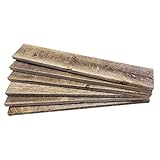
A reclaimed wood kitchen island offers unparalleled character and a story in every grain, making it a truly unique centerpiece. This approach emphasizes sustainability and craftsmanship, transforming aged timber into a functional work of art. The natural imperfections, nail holes, and variations in tone from the distressed finish contribute to an authentic rustic aesthetic that cannot be replicated with new wood. This type of island not only provides a sturdy surface for food preparation but also acts as a conversation starter, reflecting a commitment to sustainable sourcing and heritage woodworking.
Materials Needed
- Certified reclaimed wood planks or beams (e.g., barn wood, old fence panels)
- Heavy-duty Kreg Pocket-Hole Jig Kit
- Wood glue suitable for structural joins
- Sanding paper (various grits from 80 to 220)
- VOC-free natural oil finish or beeswax wood conditioner
- Measuring tape, carpenter’s square, level
- Circular saw or miter saw, router
- Clamps for holding wood during glue-up
- Safety gear (gloves, eye protection, dust mask)
Step-by-Step Directions
- Source and Inspect Reclaimed Wood: Carefully select reclaimed wood for unique character and structural integrity, checking for excessive rot or insect damage. Ensure the wood is thoroughly dry to prevent warping.
- Clean and Prepare: Gently clean the barn wood to remove dirt and loose debris without stripping its natural patina. Lightly sand rough edges (e.g., using 120-grit sandpaper) while preserving the distressed finish.
- Cut and Join Frame: Using a circular saw, precisely cut wood pieces for the island’s frame (legs, aprons). Utilize a Kreg Pocket-Hole Jig Kit for strong, concealed joints, securing with wood glue and pocket-hole screws.
- Assemble Top: Arrange wider reclaimed wood planks for the island top. Use wood glue and robust clamps to create a seamless butcher block top, ensuring tight joins. Allow adequate drying time.
- Sand and Finish: Once assembled, sand the entire island progressively, starting with 80-grit and finishing with 220-grit to achieve a smooth yet still rustic feel. Apply a natural oil finish or beeswax wood conditioner to protect and enhance the wood’s inherent beauty.
- Secure and Level: Position the rustic kitchen island in your desired kitchen location. Use shims if necessary to ensure it is perfectly level and stable for safe use.
Pro-Tip: When working with ‘patina development on reclaimed wood,’ use a soft wire brush to clean rather than harsh chemicals or aggressive sanding. This preserves the historical texture and deep color that gives reclaimed wood its unique charm, demonstrating a deep understanding of ‘historic finishes for farmhouse islands’.
2. Design a Butcher Block Rustic Island with Integrated Storage

Save this functional butcher block island idea to your ‘Kitchen Organization’ board!
A butcher block island is a cornerstone for any serious home chef, offering a resilient and aesthetically pleasing surface for all your culinary endeavors. The natural wood grain of the butcher block top brings a warm, organic feel, seamlessly integrating with a rustic aesthetic. Beyond its beauty, this design prioritizes functionality by incorporating ample storage solutions, such as drawers and cabinets. This combination addresses the common pain point of lack of kitchen counter space and storage issues, providing a dedicated area for food prep and organization, thereby transforming your cooking experience.
Materials Needed
- Pre-finished butcher block countertop (e.g., maple, oak, walnut)
- Solid wood cabinet base or pre-built rustic cabinets
- Drawer slides and cabinet hinges
- Wood screws, construction adhesive
- Butcher block oil or conditioner
- Drill, screwdriver, level, measuring tape
- Heavy-duty casters if making it movable
Step-by-Step Directions
- Prepare the Base: If using raw wood, sand and apply a distressed finish or paint the solid wood cabinet base to your desired rustic aesthetic. Ensure it’s sturdy and level.
- Install Drawers and Doors: Securely attach drawer slides and cabinet hinges according to manufacturer instructions. Install drawers and cabinet doors, ensuring smooth operation.
- Attach Butcher Block Top: Carefully position the butcher block top onto the prepared cabinet base. Secure it from underneath using appropriate screws to prevent damage to the top surface, ensuring a durable surface for cooking.
- Condition the Top: Apply several coats of butcher block oil or conditioner to seal and protect the wood surface, following product directions. This is crucial to protect wood countertop from moisture and wear.
- Add Mobility (Optional): If a movable island is desired, attach heavy-duty casters to the bottom of the base, ensuring they can be locked for stability during use.
- Organize Storage: Utilize the integrated drawers + storage for cookware, utensils, or pantry items, helping to overcome kitchen clutter.
Pro-Tip: Regularly re-oiling your ‘butcher block top’ every 2-4 weeks for the first few months, then monthly, is vital for longevity and hygiene. This practice, akin to ‘maintaining a butcher block island top,’ prevents drying, cracking, and helps repel bacteria.

3. Integrate a Movable Rustic Island with Wheels for Versatility

Pin this versatile movable island idea to your ‘Small Kitchen Solutions’ board!
A movable kitchen island is an ingenious solution for kitchens where space is a premium or flexibility is desired. This portable rustic kitchen island combines the charm of rustic design with the practicality of mobility, making it ideal for small kitchens. Equipped with sturdy, lockable wheels, it can be effortlessly relocated to create additional prep space, serve as a temporary dining area, or be tucked away when not in use. This type of island directly addresses the problem of limited kitchen space, offering an adaptable solution that enhances kitchen functionality and flow without permanent installation.
Materials Needed
- Compact solid wood or distressed metal frame (pre-built or DIY kit)
- Durable countertop material (e.g., small butcher block, stainless steel, reclaimed wood)
- Four heavy-duty locking casters (ensure appropriate weight capacity)
- Drill, screwdriver, wrenches
- Wood screws or bolts compatible with casters
- Optional: shelving, hooks, towel bar for added functionality
Step-by-Step Directions
- Assemble Island Base: Construct or assemble the main frame of the movable kitchen island according to instructions. Ensure all joints are secure and the structure is stable.
- Attach Casters: Turn the island base upside down. Carefully position the heavy-duty locking casters at each corner, ensuring they can swivel freely. Mark and pre-drill pilot holes before securely attaching each caster with wood screws or bolts, ensuring they are sturdy construction.
- Install Countertop: Place the chosen durable countertop material on the top of the island base. Secure it from underneath using appropriate fasteners, taking care not to drill through the top.
- Test Mobility and Locks: Turn the island upright. Test the mobility of the wheels, ensuring it rolls smoothly. Engage the locking mechanism on each caster to verify stability when stationary. This ensures the movable kitchen island is safe to use.
- Add Accessories (Optional): Attach any additional shelving, hooks, or towel bar to enhance the island’s utility, such as for cookware storage or kitchen organization hacks.
Pro-Tip: When selecting ‘heavy-duty locking casters for furniture,’ opt for models with a high weight rating and dual-locking mechanisms. This ensures your ‘movable kitchen island’ remains stable and safe during food preparation, demonstrating ‘proven durability’ and ‘expert design principles’.

4. Create an Industrial Rustic Island with Metal Accents

Pin this edgy industrial rustic island to your ‘Unique Kitchen Designs’ board!
An industrial rustic kitchen island masterfully blends the rugged charm of natural wood with the sleek, utilitarian aesthetic of metal. This distinctive style, often featuring metal accents like steel frames or pipe shelving, offers a bold statement that grounds the kitchen with an earthy yet sophisticated presence. The juxtaposition of a warm, rough-hewn island top with dark, unforgiving metal creates visual interest and an undeniable character. This type of island not only provides a highly durable surface but also enhances the kitchen aesthetic, serving as a focal point that is both robust and refined.
Materials Needed
- Thick, rough-hewn wood slab (e.g., oak, pine) for the countertop
- Industrial-grade steel pipes and fittings or pre-fabricated metal legs/frame
- Metal mesh or perforated steel sheet for shelving (optional)
- Dark stain or sealant for wood
- Metal primer and paint (e.g., matte black, gunmetal gray)
- Heavy-duty bolts, screws, and washers
- Welding equipment (if custom metal frame), drill, wrench set
Step-by-Step Directions
- Prepare Wood Top: Sand the rough-hewn wood slab to a smooth finish while preserving its natural character. Apply a dark stain or sealant for wood to enhance its depth and provide protection.
- Fabricate Metal Base: Assemble the industrial-grade steel pipes and fittings to create a sturdy base frame. If using pre-fabricated metal legs, ensure they are stable. If desiring a custom frame, welding equipment may be needed for strong joints.
- Treat Metal Components: Clean all metal parts thoroughly. Apply a metal primer followed by matte black or gunmetal gray paint to achieve a consistent industrial look, possibly adding oxidized metal accents for character.
- Attach Shelving (Optional): If incorporating shelving, cut metal mesh or perforated steel sheet to size and securely attach it to the metal frame using screws or rivets.
- Assemble Island: Carefully position the prepared wood slab onto the finished metal base. Secure the countertop using heavy-duty bolts and screws from underneath, ensuring a strong bond between the industrial elements and rustic wood.
- Final Touches: Wipe down all surfaces. Consider adding vintage industrial bar stools or pendant lighting to complete the industrial style aesthetic, which enhances kitchen aesthetic.
Pro-Tip: When pairing ‘dark, rugged metal accents’ with wood, consider using ‘mortise and tenon construction island’ for wood-to-wood joints, even if the primary frame is metal. This traditional joinery, a sign of ‘heritage woodworking,’ subtly reinforces the rustic aspect and ensures ‘proven durability’.

5. Cultivate a Farmhouse Island with Comfortable Seating

Pin this family-friendly farmhouse island to your ‘Kitchen Goals’ board!
A farmhouse kitchen island with integrated seating transforms your kitchen into the ultimate gathering spot, blending rustic charm with unparalleled social functionality. This design is perfect for families and entertainers, offering a casual dining area for quick meals or a place for guests to congregate while you cook. The generous countertop, often a durable butcher block or quartz, extends to create a comfortable breakfast bar, effectively adding seating to kitchen spaces that might lack a formal dining area. This island becomes a focal point that facilitates entertaining and everyday family life, embodying classic country style.
Materials Needed
- Large farmhouse style island base (pre-built or custom-made, often painted white or distressed)
- Durable countertop (e.g., butcher block, quartz, or soapstone) with a sufficient overhang for seating (at least 12-15 inches)
- Comfortable rustic bar stools (2-4, depending on island length)
- Mounting hardware for countertop
- Drill, level, measuring tape
- Optional: built-in cabinetry or open shelving for additional storage
Step-by-Step Directions
- Select Island Base: Choose a farmhouse style island base that complements your kitchen decor. Ensure it has the structural integrity to support both the countertop and an overhang for seating.
- Install Countertop with Overhang: Position the durable countertop onto the island base, ensuring a consistent overhang for the seating area. Secure the countertop firmly from beneath using appropriate mounting hardware, confirming it’s level.
- Choose Bar Stools: Select comfortable rustic bar stools that match the island’s height (typically 24-26 inches for counter height or 28-30 inches for bar height). Consider stools with backs for added comfort, especially for longer sitting periods.
- Arrange Seating: Place the chosen bar stools neatly under the overhang. Ensure there is enough space between each stool for comfortable movement and conversation (approximately 24-30 inches per person).
- Accessorize for Functionality: Add practical and decorative elements like a fruit bowl, a rustic bread basket, or a charging station for devices to the island, making it a true breakfast bar and gathering hub.
Pro-Tip: When planning a ‘kitchen island with seating,’ remember to account for minimum ergonomic clearances. A minimum of 24 inches width per seat and 12-15 inches of clear knee space depth under the counter ensures comfort and proper flow, demonstrating ‘ergonomics of kitchen island design’ and ‘expert design principles’.

6. Construct a Budget-Friendly DIY Pallet Wood Island

Pin this smart DIY pallet island idea to your ‘Thrifty Home Projects’ board!
Building a rustic kitchen island cheap doesn’t mean sacrificing style or functionality; it simply calls for resourcefulness. A DIY pallet wood island is an excellent, budget-friendly option that delivers authentic rustic charm through repurposed materials. This approach allows you to create a unique, custom piece that aligns with sustainable practices while addressing the need for extra prep area and storage. Using readily available pallet wood, you can craft a sturdy and character-filled island, proving that a budget friendly kitchen island can be both practical and aesthetically pleasing, overcoming a common barrier to kitchen upgrades.
Materials Needed
- 4-6 untreated wooden pallets (ensure they are heat-treated, marked with ‘HT’, not chemically treated ‘MB’)
- Pallet dismantling tool or pry bar and hammer
- Electric sander with various grits (60-150-220)
- Wood screws, wood glue, corner brackets
- Food-safe wood sealant or butcher block oil for the top
- Optional: paint or stain, casters, hooks
- Saw, drill, measuring tape, level, safety glasses, gloves
Step-by-Step Directions
- Dismantle Pallets Safely: Using a pallet dismantling tool or pry bar, carefully separate the wooden planks from the pallet stringers. Prioritize safety by wearing gloves and eye protection, and ensure pallets are untreated wooden pallets.
- Clean and Sand Planks: Thoroughly clean each pallet wood plank. Sand all surfaces smooth, starting with 60-grit to remove splinters and rough patches, then progressing to 150-grit and 220-grit for a smoother finish.
- Construct Frame: Cut larger pallet wood pieces to form a sturdy rectangular frame for the base and supports. Secure joints with wood glue and screws, possibly reinforcing with corner brackets for stability, making it a robust diy kitchen island.
- Build Sides and Shelving: Attach pallet planks vertically to the frame to create the sides of the island. Integrate internal shelves by cutting planks to size and screwing them into place within the frame, addressing storage issues kitchen.
- Create Countertop: Lay out desired pallet planks for the island top. Glue and clamp them together, allowing them to dry thoroughly. Once dry, sand the top extra smooth and apply multiple coats of food-safe wood sealant or butcher block oil.
- Finish and Customize: Apply any desired stain or paint. Add heavy-duty locking casters if you want a movable kitchen island or attach hooks for utensils.
Pro-Tip: Always check pallet markings for the ‘HT’ stamp (heat-treated) to ensure they are safe for indoor use, especially for a ‘diy kitchen island’ in food preparation areas. Avoid ‘MB’ (methyl bromide) treated pallets, as they contain harmful chemicals, a key aspect of ‘ethical sourcing’ and ‘sustainable forestry for rustic materials’.

7. Repurpose a Vintage Cabinet into a Rustic Kitchen Island

Pin this creative vintage cabinet island to your ‘Upcycled Home Ideas’ board!
Repurposing a vintage cabinet into a rustic kitchen island is an exceptional way to inject unique character and history into your home. This approach combines the charm of an antique look island with modern functionality, creating a piece that tells a story. By transforming an old dresser, console table, or cabinet, you not only achieve a distinctive rustic aesthetic but also contribute to sustainable living by giving new life to forgotten furniture. This upcycled island serves as a fantastic solution for those seeking a one-of-a-kind focal point that offers both storage and a practical work surface, enhancing kitchen aesthetic through creative reuse.
Materials Needed
- Sturdy vintage cabinet, dresser, or console table (ensure appropriate height and dimensions)
- New countertop material (e.g., butcher block, galvanized steel, marble)
- Wood filler, sandpaper, primer, paint or stain
- New or restored hardware (knobs, pulls)
- Optional: casters, shelving, towel bar
- Drill, screwdriver, level, measuring tape, safety gear
Step-by-Step Directions
- Inspect and Prepare Cabinet: Thoroughly clean and inspect the vintage cabinet for structural integrity. Make any necessary repairs (e.g., reinforcing joints, filling holes with wood filler). Remove existing hardware.
- Refinish Cabinet: Sand the cabinet thoroughly. Apply a primer, then paint it in a rustic color (e.g., milk paint for furniture rustic) or stain it to enhance the wood grain. Distress edges lightly for an antique look island.
- Attach New Countertop: Carefully position the new countertop material onto the top of the cabinet. Secure it firmly from underneath using screws or appropriate mounting brackets, ensuring it is level and stable.
- Install Hardware: Attach new or restored hardware to drawers and cabinet doors. Consider vintage-style pulls to maintain the aesthetic.
- Add Functionality (Optional): Install heavy-duty locking casters for a movable kitchen island, add internal shelving, or attach a towel bar to the side for increased utility. This island offers storage solution from its original form.
- Final Styling: Arrange kitchen essentials and decorative items on and around the repurposed wood island to complete its transformation into a functional and charming piece.
Pro-Tip: When choosing a ‘sturdy vintage cabinet’ for transformation, prioritize solid wood construction for durability and ease of refinishing. Look for unique details like ‘intricate carvings’ or ‘original hardware’ that can be restored, enhancing the island’s authentic ‘heritage kitchen island’ appeal, a testament to ‘restoring antique kitchen islands’.

8. Optimize a Narrow Rustic Island for Small Kitchens

Pin this clever narrow island solution to your ‘Small Kitchen Storage’ board!
A narrow rustic kitchen island is the quintessential solution for homeowners grappling with limited kitchen space. These intelligently designed islands prove that even compact kitchens can benefit from the added functionality and charm of a central work surface. Far from being an obstruction, a small kitchen island expertly maximizes utility by offering extra prep area, storage, and sometimes even a discreet dining spot, without impeding traffic flow. This tailored approach ensures that your kitchen remains highly efficient and aesthetically pleasing, effectively making a small kitchen feel larger and significantly improving kitchen functionality.
Materials Needed
- Slim solid wood frame or pre-built console table
- Appropriately sized countertop (e.g., butcher block, stainless steel, or a custom-cut wood slab)
- Optional: drop-leaf extension for seating/extra surface
- Internal shelving, hooks, or spice racks for integrated storage
- Wood screws, construction adhesive
- Drill, saw, measuring tape, level
Step-by-Step Directions
- Select or Build Narrow Base: Choose a pre-built slim solid wood frame or a sturdy console table that fits your available limited kitchen space. Alternatively, custom build a frame that is specifically narrow rustic kitchen island dimensions.
- Prepare Countertop: Secure the chosen appropriately sized countertop to the top of the narrow base. If using a custom wood slab, sand and seal it appropriately.
- Add Drop-Leaf (Optional): For added versatility, attach a drop-leaf extension to one side of the island. This allows for occasional extra counter space or a small seating area, and can be folded down when not in use.
- Integrate Storage: Maximize utility by adding internal shelving for cookbooks, spice racks for seasonings, or hooks for utensils along the sides. This helps to maximize kitchen storage in a compact area.
- Position and Secure: Carefully position the narrow rustic kitchen island in your kitchen. Ensure it doesn’t impede traffic flow. For added stability, consider securing it to the floor or a wall if it’s freestanding. This island improves kitchen flow by being appropriately sized.
Pro-Tip: When dealing with ‘small kitchen solutions,’ opt for a ‘narrow rustic kitchen island’ with open shelving rather than solid cabinetry. This visually reduces bulk and makes the space feel larger and more airy, embodying ‘designing for structural integrity in large islands’ while adapting for smaller spaces with an ‘open concept living’ approach.

9. Build a Rustic Island with a Unique Stone Base

Pin this stunning stone base island to your ‘Rustic Home Inspiration’ board!
A rustic kitchen island with a unique stone base offers an unparalleled sense of permanence and natural grandeur. This design marries the earthy robustness of stone, whether natural rock or veneer, with the warmth of a solid wood top, creating a dramatic focal point in any kitchen. The inherent texture and varying hues of the stone base provide a rich, authentic aesthetic that complements a variety of rustic and even Mediterranean-style decors. More than just visually striking, this type of island is built for exceptional durability, becoming a true heritage piece that enhances the kitchen aesthetic for generations.
Materials Needed
- Sturdy internal frame (wood or metal, to support weight of stone and top)
- Natural stone veneer sheets or individual river rocks
- Mortar mix, grout, and jointing tool
- Durable, heavy rustic wood slab countertop
- Wood sealant for countertop
- Masonry tools (trowel, level, hammer), safety gear
- Anchoring hardware for countertop
Step-by-Step Directions
- Construct Internal Frame: Build a very robust sturdy internal frame from treated lumber or steel to bear the significant weight of the stone and countertop. Ensure it’s perfectly level and securely anchored if necessary.
- Prepare Stone Base: Apply a thin layer of mortar mix to a section of the frame. Begin attaching natural stone veneer sheets or individual river rocks, working from the bottom up. Ensure each piece is firmly set and level, creating a rustic island with stone base.
- Grout and Cure: Once all stone is applied and dry, apply grout to fill the gaps between the stones, ensuring a clean and sealed finish. Allow the mortar and grout to cure fully as per manufacturer instructions.
- Attach Wood Countertop: Carefully lower the durable, heavy rustic wood slab countertop onto the finished stone base. Secure it using anchoring hardware from the underside or through the frame, ensuring it’s firmly attached to prevent movement.
- Seal and Finish: Apply multiple coats of wood sealant for countertop to protect the wood. Clean any mortar or grout residue from the stone, then apply a masonry sealer if desired for the stone base. This creates a unique rustic kitchen island.
Pro-Tip: When using ‘natural stone veneer sheets or individual river rocks,’ ensure you use a polymer-modified thin-set mortar for superior adhesion and flexibility, especially if the base experiences any movement. This attention to ‘material science of wood for islands’ (and stone) ensures the long-term integrity and ‘proven durability’ of your island.

FAQs About rustic kitchen island
What is a rustic kitchen island?
A rustic kitchen island is a central kitchen fixture characterized by its natural, often rugged appearance, typically crafted from materials like reclaimed wood, distressed pine, or stone. It combines a handcrafted aesthetic with practical functions such as additional counter space, storage, or seating, serving as a focal point that embodies warmth and traditional charm. Its style often complements farmhouse, country, or vintage kitchen decors.
How to choose a rustic kitchen island?
Choosing a rustic kitchen island involves considering your kitchen’s size, desired functionality (storage, seating, prep space), and aesthetic preferences. Evaluate materials like reclaimed wood or butcher block, decide if you need a movable or stationary unit, and match its scale and style to your overall kitchen design. Refer to your existing ‘kitchen design ideas’ and needs.
What materials are used for rustic kitchen islands?
Common materials for rustic kitchen islands include various types of solid wood like pine, oak, or reclaimed wood for bases and tops, often paired with durable surfaces such as butcher block, marble, soapstone, or even metal accents. ‘Reclaimed wood’ offers unique character, while a ‘butcher block top’ provides a resilient work surface. Natural stone is also used for distinctive bases.
How much does a rustic kitchen island cost?
The cost of a rustic kitchen island varies widely depending on size, materials, craftsmanship, and whether it’s custom-built, pre-made, or a DIY project. A ‘budget friendly kitchen island’ from pallet wood might cost a few hundred dollars, while a ‘bespoke rustic kitchen island’ from ‘handcrafted by artisans’ reclaimed wood or with premium stone can range significantly.
What is the best rustic kitchen island with seating?
The best ‘rustic kitchen island with seating’ features a sturdy design with a sufficient countertop overhang (at least 12-15 inches) to comfortably accommodate bar stools. Options range from large ‘farmhouse kitchen island’ designs for multiple stools to ‘extendable kitchen island’ units that can provide temporary seating, ‘adding seating to kitchen’ for social gatherings.
Are rustic kitchen islands durable?
Yes, ‘rustic kitchen islands’ are generally very durable, especially those made with ‘solid wood construction’ and high-quality craftsmanship, designed for longevity. Materials like reclaimed wood and butcher block are inherently robust. Proper sealing, maintenance, and care significantly extend their lifespan, making them a ‘proven durability’ investment.
How to clean a reclaimed wood kitchen island?
To clean a ‘reclaimed wood kitchen island’, gently wipe the surface with a damp cloth and mild, pH-neutral soap, avoiding harsh chemicals that can strip the finish. For deeper cleaning or conditioning, use a specialized ‘wood cleaner’ or furniture polish recommended for natural wood, crucial for ‘maintaining a butcher block island top’ and wood surfaces generally.
Can a small kitchen have a rustic island?
Absolutely, a ‘small kitchen’ can benefit from a rustic island, especially with smart design choices like a ‘narrow rustic kitchen island’ or a ‘movable kitchen island on wheels’. These space-saving solutions offer additional prep space and storage without obstructing workflow, effectively ‘making a small kitchen feel larger’ and addressing ‘limited kitchen space’ problems.
What kind of lighting for a rustic kitchen island?
For a ‘rustic kitchen island’, consider lighting that complements its natural aesthetic, such as pendant lights with industrial, farmhouse, or vintage designs. Options include fixtures with distressed metal, wrought iron, or seeded glass, often paired with exposed Edison bulbs, to enhance the warm, inviting ambiance.
What’s the difference between a kitchen island and a kitchen cart?
A ‘kitchen island’ is typically a larger, more permanent fixture, often built-in or freestanding but stationary, offering substantial counter space, storage, and sometimes seating. A ‘kitchen cart’ is usually smaller, movable (often on wheels), and provides flexible additional workspace or storage without the permanence of an island, offering a ‘portable island vs stationary’ comparison.
Final Thoughts on Rustic Kitchen Island
A rustic kitchen island is more than just a piece of furniture; it’s a statement, a gathering place, and a powerful tool for transforming your home. From the timeless appeal of reclaimed wood to the rugged elegance of a stone base, each idea offers a unique way to infuse your kitchen with warmth, character, and unparalleled functionality. By understanding the materials, design principles, and practical considerations, you’re empowered to choose or create an island that not only meets your needs but also becomes the heart of your home. The blend of ‘handcrafted by artisans’ quality and versatile solutions ensures that every rustic kitchen island offers enduring style and performance.
Whether you opt for a diy kitchen island project, repurpose a vintage cabinet, or invest in a bespoke farmhouse kitchen island with seating, the impact on your home’s aesthetic and daily life will be significant. These islands solve common lack of kitchen counter space and storage issues kitchen, while simultaneously enhancing the overall atmosphere. Embrace the journey of selection or creation, knowing that a well-chosen or crafted rustic kitchen island is an investment in both beauty and utility, built to last and to be loved for years to come.
Which of these 9 rustic kitchen island ideas inspires your next home transformation project the most?
Last update on 2026-09-17 at 11:31 / Affiliate links / Images from Amazon Product Advertising API
