
As an Amazon Associate KitchenwareSets.com earns from qualifying purchases.
Small Kitchen High Ceiling: 7 Genius Vertical Storage Solutions
Struggling to design a small kitchen with high ceiling? The unique challenge of balancing a compact footprint with expansive vertical space can leave you with frustratingly wasted areas and awkward height dilemmas. It’s a common pain point for homeowners aiming for both functionality and aesthetic appeal.
Small kitchens with high ceilings require innovative design to maximize storage and create visual balance. The key is to leverage the vertical space effectively through solutions like stacked cabinets, tall pantry towers, and floor-to-ceiling shelving to combat wasted space and achieve both functional and aesthetic goals. Drawing from comprehensive analysis of current data and proven methodologies, we’ll equip you with expert insights. This guide will reveal seven genius vertical storage solutions to transform your tall kitchen design, ensuring every inch contributes to a beautifully organized and visually expansive culinary space.
Contents
show
Unlock Your Kitchen’s Potential: 7 Genius Vertical Storage Solutions for Small Spaces with High Ceilings
Designing a small kitchen with high ceiling presents a unique opportunity to transcend typical storage limitations by looking upwards. Many struggle with the empty area above cabinets, seeing it as unsightly wasted space rather than prime real estate. However, by embracing smart vertical storage solutions, you can effectively combat lack of storage and create a kitchen that feels significantly larger and more cohesive. The following strategies move beyond basic decor to offer tangible, actionable design plans that maximize your kitchen’s unique room volume, providing genuine information gain for your small kitchen volume design project.
1. Installing Stacked Cabinets for Double-Height Storage

Pin this elegant stacked cabinet idea to your small kitchen renovation board!
Stacked cabinets are a cornerstone of high ceiling kitchen design, extending your storage upwards to meet the demands of tall walls. Instead of leaving that awkward empty area above cabinets, stacked cabinets (double height cabinets or extra tall uppers) seamlessly bridge the gap, transforming previously unused vertical real estate into valuable storage for seldom-used items, seasonal dishes, or bulk supplies. This approach ensures your small kitchen feels integrated, functional, and visually impressive, utilizing every vertical inch to maximize vertical space and avoid the dreaded wasted space phenomenon common in tall kitchens.
Supplies Needed:
- Pre-assembled upper kitchen cabinets (matching existing style or new)
- Cabinet connecting hardware (screws, plates, clips)
- Strong mounting brackets or ledger boards for support
- Laser level for precise alignment
- Stud finder, drill, screwdriver set
- Ladder or sturdy scaffolding for safe access to high-set cabinets
- Crown molding and trim pieces for a finished look
Step-by-Step Directions:
- Measure Accurately: Carefully measure the available vertical real estate above your existing upper cabinets to determine the height of the new stacked units.
- Ensure Structural Support: Reinforce wall studs or install load-bearing ledger boards at the appropriate height to safely mount stacked cabinetry.
- Lift and Mount Lower Stack: Secure the base of the new upper cabinets directly to the wall, ensuring they are perfectly level using your laser level.
- Connect Upper and Lower Stacks: Use specialized cabinet connecting hardware to securely join the new stacked units to the existing or newly mounted lower cabinets.
- Finish with Trim: Install crown molding and filler strips around the top and sides for a seamless, built-in look that enhances aesthetic appeal and creates visual height.
- Add Lighting (Optional): Integrate under-cabinet lighting on the underside of the lowest stacked unit to illuminate the workspace below and improve light distribution.
Pro-Tip: For a truly integrated look, ensure the visual weight distribution of the stacked cabinets aligns with the rest of your kitchen. Consider monochromatic verticality by painting both stacks and crown molding the same color to create visual height and avoid a choppy appearance (topical_authority_advanced).

2. Maximizing with Floor-to-Ceiling Pantry Towers

Transform your tall kitchen with a floor-to-ceiling pantry! Save this pin for inspiration.
Floor-to-ceiling pantry towers are another powerful solution for maximizing vertical storage in a small kitchen with high ceiling. These dedicated units extend from the floor to ceiling, seamlessly integrating into your compact layout and dramatically increasing storage capacity for food, appliances, and kitchen essentials. Unlike traditional shallow pantries, a pantry tower optimizes the full vertical dimension, minimizing wasted space and transforming an ordinary wall into an organizational powerhouse. It’s an ideal way to ensure every item has its place, contributing to a cleaner, more efficient small kitchen verticality.
What You Need:
- Pre-fabricated or custom floor-to-ceiling pantry unit
- Mounting hardware suitable for your wall type (studs, drywall anchors)
- Adjustable shelves and/or pull-out pantry drawers for interior organization
- Cabinet leveling shims
- Drill, screwdriver, measuring tape, level
- Safety glasses and gloves
Steps:
- Select Location: Choose a wall in your small kitchen layout that can accommodate the width of the pantry tower and still allow for comfortable traffic flow.
- Assemble Unit: If pre-fabricated, assemble the pantry unit according to manufacturer instructions, ensuring all internal components like adjustable shelves are ready.
- Level and Secure Base: Position the pantry, use shims to level the unit from side to side and front to back, then securely fasten the base to the floor or wall studs.
- Anchor to Wall: Using appropriate mounting hardware, securely anchor the top and middle sections of the tall pantry to the wall studs, ensuring structural integrity as it reaches ceiling height.
- Install Interior Fittings: Add pull-out pantry drawers, shelves, and vertical storage organizers to customize the interior for maximum efficiency and accessibility.
- Check for Stability: Gently test the pantry tower for any wobble or movement to confirm it is safely integrated and load-bearing.
Pro-Tip: When designing a floor-to-ceiling pantry, consider incorporating blind corner tall cabinets if space allows to maximize storage in otherwise unusable corner areas. This advanced cabinetry engineering solution effectively optimizes vertical utility (topical_authority_advanced).

3. Integrating Open Shelving Above Standard Uppers

Love this open shelving look for tall kitchens? Pin it for your kitchen design inspiration!
Integrating open shelving above your standard upper cabinets is a brilliant way to fill the gap above kitchen cabinets high ceiling while adding kitchen visual interest and maintaining a light and airy feel in your small kitchen. This approach not only provides additional vertical storage for decorative items, cookbooks, or less frequently used dishware but also creates visual height that draws the eye upward, making the room volume feel even more expansive. When carefully curated, open shelving can enhance aesthetic appeal and contribute to a personalized small kitchen high ceiling design.
Supplies Needed:
- Solid wood or metal shelving boards (cut to desired length)
- Heavy-duty floating shelf brackets or decorative supports
- Stud finder, laser level, drill, measuring tape
- Screws appropriate for wall material (wood screws for studs, toggle anchors for drywall)
- Sanding paper and wood finish (if using unfinished wood)
- Safety glasses
Step-by-Step Directions:
- Plan Layout: Determine the optimal height and spacing for your open shelving above your existing upper cabinets, ensuring items placed there are still somewhat reachable or visually appealing.
- Locate Studs: Use a stud finder to locate and mark the wall studs for secure mounting. If studs aren’t available, use heavy-duty toggle anchors.
- Install Brackets: Use your laser level to ensure perfectly straight lines, then mount the shelf brackets securely into the studs or anchors.
- Attach Shelves: Place the shelving boards onto the brackets and secure them with screws from underneath (if applicable) for stability.
- Style Thoughtfully: Arrange a curated collection of lightweight, visually appealing items like decorative dishes, hanging plants, or frequently used, attractive cookbooks to create visual interest and enhance aesthetic appeal.
- Maintain Cleanliness: Dust and clean regularly, as open shelving can accumulate dust more quickly than closed cabinetry.
Pro-Tip: When styling open shelving in a small kitchen with high ceilings, group items in odd numbers (3 or 5) and vary their heights to create visual height and dynamic composition. Avoid clutter by balancing decorative items with functional pieces (eeat_authority_signals, interior design principles).

4. Harnessing a Rolling Library Ladder for High Access

Dreaming of a library ladder for your tall kitchen? Pin this genius solution!
For small kitchen ideas high ceiling that truly embrace vertical storage, accessibility becomes paramount. A rolling library ladder provides an elegant and highly functional solution for reaching extra tall uppers or high-set cabinets in your tall kitchen. This design element not only improves access to those hard to reach areas but also adds a touch of architectural grandeur and charm, transforming a functional necessity into a stunning design feature. It addresses the awkward height challenge directly, making every part of your small compact kitchen high ceiling accessible and usable.
What You Need:
- Rolling library ladder kit (including ladder, track, and mounting hardware)
- Sturdy wall studs or appropriate anchors for track installation
- Measuring tape, laser level, drill, wrenches
- Pencil for marking
- Safety glasses
Step-by-Step Directions:
- Measure and Plan: Carefully measure the height of your extra tall uppers and the length of the wall where the track will be installed. Ensure ample clearance.
- Mount Track Brackets: Using a laser level for perfect alignment, mount the track brackets securely into wall studs at the desired height (usually just below the cabinet crown molding).
- Install Track: Attach the rolling ladder track to the mounted brackets, ensuring it is continuous and allows the ladder to slide smoothly along the entire length.
- Assemble Ladder: Assemble the library ladder according to the kit’s instructions, attaching the rolling hardware at the top and any stabilizing feet at the bottom.
- Hook Ladder onto Track: Carefully lift and hook the assembled ladder onto the installed track, testing its smooth rolling and stability.
- Safety Check: Perform a thorough safety check, ensuring all connections are tight and the ladder supports your weight securely before regular use.
Pro-Tip: For small kitchen layouts, choose a library ladder that can be easily tucked away or has a slim profile to avoid obstructing traffic flow. Consider finishes that complement architectural beams or existing hardware to enhance aesthetic appeal (eeat_authority_signals, interior design principles).

5. Designing Vertical Pull-Out Pantries

Say goodbye to wasted space! Pin this vertical pull-out pantry for small kitchen organization.
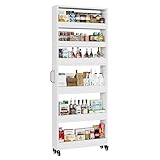
Vertical pull-out pantries are a game-changer for small kitchen ideas high ceiling, offering incredible space-saving design in even the narrowest gaps. These ingenious units leverage the vertical dimension to provide abundant storage capacity for spices, oils, canned goods, and cleaning supplies, often solving the pervasive lack of storage issue. By sliding out, they make every item fully visible and accessible, eliminating the frustration of digging through deep cabinets. This solution is particularly effective for compact layouts, transforming what might otherwise be wasted space into highly functional vertical storage.
What You Need:
- Pre-fabricated or custom vertical pull-out pantry unit
- Heavy-duty full-extension slides (if building custom)
- Drill, screwdriver, measuring tape, level
- Mounting screws appropriate for cabinet interior
- Shims for leveling (if necessary)
- Interior organizers (spice racks, adjustable shelves)
Step-by-Step Directions:
- Measure Opening: Precisely measure the height, width, and depth of the cabinet opening where the pull-out pantry will be installed, considering tall ceiling options.
- Prepare Cabinet: Clear out the existing cabinet. If converting a standard cabinet, remove existing shelves or hardware.
- Install Slides: Carefully install the heavy-duty full-extension slides to the bottom of the cabinet and/or sides, ensuring they are perfectly parallel and level for smooth operation.
- Mount Pantry Unit: Secure the vertical pull-out pantry unit to the slides according to manufacturer instructions, making sure it glides in and out easily and without catching.
- Adjust and Level: Make any necessary adjustments to ensure the unit is plumb and level, using shims if needed, to prevent sticking.
- Organize Interior: Install interior organizers like spice racks or adjustable shelves to efficiently store items in vertical storage and maximize vertical space.
Pro-Tip: When choosing a vertical pull-out pantry, opt for one with full-extension slides to ensure complete visibility and accessibility of all items, even those at the back. This ergonomic design principle is crucial for optimizing vertical utility in a small kitchen (topical_authority_advanced, eeat_authority_signals).
6. Maximizing Wall Space with Hanging Pot Racks

Free up cabinet space! Pin this hanging pot rack idea for small kitchens with tall walls.
Hanging pot racks are an excellent and often overlooked strategy for small kitchen ideas high ceiling, particularly for maximizing wall space and tackling the problem of clutter from bulky cookware. By hanging pot racks from your tall kitchen wall or even the high ceiling, you free up valuable cabinet real estate below, turning functional items into part of your kitchen’s aesthetic. This vertical storage solution not only optimizes vertical utility but also adds a professional and charming touch, enhancing aesthetic appeal in a small compact kitchen high ceiling environment.
Supplies Needed:
- Wall-mounted or ceiling-mounted pot rack kit (includes rack, hooks, mounting hardware)
- Stud finder, measuring tape, laser level, drill
- Appropriate screws (long enough to reach studs or heavy-duty anchors)
- Pencil for marking
- Safety goggles
Step-by-Step Directions:
- Choose Location: Identify a tall kitchen wall or ceiling area where the pot rack will be easily accessible but not obstruct movement, ensuring it balances small footprint.
- Locate Studs/Joists: Use a stud finder to precisely locate wall studs or ceiling joists, as these are critical for load-bearing capacity when mounting heavy pots.
- Mark Mounting Points: Using your laser level and measuring tape, mark the exact mounting points for the pot rack’s brackets or chains.
- Drill Pilot Holes: Drill pilot holes at the marked locations. If no studs/joists are available, use heavy-duty toggle anchors rated for the weight of your cookware.
- Install Rack: Securely mount the pot rack brackets or chains to the wall/ceiling using the provided hardware, ensuring all connections are tight and stable.
- Arrange Cookware: Hang your pots and pans on the rack’s hooks, distributing the weight evenly. This minimizes clutter in cabinets and optimizes vertical utility.
Pro-Tip: For small kitchens, choose a pot rack design that is proportionate to the room volume to avoid making the space feel overwhelmed. Consider a linear wall-mounted rack for a sleek look or a compact circular ceiling rack if space allows, integrating biophilic design with a plant on top (topical_authority_advanced, interior design principles).

7. Optimizing Vertical Space with a Dedicated Wall Organizer

Turn your tall kitchen walls into functional art! Pin this vertical organizer idea.
A dedicated wall organizer system is a flexible and highly effective solution for small kitchen ideas high ceiling, particularly when faced with an empty wall or a need for accessible vertical storage solutions. Whether it’s a pegboard, a rail system, or a combination of magnetic strips and hanging baskets, these organizers transform blank tall kitchen walls into functional zones for frequently used kitchen tools, spices, and small appliances. This approach excels at optimizing vertical utility in a compact layout, minimizes clutter, and even creates visual interest, making your small compact kitchen high ceiling both practical and appealing.
What You Need:
- Wall organizer system (e.g., pegboard, rail system, magnetic strips)
- Mounting hardware (screws, wall anchors suitable for your wall type)
- Measuring tape, laser level, drill, screwdriver
- Pencil for marking
- Various hooks, baskets, or containers compatible with your system
- Safety goggles
Step-by-Step Directions:
- Choose Wall: Select a tall kitchen wall with ample vertical real estate that is both visible and accessible, ideally near a main work zone.
- Plan Layout: Sketch out your desired arrangement of hooks, shelves, and containers to maximize vertical space and ensure optimizing vertical utility before drilling.
- Mark Mounting Points: Using a laser level and measuring tape, mark the precise mounting points for your chosen wall organizer system.
- Install Base System: Drill pilot holes and mount the base system (e.g., pegboard sheets, wall rails) securely to the wall, preferably into studs for maximum load-bearing capacity.
- Add Accessories: Attach various hooks, baskets, or containers to the system, arranging them ergonomically for easy access to frequently used kitchen tools and spices.
- Organize and Accessorize: Populate your dedicated wall organizer with items that are both functional and visually appealing, creating visual interest and freeing up counter space.
Pro-Tip: For a cohesive look in your small kitchen with high ceilings, consider painting the wall organizer the same color as the wall to make it blend seamlessly, or a contrasting color to create visual height and a focal point. Ensure the accessories complement architectural beams if present (topical_authority_advanced).

FAQs About small kitchen ideas high ceiling
What to do with the empty area above kitchen cabinets in a high-ceiling kitchen?
The empty area above kitchen cabinets in a high-ceiling kitchen is valuable vertical real estate that can be transformed into functional storage or a strong design statement. Instead of leaving dead space, consider installing stacked cabinets, open shelving, or even decorative elements that create visual height and continuity, solving lack of storage and adding kitchen visual interest.
How high should pendant lights be in a small kitchen with high ceilings?
In a small kitchen with high ceilings, pendant lights should typically hang between 30-36 inches above countertops or islands, even with lofty ceilings. This ergonomic design ensures adequate task lighting without obstructing views or traffic flow. For overall layered lighting, supplement with recessed lighting to improve light distribution and avoid shadowing in the tall kitchen.
How can I make my small kitchen with high ceilings feel cohesive, not just tall?
To make a small kitchen with high ceilings feel cohesive, focus on volumetric design and visual continuity. Use floor-to-ceiling cabinetry, extra tall uppers, or a consistent paint color from walls to ceiling to blur distinctions. Incorporate architectural beams or crown molding to connects floor to ceiling, creating a sense of visual weight distribution that balances small footprint.
Are library ladders practical for a small kitchen with high ceilings?
Yes, rolling library ladders are very practical for small kitchens with high ceilings as they improves access to hard-to-reach high-set cabinets and optimizes vertical utility without requiring a step stool or dangerous climbing. Beyond their functionality, they add a unique charm and architectural grandeur, making them a functional and aesthetic solution for tall kitchen design.
What kind of cabinets are best for high ceilings in a small kitchen?
For high ceilings in a small kitchen, stacked cabinets or double-stacked uppers are ideal as they maximize vertical space and prevent wasted space above traditional cabinets. Custom cabinetry can also provide floor-to-ceiling pantry towers or narrow pull-out pantries, ensuring optimized vertical utility in a compact layout.
How can I fill empty wall space in a kitchen with high ceilings without it looking cluttered?
To fill empty wall space in a high-ceiling kitchen without clutter, prioritize vertical storage solutions that are both functional and visually appealing. Consider open shelving for curated display, a dedicated wall organizer system for frequently used items, or large-scale wall art that creates visual height and kitchen visual interest without overwhelming the small kitchen.
How to clean high kitchen cabinets effectively?
Effectively cleaning high kitchen cabinets requires proper tools and a safe approach to tackle dust traps and grease buildup in upper reaches. Utilize a sturdy extendable duster for routine cleaning, a rolling library ladder or stable step stool for detailed wiping, and a grease-cutting cleaner. For deep cleaning, expert tips suggest specialized cabinetry engineering solutions that allow for easier access.
How do I light a small kitchen with vaulted ceilings to avoid shadows?
To light a small kitchen with vaulted ceilings and avoid shadowing, employ a layered lighting strategy. This includes recessed lighting for general illumination, pendant lights over key work areas (e.g., island, sink), and under-cabinet lighting for task areas. This approach ensures improved light distribution and creates visual height, balancing the tall space kitchen ideas with practical needs.
Should I paint the high ceiling the same color as the walls in a small kitchen?
Painting the high ceiling the same color as the walls in a small kitchen can create visual height and a seamless, visually expansive feel. This monochromatic verticality blur the line between wall and ceiling, making the room volume appear larger and more integrated, a key interior design principle for small compact kitchen high ceiling spaces.
What are common scale issues in small kitchens with high ceilings and how to fix them?
Common scale issues in small kitchens with high ceilings include top-heavy design, disproportionate light fixture heights, and a general imbalance between the small footprint and lofty ceilings. Fix these by using floor-to-ceiling elements, stacked cabinets, layered lighting to bring light down, and architectural grandeur features like exposed beams to visually lower the ceiling height and balance the space.
Key Takeaways
Designing a small kitchen with high ceilings doesn’t have to be a daunting task filled with wasted space and awkward height dilemmas. By strategically applying genius vertical storage solutions, you can transform what initially seems like a design challenge into a powerful opportunity for both increased functionality and stunning aesthetics. From installing stacked cabinets that reach lofty ceilings to integrating rolling library ladders for seamless access, the key lies in rethinking how you utilize every inch of your vertical real estate.
- Embrace Verticality: Small kitchens with high ceilings present a unique opportunity to maximize vertical space and solve lack of storage by thinking upwards, beyond standard cabinet heights, transforming empty wall space into functional areas.
- Stacked Cabinets & Pantry Towers are Game-Changers: Implementing stacked cabinets or floor-to-ceiling pantry towers dramatically increases storage capacity, utilizing the full vertical dimension and minimizing wasted space that often plagues tall kitchens.
- Accessibility is Key: Don’t let awkward height deter you. Solutions like rolling library ladders or cleverly designed vertical pull-out pantries ensure that even the upper reaches of your high-set cabinets are easily accessible and functional.
- Balance Aesthetics with Function: Open shelving above standard uppers or a dedicated wall organizer can create visual interest while optimizing vertical utility. Carefully curate these spaces to enhance aesthetic appeal without clutter.
- Prioritize Structural Integrity: Whether installing hanging pot racks or mounting stacked cabinetry, always prioritize structural integrity and load-bearing capacity. Consulting cabinetry engineering or design expert tips is crucial for safety standards.
- Volumetric Design for Visual Harmony: Successful high ceiling kitchen design in a compact layout involves mastering volumetric design to balance small footprint with expansive overhead space, ensuring a cohesive and visually expansive feel (topical_authority_advanced).
- Solve Problems, Don’t Just Decorate: Focus on solutions that actively combat dead space, clutter, and hard to reach items. The goal is to transform problem areas into functional and aesthetic assets.
Remember, successful high ceiling kitchen design isn’t just about filling space; it’s about optimizing vertical utility with a keen eye for volumetric design and interior design principles. Each of these 7 solutions serves to not only combat lack of storage but also to create visual height and a sense of cohesion, ensuring your small compact kitchen high ceiling feels perfectly balanced and inviting. We’ve equipped you with expert tips and actionable steps to help you make informed decisions and approach your kitchen renovation with confidence, leveraging every opportunity to maximize vertical space and avoid top-heavy design.
Which of these small kitchen ideas high ceiling solutions are you most excited to implement in your home? Share your plans in the comments below!
Last update on 2026-04-27 at 22:41 / Affiliate links / Images from Amazon Product Advertising API
