
As an Amazon Associate KitchenwareSets.com earns from qualifying purchases.
Small Japandi Kitchen: 11 Smart Ideas for Functional Style
Struggling to make your tiny kitchen feel both functional and beautiful? Limited space often means sacrificing either style or practicality, leaving many homeowners feeling frustrated with their compact culinary zones.
Japandi style merges Japanese minimalism with Scandinavian functionality, creating serene, clutter-free spaces ideal for small kitchens by emphasizing natural materials, clean lines, and smart storage solutions. This hybrid approach maximizes both aesthetics and practicality, transforming compact areas into calm, highly efficient culinary zones where every element serves a purpose. Drawing from comprehensive analysis of current data and proven methodologies, this guide will unlock the secrets to designing a small Japandi kitchen that not only looks stunning but also functions flawlessly. You’ll discover 11 smart, actionable ideas to infuse your compact space with harmonious living and functional elegance, creating a stress-free cooking environment.
Contents
show
Design Your Dream Japandi Kitchen: Elevating Small Spaces with Functional Serenity
Transforming a small kitchen into a haven of tranquility and efficiency can seem challenging, especially when battling common issues like limited storage hacks and cluttered counters. However, the Japandi style kitchen offers a powerful solution, seamlessly blending the serene minimalism of Japanese design with the functional warmth of Scandinavian aesthetics. This design philosophy is inherently suited for compact areas, prioritizing clean lines, natural materials, and a clutter-free environment to create an illusion of space and an atmosphere of calm. By focusing on purposeful design and space-saving solutions, Japandi not only revitalizes your kitchen’s aesthetic but fundamentally enhances its usability, making it a functional and serene heart of your home.
1. Maximize Vertical Storage with Floating Shelves

Pin this smart storage solution to your ‘Japandi Kitchen Inspiration’ board!
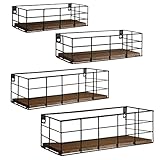
Floating shelves provide essential **vertical storage solutions without the visual bulk of traditional cabinetry, making them perfect for small kitchen spaces.** These open shelving ideas serve as functional decor, allowing you to display carefully curated items while keeping often-used essentials within easy reach, thereby maximizing every inch of your compact area. The key is thoughtful selection of materials and minimal styling to enhance the minimalist aesthetics and avoid recreating a cluttered feel.
Materials Needed:
- Solid Wood or Bamboo Floating Shelves: Choose warm wood tones or bamboo cabinetry for authenticity. Look for concealed joinery for a seamless look.
- Heavy-Duty Shelf Brackets: Ensure they can support ceramic tableware weight, often sold separately for true floating shelves.
- Drill & Level: Essential tools required for installing securely.
- Screws & Wall Anchors: Appropriate for your wall type (e.g., drywall, plaster).
Step-by-Step Directions:
- Plan Placement: Identify empty wall space that maximizes light and avoids clutter. Consider symmetrical placement or a single focal shelf.
- Measure & Mark: Use a level to mark precise bracket locations for perfectly straight floating shelves.
- Install Brackets: Secure the heavy-duty shelf brackets firmly into wall studs or with appropriate anchors.
- Attach Shelves: Slide solid wood or bamboo shelves onto the brackets, ensuring they sit flush and stable.
- Style Minimally: Arrange a few carefully selected handcrafted ceramic items or a small indoor plant (biophilic design) to avoid overcrowding and maintain an uncluttered appearance.
Pro-Tip: To truly embody ‘Ma’ (negative space) from topical_authority_advanced, leave at least one-third of your shelf space empty. This creates a visually airy feel, preventing your small kitchen from feeling overwhelmed.

2. Integrate Handleless Cabinetry for Clean Lines

Save this sleek design idea to your ‘Minimalist Kitchen Goals’ board!
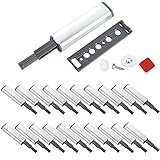
Handleless cabinets are a cornerstone of **minimalist kitchen ideas, creating a sleek, uncluttered facade that visually expands a small space.** By eliminating external hardware, handleless cabinetry fosters incredibly clean lines and a seamless look, which is vital for reducing visual noise in a compact kitchen layout. This approach optimizes small space solutions by removing potential snagging points and contributing to a smoother spatial flow optimization, aligning perfectly with the Japandi kitchen aesthetic.
Materials Needed:
- Handleless Kitchen Cabinets: Options include push-to-open mechanisms, j-pull channels, or finger-pull grooves. Choose warm wood or muted colors (entity_attributes_descriptive).
- Integrated Appliances: Consider a space-saving appliance that hides appliances for a seamless look.
- Installation Hardware: Specific to chosen modular cabinetry systems.
- Measuring Tape & Pencil: For precise planning.
Step-by-Step Directions:
- Choose a Mechanism: Decide between push-to-open hardware for truly flat fronts, j-pull integrated handles, or finger-pull designs that are cut into the door edge.
- Select Finish: Opt for natural wood tones like light oak or ash, or muted colors like soft grays or off-whites to match the neutral palette.
- Plan Layout: Design your compact layout to maximize storage without external handles, which can snag clothing in small spaces.
- Professional Installation: Due to precise alignment needed for seamless operation, professional installation is often recommended for concealed joinery.
- Maintain Simplicity: Keep countertops clear to emphasize the uncluttered visual of the handleless cabinets.
Pro-Tip: Handleless cabinets are excellent for optimizing spatial flow optimization (topical_authority_advanced) in small space solutions as they remove visual interruptions and reduce physical obstacles in tight walkways.
3. Choose Natural Wood Tones for Warmth

Warm up your kitchen with natural wood – pin this idea!
****Natural wood cabinets** and accents are fundamental to the Japandi aesthetic, evoking scandinavian warmth and japanese calm in even the smallest spaces.** Choosing warm wood tones like light oak, ash, or bamboo helps to soften the minimalist edges and introduce an organic, inviting feel that synthetic materials cannot replicate. This not only enhances the visual appeal but also contributes to the tactile textures that define the style, making your small Japandi kitchen feel grounded and authentic.
Materials Needed:
- Cabinetry/Shelving in Light Wood: Opt for natural wood cabinets like light oak, ash, birch, or bamboo. Ensure the finish is matte or natural-oil, avoiding high gloss.
- Wood Samples: To compare warm wood tones and tactile textures against your kitchen’s existing light.
- Wood Protector/Sealer: If choosing raw wood, ensure a durable finish for kitchen use.
Step-by-Step Directions:
- Select Wood Type: Prioritize sustainable materials like bamboo cabinetry or light-colored woods known for their natural grain and warmth.
- Choose Finish: Opt for a matte or natural-oil finish to highlight the wood’s inherent tactile textures, rather than a glossy, modern veneer.
- Integrate Throughout: Use natural wood cabinets not just for main cabinetry, but also for floating shelves, cutting boards, and handcrafted tableware accents.
- Balance with Neutrals: Pair warm wood tones with a neutral color palette of whites, grays, or off-blacks to allow the wood to be a focal point without overwhelming the small space.
- Consider Patina: Embrace the idea of patina development (topical_authority_advanced) where natural wood ages gracefully, adding character over time.
Pro-Tip: When choosing wood, look for FSC-certified options or reclaimed timber. This commitment to sustainable sourcing (eeat_authority_signals) complements the Japandi philosophy of respecting nature and longevity.

4. Incorporate Minimalist Lighting Fixtures

Brighten your Japandi kitchen – save this lighting inspiration!
****Minimalist pendant lighting** and thoughtfully designed layered lighting schemes are crucial for enhancing the airy and serene atmosphere in a small Japandi kitchen.** Beyond mere illumination, light plays a significant role in defining space and mood. By strategically combining recessed lighting for ambient glow and focused task lighting with under-cabinet LED strips, you can maximise light and create a functional yet inviting environment. This approach effectively solves dark kitchen solutions by ensuring every corner feels bright and welcoming without visual clutter.
Materials Needed:
- Minimalist Pendant Lights: Choose simple designs in matte black, brushed brass, or ceramic.
- Recessed Lighting Fixtures: For general ambient illumination.
- Under-Cabinet LED Strips: For task lighting on countertops.
- Dimmers: To control layered lighting and set mood & atmosphere.
Step-by-Step Directions:
- Prioritize Natural Light: Design window treatments with linen curtains or shoji screens to allow maximum natural light during the day.
- Install Ambient Lighting: Start with recessed lighting or a single flush-mount fixture for overall airy illumination in the small kitchen.
- Add Task Lighting: Integrate under-cabinet LED strips above work surfaces to ensure practical functional illumination for cooking tasks.
- Introduce Accent Lighting: Use minimalist pendant lighting over an island or dining nook to create a focal point and layered lighting.
- Incorporate Dimmers: Install dimmers on all circuits to allow for flexible light levels, supporting passive lighting (topical_authority_advanced) and evoking serenity throughout the day.
Pro-Tip: Consider the color temperature of your bulbs. Warm white (2700K-3000K) evokes a cozy and inviting atmosphere, perfectly aligning with scandinavian warmth, rather than harsh cool tones.

5. Select Sustainable Countertop Materials

Discover eco-friendly countertops for your Japandi space – pin for later!
Choosing **sustainable countertop materials is key to embodying the Japandi ethos, which values natural materials and eco-friendly standards.** For a small Japandi kitchen, materials like quartz worktops with a matte finish, Dekton stone, or even microcement finishes offer both exceptional durable finishes and a clean aesthetic. These options not only provide a long-lasting, practical surface for cooking and dining but also complement the neutral palette and warm wood tones prevalent in Japandi design, enhancing the earth-centered design philosophy.
Materials Needed:
- Countertop Material Samples: Explore quartz worktops (matte finish), Dekton stone, microcement finishes, or reclaimed wood.
- Installation Experts: For professional fitting of stone textures or specialized microcement.
- Maintenance Kits: Specific to your chosen material for durable finishes.
Step-by-Step Directions:
- Prioritize Durability & Sustainability: Choose materials known for their durable finishes and eco-friendly standards, such as recycled glass, quartz, or reclaimed wood (semantic_bridge_supporting).
- Embrace Natural Textures: Opt for stone textures like Dekton or microcement finishes that offer a tactile, earth-centered design (lsi_lexical_variations) feel.
- Select Muted Tones: Stick to a neutral palette – grays, off-whites, or soft blacks – that complements warm wood tones and does not overwhelm the small space.
- Consider Integrated Sinks: A seamless integrated sink made from the same countertop material can enhance the clean aesthetic and make the small kitchen appear larger.
- Professional Installation: Many sustainable materials require professional renovation expertise for precise cutting and installation.
Pro-Tip: While marble can be beautiful, its porosity and etching risk often contrasts with the Japandi emphasis on durable finishes and easy cleaning. Consider quartz worktops or Dekton stone for a similar look with superior practicality.

6. Design a Compact Dining Nook

Create an inviting dining space – pin this Japandi nook idea!
Integrating a **compact dining nook is an ingenious small space solution that ensures your small Japandi kitchen remains functional and welcoming.** Even in a compact layout, a designated eating area provides valuable versatility, transforming a utility space into a social hub. By selecting space-saving furniture like a small round wooden table and bentwood chairs, you can create an inviting corner that enhances open concept living without sacrificing precious square footage, solving the small space frustration of missing a dining area.
Materials Needed:
- Small Dining Table: Consider a small round wooden table or a wall-mounted fold-down table to optimize compact layout.
- Space-Saving Chairs: Bentwood chairs, stackable stools, or a custom bench/banquette optimize space-saving furniture.
- Minimalist Lighting: A single minimalist pendant lighting fixture for ambiance.
- Soft Furnishings: A simple linen cushion or tatami mat for comfort (optional).
Step-by-Step Directions:
- Identify Underutilized Space: Look for a corner or an end of cabinetry that can define a compact dining nook without obstructing traffic flow.
- Choose Table Shape: A small round wooden table or half-round table enhances spatial flow optimization and is less intrusive than a square table in a small space.
- Select Seating: Opt for bentwood chairs or backless stools that can be tucked completely under the table. Built-in banquette seating can also provide hidden storage.
- Define with Lighting: Hang a single, minimalist pendant lighting fixture low over the table to create a sense of intimacy and layering.
- Keep it Simple: Style with only essential handcrafted tableware and perhaps a small indoor plant to maintain the uncluttered Japandi aesthetic.
Pro-Tip: If space is extremely limited, a wall-mounted fold-down table integrates seamlessly into the kitchen, providing a dining area only when needed, optimizing small space solutions.

7. Utilize Integrated Appliances for Seamlessness

Conceal your appliances – pin this clever Japandi idea!
****Integrated appliances** are paramount in achieving the seamless look and uncluttered aesthetic of a small Japandi kitchen by allowing you to hide appliances behind custom panels.** This design choice minimizes visual distractions and contributes to clean lines, making the compact layout feel more spacious and cohesive. By integrating key kitchen components like the dishwasher or refrigerator, you optimizes small space solutions and creates a modern Japandi kitchen that prioritizes calm and continuous design flow.
Materials Needed:
- Panel-Ready Appliances: Purchase integrated dishwasher, panel-ready refrigerator, or built-in microwave drawer that accept custom cabinet fronts.
- Custom Cabinet Panels: Designed to match your existing handleless cabinets for a seamless look.
- Professional Installers: Essential for proper installation of integrated appliances and concealed joinery.
Step-by-Step Directions:
- Select Panel-Ready Appliances: Choose space-saving appliances designed to accept custom cabinet panels for a truly integrated appearance.
- Coordinate Cabinetry: Ensure the appliance panels are custom-made from the same material and finish as your surrounding natural wood cabinets or muted colors.
- Plan for Ventilation: Work with professional renovation experts to ensure adequate ventilation for integrated appliances like refrigerators and dishwashers.
- Minimize Visual Clutter: Opt for handleless cabinets on integrated appliances where possible, using push-to-open mechanisms to maintain clean lines.
- Maintain Simplicity: The goal is for appliances to disappear, contributing to an uncluttered and airy environment, optimizing small space solutions.
Pro-Tip: When planning integrated appliances, consider modular cabinetry systems (topical_authority_advanced) that are designed from the outset to seamlessly integrate both storage and appliances, enhancing spatial flow optimization.

8. Add Biophilic Elements (Plants)

Bring nature indoors with plants – pin this calming Japandi idea!
****Indoor plants** are perfect biophilic design elements for a small Japandi kitchen, instantly evoking serenity and connecting the space to nature.** Even a few carefully chosen, low-maintenance plants can infuse a compact layout with freshness and life, enhancing the airy feel of the room. This earth-centered design approach supports a harmonious living environment, aligning perfectly with Japandi’s appreciation for natural materials and bringing the outdoors in.
Materials Needed:
- Low-Maintenance Indoor Plants: Select varieties like Snake Plant, ZZ Plant, Pothos, or Peace Lily known for easy cleaning and tolerance to varying light conditions.
- Minimalist Ceramic Planters: Choose organic shapes in muted colors (e.g., terracotta, stone gray, off-white) to complement the Japandi aesthetic.
- Small Watering Can: For precise care instructions.
Step-by-Step Directions:
- Choose Suitable Plants: Opt for low-maintenance indoor plants that thrive in kitchen conditions (e.g., varying humidity, light).
- Select Planters: Repot plants into minimalist ceramic planters or natural fiber pots, avoiding overly ornate or brightly colored options.
- Strategic Placement: Place plants on floating shelves, light wood countertops, or windowsills where they can receive indirect natural light without cluttering essential workspace.
- Regular Care: Follow simple care instructions for watering and occasional dusting to keep plants healthy and vibrant.
- Embrace Imperfection: Acknowledge the wabi-sabi philosophy by appreciating the natural growth and subtle imperfections of living plants.
Pro-Tip: Biophilic design (topical_authority_advanced) in small space solutions isn’t just about aesthetics; it supports mental well-being and air purification, enhancing the overall harmonious living experience in your japandi kitchen.

9. Styling with Handcrafted Ceramic Tableware

Curate your kitchen with handcrafted beauty – pin this Japandi styling tip!
****Handcrafted ceramic tableware** symbolizes the deep appreciation for craftsmanship + design inherent in the small Japandi kitchen aesthetic.** These pieces, with their tactile textures and organic shapes, complement the natural materials and muted color palette of the space. Displaying a few thoughtfully chosen ceramic items on floating shelves or a light wood countertop introduces a sense of human touch and functional elegance, embodying the wabi-sabi philosophy of finding beauty in imperfection and the passage of time.
Materials Needed:
- Earthy Ceramic Dinnerware: Select handcrafted ceramic tableware in muted colors (e.g., oatmeal, charcoal, forest green) with tactile textures.
- Organic Serving Bowls/Plates: Look for organic shapes and slightly imperfect finishes that align with the wabi-sabi philosophy.
- Wooden Serving Utensils: To complement the warm wood tones and natural aesthetic.
Step-by-Step Directions:
- Embrace Imperfection: Choose artisan made ceramic tableware with subtle variations in shape and glaze, celebrating the beauty of kintsugi philosophy (topical_authority_advanced) in its essence.
- Stick to a Muted Palette: Opt for earthy tones like soft grays, warm browns, or subtle greens that complement your kitchen’s neutral color palette.
- Focus on Texture: Prioritize pieces with tactile textures – matte finishes, unglazed edges, or a slightly coarse feel – that invite touch and add depth.
- Display Thoughtfully: Arrange a few key handcrafted ceramic items on floating shelves or open shelving (semantic_bridge_supporting) as functional decor, ensuring they are uncluttered.
- Use Daily: Don’t save these pieces for special occasions; the Japandi style emphasizes functional elegance and using beautiful items in everyday life.
Pro-Tip: When selecting handcrafted ceramic tableware, feel the weight and texture. These physical qualities evoke a sense of craftsmanship + design that mass-produced items cannot replicate, supporting functional elegance.

10. Create a Clutter-Free Command Center

Organize your life with a Japandi command center – pin it now!
A **clutter-free command center is essential for maintaining the minimalist and uncluttered ideal of a small Japandi kitchen, directly addressing cluttered counters and limited storage hacks.** In a compact space, every item needs a designated home, and a well-designed command center centralizes daily essentials like mail, keys, and devices, keeping them out of sight yet easily accessible. This strategy simplifies kitchen organization and supports a stress-free cooking environment by providing hidden storage and an organized pantry feel, allowing for clear workspaces.
Materials Needed:
- Wall-Mounted Organizer: Choose a minimalist design in warm wood or matte black metal.
- Drawer Dividers/Inserts: For hidden storage of pens, paper, and small electronics.
- Small Tray or Box: For collecting mail or keys, maintaining uncluttered surfaces.
- Digital Calendar/Task App: To reduce reliance on physical notes.
Step-by-Step Directions:
- Designate a Zone: Identify a small, unused wall section or a specific drawer that can serve as your clutter-free command center.
- Implement Hidden Storage: Use drawer dividers or small lidded boxes within cabinets for items like pens, chargers, and small notepads, optimizing limited storage hacks.
- Utilize Vertical Space: Install a wall-mounted organizer with minimalist shelves or hooks for keys, a small calendar, or a tablet stand.
- Go Digital: Transition to digital calendars and grocery lists to simplify organizing and minimize paper clutter.
- Daily Declutter: Make it a habit to decluttering this area daily, ensuring only essential items remain on display to preserve the clean aesthetic.
Pro-Tip: The concept of ‘Ma’ (topical_authority_advanced), or negative space, is crucial here. Do not fill every compartment. Allow space to breathe, and your command center will truly evoke serenity and efficiency.
11. Apply a Muted, Earthy Color Palette

Transform your kitchen with calm colors – pin this Japandi palette!
Applying a **muted color palette composed of earthy tones is fundamental to creating an airy and serene atmosphere in a small Japandi kitchen, and effectively addresses dark kitchen solutions.** These neutral colors, such as soft grays, off-whites, and subtle greens, not only complement natural wood cabinets and stone textures but also visually expand the compact layout, making the space feel larger and more open. This thoughtful color theory in design evokes a sense of calm and ensures that the kitchen remains an uncluttered and tranquil environment, aligning perfectly with the Japandi design philosophy.
Materials Needed:
- Paint Samples: In muted colors such as soft grays, off-whites, warm beige, or subtle sage green.
- Paint & Primer: High-quality, low-VOC paint to align with eco-friendly standards.
- Paint Rollers, Brushes, Painter’s Tape: Standard tools required for painting.
Step-by-Step Directions:
- Choose a Neutral Base: Start with off-white, light gray, or warm beige for walls and large surfaces to create an airy backdrop.
- Introduce Earthy Accents: Incorporate subtle earthy tones like sage green, dusty blue, or soft terracotta through textiles, handcrafted ceramic tableware, or a feature wall.
- Balance Warm & Cool: Balance warm wood tones with cooler stone textures or vice versa, using muted colors to tie them together harmoniously.
- Consider **Monochromatic Layering:** Use varying shades of a single muted color (e.g., different grays) to add depth without introducing visual clutter, a topical_authority_advanced technique.
- Test Swatches: Always paint large test swatches on your walls to see how the muted color palette interacts with your kitchen’s unique natural light throughout the day.
Pro-Tip: The Japandi aesthetic prioritizes harmony. Avoid stark white, which can feel too cold, or overly saturated colors. The goal is to evoke serenity through understated color palette choices.

FAQs About Small Japandi Kitchen Ideas
What is Japandi style kitchen?
Japandi style merges the serene minimalism of Japanese design with the functional warmth of Scandinavian aesthetics, creating spaces that are **uncluttered, functional, and deeply harmonious living oriented.** It emphasizes natural materials, muted color palette, and quality craftsmanship to foster a sense of calm and utility, making it ideal for small kitchen ideas.
How to design a small Japandi kitchen?
To design a small Japandi kitchen, prioritize **decluttering and maximizing vertical storage with floating shelves or handleless cabinetry for a clean aesthetic.** Choose natural wood cabinets in warm wood tones and a neutral palette for walls, integrating minimalist pendant lighting and a few indoor plants to evoke serenity without overcrowding the compact layout.
Is Japandi style good for small kitchens?
Yes, Japandi style is exceptionally good for **small kitchens because its core principles of minimalism, functionality, and clutter-free design directly address the challenges of limited space.** It optimizes small space solutions by focusing on integrated appliances, clever storage, and a calming earthy color palette to make compact areas feel larger and more serene.
What colors are used in Japandi design?
Japandi design primarily utilizes a **muted color palette of earthy tones, including soft grays, off-whites, warm beiges, and subtle greens like sage or olive.** These neutral colors complement natural wood tones and stone textures, creating an airy and serene atmosphere that maximizes light and promotes a tranquil feel in a small Japandi kitchen.
What materials are essential for Japandi?
Essential Japandi materials include **natural wood (light oak, ash, bamboo), stone textures (matte quartz, concrete, Dekton), and tactile textures like linen, wool, and handcrafted ceramic tableware.** These sustainable materials are chosen for their durable finishes, organic shapes, and connection to nature, emphasizing quality craftsmanship and an earth-centered design philosophy.
How to maximize space in a Japandi kitchen?
Maximize space in a Japandi kitchen by **integrating handleless cabinetry and integrated appliances for a seamless look that hides appliances and reduces visual clutter.** Utilize vertical storage solutions like floating shelves and prioritize space-saving furniture such as a compact dining nook to optimize every inch of your small kitchen layout.
Should I use floating shelves in Japandi?
Yes, **floating shelves are an excellent choice for a small Japandi kitchen as they maximize vertical storage solutions while maintaining an airy and uncluttered aesthetic.** When styled minimally with handcrafted ceramic tableware and a few indoor plants, they enhance the clean lines and functional decor without overwhelming the compact layout.
How to choose Japandi kitchen cabinets?
Choose Japandi kitchen cabinets by prioritizing **natural wood cabinets in warm wood tones (e.g., light oak, ash, bamboo) with matte finishes or muted colors like soft gray or off-white.** Opt for handleless cabinetry (push-to-open, j-pull) to achieve clean lines and a seamless look, integrating seamlessly with the minimalist kitchen design.
What lighting works best for Japandi style?
****Minimalist pendant lighting** combined with recessed lighting and under-cabinet LED strips works best for Japandi style, creating layered lighting that is functional and serene.** Emphasize fixtures with clean lines and warm color temperatures (2700-3000K) to maximize light while evoking scandinavian warmth and contributing to passive lighting effects.
How to organize a Japandi kitchen?
Organize a Japandi kitchen by practicing consistent **decluttering and implementing hidden storage solutions like drawer dividers and clutter-free command center.** Every item should have a designated place, simplifying routines and fostering an organized pantry feel. The goal is uncluttered surfaces that promote stress-free cooking environment and minimalist cooking space.
Final Thoughts on Small Japandi Kitchen Ideas
Transforming a small kitchen into a Japandi haven is more than just a design trend; it’s an embrace of a lifestyle that prioritizes serenity, functionality, and respect for natural materials. By meticulously implementing the 11 smart ideas we’ve explored, from maximizing vertical storage with floating shelves to creating a clutter-free command center, you’re not just redecorating – you’re crafting a harmonious living space that simplifies daily routines and evokes a profound sense of calm.
Remember, the essence of Japandi kitchen design lies in balancing scandinavian warmth with japanese calm, always striving for functional elegance in every choice. Your small kitchen can indeed be a testament to this philosophy, providing a tranquil backdrop for your culinary adventures. With sustainable materials, clean lines, and a muted color palette, you can transform your compact layout into an airy, uncluttered, and highly efficient minimalist cooking space.
Which of these small kitchen ideas japandi inspires you the most for your own home, and what problem_solution_keywords are you most excited to tackle first?
Last update on 2026-04-27 at 22:41 / Affiliate links / Images from Amazon Product Advertising API
