
As an Amazon Associate KitchenwareSets.com earns from qualifying purchases.
Small Kitchen Backsplash Ideas: 9 Ways to Maximize Space in 2026
Struggling with a kitchen that feels cramped and dark? A brilliant small kitchen backsplash ideas can completely transform your space, but choosing the right one feels like a high-stakes decision. You need something that adds style without making the room feel even smaller.
Small kitchen backsplash ideas often focus on materials and design choices that visually expand the space, maximize natural light, and create a sense of openness. This includes using reflective surfaces, light colors, vertical patterns, and minimalist designs to counteract the feeling of being cramped. It’s about making your backsplash a strategic tool for spatial enhancement.
Based on proven interior design principles and the latest design trends for 2026, this guide provides actionable strategies to turn your backsplash into your small kitchen’s greatest asset. You’ll discover how specific materials, colors, and patterns can make your kitchen feel brighter, larger, and more stylish. Let’s make your tiny kitchen feel grand.
Contents
show
9 Small Kitchen Backsplash Ideas to Maximize Your Space & Style in 2026
Choosing the right backsplash is one of the most impactful decisions you can make in a small kitchen renovation. It’s not just a protective barrier against grease splashes and stains; it’s a powerful design tool. The perfect backsplash complements your kitchen layout, reflects light into dark corners, and can single-handedly transform a cramped space into one that feels open and airy. Below are nine proven ideas, ranging from budget-friendly DIY projects to luxury installations, each designed to maximize impact and maximize style in a tiny kitchen. We’ll cover everything from the best materials to the specific tile installation techniques that create the illusion of space.
1. Install Reflective Glass or Glossy Ceramic Tiles

Pin this brilliant idea to your “Small Kitchen Renovation” board!
Supplies Needed
- High-gloss glass subway tiles (or polished ceramic tile) with rectified edges for minimal grout lines
- Bright white thin-set mortar for strong adhesion and aesthetic cohesion
- Non-sanded grout in a matching or slightly lighter shade (e.g., grout colors like white or light gray)
- Tile spacers (1/16th inch for a tight, seamless look)
- Wet saw with diamond blade for clean cuts
- Trowel, grout float, and sponge
Step-by-Step Directions
- Prepare the wall surface: Ensure it’s clean, dry, and level. Remove any existing backsplash if necessary.
- Measure and mark your starting point, typically the center of the wall or above the stove.
- Apply a thin, even layer of thin-set mortar to a small section of the wall using your trowel.
- Press the first tile firmly into the mortar, ensuring it’s level. Use spacers to maintain consistent gaps.
- Continue applying tiles, cutting them to fit around outlets and edges using a wet saw.
- Allow the mortar to cure for 24-48 hours according to manufacturer instructions.
- Mix and apply the non-sanded grout with a grout float, pushing it into all the gaps.
- Wipe away excess grout with a damp sponge, periodically rinsing the sponge.
- Seal the grout after it has fully cured (usually 72 hours) for added moisture protection.
Pro-Tip: For the ultimate light maximization, opt for larger format glossy tiles with rectified edges and an epoxy grout in a near-identical color to the tile. This creates a seamless, almost monolithic surface that enhances reflectivity and prevents the “busy” look often associated with smaller tiles in a cramped space, as interior designer tips often suggest.

2. Implement a Vertical Subway Tile Pattern

Save this creative vertical tile layout for your kitchen mood board!
Supplies Needed
- Standard 3×6 inch ceramic subway tiles in white or a light-colored neutral tone
- Thin-set mortar (pre-mixed for ease of use)
- Grout in a contrasting (e.g., light gray) or matching color (grout colors)
- Tile spacers (1/8th or 1/16th inch for desired grout line thickness)
- Notched trowel, grout float, sponge, bucket
- Tile cutter (manual or wet saw) for precise cuts
- Level and measuring tape
Step-by-Step Directions
- Clean and prepare your wall surface, ensuring it is smooth and dry.
- Determine your starting point. For vertical subway tile, it’s often best to start from the bottom edge of your countertop, working your way up.
- Spread thin-set mortar onto a small section of the wall using a notched trowel, holding it at a 45-degree angle.
- Place the first tile vertically, pressing it firmly into the mortar. Insert tile spacers above and to the sides.
- Continue applying tiles in a stacked or staggered vertical pattern, ensuring consistent spacing and level lines.
- Cut tiles as needed for edges, outlets, and corners.
- Allow mortar to dry completely (as per package instructions).
- Mix and apply grout to fill all gaps, working in small sections.
- Wipe away excess grout with a damp sponge, rinsing frequently, until the tiles are clean.
- Polish tiles with a clean, dry cloth after grout has set.
Pro-Tip: When installing vertical subway tile in small kitchens, using a matching tones for grout can create an even more seamless and elongating effect, drawing the eye upward without interruption. This approach, recommended by interior designer tips, subtly enhances the sense of height and aesthetic cohesion.

3. Apply Peel and Stick Tiles for a Budget-Friendly Update

Budget-friendly and renter-safe: Pin this smart backsplash solution!
Supplies Needed
- High-quality peel and stick tiles (choose a design that mimics real tile, e.g., subway, marble, or geometric patterns)
- Utility knife and cutting mat
- Ruler or straightedge
- Level
- Smoothing tool (plastic scraper or clean cloth)
- Cleaning solution (e.g., isopropyl alcohol)
- Pencil
Step-by-Step Directions
- Clean the wall surface thoroughly to remove any grease, dirt, or dust. Allow it to dry completely.
- Measure your backsplash area and plan your layout. For a professional finish, it’s often best to start from the center or a prominent corner.
- Draw a light horizontal line with a level as a guide for your first row.
- Peel off a small portion of the backing paper from the first tile, align it with your guide line, and carefully apply it to the wall.
- Press firmly, working your way across the tile and slowly removing the rest of the backing paper. Use a smoothing tool to eliminate air bubbles.
- Overlap the edges of subsequent tiles according to the manufacturer’s instructions, ensuring a seamless look.
- Cut tiles to fit around outlets, edges, and corners using a utility knife and ruler.
- Trim any excess material for a clean finish.
- Allow 24-48 hours for the adhesive to fully bond before exposing to high heat or moisture.
Pro-Tip: While peel and stick tiles offer an easy to install and cost-effective update, proper wall prep is paramount for long-lasting quality. Ensure the surface is impeccably clean and smooth, as any texture or dust can compromise the adhesive bond, leading to peeling. Look for tested materials that explicitly state heat and moisture resistance for kitchen use.

4. Incorporate a Mirrored Backsplash for Ultimate Space Illusion

Mirror, mirror on the wall: Pin this genius space-expanding idea!
Supplies Needed
- Tempered glass mirror panels (custom cut for safety and precise fit) or mirror tiles
- Strong adhesive specifically designed for mirrors (non-corrosive)
- Caulk gun
- Squeegee or roller
- Rubbing alcohol and clean cloths
- Painter’s tape
- Level and measuring tape
Step-by-Step Directions
- Clean the wall surface meticulously with rubbing alcohol to ensure it’s free of grease and dust, then allow it to dry completely.
- Measure your space precisely. For custom cut mirror panels, double-check all dimensions.
- Dry-fit the mirror panels or tiles to ensure they fit perfectly. Use painter’s tape to mark their final positions.
- Apply the mirror adhesive in a serpentine pattern or dots to the back of the mirror panel, keeping it away from the edges to prevent squeeze-out.
- Carefully apply the mirror to the wall, aligning it with your guide marks. Press firmly and evenly.
- Secure the mirror in place with painter’s tape for the adhesive to cure, usually 24-48 hours.
- Clean the mirror surface with a streak-free glass cleaner.
Pro-Tip: When choosing a mirror backsplash for a small kitchen, consider opting for a slightly antique or smoked mirror finish. This reduces glare, hides fingerprints more effectively, and adds a glamorous style while still creating illusion of space. Always use tempered glass for safety standards in kitchen environments, an expert advice backed by manufacturer recommendations.

5. Utilize Large Format Tiles for a Seamless Look

Pin this sleek, seamless backsplash idea for a modern small kitchen!
Supplies Needed
- Large format porcelain or ceramic tiles (e.g., 24×48 inches, often vitrified tiles for durability)
- High-performance thin-set mortar suitable for large format tiles
- Self-leveling clips/spacers (to prevent lippage)
- Epoxy grout in a color matching the tile (for aesthetic cohesion)
- Large notched trowel
- Wet saw for precise cuts
- Rubber mallet
- Level, measuring tape
Step-by-Step Directions
- Ensure the wall surface is perfectly flat and clean. Sub-surface preparation is critical for large format tiles.
- Layout your tile pattern on the floor first to plan cuts and minimize waste.
- Apply a thick, even layer of high-performance thin-set mortar to the wall using a large notched trowel. Back-buttering the tiles can also be beneficial.
- Carefully place the first large format tile, pressing firmly. Use a rubber mallet to gently tap it into place and ensure full contact.
- Insert self-leveling clips/spacers between tiles to maintain perfectly even grout lines and prevent lippage.
- Continue installing tiles, using the wet saw for any necessary cuts around outlets or edges.
- Allow the mortar to fully cure (usually 48-72 hours) before removing the clips/spacers.
- Mix and apply epoxy grout to fill the minimal grout lines. This type of grout is highly durable and stain-resistant.
- Clean excess grout with a damp sponge and polish.
Pro-Tip: When working with large format tiles in small kitchens, proper sub-surface preparation is paramount. Any inconsistencies in the wall can lead to lippage (uneven tile surfaces) that will be highly visible. Using rectified edges and an epoxy grout in a very similar shade to the tile further enhances the seamless look, creating an uninterrupted visual flow that truly maximizes impact.

6. Select Subtle Textured 3D Tiles for Visual Interest

Add depth and dimension: Pin this unique textured backsplash idea!
Supplies Needed
- Subtle textured ceramic or porcelain tiles (e.g., wave, geometric patterns that aren’t too deep)
- White thin-set mortar
- Non-sanded grout in a matching tones or slightly lighter shade
- Tile spacers (1/8th inch recommended for 3D tiles to allow for varied depths)
- Notched trowel, grout float, sponge
- Wet saw or tile nippers
- Level, measuring tape
Step-by-Step Directions
- Prepare the wall: ensure it’s clean, dry, and structurally sound to support the slight weight of 3D tiles.
- Plan your layout carefully, considering how the texture will flow. Dry-lay some tiles to visualize the effect.
- Apply thin-set mortar to the wall in small sections, ensuring even coverage to accommodate the tile’s varying thickness.
- Press each textured 3D tile firmly, ensuring good contact. Use tile spacers to maintain consistent grout lines.
- Cut tiles as needed for edges and outlets. Be extra careful with textured tiles, as they can be prone to chipping.
- Allow the mortar to cure fully before grouting.
- Apply non-sanded grout carefully, ensuring it fills the grout lines without getting stuck in the tile’s texture. Use a damp sponge to clean as you go.
- Wipe away all excess grout and polish for a clean finish.
Pro-Tip: When selecting textured 3D tiles for a small kitchen, choose designs with light-colored neutral tones and minimal depth variation. This ensures visual interest and dimension adding without creating shadows that can make a cramped space feel even smaller. Interior designer tips suggest using indirect under-cabinet lighting to enhance the texture and create a subtle glow.

7. Choose Bright White or Light-Colored Tiles

Classic and bright: Pin this timeless backsplash for a fresh look!
Supplies Needed
- White or very light-colored ceramic/porcelain tiles (e.g., off-white, light gray, cream)
- White thin-set mortar
- White or very light-colored non-sanded grout for matching tones and a seamless look
- Tile spacers (as narrow as possible, e.g., 1/16th inch)
- Trowel, grout float, sponge
- Tile cutter or wet saw
- Level, measuring tape
Step-by-Step Directions
- Ensure your wall surface is clean, dry, and smooth. Any imperfections may show through lighter tiles.
- Plan your layout carefully. For bright white tiles, a simple stacked or offset pattern often works best.
- Apply white thin-set mortar to small sections of the wall.
- Place tiles, pressing them firmly and using narrow spacers to create minimal grout lines.
- Cut tiles to fit neatly around edges and outlets.
- Allow mortar to cure for the recommended time.
- Mix and apply white grout (or a shade matching your tile) ensuring all gaps are filled.
- Wipe away excess grout with a damp sponge and then buff the tiles clean.
- Seal the grout if desired for extra moisture protection.
Pro-Tip: To truly maximize light and create illusion of space in a small kitchen, pair bright white backsplash tiles with matching tones of white cabinets and light-colored countertops. This creates a monochromatic base that complements the kitchen layout and allows lighting design to bounce throughout the room, a widely proven method in interior designer tips.
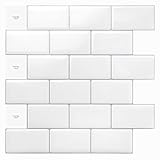
8. Opt for a Seamless Slab Backsplash for Modern Minimalist Style

Luxury and simplicity: Pin this seamless slab backsplash for high-end style!
Product Details
- Custom-fabricated slab of material like quartz, marble, granite, or a solid surface composite.
- Color and pattern selection in light-colored neutral tones or subtle veining to maximize light and create illusion of space.
- Professional template and installation service for precise measurements and a flawless fit, crucial for a seamless look.
- Appropriate adhesive and sealants specified by the fabricator for optimal adhesion and moisture protection.
Installation Process
- Consult with a fabricator to discuss material options, measurements, and installation. This is typically not a DIY project due to the size and weight of slabs.
- Schedule a professional to create a precise template of your backsplash area, taking into account outlets and irregularities.
- Approve the material selection and template before fabrication begins.
- Prepare the wall: ensure it’s clean, dry, and flat. Reinforcements might be needed due to the weight of some slabs.
- Professional installers will carefully apply adhesive and mount the slab, ensuring perfect alignment and levelness.
- Secure the slab in place until the adhesive cures.
- Seal natural stone materials like marble periodically for stain resistance and moisture protection, as advised by manufacturer recommendations.
Pro-Tip: While a seamless slab backsplash can be a significant investment, its durability rating and aesthetic cohesion make it a long-lasting quality solution for a small kitchen. When choosing materials, prioritize light-colored options for maximize light, and discuss mitered edges with your fabricator for an ultra-sleek finish, a technique showing topical_authority_advanced expertise.

9. Minimize Grout Lines with Matching Grout

Seamless style: Pin this minimal grout backsplash for an uncluttered look!
Supplies Needed
- Tiles of choice (preferably light-colored ceramic or porcelain tiles with rectified edges)
- Thin-set mortar
- Non-sanded or sanded grout (ensure it’s precisely matched to your tile color; test a small amount first)
- Grout colorant (optional, for perfect matching tones)
- Tile spacers (narrowest available, e.g., 1/16th inch)
- Notched trowel, grout float, sponge
- Wet saw
- Grout sealer
Step-by-Step Directions
- Install your chosen light-colored tiles, ensuring consistent and minimal grout lines using the narrowest possible tile spacers.
- Allow the thin-set mortar to cure completely.
- Mix your grout according to package directions. If using grout colorant, mix it in thoroughly until you achieve a matching tone that blends perfectly with your tiles.
- Apply the grout using a grout float, working in small sections and pressing firmly to ensure it fills all the gaps.
- Wipe off excess grout immediately with a damp sponge, rinsing the sponge frequently. Be meticulous to avoid leaving any haze.
- Buff the tiles with a clean, dry cloth once the grout has slightly set to ensure a smooth, clean finish.
- Allow the grout to cure for 48-72 hours.
- Apply a high-quality grout sealer to protect against stains and moisture protection.
Pro-Tip: The secret to minimal grout lines in a small kitchen isn’t just narrow spacers; it’s matching tones for your grout colors. Experiment with samples to find a grout shade that virtually disappears against your tile. For superior durability and stain resistance in high-traffic kitchen areas, consider epoxy grout, a tested material that significantly reduces maintenance and enhances the seamless look.
Key Takeaways: Your Quick Guide to Small Kitchen Backsplash Ideas
- Reflectivity is Key: Choose glossy, glass, or mirrored backsplashes to dramatically bounce light and create the illusion of larger space in your small kitchen, directly combating dark kitchen issues.
-
Think Vertically: Installing subway tiles in a vertical pattern draws the eye upward, maximizing visual height and making cramped space feel more open and airy.
-
Budget-Friendly & Flexible: Peel and stick tiles offer an easy to install and cost-effective update for small kitchen backsplash ideas, perfect for renters or those seeking a temporary aesthetic upgrade.
-
Seamless is Spacious: Large format tiles or single slab backsplashes minimize grout lines, creating a seamless look that reduces visual clutter and makes your small kitchen appear more expansive and minimalist.
-
Light Colors Always Win: Bright white or light-colored tiles are a proven method for maximizing light and creating illusion of space, providing a fresh and clean foundation for any small kitchen backsplash.
-
Subtle Texture Adds Depth: Opt for subtle textured 3D tiles in neutral tones to add visual interest and dimension adding without overwhelming the limited small space dimension.
-
Grout Matters for Cohesion: Using matching tones for your grout with narrow lines helps minimize grout lines, making your backsplash appear as one continuous surface, further enhancing the seamless look.
People Also Ask About Small Kitchen Backsplash Ideas
What is the best backsplash for a small kitchen?
The best backsplash for a small kitchen often involves materials that reflect light and visually expand the space, such as glass, high-gloss ceramic, or mirror tiles. Light-colored options like white or light gray also contribute to an airy feel, while patterns installed vertically can draw the eye upward, creating an illusion of height. Ultimately, the best choice balances personal style with these space-maximizing design principles for your tiny kitchen backsplash.
What color backsplash makes a kitchen look bigger?
Light and neutral colors, particularly bright white, light gray, or subtle pastels, are most effective at making a small kitchen look bigger. These light-colored shades reflect natural and artificial light, which helps to maximize light and prevent the walls from feeling like they’re closing in. Using matching tones for both the backsplash and grout colors further enhances a seamless and expansive visual effect.
Can you use peel and stick on backsplash?
Yes, high-quality peel and stick tiles are an excellent budget-friendly and temporary option for a small kitchen backsplash, especially for renters. They are designed for easy to install application over existing smooth surfaces and can be removed without damage, making them ideal for rental limitations. Ensure you choose products specifically rated for kitchen use to withstand heat and moisture behind your stove backsplash area.
Is subway tile still in style 2026?
Yes, subway tile remains a timeless and versatile choice, and it is definitely still in style for 2026, particularly with modern twists. For small kitchens, consider installing it vertically to maximize impact and visual height, or opt for a larger format tiles variation for a more contemporary, seamless look. Its classic clean lines continue to complement various kitchen layouts and color palettes.
How much does a small kitchen backsplash cost?
The cost of a small kitchen backsplash varies widely based on material and installation method, ranging from $50 for DIY peel and stick tiles to over $1,000 for professional installation of luxury small kitchen backsplash materials like marble mosaic or seamless slab quartz. Budget-friendly options include DIY ceramic tile and peel and stick, while custom materials and professional labor will increase the total investment.
What size tile is best for a small kitchen?
For a small kitchen, larger format tiles or smaller, uniform tiles like classic subway tile can work best, depending on the desired effect. Large format tiles minimize grout lines, creating a seamless look that expands space. If opting for smaller tiles, keep them light-colored and consider minimal grout lines with matching tones to prevent the space from feeling too busy or cramped.
Where should a kitchen backsplash end?
A kitchen backsplash should ideally extend from the countertop up to the base of the upper cabinets for a clean, cohesive look, especially in small kitchens. In areas without upper cabinets, it can extend to the ceiling or end at the natural break point of a wall or window frame, ensuring aesthetic cohesion. Avoid awkward stops mid-wall to maintain clean lines and prevent visual chop.
How to install backsplash over existing tile?
Installing a backsplash over existing tile is possible if the original surface is clean, sound, and level, though often not the recommended professional installation method. You’ll need to thoroughly clean and degrease the existing tile, then apply a bonding primer to ensure proper adhesion. A layer of thin-set mortar can then be used to apply new tiles. This process requires careful surface prep to prevent issues.
Should backsplash be lighter or darker than the countertop?
For small kitchens, it’s generally recommended for the backsplash to be lighter than or the same tone as the countertop to create illusion of space and maximize light. A darker backsplash can absorb light, making the kitchen feel smaller and heavier. However, a bold, dark backsplash can work as a focal point if the rest of the kitchen, including white cabinets and lighting, is kept very bright.
Is glass tile better than ceramic for a small kitchen backsplash?
Glass tile often offers advantages over ceramic tile for small kitchens due to its inherent reflective surfaces which maximize light and create illusion of space. It can also provide a more chic and modern aesthetic with a sleek, glossy finish. While ceramic tile is durable and cost-effective, glass typically enhances luminosity, making the kitchen appear brighter and more expansive.
Final Thoughts on Small Kitchen Backsplash Ideas
Embarking on a small kitchen renovation can feel daunting, but as we’ve explored, the right backsplash choice holds immense power to transform your space. From the light-maximizing properties of reflective surfaces to the visual height created by vertical subway tile, each of these small kitchen backsplash ideas offers a unique solution to the common challenges of a cramped space. Remember that even subtle changes, like selecting light-colored tiles and matching tones of grout, can make a significant difference in how expansive and inviting your kitchen feels.
By focusing on materials and layout that create illusion of space and maximize light, you can achieve a seamless look that not only boosts functionality but also maximizes style. Whether you opt for a diy small kitchen backsplash project with peel and stick tiles or invest in luxury small kitchen backsplash materials like a seamless slab for a modern minimalist aesthetic, the goal remains the same: to create a kitchen that feels bigger, brighter, and perfectly tailored to your needs. These design trends 2026 are more than just aesthetics; they are strategic decisions to enhance your daily living.
Now that you’re armed with expert advice and a wealth of small kitchen backsplash ideas, which approach will you implement to update your kitchen and make it feel truly expansive?
Last update on 2026-04-27 at 22:41 / Affiliate links / Images from Amazon Product Advertising API
