
As an Amazon Associate KitchenwareSets.com earns from qualifying purchases.
Small Kitchen Cabinets: 5 Essential Storage & Design Ideas
Struggling with a kitchen that feels cramped and chaotic? You’re not alone in battling cluttered kitchen counters and a constant lack of storage. That feeling of having no room to cook or organize is a common frustration with small kitchen cabinets.
Small kitchen cabinets are essential for maximizing functionality and aesthetics in compact spaces, addressing common issues like limited storage and clutter through intelligent design and organization. This guide offers five expert-backed ideas to transform your tiny kitchen.
Drawing from proven methodologies and expert design principles, we’ll show you how to unlock your kitchen’s hidden potential. This post explores essential kitchen storage solutions and design ideas. You’ll discover how to create a space that is not only functional but also a joy to be in.
Contents
show
Transform Your Tiny Kitchen: Smart Small Kitchen Cabinets Ideas for Maximized Space
The challenge of a small kitchen often boils down to one critical element: storage. When your small kitchen cabinets are dysfunctional or insufficient, the entire room suffers, leading to limited storage space and a feeling of constant disarray. This isn’t just about aesthetics; it impacts your daily routine, making meal prep stressful and cleanup a chore. However, the right approach to cabinetry can completely redefine a compact kitchen. By focusing on smart design and innovative kitchen storage solutions, you can enhance kitchen flow, reclaim your countertops, and create a space that feels surprisingly expansive and perfectly organized. This guide is built on proven layout strategies to help you achieve just that.
Small Kitchen Cabinets: 5 Essential Storage & Design Ideas for Your Compact Space
Moving from identifying the problem to actively solving it, we present five powerful ideas for your small kitchen cabinets. Each strategy is designed to tackle a specific challenge common in compact kitchens, from underutilized corners to cluttered surfaces. We’ll explore how specific cabinet types and organizational systems can provide extra storage, integrate with appliances, and dramatically improve your kitchen’s usability. This section serves as a practical blueprint, offering not just inspiration but also actionable steps and product suggestions to help you implement these space saving kitchen cabinets solutions effectively.
1. Maximize Vertical Space with Tall, Narrow Cabinets

Pin this genius vertical storage idea to your ‘Small Kitchen Hacks’ board!
What You Need for Vertical Storage
- Tall, narrow pantry cabinets: Look for units with adjustable shelving and a depth of 12-15 inches to fit into awkward spaces or alongside appliances, often with soft close hinges for quiet operation.
- Filler strips and moldings: Essential for creating a seamless look and filling small gaps between cabinets and walls, ensuring a built-in appearance.
- Leveling shims: To ensure your tall kitchen cabinets are perfectly plumb and stable on uneven floors, crucial for high quality construction.
How to Implement Tall Cabinet Storage
- Measure meticulously: Measuring kitchen space accurately is paramount. Identify unused wall sections or awkward corners that can accommodate slimline kitchen cabinets.
- Choose the right style: Select modern small kitchen cabinets or shaker style small cabinets that visually extend upwards, matching your kitchen’s aesthetic.
- Securely mount: If mounting to the wall (especially floor-to-ceiling), ensure professional installation practices are followed, verifying load bearing capacity and securing pantry units to wall studs.
- Organize interiors: Use specialized pantry organizers like door-mounted spice racks or pull-out shelves to maximize every inch of the small space storage.
Pro-Tip: For truly ergonomic kitchen design in a compact space, consider frameless vs framed cabinets. Frameless cabinets offer slightly more internal storage volume, which is a significant advantage when maximizing vertical space.
2. Integrate Smart Pull-Outs & Drawer Organizers

Save this brilliant organization hack to your ‘Kitchen Goals’ board!
What You Need for Smart Organization
- Full-extension pull-out shelves: Ideal for deep small kitchen cabinets, these allow you to maximize storage by bringing items at the back into full view.
- Tiered spice racks and drawer dividers: Essential for organizing cabinet interiors and keeping small items contained and accessible.
- Waste bin pull-outs: A hidden storage solution for garbage and recycling, freeing up valuable floor space.
- Pot and pan organizers: Adjustable racks that prevent stacking, protecting cookware and configuring shelf heights efficiently.
How to Implement Internal Cabinet Organizers
- Assess current needs: Before ordering kitchen samples or organizers, empty your cabinets and categorize items. This helps identify which limited storage space areas need attention.
- Measure precisely: Take accurate internal dimensions of your existing small kitchen cabinets – width, depth, and height – to ensure a perfect fit for pull out drawers or inserts.
- Install strategically: Follow instructions for installing kitchen cabinets accessories. Most pull-out drawers require drilling into the cabinet base or sides.
- Assign zones: Designate specific zones for different categories (e.g., baking supplies, cleaning products, cookware) to maintain kitchen cabinet organization.
Pro-Tip: When choosing pull-out vs swinging doors for a small kitchen, pull-outs generally offer superior accessibility, especially for deep small kitchen cabinets. Look for systems with soft close hinges for added convenience and longevity.

3. Conquer Corner Cabinets with Intelligent Solutions

Conquer those tricky kitchen corners! Pin this to your ‘Smart Storage’ board!
What You Need for Corner Cabinet Optimization
- Lazy Susans: Revolving circular shelves, available in half-moon or full-circle designs, perfect for small appliances or pots and pans in standard corner units.
- Magic Corner units: Sophisticated pivoting pull-outs that bring shelves from the blind corner solutions fully out of the cabinet, ideal for larger items.
- D-shaped pull-outs: A modern alternative that offers better accessibility than traditional lazy Susans, often featuring durable materials like chrome or stainless steel.
How to Transform Corner Cabinet Space
- Identify corner type: Determine if your kitchen has a standard L-shaped corner cabinet or a blind corner solution (where one cabinet extends past another, creating inaccessible space).
- Measure internal dimensions: Crucial for selecting the correct size of corner carousels or pull-out systems to maximize corner space.
- Professional installation consideration: While some solutions are DIY-friendly, installing kitchen cabinets components like magic corners might benefit from professional installation due to complexity.
- Organize for heaviest items: Store infrequently used or heavier items like large pots, small appliances, or serving dishes in these hidden storage solutions as they can hold a significant load bearing capacity.
Pro-Tip: The kitchen work triangle is even more critical in small kitchens. Intelligent blind corner solutions can significantly improve workflow by making items accessible without requiring you to step too far out of your primary work zones.

4. Opt for Shallow-Depth & Slimline Cabinetry

Need space? Pin this smart slimline cabinet idea to your ‘Apartment Living’ board!
What You Need for Slim Storage
- Shallow-depth base cabinets: Typically 12-18 inches deep instead of the standard 24 inches, perfect for narrow kitchen walkthroughs or compact kitchen cupboards.
- Slimline wall cabinets: With reduced depth, these upper kitchen cabinets are ideal for preventing a bulky feel, particularly over a breakfast bar or small eating nook.
- Customizable sizes: Consider cabinets with customizable sizes if a standard shallow depth cabinets unit doesn’t fit your exact small kitchen footprint.
How to Incorporate Shallow Cabinets
- Identify underutilized walls: Look for walls that can’t accommodate standard-depth units due to traffic paths or adjacent fixtures.
- Plan internal organization: Since depth is limited, organizing cabinet interiors is key. Use magnetic spice racks on doors or slim vertical dividers for maximum efficiency.
- Choose light finishes: White small kitchen cabinets or other light-colored glossy kitchen cabinets can help light reflecting finishes visually expand the space, preventing the slimline kitchen cabinets from feeling too dense.
- Integrate task lighting: Integrated task lighting underneath upper kitchen cabinets not only improves visibility but also adds visual appeal to these sleek units.
Pro-Tip: When dealing with very narrow kitchen walkthroughs, even a few inches of extra clearance can make a difference. Standard vs shallow depth cabinets often present a trade-off between storage volume and circulation space, but for small kitchens, prioritizing circulation can enhance kitchen flow.
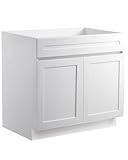
5. Utilize Creative Door Storage & Appliance Garages

Free up your counter space! Pin these hidden storage ideas to your ‘Kitchen Organization’ board!
What You Need for Hidden & Door Storage
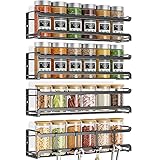
- Door-mounted racks: Spice racks, cutting board holders, or even small baskets that hang on the inside of small kitchen cabinets doors, utilizing otherwise dead space.
- Appliance garage cabinets: Dedicated cabinet sections, often with a roll-up or swing-out door, designed to house toasters, coffee makers, and other small appliances.
- Magnetic cabinet locks: For safely securing under-cabinet organization in family homes, creating hidden storage solutions.
- Over-the-door pantry organizers: Similar to door-mounted racks but designed for larger pantry doors, suitable for cleaning supplies or dry goods.
How to Implement Creative Cabinet Storage
- Assess door clearance: Before installing kitchen cabinets door organizers, ensure there’s enough space between the door and the shelves when closed, especially for items in deep cabinets.
- Designate appliance zones: Planning kitchen layout should include a specific spot for an integrated appliance housing (appliance garage) near an outlet for easy use.
- Prioritize frequently used items: Place spices, oils, or cleaning supplies on door racks for easy access. Store less-used items deeper in the cabinet or in over-the-fridge storage.
- Consider DIY solutions: Simple DIY tool essentials can turn a regular cabinet door into a customized storage area using hooks or small shelves.
Pro-Tip: When designing small kitchens, consider the kitchen work triangle. Placing your appliance garage strategically between your sink, stove, and refrigerator can optimize kitchen layout and enhance efficiency, preventing cluttered kitchen counters during meal prep.
Key Takeaways: Your Quick Guide to Small Kitchen Cabinets
- Vertical space is your secret weapon for small kitchen cabinets: Utilize tall kitchen cabinets and floor to ceiling cupboards to draw the eye upwards and store more, turning unused wall space into prime real estate.
- Smart interior organizers transform chaos into calm: Invest in pull out drawers, pantry organizers, and specialized pot and pan organizers to make every inch of deep and awkward cabinet spaces fully functional and accessible.
- Conquer dreaded corner cabinets with specialized hardware: Solutions like corner carousels and blind corner solutions are essential for making hard to reach corners accessible and maximizing their storage potential.
- Shallow-depth and slimline cabinetry maintain flow: Opt for shallow depth cabinets or slimline kitchen cabinets in narrow kitchen walkthroughs to provide storage without hindering movement, crucial for any small kitchen footprint.
- Hidden door storage and appliance garages banish counter clutter: Leverage hidden storage solutions like door-mounted racks and integrated appliance housing to keep cluttered kitchen counters clear, enhancing both aesthetics and functionality.
People Also Ask About Small Kitchen Cabinets
What color is best for small kitchen cabinets?
For small kitchen cabinets, light and neutral colors like white, light grey, or pale pastels are often recommended as they reflect light and make the space feel larger and airier. These light reflecting finishes help to visually expand a small kitchen footprint, creating an open and uncluttered aesthetic. While dark vs light cabinets is a personal choice, darker colors can absorb light and make compact areas feel more enclosed, unless strategically used with ample lighting.
How to organize small kitchen cabinets?
Effective small kitchen cabinets organization involves decluttering, categorizing items, and utilizing specialized inserts like pull-out shelves, drawer dividers, and door-mounted racks. Start by removing unused items to address limited storage space. Then, assign specific zones for different categories (e.g., baking, spices, cleaning supplies). Organizing cabinet interiors with pull out drawers and vertical dividers maximizes accessibility and visual order.
Which kitchen cabinets are best for small spaces?
For small kitchen footprint designs, the best small kitchen cabinets are those that prioritize vertical storage, offer smart internal organization, and feature shallow depths. Tall kitchen cabinets or floor to ceiling cupboards maximize vertical space, while solutions like blind corner solutions and pull out drawers make every inch functional. Shallow depth cabinets are also excellent for narrow kitchen walkthroughs, ensuring practicality without sacrificing too much floor area.
How much do small kitchen cabinets cost?
The cost of small kitchen cabinets can vary widely based on material, finish, customization, and brand, typically ranging from a few hundred to several thousand dollars. Affordable kitchen cabinets can be found in ready-made or stock options, while custom small kitchen cabinetry or designs using high quality construction materials will be more expensive. Installation costs, cabinet hardware, and internal accessories also add to the overall investment.
Can you use dark cabinets in a small kitchen?
Yes, you can use dark small kitchen cabinets in a small kitchen, but it requires careful design to prevent the space from feeling cramped or dim. To successfully incorporate dark vs light cabinets in a compact area, balance them with ample lighting (both natural and integrated task lighting), light-colored countertops, and bright backsplashes. This approach ensures the dark cabinetry becomes a sophisticated design element without creating an enclosed atmosphere.
How to maximize storage in small kitchen cabinets?
Maximizing storage in small kitchen cabinets involves a multi-faceted approach: going vertical, utilizing door space, implementing smart inserts, and decluttering regularly. Employ tall kitchen cabinets and over-the-fridge storage for underused vertical areas. Add door-mounted racks for spices or cleaning supplies. Install pull out drawers and pantry organizers to optimize interior space, decluttering kitchen cabinets for continuous efficiency.
Should small kitchen cabinets go to the ceiling?
Yes, small kitchen cabinets should ideally go to the ceiling in compact spaces as it significantly maximizes vertical space and creates a seamless, built-in look. This approach eliminates dust-collecting gaps above cabinets and offers valuable storage for less-frequently used items, contributing to a more expansive and polished kitchen cabinet design. It also aligns with proven layout strategies for small kitchen ideas.
What are the smallest kitchen cabinet sizes?
The smallest standard small kitchen cabinets sizes typically include base cabinets starting around 9-12 inches wide and 12-15 inches deep for shallow units, and wall cabinets as narrow as 12 inches wide. These compact kitchen cupboards are designed to fit into tight spaces or serve as filler units. However, customizable sizes are available from various manufacturers for truly unique or challenging small kitchen footprint dimensions.
What is the best layout for a small kitchen?
The best layout for a small kitchen footprint prioritizes efficiency and the kitchen work triangle to minimize movement between the sink, stove, and refrigerator. Common effective layouts for small kitchen cabinets include the galley kitchen, L-shape, or single-wall kitchen, which enhances kitchen flow and provides maximum counter space. Certified designer tips emphasize intelligent planning kitchen layout to optimize limited storage space.
Where to buy affordable small kitchen cabinets?
You can find affordable kitchen cabinets for small kitchen footprint designs at major home improvement stores like Lowe’s or Home Depot, online retailers, and direct-to-consumer suppliers. These options often include ready made small kitchen units or stock cabinets in popular styles like white small kitchen cabinets or shaker style small cabinets. Comparing ikea vs home depot cabinets or lowes vs wayfair cabinets can yield the best budget-friendly solutions.
Final Thoughts on Small Kitchen Cabinets
Ultimately, transforming your small kitchen isn’t about magic, but about smart, strategic choices in your small kitchen cabinets. By embracing verticality, implementing ingenious internal organizers, conquering awkward corners, opting for shallow depth cabinets, and leveraging every available surface, you can banish the frustration of limited storage space and cultivate a highly efficient, aesthetically pleasing culinary haven. These five ideas are not just about adding storage; they’re about rethinking your kitchen cabinet design to enhance kitchen flow and create a space that feels larger, brighter, and effortlessly organized. With proven layout strategies and the right kitchen storage solutions, your compact kitchen can truly shine.
Which of these small kitchen cabinet ideas are you most excited to implement first in your home? Share your plans in the comments below
Last update on 2026-04-27 at 22:41 / Affiliate links / Images from Amazon Product Advertising API
