
As an Amazon Associate KitchenwareSets.com earns from qualifying purchases.
11 Clever Long Apartment Kitchen Ideas for Small Spaces
Struggling with a kitchen that feels more like a hallway? You’re not alone. The biggest challenge with a long apartment kitchen is the constant battle against feeling cramped, dealing with a lack of counter space, and figuring out where to store everything. It can make cooking feel like a chore instead of a joy.
Maximizing space in a long apartment kitchen involves leveraging vertical storage, optimizing cabinet interiors, and employing visual tricks to expand the perception of width. Key strategies include installing wall-mounted shelves, utilizing slim rolling carts, and integrating strategic lighting to transform the space.
Drawing from established best practices and proven design methodologies, this guide will walk you through clever, actionable solutions. You’ll discover how to turn your narrow kitchen into a functional and stylish hub, with plenty of renter-friendly options. Get ready to reclaim your culinary space and make every inch count.
Contents
show
Transform Your Long Apartment Kitchen into a Functional, Stylish Hub
A long apartment kitchen, often called a galley kitchen, presents a unique set of design challenges. The linear layout can easily create a tunnel-like effect, making the space feel dark and cramped. Common frustrations include a severe lack of counter space for meal prep, limited cabinet storage that quickly becomes cluttered, and an awkward layout that hinders workflow. These issues can make even simple cooking tasks feel complicated and inefficient. However, these constraints also offer an opportunity for creative problem-solving. By focusing on smart small space solutions and efficient design, you can transform this challenging layout into a highly functional and surprisingly spacious-feeling hub. This guide is packed with long apartment kitchen ideas designed to tackle these specific pain points head-on, offering practical, stylish, and often budget-friendly strategies to maximize storage space and improve your daily kitchen experience.
11 Clever Long Apartment Kitchen Ideas to Maximize Storage Space
Now, let’s dive into the actionable strategies that will revolutionize your small apartment galley kitchen. The following 11 ideas are specifically curated to address the core problems of a long apartment kitchen, from cluttered counters to poor lighting. Each tip is designed to be both practical and aesthetically pleasing, with a strong focus on renter-friendly options and smart storage solutions. We’ll cover everything from making the most of your vertical real estate to using visual tricks that make your kitchen feel wider and brighter. Prepare to see your narrow kitchen in a whole new light as you discover how to implement these transformative hacks, turning a cramped workspace into an organized and inspiring culinary zone.
1. Maximize Vertical Space with Wall-Mounted Storage Solutions

Pin this genius hack to your ‘Dream Kitchen’ board!
In a long apartment kitchen, the walls are your greatest untapped resource. Instead of letting that precious vertical real estate go to waste, maximize vertical space with smart wall-mounted storage solutions. This approach draws the eye upward, making the room feel taller, while simultaneously getting items off your valuable countertops. Options like open shelving, versatile pegboards, and even ceiling-height cabinets can dramatically increase your storage capacity without taking up any floor space. For renters, there are plenty of no-drill options like high-strength adhesive hooks and tension rod systems that provide the same benefits without damaging the walls.
Materials Needed
- Floating shelves made from lightweight yet durable materials like bamboo or acrylic
- Adhesive wall hooks or tension rod system for temporary installations (renter-friendly)
- Pegboard panels with assorted hooks and baskets, suitable for a narrow wall
- Under-shelf organizers for maximizing space beneath existing shelves
- Stud finder, level, drill (for permanent fixtures), measuring tape
Step-by-Step Directions
- Assess and Plan: Identify unused wall sections. Measure the available vertical height and width, considering door swings and traffic flow.
- Choose Your System: Decide between floating shelves (clean, modern), pegboards (versatile, customizable), or a combination based on your storage needs and aesthetic.
- Install Renter-Friendly Options: For temporary solutions, use high-strength adhesive hooks or tension rods to hang lightweight items or small shelves.
- Mount Shelves/Pegboards (if permanent): Use a stud finder to locate wall studs for secure attachment. Install brackets or mounting hardware precisely with a level.
- Organize Vertically: Place taller items on upper shelves, frequently used items at eye level. Utilize under-shelf organizers to create extra tiers.
- Declutter Countertops: Transfer items from your countertops to the new wall-mounted storage, freeing up valuable prep space.
Pro-Tip: When planning wall-mounted storage, remember the verticality principle: extend storage as close to the ceiling as possible using ceiling-height cabinets or shelves to draw the eye upward, making the narrow kitchen feel taller and more open, a key element of ergonomic workflow.

2. Install Slim Rolling Carts for Flexible Storage & Workspace

Roll this smart idea into your ‘Small Kitchen Hacks’ board!
One of the biggest complaints about a long apartment kitchen is the no prep area problem. A slim rolling cart is a brilliant and flexible solution. This compact kitchen island on wheels functions as both extra counter space for chopping and mixing, and as mobile flexible storage for appliances, produce, or bar essentials. The best part? You can roll it into the center of the action when you need it and push it to the side or to the end of the counter when you don’t, keeping your narrow walkway clear. This adaptability makes it a perfect fit for a cramped workspace where a permanent island would be impossible.
Materials Needed
- Slim rolling kitchen island or utility cart (narrow width, locking wheels)
- Heavy-duty cutting board (fits cart surface)
- Storage bins or baskets to fit cart shelves
- Magnetic hooks for cart sides
- Measuring tape
Step-by-Step Directions
- Measure Your Space: Accurately measure the width of your long apartment kitchen’s walkway to ensure the rolling cart can move freely without creating a bottleneck.
- Select a Cart: Choose a compact kitchen island or utility cart with locking wheels and a durable, food-safe top surface. Consider carts with multiple shelves or drawers for varied storage.
- Assemble the Cart: Follow manufacturer instructions to assemble your rolling cart, ensuring all wheels are securely attached and lockable.
- Organize Contents: Dedicate shelves to specific categories: appliances, produce, serving ware. Use bins for smaller items to prevent clutter.
- Utilize Side Space: Attach magnetic hooks to the sides of the cart for hanging towels, oven mitts, or lightweight utensils.
- Position for Use: Roll the cart into position when you need extra counter space for meal prep, then move it out of the way to maintain clear traffic flow during cooking.
Pro-Tip: A slim rolling cart can effectively create a flexible kitchen work triangle in a long apartment kitchen, allowing you to bring prep space closer to your cooking or cleaning zone when needed, which significantly improves ergonomic workflow.

3. Optimize Cabinet Interiors with Pull-Out Organizers

Pull out this idea for perfectly organized cabinets!
Deep cabinets in a long apartment kitchen can feel like black holes where pots, pans, and food items go to disappear. The solution is to bring the back of the cabinet to you with pull-out organizers. These genius cabinet storage solutions transform frustratingly deep spaces into highly efficient, accessible storage. Whether it’s a simple sliding shelf for your cookware, a full pull-out larder system for your pantry goods, or blind corner organizers, these mechanisms ensure you can see and reach everything you own. This simple upgrade solves the problem of limited cabinet storage by making every single cubic inch usable.
Materials Needed
- Pull-out wire baskets or chrome drawer systems (various sizes to fit cabinets)
- Full-extension glides (if not included with baskets)
- Drill, measuring tape, pencil, screwdriver
- Safety glasses
Step-by-Step Directions
- Empty and Measure: Completely declutter and empty the cabinet. Measure the interior dimensions (width, depth, height) to ensure compatibility with pull-out organizers.
- Select Organizers: Choose between pull-out wire baskets for general storage, sliding shelves for pots and pans, or specialty organizers for spices or cleaning supplies.
- Install Glides: Follow the manufacturer’s instructions to install the glides securely to the cabinet walls or base. Ensure they are level and aligned for smooth operation.
- Attach Baskets/Shelves: Once glides are in place, attach the pull-out wire baskets or shelves according to the instructions.
- Organize Contents: Load the reorganized cabinet, ensuring frequently used items are easily accessible at the front of the pull-out larder.
- Maintain Order: Regularly review and optimize the contents to prevent the cabinet from becoming a zone of cluttered counters again.
Pro-Tip: For a long apartment kitchen with deep base cabinets, pull-out organizers are essential for ergonomic workflow, preventing back strain and ensuring nothing gets lost in the back, a significant improvement over traditional fixed shelving.

4. Create a ‘Visual Expander’ with Reflective Surfaces

Pin this reflective trick to make your kitchen feel huge!
One of the most effective ways to combat the “tunnel effect” of a long apartment kitchen is to trick the eye. Using reflective surfacing is a powerful visual tool that bounces light around the room, creating an open-concept illusion and making the space feel wider and more bright. A glossy backsplash tile, a polished metal appliance, or even a strategically placed mirror backsplash can work wonders. These surfaces reflect the opposite wall, creating a sense of depth and breaking up the long, monotonous lines of a dark narrow hallway. For renters, peel-and-stick glossy tiles are a fantastic, damage-free option.
Materials Needed
- Peel-and-stick mirror tiles or highly glossy subway tiles (light colors like white, cream, or light grey)
- Tile adhesive (if using traditional tiles)
- Grout (if using traditional tiles)
- Utility knife or tile cutter, measuring tape, level
- Cleaning supplies
Step-by-Step Directions
- Prepare the Surface: Ensure your backsplash area is clean, dry, and smooth. Remove any existing residue or grease.
- Measure and Mark: Measure the backsplash area precisely. Use a level and pencil to draw guide lines for straight installation.
- Apply Reflective Material:
- Peel-and-Stick: Carefully attach peel-and-stick mirror tiles, pressing firmly to avoid air bubbles.
- Traditional Tiles: Apply tile adhesive to the wall, then firmly press glossy subway tiles into place. Use spacers for even gaps.
- Grout (if applicable): If using traditional tiles, apply grout to fill the spaces between tiles once the adhesive is dry, then wipe away excess.
- Clean and Polish: Thoroughly clean the reflective surfacing to maximize its light-bouncing properties and maintain a bright appearance.
- Assess Visual Impact: Step back and observe how the new mirror backsplash visually expands your narrow kitchen, making it feel more open.
Pro-Tip: Utilizing reflective surfacing like a high-gloss backsplash not only makes the kitchen look wider but also enhances task lighting zones by bouncing light deeper into the dark narrow hallway, a clever application of linear perspective tricks.

5. Utilize Under-Sink & Toe-Kick Drawers for Hidden Storage

Reveal hidden storage gems for your small kitchen!
Every inch counts in a long apartment kitchen, and some of the most overlooked areas hold significant storage potential. The awkward space under the sink and the empty void behind your cabinet toe-kicks are prime examples of wasted space. You can reclaim these areas with clever hidden storage solutions. Install a U-shaped under-sink organizer that fits neatly around plumbing to store cleaning supplies. For a more advanced project, toe-kick drawers are a game-changer, providing the perfect spot for flat items like baking sheets, serving platters, or even pet bowls. These concealed storage systems keep clutter out of sight and maximize the storage capacity of your existing footprint.
Materials Needed
- Under-sink pull-out organizer (U-shaped to fit around plumbing)
- Toe-kick drawer kit (pre-assembled or DIY components)
- Drill, measuring tape, level, screwdriver
- Safety glasses
Step-by-Step Directions
- Assess Potential: Identify if your long apartment kitchen has sufficient toe-kick height (typically 4-6 inches) and clear under-sink space for organizers.
- Clear and Clean: Empty the under-sink cabinet and clean thoroughly. Ensure the toe-kick area is clear of obstructions.
- Install Under-Sink Organizer: Follow instructions to install the U-shaped pull-out organizer, ensuring it clears pipes and garbage disposal units.
- Install Toe-Kick Drawer: For a toe-kick drawer kit, carefully cut an opening in the toe-kick panel (if not pre-cut) and assemble the drawer box and glides. Attach the drawer front to blend seamlessly with existing cabinetry.
- Organize Discreetly: Use the under-sink organizer for cleaning supplies. The toe-kick drawer is ideal for flat items like baking sheets, serving trays, or even pet food bowls.
- Maintain Hidden Storage: Keep these areas organized so they remain a practical extension of your concealed storage systems.
Pro-Tip: Integrating toe-kick drawers is a masterful application of negative space utilization in a long apartment kitchen, transforming otherwise wasted wall space (or floor space) into highly functional, hidden storage for less-frequently used items.

6. Brighten and Widen with Strategic Lighting

Light up your kitchen and make it look bigger!
Poor lighting is one of the biggest culprits in making a long apartment kitchen feel like a dark narrow hallway. A single overhead fixture is rarely enough and often casts shadows on your workspace. The solution is layered, strategic lighting. The most impactful addition is under-cabinet lighting, which illuminates your countertops, creating functional task lighting zones and making the kitchen feel instantly brighter and more open. Combine this with a good ambient ceiling light and perhaps an accent light over the sink. For renters, battery-operated or plug-in LED strips are an easy, damage-free way to achieve this high-end look and dramatically improve the feel of your bright kitchen.
Materials Needed
- Battery-operated LED strip lights or puck lights (renter-friendly)
- Under-cabinet lighting with adhesive backing or magnetic mounts
- Small, bright ceiling flush-mount fixture (if possible)
- Warm or cool white LED bulbs
- Measuring tape
Step-by-Step Directions
- Assess Current Lighting: Identify areas with poor lighting or shadows that make the long apartment kitchen feel cramped and dim.
- Install Under-Cabinet Lighting: Apply battery-operated LED strip lights or puck lights beneath upper cabinets. These create functional task lighting zones and eliminate shadows on countertops.
- Add Ambient Lighting: Ensure a main ceiling fixture provides overall brightness. If not, consider a bright flush-mount fixture that diffuses light evenly.
- Incorporate Accent Lighting: Use small, directional lights to highlight decorative elements or bounce light off a reflective surfacing backsplash, enhancing the illusion of space.
- Choose Light Temperature: Opt for cooler white light (4000K-5000K) to create a crisper, more expansive feel, contrasting with warmer light in adjacent rooms to make the kitchen pop.
- Utilize Natural Light: Keep windows unobstructed. Consider sheer curtains instead of heavy drapes to let in maximum daylight, further brightening the space.
Pro-Tip: For a long apartment kitchen, strategic lighting is paramount. By implementing layered lighting – under-cabinet lighting for tasks, and a brighter general light for ambiance – you effectively make the narrow kitchen look wider and more inviting, leveraging task lighting zones to their full potential.

7. Declutter Countertops with Magnetic Strips & Pot Racks

Keep your kitchen counters clear and stylish with these tricks!
Nothing makes a long apartment kitchen feel smaller than cluttered counters. To solve the no prep area problem and save counter space, go vertical. A magnetic knife strip mounted on the wall is a sleek, modern way to store knives safely without a bulky block. Similarly, wall-mounted pot racks can turn your cookware into a stylish display while freeing up an entire cabinet. By getting bulky items off your horizontal surfaces and onto the walls, you instantly create a more functional, organized, and clutter-free workspace. This strategy is a perfect example of effective wall space utilization.
Materials Needed
- High-strength magnetic knife strip (wall-mounted, with adhesive or screw options)
- Compact wall-mounted pot rack with S-hooks
- Drill, level, measuring tape, pencil
- Cleaning cloths
Step-by-Step Directions
- Identify Prime Wall Space: Look for empty wall areas above your existing countertop or stove that are easily accessible but won’t obstruct movement.
- Clear Countertops: Begin by removing all items from your cluttered counters to visualize the potential space.
- Install Magnetic Strip: Position the magnetic knife strip at a convenient height above your prep area. For renters, use heavy-duty adhesive strips; for owners, screw into studs for maximum security.
- Mount Pot Rack: Install the compact wall-mounted pot rack near your stove or prep zone. Ensure it’s sturdy enough to hold your heaviest pots and pans.
- Hang Utensils & Cookware: Neatly attach knives, metal utensils, and frequently used pots and pans to their new vertical homes.
- Enjoy Clear Counters: Relish your newly decluttered countertops, which now offer more prep area and contribute to a more functional kitchen.
Pro-Tip: A well-placed magnetic knife strip and wall-mounted pot rack are excellent examples of vertical space utilization, transforming previously wasted wall space into efficient, accessible storage that directly combats the problem of cluttered counters and no prep area in a long apartment kitchen.

8. Design a Compact Breakfast Nook or Fold-Down Table

Unfold brilliance: a dining spot even in your tiny kitchen!
Wish you had a spot for a quick coffee or a casual meal, but have no room for a dining table? A fold-down table is the perfect solution for a long apartment kitchen. This piece of dual-purpose furniture mounts to the wall and folds away flat when not in use, preserving your narrow walkway. When extended, it provides a convenient surface for eating, working, or extra prep. Paired with a couple of slim bar stools that can be tucked underneath or hung on the wall, you can create a charming and compact breakfast nook without sacrificing precious floor space.
Materials Needed
- Wall-mounted fold-down table kit (appropriate size for your wall)
- Compact bar stools that tuck away easily (collapsible or stackable)
- Drill, level, measuring tape, pencil, screwdriver
- Safety glasses
Step-by-Step Directions
- Identify Location: Choose a clear wall section in your long apartment kitchen that can accommodate a fold-down table without obstructing the narrow walkway when extended.
- Measure & Mark: Measure the table’s dimensions and mark the mounting points precisely using a level.
- Install Mounting Hardware: Securely install the table’s mounting bracket to the wall, ideally into studs, following the manufacturer’s instructions.
- Attach Tabletop: Assemble and attach the tabletop to the mounted hardware. Test the folding mechanism to ensure smooth operation.
- Select Seating: Pair with compact bar stools that can be easily stored underneath the table when folded or hung on a nearby wall.
- Create a Nook: Add a small wall-mounted shelf above the table for decor or frequently used items, creating a cozy breakfast nook.
Pro-Tip: A strategically placed fold-down table in a long apartment kitchen effectively transforms into a temporary compact breakfast nook, demonstrating how modular cabinetry and furniture can expands your functional space while adhering to clearance zones for optimal traffic flow.

9. Streamline Appliances with Integrated or Mini Versions

Discover the secret to sleek, space-saving kitchen appliances!
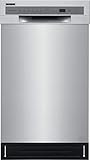
Bulky, visible appliances can visually shrink a long apartment kitchen. To create a more streamlined and sleek look, consider downsizing or hiding your appliances. Integrated appliances, which are concealed behind panels that match your cabinetry, are the ultimate space-saving luxury. They make refrigerators and dishwashers disappear, creating a seamless, uninterrupted line. If a full renovation isn’t an option, swapping out standard-sized items for compact appliances—like an 18-inch dishwasher instead of a 24-inch, or a counter-depth refrigerator—can make a huge difference in freeing up floor and counter space.
Product Selection
- Integrated dishwasher (panel-ready, 18-inch width ideal for narrow spaces)
- Compact refrigerator (counter-depth or under-counter models)
- Mini induction cooktop (single or double burner, portable for flexibility)
- Slim microwave (over-the-range or under-cabinet mount)
- Measuring tape, cabinetry specifications
Integration Tips
- Measure Precisely: Before purchasing, measure the exact dimensions of your available space, including cabinet openings and depths, to ensure proper fit for compact appliances.
- Choose Integrated Options: Opt for integrated appliances that can be fitted with custom panels to match your cabinetry, minimizing their visual impact and creating a seamless look.
- Consider Mini Versions: For cooktops and microwaves, look for a mini induction cooktop or slim, under-cabinet microwaves that save counter space and maintain a sleek aesthetic.
- Maximize Refrigerator Space: Choose a counter-depth or compact refrigerator to avoid protrusion into the narrow walkway, or an under-counter model if primary fridge space is elsewhere.
- Professional Installation: For an integrated dishwasher or other built-in units, consider professional installation to ensure proper fit and functionality.
- Optimize Workflow: Position compact appliances strategically to maintain an efficient kitchen work triangle, even if it’s a scaled-down version.
Pro-Tip: When dealing with small fridge space and limited room in a long apartment kitchen, opting for integrated appliances and compact appliances is a superior solution. This approach aligns with modular cabinetry principles, making the kitchen feel larger and more sleek by reducing visible appliances.
10. Employ Clever Door Storage & Over-Door Organizers

Unlock hidden storage behind every kitchen door!
The backs of your pantry and cabinet doors are often completely unused, representing prime real estate for storage in a small apartment kitchen. Over-door organizers are a renter’s best friend—they require no installation and instantly add tiers of storage for spices, cleaning supplies, aluminum foil, and other small items. This simple hack is a form of negative space utilization, turning wasted wall space into a functional storage zone. By moving smaller items from your shelves to the door, you free up valuable room inside your cabinets for larger, bulkier things.
Materials Needed
- Over-the-door pantry organizer (full-length or tiered baskets)
- Over-the-cabinet door hooks or small shelves
- Measuring tape
Step-by-Step Directions
- Identify Opportunities: Look at the back of your pantry door, and any large cabinet doors (e.g., under the sink) in your long apartment kitchen.
- Measure Clearances: Measure the width of the door and the depth of the available space between the door and the shelves when closed to ensure the organizer fits without preventing the door from shutting.
- Choose Organizers: Select over-the-door pantry organizers for bulkier items like canned goods or foil wraps, and over-the-cabinet door hooks for towels or lighter tools.
- Install Organizers: Most over-door organizers simply hook over the top edge of the door, making them ideal for renters. For more permanent solutions, you can screw them in (if allowed).
- Categorize Items: Organize items logically: spices near the stove, cleaning supplies under the sink, and pantry overflow on the pantry door.
- Maintain Accessibility: Regularly review your door storage to ensure it remains functional and doesn’t become another source of clutter, which would counteract its purpose.
Pro-Tip: Utilizing clever door storage is a prime example of negative space utilization in a long apartment kitchen, transforming often-overlooked wasted wall space behind doors into highly accessible and efficient storage, significantly maximizing the overall storage space.

11. Paint and Decorate to Create Depth and Illusion

Trick your eyes: make your narrow kitchen feel wider with paint!
Never underestimate the power of paint to completely transform a space. By applying some basic color theory for rooms, you can visually reshape your claustrophobic kitchen. To make the narrow kitchen look wider, paint the two long walls a light, cool color like a pale gray or soft white. Then, paint the shorter wall at the far end a slightly darker or more saturated accent color. This linear perspective trick draws the eye to the end of the room, making the long walls appear to recede and the space feel wider. Complement this with a runner rug with horizontal stripes to further enhance the illusion of width.
Design Elements
- Light, cool-toned paint colors (whites, light blues, pale grays)
- Slightly darker or accent color for the far end wall
- Narrow runner rug with horizontal stripes (for perceived width)
- Minimalist wall art or a large mirror for reflection
- Sheer curtains or blinds for windows
Implementation Steps
- Choose Paint Colors: Select light, cool tones for the longer walls of your long apartment kitchen. For the far end wall, choose a slightly darker shade of the same color, or a complementary accent color to draw the eye.
- Prep and Paint (Renter-Friendly): If renting, use renter friendly removable wallpaper or discuss painting with your landlord. Otherwise, prep walls (clean, tape edges) and apply chosen paints.
- Use Horizontal Lines: Introduce a narrow runner rug with horizontal stripes or install wall-mounted shelving that emphasize horizontal lines to visually stretch the space.
- Strategic Wall Art: Hang a single, impactful piece of art or a large mirror on the far end wall. This creates a focal point and enhances linear perspective tricks.
- Declutter & Simplify: Maintain a minimalist lifestyle in your decor. Avoid bulky items that interrupt sightlines.
- Assess Visual Impact: Notice how these strategic paint and decor choices create depth and illusion, making your narrow kitchen feel airy and more expansive.
Pro-Tip: Applying color theory for rooms in a long apartment kitchen is a powerful linear perspective trick: painting longer walls in light, cool tones while using a slightly darker or accent color on the short end wall effectively makes the narrow kitchen look wider and less like a dark narrow hallway, creating visual depth.
Key Takeaways: Your Quick Guide to Long Apartment Kitchen Ideas
- Embrace Vertical Space: Don’t forget your walls! Maximize vertical space with wall-mounted shelves, pegboards, and pot racks to save counter space and utilize often-overlooked areas in your long apartment kitchen.
- Integrate Mobile Solutions: Install slim rolling carts to gain flexible counter space and storage that can be moved out of your narrow walkway when not in use, creating dynamic functionality.
- Optimize Cabinet Interiors: Transform deep or awkward cabinets with pull-out organizers and lazy Susans, making every item accessible and effectively solving the limited cabinet storage problem.
- Unlock Hidden Storage: Leverage under-sink areas and toe-kick drawers for discreet storage of flat items or cleaning supplies, converting wasted wall space into valuable organizational real estate.
- Brighten with Strategic Lighting: Implement layered lighting, especially under-cabinet lighting, to eliminate shadows, enhance functionality, and visually make the narrow kitchen look wider and more inviting.
- Create Visual Expansion: Employ reflective surfaces like glossy backsplashes or strategically placed mirrors, along with linear perspective tricks in paint, to visually create depth and illusion, making your long apartment kitchen feel more spacious.
- Streamline Appliances Smartly: Opt for compact appliances or integrated appliances to reduce visual clutter and fit essential functions into your small apartment galley kitchen without sacrificing crucial counter space.
People Also Ask About Long Apartment Kitchens
How to organize a long narrow kitchen effectively?
Effectively organizing a long narrow kitchen involves maximizing vertical space, utilizing flexible storage solutions, and decluttering countertops. Implement wall-mounted shelves, pegboards, and pot racks, use slim rolling carts for adaptable workspace, and optimize cabinet interiors with pull-out organizers. These strategies ensure every inch serves a purpose without hindering movement or creating a cramped feel.
Can you put an island in a galley kitchen?
While a traditional fixed island is generally not recommended for a true galley kitchen due to narrow walkways, a slim rolling cart or a compact mobile island is an excellent alternative. These movable solutions provide extra counter space and storage during use, and can be easily tucked away, preserving essential traffic flow and preventing a cluttered, inefficient layout in a narrow space.
How do I make my narrow kitchen look wider visually?
To make a narrow kitchen look wider, employ strategic lighting, reflective surfaces, and specific paint choices. Install under-cabinet lighting and bright overhead fixtures. Use a high-gloss or mirror backsplash to bounce light and create depth. Paint longer walls in light, cool tones and consider a slightly darker accent on the far end wall to shorten perceived length.
What is the best layout for a long kitchen to ensure ergonomic workflow?
The best layout for a long kitchen, often a galley style, prioritizes the “work triangle” by placing the sink, stove, and refrigerator in close proximity along one or both walls. This linear arrangement minimizes steps between key functional zones. Utilizing compact appliances and ensuring clear clearance zones are also crucial for maintaining an efficient and ergonomic workflow in a narrow space.
How to add storage to a small apartment kitchen on a budget?
Adding budget-friendly storage to a small apartment kitchen involves smart utilization of existing spaces and affordable vertical solutions. Consider over-the-door organizers for pantry items, magnetic strips for knives, and basic wall-mounted shelves. DIY options like tension rod storage, adhesive hooks, and re-purposed bins can significantly boost storage without a large investment.
Are galley kitchens out of style, or are they still functional?
Galley kitchens are not out of style; they remain highly functional, especially in long apartment kitchens, due to their efficient use of space and optimal workflow. Modern galley designs often feature sleek, minimalist aesthetics, smart storage solutions, and integrated appliances that enhance their contemporary appeal. Their compact layout makes them incredibly effective for cooking.
How to light a narrow kitchen effectively to avoid shadows?
Effectively lighting a narrow kitchen involves a layered approach with ambient, task, and accent lighting to eliminate shadows and enhance brightness. Install under-cabinet LED strip lights for task illumination over countertops, bright flush-mount fixtures for general ambient light, and consider small ceiling recessed lights. Avoid a single, central light source which can create dark corners.
What are the best compact appliances for a tiny kitchen?
For a tiny kitchen, the best compact appliances include 18-inch dishwashers, compact or under-counter refrigerators, and single or double-burner induction cooktops. Slim microwaves that can be mounted under cabinets or over the range are also excellent space-savers. Choosing integrated, panel-ready appliances helps them blend seamlessly, creating a more cohesive look.
How do you fix a kitchen with no counter space?
To fix a kitchen with no counter space, prioritize vertical storage and introduce flexible prep surfaces. Install magnetic knife strips, wall-mounted pot racks, and open shelving to free up existing counters. Supplement with a slim rolling cart or a pull-out cutting board for additional temporary workspace, and utilize over-sink cutting boards.
How to make a long kitchen feel cozy and inviting?
To make a long kitchen feel cozy, integrate warm textures, soft lighting, and personal touches without adding clutter. Use a runner rug, natural wood accents, and ambient under-cabinet lighting. Introduce a small plant or framed art. Avoid stark, overly minimalist designs; instead, opt for an inviting aesthetic that maintains an open and bright, yet intimate, atmosphere.
Final Thoughts on Long Apartment Kitchen Ideas
Transforming a long apartment kitchen from a challenging constraint into a functional, stylish, and highly efficient culinary space is entirely achievable with the right approach. By strategically leveraging every available inch – from maximizing vertical space with smart wall-mounted solutions to optimizing cabinet interiors with pull-out organizers – you can effectively combat the frustrations of limited cabinet storage and cluttered counters. Remember the power of illusion: strategic lighting and reflective surfaces can visually expand your narrow kitchen, making it feel more open and inviting.
Ultimately, the goal is to create a kitchen that not only solves the practical problems of a cramped workspace but also genuinely enhances your apartment living experience. Whether you’re a renter seeking renter-friendly hacks or a homeowner looking for long-term solutions, these 11 clever long apartment kitchen ideas provide a comprehensive blueprint for success. Embrace the process, personalize your space, and enjoy the profound impact these changes will have on your daily life.
What’s the first long apartment kitchen idea you’re excited to try?
Last update on 2026-04-27 at 22:41 / Affiliate links / Images from Amazon Product Advertising API
