
As an Amazon Associate KitchenwareSets.com earns from qualifying purchases.
Custom Pull-Out Cleaning & Vacuum Closet: Smart Hidden Kitchen Storage Solution
Is your broom constantly tipping over, creating a messy avalanche of cleaning supplies every time you open the closet? You’re not alone in facing this frustrating clutter, where essential tools are either buried in the back or create a constant eyesore. It’s a common struggle with wasted cabinet space and disorganized utility areas.
A Custom Pull-Out Cleaning & Vacuum Closet is a specialized, narrow cabinet that slides out on tracks to provide easy access to tall items like brooms, mops, and vacuums. Designed to transform cluttered nooks into highly organized and hidden storage hubs, it’s the ultimate solution for maximizing storage efficiency and keeping cleaning tools neatly out of sight within a kitchen or utility area.
Drawing from established best practices and data-driven design insights, this guide will walk you through everything you need to know. You will discover seven smart and actionable ways to design the perfect pull-out system for your home. Get ready to finally conquer the clutter and create a cleaning closet that is as functional as it is beautiful.
Contents
show
Why Is Your Broom Always Falling Over? The Ultimate Guide to a Custom Pull-Out Cleaning & Vacuum Closet
That familiar crash of a falling broom is more than just an annoyance; it’s a symptom of inefficient design. Standard closets and cabinets simply aren’t built to handle the awkward, tall shapes of mops, brooms, and modern vacuums. This leads to a daily struggle with hard to reach cleaning supplies, tangled cords, and valuable square footage that goes completely unused. The core problem is that a deep, static shelf forces you to dig for what you need, while a shallow closet leaves no room for anything beyond a single broom. The ultimate answer is to make the entire closet come to you. A Custom Pull-Out Cleaning & Vacuum Closet is an entity specifically engineered to solve this. It transforms space into an organized and accessible hub, using heavy-duty slides to present all your tools in one smooth motion. This guide will explore how to implement this solution, turning your most frustrating corner into your most organized one.
7 Smart Ways to Design Your Custom Pull-Out Cleaning & Vacuum Closet for 2026
Designing the perfect pull-out broom closet isn’t a one-size-fits-all process. The ideal solution depends on your space, budget, and the specific tools you need to store. From clever DIY approaches using standard cabinets to fully bespoke professional installations, there are numerous ways to configure a system that works for you. This section provides seven distinct and actionable strategies, each with its own benefits. We will cover everything from integrating a Dyson vacuum charging station to retrofitting an awkward pantry corner. Each idea is designed to provide maximum utility and inspiration, helping you organize your space and finally win the battle against clutter.
1. Build a DIY Pull-Out Closet Using a Standard Tall Cabinet

Pin this simple DIY project to your “Future Home” board!
Tools & Materials Needed
- Tall, narrow cabinet frame (e.g., IKEA Sektion High cabinet frame, 15x24x90″)
- Cabinet door front to match your kitchen style
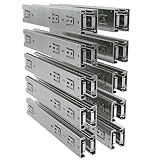
- Two sets of heavy-duty full-extension drawer slides (bottom-mount style, rated for 100+ lbs)
- Plywood for creating a “torsion box” base and internal shelves
- Wood screws and construction adhesive
- Tool mounting hardware (Command hooks, broom clips, custom brackets)
- Drill, level, measuring tape, and saw
Step-by-Step Directions
- Assemble the cabinet frame according to manufacturer instructions, but do not install it yet.
- Build a sturdy, box-like base (a “torsion box”) from plywood that fits snugly inside the bottom of your cabinet frame. This will be the moving part of your pull-out.
- Mount one part of each heavy-duty slide to the interior floor of the cabinet frame and the other part to the bottom of your plywood base. Ensure they are perfectly parallel and level.
- Customize the interior of your pull-out by adding vertical plywood dividers or shelves to the base.
- Install your tool mounting hardware, planning the layout for your vacuum, broom, and mop.
- Attach the cabinet door front to the front of your pull-out base structure.
- Slide the entire assembly into its final location and secure the main cabinet frame to the wall and/or adjacent cabinets.
Pro-Tip: In my experience, building a torsion box base is superior to just using a single sheet of plywood. The box structure prevents the base from warping under the vertical load capacity of heavy items and ensures the linear motion slides operate smoothly for years.
2. Integrate a Hidden Cordless Vacuum Charging Station

An organized home is a happy home. Pin this charging station idea!
Supplies Needed
- Your cordless vacuum’s wall mount and charging cable
- A recessed power outlet kit designed for in-cabinet installation
- A hole saw bit for your drill
- Grommets for cable management
- A licensed electrician for installation (recommended for safety)
- Ventilated cabinet back panel or vent grilles (optional, for heat dissipation)
Installation Steps
- Plan the location. Choose a spot inside the pull-out that allows the vacuum to hang freely and is close to an existing wall outlet on the other side of the wall if possible.
- Consult an electrician to safely run power and install the recessed outlet inside the cabinet. This is the most critical step for safety.
- Measure and mark the spot for the vacuum’s wall mount. Ensure there is enough clearance for the pull-out to close completely with the vacuum in place.
- Mount the vacuum’s charging dock to the interior wall of the pull-out unit, securing it firmly into a plywood panel or structural support.
- Organize the cable. Use a small hole with a grommet to pass the charging cable through a divider if needed, keeping it neat and preventing pinching.
- Plug the charger into your new in-cabinet outlet.
- Test the setup. Place the vacuum on the charger, and slide the closet in and out several times to ensure nothing snags or binds.
Pro-Tip: When planning your outlet, consider the vacuum’s appliance power load. For added safety and to prolong battery life, ensure the cabinet has some form of passive heat dissipation. A simple vent grille at the top or bottom of the cabinet can make a significant difference.

3. Maximize Vertical Space with a Pegboard System

Total organization goals! Pin this for your next decluttering project.
Supplies Needed
- Metal or heavy-duty wood pegboard backing panels
- 1-inch wooden battens or spacers
- A variety of pegboard hooks, baskets, and holders
- Screws for mounting
- A level, drill, and measuring tape
Installation Steps
- Measure the interior back panel of your pull-out unit where you want to install the pegboard.
- Cut the pegboard to size if necessary. For a cleaner look, you can frame it with thin wood trim.
- Mount the 1-inch wood battens or spacers vertically onto the back of the pull-out. This creates the necessary space behind the pegboard for the hooks to be inserted.
- Attach the pegboard panel to the battens using screws. Ensure it’s secure and level.
- Organize your supplies! Start arranging your hooks, baskets, and holders to fit your specific tools. Place heavier items on longer, more secure hooks.
- Group like items together. Create zones for dusting supplies, floor care, and sprays.
- Test the clearance. Make sure no hooks or tools stick out too far, preventing the pull-out from closing smoothly.
Pro-Tip: Opt for a metal pegboard system over traditional hardboard. It offers a significantly higher vertical load capacity, won’t fray or damage from moisture, and is compatible with a wider range of heavy-duty hooks, making it ideal for storing things like scrub brushes and even small buckets.

4. Optimize for Heavy Loads with Professional-Grade Slides

Build it to last! Pin this tip for a rock-solid custom closet.
What You Need
- Professional grade pull-out slides with a minimum weight rating of 150 lbs (200+ lbs is even better). Look for “heavy-duty” or “industrial” grades.
- Ball-bearing extension mechanism for the smoothest possible glide.
- Soft-close hardware feature to prevent slamming and protect the cabinet.
- Appropriate screws for mounting (often included with the slides).
- A high-quality level and precision measuring tape.
How to Choose and Install
- Calculate your total weight. Estimate the weight of your vacuum, mops, buckets, and all supplies, then add the weight of the wooden pull-out structure itself. Choose slides rated for at least 50% more than your total estimated weight.
- Select the right length. The slide length should match the depth of your cabinet for a full-extension pull-out.
- Choose a mounting style. Bottom-mount slides are often best for this application as they provide a stable base, but heavy-duty side-mount slides can also work if the cabinet structure is reinforced.
- Install with precision. This is the most critical step. The slides must be perfectly parallel to each other and perfectly level. Even a slight angle can cause binding. Follow the manufacturer’s instructions to the millimeter.
- Test the movement before loading any weight. The pull-out should glide smoothly and evenly without any catching or wobbling.
Pro-Tip: For pull-outs over 24 inches deep or those intended to hold very heavy vacuums, consider using a three-slide system: one on each side and one down the center for maximum stability and to prevent side-to-side racking. This is a common technique in custom millwork for high-use, heavy-load drawers.

5. Compare Your Options: DIY IKEA Hack vs. Professional Custom Cabinetry

DIY or hire a pro? Pin this guide to help you decide!
What You Need (to make a decision)
- A clear understanding of your budget
- An honest assessment of your DIY skills and available tools
- A vision for your desired level of quality, finish, and integration
The Breakdown: A Head-to-Head Comparison
| Feature | DIY (e.g., IKEA Hack) | Professional Custom Build |
|---|---|---|
| Cost | Low to Moderate ($200 – $700). You pay for materials only. | High ($1,500 – $5,000+). You pay for design, materials, labor, and warranty. |
| Customization | Limited to standard cabinet sizes, colors, and doors. Interior is fully customizable. | Unlimited. Can be built to any width, depth, or height. Perfectly matches existing cabinetry. |
| Quality | Good. IKEA Sektion cabinets are sturdy, but success depends on your assembly skill and hardware choice. | Excellent. Uses architectural grade materials and precision engineering for a flawless fit and finish. |
| Installation | You do it all: design, assembly, installation, and problem-solving. Can take a full weekend or more. | Turn-key service. Professionals handle measurement, design, building, and installation. Typically 1-2 days for install. |
| Best For | Budget-conscious homeowners, experienced DIYers, and standard-sized spaces. | High-end renovations, unusual spaces, achieving a seamless look, and homeowners who value a hands-off process. |
Pro-Tip: The weak point in a DIY build is almost always the hardware. If you go the DIY route, do not skimp on the slides. Investing in industry-leading hardware from a brand like Blum or Hafele can make your IKEA hack feel and perform like a much more expensive custom unit.
6. Design a Slim “Broom Only” Pull-Out for Ultra-Narrow Spaces

No space is too small to be organized! Pin this genius narrow closet idea.
Tools & Supplies
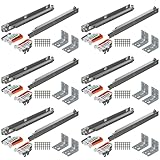
- A pre-built narrow pull-out system (like a Rev-A-Shelf filler pull-out) OR custom-built box.
- High-quality, side-mount drawer slides.
- Broom clips and small hooks.
- Shims for leveling.
- Drill, level, and measuring tape.
Step-by-Step Directions
- Measure your gap precisely—top, middle, and bottom. Use the smallest measurement. Most pre-built units are designed for 3″, 6″, or 9″ filler spaces.
- Choose your unit. A pre-built metal organizer is often the easiest and most stable solution for ultra-narrow spaces.
- Install the slides. Attach one slide to the inside of the adjacent cabinet and the other to the wall or a secured panel on the other side. This is where precision is everything. The slides must be perfectly parallel and plumb.
- Assemble and mount the pull-out unit onto the slides according to the manufacturer’s directions.
- Attach the door front. This will be a very narrow panel that matches your other cabinets, creating a seamless look.
- Add your hardware. Install simple broom clips or sturdy hooks inside to hold your flat items.
- Adjust for a smooth close. Use the built-in adjustability of the slides to ensure the door front sits perfectly flush with the rest of your cabinetry.
Pro-Tip: With tall, narrow pull-outs, “racking” (wobbling side-to-side) is the biggest enemy. Use high-quality, synchronized slides that are linked together to ensure both the top and bottom slides move as one unit. This is a key feature in industry-leading hardware and critical for pull-outs under 9 inches wide.

7. Retrofit an Awkward Corner or Existing Pantry

Reclaim that awkward corner! Pin this retrofitting idea for later.
Supplies Needed
- High-quality plywood (3/4 inch) to build a custom “sled” or pull-out base
- Heavy-duty drawer slides (choose the length based on your usable depth)
- Wood glue and screws
- A pocket-hole jig for strong joints (recommended)
- Custom mounts and holders for your tools
- Drill, saw, level, and measuring tape
Retrofitting Steps
- Empty and Measure your space. Get precise measurements of the opening width, interior width, and depth. Note any obstructions like pipes or interior framing.
- Design your pull-out “sled.” This will be a custom-built box or flat base made of plywood, sized to maximize your specific space. For a corner, you might build an L-shaped sled.
- Construct the sled. Use wood glue and pocket-hole screws to build a strong, rigid base that will not flex or warp.
- Install blocking. You will likely need to add wood blocking inside the existing cabinet to create flat, parallel surfaces to mount your drawer slides. This is the key to retrofitting.
- Mount the slides to the new blocking and to the bottom of your custom-built sled. Check repeatedly to ensure they are perfectly level and parallel.
- Add interior organization. Attach your custom dividers, shelves, and tool holders to the sled.
- Test the final product. Slide it in and out to ensure a smooth, stable motion that doesn’t catch on the door frame or interior walls.
Pro-Tip: Before building, create a cardboard template of your pull-out base. Slide it in and out of the space to check for unforeseen clearance issues with the door hinges or face frame. This simple step can save you from making a costly cutting mistake on your expensive plywood. This is a core tenant of professional installation prep work.

Key Takeaways: Your Quick Guide to the Perfect Cleaning Closet
After exploring the many ways to approach a Custom Pull-Out Cleaning & Vacuum Closet, a few core principles stand out. Whether you’re planning an ambitious DIY project or consulting with a custom cabinet maker, keeping these key takeaways in mind will ensure your final result is functional, durable, and perfectly suited to your needs. This quick summary will help you focus on what truly matters for a successful broom closet organization project.
- Hardware is Everything: The single most important investment for a durable and functional pull-out closet system is the hardware. Always choose heavy-duty slides with a weight rating far exceeding your estimated load.
- Plan for Your Tools: Before you build or buy, lay your vacuum, broom, and all essential supplies on the floor. This helps you design a truly customized interior that fits what you actually own, including special needs like a cordless vacuum charger.
- DIY is Viable, Custom is Flawless: A DIY approach using IKEA Sektion cabinets can be a fantastic, budget-friendly solution. However, for a truly seamless look, perfect integration, and zero hassle, a professional custom build is unparalleled.
- Maximize Every Inch: Don’t overlook narrow gaps. An ultra-slim 6-inch pull-out can be the perfect hidden storage solution for brooms and mops, transforming a useless space into a functional one.
- Safety with Electrics: When integrating a charging station, always prioritize safety. Using a recessed power outlet kit designed for in-cabinet use and consulting an electrician is non-negotiable for preventing fire hazards.
- Retrofitting is Power: You don’t need a full renovation. You can dramatically improve an existing pantry or awkward corner by building a custom “sled” on full-extension slides to bring the back of the closet to you.
People Also Ask About Pull-Out Cleaning Closets
Even with a detailed plan, specific questions often arise when designing a Custom Pull-Out Cleaning & Vacuum Closet. This section addresses the most common queries we see, from minimum dimensions to material choices. These quick, direct answers will help you clarify any lingering doubts and move forward with your project confidently.
How do you organize a tiny cleaning closet?
The best way to organize a tiny cleaning closet is to maximize vertical space. Use a narrow pull-out system to make the full depth accessible. Inside, use wall-mounted clips for brooms and mops and a pegboard system with baskets and hooks for smaller items like brushes and bottles. This avoids a cluttered floor and keeps everything visible and easy to grab.
What is the best depth for a vacuum closet?
The ideal depth for a vacuum closet is at least 24 inches. This provides enough room for most upright and canister vacuums to fit comfortably without being crammed. For a pull-out system, matching the slide length to the cabinet depth (e.g., 22 or 24 inches) will ensure a full-extension design that brings the entire unit out for easy access.
How do I store a Dyson or other cordless vacuum in a narrow closet?
The best method is to use the wall-mounted charging dock that came with your vacuum. Mount the dock to a sturdy interior panel of your pull-out closet. This not only secures the vacuum but also allows you to integrate a hidden charging station inside the cabinet, keeping the device charged and ready for use but completely out of sight.
Are IKEA cabinets strong enough for vacuums?
Yes, IKEA Sektion cabinets are strong enough, provided you use the right hardware. The cabinet box itself is very sturdy. The key is to mount the pull-out mechanism on heavy-duty slides (rated 100+ lbs) that are properly installed. Do not rely on standard drawer slides; invest in industrial-grade hardware to support the heavy + weight combination.
What is the standard width for a broom pull-out?
There is no single standard, but common widths are 6, 9, and 12 inches. A 6-inch wide pull-out is perfect for flat items like brooms and Swiffers. A 9 or 12-inch wide unit provides enough space to hang a slim cordless vacuum, mops, and a few bottles. Wider custom units (15-18 inches) can accommodate larger vacuums and buckets.
How do you prevent smells in a broom closet?
Proper ventilation and keeping tools clean are key. Ensure mops and sponges are completely dry before storing them. Consider using a ventilated cabinet door or installing small vent grilles at the top and bottom of the closet to promote airflow. Charcoal deodorizers or cedar blocks can also help absorb moisture and prevent musty smells.
Can you add a pull-out to an existing cabinet?
Yes, you can absolutely retrofit an existing cabinet. This typically involves removing existing shelves and installing wood “blocking” inside the cabinet to create firm, parallel surfaces for mounting new heavy-duty slides. You then build a custom box or “sled” that fits your space and attaches to the slides, effectively adding a pull-out to your old cabinet.
Where to buy heavy duty pull-out tracks?
You can buy heavy-duty pull-out tracks from specialty woodworking stores, hardware suppliers, or online retailers like Amazon. Look for brands known for professional installation quality like Blum, Hafele, Accuride, or Knape & Vogt. Search for terms like “heavy duty full extension drawer slides” and pay close attention to the weight capacity, ensuring it’s 100 lbs or more.
Should I use pegboard in my cleaning closet?
Pegboard is an excellent choice for a cleaning closet because of its flexibility. It allows you to customize your storage layout completely with hooks, bins, and baskets. As your cleaning supplies change, you can easily rearrange the layout without drilling new holes. A metal pegboard system offers the best durability and moisture resistance.
How to hide a vacuum in the kitchen?
A tall, narrow pull-out cabinet is the most elegant way to hide a vacuum in the kitchen. Disguised as a standard pantry cabinet and placed at the end of a cabinet run or next to the fridge, it slides out to reveal the vacuum and all your supplies. This keeps the appliance accessible but perfectly integrated and hidden.
Final Thoughts on Your Perfectly Organized Cleaning Closet
Transforming a cluttered, frustrating corner into a seamless and efficient Custom Pull-Out Cleaning & Vacuum Closet is one of the most satisfying upgrades you can make to your home. It’s more than just storage; it’s about creating a system that reduces daily friction and brings a sense of calm and order to your space. Whether you opt for a clever DIY pull-out broom closet tutorial for beginners or invest in a flawless professional installation, the principles remain the same: prioritize high-quality hardware, design for the tools you actually use, and maximize every vertical inch. By implementing these strategies, you’re not just building a cabinet—you’re investing in a tidier, more functional, and more enjoyable home. Which of these smart solutions will you try first?
Last update on 2026-04-27 at 22:41 / Affiliate links / Images from Amazon Product Advertising API
