
As an Amazon Associate KitchenwareSets.com earns from qualifying purchases.
Custom Built-In Patio Designs: Transform Your Backyard into a Cozy Outdoor Living Oasis
Tired of your patio feeling like a scattered collection of mismatched chairs and a grill pushed into a corner? You know your backyard has incredible potential, but it’s hard to imagine it as the cozy outdoor living oasis you dream of when it’s cluttered with temporary, disconnected pieces.
Custom built-in patio designs are permanent, integrated outdoor structures that blend architectural elements like seating, fire pits, and kitchens directly into your hardscape. They transform a backyard from a simple space into a true outdoor living room, offering superior durability, aesthetic cohesion, and a significant increase in home resale value compared to using portable furniture.
Drawing from established best practices and proven architectural patterns, this guide will walk you through the most impactful concepts in custom built-in patio designs. You will discover how to create a seamless, high-value extension of your home. Prepare to transform your outdoor space from an afterthought into a destination.
Contents
show
What Are Custom Built-In Patio Designs and Why Do You Need One?
Moving beyond portable tables and standalone grills, custom built-in patio designs are a holistic approach to creating permanent outdoor living spaces. These aren’t just decorated areas; they are architectural extensions of your home where features like seating, counters, fire pits, and planters are integrated directly into the hardscape. This method transforms a simple backyard into a cohesive and functional “outdoor room.” The primary benefit is the creation of a seamless environment that enhances both your lifestyle and your property value. By investing in quality craftsmanship and weather-resistant materials, you are not just buying patio furniture; you are making a long-term investment in your home’s appeal and utility. The home improvement ROI on a well-executed outdoor living space is significant, as it adds usable, desirable square footage that is highly attractive to future buyers.
9 Custom Built-In Patio Designs to Create Your Dream Oasis
To truly elevate your backyard, you need to think beyond individual elements and focus on how they integrate into a complete system. The following nine custom built-in patio designs are not just ideas; they are blueprints for creating a cohesive and functional oasis. From built-in patio seating that defines a space to a sunken fire pit that creates an intimate conversation nook, each concept is designed to work together. These elements, when constructed as part of a unified built-in hardscape design, form the foundation of a luxurious and practical outdoor entertaining space. As you explore these options, consider how they can be combined to create a multi-functional patio that perfectly suits your lifestyle.
1. Construct an Integrated Stone Seating Wall

Pin this space-saving seating solution to your ‘Backyard Goals’ board!
An integrated seating wall is one of the most effective ways to maximize space and add a high-end architectural feel to your patio. Unlike scattered chairs that create clutter, a stone bench seating wall defines the edge of your patio area, creating a sense of enclosure and purpose. It provides ample, permanent seating without taking up valuable floor space, making it perfect for both large gatherings and quiet afternoons. The wall itself becomes a beautiful hardscape feature that integrates with the surrounding paver stones.
Materials & Tools Needed
- Concrete masonry units (CMU blocks) for the core structure
- Natural stone veneer or coordinating paver wall blocks
- Mortar mix (Type S)
- Heavy-duty construction adhesive for capstones
- Polished stone or concrete capstone installation units (ensure ergonomic seating height of 18-20 inches)
- Trowel, level, shovel, and wheelbarrow
- Sub-base compaction materials: gravel and tamper
Construction Outline
- Excavate and level a trench for the footing, typically 6 inches deep and 12 inches wide.
- Pour a concrete footing and allow it to cure, inserting rebar reinforcement if the wall is over 2 feet high.
- Construct the core wall with CMU blocks, checking for level and plumb with each course.
- Apply the stone veneer application to the face of the block wall using mortar.
- Install the capstones on top of the wall using construction adhesive for a secure, smooth finish.
Pro-Tip: For curved walls, use trapezoid-shaped blocks or score and break standard blocks to create the desired radius. Always ensure proper drainage solutions behind the wall by including a gravel backfill and weep holes at the base to relieve hydrostatic pressure.

2. Design a Sunken Fire Pit Conversation Area

Save this incredible fire pit idea for cozy fall nights!
A sunken fire pit area creates a dramatic ‘room within a room’ effect, providing an intimate and sheltered focal point for your patio. By lowering the conversation area, you create a cozy nook that naturally blocks wind and facilitates face-to-face interaction. This design anchors the entire patio layout, offering a stunning visual from other areas of the yard. When deciding on the feature, consider the trade-offs of gas vs wood burning pits: gas offers convenience and control, while wood provides a more rustic ambiance.
Materials & Tools Needed
- Retaining wall blocks for the sunken area walls
- Pavers or flagstone for the patio floor
- Gas fire pit insert kit (pan, burner, and connection hoses) or fire bricks for a wood-burning pit
- Lava rock or fire glass
- Shovel, tamper, and level
- Drainage systems: Gravel and a perforated drain pipe leading to a lower point or dry well
Construction Outline
- Excavate a circular or square area to the desired depth (typically 18-24 inches) and diameter.
- Install a proper drainage system at the base. This is the most critical step for a sunken vs raised patio.
- Construct the retaining walls around the perimeter of the pit.
- Lay the paver or stone floor inside the sunken area.
- Install the fire pit in the center, ensuring all gas lines are fitted by a licensed contractor or that wood-burning pits have adequate ventilation.
- Build the surrounding built-in benches using the method from Idea #1.
Pro-Tip: How do you drain a sunken patio? The key is a robust drainage system. Always install a drain in the lowest point of the pit, connecting it to a French drain or dry well that sits below the pit’s floor level to prevent a “bowl of water” effect after rain. This addresses a major problem_solution_keywords concern.

3. Install a Custom Outdoor Kitchen and Bar

Your dream BBQ station is one Pin away. Save this to your ‘Outdoor Kitchen’ board!
An outdoor kitchen is the ultimate feature for those who love to entertain, transforming your patio into the true heart of your custom outdoor living space. A built-in kitchen enhances outdoor entertaining by centralizing cooking, prep, and serving areas. This permanent structure requires careful planning for utilities like gas, electricity, and water, but the result is a fully functional culinary hub. By using materials that complement your home and patio, you can achieve a seamless indoor-outdoor flow, making your backyard an essential part of your home’s living area.
Materials & Tools Needed
- Steel frame modules or concrete blocks for the island base
- Cement board (backer board)
- Weather-resistant materials like stacked stone veneer or stucco for the finish
- Polished concrete finishes or granite slab for the countertop
- Built-in grill, outdoor refrigerator, and stainless-steel access doors
- Utility lines (gas, electric, water) as needed
Construction Outline
- Blueprint the kitchen layout, planning the placement of the grill, sink, and refrigerator.
- Frame the island bases using steel studs or CMU blocks on a level concrete slab.
- Run all necessary utility lines before enclosing the frame. This is a critical step requiring professional help.
- Cover the frame with cement backer board.
- Apply the exterior finish (stucco, stone veneer).
- Install the countertop, then drop in the grill, sink, and other appliances.
Pro-Tip: When choosing a location, consider the prevailing wind direction. You don’t want smoke blowing back into your house or into your guests’ faces. This demonstrates practical experience and addresses a common oversight.

4. Engineer a Multi-Level Patio with Retaining Walls

Turn a tricky slope into a stunning feature! Pin this for your sloped yard correction inspiration.
For homes with challenging topography, a multi-level patio with retaining walls is the ultimate solution for sloped yard correction. Instead of fighting the hill, this design embraces it, creating distinct “rooms” or zones on different tiers. A retaining wall not only stabilizes the slope and prevents erosion control issues but also creates usable, flat areas for dining, lounging, or playing. The transitions between levels, often featuring grand staircases, add architectural interest and transform a previously unusable space into the most dynamic feature of your yard.
Materials & Tools Needed
- Interlocking retaining wall blocks
- Geotextile fabric for soil stabilization behind the wall
- Gravel for backfill and drainage
- Pavers or concrete for the patio surfaces
- Capstone installation adhesive
- String line, stakes, and line level
Construction Outline
- Consult an engineer for any wall over 3 feet tall. Begin site grading and excavation, starting from the lowest point and moving up.
- Compact a gravel base and lay the first course of blocks in a trench, ensuring it’s perfectly level.
- Install subsequent courses, pulling each block slightly forward to create the correct batter (backward lean).
- Backfill with gravel and lay geotextile fabric every few courses as specified by the manufacturer for erosion control.
- Compact the soil for the patio area behind the wall and lay the pavers.
- Repeat the process for the next level up.
Pro-Tip: This is not a beginner project. The term load-bearing capacity is paramount. Failure to properly engineer the wall can lead to collapse. Always follow the block manufacturer’s specific instructions or hire an ICPI certified professional.

5. Incorporate Built-In Planters and Garden Beds

Add life to your hardscape! Pin this built-in planter idea.
A great built-in hardscape design balances stone and structure with the softness of plant life. Built-in planters and garden beds are the perfect way to achieve this, as they integrate with the patio floor and walls for a cohesive look. These structures soften the hard lines of masonry, add color and texture, and can even serve a functional purpose. A strategically placed planter can act as a natural privacy screen for privacy enhancement, while a raised bed next to your outdoor kitchen can provide fresh herbs for cooking.
Supplies Needed
- Wall blocks or poured concrete forms
- Waterproofing membrane for the interior of the planter
- Perforated drain pipe and gravel
- High-quality planter-mix soil
- Root barrier fabric (optional, for trees)
- Plants, herbs, or ornamental trees
Construction Steps
- Construct the walls of the planter to the desired height using masonry blocks or poured concrete.
- Apply a waterproof membrane to the inside faces of the planter to protect the masonry from constant moisture.
- Install a drainage system at the bottom: a layer of gravel with a perforated pipe leading to a weep hole on the exterior.
- Fill the planter with soil.
- Plant your selected greenery.
Pro-Tip: When building a planter that’s integrated with a seating wall, it doubles as a beautiful backrest. Plant aromatic herbs like lavender or rosemary for a multi-sensory experience. This combines entities and demonstrates thoughtful landscape design.

6. Attach a Permanent Pergola for Shade and Structure

The perfect blend of sun and shade. Pin this pergola design!
Pergolas provide much-needed shade and architectural definition, effectively creating a ceiling for your outdoor room. As one of the most popular covered patio designs, a permanent pergola attaches to the house and covers the patio space, providing a sense of enclosure and protection from the elements. The choice between an attached vs detached patio cover often depends on your home’s layout, but an attached structure creates a more seamless transition. With materials ranging from classic wood to modern aluminum, a pergola adds vertical interest and ensures the structural durability needed to withstand the elements.
Materials & Tools Needed
- 6×6 or larger posts (Cedar or pressure-treated wood)
- Beams and rafters
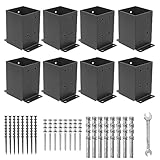
- Post base anchors and concrete for footings
- Ledger board and flashing (if attaching to house)
- Heavy-duty structural screws and bolts
- Miter saw, drill, and level
Construction Outline
- Draft a plan and check with local code enforcement for permit requirements.
- Dig holes for the concrete footings to below the frost line and pour the concrete, setting the post base anchors.
- Install a ledger board securely to the house’s rim joist with proper flashing to prevent water intrusion.
- Mount the posts to the anchors.
- Attach the main beams to the posts and ledger board.
- Install the rafters across the beams, spacing them for the desired amount of shade.
Pro-Tip: For a truly custom look with advanced functionality, consider a louvered roof system. These can be automated to open and close, giving you complete control over sun and rain, effectively creating a screened vs open patio at the touch of a button.
7. Build a Multi-Functional Storage Bench

Genius storage and seating in one! Pin this hack for your patio.
Multi-functional patio designs with storage benches are the ultimate solution for limited space optimization. This clever design provides both seating and a place to conceals clutter like cushions, toys, and gardening tools. For custom built-in patio designs for small backyards, making every element work twice as hard is key. The most important consideration is learning how to waterproof built-in outdoor storage to protect your belongings from the elements.
Materials & Tools Needed
- Exterior-grade plywood for the box frame
- Thermal-treated wood accents or composite decking for the exterior finish and lid
- Heavy-duty stainless steel hinges and gas struts for easy lifting
- Waterproof deck coating or rubber sealant for the interior
- Weatherstripping for the lid
- Drill, saw, and measuring tape
Construction Outline
- Frame a simple box from exterior-grade plywood to your desired dimensions.
- Coat the entire interior of the box with a thick layer of waterproof deck coating. Let it fully cure.
- Clad the exterior of the box with your chosen finish material (wood, composite, etc.).
- Construct the lid, ensuring it is slightly larger than the box opening to create an overhang.
- Install weatherstripping around the top edge of the box.
- Attach the lid using heavy-duty hinges and install gas struts to assist with opening and prevent slamming.
Pro-Tip: Drill small, angled drainage holes through the bottom of the bench before waterproofing. Then, elevate the entire bench slightly off the patio floor using small composite blocks. This provides a last line of defense against any moisture that gets in and prevents it from sitting on a wet patio.

8. Design a Custom Water Feature Wall

Add the soothing sound of water to your backyard oasis. Pin this now.
To complete your oasis, incorporate sensory elements like water features. A custom water wall enhances the ambiance with the tranquil sound of cascading water, which also helps masks unwanted neighborhood noise. A water feature can serve as a stunning focal point, especially when combined with other elements like a fireplace in a fire + water design. It adds a touch of zen-like calm and sophistication to even the most bustling custom stone patios.
Materials & Tools Needed
- A large reservoir basin
- Submersible water pump
- Vinyl tubing
- A sturdy frame (wood or steel)
- Cement backer board
- Tiling materials (slate, stone veneer) and tile adhesive
- Waterproof LED lighting (optional)
Construction Outline
- Construct the reservoir at the base of where the wall will be. This can be a pre-formed basin or a custom-built, rubber-lined container.
- Build the vertical frame and cover it with cement backer board.
- Place the submersible pump in the reservoir and run the vinyl tubing up the back of the frame to the top.
- Install your tile or stone veneer on the face of the wall, creating a water channel or spillway at the top.
- Fill the reservoir with water, plug in the pump, and adjust the flow rate.
Pro-Tip: Install a small, waterproof LED puck light in the basin, pointed up at the falling water. The combination of lighting + ambiance at night is dramatic and creates a high-end, designer feel for minimal extra cost.

9. Create Custom Paver Patterns and Inlays

It’s all in the details! Pin this paver pattern idea for a truly custom floor.
The foundation of your patio—the floor itself—can be a work of art. Using customized paver patio patterns and borders elevates the entire design. A pattern like herringbone or basketweave enhances visual appeal, while a contrasting border can defines different zones, such as separating a dining area from a lounge space. When considering pavers vs stamped concrete, pavers offer superior repairability and endless design options. The key to a long-lasting, professional finish lies in the details of the installation, especially the use of polymeric sand.
Materials & Tools Needed
- Pavers in your chosen colors and styles
- Pavers + borders: Contrasting pavers for the border
- Base material (crushed stone), leveling sand
- Polymeric sand
- Paver edging restraints
- A plate compactor and/or hand tamper
Construction Outline
- Excavate the patio area to a depth of 6-8 inches. Compact the soil.
- Lay and compact 4-6 inches of crushed stone sub-base.
- Lay 1 inch of leveling sand and screed it perfectly flat.
- Install the paver edging restraints around the perimeter.
- Begin laying the pavers in your desired pattern, working from a corner outwards. Do not walk on the sand.
- Once all pavers are laid, sweep polymeric sand into the joints, compact the entire patio with a plate compactor, and then gently wet the sand to activate it.
Pro-Tip: For a truly custom inlay, like a compass rose or family initial, you’ll need a wet saw with a diamond blade. Create a template, carefully cut the pavers, and piece it together like a puzzle. This advanced technique is what separates a DIY look from a professional patio build.

Key Takeaways: Your Quick Guide to Custom Built-In Patio Designs
Transforming your backyard into a custom oasis is an exciting project. As you move from inspiration to action, keep these essential principles in mind to ensure a beautiful, functional, and durable result.
- Permanence Equals Value: The core of custom built-in patio designs is creating permanent, architectural structures like seating walls and kitchens. This approach provides far greater structural durability and home resale value than using portable furniture.
- Plan for Utilities Early: For features like outdoor kitchens, water features, or integrated lighting, you must plan for and install gas, electrical, and water lines during the initial framing stage. Consulting a licensed contractor is essential for this step.
- Drainage is Non-Negotiable: For any sunken area or retaining wall, proper drainage is the most critical element for longevity. Features like French drains, weep holes, and geotextile fabric are not optional—they prevent water damage and hydrostatic pressure.
- Multi-Functionality Maximizes Space: In custom built-in patio designs for small backyards, every element should serve multiple purposes. A seating wall can also be a retaining wall, and a bench must have storage inside.
- Materials Matter for Maintenance: Choosing weather-resistant materials like natural stone, high-grade pavers, and composite decking from the start will dramatically reduce your long-term maintenance and ensure your investment lasts for decades.
- The Foundation is Key: A beautiful patio is only as good as its base. Proper sub-base compaction and the use of polymeric sand are essential for a level, weed-free surface that won’t shift over time.
FAQs About Custom Built-In Patio Designs
Does a built-in patio increase home value?
Yes, a professionally constructed custom built-in patio significantly increases home value. According to real estate experts, outdoor living spaces are one of the most sought-after features for homebuyers. A well-designed hardscape with permanent features like an outdoor kitchen or fire pit can provide a home improvement ROI of 50-80%, transforming it from a simple backyard into a valuable and functional outdoor room.
How much does a custom built-in patio cost?
The cost varies widely, from $15 per square foot for a simple paver patio to over $100 per square foot for a high-end project. A basic 20×20 foot patio could start around $6,000. Adding features like a built-in seating wall ($3,000+), a pergola ($5,000+), or a full outdoor kitchen ($10,000-$30,000+) will increase the price significantly. Always get multiple quotes from hardscape construction experts.
What is the best material for a built-in patio?
There is no single “best” material; it’s a trade-off between cost, aesthetics, and maintenance. Natural stone like flagstone or travertine offers unparalleled beauty but is expensive. Pavers (pavers vs stamped concrete) offer immense design flexibility and are easier to repair. Poured or stamped concrete is often the most budget-friendly but can be prone to cracking and is difficult to repair seamlessly.
Can you add built-in seating to an existing patio?
Absolutely, this is a very common upgrade. As long as your existing patio slab is structurally sound, a masonry seating wall can be constructed directly on top of it. The new wall is typically secured to the slab using mortar and rebar pins drilled into the concrete for a strong bond, instantly adding permanent seating and a high-end look.
How do you drain a sunken patio?
You must install a robust drainage system at the lowest point during construction. This typically involves a center drain connected to a solid PVC pipe that slopes away from the patio to a lower point in the yard or a dry well. The base of the sunken area should also have a thick layer of open-grade gravel to facilitate water movement toward the drain.
What is the best height for a built-in stone bench?
The industry standard for comfortable seating height is between 18 and 20 inches. This includes the height of the capstone. The depth of the bench seat should be at least 15 inches, but 18-24 inches is more comfortable if you plan to use thick cushions. This ergonomic seating height ensures comfort for most adults.
How long does custom patio construction take?
A simple project can take 1-2 weeks, while a complex multi-level patio with an outdoor kitchen can take 4-8 weeks or more. The timeline depends on the project’s complexity, weather conditions, material availability, and the inspection schedule for any required building permits. Site preparation and demolition can also add significant time.
What permits are needed for a custom patio?
Permit requirements vary by municipality but are often needed for certain features. A simple on-grade paver patio usually doesn’t need a permit. However, you will likely need permits for retaining walls over a certain height (often 3-4 ft), attached pergolas, all gas and electrical work for kitchens, and any project that significantly alters property drainage systems.
How do you maintain masonry patio seating?
Maintenance is generally low but important for longevity. You should periodically scrub the stone with a stiff brush and a mild, pH-neutral stone cleaner to prevent mildew. In cold climates, cover the seating in winter to prevent moisture from getting into cracks and freezing, which can cause cracking prevention issues. Resealing the stone or concrete every 3-5 years is also recommended.
Should I use wood or stone for built-in benches?
This is a classic comparison of aesthetics vs. durability. Stone benches are permanent, weather-resistant materials that require almost zero maintenance. Wood benches offer a warmer, more comfortable seating surface but will require regular staining, sealing, and eventual replacement. A popular compromise is a stone base with a wooden top, offering durability and comfort.
Final Thoughts on Your Custom Patio Transformation
Embracing custom built-in patio designs is about making a fundamental shift in how you view your outdoor space. It’s about moving beyond temporary solutions and creating a permanent, architectural extension of your home that offers immense value, functionality, and beauty. By integrating features like seating, fire pits, kitchens, and planters directly into your hardscape, you build a cohesive outdoor living room that will host cherished memories for years to come.
The journey from a plain backyard to a custom oasis requires careful planning, an understanding of key construction principles like drainage and foundation, and a commitment to quality materials. Whether you’re tackling a complex sloped yard correction or building a simple, elegant seating wall, the principles of integration and permanence are what will set your project apart.
Now that you’re equipped with these concepts and blueprints, which built-in feature are you dreaming of adding to your backyard first?
Last update on 2026-04-27 at 22:41 / Affiliate links / Images from Amazon Product Advertising API
