
As an Amazon Associate KitchenwareSets.com earns from qualifying purchases.
Outdoor Cook Area Ideas: Dream Mediterranean Pizza Oven Kitchen for Your Backyard Oasis
Have you ever dreamed of turning your backyard into a sun-drenched Mediterranean escape? You can almost smell the wood-fired pizza and hear the laughter of friends, but the thought of planning complex outdoor cook area ideas feels overwhelming and expensive.
To design the perfect outdoor cook area, start by defining its primary function—grilling, entertaining, or full-service cooking. Plan an ergonomic layout with zones for hot (grill, pizza oven), cold (refrigerator), and wet (sink) tasks. Finally, choose durable, weatherproof materials like stainless steel and stone that match your home’s aesthetic and climate.
Drawing from proven design methodologies, this guide will walk you through creating a stunning and functional outdoor culinary space. We will explore seven distinct ideas to build your dream Mediterranean oasis, from a rustic pizza oven to a chic alfresco dining area. Prepare to transform your backyard into the ultimate destination for hosting and entertaining.
Contents
show
How Do You Design the Perfect Outdoor Cook Area for Your Backyard Oasis?
The dream of a perfect backyard oasis often starts with the sizzle of a grill and the warmth of a shared meal under the open sky. But transforming that dream into reality requires thoughtful planning. Designing the ideal outdoor cook area goes beyond just picking out a grill; it’s about creating a functional and inviting outdoor living space that complements your lifestyle. It begins by validating your vision while acknowledging common hurdles like budget constraints and limited space. This guide serves as your blueprint, framing the journey from a simple backyard cooking station to a complete alfresco kitchen. A crucial first step in this process is a commitment to safety, which means understanding and adhering to local fire safety codes and manufacturer’s clearance requirements from the very beginning. By focusing on smart layout, durable materials like stone veneer and stainless steel appliances, and a cohesive aesthetic, you can build a beautiful and safe space for making memories.
7 Outdoor Cook Area Ideas for Your Dream Mediterranean Oasis
Moving from the foundational planning stages into the realm of tangible inspiration, this section provides seven concrete, actionable ideas to bring your Mediterranean-themed outdoor kitchen to life. Each concept is a building block, designed to work together to form a cohesive and beautiful outdoor living space. We will break down each element, from the rustic centerpiece of a pizza oven to the social hub of an outdoor bar. The focus here is on providing a clear, step-by-step path, turning aspirational pictures into achievable projects. Whether you plan to build a diy bbq island or install an outdoor sink, these ideas will guide you through the process, incorporating professional-grade materials and contractor tips to ensure a high-quality result that is both functional and stunningly beautiful.
1. Construct a Rustic Stone Pizza Oven Hearth

Pin this dream pizza oven to your ‘Backyard Oasis’ board!
An outdoor pizza oven is the heart of a Mediterranean kitchen, a centerpiece that delivers both incredible food and a captivating experience. Building one with a rustic outdoor bbq area with stone look involves creating a structure that is both beautiful and safe. The oven features a stone veneer base that provides texture and durability, while its dome requires a non-combustible base to handle high temperatures safely, ensuring it complies with fire safety codes. The process involves building a solid foundation and then assembling or constructing the oven itself, finishing with materials that evoke the charm of a Tuscan villa.
Supplies Needed
- Concrete cinder blocks for the base structure
- Non-combustible cement board for the countertop surface
- A pre-fabricated pizza oven dome kit (refractory concrete) or fire bricks and refractory mortar for a custom build
- Natural stone veneer panels or individual stones
- Type S mortar mix for applying the veneer
- Angle grinder with a diamond blade for cutting stone
Step-by-Step Directions
- Plan and Level the Foundation: Measure and mark the footprint for your oven base. Pour a reinforced concrete slab or create a level base using compacted gravel.
- Construct the Base: Build the support structure using concrete cinder blocks and mortar, leaving an opening for wood storage.
- Install the Countertop & Oven: Mount the cement board on top of the block base. Assemble your pre-fabricated pizza oven dome on the surface according to manufacturer instructions.
- Frame the Dome (Optional): Construct a light-gauge galvanized steel stud frame around the dome to create a final shape. Cover it with cement board.
- Finish with Stone and Stucco: Apply the stone veneer to the base using Type S mortar. Finish the dome with a traditional stucco coating. Let everything cure fully before the first fire.
Pro-Tip: In my experience, proper curing is critical for longevity. After building, allow the oven to air dry for a week, then perform a series of five, progressively larger, low-temperature curing fires over five days to prevent thermal expansion cracks.

2. Assemble a Built-In Grill Station with Durable Countertops

Save this sleek grill station idea for your summer BBQ plans!
The workhorse of any outdoor kitchen is the built-in grill station. This element requires proper outdoor kitchen framing for support and integrates with beautiful, durable surfaces like granite countertops to create a seamless patio grill island. The key to a long-lasting and safe station is using weatherproof materials and paying close attention to the grill’s specific installation needs, particularly regarding heat protection.
Materials Needed
- Metal stud framing kit for outdoor kitchens or galvanized steel studs
- Cement board and screws for sheathing the frame
- A built-in gas grill and corresponding insulated jacket
- Stone veneer or stucco for the finish
- A slab of granite, concrete, or other durable outdoor-rated countertop material
- Outdoor construction adhesive
Step-by-Step Directions
- Frame the Island: Assemble the metal stud framing on a level patio surface to create the island structure, ensuring the opening for the grill matches the manufacturer’s cutout specifications perfectly.
- Run Utilities: If using natural gas or electricity for a rotisserie, run the appropriate lines into the island frame before sheathing.
- Sheath the Frame: Cover the entire exterior of the metal frame with cement board, screwing it securely in place. Cut out the openings for the grill and any access doors.
- Install the Grill & Countertop: Insert the insulated jacket into the grill opening, followed by the built-in grill. Apply construction adhesive to the top of the frame and carefully place the granite countertop.
- Apply the Finish: Attach the stone veneer or apply stucco to the cement board siding to match your pizza oven hearth.
Pro-Tip: When choosing countertops, remember the granite vs concrete countertops debate. Granite is highly durable and low maintenance but expensive. Poured concrete offers a modern look and is customizable, but requires regular sealing to prevent stains and weather damage.

3. Design a Pergola-Covered Alfresco Dining Area

Dreaming of summer dinners? Pin this beautiful pergola design!
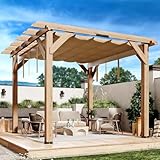
A covered outdoor bbq area elevates a simple cooking spot into a true outdoor dining room. A pergola is a perfect Mediterranean feature that provides essential shade and architectural definition, enhancing the comfort and usability of your outdoor dining area. This structure connects to the landscape lighting design to extend your gatherings long after sunset, creating a magical ambiance. Focusing on structural integrity is key to a safe and lasting build.
What You Need
- A pre-fabricated pergola kit or lumber (cedar or redwood recommended) for a custom build
- Concrete for footings
- Lag bolts and appropriate structural hardware
- A large outdoor dining table and chairs (patio furniture)
- Outdoor-rated string lights or a ceiling fan with a light kit
- Climbing plants like bougainvillea, jasmine, or grapevines
How to Recreate
- Plan the Location: Choose a spot adjacent to your cooking area that is large enough for your desired dining set.
- Install Footings: Dig and pour concrete footings for the pergola posts according to the kit’s instructions or local building codes. This is crucial for stability.
- Assemble the Pergola: Erect the posts, beams, and rafters. Ensure everything is level and securely bolted together. Many kits can be assembled in a weekend.
- Add Shade and Lighting: Install a retractable canopy for better rain protection or leave the rafters open for a classic look. Weave outdoor string lights through the rafters for ambiance.
- Furnish and Style: Arrange your patio furniture under the pergola. Plant climbing vines at the base of the posts to create a lush, living canopy over time.
Pro-Tip: To fully integrate your dining area, use permeable pavers for the patio surface underneath. This improves drainage issues during rainstorms and contributes to a more sustainable landscape design.
4. Install a Compact Prep Station with an Outdoor Sink

An outdoor sink is a game-changer! Pin this for your kitchen design.
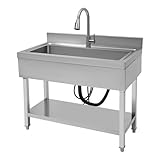
An outdoor sink is the ultimate convenience, transforming your outdoor food prep area from a simple grill stand into a truly functional kitchen. It facilitates everything from washing hands and vegetables to easy cleanup, completing the ergonomic triangle of hot, cold, and wet zones. Adding a sink requires thoughtful planning for plumbing and drainage issues, but setups can range from simple garden-hose connections to fully plumbed hot-and-cold systems.
Supplies Needed
- An outdoor-rated stainless steel or composite sink
- An outdoor faucet
- PEX tubing or flexible supply lines for hot and cold water (if applicable)
- PVC pipe and fittings for the drain
- A simple garden hose adapter for a cold-water-only setup
- A bucket or a dry well (a buried, gravel-filled pit) for drainage
Step-by-Step Directions
- Plan the Plumbing: Decide on your water source. For the simplest setup, you’ll connect a garden hose. For a full setup, you’ll need to tap into your home’s hot and cold water lines, which may require a plumber.
- Cut the Countertop: Place the sink’s template on your countertop and carefully cut the opening using a jigsaw with the appropriate blade for your material.
- Mount the Sink and Faucet: Install the faucet onto the sink deck first. Then, drop the sink into the countertop opening and secure it from below with the provided clips.
- Hookup the Water Supply: Connect your garden hose to the faucet’s inlet using an adapter. For a permanent setup, connect the PEX supply lines.
- Configure the Drainage: Connect a simple PVC pipe to the sink drain and run it to a bucket, a nearby garden bed, or a pre-dug dry well to handle the greywater. Ensure you are complying with local regulations.
Pro-Tip: To avoid pest control issues, install a strainer basket in the sink drain to catch food particles, and ensure your drainage system doesn’t leave standing water, which can attract mosquitoes.
5. Create an L-Shaped Bar for Seating and Serving

The perfect spot for guests to gather. Pin this outdoor bar idea!
A modern outdoor kitchen with bar is the social center of your backyard. An outdoor bar provides a dedicated space for guests to sit and socialize without crowding the cook. An L-shaped design is particularly effective as it enhances the flow of the outdoor entertaining area, creating a natural hub for conversation. For optimal ergonomics, a two-tiered design with a 42-inch high bar for seating and a 36-inch high counter for prep works best.
Supplies Needed
- Metal studs and cement board for framing, or a pre-fabricated bar island kit
- Finishing material (stone veneer, stucco, etc.) to match the kitchen
- Two levels of countertop material (e.g., granite for the work surface, a thick wood slab for the bar top)
- Outdoor bar stools with a seat height of around 30 inches
- Optional: An outdoor refrigerator or beverage center to fit under the counter
- Optional: Outdoor-rated LED strip lighting
Step-by-Step Directions
- Frame the L-Shape: Construct the L-shaped frame using metal studs, designing a lower section (approx. 35 inches high) and an upper section (approx. 41 inches high).
- Sheath and Finish: Cover the frame with cement board and apply your chosen finish to match the rest of the outdoor kitchen.
- Install Countertops: Install the lower countertop first. Then add supports on top of it to hold the raised bar top, creating a 6-inch height difference. Secure the bar top.
- Add Components: Install any under-counter appliances like an outdoor refrigerator. Install LED strip lighting under the bar top overhang for beautiful ambient light.
- Place Seating: Arrange your weatherproof bar stools along the higher counter, ensuring enough knee space (at least 10-12 inches of overhang).
Pro-Tip: To maximize functionality, ensure your bar has power. Installing a GFCI-protected outdoor electrical outlet on the side of the bar is perfect for plugging in blenders, phone chargers, or decorative lighting.

6. Upgrade with Smart Landscape and Task Lighting

Don’t forget the lighting! Pin this for the perfect evening ambiance.
Proper lighting is essential for solving the problem of insufficient lighting and transforming your kitchen into a 24/7 destination. A layered approach is best: focused task lighting enables safe cooking, while ambient landscape lighting enhances the mood of the entire outdoor living space. Adding accent lights highlights architectural details and landscaping, creating a truly magical atmosphere after dark.
Supplies Needed
- Task Lighting: Outdoor-rated spotlights or a vent hood with built-in lights.
- Ambient Lighting: Outdoor-rated LED string lights, pendants for the pergola, or under-counter LED strips.
- Accent Lighting: Low-voltage landscape spotlights for trees and hardscape lights for steps and walls.
- A low-voltage transformer and outdoor-rated wiring.
Step-by-Step Directions
- Install Task Lighting: Mount focused, high-lumen spotlights above the grill and main prep counter. A light source directly above the cooking surface is essential for safety.
- Add Ambient Lighting: Hang string lights across the pergola or dining area for a festive glow. Install LED strips under countertops and the bar for a modern, floating effect.
- Place Accent Lights: Use spotlights to uplight interesting trees or architectural features. Install small hardscape lights into retaining walls or steps to improve safety and add drama.
- Run Wiring: Plan your wiring layout to a central low-voltage transformer. Bury the low-voltage cables a few inches underground, following the manufacturer’s safety guidelines.
- Connect to a Smart System: Connect your transformer to an outdoor smart plug to control all your lighting zones, schedules, and dimming from your phone.
Pro-Tip: For effective task lighting lumens, aim for 30-40 lumens per square foot on your cooking and prep surfaces. This ensures you can clearly see what you’re doing without harsh glare.

7. Configure a Mobile Station with a Blackstone Griddle and Smoker

Need flexibility? A mobile griddle and smoker station is a great solution. Pin it!
For those facing budget constraints or who prefer flexibility, a simple outdoor cooking station for deck use is a brilliant solution. This approach utilizes portable appliances like a Blackstone griddle or a smoker. The Blackstone griddle compliments a traditional grill by offering a flat-top cooking surface perfect for breakfast or smash burgers. As a portable, mobile unit, it supports a flexible layout and is a budget-friendly alternative to a permanent built-in kitchen.
Tools Required
- A portable griddle on a wheeled cart, like a Blackstone griddle
- A standalone smoker or Kamado-style grill (e.g., Kamado Joe, Traeger grill)
- Heavy-duty, fire-resistant grill mats
- Weatherproof covers for each appliance
- A small, movable prep cart for extra workspace
Action Plan / Workflow
- Designate a Zone: Choose a corner of your deck or patio for your mobile cooking station. Ensure it is a safe distance from the house siding and any railings, per the manufacturer’s clearance requirements.
- Protect Your Surface: Place heavy-duty grill mats under the spot for each appliance. This prevents grease management problems and protects your deck from heat and sparks.
- Assemble and Position: Assemble your griddle and smoker and roll them into place. Position a small prep cart nearby to hold ingredients and tools, creating a mini ergonomic triangle.
- Manage Fuel: Organize your propane tanks for the griddle and your charcoal or wood pellets for the smoker in a tidy, safe manner. A small deck box can be great for storage.
- Cover When Not in Use: The key to longevity for portable units is protection. Always use high-quality, weatherproof covers when the appliances have cooled down.
Pro-Tip: Using a smoker on a deck requires careful smoke ventilation planning. Position it where the prevailing wind will blow the smoke away from your house and any open windows or neighboring properties.

Key Takeaways
- Plan in Zones for an Ergonomic Triangle – The best outdoor kitchen designs have separate zones for hot (grill, oven), cold (fridge), and wet (sink). This layout minimizes steps and creates an efficient workflow, just like an indoor kitchen.
-
Prioritize Durable, Weatherproof Materials – Your outdoor cook area is an investment. Choose stainless steel appliances (304-grade), durable surfaces like granite or concrete, and framing made of non-combustible materials to withstand the elements and prevent weather damage.
-
Safety is Non-Negotiable – Always follow fire safety codes and manufacturer clearance requirements. Ensure proper smoke ventilation and use insulated jackets when installing grills in combustible structures.
-
Lighting Extends Usability and Ambiance – A great lighting plan includes three layers: bright task lighting over cooking surfaces, ambient light like string lights for mood, and accent lighting to highlight landscape features. This makes your space functional and magical after dark.
-
DIY vs. Professional Installation (Cost Comparison) – A DIY outdoor kitchen framing project using metal studs and backer board can cost $1,000-$3,000 for the structure, while hiring a professional contractor for a custom built-in grill station often starts at $5,000-$10,000+ before appliances. Prefabricated kits offer a middle ground.
-
Start Small and Modular – You don’t need to build everything at once. Start with a portable unit like a Blackstone griddle or a quality freestanding grill. You can always add modular components like a separate bar or prep station later as your budget and needs evolve.
People Also Ask About Outdoor Cook Area Ideas
What is the best material for outdoor countertops?
The best materials are granite, concrete, and quartzite because they are extremely durable and resistant to weather. Granite offers a natural, high-end look and is very low maintenance. Poured concrete provides a modern, industrial aesthetic but must be sealed regularly to prevent staining. Quartzite is harder than granite and offers beautiful marble-like patterns with superior durability.
How much does a typical outdoor kitchen cost?
A typical outdoor kitchen can range from $2,000 for a simple prefab island to over $30,000 for a high-end custom installation. A mid-range project with a built-in grill, some counter space, and a stone finish usually falls between $7,000 and $15,000. The final cost depends heavily on appliances, materials, and labor.
Can you put an outdoor kitchen on a deck?
Yes, you can put an outdoor kitchen on a deck, but you must verify the deck’s structural load-bearing capacity. A heavy stone island and appliances can exceed what a standard deck is built to hold. It’s crucial to consult a structural engineer to ensure the framing is reinforced to handle the additional weight safely.
How far should an outdoor grill be from the house?
As a rule, your grill should be at least 10 feet away from your house siding, deck railings, and any overhanging branches. This is a critical fire safety measure to prevent heat damage or fire. Always check your grill’s manual for its specific clearance requirements, as some high-BTU models may require even more space.
Do I need a permit to build an outdoor kitchen?
You may need a permit, especially if you are running new gas, electrical, or plumbing lines. Simple, non-permanent islands may not require one, but any project involving utility connections or significant structural work typically does. Always check with your local building department before you begin construction to be safe.
What is the best way to cover an outdoor cooking area?
The best ways to cover a cooking area are with a pergola, a gazebo, or a solid roof extension. A pergola offers partial shade and architectural beauty. A gazebo provides full coverage from rain and sun. A permanent roof extension offers the most protection but is also the most expensive and complex to build.
Should I choose natural gas or propane for my grill?
Natural gas is more convenient and cheaper long-term if your home already has a gas line, but propane offers portability. A natural gas hookup means you’ll never run out of fuel mid-cookout. Propane grills and their tanks are completely portable, allowing you to move your grill anywhere in the yard.
What appliances do I need for a basic outdoor kitchen?
For a basic outdoor kitchen, you only need three core components: a high-quality grill, some counter space for prep, and storage cabinets. A built-in grill is the centerpiece. At least 24-36 inches of countertop on one or both sides is essential for prep. Weatherproof cabinets will keep your tools and supplies clean and dry.
Is an outdoor pizza oven worth it?
An outdoor pizza oven is worth it if you love entertaining and the unique flavor of wood-fired food. It becomes a social hub and can cook much more than just pizza—roast vegetables, bake bread, and sear steaks. However, it’s a significant investment in space and money, so it’s best for those who will use it frequently.
How do you protect an outdoor kitchen in the winter?
To protect your kitchen in winter, “winterize” the plumbing, deep clean all surfaces, and use high-quality covers. Shut off the water supply and blow out the pipes to prevent freezing. Clean all grease from grills and surfaces to deter pests. Cover all appliances and countertops with heavy-duty, weatherproof covers.
Final Thoughts on Your Mediterranean Backyard Oasis
Creating your dream backyard cooking station is a journey of turning inspiration into a beautiful, functional reality. From the rustic charm of a wood-fired pizza oven to the sleek efficiency of a built-in grill station, the best outdoor kitchen designs are those that reflect your personal style and enhance how you love to entertain. Remember that this doesn’t have to be an all-or-nothing project. You can start with a single, high-impact element and build your Mediterranean oasis over time. Whether you choose a full custom build or a flexible, portable setup, the goal is the same: to create a space that brings people together and makes every meal a celebration. Which of these ideas will you start with first?
Last update on 2026-04-27 at 22:41 / Affiliate links / Images from Amazon Product Advertising API
