
As an Amazon Associate KitchenwareSets.com earns from qualifying purchases.
Eclectic Kitchen Design Ideas: Unique & Colorful Dopamine Decor
Feeling overwhelmed by rigid design rules that stifle your creativity? Do you long for a kitchen that truly reflects personality and tells your unique story, rather than looking like every other showroom? Many homeowners struggle to blend diverse styles into a cohesive space, fearing their one-of-a-kind design vision will simply look cluttered.
Eclectic kitchen design blends different styles, periods, and textures to create a cohesive yet deeply personalized and expressive cooking space, rejecting rigid uniformity for a unique, character-filled aesthetic. This approach emphasizes creative freedom and bold, personal choices over traditional design rules. Leveraging tested frameworks and data-driven insights, this guide will empower you to break free from conventional norms and craft a kitchen that radiates joy and authenticity. You’ll discover how to intentionally mix and match, transforming disparate elements into a visually harmonious sanctuary.
Contents
show
Designing Your Eclectic Kitchen: Crafting a One-of-a-Kind Space
The concept of an eclectic kitchen is a liberating departure from conventional interior design. Far from being a random collection of items, it’s a carefully curated aesthetic that embraces diverse styles, periods, and origins, all while maintaining a sense of balance and personality. This “nonconformist” design paradigm allows you to seamlessly “mix and match” elements—from vintage finds to modern accents, industrial textures to bohemian patterns—creating a vibrant, character-filled space that is truly one-of-a-kind design. The goal is not to force uniformity but to achieve “visual harmony” through thoughtful juxtaposition, ensuring each piece tells a story and contributes to a rich narrative that “reflects personality” rather than clashing. It’s about empowering you to “break the rules” successfully, turning your kitchen into a personalized haven that celebrates your individual taste.
9 Eclectic Kitchen Design Ideas for a Truly One-of-a-Kind Space
Transforming your cooking space into an eclectic kitchen is an exciting journey of self-expression and creativity. This section dives into nine actionable ideas, each offering practical steps and design insights to help you curate a vibrant kitchen design that perfectly embodies your unique personal style. From bold color choices to purposeful material mixing, these strategies will guide you in creating a space that feels collected, dynamic, and deeply personal. We’ll explore how elements like colorful cabinetry, mixed materials, and vintage rugs can be woven together to achieve stunning “visual harmony” and “layered textures,” turning your design dreams into a tangible reality.
1. Integrate Bold & Colorful Cabinetry

Pin this vibrant kitchen inspiration to your ‘Dream Kitchen’ board!
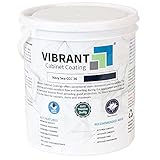
Colorful cabinetry defines the mood and accents the space of an eclectic kitchen, often contrasting with more neutral elements to create a dynamic visual focal point. Choosing a vibrant hue for your kitchen cabinets is one of the most impactful ways to inject personality and an instant dose of “dopamine decor” into your eclectic kitchen design ideas. Instead of uniform whites or grays, imagine deep teals, mustard yellows, or rich emerald greens that “accent the space” and immediately grab attention, creating a powerful “focal point creation” that sets the tone for your entire design.
What You Need:
- High-quality cabinet paint (e.g., latex enamel for durability) in a vibrant hue like deep teal, mustard, or emerald green.
- Painter’s tape, drop cloths, and fine-grit sandpaper.
- Primer specifically designed for cabinetry adhesion.
- New or refurbished brass hardware or matte black accents to complement the chosen color.
- Paint brushes and a small foam roller for smooth application.
What To Do:
- Prepare Surfaces: Remove cabinet doors and drawers, then thoroughly clean and degrease all surfaces. Lightly sand with 220-grit sandpaper for optimal paint adhesion.
- Prime for Longevity: Apply 1-2 coats of high-quality primer, allowing adequate drying time between coats. This is crucial for durable finishes.
- Paint with Precision: Apply 2-3 thin, even coats of your chosen bold color paint. Use a brush for detailed areas and a foam roller for flat surfaces to minimize brushstrokes.
- Install Hardware: Once completely dry, reattach doors and drawers, installing your chosen mismatched handles and knobs for an added eclectic touch.
- Style with Contrast: Pair your colorful cabinets with natural wood countertops or a simple, patterned backsplash to create visual balance.
Pro-Tip: When selecting a bold color for your cabinets, consider undertones. A rich jewel tone like sapphire or emerald green often works well as a primary color and complements vintage finds, while a sunny yellow can elevate the aesthetic of an otherwise neutral space. Test swatches in your kitchen’s lighting before committing.
2. Mix Materials with Purpose

Save this idea to your ‘Eclectic Home Design’ board for material inspiration!
The deliberate mixing of disparate kitchen materials creates flow and enhances functionality by building layered textures that unify the style of an eclectic kitchen. An eclectic kitchen thrives on diverse textured finishes, and a key strategy is to deliberately “mix materials” with purpose. This means combining seemingly contrasting elements like the warmth of distressed wood with the coolness of concrete, or the rough texture of exposed brick with the smoothness of glossy tiles. This thoughtful juxtaposition of diverse kitchen materials not only builds “layered textures” but also “unifies the style” by creating a rich visual tapestry that feels cohesive, dynamic, and unexpectedly harmonious.
Elements to Consider:
- Countertops: Pair a warm butcher block countertop with sleek stainless steel appliances, or a rugged concrete surface with refined marble accents.
- Backsplashes: Combine classic subway tiles with a section of exposed brick or a bold, patterned mosaic.
- Flooring: Opt for distressed wood planks alongside a modern concrete kitchen island base.
- Hardware & Fixtures: Blend brass hardware on lower cabinets with matte black accents on upper ones, or choose industrial lighting fixtures to complement traditional cabinetry.
- Furniture: Use mismatched chairs around a central island, incorporating different woods or metal frames.
How to Combine:
- Anchor with a Neutral: Start with a neutral base (e.g., white walls, light wood floors) to provide a canvas for your material mix.
- Vary Texture, Not Just Color: Think about how materials feel—smooth, rough, shiny, matte. Juxtapose a smooth marble backsplash with the texture of exposed brick.
- Repeat a Color/Finish: Introduce a unifying element. If you have some brass hardware, repeat brass in a faucet or lighting fixture to “bridge the gap.”
- Consider Scale: Balance large, dominant materials (like a concrete floor) with smaller, intricate ones (like a patterned tile inlay).
- Practicality First: Ensure selected materials are suitable for kitchen use, prioritizing “durable eclectic materials” and “kitchen functionality tips.”
Pro-Tip: When mixing various materials, aim for a common thread—this could be a specific color repeated in different textures, or a shared underlying aesthetic (e.g., all natural materials). This helps create “visual weight and balance” and prevents the space from feeling chaotic.

3. Embrace Vintage Finds with Modern Accents

Pin this vintage-modern kitchen blend to your ‘Eclectic Decor’ board!
The relationship between vintage finds and modern accents bridges the gap between eras, creating a collected-over-time look that reflects personality and becomes a hallmark of an eclectic kitchen. An eclectic kitchen is a canvas for storytelling, and few elements tell a richer story than vintage finds. Integrating heirlooms, thrift store finds, or carefully selected retro appliances like a Smeg refrigerator with sleek, modern elements creates a unique “old + new” dynamic. This intentional blending of different periods “bridges the gap” between eras, resulting in a “collected-over-time look” that deeply “reflects personality,” avoiding the “dated kitchen refresh” problem by layering history with contemporary design.
What to Look For:
- Furniture: Seek out an antique buffet or hutch for storage, or Mid-century modern furniture pieces like a Danish modern dining set.
- Textiles: A vintage kilim rug or a patterned textile as a window treatment can add instant character. Ensure it’s suitable for kitchen traffic.
- Accessories: Look for old canisters, unique ceramic bowls, or framed vintage prints.
- Hardware: Swap out existing pulls for antique hardware in brass or porcelain.
- Appliances: Consider a statement retro appliance like a Smeg refrigerator for a pop of color and nostalgia.
How to Integrate & Style:
- Balance “Old” with “New”: Pair a richly textured vintage wooden cabinet with sleek, modern white countertops and cabinetry. This “old + new” approach is key to the eclectic style.
- Focus on Function: Ensure vintage pieces, like a hutch, serve a practical purpose (e.g., storing dishes, a coffee station) rather than just being decorative.
- Modernize Finishes: If a vintage piece is too worn, consider repainting it in a bold color or refinishing the wood to match contemporary tones.
- Strategic Placement: A single large vintage piece, like a grand antique dining table, can “anchor the room” amidst modern elements.
- Layer with Care: Don’t overcrowd. Allow each vintage item to have its moment. Use “curatorial design methodology” to select pieces that tell a story.
Pro-Tip: When sourcing vintage items, always check for structural integrity and lead paint (if applicable). For rugs in high-traffic areas, opt for low-pile options like kilims, and use a rug pad to prevent slipping and “protecting vintage rugs.”

4. Style Open Shelving with Curated Collections

Inspire your eclectic kitchen with this open shelving display idea – save it now!
Open shelving acts as a canvas for a curated collection of diverse objects, enabling the display of an eclectic kitchen’s personalized style and collected-over-time look. In an eclectic kitchen, open shelving isn’t just for storage; it’s a prime opportunity for “focal point creation” and showcasing your curated collection of cherished items. This approach transforms everyday essentials and treasured objects into a dynamic “display” that highlights your unique “personal style” and contributes to the overall “collected-over-time look.” The challenge is to style it artfully, distinguishing between a well-arranged collection and simple clutter.
What You Need:
- Sturdy open shelving units (floating or bracketed).
- A diverse collection of items: mismatched ceramic dinnerware, vintage glass jars, colorful cookbooks, small art pieces, and plants (best plants for an eclectic kitchen vibe).
- Decorative accents like small brass figurines or unique ceramic vases.
- Functional items: often-used mugs, spice jars, and small cutting boards.
How to Curate & Display:
- Group by Theme/Color: Arrange items in small vignettes of 3-5, grouping similar colors or objects together, even if they’re from different eras or styles. For instance, gather all your pastel-colored mugs together.
- Vary Heights & Textures: Place taller items at the back or ends, and shorter items in front. Mix smooth ceramics with rough wood, and shiny metal with matte finishes to create “layered textures.”
- Incorporate Greenery: Add small potted plants (like a Pothos or Snake Plant) to bring life and organic texture to the shelves. This “softens the look” and adds a touch of biophilic design.
- Balance Practicality & Aesthetics: Display frequently used items within easy reach, but ensure they are visually appealing. Store bulkier, less attractive items elsewhere.
- Avoid Overcrowding: Leave negative space around groupings. An eclectic display is about thoughtful collection, not overwhelming clutter. Regularly “organize” and edit your display.
Pro-Tip: Use a common material or color as a unifying thread across your open shelves. For example, if you have a lot of white dishes, intersperse them with wooden elements or pops of a single accent color to create cohesion amidst diversity. This demonstrates “visual weight and balance” without being monotonous.

5. Incorporate Statement Lighting Fixtures

Highlight your eclectic kitchen with unique lighting! Save this idea!
A statement lighting fixture anchors the room and defines the mood of an eclectic kitchen, often contrasting with existing elements to create a powerful focal point. Lighting plays a crucial role in setting the ambiance and can serve as an unexpected focal point in an eclectic kitchen. A thoughtfully chosen statement lighting fixture can “anchor the room” and “define the mood,” creating a striking visual “focal point creation.” Consider a piece that “contrasts with” the surrounding decor, such as an ornate Art Deco lighting chandelier above a minimalist island, or a set of rugged industrial lighting pendants in a more traditional setting.
Elements to Consider:
- Chandelier: A grand, vintage-inspired chandelier (e.g., Art Deco lighting) over an island or dining area.
- Pendants: Grouped industrial lighting pendants in varying heights over a breakfast bar.
- Sconces: Unique wall sconces (e.g., Mid-century modern or antique brass) for ambient lighting.
- Track Lighting: Modern track lighting to highlight art or specific work areas, contrasted with more traditional fixtures.
- Material: Consider unusual materials like rattan, hammered metal, or blown glass to further the eclectic style.
How to Choose & Install:
- Define Your Focal Point: Decide where you want the lighting to draw the eye—often over an island, dining table, or a specific workspace.
- Contrast Styles: Pair an ornate, traditional chandelier with sleek, modern cabinetry, or minimal pendant lights with a rustic wooden table. This “contrasts with” the expected.
- Consider Scale: Ensure the fixture’s size is appropriate for your kitchen. A large chandelier might overwhelm a small space, or feel lost in a very large one. Aim for “furniture scale and proportion.”
- Layer Lighting: Don’t rely on a single source. Combine your statement piece with task lighting (under-cabinet) and ambient lighting (recessed) to “enhance functionality” and mood.
- Professional Installation: For safety and optimal function, especially with complex fixtures or new wiring, consider “professional tips” for installation.
Pro-Tip: When choosing a statement piece, think about how it “bridges the gap” between different elements in your kitchen. A mid-century modern chandelier can effectively link a vintage rug with contemporary appliances, becoming a unifying piece that “creates flow.”

6. Design a Patterned Backsplash

Add character to your eclectic kitchen with a bold backsplash – pin it!
A patterned backsplash serves as a striking attribute of an eclectic kitchen, anchoring the room with its design while contrasting with plainer elements, demonstrating visual harmony through controlled chromatic saturation. A patterned backsplash is an exceptional way to introduce bold design and “chromatic saturation” into your eclectic kitchen. Whether you choose vibrant Mediterranean tiles, intricate geometric shapes, or even explore using wallpaper in an eclectic kitchen, this element can dramatically “anchor the room” and provide a stunning visual contrast to simpler cabinets and countertops. The key is to find patterns that resonate with your “personal style” while still contributing to the overall “visual harmony” of the space.
Materials Needed:
- Tiles: Choose unique Mediterranean tiles, geometric shapes, or a bold, colorful mosaic. Zellige or hand-painted ceramic tiles are excellent eclectic choices.
- Grout (matching or contrasting, depending on desired effect).
- Tile adhesive, spacers, and cutting tools.
- Alternatively, consider bold wallpaper in eclectic kitchens for a less permanent option (ensure it’s washable and durable).
Step-by-Step Directions:
- Plan Your Layout: Lay out your chosen tiles on the floor first to visualize the pattern and identify any cuts needed. Consider how the pattern will interact with your existing cabinets and countertops.
- Prepare the Surface: Ensure the wall is clean, dry, and level. For tiles, backer board may be required. For wallpaper, ensure the wall is smooth and primed.
- Apply Tiles/Wallpaper: Following product instructions, apply tile adhesive and set tiles using spacers for uniform grout lines. For wallpaper, carefully apply, matching patterns precisely.
- Grout/Seal: Once tiles are set, apply grout and clean off excess. For wallpaper, ensure edges are sealed if in a high-moisture area.
- Balance Visually: If your backsplash is very busy, pair it with simple, solid-colored countertops and understated cabinetry to allow the pattern to be the focal point. This is key to “balancing loud patterns.”
Pro-Tip: Don’t be afraid to run your patterned backsplash all the way up to the ceiling for a dramatic, immersive effect in an eclectic kitchen. This “elevates the aesthetic” and creates a true statement wall. For a subtle approach, choose a patterned tile in a monochromatic palette to add texture without overwhelming.

7. Curate a Kitchen Gallery Wall

Add personality to your eclectic kitchen with a gallery wall! Pin for inspiration!
A kitchen gallery wall is an expressive attribute of an eclectic kitchen, reflecting personality and allowing for the display of a curated collection that integrates elements to tell a story. Don’t relegate art to other rooms; bring it into your eclectic kitchen with a thoughtfully curated gallery wall. This is an ideal way to “reflect personality” and showcase a “curated collection” of diverse pieces, from family photos and vintage posters to abstract prints or unique kitchen-themed art. A gallery wall seamlessly “integrates elements,” turning a plain wall into a dynamic “display” that adds depth and character, answering the question of “how to incorporate art into a kitchen.”
What You Need:
- A diverse selection of framed art: family photos, vintage posters, abstract prints, children’s drawings, or even framed textiles.
- Frames in varying sizes, styles, and materials (e.g., ornate gold, simple black, natural wood).
- Picture hanging hardware (hooks, nails, or adhesive strips).
- Optional: Small mirrors, decorative plates, or quirky whimsical details.
How to Create Your Gallery Wall:
- Gather Your Collection: Start collecting pieces that resonate with your “personal style” and tell a story. Don’t worry if they don’t seem to match initially.
- Plan on the Floor: Arrange all your chosen pieces on the floor to experiment with different layouts before committing to the wall. Play with “asymmetrical balance” or a more structured grid.
- Find a Unifying Element: A common color palette, a recurring theme, or even the same type of matting can “unify the style” of disparate pieces.
- Hang with Care: Start with a central piece and build around it, or establish an invisible grid with painter’s tape to guide placement. Ensure secure hanging for kitchen environments.
- Consider Kitchen Context: Use washable frames or position art away from direct splash zones. This helps with “durable eclectic materials” in a high-use area.
Pro-Tip: Don’t limit your kitchen gallery wall to just framed art. Incorporate small shelves with potted herbs, unique cutting boards, or even a vintage clock to add dimension and further the “collected-over-time look.” This “breaks the monotony” of a flat wall.

8. Add Whimsical Details & Quirky Decor

Bring joy to your eclectic kitchen with these fun decor ideas – save them now!
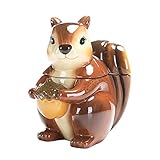
Whimsical details are key attributes that reflect personality and define the mood of an eclectic kitchen, contributing to a curated collection that feels uniquely individualistic. The charm of an eclectic kitchen often lies in its delightful whimsical details and quirky decor. These elements are not mere afterthoughts; they are essential attributes that “reflect personality” and “define the mood” of your space, contributing to a truly “individualistic kitchen.” From playful cookie jars to colorful retro appliances, these small touches add layers of “dopamine decor” and allow your “curated collection” to shine, ensuring your kitchen feels uniquely yours.
What to Look For:
- Collectibles: A charming collection of vintage teacups, colorful ceramic bowls, or retro appliances like a stand mixer in an unexpected color.
- Figurines: Quirky animal-shaped cookie jars, salt and pepper shakers, or small decorative sculptures.
- Textiles: Bright, mismatched tea towels or oven mitts with playful patterns.
- Art: Small, humorous, or abstract art pieces that add a pop of character.
- Plants: Unusual or exotic houseplants in decorative pots.
How to Integrate with Whimsy:
- Tell a Story: Display items that have personal significance—souvenirs from travels, family heirlooms, or handmade crafts. This creates a “collected-over-time look.”
- Unexpected Placement: Place a small, vibrant sculpture next to your cookbooks, or hang a string of fairy lights in an unusual spot. “Breaks the monotony” of conventional decor.
- Color Pops: Use small, colorful accents to “accent the space” and draw the eye. A bright teapot or a stack of rainbow-hued plates can bring joy.
- Embrace Imperfection: A slightly chipped vintage bowl or a distressed wooden sign adds to the charm and authenticity of an eclectic kitchen.
- Swap & Rotate: Regularly change out your smaller decorative items to keep the space feeling fresh and prevent it from becoming stagnant.
Pro-Tip: Don’t underestimate the power of everyday items to add whimsy. A beautifully designed, colorful coffee machine or a set of unique measuring spoons can be both functional and decorative, adding a subtle “whimsical detail” to your eclectic kitchen.
9. Optimize Functionality for Daily Joy

Keep your eclectic kitchen functional and fun – save these organization tips!
Optimizing kitchen functionality is a crucial attribute that enhances functionality and supports the theme of a well-designed eclectic kitchen, ensuring that style + function coexist without sacrificing usability. While aesthetics are paramount in an eclectic kitchen, true joy comes from a space that functions flawlessly. Kitchen functionality tips and smart storage solutions ensure that your beautifully curated space is also efficient and easy to use. This blend of “style + function” is key to what we call “ergonomic eclecticism,” where practicality “enhances functionality” and supports the overall theme of your unique design, proving that an eclectic kitchen doesn’t have to sacrifice usability.
Tools & Resources:
- Magnetic knife strips for freeing up counter space.
- Wall-mounted spice racks or drawer organizers.
- Colorful utensil crocks or drawer dividers.
- Pantry organization bins and clear containers for dry goods.
- Indoor herb gardens for fresh ingredients and a touch of green.
- Small space solutions like pull-out shelves or hidden storage.
Action Plan / Workflow:
- Assess Your Workflow: Analyze your most common kitchen tasks (prep, cook, clean) and ensure items needed for each are within easy reach. This aligns with effective “kitchen workflow layouts.”
- Declutter Ruthlessly: Before organizing, remove anything not used regularly or that doesn’t “spark joy.” An eclectic kitchen is curated, not cluttered.
- Utilize Vertical Space: Install open shelving, magnetic strips for knives, or wall-mounted pot racks to free up valuable counter and drawer space.
- Embrace Smart Storage: Use drawer dividers for utensils, stackable containers for pantry items, and pull-out organizers in cabinets.
- Personalize Functional Items: Choose colorful or unique utensil holders, cutting boards, and dish towels that “reflect personality” while still serving their purpose.
Pro-Tip: For a truly eclectic yet functional small kitchen, consider combining a rolling kitchen cart (for extra prep space or a coffee station) with a vibrant, portable bar cart. This offers versatile “small space solutions” and adds a playful element that can be moved as needed. This embodies “ergonomic eclecticism.”

FAQs About Eclectic Kitchen Design Ideas
What is eclectic kitchen design?
Eclectic kitchen design is an interior style that intentionally combines elements from different design aesthetics, periods, and cultures to create a cohesive yet personalized and unique space. It celebrates individuality by mixing modern with vintage, rustic with refined, or industrial with bohemian, often characterized by bold color palettes, mixed materials, and a curated, collected-over-time look rather than adhering to a single design rule.
How do I mix styles in an eclectic kitchen effectively?
To effectively mix styles in an eclectic kitchen, identify a unifying element such as a consistent color palette, a shared texture, or a common underlying mood. Start with a neutral foundation, then introduce diverse pieces, ensuring each contributes to a harmonious whole rather than clashing. Balance intricate patterns with solid colors and bold statements with subtle accents to create visual interest without overwhelming the space.
How can I design an eclectic kitchen on a budget?
Designing an eclectic kitchen on a budget involves smart sourcing and creative repurposing. Focus on thrift store finds, vintage markets, and DIY projects for unique furniture and decor. Consider painting existing cabinets a bold color instead of replacing them, and mix affordable new items with a few statement vintage pieces to achieve a high-impact, one-of-a-kind design without breaking the bank.
Can an eclectic kitchen also feel modern and sleek?
Yes, an eclectic kitchen can absolutely feel modern and sleek by balancing contemporary lines and minimalist elements with carefully chosen eclectic touches. Pair modern cabinetry and stainless steel appliances with a vintage rug, a bold patterned backsplash, or a statement Art Deco lighting fixture. This “old + new” contrast creates a dynamic and sophisticated modern eclectic style.
What are the best colors to use for an eclectic kitchen palette?
The best colors for an eclectic kitchen palette are those that reflect your personal style while creating a cohesive visual flow. Consider a base of neutral tones, then introduce vibrant hues like jewel-toned blues, emerald greens, or mustard yellows through colorful cabinetry, patterned backsplashes, or accessories. Expert color theory suggests using a dominant color, a secondary color, and an accent color for balance.
Is eclectic design prone to looking messy or cluttered?
Eclectic design is not inherently messy, but it can appear cluttered if not approached with a “curatorial design methodology.” The key is to distinguish between a “collection” and “clutter.” Each item should be intentionally chosen and strategically placed, with adequate negative space around groupings. Focus on “organizing open shelves” and implementing smart storage to maintain visual harmony.
How do eclectic and maximalist kitchen designs differ?
While both embrace abundance, eclectic design blends diverse styles for a cohesive yet varied look, whereas maximalist kitchen design emphasizes “more is more” with bold patterns, colors, and collections that intentionally fill space. An eclectic kitchen seeks balance between different elements, often with a unifying theme, while maximalism is about an opulent, rich, and often overwhelming sensory experience that celebrates excess.
How can I incorporate a vintage rug into my kitchen safely?
To safely incorporate a vintage rug into your kitchen, choose a low-pile, durable option like a kilim rug, which is easier to clean and less prone to tripping hazards. Place it in a low-traffic area, away from direct water sources, and always use a non-slip rug pad underneath. Regularly clean the rug and address spills immediately to protect the fibers and ensure longevity in a high-use environment.
What types of flooring work best with an eclectic kitchen?
A variety of flooring types work well with an eclectic kitchen, depending on the specific blend of styles you’re aiming for. Natural distressed wood planks offer warmth and character, while polished concrete provides a modern, industrial edge. Patterned tiles can make a bold statement, and even classic subway tiles can act as a neutral base to highlight more vibrant hues and mixed materials elsewhere in the room.
Should all my kitchen cabinets match in an eclectic design?
No, in an eclectic kitchen, your cabinets absolutely do not need to match; in fact, intentionally mismatched cabinets can enhance the unique, collected feel of the space. You can choose different colors for upper and lower cabinets, mix painted cabinets with natural wood, or even integrate freestanding vintage furniture pieces like a hutch. The goal is to create “visual harmony” through thoughtful juxtaposition, not uniformity.
Final Thoughts on Eclectic Kitchen Design Ideas
Ultimately, designing an eclectic kitchen is an act of self-expression, a bold rejection of mass-produced conformity in favor of a space that truly reflects your story and passions. It’s about finding the perfect balance between colorful cabinetry and vintage finds, marrying mixed materials with whimsical accents, and creating a one-of-a-kind design that feels both cohesive and utterly unique. By understanding the principles of thoughtful juxtaposition and careful curation, you empower yourself to “break the rules” of conventional design, transforming your kitchen into a vibrant kitchen design sanctuary of “dopamine decor.”
The beauty of eclectic style lies in its flexibility—it evolves with you, allowing new treasures to find their place, continually building a curated collection that brings joy every day. So, take these eclectic kitchen design ideas, gather your inspiration, and start crafting a kitchen that’s as wonderfully individual as you are. What’s the first unexpected element you’ll introduce to your kitchen?
Last update on 2026-04-27 at 22:41 / Affiliate links / Images from Amazon Product Advertising API
