
As an Amazon Associate KitchenwareSets.com earns from qualifying purchases.
Hidden Washer And Dryer Cabinet: Modern Laundry Ideas for Small Homes
Tired of your laundry corner disrupting your kitchen’s carefully curated style? Fitting functional appliances into a small home often creates a cluttered, frustrating laundry eyesore.
A hidden washer and dryer cabinet is a custom or modified piece of furniture designed to enclose laundry appliances, making them invisible and integrating them seamlessly into a room’s decor. This essential small space solution transforms utility areas while reducing visual clutter and minimizing operational noise.
Drawing from comprehensive analysis of current data and expert design methodologies, we understand how to optimize these functional spaces safely. You will discover nine tested solutions for concealing appliances without sacrificing crucial airflow. Master these integration techniques to reclaim your floor space and elevate your home’s aesthetic.
Contents
show
Why Use a Hidden Washer and Dryer Cabinet in a Small Home?
A hidden laundry cabinet provides aesthetic integration by transforming a cluttered utility corner into a polished architectural feature. In a small home, every square inch matters, and exposed laundry appliances can quickly become a significant aesthetic disruption. By utilizing a specialized space optimization strategy, you can reclaim your living area while maintaining full functionality. Integrating heavy machines into your kitchen, hallway, or bathroom requires more than just throwing a door over them.
Successful integration demands careful consideration of ventilation, heat exhaust, and moisture control to ensure strict safety standards are met. Expert design principles dictate that these concealed spaces must balance visual appeal with rigorous mechanical requirements. Whether you are dealing with a multi-purpose room or a tight apartment layout, concealing your machines offers a transformative solution that dramatically elevates your interior design. Modern hidden washer and dryer cabinets represent the perfect blend of form and function for contemporary living.
9 Modern Hidden Washer And Dryer Cabinet Ideas for a Seamless Home
Implementing a seamless laundry concealment system requires matching the right cabinet strategy to your specific space, budget, and DIY skill level. From simple weekend builds to advanced architectural integrations, hiding your washer and dryer is an achievable goal for any homeowner. The following solutions range from affordable IKEA hacks to sophisticated pocket door systems, offering a comprehensive gallery of ideas. Each concept addresses critical functional needs, such as managing a front-load washer or housing a stackable unit, while providing incredible aesthetic integration. By exploring these diverse approaches, you can identify the perfect custom laundry furniture or DIY laundry cabinet strategy to seamlessly upgrade your home.
1. Construct the Classic DIY Plywood Enclosure

Pin this simple and effective DIY project to your ‘Home Projects’ board!
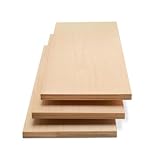
Building a custom-built plywood box is the most straightforward method for learning how to build a cabinet to hide a washer and dryer. This approach is highly adaptable, allowing you to create a heavy-duty enclosure tailored to the exact dimensions of your appliances. By focusing on a basic three-sided structure, even novice builders can achieve a clean, built-in look that effectively disguises bulky machines.
Supplies Needed
- 3/4-inch cabinet-grade plywood (birch or oak for a paintable or stainable finish)
- 1×3 lumber for internal supports and face frame
- Concealed European hinges for a seamless look
- Wood glue and 1 1/4-inch pocket hole screws
- Primer and paint or wood stain and polyurethane sealant
- Cabinet door hardware (handles or pulls)
- A pocket hole jig
Step-by-Step Directions
- Measure your side-by-side appliances, adding 3 inches of width for airflow and 1-2 inches of depth for hoses.
- Construct the side panels and top piece of the cabinet box using plywood sheets. Join them together with wood glue and pocket hole screws to form a three-sided box.
- Reinforce the structure by attaching the 1×3 lumber supports along the interior back edges.
- Assemble and attach the face frame to the front of the plywood box for a clean, professional finish.
- Build the cabinet doors from the same plywood, cutting them to size to allow for a 1/8-inch gap around all sides.
- Mount the doors to the face frame using the concealed hinges.
- Finish the cabinet by priming and painting or staining and sealing all surfaces, paying extra attention to sealing the interior against moisture.
- Install your chosen cabinet hardware.
Pro-Tip: In my experience as of September 2026, using marine-grade plywood is worth the extra cost if your cabinet is in a bathroom or high-humidity area. It provides superior protection against moisture damage and warping over time.
2. Implement the Ultimate IKEA Sektion Laundry Hack

Save this brilliant IKEA hack for your next renovation project!
An IKEA laundry hack using modular components is an incredibly popular small space solution for creating custom laundry furniture on a budget. The IKEA Sektion system, traditionally used for kitchens, can be ingeniously modified to house stackable appliances. This method provides a high-end, European laundry look without the expense of bespoke cabinetry.
Supplies Needed
- One IKEA SEKTION High cabinet frame (24-inch or 30-inch width, 24-inch depth)
- An IKEA UTRUSTA reinforced shelf (for separating stackable units) or custom-cut 3/4-inch plywood
- Two corresponding IKEA doors (e.g., AXSTAD or VEDDINGE)
- Heavy-duty L-brackets and construction screws
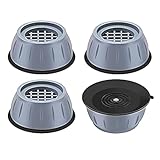
- Decoupled vibration pads to place under the washer feet
- A hole saw for drilling ventilation and plumbing access holes
Step-by-Step Directions
- Assemble the IKEA SEKTION high cabinet frame according to the instructions, but DO NOT install the back panel yet.
- Reinforce the cabinet by securing it directly to wall studs through the top and bottom rails using long construction screws.
- Measure the height for your separating shelf. It should sit directly on top of the bottom washer, leaving minimal gap.
- Install the reinforced shelf. Secure it not just with IKEA pins, but by adding heavy-duty L-brackets underneath, screwed into the cabinet sides.
- Drill large ventilation holes in the cabinet back panel using a hole saw before attaching it. Also drill access holes for water lines, the drain hose, and the dryer vent.
- Place the vibration-dampening pads in the bottom of the cabinet and carefully slide the washer into place.
- Connect all plumbing and vents. Then, lift and place the dryer on the reinforced shelf.
- Mount the cabinet doors, adjusting the hinges for perfect alignment and a seamless aesthetic.
Pro-Tip: The standard IKEA back panel is too flimsy to withstand appliance movement. What most guides miss is that replacing it with a custom-cut 1/4-inch plywood sheet dramatically increases the cabinet’s rigidity and provides essential vibration control.
3. Install a Space-Saving Bifold Door Solution

Need to hide laundry in a tight hallway? Pin this bifold door idea!
When converting a narrow closet laundry room, bifold doors are superior to traditional swinging doors. Because bifold doors fold in half, they require significantly less clearance, making them the ultimate space-saving solution for tight hallways or small apartments. When properly installed, these laundry cabinet doors gracefully enclose a stackable washer dryer setup without obstructing traffic flow.
Supplies Needed
- A set of bifold doors (solid core recommended for durability and sound dampening)
- A heavy-duty bifold door hardware kit, including the track, pivots, and rollers
- A drill and screwdriver
- A level
- Paint or stain to match your decor
Step-by-Step Directions
- Frame the laundry closet opening if one doesn’t already exist. Ensure the opening is square and plumb.
- Paint or stain your bifold doors before installation. It’s much easier to get a clean finish this way.
- Install the top track into the header of the door opening. Ensure it is perfectly level.
- Attach the pivot and roller hardware to the top and bottom of the bifold doors according to the kit’s instructions.
- Mount the bottom pivot bracket onto the floor or door jamb.
- Lift the doors into place. Insert the top pivot and roller into the track first, then seat the bottom pivot into its bracket.
- Align the doors so they are plumb and operate smoothly. Adjust the top and bottom pivots as needed to get a perfect fit.
- Install the door pulls or knobs in the center of the lead door panels.
Pro-Tip: For improved airflow and to prevent overheating, choose louvered bifold doors. This design features built-in slats that provide continuous ventilation, which is a critical safety standard for any enclosed vented dryer system.

4. Design an Elegant System with Pocket Doors

The ultimate in hidden luxury. Pin this pocket door laundry station!
For a truly high-end vs budget comparison, pocket doors represent the pinnacle of seamless integration. Unlike bifold doors that protrude into the space, pocket doors slide completely into a hidden wall cavity, offering a zero-clearance, unobstructed opening. This custom-built approach is perfect for open-concept living areas where an exposed laundry setup would severely compromise the aesthetic.
Tools Required
- A soft-close pocket door frame kit (ensure it’s rated for the weight of your door)
- A solid core door slab
- Drywall, joint compound, and tape
- A reciprocating saw and stud finder (for retrofitting)
- A level and drill
Process
- Plan the installation. Pocket doors require a wall cavity twice the width of the door itself. This is best planned during new construction or a major renovation.
- Frame the rough opening for the pocket door kit according to the manufacturer’s technical specs. This includes the header and the split studs that form the “pocket.”
- Install the pocket door frame and track, ensuring the track is perfectly level to prevent the door from rolling on its own.
- Hang the door on the roller carriages and test its movement before closing up the wall.
- Secure the drywall over the pocket door frame. Be careful to use the correct length of screws to avoid puncturing the pocket.
- Finish the drywall with tape and joint compound, then sand, prime, and paint.
- Mount the door guides and install the jamb kit and your chosen low-profile pocket door pull.
Pro-Tip: Don’t skim on the hardware. An often-overlooked strategy is utilizing a premium soft-close pocket hardware kit from a reputable brand. This serves as a vital authority signal, as cheap hardware inevitably leads to derailments inside a closed wall cavity that are disastrously difficult to fix.

5. Integrate Laundry into a Kitchen Island

A truly invisible washer and dryer! Pin this kitchen island idea for your remodel.
Concealing an integrated washer dryer within a kitchen island is a brilliant architectural move that centralizes utility tasks. This under counter washer setup maximizes multi-functional zones by leveraging the island’s depth. However, integrating active plumbing and heavy vibrating appliances into the center of a kitchen introduces advanced technical challenges, particularly regarding plumbing manifold access.
Supplies Needed
- A compact, front-loading washer or all-in-one washer-dryer combo (typically 24 inches wide)
- Custom cabinetry for the island, designed with a dedicated appliance bay
- Marine-grade plywood for the base of the appliance bay
- Vibration-dampening sheets to line the inside of the bay
- Access panels for plumbing and electrical shutoffs
- A licensed plumber and electrician
Step-by-Step Directions
- Design the island with your cabinet maker and contractors. This is not a simple DIY. The design must account for a dedicated GFCI electrical circuit and hot/cold water supply lines and a drain, all run under the floor to the island.
- Construct the island frame, ensuring the appliance bay is reinforced to handle the machine’s weight and torque.
- Line the appliance bay with vibration-dampening sheets.
- Install the plumbing and electrical connections within the island. Your certified installer must fit a plumbing manifold with easily accessible shutoff valves.
- Place the island and secure it heavily to the floor joists.
- Seal the plywood base of the appliance bay with multiple coats of polyurethane to make it waterproof.
- Connect the appliance to the water supply, drain, and electrical outlet.
- Mount the kitchen laundry cabinet door, ensuring it utilizes strong, concealed hinges to bear the weight.
Pro-Tip: A ventless dryer (either a condenser or heat pump model) is absolutely necessary for an island installation. Venting a traditional dryer duct from the middle of a floor plan is highly impractical, restricts airflow, and is frequently against local building codes.

6. Create a Stackable Unit Utility Closet

Maximize vertical space with this organized laundry closet idea!
Transforming a narrow space into a dedicated utility closet for a stackable washer dryer is a staple of small apartment living. This layout capitalizes on vertical height rather than horizontal floor space. By carefully framing out a new closet or retrofitting an existing one, you can centralize your hidden laundry storage and keep the mess entirely out of sight behind closed doors.
Supplies Needed
- A stackable washer and dryer set
- The manufacturer-specific stacking kit
- A washing machine drain pan
- 2×4 lumber for framing
- Drywall and finishing supplies
- A pre-hung interior door
Step-by-Step Directions
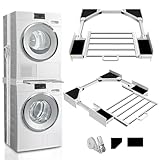
- Measure the depth and width of your stacked unit. Frame a closet that is at least 3-4 inches wider and 4-6 inches deeper to allow for hoses, exhaust ducting, and necessary airflow.
- Run the plumbing and electrical. A dedicated 240V outlet is required for most standard vented dryers, plus a separate 120V outlet for the washer.
- Install the washing machine drain pan on the floor. Connect its drain hole to your home’s main drainage line if possible, or ensure it will at least contain a localized small leak.
- Install the drywall, then tape, mud, sand, and paint the interior of the closet with a moisture-resistant paint.
- Place the washer inside the closet, centering it precisely on top of the drain pan.
- Secure the stacking kit to the top of the washer per the manufacturer’s strict safety instructions.
- Lift the dryer onto the washer and lock it securely into the stacking kit. This is a mandatory two-person job.
- Connect all hoses and vents, then hang the door to complete the functional closet space.
Pro-Tip: Before installing the drywall, take detailed, well-lit photos of the plumbing and electrical lines inside the studs. If you ever need to perform emergency maintenance or cut into the wall for a drainage leak, referencing these photos is a professional tip that will save you time and money.
7. Build a Soundproof Cabinet for Noise Reduction

Silence the spin cycle! Pin this soundproof laundry cabinet idea.
A soundproof enclosure for noisy washing machines addresses one of the most frustrating aspects of open-plan living. When an appliance is integrated into a living room or kitchen, vibration control and noise reduction become paramount. True soundproofing requires a heavy-duty, sealed cabinet design that utilizes mass to block sound waves and decoupling materials to isolate structural vibrations.
Supplies Needed
- Double-layered 3/4-inch MDF or plywood for cabinet walls
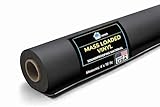
- Mass-loaded vinyl (MLV) sound barrier
- High-density acoustic foam panels
- Green Glue Noiseproofing Compound
- Decoupled vibration pads for under the machine
- Weatherstripping/gasket seal for the door
Step-by-Step Directions
- Construct a heavy-duty cabinet frame using double layers of MDF or plywood. Between the wood layers, apply a generous amount of Green Glue Noiseproofing Compound, which is engineered specifically to dissipate sound vibrations into heat energy.
- Line the entire interior of the cabinet with mass-loaded vinyl. This heavy, flexible barrier is the most critical element for blocking low-frequency sound transmission. Staple or glue it securely in place, ensuring full corner-to-corner coverage.
- Layer the high-density acoustic foam panels on top of the MLV. This secondary layer will absorb airborne sound within the cabinet box and reduce internal echoing.
- Build a solid, heavy door using the exact same double-layer, Green-Glued technique.
- Place the decoupled vibration pads on the cabinet floor. These specialized pads isolate the machine from the structural cabinet base, preventing rapid vibrations from turning the wooden cabinet into an amplifying speaker.
- Mount the door using heavy-duty hardware and install a thick rubber gasket or weatherstripping around the entire door frame to create an airtight acoustic seal when closed.
- Remember to still incorporate necessary ventilation, especially if housing a dryer. This may require installing specialized acoustically baffled air vents that let air pass but trap sound waves.
Pro-Tip: True soundproofing is entirely dependent on creating an airtight seal. Expert insight reveals that the biggest weakness is almost always the door perimeter. Use adjustable latching hardware that can mechanically compress the door tightly against the rubber gasket seal for maximum noise reduction.
8. Design a Mudroom Bench with Hidden Laundry

Mudroom and laundry in one? Pin this genius space-saving idea!
Combining entryway storage with utility functions creates the ultimate piece of functional furniture. A custom built-in mudroom bench that encloses a front-load washer is an exceptionally clever use of space. Because the bench must act as load-bearing seating while actively housing a vibrating appliance, constructing an independently reinforced inner box is a necessary structural requirement.
Supplies Needed
- A compact front-load washer (no dryer due to venting/heat issues directly under a seat)
- 3/4-inch moisture-resistant MDF or plywood for the internal structure
- 2×4 lumber for the heavy-duty internal support frame
- Shaker-style cabinet doors
- Heavy-duty hinges and hardware
- Bench cushion and heavy upholstery fabric
Step-by-Step Directions
- Design the entire mudroom built-in. The bay designated for the washer must be treated structurally as a separate, heavily reinforced cabinet.
- Construct the washer cabinet first, using 2×4 lumber for a base frame and 3/4-inch plywood for the walls and top. Ensure it is perfectly level and braced to support several hundred pounds of human weight on top.
- Build the adjacent bench seating and open cubby sections, attaching them to the exterior of the central washer cabinet.
- Create a continuous face frame that spans the entire built-in unit to visually unify the piece.
- Install the plumbing lines and electrical outlets directly behind the unit before sliding it into place. Leave a large access panel in the back if possible.
- Secure the entire finished built-in to the wall studs in multiple places to prevent shifting.
- Mount the shaker-style cabinet doors directly in front of the washer bay. Consider building a slide-out tray underneath the washer for much easier future servicing.
- Finish by painting the entire unit, adding a finished wood top to the bench seating, and placing the custom cushion.
Pro-Tip: A front-loading washer is the only viable option for a bench enclosure. Because the intense spin cycle creates significant forward-and-back torque, ensure the structural unit is bolted securely to the floor joists through the cabinet base to completely prevent the machine from ‘walking’ over time.

9. Extend a Bathroom Vanity to Hide a Washer

Spa bathroom meets laundry room. Pin this seamless vanity design!
To effortlessly disguise a washer in a bathroom, extending a bathroom vanity to create an under counter washer station offers unparalleled luxury. By running a continuous solid surface material like a quartz countertop over both the sink and the appliance, you protect against moisture while creating a deeply integrated, waterproof laundry cabinet aesthetic.
Supplies Needed
- A compact front-load washer
- Waterproof cabinet materials (PVC board or marine-grade plywood)
- A single, continuous piece of quartz countertop
- Cabinet doors and hardware to precisely match the main vanity
- Silicone sealant
Step-by-Step Directions
- Design the vanity extension as one massive, cohesive unit. The empty bay for the washer should be built to its exact width and height specifications, plus necessary clearance.
- Construct the cabinet boxes using fully waterproof materials. Standard MDF or particleboard will rapidly swell, bubble, and disintegrate in a steamy bathroom environment.
- Run dedicated plumbing manifolds and GFCI electrical outlets specifically for the washer.
- Install the cabinets to the wall, ensuring the washer bay is perfectly level and securely anchored.
- Seal all interior seams of the washer cabinet box with high-grade silicone sealant as a critical secondary line of defense against unexpected leaks.
- Place the washer securely into its bay and connect the hoses.
- Template for the countertop layout. It is absolutely critical that the quartz countertop is a single, unbroken piece that spans over both the vanity sink and the washer bay to prevent any surface water from seeping through a joint.
- Mount the matching cabinet door to hide the appliance, ensuring a flawless visual match with the rest of the vanity for a truly seamless design.
Pro-Tip: If you are undertaking a full bathroom renovation, insist on installing a small, discreet floor drain directly beneath the washer cabinet. It’s an advanced plumbing safety standard that provides ultimate peace of mind and significantly mitigates risk against potential catastrophic flooding.

Key Takeaways: Your Quick Guide to Hidden Washer And Dryer Cabinets
Before you finalize your layout, reviewing these essential principles ensures your hidden laundry cabinet project remains safe and functional. While aesthetic integration is the goal, prioritizing mechanical safety is paramount when enclosing active appliances. Whether you’re planning an IKEA laundry hack or a custom build, keeping these insights top-of-mind will guide your project to success.
Key Takeaways:
- Ventilation is Non-Negotiable: Always ensure your hidden washer and dryer cabinet has proper ventilation, especially for the dryer, to prevent overheating and dangerous moisture buildup. This is a critical building safety standard.
- Manage Vibration: Appliances vibrate forcefully. Use decoupled vibration pads and heavily reinforce your cabinet by securing it directly to wall studs to manage vibration control and drastically reduce noise transmission.
- Choose the Right Materials: In potentially wet areas like bathrooms or mudrooms, strictly use waterproof materials like PVC board or marine-grade plywood. For soundproofing setups, utilize dense materials like double-layered MDF combined with Mass Loaded Vinyl.
- Plan for Access: Don’t forget you will eventually need to service your machines. Ensure your architectural design allows for immediate access to water shutoffs, drain lines, and electrical plugs. Designing a removable back panel is an excellent strategy.
- DIY vs. Pro: Building a simple plywood box or an IKEA hack can be a highly rewarding DIY project. However, complex structural integrations—like a kitchen island setup—require certified installers to handle plumbing and electrical routing safely and legally.
FAQs About Hidden Washer And Dryer Cabinets
Addressing common questions about concealed laundry is essential for planning a successful project that adheres to safety guidelines. These expert-level insights tackle the most frequent challenges homeowners face when trying to hide utility appliances within living spaces.
Can you put a washer and dryer in a closed cabinet?
Yes, you can absolutely put a washer and dryer in a closed cabinet, provided you meet critical safety requirements. The most important consideration is proper ventilation for the dryer to safely exhaust heat and trapped moisture. The cabinet must feature louvered vents, maintain a 3-4 inch gap at the back for bulky hoses, and should never be completely airtight. Proper structural support to handle operational weight and vigorous vibration is also essential for longevity.
You must connect the dryer’s exhaust port directly to the outdoors using a rigid or semi-rigid metal duct. The cabinet architecture needs a designated hole in the back for the duct to pass through unobstructed. For complex installations where outdoor venting is mechanically impossible, like a kitchen island, you must use a ventless dryer (either a condenser or heat pump model) which processes moisture internally and entirely bypasses the need for an external vent.
What is the best material for a laundry cabinet?
The best material heavily depends on the location; for most dry interior areas, 3/4-inch cabinet-grade plywood is excellent for its robust strength and stability. In a bathroom or high-humidity area, marine-grade plywood or solid PVC board is vastly superior as it is waterproof and won’t swell. For focused soundproofing projects, using double layers of thick MDF bonded with a product like Green Glue is highly effective.
How do you prevent vibration in a laundry cabinet?
To effectively control vibration, you must use a specific combination of structural mass and mechanical decoupling. Build a remarkably heavy, rigid cabinet and bolt it securely to the home’s wall studs. Place the washer on heavy-duty anti-vibration pads or a thick rubber mat to successfully decouple it from the wooden cabinet structure. Ensuring the appliance is perfectly level on the floor is also a simple but absolutely crucial step to stop shaking.
Are IKEA cabinets strong enough for a washer and dryer?
Standard IKEA cabinets are NOT strong enough out of the box, but they can be heavily modified and reinforced to work perfectly. A successful IKEA laundry hack strictly requires securing the modular cabinet to wall studs, adding a custom reinforced shelf for safe stacking, and almost always replacing the flimsy cardboard back panel with sturdy 1/4-inch plywood to handle the immense weight and torque of the machines.
What’s the difference between bifold and pocket doors for laundry?
Bifold doors fold in half and protrude slightly into the room, making them great for hallway closets with limited forward swing space. Pocket doors, on the other hand, slide completely inside the wall, offering zero floor obstruction for the cleanest possible architectural look. However, pocket doors require a far more complex, invasive installation inside a wall cavity and are definitively best reserved for new builds or major gut renovations.
How much space do you need behind a washer and dryer in a cabinet?
You should leave a strict minimum of 3 to 4 inches of clear space behind the appliances. This clearance is not solely for routing the bulky dryer vent pipe; it is also necessary for the rigid water supply hoses and the gravity drain line. Crucially, this gap provides the necessary ambient airflow space, which actively helps prevent the hardworking appliances from overheating during continuous cycles.
Can I use a ventless dryer in a cabinet?
Yes, a ventless dryer is frequently the ideal choice for a closed cabinet installation, especially in central locations far from an exterior wall. Because ventless models do not expel hot, moist exhaust air, they only require adequate ambient airflow circulating around the cabinet itself to function. Using louvered doors or installing discrete vents at the top and bottom of the cabinet enclosure is highly recommended by manufacturers.
Plumbing is typically hidden completely within the wall behind the cabinet or routed meticulously through the cabinet’s hollow base. The professional key is to completely install the recessed water supply box and drain connection inside the wall studs before the physical cabinet is mounted. For central island installations, plumbing is run discretely under the subfloor. You must always include a hidden access panel for inevitable future maintenance.
While not always strictly required by municipal code, installing a washing machine drain pan is a highly recommended best practice. It acts as an inexpensive insurance policy that can easily contain a small weeping leak or a major catastrophic hose failure. By catching rogue water, a drain pan effectively prevents devastating water damage to your custom cabinet, expensive flooring, and the ceiling of the room below.
Final Thoughts on Your Hidden Washer And Dryer Cabinet
A perfectly executed hidden washer and dryer cabinet is the ultimate testament to where intelligent architectural design meets practical daily necessity. By transforming an otherwise chaotic utility zone into a seamless, highly functional feature, you drastically improve both the visual flow and the livability of your small home. As long as you rigorously adhere to tested safety standards regarding critical ventilation, vibration mitigation, and water management, this upgrade will serve you flawlessly for years.
Whether you decide to tackle a weekend IKEA hack or commission a custom pocket-door build, the meticulous planning you invest now guarantees an aesthetically stunning result. Armed with expert design knowledge and robust materials, you are fully prepared to reclaim your living space and banish the laundry eyesore forever. Which concealment strategy fits your home’s layout best, and what project will you start planning first?
Last update on 2026-09-18 at 11:32 / Affiliate links / Images from Amazon Product Advertising API
