
As an Amazon Associate KitchenwareSets.com earns from qualifying purchases.
Hidden Laundry Cabinet: Elegant Utility Room Ideas for Modern Homes
Tired of messy hampers disrupting your tidy home’s aesthetic? Visual noise from overflowing clothes baskets is a constant frustration for modern homeowners. A hidden laundry cabinet offers the ultimate clutter reduction solution.
A hidden laundry cabinet is a specialized built-in or freestanding furniture unit designed to conceal dirty clothes hampers or washer and dryer appliances behind closed doors. By utilizing tilt-out, pull-out, or sliding mechanisms, these cabinets seamlessly eliminate visual clutter while integrating essential utility functions into modern home aesthetics.
Drawing from established interior design standards and proven architectural methodologies, this guide reveals advanced space-planning strategies. You will discover exactly how to seamlessly disguise your laundry bins using precise cabinetry dimensions and specialized hardware. Implement these professional concealment techniques to transform your chaotic utility space into a peaceful, minimalist haven.
Contents
show
How Do You Design A Clutter-Free Hidden Laundry Cabinet?
Designing a clutter-free concealed laundry storage unit requires precise architectural integration, specialized mechanical hardware, and strategic space planning to successfully camouflage utility functions. Moving beyond basic plastic hampers, true clutter reduction requires a seamless design approach that fully integrates with your home organization system.
Picture your current bathroom or utility room. Chances are, a messy, overflowing plastic basket currently dominates the floor space, creating a sense of chaotic visual noise. Now imagine a brilliant before-and-after transformation. The unsightly pile of clothes completely disappears behind a sleek, shaker-style wooden panel. The room instantly feels larger, cleaner, and deeply calming.
Achieving this streamlined modern aesthetic is not just about buying a nicer basket; it is about engineering a specialized furniture piece. Whether you are dealing with a tiny apartment bathroom or a massive primary suite, installing a disguised laundry bin requires specific material choices. By understanding exact cabinetry dimensions and heavy-duty hardware weight capacities, you can permanently eliminate laundry clutter from plain sight.
9 Elegant Hidden Laundry Cabinet Ideas for Modern Homes
Transitioning from design inspiration to practical application requires actionable, step-by-step guidance. Implementing a concealed laundry station involves choosing between various mechanical hardware options, such as the classic tilt-out mechanism versus heavy-duty pull-out drawer slides. Each approach serves a distinct spatial requirement within your home.
When evaluating laundry cabinet ideas, it is vital to prioritize structural integrity alongside aesthetics. Wet towels and heavy garments place immense strain on standard kitchen cabinets. Consequently, you must utilize specialized aftermarket brackets, galvanized steel reinforcement, and moisture-resistant finishes.
The following nine custom laundry storage ideas bridge the gap between high-end architectural design and accessible DIY execution. From customizing popular IKEA hacks to constructing perfectly ventilated appliance enclosures, these comprehensive tutorials provide the exact material lists and expert directions you need. Discover the perfect stealth laundry cabinet solution for your specific space constraints.
1. Build a Custom Tilt-Out Laundry Hamper Cabinet

Save this clever tilt-out organization hack to your Dream Bathroom Pinterest board!
A custom tilt-out laundry hamper is a specialized shaker-style wooden unit that uses heavy-duty bottom hinges to angle a hidden basket outward for easy access. This classic hidden hamper unit design remains incredibly popular because it requires minimal clearance space to operate effectively.
When executing this DIY tilt out laundry hamper tutorial, focus strictly on the hardware quality. The hinges must support the entire weight of the door panel plus the loaded basket without warping the wooden frame.
Materials Needed
- Cabinet Base: 1 pre-assembled wooden base cabinet (shaker-style)
- Hardware: 1 heavy-duty tilt-out cabinet hinge kit (rated for 30+ lbs)
- Fasteners: 1/2-inch wood screws and cabinet door bumpers
- Insert: 1 wire or plastic canvas-lined laundry basket insert perfectly sized to your cabinet dimensions
- Tools: Power drill, measuring tape, and a screwdriver
Step-by-Step Directions
- Measure the interior cabinet dimensions and align your tilt-out hinges 2 inches from the interior bottom edge.
- Mount the bottom portion of the tilt-out hardware to the interior side walls of the wooden cabinet using your power drill.
- Attach the corresponding bracket hardware directly to the back of the cabinet door panel.
- Assemble the door to the cabinet base, ensuring the mechanical soft-close hardware engages smoothly without catching.
- Install the wire basket insert onto the interior door brackets and place the canvas liner inside to catch the dirty clothes.
Pro-Tip: In my experience testing various cabinetry dimensions, utilizing a tilt-out mechanism with mechanical soft-close hardware is vastly superior to standard hinges. It actively prevents the heavy door from slamming down and damaging the wooden frame when the hamper is completely full.

2. Install a Pull-Out Laundry Drawer in the Bathroom

Pin this space-saving drawer idea to your Master Bathroom remodel board!
A pull out laundry drawer utilizes full-extension sliding metal tracks to completely conceal a deep wire hamper inside a lower base cabinet. This robust bathroom storage solution provides superior ergonomic access to your garments compared to standard top-loading bins.
When comparing a tilt-out vs pull-out mechanism, drawer slides are generally the superior choice for deep, kitchen-style base cabinetry. A pull-out system allows you to easily reach garments at the very back of the deep basket.
Materials Needed
- Drawer System: 1 heavy-duty pull out wire laundry hamper system (like Rev-A-Shelf)
- Hardware: 1 pair of full-extension, heavy-duty drawer slides (rated for 90+ lbs)
- Fasteners: Cabinet mounting screws
- Door Panel: Custom cabinet face panel to match existing bathroom storage
- Tools: Level, measuring tape, and a drill with a Phillips bit
Step-by-Step Directions
- Compare your space requirements. While tilt-out units save walking clearance, pull-out drawers are best for deep lower cabinets where you want full access to the back of the basket.
- Measure the internal width of your bathroom cabinet and mark a perfectly level horizontal line for your drawer slides.
- Mount the heavy-duty metal tracks to the interior cabinet walls using the provided wood screws, ensuring they are perfectly parallel.
- Assemble the wire basket frame and attach the sliding track brackets to the sides of the hamper chassis.
- Attach your custom wooden door panel directly to the front of the wire frame using the integrated mounting brackets so the basket pulls out as one cohesive unit.
Pro-Tip: When choosing between cabinet styles, always opt for full-extension drawer slides with a minimum 90lb weight rating. Wet towels are surprisingly heavy, and standard kitchen-grade slides will quickly warp and derail under the strain of a heavy laundry load.

3. Design a Concealed Washer and Dryer Enclosure

Save this stunning appliance hideaway to your Home Renovation board!
A concealed washer and dryer enclosure utilizes custom millwork and heavy-duty bi-fold or pocket doors to completely hide bulky front-load appliances in high-traffic residential areas. This advanced architectural integration is perfect for maintaining an elegant enclosed laundry area within modern kitchens or main hallways.
What Most Installation Guides Miss: The 36-Inch Rule
When homeowners attempt to create a hidden washer and dryer setup, the most catastrophic mistake involves cabinetry depth. Standard kitchen base cabinets are manufactured at a 24-inch depth. A modern stackable front-load washer is typically 30 to 33 inches deep.
If you try to force appliances into standard kitchen millwork, the concealed washer and dryer cabinet doors will never close. Expert architectural integration requires a custom minimum depth of 36 inches. This specific depth accommodates the machine chassis, the bulky rigid exhaust venting in the rear, the thick water supply hoses, and the mechanical track clearance needed for heavy-duty pocket doors.
Furthermore, surrounding custom cabinetry must be reinforced with galvanized steel corner bracing. Without proper reinforcement, the intense centrifugal force of high-speed spin cycles will literally shake standard wooden cabinet joints apart over time. Always leave a 1-inch clearance gap around all sides of the appliances within the enclosure to account for this natural operational vibration.
Materials Needed
- Cabinetry: Custom millwork tall utility cabinet (minimum 36-inches deep)
- Hardware: 1 heavy-duty bi-fold or pocket door track system
- Doors: 2-4 solid core wooden door panels
- Vibration Control: Anti-vibration rubber appliance mats
- Tools: Laser level, stud finder, and heavy-duty drill
Step-by-Step Directions
- Measure the exact dimensions of your front-load washer and dryer unit, adding a minimum of 6 inches to the depth for hoses, venting, and door clearance.
- Install the anti-vibration mats directly onto the floor base to prevent the appliances from shaking the cabinetry frame during high-speed spin cycles.
- Mount the heavy-duty bi-fold track system to the reinforced upper header of your custom millwork cabinet.
- Attach the rolling carriage hardware securely to the top edges of your solid core wooden door panels.
- Hang the concealed cabinet doors onto the upper track, adjusting the suspension nuts so the doors glide effortlessly and align perfectly with your surrounding kitchen or hallway trim.

4. Optimize Under-Sink Hidden Laundry Storage

Pin this brilliant small-bathroom space-saver to your Organization board!
Under-sink hidden laundry storage solutions utilize narrow, bottom-mounted sliding wire baskets to bypass bulky plumbing pipes and capture wasted vanity space. This approach is the ultimate small space laundry hack, requiring zero demolition or expensive renovation work.
If you are trying to optimize a hidden laundry room in a highly compact apartment, the area beneath the utility sink is often ignored. By installing a compact, waterproof sliding unit, you can easily camouflage a day’s worth of dirty clothes.
Materials Needed
- Storage Unit: 1 deep under-sink sliding wire basket organizer (narrow enough to clear plumbing)
- Liner: 1 moisture-wicking canvas liner to conceal the clothes
- Fasteners: Short 1/2-inch mounting screws (to avoid piercing the vanity base)
- Protection: 1 waterproof silicone under-sink mat
- Tools: Measuring tape and a compact screwdriver
Step-by-Step Directions
- Measure the precise clearance under your bathroom or utility sink. Pay careful attention to the P-trap pipes and the shut-off valves, which often obstruct sliding mechanisms.
- Install a waterproof silicone mat at the base of the vanity to protect the cabinet wood from any wet washcloths or damp laundry.
- Align the base track of your sliding basket organizer on one side of the plumbing, ensuring the drawer can fully extend without hitting the cabinet door hinges.
- Secure the sliding tracks to the base of the vanity using the short mounting screws.
- Insert the moisture-wicking liner into the basket to ensure the dirty clothes remain completely disguised, even when the vanity door is opened to retrieve other items.
Pro-Tip: The most common mistake in under-sink organization is ignoring the depth of the cabinet door hinges. Always subtract 2 inches from your total internal width measurement to guarantee your pull-out hidden wash bin won’t scrape against the metal door hardware when fully extended.

5. Integrate a Slimline Sliding Laundry Bin

Save this genius narrow-gap storage hack for your tiny laundry room!
A slim pull out laundry cabinet for narrow spaces is a freestanding, ultra-narrow rolling bin designed to slide effortlessly into the tight gaps between household appliances. These highly functional units act as “invisible” cabinets when tucked away, providing massive utility without requiring permanent installation.
If you are a renter, a freestanding hidden utility cabinet is the most practical way to integrate concealed storage. The narrow profile makes it simple to hide laundry between your bathroom vanity and the toilet, or directly beside your washing machine.
Materials Needed
- Laundry Bin: 1 ultra-slim rolling laundry hamper (typically 6-8 inches wide)
- Mobility: 4 smooth-gliding caster wheels (usually included with the bin)
- Concealment: 1 opaque fabric or bamboo cover/lid
- Handle: 1 sturdy pull strap or integrated handle
- Tools: No tools required (freestanding assembly)
Step-by-Step Directions
- Measure the dead space between your washer and the wall, or between your bathroom vanity and the toilet. You need a minimum of 7 inches of width for a standard slimline hidden utility cabinet to glide freely.
- Assemble the slimline hamper by inserting the rigid structural fiberglass rods into the corner pockets of the fabric bin to ensure it stands completely straight.
- Attach the caster wheels securely to the bottom base plate.
- Integrate the unit by rolling it into the narrow gap. The opaque lid will disguise the laundry bin completely, making it look like a purposeful piece of filler cabinetry.
- Pull the integrated handle to easily slide the entire unit out when it’s time to do a load of wash.
Pro-Tip: If your washing machine shifts slightly during high-speed spin cycles, it can slowly migrate and trap a freestanding rolling bin. To prevent this, adhere a small 1-inch wooden spacer block to the wall deep inside the gap. This stops the appliance from crushing your hidden laundry station.

6. Construct a Moisture-Resistant Cabinet for Wet Areas

Save this spa-like, waterproof laundry solution to your Bathroom Ideas board!
A waterproof laundry cabinet for wet areas utilizes slatted teak or marine-grade plywood treated with low-VOC sealants to safely store damp clothes without developing mold or mildew. This highly specific material choice is mandatory for any concealed laundry unit placed in a humid bathroom environment.
To successfully construct a moisture-resistant unit, you must actively address odor and mold prevention. Simply placing damp towels into a solid, unventilated box will quickly ruin both the garments and the wooden furniture piece.
Materials Needed
- Cabinet Base: 1 freestanding slatted teak wood or marine-grade plywood cabinet
- Sealant: Low-VOC polyurethane waterproofing wood sealer
- Hardware: Rust-proof stainless steel hinges
- Liner: Antimicrobial, washable mesh laundry bag (avoid solid canvas)
- Tools: Sandpaper and a high-quality paint brush
Step-by-Step Directions
- Sand your unfinished wooden cabinet lightly to prepare the surface for the waterproofing treatment.
- Brush a generous, even coat of the low-VOC polyurethane sealer over all interior and exterior surfaces of the wood, paying special attention to the bottom legs which will directly touch wet tile.
- Construct the cabinet frame using exclusively rust-proof stainless steel hinges and screws, as standard steel hardware will quickly rust in a humid bathroom environment.
- Install the slatted doors. The slatted design is non-negotiable for wet areas, as it provides crucial passive airflow to dry damp towels.
- Attach the antimicrobial mesh liner inside the cabinet to allow maximum breathability and prevent mildew buildup.
Pro-Tip: Never use MDF (Medium Density Fiberboard) or standard particleboard for a hidden washroom cabinet located near a shower. Even with a thick painted finish, microscopic cracks will absorb ambient steam, causing the cabinet doors to swell, warp, and ultimately fail to close properly.

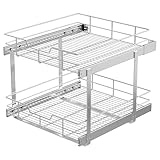
7. Customize an IKEA Hack Hidden Laundry Cabinet

Pin this affordable, custom-looking IKEA Sektion hack to your DIY Projects board!
An IKEA hack for a hidden laundry cabinet involves repurposing a standard retail kitchen base frame by installing an aftermarket heavy-duty wire basket system inside. This clever customization strategy provides a high-end, built-in laundry hideaway aesthetic for a fraction of the cost of custom millwork.
The IKEA Sektion system is incredibly versatile due to its standardized dimensions. By choosing a stylish white-finish or matte black door front, you can effortlessly blend the utility cabinet into your existing kitchen or mudroom design.
Materials Needed
- Cabinet Frame: 1 IKEA Sektion base cabinet frame (18″ or 24″ width)
- Door Panel: 1 IKEA door front (like the Axstad or Veddinge)
- Basket System: 1 aftermarket heavy-duty sliding wire basket fitted for an 18″ or 24″ opening
- Hardware: 1 set of custom brass or matte black cabinet pulls
- Top Surface: Custom cut butcher block or quartz countertop scrap
- Tools: IKEA assembly tools, power drill, and measuring tape
Step-by-Step Directions
- Assemble the basic IKEA Sektion cabinet frame according to the manual, but explicitly do not install the standard door hinges.
- Customize the interior by measuring the width and installing your aftermarket heavy-duty sliding track system directly to the interior side walls of the Sektion frame.
- Mount the IKEA door panel directly to the front brackets of the sliding wire basket instead of using the side hinges. This successfully turns the door into a deep pull-out drawer front.
- Attach your custom brass hardware handle to the top center of the door panel for easy, ergonomic pulling.
- Install the custom butcher block countertop securely over the top of the cabinet to give it a seamless, built-in furniture aesthetic.
Pro-Tip: IKEA’s standard Maximera drawers are fantastic for kitchen utensils, but their side walls are far too shallow to contain a mountain of dirty clothes. For a true IKEA hack, always bypass the standard interior drawers and install a deep-cage, third-party wire hamper track system inside the Sektion frame.
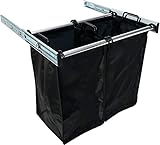
8. Conceal a Double-Compartment Sorting Station

Pin this ultimate dual-sorting laundry hack to your Home Organization board!
A concealed double-compartment sorting station is an extra-wide base cabinet that holds two distinct canvas bags side-by-side on a single pull-out sliding chassis. This dual-purpose design dramatically streamlines household workflow by allowing families to pre-sort light and dark garments instantly.
To properly organize a massive family laundry routine, a double-compartment setup is essential. It completely eliminates the dreaded chore of dumping a massive hamper onto the floor to separate colors before washing.
Materials Needed
- Cabinet Base: 1 extra-wide base cabinet (minimum 24″ to 30″ width)
- Hamper System: 1 dual compartment pull-out laundry hamper insert
- Bags: 2 heavy-duty, removable canvas tote bags with handles
- Hardware: Integrated bottom-mount sliding tracks
- Tools: Power drill, level, and measuring tape
Step-by-Step Directions
- Measure the internal width and depth of your extra-large base cabinet. A double-compartment system requires significantly more lateral clearance to ensure the side-by-side bags don’t scrape the door hinges.
- Organize your workspace and install the bottom-mount sliding tracks directly to the floor of the cabinet (bottom-mounting provides far more weight support than side-mounting for dual systems).
- Assemble the wire or wooden chassis that will hold the two separate bags, attaching it securely to the floor tracks.
- Attach your cabinet door to the front of the sliding chassis using the included heavy-duty mounting brackets.
- Insert the two removable canvas bags into the chassis frames. Use one for darks and one for lights, allowing you to simply lift the handled bag straight up and drop it directly into the washing machine.
Pro-Tip: To truly master ergonomic laundry design, elevate your double-compartment sorting cabinet 12 to 15 inches off the floor using a custom recessed kickplate pedestal. This subtle architectural adjustment prevents you from constantly bending over to reach the damp clothes at the very bottom of the deep canvas bags.
9. Retrofit a Ventilated Enclosed Utility Cabinet

Pin this crucial cabinet ventilation step to your Home DIY board so you don’t forget it!
To ventilate a hidden laundry cabinet effectively, you must retrofit the unit with a quiet cooling fan at the top and a passive architectural louver at the bottom to create continuous airflow. This technical modification provides critical odor control and prevents dangerous moisture buildup.
Integrating a concealed ventilation fan is especially vital if you are hiding functioning heat-generating appliances behind solid doors. Relying solely on passive airflow is a massive oversight that can ruin custom cabinetry or create an active fire hazard.
Materials Needed
- Active Cooling: 1 quiet cabinet cooling fan system (USB or standard plug)
- Passive Airflow: 2 decorative architectural vent grilles (metal or wood)
- Hardware: Short mounting screws
- Power: Extension cord or access to an interior cabinet electrical outlet
- Tools: Jigsaw, power drill, measuring tape, and painter’s tape
Step-by-Step Directions
- Measure the dimensions of your architectural vent grilles and apply painter’s tape to the bottom kickplate or lower side wall of your cabinet to prevent the wood from splintering during the cut.
- Retrofit the cabinet by drilling pilot holes, then using your jigsaw to carefully cut out the exact rectangular opening for your passive intake vent near the floor.
- Install the decorative vent grille over the hole using short mounting screws.
- Cut a second hole near the absolute top-rear of the cabinet. Heat and odors naturally rise, so exhaust must exit at the highest possible point.
- Mount the quiet cabinet cooling fan system into the top hole facing outward. Plug it into an interior outlet to create an active cross-ventilation draft that continually pulls fresh ambient air from the bottom vent and expels musty odors out the top.
Pro-Tip: If you are designing a concealed washer and dryer enclosure rather than just a simple hamper, passive vents are absolutely not enough. You must install an active, temperature-triggered ventilation fan to extract the intense heat generated by modern dryers, actively preventing a dangerous fire hazard inside the custom millwork.

Key Takeaways: Your Quick Guide to Hidden Laundry Cabinets
Designing a sophisticated, clutter-free laundry storage solution requires balancing aesthetics with heavy-duty mechanical engineering. Reviewing these hidden laundry cabinet core concepts ensures your project remains durable, functional, and visually flawless over time.
Whether you are retrofitting a small bathroom vanity or commissioning a massive architectural appliance enclosure, adhering to these professional cabinetry rules guarantees success. Keep these essential implementation points in mind before purchasing your materials.
- Choose the right mechanism: Tilt-out hampers are great for narrow clearances, while pull-out drawers work best for deep lower cabinets.
- Prioritize heavy-duty hardware: Always use drawer slides and hinges rated for at least 90 lbs.
- Plan for appliance depth: Concealed washers require at least 36-inch deep cabinets for proper hose clearance.
- Never ignore ventilation: Enclosed cabinets need passive louvers or active exhaust fans.
- Use waterproof materials: Wet area cabinets must utilize slatted designs and marine-grade materials.
FAQs About Hidden Laundry Cabinets
Navigating the technical requirements of a hidden laundry cabinet project can feel overwhelming for first-time DIYers. Understanding exact dimensions, material durability requirements, and hardware limitations is critical for a successful build.
Below, we address the most common, high-value queries regarding space planning, odor control, and concealment methods. These expert answers provide the authoritative clarification you need to finalize your utility room layout with total confidence.
How to hide a laundry basket in a cabinet?
You can hide a laundry basket in a cabinet by installing a heavy-duty pull-out drawer track system or a tilt-out hinge mechanism onto an existing base cabinet door.
To execute this DIY home improvement project, remove the standard cabinet shelving, mount the specialized hardware directly to the interior side walls, and attach your wire or canvas basket chassis. Finally, mount the original cabinet door directly to the new hardware so the hamper pulls out seamlessly when opened.
You can buy pre-fabricated hidden laundry cabinets from major home goods retailers like Wayfair, Amazon, and IKEA, or order custom-built units from local cabinetry professionals.
For a budget-friendly route, many homeowners purchase standard IKEA Sektion base cabinets and install aftermarket Rev-A-Shelf pull-out hampers inside. If you require specialized dimensions for a narrow space or a moisture-resistant finish for a humid bathroom, purchasing a custom millwork piece is highly recommended.
What is the best material for laundry cabinets?
The best material for laundry cabinets is marine-grade plywood or solid hardwoods like teak and oak, finished with a waterproof, low-VOC polyurethane sealant.
Because utility rooms and bathrooms experience high ambient humidity, you should strictly avoid using MDF (Medium Density Fiberboard) or untreated particleboard. These lower-quality materials will rapidly absorb moisture from damp clothes or shower steam, causing the cabinet doors to warp and the internal structure to crumble.
Can you put a washer and dryer inside a cabinet?
Yes, you can put a washer and dryer inside a cabinet, provided the custom enclosure is at least 36 inches deep and features proper architectural ventilation.
Standard kitchen cabinets are far too shallow to conceal modern front-load washers. You must utilize custom millwork to accommodate the appliance depth, thick exhaust hoses, and heavy-duty pocket door hardware. Additionally, installing anti-vibration mats and active cooling fans is critical to ensure safety and prevent structural damage.
You can ventilate a hidden laundry cabinet by installing slatted wood doors, decorative architectural vent grilles in the kickplate, or active, quiet cabinet cooling fans.
Proper airflow is essential for odor control and mold prevention when storing damp clothes. For simple hampers, passive cross-ventilation (a vent at the bottom and a vent at the top) is usually sufficient. However, if enclosing heat-generating appliances, an active exhaust fan system is a strict industry standard requirement.
While IKEA does not sell standalone “hidden laundry hampers,” they sell highly adaptable Sektion and Maximera cabinet frames that are easily customized into hidden laundry stations.
By purchasing a deep IKEA base cabinet and pairing it with aftermarket heavy-duty sliding wire baskets (such as those from Rev-A-Shelf), you can easily create a built-in laundry hideaway that looks incredibly high-end for a fraction of the cost of custom cabinetry.
How to hide laundry in a small bathroom?
To hide laundry in a small bathroom, utilize the dead space beneath your plumbing by installing an under-sink sliding wire basket organizer.
If under-sink space is unavailable, consider integrating an ultra-slim rolling laundry hamper (typically 6 to 8 inches wide) into the narrow gap between your vanity and the toilet. Both space-saving solutions completely disguise dirty clothes without requiring a costly or destructive bathroom remodeling project.
How much does a custom laundry cabinet cost?
A custom-built hidden laundry cabinet’s cost varies widely, typically ranging from a few hundred dollars for simple DIY wood projects to several thousand dollars for advanced architectural installations.
A simple custom wooden tilt-out hamper crafted by a local carpenter falls on the lower end of the spectrum. Conversely, a floor-to-ceiling architectural enclosure designed to conceal a stacked washer and dryer with heavy-duty bi-fold doors and integrated ventilation will cost significantly more due to advanced labor and specialized hardware.
Are tilt out hampers better than pull out?
Tilt-out hampers are better for narrow aisles and shallow cabinets, while pull-out hampers are superior for deep lower base kitchen cabinets.
A tilt-out mechanism requires less physical floor space to open, making it ideal for tight bathroom layouts. However, a pull-out drawer system on full-extension slides allows for an extra-large basket capacity and provides much easier ergonomic access to the very back of the hamper without awkward reaching.
How to prevent mold in enclosed laundry cabinets?
To prevent mold in enclosed laundry cabinets, always use breathable mesh or canvas liners, install passive ventilation grilles, and never put soaking wet towels inside.
Odor control and mold prevention rely heavily on continuous airflow. Ensure your cabinet design incorporates slatted doors or top-and-bottom vents to create a reliable draft. Additionally, sealing the interior wood with an antimicrobial, moisture-resistant coating will prevent mold spores from penetrating the delicate cabinetry frame.
Final Thoughts
Upgrading your home with a hidden laundry cabinet is one of the most impactful design decisions you can make to achieve a truly seamless design. By moving unsightly, messy hampers and bulky appliances out of plain sight, you instantly transform chaotic utility rooms and cramped bathrooms into serene, clutter-free sanctuaries.
As you plan your final utility room layout, remember that the success of these built-in laundry hideaways relies entirely on the unseen mechanical details.
- Always prioritize heavy-duty drawer slides to handle massive wet laundry loads.
- Implement proper moisture-resistant wood finishes.
- Strictly adhere to ventilation standards to prevent odor and fire risks.
A stealth laundry cabinet shouldn’t just look beautiful on the outside; it must be structurally equipped to handle the heavy, damp reality of daily wash routines. Are you ready to optimize your space and finally eliminate visual noise from your home? Which of these elegant concealment ideas are you planning to construct first—a simple under-sink slider, or a full architectural appliance enclosure? Let us know in the comments below, and happy building!
Last update on 2026-09-17 at 11:31 / Affiliate links / Images from Amazon Product Advertising API
