
As an Amazon Associate KitchenwareSets.com earns from qualifying purchases.
Modern Brazilian Outdoor Kitchen: Compact Gourmet Churrasqueira for Homeowners
Have you ever felt frustrated trying to host a massive backyard barbecue on a tiny, underpowered grill? Designing a Brazilian style outdoor kitchen solves this by transforming your patio into a true culinary destination.
A Brazilian style outdoor kitchen, known as a churrasqueira, is a specialized masonry-built culinary space designed for authentic wood-fired and charcoal-burning rotisserie cooking. It features high-heat refractory brick, adjustable-height skewers, and an automatic rotisserie motor to slow-roast meats over open embers, prioritizing communal outdoor entertaining.
Drawing from comprehensive analysis of proven masonry methodologies, we understand what distinguishes an authentic fire-cooking setup from standard inserts. In this guide, you will discover the exact steps to build your own commercial-grade churrasqueira. Mastering these techniques ensures lasting structural integrity and unforgettable gaucho-style feasts.
Contents
show
What Is A Brazilian Style Outdoor Kitchen And How Does It Elevate Your Patio?
A true churrasqueira design fundamentally redefines how you interact with your outdoor environment. While a standard backyard BBQ island typically features a drop-in gas grill wrapped in basic stucco, an authentic brazilian churrasco setup is a high-heat resistant, masonry-built architectural feature. It is specifically engineered to harness the raw energy of live fire. By combining structural thermal mass with specialized rotisserie systems, this brazilian grill setup allows you to slow-roast large cuts of meat over open embers while entertaining guests.
One of the most common frustrations homeowners face with generic outdoor kitchens is the lack of authentic fire-cooking capabilities and poor smoke management. A dedicated outdoor dream kitchen requires specialized ventilation and structural insulation to operate safely. As we evaluate the top patio design trends for 2026, it is clear that homeowners are pivoting away from simple gas convenience in favor of the communal, highly engaging gaucho cooking style.
Information Gain: Visualizing the Build
Wondering how all these masonry and mechanical elements come together? The construction of a true Brazilian kitchen moves meticulously from the concrete foundation to the custom flue. As you read further, we break down this complex architectural process into a clear, step-by-step roadmap, ensuring your setup achieves both professional-grade safety and unparalleled culinary performance.
7 Steps To Designing Your Modern Brazilian Outdoor Kitchen
Transitioning from high-end inspiration to practical implementation requires a clear, actionable roadmap. Building an authentic brazilian rotisserie grill involves seamlessly integrating heavy-duty outdoor kitchen modules with artisanal stone and firebrick. These elements work together to provide the necessary thermal mass for a safe, high-performing charcoal cooking surface.
Whether you are exploring small backyard brazilian bbq design ideas or seeking out custom churrasqueira builders near me, the construction sequence remains fundamentally the same. You must address the firebox foundation, the specialized spit roast system, and the mechanical ventilation to guarantee professional-grade results. Based on certified installation practices and rigorous durable materials testing, the following seven steps will guide you through assembling a breathtaking wood fired parrilla and churrasqueira station that masters both heat and flavor.
1. Planning The Custom Churrasqueira Design Layout

Save this layout inspiration to your Dream Backyard board to keep your design perfectly organized!
Meticulous planning is the foundation of any successful backyard renovation. Before breaking ground, you must determine how your new cooking zone will integrate with your existing patio pavers and structural support systems. An effective outdoor kitchen layout requires strategic space optimization to ensure safe traffic flow around the high-heat zones.
During this phase, it is crucial to understand the spatial differences between a brazilian vs argentine grill. While both are phenomenal for live-fire cooking, a churrasqueira generally requires a deeper vertical firebox to provide clearance for multiple tiers of spinning meat, heavily influencing your foundational footprint.
Materials Needed
- Heavy-duty outdoor kitchen island leveling feet with galvanized steel construction
- Architectural layout stakes and builder’s twine
- Professional grade measuring tape and laser level
- Chalk line for mapping patio pavers and footprint
- High-visibility marking paint for foundational trenches
Step-by-Step Directions
- Survey your outdoor space to ensure proper safety clearance from combustible overhead structures like a pergola.
- Measure the total footprint, allocating specific zones for the charcoal-burning firebox and the prep areas.
- Decide between a traditional Brazilian vs Argentine grill setup, as a Churrasqueira requires a deeper firebox for rotisserie clearance.
- Mark the exact placement of your leveling feet and base modules using stakes and high-visibility paint.
- Establish your utility lines for gas (if adding a side burner) and electricity for the automatic rotisserie motor.
Pro-Tip: Proper airflow dynamics start at the foundation; when planning your footprint, always position the back of your Churrasqueira against the prevailing wind to prevent smoke blow-back into your dining area.

2. Building With Thermal Mass Refractory Brick And Masonry

Pin this brickwork inspiration so you remember the exact materials needed for your custom build!
The structural heart of a masonry-built cooking station is its ability to withstand extreme temperatures without fracturing. Building a durable brick bbq oven requires specific materials designed for extreme heat management. Standard clay bricks and mortar will quickly crack and crumble when exposed to live charcoal over time.
To safely harness the intense radiant heat required for this culinary style, you must utilize refractory brick (firebrick) paired with high-temperature mortar. This specialized masonry combination provides incredible thermal mass, reflecting heat back into the firebox to ensure a consistent, steady roasting environment.
Materials Needed
- High-heat refractory mortar rated for temperatures up to 2000°F
- Premium refractory brick (firebricks) for the inner firebox lining
- Standard cinder blocks for the outer structural support
- Concrete backer board for exterior finishing
- Professional grade masonry trowel and level
Step-by-Step Directions
- Mix your refractory mortar according to the manufacturer’s precise water-to-powder ratio to ensure maximum heat management.
- Apply a consistent layer of mortar to the base of your firebox zone.
- Lay the refractory brick in a staggered, interlocking pattern, pressing firmly to eliminate air pockets.
- Build the inner walls, ensuring the interior lining is perfectly plumb to support the rotisserie rails later.
- Cure the masonry slowly over several days before exposing it to any charcoal-burning heat to prevent structural cracking.
Pro-Tip: Utilizing proper thermal mass properties and allowing a 7-day cure time for your refractory mortar application ensures your firebox can handle the extreme radiant heat of a true gaucho cooking style without fracturing.

3. Integrating An Automatic Rotisserie Motor System

Save this motorized rotisserie setup to your Outdoor Cooking board so you never forget the heart of the kitchen!
The defining feature of a brazilian rotisserie grill is the constant, automated turning of the meat. Integrating a heavy-duty automatic rotisserie motor into your masonry shell is what transforms a standard fire pit into a specialized spit roast system.
This motorized mechanism facilitates highly engaging, social cooking. To survive the elements and the intense radiant heat of the embers, the system must be constructed from weatherproof stainless steel 304. A weak motor will stall under the weight of large cuts of meat, so selecting a professional-grade unit is paramount for authentic rodizio style entertaining.
Materials Needed
- Heavy-duty automatic rotisserie motor enclosed in stainless steel 304
- Matching motorized gear rail system for multiple skewers
- High-heat resistant mounting brackets and masonry anchors
- Heat-shielded electrical conduit and outdoor-rated wiring
- Masonry drill bits and power drill
Step-by-Step Directions
- Measure the interior width of your cured firebox to ensure the motorized rail system will fit flush against the walls.
- Mark your anchor points on the refractory brick, ensuring the lowest rail sits at least 12 inches above the charcoal bed.
- Drill pilot holes using a masonry bit, then insert high-heat resistant wall anchors.
- Mount the gear rail brackets securely, checking with a laser level to ensure perfectly horizontal spinning.
- Install the automatic rotisserie motor on the exterior of the firebox to protect it from direct heat, threading the drive shaft through the masonry wall.
Pro-Tip: When selecting your motor, calculate your required motorized spit gear ratios and ensure the motor is rated for at least 80 lbs of turning torque to prevent stall-outs when cooking multiple heavy picanha roasts simultaneously.

4. Installing Adjustable Height Skewers And Grates

Pin this skewer setup so you can master authentic temperature control in your backyard!
Unlike gas grills with precise digital dials, authentic open-fire cooking relies entirely on physical distance for temperature regulation. Installing a multi-tier gallery system provides the necessary adjustable height needed to manage intense radiant heat.
A specialized skewer rotisserie combines fire and smoke dynamically. By utilizing high-quality brazilian bbq skewers and an adjustable grate, you gain total control over the searing process. Heavy-duty V-shaped skewers are ideal for sausages, while wide, flat swords are strictly required for heavy beef cuts to prevent them from spinning on the rod over the hot embers.
Materials Needed
- Premium stainless steel 304 V-shaped brazilian bbq skewers (ideal for sausages and chicken hearts)
- Flat, wide sword-style skewers (for large beef cuts)
- Heavy-duty multi-tier resting brackets (the gallery)
- Adjustable grate insert for flat-top cooking needs
- Heat-resistant grilling gloves
Step-by-Step Directions
- Mount your multi-tier resting gallery above the rotisserie rails, creating 3 to 4 distinct height levels for manual cooking.
- Slide the adjustable grate into the lowest tier for searing steaks directly over the embers.
- Prepare your meats by threading them onto the appropriate skewers—use flat blades for heavy cuts to prevent spinning on the rod.
- Position your skewers on the highest tier to initiate the slow-roasting rodizio style process.
- Rotate and move the skewers down through the tiers as you carve layers off, ensuring perfect temperature regulation.
Pro-Tip: Proper skewer spacing optimization is crucial; leave at least 2 inches between loaded skewers on the rails to allow the radiant heat to envelope the meat fully, creating that signature crust without steaming the exterior.

5. Configuring The Charcoal Hopper And Ash Drawer

Save this clever clean-up solution to your DIY Outdoor Kitchen board to save yourself hours of scrubbing later!
One of the most frequent pain points of managing an indoor or outdoor fire is post-cook cleanup. Configuring a dedicated charcoal hopper and a built-in ash drawer solves this messy ash removal problem elegantly.
A seamless stainless steel ash drawer located directly beneath the charcoal cooking surface guarantees easy cleaning, which is a significant selling point for luxury residential builds. Furthermore, controlling the airflow through this bottom compartment dramatically improves your system’s overall fuel efficiency during extended cookouts.
Materials Needed
- Built-in stainless steel 304 ash drawer and door combo
- Heavy-duty cast iron charcoal grate
- Heat-resistant silicone sealant for exterior masonry gaps
- Long-handled metal ash shovel and scraper
- Refractory mortar for securing the drawer sleeve
Step-by-Step Directions
- Form an opening at the very base of your masonry structure, directly beneath where the fire grate will sit.
- Slide the metal sleeve of the ash drawer into the opening, ensuring it sits perfectly flush with the exterior stone cladding.
- Seal the edges with refractory mortar and high-heat silicone to prevent unwanted oxygen leaks that can ruin your fuel efficiency.
- Place the heavy cast iron charcoal grate securely above the drawer opening inside the firebox.
- Test the drawer action; it should slide smoothly to allow for quick ash removal even while the fire is actively burning above.
Pro-Tip: Incorporating a well-sealed ash drawer beneath your charcoal cooking surface does more than just ensure easy cleaning; cracking the drawer open slightly during a cook acts as an adjustable bottom-draft vent to feed oxygen directly into the heart of the embers.

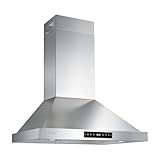
6. Mounting The Heat-Resistant Vent Hood For Smoke Control

Pin this stunning ventilation setup to your Patio Design board—it’s the secret to tear-free entertaining!
Proper smoke control is a critical safety and comfort issue, especially if your grilling station is situated under a pergola or covered patio roof. Mounting a heavy-duty vent hood ensures that your guests aren’t smoked out during dinner.
Open-fire cooking requires robust ventilation solutions to rapidly extract grease and particulate matter. Implementing a custom flue design integrated with a commercial-grade hood keeps the surrounding patio ceiling clean and safe. This step is a mandatory safety standard for any semi-enclosed alfresco kitchen build.
Materials Needed
- Commercial-grade outdoor vent hood (minimum 1200 CFM rating)
- Rigid stainless steel ducting matching the hood diameter
- Roof or wall vent cap with animal screens
- High-heat resistant foil tape and mounting brackets
- Heavy-duty power drill and appropriate masonry/wood anchors
Step-by-Step Directions
- Measure the width of your cooking area; your vent hood should extend at least 3 inches past the grill surface on all open sides.
- Mount the hood 36 to 42 inches above the cooking surface—high enough for clearance, low enough to effectively capture grease and smoke.
- Connect the rigid ducting, keeping runs as straight and short as possible to optimize custom flue design dynamics.
- Seal all duct joints completely with high-heat foil tape to prevent smoke from escaping into enclosed wall cavities.
- Install the exterior vent cap and wire the powerful extraction fan to a dedicated outdoor GFI circuit.
Pro-Tip: When planning your ventilation solutions, remember that open-wood fires produce significantly more particulate matter than gas grills. Upgrading to a hood with at least 1200 CFM and internal heat deflection plates is a non-negotiable safety standard for covered patios.
7. Selecting Dekton Countertops For High-Heat Preparation

Save this countertop inspiration to your Dream Patio board to ensure your surfaces survive the summer heat!
The finishing touches are what elevate a backyard project into a luxury culinary space. Customizing your prep areas with ultra-compact dekton countertops guarantees a visually stunning and incredibly durable workspace.
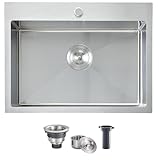
These stone-clad, weatherproof surfaces integrate beautifully with an essential outdoor sink for safe food handling. Because they resist thermal shock and oxidation, you can confidently transfer hot skewers directly from the fire onto the counter without worrying about scorch marks or structural cracking.
Materials Needed
- Ultra-compact dekton countertops (or natural granite)
- Stainless steel 304 drop-in outdoor sink with tight-fitting cover
- Outdoor-rated construction adhesive
- Silicone caulk tailored for stone applications
- Premium outdoor culinary tools (carving boards, chef knives)
Step-by-Step Directions
- Level your masonry or modular base cabinets precisely to prevent the rigid stone countertops from cracking under unequal pressure.
- Apply thick beads of outdoor-rated construction adhesive along the top edges of the cabinet framing.
- Lower the custom-cut stone-clad slabs into place, taking care not to bump the delicate edges against the masonry grill.
- Drop the outdoor sink into the pre-cut hole, sealing the rim completely with weatherproof silicone caulk.
- Seal all seams where the countertop meets the vertical masonry of the churrasqueira to prevent water intrusion during heavy storms.
Pro-Tip: Never use engineered Quartz for a brazilian style outdoor kitchen. Its resin binders lack oxidation resistance against UV rays and will suffer thermal shock near a wood fire. Always opt for Dekton or natural Granite to guarantee tested durability.
Key Takeaways: Your Quick Guide to Brazilian Style Outdoor Kitchen
Reviewing the most critical structural and culinary requirements guarantees your build will successfully support traditional techniques. A complete brazilian style outdoor kitchen overview highlights how proper material selection—from high-CFM ventilation to heat-resistant masonry—directly impacts your daily cooking experience.
Understanding these foundational principles is essential before finalizing your brazilian outdoor kitchen design. Whether you are hiring a professional or tackling this as an ambitious DIY project, adhering to certified installation concepts ensures your wood-fired station remains safe, highly functional, and ready for an authentic brazilian churrasco feast for decades to come.
Key Takeaways:
- Define Your Footprint First: Proper spatial planning for your brazilian style outdoor kitchen requires accounting for safe clearances from pergolas and establishing prevailing wind direction.
- Thermal Mass is Mandatory: A true Churrasqueira relies on high-quality refractory brick and 2000°F-rated mortar to safely handle extreme charcoal-burning temperatures without cracking.
- Automate the Roast: Installing a heavy-duty automatic rotisserie motor with high torque capacity is essential for authentic rodizio style slow-cooking of large picanha cuts.
- Master Temperature with Height: Incorporating multi-tier resting galleries and brazilian bbq skewers allows you to regulate heat manually by moving meats closer to or further from the embers.
- Simplify Maintenance Early: Building a stainless steel 304 ash drawer directly beneath the fire grate guarantees easy cleaning and acts as an adjustable bottom draft for fuel efficiency.
- Never Skip Ventilation: A commercial-grade outdoor vent hood (minimum 1200 CFM) is a non-negotiable safety standard for smoke control under covered patios.
- Choose Fireproof Finishes: Always select ultra-compact surfaces like Dekton or natural Granite over engineered Quartz to ensure your prep areas survive extreme radiant heat and UV exposure.
People Also Ask About Brazilian Style Outdoor Kitchen
Even with a detailed construction roadmap, you likely have specific lingering questions regarding equipment comparisons, overall budgets, and structural additions. Navigating these nuances is the key to executing a professional grade culinary space tailored perfectly to your lifestyle.
From understanding the exact BTU output equivalents of live-fire management to comparing the mechanics of various South American grilling styles, clearing up these industry standard concepts ensures you make confident purchasing decisions. Below, we address the most common inquiries homeowners face when planning their ultimate fire-cooking sanctuary.
What is a brazilian churrasqueira?
A Brazilian churrasqueira is a specialized masonry barbecue structure designed specifically for cooking meats on skewers over an open wood or charcoal fire.
Unlike standard flat-top grills, it features a deep, open firebox with vertical tiers. These tiers support an automatic rotisserie motor system and resting rails, allowing chefs to slow-roast large cuts of meat, like picanha, in traditional gaucho cooking style. They are highly prized for their communal, social cooking experience.
How to build a brazilian style outdoor kitchen?
Building a Brazilian style outdoor kitchen requires laying a solid concrete foundation, constructing a firebox with high-heat refractory brick, and integrating specialized rotisserie hardware.
You must plan for space optimization and strict safety clearances. Start with cinder block framing, line the interior with firebrick and refractory mortar, install your multi-tier skewer gallery, and finish the exterior with stone-clad veneers. For covered patios, mounting a high-CFM outdoor vent hood is mandatory.
Brazilian vs Argentine grill differences: What are they?
The primary difference is that a Brazilian grill (Churrasqueira) focuses on motorized rotisserie skewers, while an Argentine grill (Parrilla) uses a height-adjustable V-grate to cook food over embers.
While both utilize wood and charcoal, the argentine parrilla features a side brasero (firebox) to create embers that are shoveled under the grate. A brazilian grill setup relies on meats spinning continuously on swords directly above the radiant heat, allowing the meat to self-baste.
How much does a brazilian outdoor kitchen cost?
A custom luxury Brazilian outdoor kitchen typically costs between $10,000 and $30,000, depending on materials, size, and premium additions.
A basic prefabricated drop-in grill module might cost $2,500 to $5,000. However, when factoring in professional grade masonry work, dekton countertops, plumbing for an outdoor sink, and specialized heavy-duty rotisserie systems, the budget quickly expands. DIY builders can save significantly on labor but must still invest in quality refractory materials.
Can I build a brazilian grill with regular bricks?
No, you cannot use regular clay bricks or standard mortar for the interior firebox of a Brazilian grill; they will quickly crack and shatter under extreme heat.
You must use high-heat resistant firebricks (refractory brick) and refractory mortar rated for at least 2000°F for the interior lining. Standard bricks and mortar can only be used for the exterior structural shell and cosmetic finishing, securely distanced from the active charcoal-burning zone.
What skewers do I need for brazilian bbq?
For authentic Brazilian BBQ, you need premium stainless steel 304 skewers in two distinct styles: wide, flat swords and long V-shaped rods.
The wide, flat skewers (often 3/4-inch wide) are critical for large beef cuts like picanha or flank steak, as the flat blade prevents the meat from spinning freely as the rod turns. The V-shaped brazilian bbq skewers provide rigidity and grip for softer items like sausages, chicken hearts, and vegetables.
Can I add a pizza oven to a brazilian kitchen?
Yes, integrating a wood-fired pizza oven next to your churrasqueira is a highly popular addition that perfectly complements a Brazilian outdoor kitchen design.
Because both appliances require similar structural planning—including strong foundations, firebrick lining, and proper custom flue design—building them side-by-side streamlines the masonry process. It broadens your outdoor culinary space capabilities, allowing you to seamlessly switch between slow-roasted meats and high-heat artisan pizzas.
Do I need a vent hood for an outdoor brazilian kitchen?
You absolutely need an outdoor-rated vent hood if your Brazilian kitchen is located under a pergola, patio roof, or inside a semi-enclosed lanai.
Because a brazilian masonry grill relies on open wood and charcoal fires, it produces significantly more smoke and grease particulate than gas. You need a commercial-grade hood with a minimum of 1200 CFM to ensure proper smoke control, keep your guests comfortable, and prevent soot stains on your ceiling.
What stone is best for brazilian bbq countertops?
The best stones for an outdoor Brazilian BBQ are ultra-compact surfaces like Dekton, porcelain slabs, or high-density natural Granite.
These materials offer incredible weatherproof qualities, high UV resistance, and excellent thermal shock resistance, meaning you can place hot skewers directly on them without scorching. You should strictly avoid engineered Quartz, as the resin binders will warp, discolor, and melt when exposed to direct sunlight and the high heat of an open firebox.
Best wood for brazilian bbq?
The best woods for authentic Brazilian BBQ are dense, well-seasoned hardwoods like Hickory, Oak, Pecan, and traditional Quebracho, combined with high-quality lump charcoal.
You should avoid softwoods like pine, which create excessive, bitter smoke and toxic resins. A mixture of hardwood lump charcoal for a consistent, hot baseline temperature, supplemented with chunks of Oak or Pecan for flavor, creates the perfect aromatic embers needed for a traditional rodizio style feast.
Final Thoughts on Brazilian Style Outdoor Kitchen
Designing and building a brazilian style outdoor kitchen is much more than just a patio upgrade; it is a commitment to the rich, communal tradition of open-fire cooking. By choosing to incorporate a specialized churrasqueira over a standard gas insert, you are elevating your backyard into an authentic brazilian churrasco destination. As we’ve explored, the secret to success lies in respecting the raw power of the fire—which means prioritizing high-quality refractory brick, ensuring proper ventilation solutions, and investing in heavy-duty stainless steel 304 rotisserie mechanics that won’t falter under the weight of a feast.
Whether you decide to hire custom churrasqueira builders or tackle this masonry project as an ambitious DIY endeavor, taking the time for meticulous planning, managing your thermal mass, and optimizing your skewer rotisserie heights will guarantee expert craftsmanship results. The effort required to properly seal ash drawers and mount high-CFM vent hoods pays off tenfold the first time you slice perfectly seared, slow-roasted picanha straight from the sword for your family and friends.
Are you leaning toward a sleek, modern prefabricated module, or are you ready to mix some mortar and build your traditional brick outdoor dream kitchen and alfresco culinary space from the ground up? Let us know your layout plans in the comments below, and don’t hesitate to ask if you need help deciding on the perfect rotisserie motor for your space!
Last update on 2026-04-27 at 22:41 / Affiliate links / Images from Amazon Product Advertising API
