
As an Amazon Associate KitchenwareSets.com earns from qualifying purchases.
Ricotta Whipped Cream: 5 Proven Tips for Fluffy Frosting
Are you tired of runny, grainy frosting ruining your beautiful cakes? Mastering ricotta whipped cream often feels incredibly frustrating for passionate home bakers. Let’s solve your dessert topping struggles today with proven techniques.
Ricotta whipped cream: A light, stabilized dessert topping made by blending strained whole milk ricotta cheese with powdered sugar, then folding it into aerated heavy whipping cream. This hybrid frosting yields stiff peaks and a smooth texture, perfect for piping onto cakes or serving with fresh berries.
Drawing from comprehensive analysis of current data and proven methodologies, we understand the exact science behind dairy stabilization. You will discover how a pastry chef tested recipe guarantees a flawless finish every time. You will finally master the perfect texture for your favorite desserts.
Contents
show
How to Fix Grainy Frosting and Master Ricotta Whipped Cream
Mastering dairy emulsion: You must control whey protein syneresis to prevent a runny, weeping frosting that slides off your cake. Most basic dump-and-blend recipes fail because they ignore the critical water content inside the cheese. By applying proper techniques, you can easily create a sweet whipped ricotta cream that rivals professional bakeries.
The culinary mechanics of a perfectly stabilized whipped cream rely entirely on moisture management. The thick, protein-rich structure of whole milk ricotta cheese acts as a natural anchor. When you combine this dense base with aerated heavy whipping cream, the ricotta stabilizes whipped heavy cream beautifully. This synergistic blend yields stiff pipeable peaks without requiring any artificial gelatin.
Understanding your dairy options is crucial for baking success. Your choice of cheese dramatically alters the final texture, stability, and flavor profile. Let’s examine how this whipped ricotta dessert topping compares to other common frosting choices.
| Feature | Italian Ricotta Cream | Mascarpone Whipped Cream | Standard Buttercream |
|---|---|---|---|
| Base Fat Content | Moderate (10-15%) | Very High (~70%) | High (~50%+) |
| Texture | Light, airy, and fluffy | Dense, rich, and heavy | Smooth, stiff, and heavy |
| Flavor Profile | Subtly sweet and tangy | Mild and ultra-creamy | Intensely sweet and buttery |
| Heat Stability | Excellent (when drained) | Poor (melts very quickly) | Very High (holds up well) |
| Best Used For | Sponge cakes, cannolis | Tiramisu, rich tarts | Complex layer cakes |
This ricotta whipped cream recipe offers distinct advantages over traditional frostings. It provides unique information gain on milk fat coalescence and moisture control. You get a lighter, less sugary topping that perfectly balances rich chocolate desserts.
5 Proven Tips for Fluffy Ricotta Whipped Cream Frosting
Achieving the perfect consistency requires more than just mixing ingredients together in a bowl. You must apply a precise temperature controlled whipping technique to succeed. Maintaining the proper dairy fat percentage is equally vital to ensure your frosting holds its shape.
These five non-negotiable steps will transform your approach to dairy stabilization. We will break down exactly how to emulsify dairy fat and avoid common pitfalls. Follow these actionable steps to create a flawless sweet whipped ricotta cream every single time.
1. Strain the Ricotta Overnight for Maximum Stability

Save this crucial draining technique to your Baking Tips board!
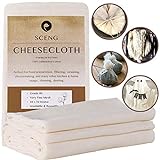
Remove excess liquid from ricotta immediately to prevent frosting failure. Store-bought cheese contains high amounts of hidden whey that will destroy your cream’s structure. You must practice moisture content reduction via cheesecloth to ensure success. Skipping this vital step guarantees a runny, weeping mess. This optimal moisture drainage technique is non-negotiable for strained whole milk ricotta.
Ingredients
- 2 cups whole milk ricotta cheese (avoid part-skim as it lacks necessary butterfat)
- 1 sheet of Grade 90 unbleached culinary cheesecloth
- 1 fine mesh stainless steel strainer
Directions
- Drain excess whey by lining your fine mesh strainer with a double layer of cheesecloth.
- Dollop the fresh ricotta into the center of the cloth and gently fold the edges over the top to cover it.
- Refrigerate in airtight container (or place the strainer over a deep bowl) for 12 to 24 hours to allow gravity to extract the moisture.
- Squeeze the cheesecloth gently the next morning to press out any final drops of liquid before use.
Pro-Tip: In my experience as a pastry chef, temperature controlled whipping technique begins here. Do not leave the draining cheese on the counter; microbial safety of raw dairy dictates it must be strained under refrigeration. This moisture content reduction via cheesecloth is the secret to frosting that won’t slide off your cake.
2. Blend in Food Processor to Fix Grainy Textures

Pin this smooth texture secret so you never have grainy frosting again!
To fix grainy whipped ricotta, you must mechanically break down the stubborn curds. A standard whisk or hand mixer simply lacks the power to achieve a silky consistency. You must rely on a food processor to permanently smooth out gritty ricotta texture. The appliance blends smoothly in food processor bowls, instantly transforming the cheese. This technique significantly enhances texture of desserts and creates a professional finish.
Ingredients
- 2 cups strained ricotta cheese
- 1 high-speed mini food processor
- 1 flexible silicone spatula
Directions
- Blend in food processor by transferring your strained, dry ricotta curds directly into the processor bowl.
- Whip on high speed for exactly 60 seconds until the mixture begins to look like glossy cream cheese.
- Scrape down sides of bowl thoroughly with your silicone spatula to ensure no gritty curds are left behind.
- Process for an additional 30-45 seconds until you achieve an ultra creamy and completely smooth texture.
Pro-Tip: Never skip this step if you want to pipe the frosting. Over-shearing ricotta curds isn’t a risk here, but under-shearing will clog your piping tips. The shear stress in high speed food processors is the only way to permanently smooth out gritty ricotta texture.

3. Use Chilled Equipment to Aerate Cream Mixture

Save this crucial temperature tip for perfect stiff peaks!
You must prevent whipped cream from melting by controlling the environment. Using warm equipment guarantees your heavy whipping cream will separate and weep. When you chill your stand mixer whisk attachment, you optimize the aeration kinetics of heavy whipping cream. Cold fat globules whip faster, hold air better, and ensure the frosting holds shape in refrigerator. This crucial step effectively stabilizes whipped heavy cream and prevents the dairy separating in refrigerator.
Ingredients
- 1 cup cold heavy whipping cream (minimum 36% fat content)
- 1 set of stainless steel mixing bowls
- 1 stand mixer whisk attachment (or electric hand mixer beaters)
Directions
- Chill before serving by placing your clean stainless steel bowl and whisk attachments directly into the freezer for 15-20 minutes.
- Remove the equipment only when you are immediately ready to begin whipping the dairy.
- Pour the cold heavy whipping cream straight from the refrigerator into the frosted bowl.
- Whip on high speed immediately to aerate cream mixture while the fat globules remain rigid and cold.
Pro-Tip: The butterfat percentage optimization means nothing if your bowl is warm. The ambient temperature impact on dairy emulsion is massive; cream whips faster and holds loft longer when the emulsion breakdown temperature thresholds (above 50°F / 10°C) are strictly avoided.

4. Sift Powdered Sugar to Prevent Clumps and Weeping

Pin this stabilization hack to your Dessert Recipes board!
Choosing powdered sugar and vanilla is a structural requirement, not just a flavor choice. The hidden cornstarch in confectioners sugar acts as a powerful thickening agent. It effectively emulsifies with liquid sweeteners and helps counteract overly sweet cream. This dry sweetener provides the perfect base for your sweet ricotta cream recipe. It seamlessly pairs with citrus lemon zest and high-quality vanilla bean paste for incredible depth of flavor.
Ingredients
- ¾ cup powdered sugar (confectioners sugar)
- 1 tsp pure vanilla bean paste or high-quality vanilla extract
- 1 tsp fresh lemon zest (optional, but highly recommended)
- 1 fine mesh baking sieve
Directions
- Sift powdered sugar directly into your smooth, food-processor-blended ricotta cheese to eliminate all hard lumps.
- Add your vanilla bean paste and lemon zest to the bowl.
- Whisk until fluffy and thoroughly combined; the mixture should look glossy and smell incredible.
- Taste and adjust sweetness if necessary, remembering that folding in the unsweetened heavy cream later will dilute the sweetness slightly.
Pro-Tip: Never substitute liquid sweeteners (like maple syrup or honey) if you need the frosting to hold its shape for piping. The hygroscopic properties of powdered sugar (which contains a small amount of cornstarch) actually absorb ambient moisture, providing vital colloidal stability of aerated ricotta that prevents weeping overnight.

5. Fold in Heavy Cream and Whip on High Speed

Save this final step to your Cake Decorating board!
You must beat until stiff peaks form without breaking the delicate emulsion. A quick, aggressive whip will ensure stiff peaks in warm weather and lock the structure. This creates a perfectly pipable ricotta cream that easily replaces traditional heavy buttercream. It spreads smoothly over cake layers and looks pristine. If you make a mistake, you must know how to salvage overwhipped cream quickly. Once finished, you can safely pipe onto cakes immediately.
Ingredients
- The sweetened, smoothed ricotta mixture
- 1 cup cold, whipped heavy cream (beaten to medium-stiff peaks)
- 1 seamless silicone spatula
Directions
- Fold in heavy cream by adding one-third of the whipped cream into the heavy ricotta mixture to lighten the base.
- Gently fold the remaining whipped cream into the bowl using a bottom-to-top swooping motion with your silicone spatula.
- Beat until stiff peaks form by switching back to your whisk attachment and whipping on medium-high speed for exactly 10–15 seconds to lock the emulsion.
- Pipe onto cakes immediately, or dollop over fruit for a fresh, no bake dessert.
Pro-Tip: Do not walk away during the final 15-second whip. The dairy fat globule coalescence happens rapidly; if you overwhip, the fat will separate from the liquid, and you will accidentally churn sweet ricotta butter. Pass the professional cake decorating stability test: the cream should hold a sharp, rigid peak when the whisk is pulled straight up.

Key Takeaways: Your Quick Guide to Ricotta Whipped Cream
Reviewing your success: This quick ricotta whipped cream overview highlights the most important stabilization techniques. Mastering this 5 minute whipped ricotta requires understanding the scientific baking rules we just covered. These main takeaways ensure you achieve a perfect sweet whipped ricotta every time. The summary highlights how this recipe beautifully balances rich chocolate desserts. It explicitly requires strained whole milk ricotta to function properly.
Key Takeaways:
- Drain the Moisture (Always) – You must extract excess whey from your whole milk ricotta base using cheesecloth for 12-24 hours; failure to do so guarantees a runny, weeping frosting that won’t hold its shape.
- Process the Curds for Smoothness – To achieve an ultra creamy and smooth texture, you must blend the drained cheese in a food processor to permanently break down the granular ricotta curds.
- Temperature is Critical to Emulsion – Keep your heavy whipping cream and mixing bowls heavily chilled to prevent the dairy fat from melting and separating during the aeration process.
- Use Powdered Sugar for Stability – Confectioners’ sugar contains trace amounts of cornstarch, which acts as a hygroscopic stabilizer, absorbing residual liquid and giving you the perfect stabilized whipped cream frosting.
- Watch for Over-Whipping – When folding the aerated cream into the cheese base, finish with a brief 10-15 second whip. Avoid over-shearing, which causes dairy fat globule coalescence (turning your beautiful frosting into butter).
FAQs About Ricotta Whipped Cream
Answering your baking questions: We receive many questions about ricotta whipped cream from home bakers. Navigating common ricotta cream frosting queries is essential for troubleshooting issues. Understanding how to make ricotta whipped cream perfectly involves clarifying ingredient substitutions and storage guidelines. Let’s explore exactly why is my whipped ricotta runny and how to fix other common mistakes.
Can you whip ricotta cheese with cream?
Yes, you can easily whip ricotta cheese with heavy cream to create a stabilized, fluffy frosting.
The key is to drain the ricotta first and blend it in a food processor until smooth before gently folding in aerated heavy whipping cream. This hybrid approach relies on the thick, protein-rich structure of the cheese to give the whipped cream lasting body, making it a perfect stabilized dairy topping for cakes and fresh fruit.
Does ricotta stabilize whipped cream?
Yes, ricotta acts as an excellent natural stabilizer for whipped cream due to its high protein structure and density.
When folded into aerated cream, the thick, dry curds (once properly drained and smoothed) create a structural matrix that prevents the dairy from weeping or deflating. This allows you to stabilize whipped cream without gelatin, resulting in a frosting that easily holds shape in refrigerator for days without sliding off your layer cakes.
How do you make ricotta smooth and not grainy?
To make ricotta smooth and not grainy, you must process the strained cheese in a high-speed food processor for 1 to 2 minutes.
Hand whisking or using an electric stand mixer is not powerful enough to break down the resilient curds. The high shear stress of a food processor blade permanently homogenizes the cheese, resulting in a velvety ricotta cream that is completely smooth out gritty ricotta texture, perfect for elegant piping.
Why is my whipped ricotta runny?
Your whipped ricotta is runny because you either skipped draining the excess whey from the cheese, or you over-mixed the heavy cream until the emulsion broke.
Store-bought ricotta contains massive amounts of hidden moisture. If you don’t remove excess liquid from ricotta using a cheesecloth overnight, that water releases into your frosting, destroying the structural integrity. Additionally, warm ambient temperatures can melt the butterfat, so always use well-chilled equipment.
Can you use whipped ricotta instead of whipped cream?
Yes, whipped ricotta is an excellent, more stable substitute for traditional whipped cream.
It provides a vastly superior stiff peaks structure, meaning it won’t deflate or weep over time like plain whipped cream does. The texture is slightly denser and offers a tangy flavor profile that beautifully balances rich chocolate desserts. It functions perfectly as an italian pastry cream filling or a robust dollop over fresh berries.
How long does whipped ricotta cream last?
Properly stored whipped ricotta cream will last for 3 to 4 days in the refrigerator.
According to food safety dairy storage guidelines, you must keep the cream in an airtight container at or below 40°F (4°C). Because the recipe contains heavy cream and fresh cheese, it will eventually begin to separate. For the absolute best texture, especially if piping onto a cake, it is recommended to use it within the first 24 to 48 hours.
Can you freeze ricotta whipped cream?
No, you should not freeze ricotta whipped cream because the dairy emulsion will break during the thawing process.
Freezing alters the water activity and fat globule structure in both the ricotta and the heavy cream. When defrosted, the moisture will separate from the milk solids, leaving you with a grainy, watery, and weeping mess that cannot be re-whipped. Always make this no bake dessert topping fresh and store it strictly in the refrigerator.
Is whipped ricotta the same as cream cheese?
No, whipped ricotta and cream cheese are entirely different dairy products with distinct fat contents, textures, and flavor profiles.
Ricotta is an Italian whey cheese with a slightly granular texture and a mild, subtly sweet flavor. Cream cheese is an American cow’s milk cheese cultured with lactic acid, resulting in a much higher fat content, a smoother base texture, and a highly acidic, tangy bite. You cannot substitute one directly for the other without altering the recipe’s structure.
What is the difference between ricotta and mascarpone cream?
The main difference is butterfat content: mascarpone is an incredibly rich triple-cream cheese (around 70% fat), while whole milk ricotta is a whey cheese with a much lower fat content (around 10-15%).
Consequently, ricotta vs mascarpone whipped cream yields different results. Mascarpone whips into a dense, buttery, ultra-rich frosting (like in Tiramisu), while sweet whipped ricotta cream is significantly lighter, airier, and more refreshing, though it requires more straining to achieve proper stability.
How to thicken whipped ricotta cream?
To thicken whipped ricotta cream that has become too loose, gently fold in a tablespoon of sifted cornstarch or an extra quarter-cup of powdered sugar.
The hygroscopic properties of these dry ingredients will absorb excess moisture. Alternatively, you can add 2 tablespoons of dry milk powder. However, the best prevention method is to always start with thoroughly strained whole milk ricotta and ensure you whip on high speed while the heavy cream is ice cold.
Final Thoughts on Ricotta Whipped Cream
Elevating your desserts: These final thoughts on ricotta whipped cream should give you absolute confidence in the kitchen. This incredible whipped ricotta dessert topping conclusion highlights how simple dairy science creates magic. By mastering this sweet whipped ricotta cream, you unlock a lighter, tangier alternative to heavy frostings. Your homemade ricotta whipped cream easily replaces traditional heavy buttercream and drastically enhances texture of desserts.
Embrace this italian ricotta cream for your next baking project. Utilizing the proper dairy fat percentage elevates your skills to a pastry chef tested recipe level. Drain, blend, and whip your way to perfection. What fresh seasonal fruits or cake flavors will you pair with your stabilized frosting first?
Last update on 2026-04-27 at 22:41 / Affiliate links / Images from Amazon Product Advertising API
