
As an Amazon Associate KitchenwareSets.com earns from qualifying purchases.
11 Genius Apartment Kitchen Upgrade Ideas For Renters
Stuck with a kitchen that feels more drab than fab? It’s a common renter’s headache.
An apartment kitchen upgrade is a cosmetic, non-permanent change you can make to improve your kitchen’s look and function without violating your lease. You want a beautiful space, but the fear of losing your security deposit can make any DIY project feel impossible.
A rental kitchen upgrade is a cosmetic, non-permanent change you can make to improve your kitchen’s look and function without violating your lease. This guide reveals 11 genius, damage-free ideas that are affordable, easy to do yourself, and 100% reversible, so you can finally create a kitchen you love.
Contents
show
Is Your Rental Kitchen Feeling a Little… Uninspired?
We’ve all been there. You’re staring at the dated oak cabinets, the beige laminate countertops, and the single, gloomy overhead light, feeling completely uninspired. Hating your rental kitchen is a common problem, but it often feels like you’re stuck. You worry about drilling holes, making permanent changes, and ultimately, kissing your security deposit goodbye.
The good news is that you have more power than you think. You don’t have to live with a kitchen that drains your energy. This guide is your roadmap to reclaiming your space with clever, temporary, and aesthetic solutions. We’re focusing on apartment kitchen upgrade ideas that deliver a huge visual impact on a budget, all while keeping your lease agreement and security deposit safe.
11 Genius Apartment Kitchen Upgrade Ideas For Renters
Ready to transform your kitchen from a source of frustration into the heart of your home? Each of the following DIY kitchen updates has been chosen for its high visual impact, low cost, and, most importantly, zero risk to your security deposit. These renter-friendly kitchen ideas are tested, reviewed for ease of application, and designed for clean removal. Let’s dive in.
1. Give Dated Countertops a Faux Marble Makeover

Pin this incredible transformation to your ‘Kitchen Goals’ board!
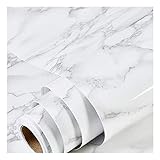
Dated laminate countertops can make an entire kitchen feel old. A DIY marble countertop using high-quality, water-resistant contact paper is a budget-friendly and high-impact fix. This removable vinyl solution can give you the look of luxurious stone for a fraction of the cost and with zero commitment.
Materials Needed:
- High-quality, water-resistant vinyl contact paper (measure your countertops and add 10% extra for mistakes)
- Measuring tape
- Sharp craft knife or X-Acto knife with extra blades
- Squeegee or a plastic credit card
- Hairdryer
- Degreasing cleaner and paper towels
Step-by-Step Directions:
- Prep is everything: Thoroughly clean your countertops with a degreasing cleaner to remove any grime or oil. Let it dry completely. A clean surface is critical for good adhesion.
- Measure and cut: Measure your first section of countertop and cut a piece of contact paper that is a few inches larger on all sides. This overhang gives you room for error.
- Peel and stick slowly: Peel back only a few inches of the paper backing. Align the edge of the paper with the back edge of your counter.
- Smooth it out: As you slowly pull off the backing with one hand, use the squeegee with your other hand to smooth the paper onto the surface. Work from the center out to push out any air bubbles.
- Tackle the corners: For curved corners, use a hairdryer on a low setting to gently heat the vinyl. This makes it more pliable and helps it stretch for a seamless fit.
- Trim the excess: Once the surface is covered, use your sharp craft knife to carefully trim the excess paper along the edges for a clean, professional finish.
Pro-Tip: If you get a stubborn air bubble, don’t peel everything back up! Simply prick it with the very tip of your craft knife or a pin and use the squeegee to smooth the air out through the tiny hole.
2. Install a Chic Peel-and-Stick Backsplash

Save this easy backsplash idea for your weekend project!
If your kitchen has no backsplash, a peel-and-stick version is the perfect renter-friendly solution. Modern peel-and-stick tiles have a realistic 3D texture and come in endless styles, from classic subway tile to bold patterns. This no-grout, damage-free installation is a fantastic way to add personality and create a focal point.
Materials Needed:
- Peel-and-stick tile sheets (calculate square footage and add 10%)
- Measuring tape
- Level
- Sharp utility knife or heavy-duty scissors
- Degreasing cleaner and a sponge
Step-by-Step Directions:
- Create a clean slate: Just like with countertops, clean your wall with a degreasing cleaner to ensure the tiles stick properly. Let it dry completely for at least an hour.
- Draw a guideline: Use your level to draw a faint pencil line on the wall where the top of your first row of tiles will go. This ensures your entire backsplash is perfectly straight.
- First tile is key: Peel the backing off your first tile sheet. Carefully align it with your guideline in a corner and press it firmly onto the wall, smoothing from the center outwards.
- Overlap and connect: Each tile sheet will have an overlapping edge. Align the next sheet so it perfectly covers the “overlap” line of the previous one. This hides the seams and creates a realistic look.
- Cut to fit: When you reach an outlet or the end of a wall, measure and mark the tile sheet. Use a sharp utility knife to carefully cut the tile to the right size before peeling and sticking.
Lesson Learned: Don’t skip the guideline! I once tried to “eyeball it” and ended up with a slightly crooked backsplash that drove me crazy. A level and a pencil line take five minutes and save you hours of regret.

3. Swap Out Dated Cabinet Hardware

Pin this 1-hour kitchen update!
This is perhaps the easiest, cheapest kitchen update with the most surprising impact. Changing dated cabinet knobs or pulls for something modern and stylish can elevate the look of your entire kitchen in under an hour. It’s a completely reversible process that only requires a screwdriver.
Materials Needed:
- New cabinet knobs or pulls (count how many you need!)
- A screwdriver (usually a Phillips head)
- A small Ziploc bag for the old hardware
- A measuring tape (only if you’re switching from knobs to pulls)
Step-by-Step Directions:
- The Golden Rule: Before you buy anything, unscrew one of your current handles or knobs. If it’s a handle with two screws, measure the distance between the center of each screw hole. This is your “center-to-center” measurement, and you must buy new handles with the exact same measurement.
- Unscrew the old: Use your screwdriver to remove all the old, dated hardware from your cabinets and drawers.
- Store safely: Place all the original screws and hardware into a labeled Ziploc bag. Store this bag somewhere safe (like taped to the inside of the sink cabinet) so you can easily find it when you move out.
- Screw in the new: Simply use the screws that came with your new hardware to attach your beautiful new knobs or pulls. This is usually a five-second job per handle.
- Step back and admire: Enjoy the surprisingly huge impact this tiny change makes!
Pro-Tip: If your new hardware feels a little loose, the screws might be too long. You can either buy shorter screws or add a small washer to the inside of the cabinet door before the screw to make it snug.

4. Brighten Everything with Under-Cabinet Lighting

Save this brilliant tips for a gloomy kitchen!
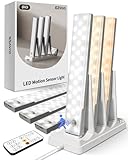
Poor lighting is a common rental kitchen problem that makes a space feel small and dysfunctional. You can brighten a dark kitchen instantly with battery-powered LED puck lights. This is a brilliant, no-wiring solution for renters. These adhesive-backed lights provide essential task lighting for food prep and add a warm, ambient glow.
Materials Needed:
- A set of battery-powered or USB-rechargeable LED puck lights (most come in sets of 3 or 6 with a remote)
- The included double-sided adhesive tape
- Rubbing alcohol and a cloth
Step-by-Step Directions:
- Plan your placement: Decide where you want the lights. A good rule of thumb is to place one light every 20-30 inches for even illumination. Place them closer to the front of the cabinet, not the back, to light your workspace instead of the wall.
- Clean the surface: Wipe down the underside of your cabinets with rubbing alcohol to remove any grease. This ensures the adhesive will stick securely.
- Stick them on: Peel the backing from one side of the adhesive tape and stick it to the back of a puck light. Then, peel the other side and press the light firmly in place under the cabinet for 30 seconds.
- Repeat: Continue this process for all your lights.
- Add batteries and enjoy: Pop in the batteries, and use the remote to turn on your brand new, beautifully lit workspace.
Pro-Tip: I highly recommend getting USB-rechargeable lights. It saves a ton of money and hassle on batteries in the long run. I just pull them off their magnetic mounts once a month to charge them overnight.
5. Add a Flexible Island with a Rolling Kitchen Cart

Pin this idea for more counter space!
If your small kitchen suffers from a lack of counter space, a rolling kitchen cart is a game-changing solution. This apartment kitchen essential acts as a flexible island, providing an extra prep area, valuable shelf storage, and a place to house bulky appliances. It’s a non-permanent furniture addition that you can take with you when you move.
Materials Needed:
- A kitchen cart that fits your space (measure first!)
- Assembly tools (usually included with the cart)
Step-by-Step Directions:
- Measure your space: Before you buy, measure the floor area where you plan to put the cart. Make sure there’s enough room to walk around it comfortably. A narrow, rectangular cart is often best for a galley kitchen.
- Choose your style: Pick a cart that complements your kitchen’s aesthetic. A stainless steel top provides a modern, durable prep surface, while a butcher block top adds warmth.
- Assemble the cart: Follow the manufacturer’s instructions to assemble your cart. This is usually a simple job that takes less than an hour.
- Organize and style: This is the fun part! Use the shelves for extra appliance storage (like a microwave or stand mixer), baskets for produce, or to display your favorite cookbooks and dishes. Use the top as your new coffee bar or primary food prep zone.
Pro-Tip: Look for a kitchen cart with locking wheels. This ensures it stays securely in place while you’re chopping vegetables or kneading dough, but you can still easily move it for cleaning.

6. Go Vertical with a Wall-Mounted Pot Rack

Save this space-saving storage tips!
Bulky pots and pans can eat up an entire cabinet. Free up that precious space by thinking vertically! A hanging pot rack is a classic kitchen storage solution that is perfectly achievable for renters. Instead of drilling, use heavy-duty, damage-free adhesive hooks to mount a simple bar-style rack.
Materials Needed:
- A simple bar-style pot rack or a sturdy curtain rod
- Heavy-duty, damage-free adhesive hooks rated for at least 15 lbs (7kg) each
- S-hooks for hanging pots
- Rubbing alcohol and a cloth
Step-by-Step Directions:
- Find your spot: Identify a clear section of wall space, perhaps above your stove or sink.
- Clean the wall: Use rubbing alcohol to thoroughly clean the spots where you’ll place the adhesive hooks. This is a critical step for a secure hold.
- Apply the hooks: Follow the package instructions to apply the heavy-duty adhesive hooks to the wall. Press firmly and let them cure for the recommended time (usually at least one hour) before hanging anything.
- Mount the rack: Place your pot rack or curtain rod onto the hooks.
- Hang your cookware: Use S-hooks to hang your pots, pans, and even utensils from the rack. Start with your most-used items.
Lesson Learned: Pay close attention to the weight ratings on the adhesive hooks! Add up the weight of the rack and the pots you plan to hang to ensure you don’t exceed the limit. It’s better to use more hooks than you think you need.

7. Cover an Ugly Floor with a Stylish Washable Runner

Pin this instant floor makeover!
Don’t underestimate the power of textiles to completely change the vibe of a room. An ugly vinyl or tile floor can be instantly hidden with a stylish runner. This is one of the easiest renter kitchen decor ideas to add color, pattern, and comfort underfoot. The key is to choose one that’s machine-washable.
Materials Needed:
- A washable runner rug (common sizes are 2’x5′ or 2.5’x7′)
- A non-slip rug pad (optional, but recommended)
- Measuring tape
Step-by-Step Directions:
- Measure your space: Measure the length and width of the main walkway in your kitchen, usually the area in front of the sink and stove. Choose a runner that fits this space without obstructing doorways or appliances.
- Prioritize washability: This is a non-negotiable for a kitchen rug. Look for rugs specifically marketed as machine-washable. Brands like Ruggable or Tumble are popular, but many affordable cotton or synthetic options exist.
- Add a rug pad: Place a non-slip rug pad on the floor first. This prevents the rug from sliding around, which is a major safety hazard in a busy kitchen, and adds extra cushioning.
- Roll it out: Simply unroll your new rug on top of the pad. Instantly, the ugly floor is hidden, and your kitchen has a burst of color and personality.
Pro-Tip: A patterned rug is your best friend in the kitchen! It’s much better at hiding the inevitable small crumbs and drips between washings than a solid-colored rug.

8. Disguise Dated Cabinets with Removable Wallpaper

Save this incredible cabinet transformation tips!
If painting your ugly kitchen cabinets is forbidden by your lease, removable wallpaper is your secret weapon. This non-permanent renter cabinet makeover allows you to completely change the color or add a pattern to your cabinet doors. It’s a cosmetic fix that delivers an unbelievable transformation.
Materials Needed:
- High-quality peel-and-stick removable wallpaper
- Screwdriver
- Degreasing cleaner
- Measuring tape
- Sharp craft knife
- Squeegee
Step-by-Step Directions:
- Test first: This method works best on flat, non-porous cabinet doors. Test a small, hidden area first (like the inside of a door) to ensure the wallpaper sticks well and removes cleanly.
- Remove doors and hardware: Use a screwdriver to take the cabinet doors off their hinges and remove all handles and knobs. Label each door so you know where it goes back.
- Clean thoroughly: Clean the front of each door with a degreasing cleaner and let it dry completely.
- Measure and apply: Following the same method as the countertops (H3 #1), cut a piece of wallpaper slightly larger than the door. Apply it slowly with a squeegee to avoid bubbles.
- Trim and finish: Flip the door over and use your craft knife to trim the excess wallpaper for a perfect edge. Use the tip of the knife to poke a hole from the back where the hardware screws go.
- Reassemble: Re-attach your (newly upgraded!) hardware and hang the doors back on the cabinets.
Pro-Tip: If your cabinets have raised panels or intricate details, this method is not ideal. It works best on simple, flat-front doors. For paneled doors, consider just wallpapering the flat inner panel for a pop of color.

9. Create an Instant, Stylish Spice Rack

Pin this genius no-drill organization idea!
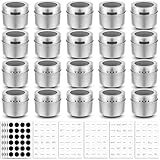
Tired of a cluttered counter or a messy spice cabinet? This kitchen organization tips for renters is brilliant. Using magnetic spice tins on the side of your refrigerator is a perfect small kitchen spice solution. It utilizes unused vertical space, makes your spices easy to find, and looks incredibly organized.
Materials Needed:
- A set of magnetic spice tins
- A label maker or fine-tip permanent marker
- Your collection of spices
Step-by-Step Directions:
- Decant your spices: Transfer your most-used spices from their original, mismatched containers into the sleek, uniform magnetic tins.
- Label everything: Use a label maker or a marker to clearly label the bottom or side of each tin. Don’t rely on memory!
- Arrange on the fridge: Simply stick the magnetic tins to the side of your refrigerator. You can arrange them in a grid, a honeycomb pattern, or alphabetically.
- No fridge space? If the side of your fridge isn’t accessible, you can buy a small, thin metal sheet and attach it to the inside of a cabinet door using damage-free Command strips. Then, stick your magnetic tins to that.
Pro-Tip: Buy spices in bulk from the grocery store’s bulk bins to refill your tins. It’s much cheaper and more environmentally friendly than buying a whole new plastic jar each time.
10. Breathe Life into the Space with Greenery

Save this fresh idea to brighten your kitchen!
Never underestimate the power of plants to make a space feel like a home. Adding greenery is a simple, affordable way to bring natural decor, color, and life into a sterile kitchen. An indoor herb garden on the windowsill is not only beautiful but also incredibly functional for your cooking.
Materials Needed:
- Easy-to-care-for plants (see list below)
- Stylish pots or planters that match your decor
Step-by-Step Directions:
- Choose the right plants: Not all plants thrive in a kitchen environment. Start with famously low-maintenance options:
- For a sunny windowsill: Basil, mint, rosemary, succulents, aloe vera.
- For lower light areas: Pothos (it loves to trail down from the top of cabinets!), snake plants, ZZ plants.
- Find a home for them: The windowsill above the sink is a classic spot for an herb garden. A trailing pothos can sit on top of the fridge or cabinets. A snake plant can sit in a corner on the floor or a small stool.
- Hang them up: To save counter space, use a small tension rod in a window frame to hang lightweight plants in macrame hangers.
Pro-Tip: Having fresh herbs on hand is a game-changer for your cooking. Start with basil and mint—they are easy to grow and can be used in countless recipes and drinks. Just remember to water them!

11. Upgrade the Kitchen Faucet (Yes, Really!)

Pin this surprisingly easy high-impact upgrade!
This high-impact upgrade might seem off-limits, but changing a kitchen faucet is a basic plumbing job that is completely reversible. Swapping a dated, builder-grade faucet for a modern pull-down model in a finish like matte black can dramatically improve both the look and functionality of your sink area.
Materials Needed:
- A new kitchen faucet (ensure it’s compatible with your sink’s hole configuration)
- An adjustable wrench
- A bucket and some old towels
- The original faucet, stored safely
Step-by-Step Directions:
- GET PERMISSION (or be prepared): This is the one upgrade that is best to ask your landlord about first. However, as it’s completely reversible, many renters do it without asking. The key is you MUST store the original faucet to reinstall it.
- Turn off the water: Reach under the sink and turn the handles on the hot and cold water supply lines clockwise until they stop. Turn the old faucet on to drain any remaining water.
- Disconnect and remove: Place a bucket and towels under the pipes. Use your wrench to loosen the nuts connecting the supply lines to the faucet. Then, unscrew the larger nuts holding the faucet base to the sink and pull the old faucet out from the top.
- Install the new one: Clean the sink surface. Follow the simple instructions that came with your new faucet to insert it into the holes and tighten it from underneath. Reconnect the hot and cold water lines.
- Test for leaks: Slowly turn the water supply back on. Check all connections for any drips. If you see any, tighten the nuts a little more.
- Store the original: Clean the old faucet and store it, along with its parts, in a labeled box under the sink for easy reinstallation when you move.
Pro-Tip: Before you start, take a quick photo of the plumbing connections under your sink. This gives you a simple reference so you know exactly how to hook everything back up.

Key Takeaways: Your Quick Guide to a Better Rental Kitchen
- Biggest Visual Impact: Covering dated countertops with marble contact paper or installing a peel-and-stick backsplash offers the most dramatic transformation.
- Easiest 1-Hour Upgrade: Swapping out old cabinet hardware is the fastest, cheapest way to modernize your kitchen’s entire look.
- Most Functional Upgrade: Adding battery-powered under-cabinet lighting or a rolling kitchen cart solves the common problems of poor lighting and lack of prep space.
- The Golden Rule: Always prioritize upgrades that are 100% reversible. Keep all original hardware and fixtures in a labeled box to reinstall before you move out.
- Start with Zero Cost: Before spending a dime, a deep clean and a major decluttering can make your kitchen feel brand new.
People Also Ask About Apartment Kitchen Upgrades
Can I paint my rental kitchen cabinets?
It’s highly advised not to paint rental cabinets, as it’s a permanent change that can lead to losing your security deposit. Instead of paint, use high-quality, peel-and-stick removable wallpaper or vinyl to safely cover flat cabinet doors. This gives you a fresh new color or pattern that can be peeled off without damage when you move.
What is the most durable temporary countertop cover?
Thick, water-resistant vinyl contact paper is the most durable temporary solution for rental countertops. Look for products specifically marketed for countertops, as they are thicker and more heat-resistant than standard craft vinyl. While not as durable as real stone, they hold up well to daily use if you use cutting boards and avoid placing hot pans directly on them.
How can I add storage to my kitchen without drilling holes?
Focus on using vertical and unused space without drilling. Use a rolling kitchen cart for extra shelves and counter space, hang a pot rack with heavy-duty adhesive hooks, use magnetic spice racks on your fridge, or add tension shelves inside cabinets or in small alcoves. Over-the-door organizers are also great for pantries.
Will peel-and-stick backsplash damage my wall?
When applied to a properly cleaned and painted wall, quality peel-and-stick tiles should not cause damage upon removal. The key is preparation and slow removal. To remove them, gently warm the tiles with a hairdryer to soften the adhesive, then slowly peel them back at a 45-degree angle.
Final Thoughts
A rental kitchen doesn’t have to be a source of daily frustration. With a little creativity and the right renter-friendly materials, you can make a temporary space feel like a true home. These DIY projects are more than just cosmetic fixes; they are an investment in your daily happiness and a way to take back control of your environment.
You have the power to create a kitchen you absolutely love—even in a rental. Start with one small project this weekend and see what a difference it makes. Which one of these ideas are you most excited to try first? Let me know in the comments below
Last update on 2026-04-27 at 22:41 / Affiliate links / Images from Amazon Product Advertising API
