
As an Amazon Associate KitchenwareSets.com earns from qualifying purchases.
Budget-Friendly Back Patio Ideas: Ultimate Guide to Stylish Outdoor Living
Do you dream of transforming your neglected outdoor space into a beautiful retreat? Many homeowners feel their backyard is a boring space or a muddy yard, making a stylish upgrade seem out of reach. It can be frustrating to envision a perfect patio only to face the reality of expensive materials and a limited budget.
Creating a **budget-friendly back patio involves smart material choices and DIY effort, allowing you to transform your outdoor space without significant expense.** Focus on materials like gravel, pavers, or stained concrete, and prioritize DIY-friendly decor and furniture solutions to achieve a stylish outdoor living area on a limited budget. Based on established best practices and verified research patterns, this guide leverages tested frameworks and data-driven insights. You will discover practical strategies and low-cost hardscaping solutions to achieve your dream outdoor oasis. We promise realistic solutions and cost breakdowns to empower your low budget makeover.
Contents
show
Unlock Your Dream Outdoor Space: Smart Budget-Friendly Back Patio Ideas for 2026
Transforming your backyard into a functional and aesthetic outdoor living space doesn’t require an unlimited budget. This section will guide you through various patio makeover ideas that prioritize affordability, DIY success stories, and clever material choices. From foundational low-cost hardscaping to the finishing touches of affordable outdoor decor, we’ll explore how you can achieve a stylish outdoor living area. We address the problem of expensive materials and a limited budget by focusing on practical, high-impact solutions that deliver an outdoor oasis you’ll love without significant expense. The following ideas provide a roadmap for creating a beautiful and functional back patio, making the dream of an outdoor retreat a tangible reality.
1. Lay a Pea Gravel Patio for a Natural, Low-Cost Base

Pin this genius hack to your ‘Dream Backyard’ board!
Laying a pea gravel patio is an excellent easy DIY patio option, offering a low-cost, low-maintenance base that looks naturally appealing. This material provides a porous surface, which improves drainage and makes it a great alternative to concrete or pavers where water pooling is a concern.
Supplies Needed:
- Pea gravel (¼” to ½” angular, washed, for better compaction)
- Geotextile fabric (weed barrier, durable commercial grade)
- Landscape edging (plastic, metal, or wood for defining boundaries)
- Shovel and rake
- Measuring tape and string line
- Hand tamper or plate compactor (for sub-base compaction)
- Wheelbarrow
Step-by-Step Directions:
- Measure and mark your desired patio area using stakes and string.
- Excavate the area to a depth of 4-6 inches, ensuring a slight slope away from your house for drainage.
- Level the ground, then compact the excavated soil thoroughly with a hand tamper or plate compactor.
- Lay the geotextile fabric, overlapping seams by 6-12 inches, and secure with landscape pins.
- Install your chosen landscape edging around the perimeter, anchoring it firmly.
- Spread the pea gravel evenly over the fabric to a depth of 3-4 inches.
- Rake and level the gravel, then lightly compact it to create a stable surface.
- Decorate with affordable outdoor decor like a simple bistro set and potted plants.
Pro-Tip: Proper grading and slope (1-2% away from structures) is crucial for a pea gravel patio to prevent water pooling and drainage issues. Use paver restraint or a sturdy border to keep gravel contained.

2. Install DIY Paver Patio for a Classic, Durable Look

Save this durable patio idea to your ‘Outdoor Oasis’ board!
Installing a DIY paver patio offers a more permanent and durable solution for your back patio, creating a classic look. While often more involved than pea gravel, options like reclaimed pavers or smaller paver designs can still make this a cheap patio ideas choice. Paver stones are a modular alternative to a traditional concrete slab and can withstand heavy use.
Supplies Needed:
- Patio pavers (concrete, brick, or reclaimed for budget)
- Paver base (crushed stone or gravel for aggregate base)
- Leveling sand (coarse concrete sand)
- Polymeric sand (for joint stabilization and weed prevention)
- Paver restraint or edging
- Shovel, rake, wheelbarrow
- Plate compactor or hand tamper
- Rubber mallet, level, string line
Step-by-Step Directions:
- Excavate the patio area to a depth of 6-8 inches, ensuring a slight slope for drainage.
- Compact the soil, then lay down geotextile fabric (optional but recommended).
- Spread and compact 4-6 inches of paver base (crushed stone).
- Spread 1 inch of leveling sand, screeding it smooth with a straight edge.
- Lay paver stones in your desired pattern, tapping them into place with a rubber mallet.
- Install paver restraint around the perimeter to hold pavers in place.
- Compact the laid pavers using a plate compactor (with a protective pad).
- Sweep polymeric sand into the joints, then mist with water to activate and harden.
Pro-Tip: To prevent frost heave and ensure a durable base, ensure your aggregate base is deep enough and properly compacted. A good capillary break with gravel prevents moisture from rising.

3. Refresh an Old Concrete Patio with Stain or Paint

Transform your cracked concrete with this modern look!
If you already have an existing concrete patio, giving it a low budget makeover can be as simple as applying a fresh stain or paint. This approach is highly effective for addressing cracked concrete and instantly upgrading a boring space into a modern, aesthetically pleasing finish. This simple process enhances value without extensive demolition or construction.
Supplies Needed:
- Concrete cleaner/degreaser
- Concrete etcher (if using acid stain)
- Pressure washer or stiff brush
- Concrete stain (acid, water-based, or solid/semi-transparent paint)
- Concrete sealer (acrylic or polyurethane)
- Pump sprayer, rollers, brushes
- Painter’s tape and plastic sheeting
- Safety gear (gloves, eye protection)
Step-by-Step Directions:
- Clean the patio thoroughly with a pressure washer or cleaner/degreaser, removing all dirt, oil, and grime.
- For stains, apply concrete etcher following product instructions, then rinse thoroughly and let dry completely.
- Repair any cracked concrete or significant blemishes with a concrete patching compound and allow to cure.
- Tape off surrounding areas with painter’s tape and plastic sheeting to protect them from overspray or drips.
- Apply the concrete stain or paint evenly using a pump sprayer, roller, or brush, working in small sections. Apply multiple thin coats for a richer color.
- Allow the stain/paint to dry completely according to manufacturer instructions.
- Apply 1-2 coats of concrete sealer to protect the finish and enhance durability, ensuring a lasting modern look.
Pro-Tip: Acid stains react with minerals in the concrete, creating a mottled, unique look, while water-based stains offer more uniform color. Always do a small test patch in an inconspicuous area to check the final color.

4. Build DIY Pallet Furniture for Affordable Outdoor Seating

Upcycle for ultimate budget-friendly outdoor seating!
Creating DIY pallet furniture is a fantastic way to obtain affordable outdoor seating for your back patio. This upcycled solution addresses the problem of uncomfortable seating on a limited budget while promoting sustainable living. Wooden pallets can be easily transformed into stylish and functional pieces that complement architecture and create a cozy atmosphere.
Supplies Needed:
- Wooden pallets (heat-treated, typically 4-6 depending on size of furniture)
- Sandpaper (coarse and fine-grit)
- Exterior wood sealer or paint
- Screws and wood glue (exterior grade)
- Drill, saw (optional for custom cuts)
- Outdoor cushions and pillows (for comfort)
Step-by-Step Directions:
- Source heat-treated wooden pallets (look for “HT” stamp, avoid “MB”).
- Clean pallets thoroughly with soap and water, then sand rough edges and surfaces smooth.
- Assemble the furniture: stack pallets for desired height (e.g., two for a seat, one for a backrest).
- Secure pallets together using long exterior screws and wood glue for stability.
- Apply exterior wood sealer or paint to protect the wood from weather and enhance its look. Let dry.
- Add outdoor cushions and pillows to create comfortable and stylish outdoor seating.
- Arrange your new DIY pallet furniture to define boundaries and creates ambiance in your patio space.
Pro-Tip: Always inspect pallets carefully for sharp edges, splinters, and signs of rot or insect infestation before use. Sealing the wood is essential to withstand weather and ensure long-term durability.

5. Install String Lights & Solar Accents for Instant Ambiance

Light up your night! Pin these inexpensive outdoor lighting ideas!
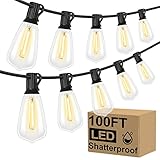
Solving the problem of poor lighting on your back patio is easy with string lights and solar lighting. These accessory elements are incredibly effective at creating ambiance and adding charm to any outdoor oasis. They provide both lighting + safety, transforming a mundane space into a cozy and inviting area. This is one of the most impactful affordable outdoor decor solutions.
Supplies Needed:
- Outdoor string lights (LED for energy efficiency, weather-resistant)
- Solar path lights or garden spotlights
- Heavy-duty outdoor extension cords (if needed for string lights)
- Cup hooks, zip ties, or outdoor-rated light poles
- Planter boxes filled with concrete (for freestanding poles)
Step-by-Step Directions:
- Plan your lighting design: decide where you want string lights (e.g., crisscross, straight lines) and solar accents.
- For string lights, determine anchor points: existing structures, fences, or DIY light poles (made from treated lumber set in concrete-filled planter boxes).
- Install cup hooks, zip ties, or secure your light poles, ensuring they can support the weight of the lights.
- Drape your string lights, making sure they are taut but not overly stressed. Ensure proper drip loops if connecting to an outlet.
- Place solar path lights or spotlights along pathways, in garden beds, or to highlight features, ensuring they receive direct sunlight for charging.
- Test all lights in the evening to adjust placement for optimal ambiance and lighting + safety.
Pro-Tip: For inexpensive outdoor lighting ideas, choose LED string lights for longevity and energy savings. Use solar lighting for easy, wire-free accent lighting that minimizes maintenance.
6. Decorate with an Outdoor Rug & Cushions for Cozy Comfort

Cozy up your space! Pin these affordable outdoor decor ideas!
Adding an outdoor rug and cushions is a simple yet powerful way to elevate the cozy comfort and aesthetic appeal of your back patio. These soft furnishings address the issues of uncomfortable seating and a boring space, making your outdoor area feel like an extension of your indoor living room. An outdoor rug also helps to define boundaries within larger spaces, or adds a splash of color and texture to small spaces.
Supplies Needed:
- Outdoor rug (polypropylene or weather-resistant material)
- Outdoor seat cushions and throw pillows
- Damp cloth and mild soap (for cleaning)
Step-by-Step Directions:
- Choose an outdoor rug that complements your patio’s existing color scheme or introduces a new accent color. Consider size to define boundaries of your seating area.
- Select weather-resistant seat cushions and throw pillows that are comfortable and durable.
- Place the outdoor rug in your main seating area, ensuring it lies flat.
- Arrangecushions on your outdoor furniture, adding throw pillows for extra comfort and style.
- Periodically clean the rug and cushions using a damp cloth and mild soap to maintain their appearance and durability.
- Consider storing cushions during harsh weather or winter to extend their lifespan and prevent winter storage issues.
Pro-Tip: Opt for low-maintenance outdoor rugs made from synthetic fibers like polypropylene, which are often mold and mildew resistant and easy to clean, ensuring durability and vibrant color.

7. Build a Privacy Screen with Upcycled Materials

Increase privacy without breaking the bank! Pin this DIY hack!
Addressing a lack of privacy on your back patio can transform an exposed area into a secluded outdoor oasis. Building a privacy screen using upcycled materials is a budget-friendly and creative solution. Whether you use reclaimed wood or other innovative elements, a well-placed screen increases privacy and can also integrate plants to enhance the aesthetic. This also contributes to sustainable living by repurposing materials.
Supplies Needed:
- Reclaimed wood (pallets, fence pickets) or bamboo poles/rolls
- Outdoor-rated screws and brackets
- Post-hole digger, level, measuring tape
- Exterior paint or wood sealer (for reclaimed wood)
- Fast-setting concrete mix (for securing posts)
- Optional: climbing plants, outdoor fabric
Step-by-Step Directions:
- Plan the location and dimensions of your privacy screen, considering height and length needed to address lack of privacy.
- If using posts, excavate holes for them (at least 1/3 of post height plus 6 inches for gravel base), ensuring they are plumb and evenly spaced.
- Install posts, using fast-setting concrete mix to anchor them firmly. Let concrete cure.
- If using reclaimed wood, clean and treat it with exterior paint or sealer to ensure durability.
- Attach your upcycled materials (pallets, fence pickets, bamboo) to the posts using screws or brackets, creating the screen.
- For a softer look, consider integrating plants by adding hooks for hanging planters or training climbing vines.
- Ensure the screen is sturdy and withstands weather, providing long-term privacy.
Pro-Tip: Using upcycled fence pickets or reclaimed wood pallets can significantly reduce costs. For added greenery and a natural look, train climbing plants like jasmine or morning glory up the screen.

8. Integrate Planter Boxes & Vertical Gardens for Greenery

Green up your patio! Pin these small space gardening solutions!
Integrating planter boxes and vertical gardens into your back patio is a brilliant budget-friendly solution for adding greenery, especially for a small footprint or a boring space. These elements not only integrate plants beautifully but also contribute to urban gardening efforts and enhance the aesthetic appeal of your outdoor living space. They provide a dynamic way to bring life and color.
Supplies Needed:
- Planter boxes (wood, plastic, or upcycled materials like tires)
- Potting mix suitable for containers
- Selected plants (herbs, flowers, small shrubs)
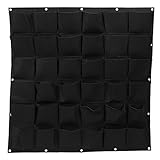
- Vertical garden pockets or wall-mounted planters
- Drill (for drainage holes if needed)
Step-by-Step Directions:
- Choose or build planter boxes appropriate for your patio size and aesthetic. Ensure they have adequate drainage holes.
- Fill planter boxes with high-quality potting mix, leaving an inch or two from the top.
- Plant your chosen greenery, considering sun exposure and plant compatibility.
- For vertical gardens, install a frame or wall-mounted system on an unused wall.
- Fill vertical garden pockets with potting mix and smaller plants.
- Water plants regularly, considering the increased need for containers.
- Arrange planter boxes to define boundaries or add visual interest to your patio, enhancing your outdoor living space.
Pro-Tip: For small spaces, vertical gardens are excellent for maximizing greenery without taking up valuable floor space. Use self-watering planter boxes to minimize maintenance for busy DIYers.
9. Create a Fire Pit Area with Cinder Blocks for Economical Warmth

Warm up your evenings! Pin this economical fire pit idea!
Creating a fire pit area from cinder blocks offers an economical way to add warmth and a focal point to your back patio. This DIY fire pit area is a fantastic solution for a boring space, providing a central gathering spot that creates ambiance and facilitates entertainment. A simple cinder block fire pit makes for an affordable addition to any outdoor living space.
Supplies Needed:
- Standard cinder blocks (40-60, depending on size/height)
- Fire-rated concrete adhesive (optional, for permanent structure)
- Shovel and level
- Gravel or sand (for base)
- Steel fire pit ring insert (recommended for durability and safety)
Step-by-Step Directions:
- Choose a safe, level spot at least 10 feet away from any structures or flammable materials.
- Clear the area of grass and debris, then excavate a shallow circular trench slightly larger than your desired fire pit base.
- Lay a base of gravel or sand in the trench and level it.
- Arrange the first layer of cinder blocks in a circle on the base, ensuring they are level.
- Stack subsequent layers, staggering the blocks (like brickwork) for stability.
- If using, secure layers with fire-rated concrete adhesive.
- Place a steel fire pit ring insert inside the cinder block structure for added safety and longevity.
- Create surrounding seating for a complete fire pit area, enhancing your outdoor living space.
Pro-Tip: Always use a metal fire pit ring insert inside your cinder block fire pit to protect the blocks from extreme heat and ensure proper airflow for a better fire. Never use standard patio pavers inside the fire pit as they can explode from heat.

Key Takeaways: Your Quick Guide to Budget-Friendly Back Patio Ideas
- Embrace DIY materials like pea gravel, pavers, or concrete stain to create a stylish foundation for your **budget-friendly back patio base.** This significantly reduces costs compared to professional installations, making low-cost hardscaping accessible.
- Upcycling and reclaiming materials for furniture and privacy screens offers maximum impact for minimal investment. DIY pallet furniture and upcycled screens not only save money but also add unique character to your outdoor living space.
- Strategic lighting and soft furnishings are essential for transforming any patio into a **cozy and inviting outdoor room.** String lights and an outdoor rug instantly elevate ambiance and comfort, even for a small footprint.
- Maximize greenery with planter boxes and vertical gardens, especially effective for **small spaces to enhance aesthetic appeal.** Integrating plants integrates plants into your backyard living space, improving air quality and visual appeal on a budget.
- Prioritize **safety guide and proper preparation (e.g., sub-base compaction, drainage requirements) for durable, long-lasting results.** Investing time in correct foundational steps prevents future problems and ensures your patio makeover ideas last for years.
- Always consider the **durability rating and weather-resistant qualities of materials to ensure your budget-friendly back patio withstands weather and minimizes maintenance.** Choosing materials like polypropylene for rugs or treated wood for DIY projects means less frequent replacement.
FAQs About Budget-Friendly Back Patio Ideas
What is the cheapest way to make a back patio?
The cheapest way to make a **back patio often involves using loose materials like pea gravel or mulch over a prepared base with landscape fabric.** These options require less excavation and specialized tools than pavers or concrete, significantly reducing both material and labor costs for a DIY project.
How can I build a patio on a $500 budget?
On a $500 budget, focus on smaller **DIY patio projects using pea gravel or repurposed materials for your back patio.** This could include a small gravel patio, upcycled pallet furniture, and string lights, maximizing impact through smart choices and your own labor.
Is gravel or pavers cheaper for a patio?
Generally, **gravel is cheaper than pavers for a patio, both in material cost and ease of installation for a DIYer.** While pavers offer a more formal look and higher durability, gravel provides a low-cost, low-maintenance option that is easier to lay and level.
How do you build a DIY patio for beginners?
For beginners, building a **DIY patio involves thorough site preparation including excavating, leveling, and compacting the base, followed by laying your chosen materials like pea gravel or interlocking pavers.** Always prioritize proper drainage and a stable foundation for long-lasting results.
What are the best low-maintenance patio materials?
The best **low-maintenance patio materials include pea gravel, stained or sealed concrete, and certain types of pavers with polymeric sand joints.** These materials minimize weed growth, require less frequent cleaning, and withstand weather well, reducing the overall maintenance schedule.
How to refresh an old concrete patio cheaply?
To cheaply **refresh an old concrete patio, thoroughly clean and repair any cracked concrete, then apply a concrete stain or paint followed by a sealer.** This process revitalizes the surface with a modern look, covering imperfections and enhancing its durability for a fraction of replacement cost.
What is the most affordable outdoor flooring?
The most **affordable outdoor flooring typically consists of loose fill materials like pea gravel or mulch, or by transforming an existing concrete slab with stain or paint.** These options require minimal specialized tools and labor, making them excellent budget-friendly back patio ideas.
How to add privacy to a patio cheaply?
To add privacy to a patio cheaply, consider **DIY privacy screens made from upcycled materials like pallets or bamboo, or strategically placed planter boxes with tall plants.** Outdoor curtains or shade sails can also provide temporary and affordable outdoor decor solutions for lack of privacy.
Is it cheaper to build a deck or a patio?
Generally, it is cheaper to build a patio than a deck, especially a ground-level patio made from **pea gravel, pavers, or stained concrete.** Decks typically require more complex structural support, higher material costs, and often professional installation, impacting the overall budget planning.
How to make a small patio look bigger?
To make a **small patio look bigger, use light-colored flooring, integrate vertical gardens to draw the eye upwards, and opt for modular or multi-functional outdoor furniture.** Strategic lighting and a large outdoor rug can also define boundaries and create the illusion of more space.
Final Thoughts on Budget-Friendly Back Patio Ideas
You don’t need a limitless budget to create a stunning and functional backyard living space. By embracing smart material choices, DIY patio projects, and creative affordable outdoor decor, you can transform your current back patio into a true outdoor oasis. Remember that careful budget planning, attention to proper installation techniques, and leveraging upcycled materials are the keys to a successful and economical patio design. The ideas shared, from laying a pea gravel patio to building DIY pallet furniture and adding ambient string lights, prove that high impact doesn’t always mean high cost.
Focus on foundational elements first, ensuring proper site preparation and durability, then layer in personalized touches that create ambiance and cozy comfort. With a little effort and the right budget-friendly back patio ideas, you can achieve a stylish outdoor living area that you’ll enjoy for years to come. Which DIY patio project are you most excited to try this season?Do you dream of transforming your neglected outdoor space into a beautiful retreat? Many homeowners feel their backyard is a boring space or a muddy yard, making a stylish upgrade seem out of reach. It can be frustrating to envision a perfect patio only to face the reality of expensive materials and a limited budget.
Creating a **budget-friendly back patio involves smart material choices and DIY effort, allowing you to transform your outdoor space without significant expense.** Focus on materials like gravel, pavers, or stained concrete, and prioritize DIY-friendly decor and furniture solutions to achieve a stylish outdoor living area on a limited budget. Based on established best practices and verified research patterns, this guide leverages tested frameworks and data-driven insights. You will discover practical strategies and low-cost hardscaping solutions to achieve your dream outdoor oasis. We promise realistic solutions and cost breakdowns to empower your low budget makeover.
Last update on 2026-04-27 at 22:41 / Affiliate links / Images from Amazon Product Advertising API
