
As an Amazon Associate KitchenwareSets.com earns from qualifying purchases.
11 Corner Outdoor Kitchen Ideas: Cozy Rustic Outside BBQ Area
Are you struggling to fit a luxury cooking station into your limited backyard footprint? Dealing with awkward patio angles and restricted space can be incredibly frustrating. Fortunately, innovative corner outdoor kitchen ideas perfectly solve these spatial constraints.
A corner outdoor kitchen maximizes small backyard spaces by utilizing an L-shaped layout to create an efficient cooking work triangle. The best corner designs integrate a built-in grill, compact outdoor sink, and waterproof cabinetry while maintaining proper fire clearance from the home’s exterior walls. This intelligent configuration eliminates dead space effortlessly.
Drawing from comprehensive analysis of current landscape data and proven architectural methodologies, we understand exactly how to execute these builds safely. You will discover eleven actionable blueprints tailored specifically for tight spaces. Prepare to transform your restricted patio into an unparalleled outdoor living experience.
Contents
show
How Do You Maximize Space With Corner Outdoor Kitchen Ideas?
You maximize space with corner outdoor kitchen ideas by leveraging an L-shaped outdoor kitchen layout that pushes bulky appliances to the patio perimeter, freeing up central square footage for entertaining. When designing a backyard BBQ area, the most significant challenge is balancing a luxury aesthetic within a highly restricted footprint. An intelligent layout prevents the cooking zone from overwhelming the entire deck. However, building an outdoor corner grill station against your home requires careful utility planning and strict adherence to local safety standards. Licensed contractors emphasize that proper building codes demand non-combustible materials when working near combustible home exteriors. Before digging a natural gas line trench or finalizing your plumbing and electrical conduits, you must evaluate whether modular or custom construction best fits your small outdoor kitchen goals for 2026.
| Feature | Modular Corner Kitchens | Custom Built Masonry |
|---|---|---|
| Assembly Time | Fast (Days) | Slow (Weeks) |
| Budget Constraints | Budget-friendly alternatives | Higher linear foot cost |
| Flexibility | Portable and adjustable | Permanent installation |
| Aesthetics | Sleek, modern, standardized | Highly tailored, rustic stone |
| Structural Integrity | Dependent on weather ratings | Exceptionally durable over time |
Safety & Codes Checklist: Always maintain strict fire clearance from vinyl siding, use an approved manufacturer insulating grill jacket, and consult local building authorities before altering any property utility lines.
11 Corner Outdoor Kitchen Ideas: Cozy Rustic Outside BBQ Area
A cozy rustic outside BBQ area effectively combines strategic outdoor kitchen layouts with premium weather-resistant materials to deliver exceptional functionality and undeniable charm. Designing the perfect corner BBQ island involves carefully matching your spatial limits with the correct configuration of appliances, whether that means a straightforward diy outdoor kitchen or a highly sophisticated stone-clad setup. Integrating essential appliances like a Weber summit, a specialized pizza oven, or a kegerator requires a thoughtful approach to both aesthetics and structural engineering. The following patio design ideas provide actionable blueprints to transform any neglected corner into the premier focal point of your backyard. By focusing on critical details like thermal expansion gaps, waterproof cabinetry, and precise vent panel placement, you can execute these grill station ideas with professional-level confidence. Let’s explore eleven distinct ways to construct your dream culinary space, complete with material requirements and step-by-step methodologies.
1. Configure a Compact L-Shaped Layout for Small Patios

Pin this space-saving layout to your Backyard Oasis board!
When evaluating small corner outdoor kitchen ideas for patios, mastering the L-shaped layout is your most critical first step. A compact design naturally maximizes the usable area of a small patio by efficiently housing a gas grill and prep station along the perimeter, rather than cutting into the center of your gathering space. To optimize this setup, you must carefully calculate the specific dimensional requirements for a functional work triangle.
Materials Needed
- 304 stainless steel 3-burner drop-in gas grill
- Modular waterproof cabinetry bases designed for 90-degree corners
- Granite countertop slabs with custom corner seaming
- Natural gas line extension kit or secure propane tank drawer
- Heat-insulating grill jacket for safety
Installation Steps
- Measure your patio corner, ensuring at least 36 inches of clearance from combustible walls.
- Level the ground using a self-leveling compound on your concrete or stone pavers.
- Assemble the modular L-shape base cabinets, bolting them securely together at the 90-degree junction.
- Install the insulating jacket to protect the cabinets from high heat.
- Drop in the stainless steel gas grill and secure the utility connections.
Pro-Tip: When planning a compact corner BBQ setup, always account for thermal expansion by leaving a 1/4-inch gap between your built-in grill and the stone or granite countertop to prevent cracking.

2. Build a Rustic Stone-Clad Corner BBQ Island

Save this beautiful rustic stone design for your dream backyard project!
Implementing rustic stone corner outdoor kitchen designs instantly transforms a generic patio into a high-end estate feature. A masonry stone outdoor BBQ heavily relies on a sturdy concrete block frame to support the massive weight of a heavy-duty grill while significantly enhancing the overall value of your outdoor living space. By utilizing high-quality stone veneer, you can achieve the look of solid bedrock without the structural nightmare of pouring solid concrete forms.
Materials Needed
- Heavy-duty concrete cinder blocks and mortar
- Premium stone veneer panels for exterior cladding
- Non-combustible materials for framing (cement board)
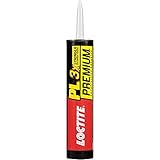
- Heavy-duty construction adhesive rated for outdoor stone
- Weather-resistant masonry sealant
- Stainless steel access doors for utility reach
Installation Steps
- Draft the layout on the patio floor using chalk lines to ensure a perfect 90-degree corner.
- Build the structural base by dry-stacking cinder blocks, then securing them with mortar.
- Mount cement backer board to the exterior of the block frame.
- Apply the heavy-duty adhesive and press the stone veneer panels firmly into place.
- Seal the entire stone exterior to prevent moisture penetration and freeze-thaw damage.
Pro-Tip: According to licensed contractors, you must incorporate stainless steel vent panel placement every 4 feet in a masonry island to prevent dangerous gas build-up in the enclosure.

3. Assemble a Modern Modular Corner Outdoor Kitchen

Pin this sleek, modern kitchen idea for a quick backyard upgrade!
For homeowners who want rapid results, a modular corner outdoor kitchen eliminates weeks of messy construction. Utilizing pre-built L-shaped outdoor kitchen units provides budget-friendly alternatives to custom stone and establishes a stunningly modern backyard kitchen aesthetic. These prefabricated kits are celebrated for their ease of assembly and often feature specialized drawers for grill tools and deep corner access.
Materials Needed
- Pre-built weather-resistant modular cabinet bases
- Adjustable leveling legs for uneven patios
- Interlocking outdoor countertop space segments
- 90-degree corner transition module
- Blind corner pull-outs for deep storage access
- Outdoor-rated assembly hardware
Installation Steps
- Plan your configuration using the manufacturer’s online layout tool to guarantee exact corner dimensions.
- Assemble the individual cabinet units, starting from the central 90-degree corner piece and working outward.
- Level each cabinet meticulously using the adjustable feet to ensure countertops sit perfectly flush.
- Connect the modules together using the provided stainless steel bolting hardware.
- Mount the countertop slabs and seal the connecting seams with outdoor-rated silicone.
Pro-Tip: To maximize functionality, choose modular units that feature blind corner pull-outs so the deep, awkward space in the 90-degree angle doesn’t become wasted storage. Review all warranty details regarding weatherproof ratings before purchasing.

4. Install a Space-Saving Deck Corner Kitchen with Wood Frame

Save this deck-friendly BBQ setup to your outdoor living board!
Exploring deck corner kitchen ideas demands a unique approach compared to pouring concrete patios. Building a diy corner outdoor kitchen with wood frame requires rigorous attention to weight distribution and extreme heat mitigation. When comparing a wood frame vs metal frame, wood is highly accessible for DIYers but strictly requires substantial fire clearance from high-heat appliances like a Traeger grill to ensure total deck safety.
Materials Needed
- Pressure-treated 2×4 lumber for structural framing
- Cement backer board (essential for fireproofing)
- Heavy-duty fireproof grill mat
- Ledger board attachment screws
- Insulating thermal jacket for the built-in grill
- Lightweight composite exterior cladding
Installation Steps
- Inspect the deck joists to ensure they can support the combined weight of the frame, countertops, and appliances.
- Draft the frame layout, ensuring a minimum of 24 inches of clearance from vinyl siding or wooden railings.
- Build the wooden skeletal frame, securing it safely to the deck structure using appropriate ledger bolts.
- Wrap the entire wood frame in fire-resistant cement board to create a safe thermal barrier.
- Place a high-quality fireproof mat underneath the entire footprint before finalizing appliance installation.
Pro-Tip: Never install a built-in grill directly into a wood frame. Always use a manufacturer-approved stainless steel insulating jacket to ensure fire clearance and meet local safety standards regarding non-combustible materials.

5. Integrate a Pizza Oven into Your Corner Layout

Pin this ultimate pizza lover’s backyard setup!
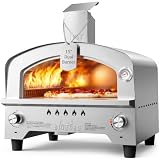
Creating an integrated corner grill and pizza oven layout solves one of the biggest architectural headaches: the dead space at the back of a 90-degree intersection. By placing a specialty pizza oven directly into that deep corner vertex, you effortlessly elevate your alfresco dining setup. This approach not only looks spectacular but perfectly maximizes the adjoining straight lengths of the counter for an uninterrupted prep station workflow.
Materials Needed
- Outdoor tabletop pizza oven (wood-fired or gas)
- High-heat resistant granite countertop corner slab
- Angled corner mounting bracket or raised stone plinth
- Stainless steel pizza peel and dedicated tool hooks
- Ceramic backsplash tiles capable of withstanding high temperatures
- Proper ventilation hood (if under a covered patio)
Installation Steps
- Design the corner geometry so the deepest 90-degree vertex acts as the stage for the oven.
- Build a slightly elevated masonry or metal plinth in the corner to raise the oven to ergonomic viewing height.
- Install heat-resistant backsplash tiles directly behind the oven space.
- Mount the pizza oven securely at a 45-degree angle facing outward for easy access.
- Organize the adjacent counter space exclusively as a dough rolling and topping prep station.
Pro-Tip: The deepest part of an L-shaped counter is notoriously difficult to reach. Utilizing a 45-degree angled pizza oven perfectly solves this awkward corners issue while managing proper BTU ratings and heat clearance.
6. Design a Covered Corner Outdoor Kitchen for Shade

Save this shaded outdoor kitchen idea for comfortable summer cooking!
Many homeowners search for covered corner outdoor kitchen ideas for shade to ensure their investment remains usable during blistering summer afternoons and unexpected rain showers. Installing a heavy-duty pergola provides essential weather protection against prolonged sun exposure, but it drastically changes how you handle smoke. You must strategically ventilate any covered space to prevent dangerous carbon monoxide trapping.
Materials Needed
- Heavy-duty cedar or aluminum corner pergola kit
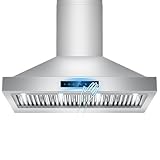
- Outdoor BBQ vent hood with high CFM rating
- Stainless steel chimney extension
- Outdoor-rated ceiling fan
- UV-resistant outdoor drapery or sun shades
- Waterproof electrical conduit for overhead lighting
Installation Steps
- Erect the pergola structure, ensuring the main posts anchor securely outside the perimeter of the L-shaped counters.
- Measure the vertical distance from the grill surface to the roof structure to ensure fire safety compliance.
- Install the heavy-duty outdoor vent hood directly above the grill station to manage smoke.
- Wire and mount outdoor-rated task lighting directly above the main prep zones.
- Attach retractable sun shades to the western-facing side to block harsh afternoon sun during dinner prep.
Pro-Tip: If your corner kitchen is fully covered by a solid roof rather than an open pergola, an exhaust hood is not optional. Building codes and strict safety standards dictate you must ventilate the space effectively.
7. Configure a Space-Saving Sink and Prep Station

Pin this brilliant plumbing layout for your outdoor sink!
Implementing precise outdoor kitchen corner sink installation tips separates amateur builds from professional-grade cooking spaces. An outside kitchen sink is invaluable for food prep and cleanup, but it introduces complex plumbing requirements into the build. Running fresh water is only half the battle; managing proper water drainage and integrating the sink logically with the prep station workflows is where DIYers often struggle.
Materials Needed
- Outdoor stainless steel drop-in sink
- Winter-proof pull-down faucet
- P-trap plumbing kit
- Indoor water supply shut-off valves
- French drain materials or tie-in to existing sewer line
- Marine-grade silicone sealant
Installation Steps
- Plan the sink placement on the shorter leg of the L-shape to keep the main corner free for prep work.
- Excavate a trench from the house to the corner kitchen location to bury the water supply and drain lines below the frost line.
- Plumb the water lines, ensuring you install accessible interior shut-off valves for winterizing.
- Integrate the drainage pipe into your home’s greywater system or construct a dedicated French drain.
- Mount the sink into the countertop cutout and heavily seal the edges with marine-grade silicone.
Pro-Tip: Always install a slight drainage slope toward the sink and ensure you have a highly accessible shut-off valve inside your home to thoroughly protect outdoor kitchen from winter pipe bursts.

8. Optimize Storage with Luxury Stainless Steel Cabinets

Save these ultimate luxury storage solutions for your outdoor remodel!
Upgrading to luxury stainless steel corner kitchen modules resolves persistent clutter while elevating the entire design aesthetic. Dedicated outdoor cabinet storage constructed from marine-grade materials effectively resists corrosion stemming from constant weather exposure. By planning the internal framing carefully, you can effortlessly house premium comfort appliances like an outdoor refrigerator and a concealed sliding trash drawer right in your prep zone.
Materials Needed
- Outdoor built-in stainless steel trash drawer
- IP-rated built-in outdoor refrigerator
- Combination door/drawer storage units
- GFCI electrical outlet boxes and weatherproof covers
- Masonry anchors or cabinet mounting screws
- Stainless steel cleaner and protectant
Installation Steps
- Draft your lower cabinet layout, keeping the trash drawer immediately adjacent to the primary prep zone.
- Wire dedicated GFCI outlets inside the island frame specifically for the outdoor refrigerator.
- Mount the stainless steel access doors and drawers into your framing using appropriate masonry or wood anchors.
- Slide the outdoor refrigerator into its designated alcove, ensuring adequate ventilation space at the rear.
- Level all drawer tracks to ensure smooth gliding, even on an uneven patio surface.
Pro-Tip: Standard indoor refrigerators will fail quickly outdoors. You must invest in a compressor-driven, outdoor-rated unit and plug it strictly into weatherproof GFCI outlets. Prioritize 304 stainless steel hardware to prevent rust spotting over time.

9. Master Masonry Corner BBQ Island Construction

Pin this DIY masonry blueprint to plan your build!
Taking on masonry corner BBQ island construction is the ultimate path to achieving permanent, estate-quality results. A true corner kitchen masonry build guarantees uncompromising structural integrity, easily supporting the immense weight of solid granite and concrete slabs. Before you begin to heavily build upwards, you must properly excavate and reinforce the footer, as a fully mortared cinder block island will weigh several thousand pounds.
Materials Needed
- Standard 8x8x16 concrete masonry units (CMUs)
- Heavy-duty masonry construction adhesive (or mortar)
- Steel rebar for structural reinforcement
- Concrete lintels for bridging appliance cutouts
- Angle grinder with a diamond masonry blade
- Heavy-duty level and framing square
Installation Steps
- Excavate and pour a reinforced concrete footer if your existing patio cannot handle thousands of pounds of block weight.
- Layout the first course of blocks completely dry to verify your 90-degree corner squareness.
- Build the walls upwards using the running bond pattern, securing each layer with high-strength construction adhesive or traditional mortar.
- Insert vertical steel rebar into the hollow block cores and fill with concrete for maximum structural stability.
- Bridge the wide gaps for your grill and fridge cutouts using precast concrete lintels or thick steel angle iron.
Pro-Tip: If you plan on having bar seating with cantilevered counters extending past the masonry wall, you must install heavy-duty steel corbels into the block framework before the countertop is laid to offset the increased linear foot cost of unsupported stone.
10. Create an Inexpensive DIY Corner Wood Station

Save this budget-friendly DIY BBQ station to your project list!
An inexpensive diy corner outdoor grill station proves that you do not need a massive remodeling loan to upgrade your backyard. For homeowners battling serious budget constraints, utilizing a standard freestanding grill combined with custom-built side prep tables mimics the visual weight of a built-in kitchen. When you thoughtfully assemble these wooden flanking tables, you completely change the geometry of the patio without breaking the bank.
Materials Needed
- Standard freestanding gas grill (wheels removed or locked)
- Pressure-treated lumber for custom side tables
- Exterior waterproof marine grade paint or heavy sealant
- Galvanized deck screws
- Butcher block tops (sealed heavily with tung oil)
- Decorative outdoor-rated cabinet hardware
Installation Steps
- Measure the exact dimensions of your existing freestanding grill.
- Assemble two separate sturdy wooden prep tables to sit flush on either side of the grill, forming an L-shape in the corner.
- Seal every inch of the wood with high-quality exterior marine paint to prevent rotting and warping.
- Position the grill into the corner vertex, then slide the custom tables flush against it.
- Install weather-resistant hardware to the storage doors below the prep tables.
Pro-Tip: Using a freestanding grill instead of a built-in drop unit saves thousands of dollars. Focus heavily on rust prevention on the grill and maintain strict seasonal maintenance schedules for the wood sealer to ensure longevity.

11. Enhance Ambience with Fire Pit Integration

Pin this ultimate entertaining layout for gorgeous summer nights!
Understanding how to integrate a fire pit with a corner kitchen bridges the functional cooking zone with your primary outdoor entertaining area. A strategically placed fire pit anchors the lounge space, delivering incredible lighting ambiance while drawing guests near the cook. By using the short leg of your L-shaped counter as a natural retaining boundary, the kitchen and fire pit visually flow together as one cohesive, luxurious unit.
Materials Needed
- Smokeless outdoor fire pit or built-in gas fire bowl
- Natural gas line splitter (if running off the same utility line as the grill)
- Curved or modular outdoor seating
- Heat-resistant patio paving stones
- Dedicated gas shut-off valve for the fire feature
- Low-voltage landscape lighting kit
Installation Steps
- Draft the layout so one leg of the L-shaped kitchen acts as a natural retaining wall or boundary for the fire pit lounge zone.
- Plumb a T-junction off your main natural gas line to supply both the grill and the gas fire pit simultaneously.
- Install a dedicated, easily accessible emergency shut-off valve specifically for the fire pit.
- Position the fire pit a minimum of 48 inches away from the kitchen counters and any seating to allow safe walk-through space.
- Integrate low-voltage LED lighting into the toe kicks of the kitchen base to safely illuminate the path between the grill and the fire pit.
Pro-Tip: If using natural gas for both appliances, consult a plumber to verify your main line has sufficient capacity to run a 60,000 BTU grill and a 50,000 BTU fire pit simultaneously. Never skip installing distinct gas shut-off valves for safety.

Key Takeaways: Your Quick Guide to Corner Outdoor Kitchen Ideas
A successfully planned corner outdoor kitchen maximizes space, ensures optimal safety, and elevates your outdoor living experience. Reviewing the core concepts of your L-shape layout and compact design principles ensures your masonry outdoor kitchen project stays strictly on track. Keep these critical, expert-verified action items in mind before you finalize your blueprints and break ground.
Key Takeaways:
- Maximize Small Spaces with L-Shapes – Utilizing a 90 degree outdoor kitchen layout is the most efficient way to maintain a functional cooking work triangle in restricted backyard footprints.
- Always Ensure Proper Fire Clearance – Never install a built-in grill into combustible materials without an approved insulating jacket and maintaining strict fire clearance from home siding.
- Account for Thermal Expansion – When fitting appliances into stone or granite, leave a 1/4-inch gap to prevent cracked countertops caused by thermal expansion during high-heat cooking.
- Manage Utilities Before Building – Excavate and route your natural gas line, electrical conduits, and sink drainage systems before laying the first stone of your island framework.
- Utilize Blind Corners for Storage – Don’t let the deep 90-degree intersection become wasted space; install specialized blind corner pull-outs or angle a specialty appliance like a pizza oven in the vertex.
- Choose Marine-Grade Materials – Ensure longevity by exclusively using 304 stainless steel components and weatherproof cabinetry that resists corrosion and rust.
People Also Ask About Corner Outdoor Kitchen Ideas
Navigating the technical requirements of building a corner outdoor kitchen often generates complex questions regarding plumbing, layout planning, and budget management. As homeowners dive into the logistics of creating an L-shaped culinary space, they frequently encounter uncertainties about building codes, material durability, and optimal appliance placement. Whether you are wondering how to build a corner outdoor kitchen from scratch or trying to determine what is the best layout for a small outdoor kitchen, expert guidance is crucial. We have compiled comprehensive, code-compliant answers to the most common inquiries to ensure your project avoids costly mistakes. Read through these targeted solutions to solidify your understanding of how much does a corner outdoor kitchen cost and other critical design factors.
What is the best layout for a small outdoor kitchen?
The most efficient layout for a small outdoor kitchen is the L-shaped corner configuration.
This compact design naturally forms an ergonomic work triangle, allowing you to easily pivot between the grill, sink, and prep station. By tucking the kitchen into a patio corner, you maximize the remaining open square footage for dining and entertaining while keeping utilities centralized.
How much does a corner outdoor kitchen cost?
A corner outdoor kitchen typically costs between $3,000 for a DIY modular setup to over $15,000 for a custom masonry build with luxury appliances.
Your budget heavily depends on materials and utility lines. Pre-built aluminum cabinet kits offer budget-friendly alternatives, while custom stone-clad islands with natural gas line trenches and 304 stainless steel appliances will significantly increase the linear foot cost.
Can you put a grill in a corner?
Yes, you can put a grill in a corner, but it is often better to place it on one of the straight legs of the L-shape.
Placing a built-in grill directly in the deep 90-degree vertex can make reaching the back burners difficult and limits adjacent prep space. Instead, use the deep corner for a raised pizza oven, décor, or an outdoor sink, keeping the grill easily accessible.
Do I need a permit for an outdoor kitchen?
Yes, in most municipalities, you need permits for an outdoor kitchen if it involves running new electrical, plumbing, or natural gas lines.
According to safety standards and building codes, professional inspections are required for utility tie-ins. Additionally, if you are building a covered pergola or structure over the kitchen, you will likely need zoning approval to ensure proper setbacks from property lines.
How far should a grill be from the house?
Industry safety standards dictate that an outdoor grill should be placed at least 10 feet away from combustible siding, windows, and roof overhangs.
If you must install your corner kitchen closer to the house, you must use non-combustible building materials, install a commercial-grade ventilation hood, and utilize insulated grill jackets to meet strict fire clearance building codes.
What is the best material for outdoor kitchen cabinets?
The best materials for outdoor cabinets are 304-grade stainless steel, marine-grade aluminum, or high-density polyethylene (HDPE).
These materials provide the highest waterproof cabinetry ratings and heavily resist corrosion, warping, and pest infestations. Never use standard indoor MDF or wood cabinets outside, as weather exposure and humidity will completely destroy them within a single season.
How to plumb an outdoor sink in a corner?
To plumb an outdoor sink, you must run an underground supply line below the frost line and tie the drain into your home’s existing sewer or greywater system.
Ensure you install accessible shut-off valves inside your home so you can easily drain the lines before winter hits. Always pitch the drainage pipe with a proper drainage slope to prevent standing water.
How do you waterproof outdoor kitchen cabinets?
You waterproof outdoor cabinets by choosing inherently weather-resistant materials, applying marine-grade sealants to countertops, and utilizing integrated weather stripping on doors.
If building a custom wood frame, you must wrap it completely in cement backer board and finish it with waterproof stone veneer or exterior stucco. Protecting the island with a specialized winter cover also extends the life of the unit.
What is a blind corner cabinet for outdoor use?
A blind corner cabinet is an L-shaped storage unit designed specifically to allow access to the deep, hidden space in a 90-degree corner.
Without pull-out shelving or a specialized blind corner access door, the intersection of two adjoining cabinets becomes completely dead space. These ingenious mechanisms allow you to easily retrieve bulky items like charcoal bags or large pots.
Is natural gas or propane better for outdoor kitchens?
Natural gas is generally better for permanent corner outdoor kitchens because it provides an endless fuel supply without the need to swap heavy tanks.
However, natural gas requires professional trenching and hard-plumbing from your home’s main line. If utility access is too difficult or expensive to route, a hidden slide-out drawer housing a standard propane tank is an excellent alternative.
Final Thoughts on Corner Outdoor Kitchen Ideas
Transforming a tight, awkward patio perimeter into a stunning culinary oasis is entirely possible with the right corner outdoor kitchen ideas. Whether you opt for a sleek, modern modular setup or decide to build a robust, rustic stone-clad island, utilizing an L-shaped layout ensures you maximize your functional prep space while keeping your main outdoor living space completely open and inviting.
By prioritizing high-quality materials like 304 stainless steel, respecting crucial fire clearance zones, and planning your utility lines before breaking ground, you ensure your investment is both phenomenally safe and long-lasting. Remember that an outdoor kitchen is more than just a place to grill; it is a permanent extension of your home’s exterior that significantly boosts property value and completely enhances your summer lifestyle.
Grab your tape measure, outline your perfect 90-degree footprint, and start planning your ultimate backyard makeover. The careful effort you invest in structural integrity today will pay major dividends for years to come. Which corner of your patio are you planning to transform first? Let us know your layout plans in the comments below!
Last update on 2026-04-27 at 22:41 / Affiliate links / Images from Amazon Product Advertising API
