
As an Amazon Associate KitchenwareSets.com earns from qualifying purchases.
Dream Kitchen Cottage Core: 7 Cozy Decor Ideas for 2026
Does your modern cooking space feel completely cold, sterile, and unwelcoming? You probably crave a warm, nostalgic sanctuary without starting a massive renovation. Achieving a dream kitchen cottage core aesthetic instantly solves this frustrating design dilemma.
A dream kitchen cottage core space is a highly nostalgic, romanticized design style that seamlessly blends natural wood elements, genuine vintage charm, and incredibly cozy textiles together. To consistently achieve this beautiful aesthetic, you must incorporate rustic wood accents and vintage copper cookware. These specific tactile elements immediately mimic a traditional English countryside cottage perfectly.
Leveraging tested spatial planning frameworks and proven historical color theory, we understand this aesthetic completely. In this guide, you will discover exactly how to curate authentic vintage kitchen decor effortlessly. Implement these actionable design steps today to transform your home into a whimsical sanctuary.
Decor elements like rustic stoneware, vintage rugs, and floral curtains completely transform standard kitchen layouts. Natural materials build the whimsical charm you desperately crave. Creating your ideal fairycore kitchen aesthetic requires specific, actionable steps rather than vague inspiration. You can easily execute these cottagecore design principles regardless of your current budget or renter status. By prioritizing high-impact visual changes, you instantly bridge the gap between modern appliances and rustic charm. Let us explore how to thoughtfully curate vintage kitchen decor, style rustic accents, and organize cozy cottage spaces.
Contents
show
1. Install Rustic Open Wooden Shelving

Pin this rustic shelving styling to your Dream Kitchen board!
Reclaimed wood boards mounted on heavy-duty bracket hardware provide perfect open storage for your favorite vintage ceramics. This tactile approach perfectly blends raw natural materials against painted walls to avoid a cluttered look. Installing rustic open wooden shelving requires careful attention to structural safety and wall studs. We will explore exactly how to create these kitchen storage solutions safely and beautifully.
Materials Needed
- Reclaimed wood planks or thick pine boards (minimum 1.5 inches thick)
- Heavy-duty cast iron or vintage-style brass shelf brackets
- Heavy-duty drywall anchors and 2-inch wood screws
- Stud finder, level, and power drill
- Assorted styling items: trailing plants, stoneware, glass jars
Step-by-Step Directions
- Locate and mark the wall studs using your stud finder to ensure maximum weight-bearing capacity for heavy dishware.
- Position your first bracket, check for perfect horizontal alignment with your level, and drill pilot holes.
- Secure the brackets firmly to the wall studs using the 2-inch wood screws.
- Rest your reclaimed wood planks onto the brackets and secure them from underneath using shorter wood screws.
- Style the shelves by placing heavy, frequently used everyday items on the bottom shelf and lighter, decorative elements like trailing ivy or vintage teapots on the higher tiers.
Pro-Tip: In my experience designing rustic spaces, leaving the wood unsealed or using a matte, natural wax rather than high-gloss polyurethane preserves the authentic, aged patina crucial for the true English countryside interior look.

2. Curate Vintage Copper Pots and Pans

Save this beautiful copper display idea for your next kitchen update!
Your vintage copper pots should function as beautiful focal points rather than hidden tools. Hanging hammered copper cookware on an unlacquered brass wall rack creates incredible visual warmth right above the stove. This cottagecore principle proves that everyday practical tools perfectly double as authentic artwork. By displaying your collections openly, you instantly enhance the romantic, lived-in vibe of a traditional country kitchen.
Materials Needed
- Vintage or vintage-inspired hammered copper pots and pans
- Wall-mounted unlacquered brass or wrought iron kitchen rail
- S-hooks (matching the rail finish) for hanging
- Measuring tape, level, and wall anchors
- Copper polishing cream (optional, for maintaining high shine)
Step-by-Step Directions
- Measure the wall space above your stove or across an empty backsplash to determine the ideal length for your brass rail.
- Install the rail securely using heavy-duty anchors, ensuring it sits completely level so pots do not slide to one side.
- Attach the S-hooks to the rail, spacing them out evenly based on the width of your cookware.
- Hang the copper pots starting with the largest, heaviest pieces in the center or distributed evenly for visual balance.
- Fill the remaining gaps with smaller copper skillets, brass ladles, or bundles of dried herbs tied with twine.
Pro-Tip: True topical authority in cottage design embraces “living finishes.” Allow your unlacquered brass rails and copper pots to develop a natural, darkened patina over time rather than obsessively polishing them; this aging process provides authentic historical character.

3. Hang Whimsical Floral Kitchen Curtains

Pin this easy renter-friendly window update to try this weekend!
Hard modern cabinetry desperately needs the textural warmth that only natural linen window treatments can provide. Hanging whimsical floral curtains on simple tension rods beautifully diffuses harsh sunlight right over your farmhouse sink. This incredibly easy renter friendly cottagecore hack completely transforms the room without any permanent alterations. Soft cafe tier curtains with delicate block prints prevent your space from feeling like a sterile laboratory.
Materials Needed
- Natural linen or cotton cafe curtains (tier curtains) with a botanical or gingham print
- Spring-loaded adjustable brass tension rod (for renter-friendly installation)
- Fabric steamer or iron
- Measuring tape
- Curtain clip rings (optional, for a relaxed drape)
Step-by-Step Directions
- Measure the inside width of your kitchen window frame to ensure you purchase the correct tension rod size.
- Wash and thoroughly steam or iron your linen curtains to remove any packaging creases and achieve a soft, flowing drape.
- Thread the curtain panel pocket directly onto the tension rod, or attach curtain clip rings for a more relaxed, sliding functionality.
- Position the tension rod halfway down the window frame (cafe style) to allow maximum natural light through the top while providing privacy at eye level.
- Adjust the gathers of the fabric so the floral pattern waves evenly across the width of the glass.
Pro-Tip: For the most authentic fairycore kitchen aesthetic, avoid synthetic polyester blends. 100% block-printed cotton or slub linen will hang with a much more natural, heavy drape that instantly elevates the perceived value of the space.

4. Display Nostalgic Ceramic Teapots and Stoneware

Don’t forget to save this beautiful stoneware styling idea!
Curating nostalgic ceramic teapots alongside rustic stoneware prevents your open shelves from looking like messy clutter. Arranging vintage floral teacups by complementary color and rich texture creates intentionally styled collections. The art of the perfect kitchen vignette relies entirely on clustering objects of varying heights together. Applying professional interior styling principles like the “Rule of Three” guarantees a beautifully balanced display.
Materials Needed
- Vintage or reproduction floral ceramic teapots
- Chunky, earth-toned stoneware mugs or pitchers
- A wooden serving tray or marble pastry board (to anchor the display)
- Loose leaf tea tins or glass jars of chamomile
- Soft linen tea towels for layering
Step-by-Step Directions
- Establish a dedicated “tea station” or styling zone on an empty corner of your butcher block countertop.
- Anchor the vignette by placing a wooden serving tray or folded linen tea towel down first to create a textural base.
- Place your tallest item (usually a tall stoneware pitcher or stacked teacups) toward the back left or right to establish height.
- Nestle the primary floral teapot slightly forward and off-center to create a dynamic visual triangle.
- Fill the negative space with a small brass spoon, a tin of loose-leaf tea, or a tiny ceramic creamer jug.
Pro-Tip: Professional stylists avoid the “thrift store shelf” look by strictly adhering to a defined color palette. If your teapots feature faded pinks and sage greens, ensure your supporting stoneware is neutral (creams, warm whites) to let the vintage patterns shine without visual chaos.

5. Add Natural Beadboard or Shiplap Backsplashes

Pin this incredible beadboard backsplash transformation!
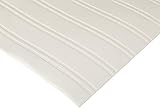
Applying a beadboard backsplash to your kitchen immediately introduces authentic historical architectural detail to plain walls. This vertical wood paneling overcomes the inherently cold feeling of modern, sterile glass tile setups. If you rent your home, 3D textured peel-and-stick wallpaper offers the ultimate low-commitment architectural upgrade. Carefully matching your paneling to historical heritage colors completely elevates the renter friendly cottagecore aesthetic.
Materials Needed
- 3D textured peel-and-stick beadboard wallpaper (or actual wood paneling if owning)
- Heavy-duty utility knife with fresh snap-off blades
- Plastic smoothing tool or squeegee
- Tape measure and straight edge ruler
- Degreasing kitchen cleaner and microfiber cloths
Step-by-Step Directions
- Scrub the existing backsplash or wall thoroughly with a heavy degreaser; adhesive will fail immediately if applied over cooking oils.
- Measure the height between your countertop and upper cabinets, transferring these measurements to the back of your wallpaper.
- Cut the panels using a straight edge and a very sharp utility knife to ensure clean, crisp lines.
- Peel back the top two inches of the backing, align the faux wood grooves vertically, and stick it to the top edge under the cabinets.
- Slowly pull the backing down while simultaneously using your smoothing tool to push air bubbles out toward the edges.
Pro-Tip: If you are installing real wood beadboard, painting it in historical, muted, muddy tones (like Farrow & Ball’s Pigeon or French Gray) instantly elevates the space from “farmhouse craft project” to “bespoke English heritage interior.”
6. Style a Cozy Baking Station with Glass Jars

Save this baking station setup to inspire your next kitchen reorganization!
A cozy baking station transforms mundane food preparation into a highly romanticized, beautiful daily ritual. Storing your essential dry ingredients in clear glass apothecary jars inside a wooden dough bowl encourages frequent home baking. This specific organization method allows pantry staples to serve simultaneously as gorgeous decor and highly functional prep stations. You will easily eliminate visually noisy plastic packaging while maintaining crucial airtight food safety.
Materials Needed
- Large glass apothecary jars or vintage Mason jars with airtight wooden lids
- Large, shallow rustic wooden dough bowl or woven tray
- Wooden or brass measuring scoops
- Vintage mechanical kitchen scale (for decor and use)
- Dry baking staples (flour, sugar, oats, brown sugar)
Step-by-Step Directions
- Wash and thoroughly dry your glass jars to ensure no moisture gets trapped inside with your dry ingredients.
- Decant your flour, sugar, and oats into the jars, discarding the unsightly, visually noisy commercial plastic packaging.
- Place your wooden dough bowl in a dedicated corner of your countertop to serve as the visual anchor.
- Arrange the filled glass jars inside the dough bowl, placing the tallest jars in the back and smaller ones in the front.
- Tuck a wooden measuring scoop into each jar and place the antique kitchen scale directly adjacent to the bowl for a complete vignette.
Pro-Tip: Visual clutter is the enemy of the cottagecore aesthetic. By decanting bright, branded packaging into clear glass and natural wood containers, you instantly lower the visual noise of the room, making the space feel incredibly calm and purposeful.

7. Incorporate Vintage Patterned Rugs for Warmth

Pin this gorgeous vintage rug styling trick for instant kitchen warmth!
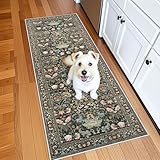
Covering cold, hard flooring with vintage patterned rugs immediately introduces essential visual warmth and traditional charm. A machine-washable kitchen runner rug safely solves the practical hesitation of placing textiles in heavy spill zones. This simple layer perfectly anchors your traditional kitchen design while adding a distinct rural vibe. Always utilize a heavy-duty non-slip pad beneath these textiles to prevent dangerous tripping hazards.
Materials Needed
- Machine-washable printed vintage-style runner rug (typically 2’x6′ or 2.5’x8′)
- Heavy-duty non-slip rug pad (if the rug doesn’t have a built-in grip backing)
- Floor cleaner and broom
- Fabric stain pre-treatment spray (for future maintenance)
Step-by-Step Directions
- Sweep and mop your kitchen floors thoroughly, allowing them to dry completely so the rug pad adheres properly to the hard surface.
- Cut your non-slip rug pad so it is exactly one inch smaller than the rug on all four sides, preventing the pad from peeking out.
- Lay the pad flat on the floor in the center of your primary walkway—usually the space between the island and the main sink counter.
- Unroll the washable vintage runner over the pad, pressing firmly from the center outward to eliminate any tripping hazards or bumps.
- Align the rug symmetrically with your cabinetry or center it perfectly with your farmhouse sink for optimal visual balance.
Pro-Tip: In a high-traffic area like the kitchen work triangle, standard wool or antique silk rugs are a maintenance nightmare. A low-pile, printed washable rug offers the visual patina of an antique Turkish runner with the sanitary practicality required for a modern cooking space.
Reviewing these exact styling techniques prepares you perfectly before purchasing new materials or starting your design project. This rapid-fire checklist distills our lengthy DIY instructions into punchy, principle-based design pillars. These actionable rules of thumb prove that executing your cottagecore kitchen ideas is highly accessible.
- Embrace Living Finishes: Allow materials like unlacquered brass and copper to develop a natural patina over time to establish genuine historical character.
- Decant to Reduce Visual Noise: Transferring bright, commercially packaged pantry staples into clear glass apothecary jars instantly transforms clutter into curated decor.
- Soften with Natural Textiles: Incorporating linen cafe curtains and washable vintage-patterned rugs breaks up the sterile, hard lines of modern cabinetry and appliances.
- Display Function as Form: The cottagecore aesthetic dictates that practical items—like heavy ceramic mixing bowls and copper skillets—should be left out on open shelving as decorative focal points.
- Layer Muted, Historical Colors: Stick to a grounded, earthy palette of mushroom taupes, sage greens, and faded terracottas to replicate the feeling of an authentic rural English cottage.
- Mix, Don’t Match: Create dynamic visual interest by grouping thrifted, mismatched floral teapots and chunky stoneware that share a common color family rather than buying perfect, mass-produced sets.
- Focus on Accessible Upgrades: You don’t need a massive renovation; utilizing renter-friendly peel-and-stick beadboard and tension rods can completely alter a room’s atmosphere on a budget.
Understanding how to fully embrace this nostalgic cooking space naturally brings up specific logistical questions. These practical answers directly address common friction points regarding limited budgets, historical color palettes, and rental constraints. You will learn exactly how to balance a romantic aesthetic with the functional requirements of a high-performance space.
How do I make my kitchen more cottagecore on a budget?
To make your kitchen more cottagecore on a budget, focus on affordable textile updates, thrifted dishware, and strategic open shelving.
Instead of replacing expensive cabinetry, remove the doors from a few upper cabinets to create faux open shelving. Display thrifted floral teacups, add a tension-rod linen curtain under the sink, and decant your baking supplies into inexpensive glass mason jars. These small, low-cost styling changes immediately invoke a nostalgic, rural vibe without requiring a renovation.
What are the best cottage core colors for a kitchen?
The best cottage core colors for a kitchen are muted, earthy tones inspired by nature, including sage green, mushroom taupe, buttery yellow, and soft faded rose.
When painting cabinets or selecting beadboard, avoid stark, hospital whites and harsh blacks. Instead, opt for warm, creamy off-whites and historical heritage colors that look as though they have faded naturally over decades in the sun, creating a warm and inviting atmosphere.
How is a cottagecore kitchen different from a modern farmhouse kitchen?
While modern farmhouse relies on high-contrast black and white palettes with industrial accents, a cottagecore kitchen embraces soft colors, floral patterns, and whimsical romanticism.
Modern farmhouse spaces often feel crisp, structured, and slightly sterile with sharp lines. In contrast, the fairycore or cottage aesthetic leans heavily into nostalgia, utilizing ruffled textiles, mismatched vintage ceramics, and abundant indoor greenery to create a space that feels distinctly “lived-in” and cozy.
Can I have a cottagecore kitchen if I rent?
Yes, you can easily achieve a cottagecore kitchen in a rental by utilizing peel-and-stick wallpapers, tension rods, and freestanding decor that doesn’t damage walls.
Apply removable 3D beadboard wallpaper over ugly tile backsplashes, hang botanical cafe curtains using damage-free tension rods, and lay down a large vintage-printed washable runner rug to cover unattractive flooring. Focus heavily on countertop vignettes like baking stations and herb gardens.
How do I blend modern stainless steel appliances with vintage decor?
To blend modern stainless steel appliances with vintage decor, surround the modern metal with heavy natural textures like thick butcher block, terracotta, and warm woods.
You cannot hide a modern fridge, but you can soften its visual impact. Hang dried herb bundles nearby, drape soft linen towels over the oven handle, and use warm brass hardware on your surrounding cabinets. The contrast actually highlights the charm of the vintage pieces.
What kind of lighting works best for this aesthetic?
The best lighting for this aesthetic includes warm-toned bulbs placed inside vintage-inspired fixtures like scalloped milk glass pendants, brass sconces, or pleated fabric lampshades.
Avoid harsh, cool-toned LED overhead recessed lighting at all costs. Instead, layer your lighting by placing a small, warm table lamp on the kitchen counter, installing brass wall sconces above open shelves, and maximizing natural daylight through sheer floral curtains.
How do I keep a cottagecore kitchen from looking like cluttered junk?
Prevent a cottagecore kitchen from looking cluttered by strictly adhering to a cohesive color palette and aggressively decanting visually noisy commercial packaging.
The line between “curated vintage charm” and “messy thrift store” comes down to grouping. Organize items intentionally on wooden trays or in dough bowls, cluster similar objects in groups of three, and ensure you maintain ample empty, negative space on your primary food preparation countertops.
What flooring is best for a nostalgic country kitchen?
The best authentic flooring for a nostalgic country kitchen is natural wide-plank hardwood, checkerboard linoleum, or tumbled terracotta brick tiles.
If you cannot change your current flooring, the easiest way to achieve the look is to cover large sections of modern tile or laminate with vintage-inspired, low-pile washable rugs. Woven jute rugs also add excellent natural texture that aligns perfectly with the aesthetic.
Does cottagecore design work in a small, cramped kitchen?
Yes, cottagecore design thrives in small kitchens because the aesthetic inherently celebrates cozy, intimate, and highly functional spaces.
In fact, the style was born from historically small rural cottages. To maximize space, use vertical storage like ceiling-mounted hanging pot racks for copper pans, install narrow floating shelves for spices and teas, and use light, airy colors to keep the small footprint feeling whimsical rather than claustrophobic.
What plants should I keep in a cottagecore kitchen?
The most authentic plants for this style are practical culinary herbs like rosemary and basil, alongside romantic trailing plants like English Ivy or Pothos.
Displaying living nature is crucial to the aesthetic. Pot your herbs in weathered terracotta pots or vintage teacups lined with pebbles for drainage. Allow trailing plants to cascade down from the highest open wooden shelves to blur the hard lines of the ceiling and cabinetry.
Creating your dream kitchen cottage core space isn’t about striving for magazine-perfect, sterile perfection. In fact, it is the exact opposite. This aesthetic thrives on imperfection, natural patina, and the deeply nostalgic feeling of a room that has been lived in, loved, and cooked in for generations. By layering warm, muted colors, tactile natural woods, and deeply personal vintage pieces, you transition your kitchen from a mere functional prep space into the beating heart of your home.
Whether you own a sprawling farmhouse or rent a compact city apartment, the principles of this English countryside interior remain the same. You don’t need a massive renovation budget to invoke a rural vibe in 2026. Start small this weekend: switch out your harsh blinds for a soft botanical cafe curtain, decant your flour into a beautiful glass apothecary jar, or display a thrifted ceramic teapot on your counter. These tiny, intentional shifts in styling dramatically lower the visual noise of the room and instantly invite a sense of calm.
The most successful cottage designs are built slowly over time through curation, not bulk-bought in a single weekend. Allow your copper to age naturally, let your trailing plants grow wild, and embrace the charming eccentricities of mismatched stoneware. Which of these seven cozy decor ideas are you planning to try first to bring a little fairycore magic to your cooking routine?
Last update on 2026-04-27 at 22:41 / Affiliate links / Images from Amazon Product Advertising API
