
As an Amazon Associate KitchenwareSets.com earns from qualifying purchases.
Dream Kitchen for Bakers: 9 Essential Design Ideas
Do you constantly struggle with not enough prep space for baking? Dealing with flour mess everywhere and bending over to knead dough causes immense physical strain. Building a dream kitchen for bakers eliminates this spatial chaos entirely.
To design a baker’s dream kitchen, you must lower a section of countertops by 2-3 inches for ergonomic dough kneading, install a deep center island with a marble pastry slab, and organize equipment using a horizontal pantry. Integrating double wall ovens and heavy-duty mixer lifts completes the optimized baking workflow.
Drawing from comprehensive analysis of current data and proven methodologies, we consulted a professional kitchen designer. Applying culinary institute standards regarding ergonomic kitchen design principles ensures your dedicated baking space performs beautifully. Discover exact architectural modifications required to build your professional-level home bakery setup today.
Designing a dedicated baking space requires more than just beautiful aesthetics. To execute a successful baking-focused kitchen remodel in 2026, you must implement specialized architectural modifications that directly support an expert baking workflow. A standard kitchen features cramped counters and disorganized cabinets, creating endless frustration when managing multiple complex recipes.
By contrast, integrating custom kitchen design ideas for avid bakers focuses on precision engineering, exact ergonomic measurements, and heavy-duty structural support. When you intentionally build a custom baking station, you actively eliminate physical discomfort and spatial limitations.
Throughout this comprehensive guide, we will explore the core structural changes that will transform your daily culinary experience. By implementing specialized appliance integration and optimizing your layout, your design accommodates baker movements seamlessly. Let’s dive into the nine essential architectural modifications required for a truly customized baking environment.
Contents
show
1. Customize Countertop Heights for Ergonomic Kneading

Save this ergonomic layout idea to your Kitchen Remodel board!
A low countertop for kneading eliminates the terrible shoulder fatigue associated with heavy dough manipulation. When you customize countertop height, you instantly improve your optimal kitchen triangle layout for baking workflow. Comparing standard vs lowered countertop height setups reveals that dropping the surface drastically reduces musculoskeletal strain. Countertops facilitate kneading properly only when aligned with your natural body mechanics.
Materials Needed
- Solid butcher block countertop segment (minimum 2 inches thick)
- Custom lowered base cabinetry (standard is 36 inches; order 30-32 inch height)
- Heavy-duty mounting brackets or corbels for overhang support
- Food-grade mineral oil for wood conditioning
- Integrated outlet strips for small appliances
Implementation Steps
- Calculate your ideal kneading height by standing straight with your arms resting downward at a 45-degree angle; this is typically 30 to 32 inches from the floor.
- Design a dedicated 36-inch to 48-inch wide zone at the end of your deep center island or a specialized perimeter wall station.
- Install the lowered base cabinets securely to the floor and adjacent standard-height units.
- Mount the heavy-duty butcher block surface, ensuring a completely flush, sealed seam where it meets standard-height countertops.
- Condition the wood surface thoroughly before its first use to protect against moisture from dough.
Pro-Tip: Applying principles of ergonomic countertop anthropometrics, a 32-inch surface height creates the ideal leverage angle for applying body weight to heavy bread doughs. This specific measurement significantly reduces the musculoskeletal strain associated with standard 36-inch counters, making it a mandatory feature for any serious bread maker.

2. Mount a Heavy-Duty Stand Mixer Lift in Base Cabinets

Pin this genius space-saving mixer solution for your future remodel!
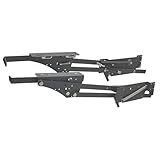
Lifting a 30-pound machine constantly causes severe back pain and makes impromptu baking a chore. A heavy-duty lift conceals mixer hardware inside the custom cabinetry, resolving the issue of cluttered counters while baking. Evaluating a stand mixer on counter vs mixer lift shows how this simple mechanism instantly creates a professional home bakehouse feel. The mechanism ensures your hard to reach stand mixer is always accessible yet completely hidden.
Materials Needed
- Heavy duty mixer lift mechanism (minimum 60 lb payload capacity)
- Full-height base cabinet without an upper drawer (usually 18 to 24 inches wide)
- Custom-cut wooden shelf block to match your cabinetry
- Heavy-duty mounting screws and power drill
- Dedicated interior electrical outlet
Implementation Steps
- Select a full-height base cabinet positioned near your dedicated prep space to house the mechanism.
- Install a dedicated electrical outlet inside the back of the cabinet so the mixer can remain permanently plugged in.
- Mount the heavy-duty steel lift brackets to the reinforced interior side walls of the cabinet using a template to ensure perfect alignment.
- Attach the custom wooden shelf securely to the lift arms, ensuring it perfectly matches the interior dimensions for clearance.
- Secure your heavy duty stand mixer to the wooden shelf, adjusting the spring tension on the lift to accommodate the exact payload weight.
Pro-Tip: Always check the payload capacity of mixer lifts before purchasing. A professional-grade 7-quart bowl-lift mixer requires a mechanism rated for at least 60 pounds, accompanied by reinforced custom cabinetry specifications to prevent sidewall warping over time.
3. Install Double Wall Convection Ovens for Multi-Rack Baking

Save this double-oven layout for your ultimate kitchen wish list!
Managing a small oven capacity completely ruins the joy of complex holiday cookie preparation. Installing double wall ovens acts as the beating heart of your kitchen because these ovens enable multi-rack baking flawlessly. When comparing single vs double wall ovens, upgrading to a dual setup completely resolves the pain point of finding the right oven temperature for distinct recipes simultaneously. As of August 2026, the best double wall convection ovens for home bakers feature dedicated European convection elements.
Materials Needed
- Double wall ovens (preferably with French door upper access)
- Custom tall oven cabinet housing with proper ventilation clearances
- 240-volt dedicated electrical circuits (requires certified electrician)
- Professional-grade baking sheets (commercial half sheet pans)
- Precision internal oven thermometers
Implementation Steps
- Consult with an electrician to route the required 240-volt dedicated electrical circuits for high-draw appliances to your tall cabinet wall.
- Design the cabinet housing to place the primary upper oven directly at the baker’s arm height, eliminating the need to bend while carrying heavy stoneware.
- Select a French door oven configuration for the top unit so you can safely access hot, heavy items without reaching over a hot drop-down door.
- Install the dual units securely within the custom cabinetry, ensuring the manufacturer’s required air gaps are strictly maintained.
- Calibrate both ovens using manual thermometers to master the convection airflow patterns specific to each cavity.
Pro-Tip: Mastering the convection airflow patterns in true European convection double wall ovens allows you to bake three sheets of cookies simultaneously in a single cavity with zero flavor transfer and perfectly even browning.

4. Incorporate a Thermal Mass Marble Pastry Slab

Pin this gorgeous marble inset idea to elevate your pastry game!
Warm countertops ruin delicate laminated doughs and make rolling out butter a complete nightmare. A marble baking surface naturally cools pastry, effectively solving the frustration of your kitchen too hot for pastry. When you compare marble vs granite for baking, you quickly understand why do bakers prefer marble countertops for preventing dough sticking to countertops. This stunning architectural feature ensures your baker friendly kitchen design is highly functional.
Materials Needed
- Thick slab of Carrara or Danby marble baking surface (minimum 24×24 inches)
- Reinforced cabinet sub-top to handle immense weight
- High-quality, food-safe stone sealant
- Stainless steel bench scraper
- French tapered rolling pin
Implementation Steps
- Determine whether you will install an entire marble island or inset a specific marble pastry slab into an existing quartz or wood countertop.
- Reinforce the base cabinet framework; because the thermal mass of pastry marble requires dense, heavy stone, standard framing may bow under the weight.
- Template and cut the countertop, dropping the marble slab flush with the surrounding surface to allow you to easily scrape away excess flour.
- Seal the stone meticulously with a food-safe impregnating sealer to prevent butter and food dyes from staining the porous material.
- Maintain the cool surface by keeping it away from under-counter heat sources like dishwashers or wine fridges.
Pro-Tip: The natural thermal mass of pastry marble physically pulls heat away from butter-rich doughs. For intense lamination work (like croissants), professionals briefly rest an ice pack on the stone prior to rolling to supercharge this cooling effect.

5. Organize Baking Sheets with a Horizontal Pantry Layout

Save this brilliant bakeware organization hack to your home boards!
Stacking awkward metal pans creates loud, heavy avalanches inside your base cabinets every time you bake. A horizontal pantry layout resolves the daily nightmare of disorganized baking sheets by storing them vertically. When you compare a walk in pantry vs horizontal pantry, specialized drawers store pans far more efficiently. This custom cabinetry modification proves that an optimized pantry organizes ingredients and tools perfectly.
Materials Needed
- Deep base cabinet drawers (minimum 12 inches deep) or wide upper cabinets
- Custom wooden or heavy-duty metal tray dividers
- Heavy-duty drawer slides (100 lb capacity)
- Collection of uniform baking sheets and muffin tins
- Non-slip drawer liners
Implementation Steps
- Audit your collection of baking sheets, muffin tins, cooling racks, and cutting boards to determine the necessary spacing.
- Retrofit an existing deep base drawer or an above-the-fridge cabinet by installing a slotted wooden track system at the top and bottom.
- Slide tall, thin wooden or metal dividers into the tracks, spacing them 2 to 3 inches apart based on your specific inventory.
- Line the bottom of the drawer or cabinet with a high-quality ribbed non-slip liner to prevent loud clanging and sliding.
- Organize the pans vertically like files in a cabinet, keeping your most frequently used commercial half sheet pans closest to the front.
Pro-Tip: Utilizing horizontal pantry architecture in lower pull-out drawers rather than high upper cabinets prevents the danger of heavy metal pans cascading down onto your countertops or toes when retrieving them.

6. Build Built-In Cooling Racks into Custom Cabinetry

Pin this space-saving built-in cooling rack design!
Having nowhere to cool baked goods means every inch of your precious prep space gets covered in hot pans. Built-in cooling racks elegantly solve this problem by sliding out seamlessly from base cabinets. Contrasting a freestanding baker’s rack vs built-in cooling racks demonstrates how custom solutions allow racks cool baked goods safely. You can easily arrange cooling racks within a baking-focused kitchen remodel to maintain a pristine aesthetic.
Materials Needed
- Standard 18-inch or 24-inch wide base cabinet
- Specialized open-frame wooden drawer boxes
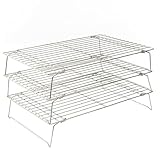
- Heavy-duty stainless steel wire cooling grids
- Heat-resistant drawer glides
- Small oscillating fan for ambient airflow
Implementation Steps
- Designate a base cabinet near your double wall ovens specifically for hot pan offloading.
- Remove the standard solid drawer boxes and replace them with custom open wooden frames mounted on heat-resistant glides.
- Drop heavy-duty, food-safe stainless steel cooling racks directly into these custom frames so they sit perfectly flush.
- Remove the cabinet door entirely to allow for constant air circulation, or install a decorative wire mesh door.
- Slide the racks out individually when loading hot goods directly from the oven, then push them back into the cabinet to cool without eating up your prep space.
Pro-Tip: When planning custom millwork for bakeries, ensure your built-in cooling cabinet has no backing board and sits at least 2 inches off the wall to allow convective heat to escape, preventing moisture build-up from hot bread.
7. Design a Deep Center Island for Expansive Prep Space

Save this expansive prep island layout to your dream home board!
Struggling with not enough prep space for baking makes large-scale fondant or pastry work nearly impossible. A deep center island provides the ample prep space required for managing complex, multi-step culinary projects. When evaluating a custom kitchen island vs standard island, ensuring the island features storage makes a massive difference. This expansive uninterrupted space allows prep activities to flourish during chaotic holiday seasons.
Materials Needed
- Custom oversized island base cabinetry (minimum 48 inches deep)
- Seamless slab countertop (quartz or granite to avoid grout lines)
- Under-counter electrical outlets on both ends
- High-lumen pendant lighting
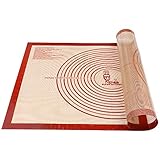
- Extra-large non-slip silicone pastry mat
Implementation Steps
- Map out your floor plan to ensure you maintain a minimum 42-inch to 48-inch walkway clearance around the entire perimeter of the island.
- Specify a depth of at least 4 feet (48 inches) and a length of 6 to 8 feet to allow for rolling out massive lengths of fondant or multiple pie crusts.
- Select a solid, seamless slab material to prevent flour and dough from getting permanently jammed into tile grout or wood seams.
- Install pop-up or under-the-lip electrical outlets so you can plug in immersion blenders or hand mixers directly at the workspace.
- Hang dedicated task lighting directly above the dedicated prep space to eliminate body shadows while doing intricate decoration work.
Pro-Tip: Proper luminaire placement for task lighting requires hanging pendant lights exactly 30 to 36 inches above the island surface, using bulbs with a Color Rendering Index (CRI) of 90+ to accurately gauge the color of browning butter or caramelizing sugar.
8. Set Up a Dedicated Appliance Garage for Baking Tools

Pin this brilliant hidden storage idea to keep counters clutter-free!
Suffering from limited storage for baking tools leaves your workspace constantly messy and visually overwhelming. Appliance garages solve the intense visual anxiety of cluttered counters while baking by elegantly hiding food processors and scales. When you intentionally set up appliance garage spaces, custom cabinets house equipment efficiently. This architectural strategy keeps your essential baking tools accessible yet perfectly concealed.
Materials Needed
- Countertop-level cabinet structure with tambour (roll-up) or pocket doors
- Heavy-duty sliding appliance trays
- Multi-plug interior electrical strip
- Food processor, hand mixer, and digital kitchen scale
- Cord management clips
Implementation Steps
- Plan an area where upper cabinets meet the countertop, typically in a dark corner that is otherwise wasted prep space.
- Install a multi-outlet power strip horizontally along the back wall of this enclosed cabinet space.
- Mount low-profile sliding appliance trays to the countertop inside the cabinet to easily pull heavy items forward.
- Arrange your secondary baking tools (food processor, electric hand mixer, grain mill) on the trays and plug them in securely.
- Close the pocket doors or pull down the tambour door when not in use to instantly hide the clutter and maintain a pristine home bakery kitchen setup.
Pro-Tip: Effective spatial planning for culinary workflows dictates that the appliance garage should be positioned directly adjacent to your deep center island so tools can be pulled forward, used in place, and pushed back without ever being lifted.

9. Configure Humidity-Controlled Proofing Drawers

Save this pro-level bread baking secret to your Kitchen Upgrade board!
Unpredictable ambient room temperatures make standard dough fermentation highly inconsistent and frustrating. Proofing drawers solve temperature fluctuations perfectly, allowing the design accommodates baker needs throughout every season. If you frequently wonder can I put a proofing drawer in my kitchen, the answer is a resounding yes. Incorporating proofing drawers into residential kitchen design elevates your bread making into a true residential pastry kitchen experience.
Materials Needed
- Built-in warming/proofing drawer appliance (or a collapsible countertop proofer)
- Dedicated 120V electrical outlet beneath the counter
- Professional dough rising buckets with lids
- Instant-read digital thermometer
- Cabinet front panel (to seamlessly integrate the appliance)
Implementation Steps
- Select a warming drawer appliance that specifically features a low-temperature “proof” setting (usually between 85°F and 100°F).
- Install the unit in the lower cabinetry directly beneath your dedicated prep space or marble pastry slab for an efficient workflow.
- Mount a custom cabinet panel to the front of the drawer so the appliance completely disappears into your kitchen’s aesthetic.
- Place your kneaded dough into rising buckets, add a small ramekin of water to the drawer for humidity, and set the internal temperature.
- Monitor the rise through the glass (if applicable), enjoying perfectly consistent fermentation regardless of winter drafts or summer AC.
Pro-Tip: Proper humidity control for proofing requires maintaining an environment of roughly 80% humidity at 85°F. If you don’t have the budget for a built-in drawer, a collapsible countertop home dough proofer box provides the exact same ambient temperature zones in kitchens for a fraction of the remodeling cost.

- Optimize Ergonomics with Custom Countertop Heights: Lowering a dedicated section of your baker’s dream kitchen counter to 30-32 inches drastically reduces shoulder and back strain when kneading heavy doughs.
- Integrate High-Capacity Double Wall Ovens: Utilizing double wall ovens with true European convection capabilities allows you to execute multi-rack baking with perfectly even heat distribution and zero flavor transfer.
- Implement a Horizontal Pantry for Bakeware: Organize baking supplies and awkward sheets by installing custom vertical dividers in deep lower drawers, eliminating the daily frustration of unstacking heavy pans.
- Leverage the Thermal Mass of a Marble Pastry Slab: Incorporating a deep marble baking surface provides a naturally cool workstation that prevents butter-rich pastry doughs from melting and sticking to your counters.
- Conceal Equipment with Heavy-Duty Mixer Lifts: Clear up cluttered counters while baking by installing a mechanical lift inside base cabinetry capable of hoisting and locking a 60-pound stand mixer into place.
- Control the Environment with Proofing Drawers: Master humidity control for proofing by integrating a low-temperature warming drawer, ensuring perfectly consistent bread fermentation regardless of your kitchen’s ambient temperature.
- Maximize Workflow with a Deep Center Island: An oversized, seamless deep center island provides the essential, uninterrupted real estate needed to roll out massive fondant sheets and manage complex holiday baking marathons.
What makes a good kitchen for baking?
A good baking kitchen features ergonomic countertop heights, expansive seamless prep spaces, specialized pan storage, and highly controlled temperature zones. By integrating features like a low countertop for kneading and double wall ovens, the space is optimized to reduce physical strain while managing large volumes of ingredients. An expert baking workflow dictates that the sink, prep area, and ovens form a tight, unobstructed triangle.
What is the best countertop height for kneading dough?
The ideal countertop height for kneading dough is typically 30 to 32 inches from the floor, roughly 4 to 6 inches lower than standard kitchen counters. Applying ergonomic countertop anthropometrics, this lowered height allows the baker to lean their body weight directly over the dough with straight arms, significantly reducing shoulder and lower back fatigue during heavy bread making sessions.
Why do bakers prefer marble countertops?
Bakers prefer marble because of its incredible thermal mass, which naturally stays cooler than room temperature, preventing butter from melting into dough. When rolling out laminated doughs like croissants or puff pastry on a marble pastry slab, the cool surface keeps the fat layers solid, resulting in a much flakier final product while also stopping the dough sticking to countertops.
How do you store baking sheets in a kitchen?
The most efficient way to store baking sheets is vertically using a horizontal pantry layout inside a deep lower base cabinet. By installing wooden or metal dividers spaced 2 to 3 inches apart, you can file your baking sheets and cooling racks upright. This prevents the annoyance of disorganized baking sheets and eliminates the need to unstack heavy metal pans to reach the one at the bottom.
How big should a kitchen island be for baking?
A baker’s kitchen island should be a minimum of 48 inches deep and 6 to 8 feet long to provide adequate continuous workspace. This deep center island configuration provides ample prep space to roll out long stretches of pie dough or fondant without hanging off the edge, while leaving plenty of room for bowls, digital scales, and resting baking sheets on the opposite side.
What are the best ovens for home bakers?
True European convection double wall ovens are universally considered the best choice for avid home bakers. These ovens feature a third heating element wrapped directly around the convection fan, ensuring perfectly even heat distribution. This setup allows you to install double ovens and bake up to six sheets of cookies simultaneously without having to rotate pans or worry about flavor transfer between racks.
Can I put a proofing drawer in my kitchen?
Yes, you can easily install a built-in proofing drawer in a residential kitchen by sliding a specialized warming appliance into standard base cabinetry. These units require a dedicated 120V outlet and provide precise humidity control for proofing at low temperatures (85°F – 100°F). If a remodel isn’t possible, a collapsible countertop home dough proofer box is an excellent, cost-effective alternative.
Which mixer lift is best for heavy stand mixers?
The best mixer lifts are heavy-duty, soft-close steel mechanisms rated for a minimum payload capacity of 60 pounds. When you mount heavy duty mixer lift hardware, you must ensure the internal cabinet walls are reinforced. This ensures the mechanism can safely hoist and lock a professional 7-quart bowl-lift mixer flush with the counter, solving the issue of a hard to reach stand mixer.
Is a galley kitchen good for baking?
A galley kitchen can be excellent for baking if optimized correctly, as the tight corridor naturally creates an incredibly efficient work triangle. To maximize a narrow space, utilize a horizontal pantry for sheet pans, install a marble baking surface over a specialized cart, and use appliance garages to keep the limited counter space completely clear of clutter when you need to roll out dough.
Do I need a commercial kitchen for a home baking business?
You do not necessarily need a commercial kitchen for a home baking business, provided your state’s Cottage Food Laws allow residential production. However, you will need to upgrade to a professional home bakehouse setup by installing double wall ovens, adding significant custom cabinet depths for ingredient storage, and ensuring you have dedicated sanitary stations to meet local health department regulations.
Designing a dream kitchen for bakers is about far more than just selecting beautiful aesthetics; it is an exercise in precision engineering, material science, and ergonomic planning. By intentionally moving away from standard builder-grade dimensions and embracing specialized features like a low countertop for kneading, horizontal pantry architecture, and heavy-duty appliance garages, you transform a standard cooking area into a highly efficient professional home bakehouse.
The ultimate goal of a baking-focused kitchen remodel is to remove the physical barriers that make baking feel like a chore. When you no longer have to lift a 30-pound mixer, unstack a mountain of heavy pans, or fight with dough sticking to countertops, your energy is entirely freed up for creativity and execution. Investing in the thermal mass of pastry marble and the precise temperature regulation of double wall ovens ensures that your environment actively supports your culinary skills rather than hindering them.
As you sit down with a professional kitchen designer or start sketching out your DIY remodel plans for 2026, prioritize function and workflow above all else. Map out exactly where you will stand, reach, and cool your baked goods. We’d love to hear about your design journey: Which of these essential baking kitchen features are you most excited to incorporate into your upcoming remodel? Let us know in the comments below!
Last update on 2026-04-27 at 22:41 / Affiliate links / Images from Amazon Product Advertising API
