
As an Amazon Associate KitchenwareSets.com earns from qualifying purchases.
11 Stunning Functional Outdoor Kitchen Layouts: Biophilic Design Ideas for Small Backyards
Ever felt completely trapped while hosting a cramped backyard BBQ? A restricted small backyard often crushes outdoor cooking dreams instantly. You need smart solutions that maximize every single square inch. Functional outdoor kitchen layouts transform these tight patios into ultimate culinary retreats.
A functional outdoor kitchen layout organizes cooking, prepping, and storage areas into efficient work zones, even in a small backyard. By utilizing smart configurations and biophilic design principles, you maximize limited footprints perfectly. This approach ensures your space remains highly practical while seamlessly integrating with surrounding nature.
Drawing from expert design advice and verified architectural standards, this guide reveals proven layout strategies. You will discover exactly how to arrange your outdoor cooking space for maximum efficiency in 2026. Prepare to turn your tiny patio into a spectacular entertaining hub. Get ready to elevate your outdoor lifestyle completely.
Contents
show
The 4 Essential Outdoor Kitchen Zones: Your Blueprint for Flawless Workflow
Before you select a specific shape or purchase high-end appliances, you must understand the foundational architecture of an efficient outdoor cooking space. Professional builders rely on zone-based ergonomics to prevent frustrating traffic jams and ensure total safety. This critical architectural standard divides your layout into dedicated outdoor kitchen zones. Mastering these distinct areas guarantees an ergonomic workflow, mirroring the seamless efficiency of an indoor kitchen while mitigating the unique challenges of exterior environments.
By strategically organizing these areas, you ensure that every step—from grabbing a cold drink to plating a hot meal—feels natural and intuitive. Let’s break down these critical components to establish your foundational blueprint before exploring specific designs.
The 4 essential outdoor kitchen zones create a logical workflow:
* Hot Zone: For cooking appliances like high-performance grills, smokers, and power burners.
* Cold Zone: For refrigeration, beverage coolers, and ice makers.
* Wet Zone: For the sink, faucet, and essential cleaning tasks.
* Dry Zone: For food prep, plating, and dry storage cabinets.
1. The Compact Linear Layout: Maximizing Narrow Spaces with Biophilic Walls

Pin this space-saving design to your ‘Small Backyard Ideas’ board!
This straight line kitchen offers an incredible solution for tight, narrow patios. When working with constrained dimensions, a compact footprint becomes essential. By installing a stunning living wall directly above your prep space, this layout integrates seamlessly with nature, showcasing incredible biophilic design. It is one of the most popular small space outdoor kitchen design examples because it pushes functionality directly against your home’s existing perimeter.
Materials Needed
- Built-in Gas Grill: A compact model (24-30 inches) with an insulated grill jacket if positioned near combustible materials.
- Outdoor-Rated Undercounter Refrigerator: A 24-inch model to create a dedicated cold zone.
- Drop-in Sink: A small 15-inch bar sink to anchor the wet zone.
- Countertop: Durable stone countertops like granite or quartzite, approximately 8-10 linear feet.
- Framing: Non-combustible framing such as galvanized steel studs.
- Vertical Garden System: A modular wall-mounted planter designed specifically for herbs.
Layout Strategy
- Measure Your Space: Confirm you have at least 8 feet of uninterrupted wall space. Always ensure compliance with NFPA fire safety codes regarding the grill’s proximity to the house wall (typically 12-18 inches of clearance is mandatory).
- Zone Placement: Arrange your workflow logically. The most efficient flow typically runs: Cold Zone (fridge) → Wet Zone (sink) → Dry Zone (prep space) → Hot Zone (grill).
- Utility Planning: Plan for your gas line, water feed, drainage, and GFCI outlets to run along the base of the wall prior to construction.
- Install Vertical Garden: Mount the biophilic herb wall directly above the dry zone counter, creating immediate access to fresh ingredients while you cook.
What most guides miss: In my experience, a linear layout against a house wall is the most budget-friendly for utilities. Running gas, water, and electric lines is significantly simpler and cheaper than trenching them out to a freestanding island in the middle of your yard.

2. The Smart L-Shaped Layout: Defining a Corner with Bar Seating

Love this entertaining hub? Save it to your ‘Outdoor Living’ board!
An L-shaped outdoor kitchen naturally defines a distinct “room” within your backyard. This layout is perfect for small backyards because it tucks neatly into unused corners. Featuring a split-level bar, it enables social interaction while keeping guests safely separated from the active hot zone. By incorporating pergolas layered with trailing greenery, you create a dedicated entertaining hub that feels both intimate and expansive.
Materials Needed
- Grill & Side Burner: Place these on the longer leg of the ‘L’ to establish the primary hot zone.
- Countertop Material: Poured concrete or heat-resistant surfaces like Dekton.
- Bar Stools: 2-3 stools featuring all-weather durability.
- Storage: Ventilated cabinetry or stainless steel access doors mounted under the counter.
- Optional Pergola Kit: A small 8’x8′ kit to structurally define the corner.
- Lighting: Outdoor-rated string lights combined with low-voltage puck lights for a mix of task vs ambient lighting.
Layout Strategy
- Corner Orientation: Position the ‘L’ in a corner of your patio to maximize the remaining open square footage. The longer leg typically runs along an existing wall or privacy fence.
- Workflow Design: Design the long leg as your primary work line: Fridge → Sink → Prep → Grill. This keeps the culinary workflow highly efficient.
- Create the Bar: Use the shorter leg for the split-level bar. The back (kitchen side) should be counter-height (36″), while the front (guest side) sits at bar-height (42″). Ensure a proper countertop overhang depth of 10-12 inches for comfortable knee space.
- Integrate Biophilic Shade: Install a compact pergola over the corner and train climbing plants like ivy or jasmine to grow up and over it, providing organic shade and natural ambiance.
Pro-Tip: When planning a split-level bar, ensure the bar-height section has a dedicated GFCI outlet tucked underneath. This is a game-changer for guests who want to charge their phones or for plugging in a blender for frozen cocktails.

3. The Freestanding Island Hub: A Central Biophilic Statement Piece

A perfect centerpiece for any backyard. Pin this stunning island design!
The freestanding outdoor kitchen island acts as a magnetic central gathering point. Unlike wall-hugging designs, this setup offers full 360-degree access, allowing multiple people to prep, cook, and socialize simultaneously. It brilliantly anchors the patio while facilitating excellent traffic flow. By incorporating a large, integrated planter at one end, the island transforms into a stunning biophilic statement piece rather than just a block of appliances.
Materials Needed
- Prefabricated Island Frame or Kit: Simplifies the framing process and speeds up construction.
- Grill & Sink: Select outdoor sinks and a freestanding grill explicitly designed for island installation.
- Countertop: A durable material like dense granite, ideally featuring a waterfall edge for a modern aesthetic.
- Cladding: Marine-grade cabinetry or composite panels for a sleek, finished look.
- Large Planter: A substantial ceramic or concrete planter (at least 24″ in diameter).
- Statement Plant: A dwarf olive tree, Japanese maple, or a large architectural agave.
Layout Strategy
- Determine Placement: Position the island centrally in your yard, but ensure you maintain at least 36-42 inches of clearance on all sides for comfortable traffic flow.
- Utility Core: Before building, consolidate all utility lines into a single trench leading directly to the island’s core. This utility trenching is a critical plumbing and wiring step recommended by professional builders.
- Appliance Layout: Place the grill and sink on opposite sides or opposing corners of the island. This creates distinct work zones and prevents cooks from bumping elbows.
- Integrate the Biophilic Anchor: Design the island with an extended countertop or a specialized integrated base to accommodate the large planter, making the living plant an intentional piece of the architecture.
Pro-Tip: For island layouts, strongly consider installing a power burner in addition to your primary grill. It offers incredible versatility for large pots of boiling water or wok cooking, adding a professional touch to your hot zone.

4. The U-Shaped Command Center: Ultimate Functionality in a Compact Footprint

Want the ultimate cooking setup? Save this U-shaped kitchen idea!
For the serious home chef, a U-shaped kitchen island serves as the ultimate culinary command center. It provides maximum counter space and unparalleled efficiency by keeping every appliance within a quick pivot. While it demands careful traffic planning, choosing a modular outdoor kitchen system ensures it fits securely on a well-supported deck placement. The strategic addition of a flowering trellis softens the industrial edge of stainless steel finishes.
Materials Needed
- Modular Cabinet System: A set of stainless steel finishes cabinets provides a cohesive look and streamlines installation.
- Grill, Sink, Refrigerator: Select components precisely sized to fit your chosen modular system’s dimensions.
- Deck Protection Mat: A heavy-duty, non-combustible mat to place under the grill area.
- Countertop: A durable but lightweight material (crucial if installing on a deck), such as a thinner profile quartz or sintered stone.
- Trellis & Climbing Plant: A simple wooden trellis paired with a fast-growing vine like clematis or passionflower.
Layout Strategy
- Verify Deck Structure: Before starting any construction, you must have a professional verify your deck’s structural load bearing capacity. Outdoor kitchens are incredibly heavy, and safety is paramount.
- Establish the ‘U’ Dimensions: For a small space, aim for a ‘U’ shape that is approximately 8 feet wide with 5-foot arms. Ensure the interior standing space between the arms is at least 4-5 feet wide to avoid feeling claustrophobic.
- Classic Work Triangle: The U-shape flawlessly accommodates the classic kitchen work triangle. Place the fridge (Cold) on one arm, the sink (Wet) on the back wall, and the grill (Hot) on the opposite arm.
- Frame with Greenery: Install the trellis securely on the deck railing immediately behind the kitchen. This biophilic touch beautifully softens the hard metallic lines.
Expert Insight: With U-shaped layouts, combustion air requirements are absolutely critical. Ensure your grill’s island has adequate ventilated cabinetry or structural vents cut into the base. This prevents dangerous gas buildup and ensures proper cross-ventilation physics for peak grill performance.
5. The Split-Zone Galley: A Smart Layout for Pass-Through Spaces

Turn a boring walkway into a functional masterpiece. Pin this galley layout!
A galley kitchen brilliantly utilizes awkward side yards or necessary pass-through walkways without blocking access. This pass-through design optimizes workflow by strictly separating multi-functional outdoor kitchen work zones. By installing a narrow pergola overhead, you create a captivating biophilic tunnel. Heavy-duty hardscape pavers ensure a durable floor, transforming an overlooked path into a stunning alfresco cooking station.
Materials Needed
- Parallel Counters: Two sturdy linear counters, approximately 6-8 feet long each.
- Appliances: A grill for the hot side; a sink and fridge for the cool/wet side.
- Pergola Structure: A long, narrow timber or metal frame designed to stretch over the walkway.
- Climbing Vines: Wisteria, grapes, or trumpet vine to weave a dramatic overhead biophilic canopy.
- Path Lighting: Low-voltage path lights or downlights integrated into the pergola.
- Drainage: A linear drain subtly installed along one edge of the hardscape.
Layout Strategy
- Measure the Path: Ensure your walkway is wide enough to accommodate two 24-inch deep counters while still leaving a 36- to 48-inch clear path down the middle.
- Divide the Zones: Dedicate one entire counter exclusively to the hot zone (grill, smoker, power burner). Dedicate the opposite counter to the cold zone and wet zone (fridge, sink, ice maker). This vital separation prevents you from constantly crossing the walkway with raw food.
- Construct the Canopy: Build the narrow pergola directly over the entire galley layout. This defines the space architecturally and provides the essential structure for your biophilic element.
- Train the Vines: Plant climbing vines at the base of the pergola posts and diligently train them to grow up and across, eventually establishing a lush green ceiling.
Pro-Tip: In a galley layout, hardscape drainage slope requirements are critical. Ensure the pavers slope slightly away from your home’s foundation and that water doesn’t pool in the high-traffic cooking walkway.

6. The Modular Cart System: Ultimate Flexibility and Biophilic Grouping

Perfect for renters or small balconies! Pin this flexible modular kitchen.
When permanent construction isn’t an option, modular outdoor kitchen layouts offer the ultimate flexibility. Systems like the popular GRILLSKÄR outdoor kitchen provide incredible adaptability for renters. When weighing IKEA vs RTA outdoor kitchens, a basic outdoor kitchen layout using movable carts wins on budget and portability. By clustering a dense container garden nearby, you anchor these temporary pieces with permanent-feeling biophilic beauty.
Materials Needed
- Grill Cart: A heavy-duty cart designed to hold a tabletop grill, or a cart with a safely integrated grill.
- Prep Cart: A cart featuring a highly durable top like stainless steel or treated butcher block, ideally with shelving below.
- Sink Cart: A portable sink unit with a specialized faucet that connects to a standard garden hose.
- A Collection of Potted Plants: Group various sizes and species (ferns, palms) together to create a lush, movable garden.
- Beverage Cooler: A small, well-insulated cooler that fits securely on a cart shelf.
Layout Strategy
- Select Your Carts: Choose modular pieces that precisely fit your culinary needs. Mixing a grill stand, a prep island, and a sink unit creates a complete functional suite.
- Arrange for Workflow: Position the carts in a functional triangle: place the prep cart in the middle, the grill cart to one side, and the sink to the other. You can easily reconfigure this shape for different gatherings.
- Create a Biophilic Corner: Instead of relying on one large plant, build a “jungle corner” by grouping 5-10 different potted plants of varying heights. This creates a powerful, intentional visual impact.
- Utility Hookup: The true beauty of this modular vs custom built system is utter simplicity. Connect the sink cart directly to a garden hose. Use a standard propane tank for the grill. No permanent plumbing or wiring is required.
Pro-Tip: To make your temporary modular cart system feel upscale and anchored, place a large, stylish outdoor rug beneath the carts. It visually defines the kitchen area, making separate pieces feel like one cohesive culinary unit.
7. The Corner Nook with a Pizza Oven: A Cozy Biophilic Hideaway

The ultimate cozy corner for pizza night! Pin this rustic design.
For those who view outdoor cooking as a romantic, old-world experience, a dedicated nook featuring pizza ovens is unmatched. Utilizing custom masonry, this layout shines among rustic outdoor kitchen ideas with stone finishes. Low retaining walls provide integrated seating while establishing an intimate atmosphere. A cascade of creeping rosemary trailing over the stonework offers functional, aromatic biophilic design that integrates perfectly with landscape features.
Materials Needed
- Countertop Pizza Oven: A high-quality wood-fired or dual-fuel model, or a full built-in masonry kit.
- Masonry Base: Sturdy cinder blocks faced with custom masonry stone veneer.
- Retaining Wall Blocks: Heavy-duty blocks to create the curved, built-in seating.
- Heat-Resistant Countertop: A small section of granite or poured concrete adjacent to the oven for dough prep.
- Creeping Rosemary Plants: To plant along the top edge of the retaining wall.
- Gravel or Pea Stone: For a rustic, well-draining floor material.
Layout Strategy
- Define the Corner: Choose a neglected corner of your yard. Build a low, curved retaining wall (18-24 inches high) to carve out the nook and provide informal, built-in seating for guests.
- Build the Hearth: Construct an incredibly sturdy, counter-height masonry base for the pizza oven. Use a leveling tool constantly to ensure a perfectly flat surface.
- Install the Oven: Place your pizza oven on the hearth, strictly adhering to all safety clearance charts detailed in the manufacturer specifications.
- Add the Biophilic Seating: Backfill the retaining wall with quality soil and plant creeping rosemary. As it spills over the sides, it beautifully softens the harsh stone and releases a rich aroma when brushed against.
Pro-Tip: Before finalizing your masonry base design, plan a dedicated cavity for wood storage. An open space at the bottom of the base keeps your firewood dry, seasoned, and within arm’s reach while you manage the intense heat of the pizza oven.

8. The Window Service Ledge: Blending Indoor and Outdoor Kitchens

Connect your indoor and outdoor spaces! Pin this brilliant window ledge idea.
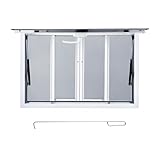
Why build a completely separate cooking space when you can leverage your home’s existing footprint? The window service ledge instantly creates a brilliant outdoor dining area with incredible indoor outdoor flow. By installing a wide pass-through window with a seamless counter extending outward, you gain bar seating without sacrificing yard space. Suspending small succulent planters above the ledge infuses subtle biophilic charm while enhancing social interaction.
Materials Needed
- Pass-Through Window: A high-quality accordion, bifold, or heavy-duty gas strut awning window.
- Exterior-Grade Countertop: A dense slab of quartz, granite, or concrete designed to perfectly match your interior counter.
- Heavy-Duty Brackets: Commercial-grade, corrosion-resistant brackets to safely support the exterior countertop overhang.
- Bar Stools: UV and weather-resistant stools for the exterior side.
- Hanging Planters: Small, lightweight planters for a subtle biophilic touch.
Layout Strategy
- Consult a Professional: You must hire a licensed contractor to assess the wall’s structural integrity and properly install the pass-through window. This involves modifying exterior load-bearing walls and navigating strict building permit requirements.
- Create a Seamless Counter: Install the exterior counter at the exact same height as your interior kitchen counter. This creates the illusion of one massive, continuous surface when the window is fully open.
- Support the Ledge: Securely bolt heavy-duty steel brackets to the exterior wall studs to safely support the considerable weight of the stone countertop overhang.
- Add Biophilic Accents: Hang a tidy row of small planters containing succulents or air plants from the top of the window frame. This adds vital organic life without obstructing the conversational view.
Pro-Tip: When choosing a countertop material for a seamless indoor-outdoor transition, ensure the specific slab is rated for intense outdoor UV exposure. Many interior quartz products are not UV-stable and will rapidly yellow or discolor when placed in direct sunlight.
9. The Disappearing Kitchen: Concealed in Biophilic Cabinetry

Now you see it, now you don’t! Pin this incredible disappearing kitchen design.
For purists seeking a modern minimalist outdoor kitchen, visual clutter is the enemy. The disappearing kitchen utilizes a highly compact footprint hidden entirely within a weatherproof outdoor kitchen cabinet. When closed, it protects against the elements while maximizing usable patio space. To solve the problem of limited storage solutions, the exterior facade features living moss and ferns nestled between wooden slats, turning the entire unit into a hidden biophilic masterpiece.
Materials Needed
- Custom Cabinetry: A large, structurally robust weatherproof cabinet box, deep enough to house your components safely.
- Exterior Cladding: Premium Ipe, teak, or high-end composite slats to create a beautiful architectural facade.
- Compact Appliances: A small, low-smoke electric grill (ideal for this application), a narrow 12-inch bar sink, and a slim under-counter beverage cooler.
- Heavy-Duty Hinges & Hardware: Marine-grade stainless steel continuous hinges to completely prevent rust and handle the weight of the slatted doors.
- Coco Liners & Plants: Essential materials to create the living wall effect integrated between the exterior slats.
Layout Strategy
- Design the Box: Work with a custom cabinet maker or heavily modify a pre-made heavy-duty garage cabinet. The internal depth must be at least 24-28 inches to accommodate appliances.
- Install Appliances: Securely install the compact electric grill, sink, and fridge. Plan all utility lines to enter cleanly from the rear panel.
- Construct the Biophilic Door: Create a large, robust door set to conceal the cabinet front. Attach the wood slats securely to the door face, intentionally leaving small half-inch gaps.
- Add the Greenery: From behind the doors, staple thin strips of coco liner across the gaps. Plant delicate moss, small ferns, or other low-water, shade-loving plants directly into these gaps to create a living camouflage.
Expert Insight: For a highly enclosed, concealed kitchen, an electric grill is a vastly superior choice compared to gas. It completely eliminates the need for bulky propane tank storage and drastically simplifies the complex cross-ventilation physics required to safely operate gas appliances in tight enclosures.

10. The Tiered Garden Layout: Integrating Herb Beds into the Structure

The ultimate farm-to-table experience! Pin this integrated garden kitchen.
If you are passionate about vegetable gardening, this multi-level design achieves total landscape integration. A custom stone outdoor kitchen is built directly into a yard’s natural slope using sturdy retaining walls. The lower tier houses the cooking appliances, while the upper tier is a raised garden bed bursting with fresh ingredients. This literal farm-to-table setup facilitates effortless harvesting while cooking, representing the pinnacle of biophilic culinary design.
Materials Needed
- Retaining Wall/Veneer Stone: Substantial, high-quality stone to build the load-bearing tiered structures safely.
- Grill and Prep Counter Components: Weather-resistant components for the primary lower tier.
- High-Quality Garden Soil & Compost: Rich, well-draining soil specifically formulated for the upper tier’s raised garden bed.
- Herb Plants: A wide, robust variety of culinary herbs.
- Drainage System: Extensive gravel and perforated drainage pipe placed at the base of the raised bed.
- Optional Drip Irrigation System: To ensure consistent, effortless watering without spraying the lower cooking counters.
Layout Strategy
- Utilize a Slope: This specific design works miraculously well on a naturally sloping yard. Excavate into the slope to create two stable, level tiers.
- Build the Lower Kitchen Tier: Construct your main cooking and prep counter on the lower level, installing the heavy appliances securely. Face the front with gorgeous natural stone.
- Construct the Upper Garden Tier: Build the second retaining tier directly behind and slightly above the first, forming a deep raised garden bed. You must install a comprehensive drainage and grading system at the bottom before adding any soil to prevent catastrophic mudslides into your grill.
- Plant Your Kitchen Garden: Fill the upper tier with premium soil and plant your favorite culinary herbs. Position taller, structural herbs like rosemary at the back, and trail lower-growing herbs like thyme at the front edge.
Pro-Tip: When planning your integrated herb garden, always consider the intense thermal output from the grill below. Plant delicate, leafy herbs far away from the grill’s exhaust heat, and position hearty, heat-loving Mediterranean herbs directly behind the cooking zone.

11. The Single-Appliance Satellite Station: A Minimalist Biophilic Pod

For the purist: a simple, beautiful grilling station. Pin this minimalist idea.
Sometimes, less truly is more. A satellite BBQ station layout focuses intensely on a single, premium appliance rather than a sprawling basic outdoor kitchen layout. By utilizing precise landscape lighting design, this minimalist pod showcases a high-end freestanding grill nestled within a natural garden clearing. It requires minimal space, integrates flawlessly with the existing landscape, and acts as a gorgeous, dedicated sanctuary for the culinary purist.
Materials Needed
- High-Quality Freestanding Grill: A heavy Kamado-style ceramic grill or a premium gas grill mounted on a robust cart.
- Pavers or a Concrete Pad: Enough durable material to create a small, perfectly stable 5’x5′ pad.
- Lush Plants: Ornamental grasses, ferns, and broad hostas work exceptionally well to create a soft, natural, enveloping border.
- Landscape Fabric and Mulch: Essential to create a clean, weed-free planting bed circling the pad.
- A Single Outdoor Uplight: A high-quality, low-voltage LED landscape light to create intense evening drama.
Layout Strategy
- Choose a Destination: Select a quiet corner of your yard to serve as the culinary “destination.” The placement should feel highly intentional, never like a random afterthought.
- Create the Pad: Install a small, perfectly level pad of heavy pavers or pour a neat concrete circle. This architecturally defines the station and provides a crucial, stable, non-combustible surface for fire safety.
- Place the Grill: Carefully position your freestanding grill precisely in the center of the leveling pad.
- Envelop with Plants: Create a rich planting bed that curves organically around the back and sides of the pad. Use a variety of textures—tall grasses in the rear, soft ferns in the front—to create a lush, enveloping feel. Position the uplight to cast dramatic shadows up the grill’s profile.
Pro-Tip: Always run an underground electrical conduit to your satellite station before pouring the pad. Even if you only plan for one landscape uplight right now, having a dedicated GFCI outlet nearby is invaluable for running a motorized rotisserie, powering an electric smoker, or simply charging your phone.

Key Takeaways: Your Quick Guide to Functional Outdoor Kitchen Layouts
Transitioning from inspiration to execution requires a structured approach to your outdoor kitchen planning. Synthesizing the complex architectural principles we’ve discussed into a clear, actionable roadmap is vital for a successful build. The following key points summarize the most critical expert design advice needed to formulate your functional outdoor kitchen layouts summary. This quick checklist ensures you avoid costly mistakes and prioritize safety while designing your ultimate backyard entertaining hub.
Key Takeaways:
- Master the 4 Zones First: Before choosing a shape, always plan your Hot, Cold, Wet, and Dry zones. This is the absolute foundation of a functional outdoor kitchen layout and ensures an ergonomic workflow, preventing dangerous traffic jams and culinary frustration.
- Layout Follows Function: Choose your layout shape based strictly on your yard’s dimensions and your cooking style. A Linear layout is best for narrow spaces, an L-shape creates a highly social corner, and a central Island offers the absolute best traffic flow.
- Embrace Biophilic Design: Integrating living plants is not just for looks; it’s a core functional element. A vertical herb wall, a planter integrated into an island, or a vine-covered pergola adds aesthetic beauty, provides fresh ingredients, and makes a small backyard feel vastly more expansive.
- Prioritize Safety & Utilities (YMYL): Always respect critical NFPA fire safety codes regarding clearances. Plan your gas, water, and electrical lines as your very first step. For anything beyond a simple cart, heavily consult professional builders and rigorously check local building permit requirements.
- Your Outdoor Kitchen Planning Checklist:
- Budgeting: Determine your strict budget (evaluating modular vs custom built costs).
- Measuring: Accurately measure your available square footage.
- Zoning: Sketch out your dedicated Hot, Cold, Wet, and Dry zones.
- Layout Selection: Choose the precise layout (Linear, L-Shape, etc.) that fits your space.
- Appliance Sourcing: Select your grill, fridge, and sink dimensions.
- Utility Planning: Consult licensed professionals for complex plumbing and wiring.
- Material Selection: Choose premium weather-resistant materials for counters and cabinets.
- Don’t Underestimate Storage: Even in the smallest layouts, aggressively plan for ventilated cabinetry or weatherproof drawers. Settling for limited storage solutions is consistently cited as a homeowner’s biggest regret.
FAQs About Functional Outdoor Kitchen Layouts
When planning major outdoor living space renovations, homeowners frequently encounter complex technical and design hurdles. To ensure you proceed with absolute confidence, we have compiled the most critical outdoor kitchen FAQs. These common outdoor kitchen queries address everything from strict building codes to material selection, drawing on established industry standards and professional builder tips to resolve your most pressing questions about outdoor kitchens.
What are the 4 zones of an outdoor kitchen?
The four essential zones are Hot, Cold, Wet, and Dry, which strategically organize workflow. The Hot Zone is for cooking (grill, burner). The Cold Zone is for refrigeration (fridge, ice maker). The Wet Zone is for cleaning (sink). The Dry Zone is for preparation and storage (countertops, cabinets). Arranging them logically is the primary key to a functional outdoor kitchen layout.
How much space do you need for an outdoor kitchen?
For a basic linear layout, you need at least 8-10 feet of uninterrupted length. A small L-shaped or island kitchen can fit comfortably in a 10’x10′ area. The vital key is allowing 36-42 inches of clear walkway entirely around the counters for safe traffic flow. A simple satellite station with a freestanding grill requires only a 5’x5′ pad.
What is the best material for outdoor kitchen cabinets?
Stainless steel and marine-grade polymers (HDPE) are the absolute best materials for outdoor kitchen cabinets. They offer the highest all-weather durability and extreme resistance to moisture, insects, and radical temperature changes. While representing a higher initial investment, they far outlast wood or powder-coated steel, which will inevitably rust, warp, or rot.
How far should an outdoor kitchen be from the house?
According to strict NFPA fire safety codes, a grill should be at least 10 feet away from any combustible siding. For non-combustible exteriors like heavy brick or stone, a closer placement is often permissible, but you must always verify local codes and the grill’s exact manufacturer specifications. Installing an insulated grill jacket can sometimes legally reduce required clearances.
What are common outdoor kitchen mistakes to avoid?
The most common mistakes are inadequate lighting, a severe lack of prep space, and poor overall workflow. Others include choosing inferior materials not rated for outdoor use (leading to rapid rust or fading), forgetting storage for cooking tools and a trash bin, and utterly neglecting to plan for proper smoke ventilation issues, especially when building under a covered patio structure.
Which countertop is best for direct sunlight?
Densely packed natural stone like granite is one of the premier choices for sunny locations as it is highly UV-resistant. Some high-end porcelain and sintered stone (like Dekton) are also exceptional performers. It is best to actively avoid very dark colors, which absorb heat and become extremely hot to the touch, and some quartz brands, which can visibly yellow over time with intense direct UV exposure.
Can I put an outdoor kitchen on a wooden deck?
Yes, but you absolutely must confirm the deck has the structural load-bearing capacity to safely support the massive weight. It is crucial to consult a licensed structural engineer prior to construction. Additionally, you must place a heavy non-combustible pad beneath the grill and ensure all strict heat clearances are met to prevent a catastrophic fire hazard.
Is an outdoor sink worth it?
Yes, an outdoor sink is almost always worth the investment as it distinctly defines the ‘Wet Zone’ and dramatically improves overall functionality. It eliminates frustrating, constant trips inside the house for hand washing, rinsing vegetables, and final cleanup. It effectively turns a simple BBQ station into a true outdoor cooking space and remains a key component of a highly efficient layout.
How do you vent an outdoor grill island?
Proper ventilation requires installing durable metal vents directly into the structural cabinet base of the island. You need a minimum of two vents—one positioned low and one high on opposite sides—to actively create cross-ventilation physics. This allows dangerous ambient heat to escape and prevents a catastrophic, explosive buildup of heavy gas fumes from a propane tank or a subtle natural gas leak.
Does an outdoor kitchen add home value?
Yes, a well-designed outdoor kitchen can significantly add to a home’s value, often yielding an ROI of 55% to 70% or higher. It is viewed as a highly desirable luxury feature that vastly expands the home’s usable living and entertaining footprint. A functional outdoor kitchen layout is universally recognized by premium buyers as a major, high-value upgrade to the overarching outdoor living space.
Final Thoughts on Your Biophilic Outdoor Kitchen
Creating your dream backyard entertaining hub is entirely possible, regardless of your square footage constraints. This comprehensive outdoor kitchen planning conclusion reinforces one ultimate truth: a beautifully functional outdoor kitchen layout relies on brains, not just brawn. By rigorously applying the 4-zone principle, selecting a layout that physically adapts to your specific space, and weaving in lush biophilic elements, you elevate your exterior cooking experience from a simple BBQ to a masterful culinary retreat.
Remember, the most successful projects prioritize safety, respect architectural clearances, and rely on durable, weather-tested materials. Your small backyard is not a limitation; it is a stunning design opportunity waiting to be unlocked. Which of these 11 brilliant layouts will you implement to transform your outdoor space this September?
Last update on 2026-09-17 at 11:31 / Affiliate links / Images from Amazon Product Advertising API
