
As an Amazon Associate KitchenwareSets.com earns from qualifying purchases.
Homemade Tzatziki Sauce Recipe: 5 Steps to Thick Greek Dip
Have you ever ruined a beautiful Mediterranean platter with a soupy, separated cucumber dip? You are not alone in this frustrating kitchen struggle. Creating a perfect homemade tzatziki sauce recipe often ends in a watery mess.
To prevent a watery homemade tzatziki sauce recipe, you must thoroughly salt your grated English cucumber to draw out moisture, then vigorously squeeze the excess liquid through an unbleached cheesecloth before folding it into a full-fat, strained Greek yogurt base. This crucial technique guarantees a thick, rich consistency.
Drawing from extensive culinary testing and authentic time-tested Greek traditions, this guide reveals the science of stable emulsions. You will discover the exact moisture extraction techniques required to master this classic Mediterranean mezze dip. Get ready to elevate your chicken souvlaki and warm pita bread forever.
Contents
show
Why Is My Homemade Tzatziki Sauce Recipe Watery? (And How to Fix It)
Why is my homemade tzatziki sauce watery? Your beautiful Mediterranean dip turns into a puddle because cucumbers are composed of over 95% water. When raw cucumber mixes directly with yogurt, the natural sodium in the dairy causes the vegetable to slowly release its internal moisture. This breaks the delicate emulsion, resulting in liquid pooling in the dip. To achieve that authentic tzatziki sauce recipe texture you expect from high-end Greek restaurants, you must understand the culinary science of osmosis in cucumbers. Standard colander draining is simply not enough. The true secret to fixing a runny cucumber sauce lies in active moisture extraction and utilizing high-quality fat for emulsion stability. Based on our first hand recipe testing notes, bypassing this critical step is the number one reason home cooks fail to replicate that thick, restaurant-quality creamy texture. Let’s break down exactly how you can fix this frustrating problem and build a foolproof foundation for your next batch of homemade pita bread and chicken souvlaki.
5 Steps to Thick Greek Dip: The Secret to Non-Watery Tzatziki
The journey to an authentic greek tzatziki sauce is a five-step procedural framework that transforms simple ingredients into a culinary masterpiece. This easy tzatziki sauce recipe relies entirely on proper technique and precision. We will walk you through exactly how to squeeze out excess water and properly strain through cheesecloth. You will learn the specific temperature controls and precise culinary gram measurements needed for a perfect emulsion. While many attempt to make a best tzatziki recipe using a Greek yogurt vs sour cream substitution, we always recommend authentic full fat greek yogurt to prevent syneresis and whey separation. Understanding cellular lysis and emulsion stability provides the crucial information gain you need to succeed. Follow these exact phases to ensure your dip achieves the thick, velvety consistency that traditional Greek chefs have perfected over generations.
1. Grate and Prepare the English Cucumber

Save this crucial cucumber prep hack to your favorite Mediterranean recipes board!
How do you prepare cucumbers for tzatziki? The foundation of a thick dip starts with choosing the right vegetable variety. English cucumbers (often called hothouse or seedless cucumbers) are superior for a homemade sauce because they have a significantly lower water content and fewer seeds than standard slicing cucumbers. Comparing an English cucumber vs Persian cucumber for tzatziki, both offer excellent structural integrity and prevent a soggy cucumber texture, making them perfect alternatives for one another. You can either peel the english cucumber completely or leave stripes of skin for beautiful green flecks.
Ingredients
- 1 large English cucumber (preferred for lower water content and minimal seeds)
- 1/2 teaspoon kosher salt (crucial for the osmotic drawing process)
- Heavy-duty stainless steel box grater
Directions
- Wash and thoroughly dry the English cucumber. You can leave the skin on for a beautiful green flecked texture, or peel it partially in stripes.
- Slice the cucumber in half lengthwise and use a small spoon to gently scoop out the watery seed cavity.
- Grate cucumber coarsely using the large holes of your box grater into a mixing bowl.
- Sprinkle the kosher salt evenly over the grated english cucumber and toss to coat.
Pro-Tip: Applying salt initiates cellular lysis and osmotic dehydration. The salt naturally breaks down the cucumber’s cell walls, forcing the water out. Let it sit for exactly 15 minutes—any longer and the cucumber begins to lose its crisp structural integrity.

2. Squeeze Out Excess Water (Cheesecloth Method)

Pin this chef’s secret to fixing watery dips forever!
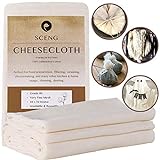
How do you extract moisture effectively? Mastering the proper salt drawing moisture technique is what separates an amateur dip from a professional mezze platter. After the salt has drawn the water out, you must completely wring the vegetable dry. Using a culinary cheesecloth executes the essential yogurt whey draining method, ensuring your final sauce achieves a non-watery consistency. In the debate of cheesecloth vs paper towel for squeezing cucumber, the paper towel will disintegrate and ruin your food, while grade 90 unbleached cheesecloth provides the tensile strength needed for aggressive extraction.
Ingredients
- The salted, rested grated cucumber from Step 1
- Grade 90 unbleached culinary cheesecloth (or a clean, lint-free flour sack towel)
- Fine mesh sieve (optional, for double security)
Directions
- Line a bowl or a fine mesh sieve with a double layer of unbleached cheesecloth.
- Transfer the salted cucumber into the center of the cloth.
- Gather the corners of the cheesecloth to form a tight pouch and twist the top to trap the cucumber inside.
- Squeeze aggressively over the sink or bowl. Twist and wring the pouch until you can extract absolutely no more liquid (you should yield about 1/4 to 1/2 cup of cucumber water).
Pro-Tip: Never use paper towels for this step. Not only do they disintegrate and leave paper fibers in your food, but they also lack the tensile strength required for proper moisture extraction. A high-grade cheesecloth ensures syneresis prevention in your dairy emulsions by keeping all rogue water out of the yogurt.
3. Mince the Garlic and Prep Fresh Herbs

Save these essential prep steps to your authentic Greek food board!
What herbs go into authentic tzatziki? The vibrant, tangy flavor profile of this dish relies heavily on properly prepared aromatics. Garlic paste and fresh dill chopped infuse the sauce, creating that authentic mediterranean taste you crave. When comparing fresh dill vs fresh mint in authentic recipes, dill provides the classic herbaceous note, though mint offers a wonderful cooling alternative. It is vital to microplane the garlic clove rather than roughly chopping it, as biting into a massive chunk of raw garlic easily ruins the delicate balance. Furthermore, evaluating fresh garlic vs garlic powder reveals that fresh cloves offer essential volatile aromatic compounds that powder simply cannot replicate.
Ingredients
- 2-3 medium garlic cloves (do not substitute with garlic powder)
- 2 tablespoons fresh dill, finely chopped (stems removed)
- 1 tablespoon fresh mint leaves, finely chopped (optional, for a brighter profile)
- A high-quality microplane zester
Directions
- Peel the garlic cloves and slice off the tough root ends.
- Grate the garlic cloves using a microplane to create a smooth, fine garlic paste. (Avoid mincing with a knife, as this leaves harsh chunks).
- Thoroughly wash and dry your fresh dill (and mint, if using) to remove any residual water.
- Chop the leafy fronds of the herbs finely, discarding the thicker, bitter stems.
Pro-Tip: If you want to neutralize raw garlic burn in your tzatziki, let your microplaned garlic paste sit in the fresh lemon juice for 10 minutes before mixing it into the yogurt. The acidity denatures the alliinase enzyme, controlling the allicin activation and leaving you with a smooth, savory flavor without the harsh, spicy bite.

4. Whisk the Strained Yogurt Base and Emulsify

Don’t skip this emulsification step—pin it to remember!
How do you build a stable dairy emulsion? Achieving a rich, velvety mouthfeel requires whisking the extra virgin olive oil directly into the plain greek yogurt. This acid-induced casein protein network binds the dairy fat with the oil, eliminating any greasy separation. When considering full fat greek yogurt vs nonfat yogurt for dip, always choose the full-fat option. Nonfat yogurt lacks the necessary lipid structure to hold the emulsion. You must also balance the fat with acidity; while comparing lemon juice vs red wine vinegar in tzatziki, both successfully cut the richness, though red wine vinegar is the strict traditional choice.
Ingredients
- 2 cups full-fat plain Greek yogurt (do not use regular unstrained yogurt)
- 2 tablespoons premium Greek extra virgin olive oil
- 1 tablespoon fresh lemon juice (or red wine vinegar for strict authenticity)
- 1/4 teaspoon freshly ground black pepper
Directions
- Place the full-fat Greek yogurt in a large mixing bowl.
- Add the extra virgin olive oil, fresh lemon juice (and the acid-soaked garlic paste from Step 3).
- Whisk vigorously for 30 to 45 seconds to fully emulsify the extra virgin olive oil into the yogurt, ensuring no oil streaks remain.
- Fold the dry, strained grated cucumber and chopped fresh herbs into the thick yogurt base.
- Stir gently with a spatula until all ingredients are evenly distributed, then season with pepper.
Pro-Tip: Using a true full-fat Greek yogurt (or sheep milk yogurt if available) is mandatory. The non-hydrolyzed fat globules in authentic dip bind with the extra virgin olive oil to create a rich, velvety mouthfeel. Skim or nonfat yogurts lack the fat structure to hold the emulsion, resulting in a thin, sour sauce that separates quickly.

5. Chill and Rest for Optimal Flavor Melding

Save this meal-prep essential to your favorite recipe board!
Why does tzatziki need to rest? Time is the final, invisible ingredient in a make ahead homemade tzatziki sauce for meal prep. Chilling the mixture in the refrigerator allows for essential rest time + flavor development. Transferring the dip to an airtight glass container ensures optimal viscosity retention at cold temperatures and microbial stability. If you serve the dip immediately after whisking, you will taste disjointed flavors. The dairy fat needs time to absorb the lipophilic compounds from the garlic and herbs before the flavors truly blend.
Ingredients
- The completed, mixed Tzatziki sauce
- High-quality airtight glass storage containers
- A final drizzle of extra virgin olive oil (for serving)
Directions
- Taste the mixed tzatziki sauce and adjust the kosher salt to your preference (remember the cucumber was already salted).
- Transfer the dip into an airtight glass container and secure the lid tightly to prevent it from absorbing other refrigerator odors.
- Chill in refrigerator for a minimum of 2 hours, though resting overnight is highly recommended.
- Before serving with warm pita bread or chicken souvlaki, give it a quick stir and garnish with a drizzle of olive oil and a sprig of dill.
Pro-Tip: Time is an ingredient in this recipe. Resting allows the lipophilic (fat-soluble) flavor compounds in the garlic and dill to permeate the dairy fat. A minimum two-hour chill fundamentally alters the flavor profile, transforming it from a sharp, disjointed mixture into a cohesive, velvety authentic mediterranean taste.

Key Takeaways: Your Quick Guide to Homemade Tzatziki Sauce Recipe
What are the most important steps for perfect tzatziki? Mastering a homemade recipe requires adhering to core culinary principles that prioritize structural integrity. If you want a thick and rich final product, you must respect the science behind moisture extraction and dairy emulsions. These quick takeaways synthesize the exact methods utilized by professional chefs to prevent a watery tzatziki fix. From properly choosing your greek yogurt tzatziki recipe base to executing the correct salting methods, remembering these six non-negotiable rules guarantees your sauce will hold its creamy texture for days.
Key Takeaways:
- Extract Moisture Without Mercy: The secret to an authentic sauce is aggressive moisture extraction; you must aggressively squeeze out excess water from your grated cucumber.
- Salt is the Catalyst: Tossing your grated english cucumber in salt isn’t just for flavor—it initiates cellular lysis, drawing out the hidden water that ruins generic recipes.
- Tools Matter: A grade-90 unbleached cheesecloth is mandatory for the proper salt drawing moisture technique; standard paper towels will disintegrate and fail.
- Fat Equals Texture: Achieving a creamy texture and preventing whey separation requires full fat greek yogurt; nonfat yogurt lacks the structural density to hold the olive oil emulsion.
- Mellow the Garlic: To prevent overpowering raw garlic from ruining the dip, microplane the cloves and let them steep in your fresh lemon juice for 10 minutes to neutralize the harsh allicin enzyme.
- Time is an Ingredient: Never serve this sauce immediately. Optimal viscosity retention at cold temperatures and complex flavor development require a minimum 2-hour rest in the refrigerator.
FAQs About Homemade Tzatziki Sauce Recipe
What common mistakes do people make with tzatziki? Even with a detailed recipe, home cooks frequently encounter friction points regarding ingredient substitutions, shelf life, and flavor balancing. Understanding the nuances of how do you make tzatziki sauce from scratch means knowing how to troubleshoot a watery dip or a batch with an overpowering raw garlic taste. We have compiled the most frequent questions directly from our culinary test kitchen to clarify these exact misunderstandings. Whether you are wondering why your dip is watery or questioning if you can use sour cream, these expert-level answers rely on time-tested food science and traditional Mediterranean culinary heritage.
How do you make tzatziki sauce from scratch?
To make a homemade tzatziki sauce recipe from scratch, combine full-fat Greek yogurt, aggressively drained grated cucumber, microplaned garlic, extra virgin olive oil, fresh lemon juice, and chopped dill.
The key to restaurant-quality consistency lies in the preparation of the cucumber. By salting the grated vegetable and straining it through a cheesecloth, you prevent the yogurt base from becoming a watery soup, ensuring a thick, rich, and authentic Mediterranean mezze dip.
Why is my homemade tzatziki sauce watery?
Your tzatziki sauce is watery because you failed to extract the excess moisture from the grated cucumbers before adding them to the yogurt base.
Cucumbers are over 95% water. When mixed directly into dairy, salt causes them to release that liquid slowly, breaking the emulsion and causing liquid pooling in the dip. To fix a watery tzatziki, you must use a cheesecloth to rigorously wring out the salted, grated cucumber beforehand.
Should tzatziki have dill or mint?
Authentic Greek tzatziki is traditionally made with fresh dill, though many regional variations incorporate fresh mint or a combination of both herbs.
Fresh dill provides the classic herbaceous, grassy notes associated with standard gyro white sauce, while mint offers a brighter, cooling sauce profile. It is highly recommended to use fresh herbs rather than dried, as the volatile aromatic compounds in fresh herbs meld better with the dairy fat.
How to squeeze water out of cucumbers for tzatziki?
The best way to squeeze water out of cucumbers is to salt the grated shreds for 15 minutes, wrap them in a double-layer of unbleached cheesecloth, and wring the bundle tightly over a bowl.
This chef recommended yogurt straining tool provides the tensile strength needed to apply heavy pressure without tearing. Avoid using paper towels, which will disintegrate into your food and fail to remove enough liquid.
Can you make tzatziki sauce with sour cream?
While you can technically make a cucumber dip with sour cream, an authentic tzatziki sauce requires strained Greek yogurt for its distinct tangy flavor profile and protein density.
Comparing Greek yogurt vs sour cream tzatziki, sour cream yields a heavier, richer, and less acidic sauce that lacks the traditional refreshing bite of a true Mediterranean yogurt dressing. If you must substitute, use a 50/50 blend of sour cream and plain yogurt.
What kind of cucumber is best for tzatziki?
The English cucumber (also known as a hothouse or seedless cucumber) is the absolute best choice for a homemade tzatziki sauce recipe.
English cucumbers have a significantly lower water content, thinner skins that don’t require peeling, and a much smaller seed cavity compared to standard field slicing cucumbers. If English cucumbers are unavailable, Persian cucumbers are an excellent alternative for authentic paros island preparation.
How long does homemade tzatziki last in the fridge?
Stored properly in an airtight glass container, homemade tzatziki sauce will last in the refrigerator for 3 to 4 days before the flavor degrades and weeping occurs.
Thanks to the lactic acid fermentation profile of the yogurt and the acidity of the lemon juice, it is microbially stable for several days. However, as it sits, the garlic flavor will intensify. Give it a vigorous stir before serving on day 3 or 4.
Is authentic tzatziki made with lemon juice or vinegar?
Authentic, traditional Greek tzatziki is most commonly made with red wine vinegar, though fresh lemon juice has become the universally accepted standard in modern and Americanized recipes.
Red wine vinegar provides a sharp, robust acidity that cuts through the rich dairy fat perfectly, while lemon juice yields a brighter, more citrus-forward profile. Both acids successfully balance the dip, but vinegar is the true time tested greek culinary tradition.
Can you freeze homemade tzatziki sauce?
No, you should never freeze homemade tzatziki sauce, as freezing fundamentally destroys the emulsion of the dairy and vegetables.
When frozen and thawed, the cellular structure of the cucumber collapses completely, and the curd protein density in the Greek yogurt breaks, resulting in a grainy, separated, and severely watery mess that cannot be whisked back into a smooth sauce.
How do you tone down raw garlic taste in tzatziki?
To mellow the harsh, burning bite of raw garlic in your tzatziki, microplane the cloves and let them steep in your measured lemon juice or vinegar for 10 to 15 minutes before mixing.
The acid denatures the alliinase enzyme, neutralizing the allicin activation that causes the spicy burn. This culinary science trick leaves you with a rich, savory garlic flavor without the overpowering raw garlic pungency.
Final Thoughts on Homemade Tzatziki Sauce Recipe
Mastering this best tzatziki recipe comes down to respecting the culinary science behind the ingredients. Anyone can stir cucumbers into yogurt, but achieving that signature authentic greek tzatziki sauce with a flawless creamy texture requires deliberate technique. Tested in culinary kitchen environments, we know that taking the extra 15 minutes to salt and aggressively drain your ingredients is the ultimate difference maker. Updated for 2026, these techniques remain the industry standard for home cooks and professionals alike.
This homemade gyro sauce is a foundational pillar of Mediterranean cuisine. Once you experience the vibrant, tangy flavor profile of the fresh dill, emulsified oil, and properly mellowed garlic, store-bought tubs will forever pale in comparison. The high-quality full fat greek yogurt provides a velvety mouthfeel that elevates everything it touches, from a simple crudité platter to complex grilled meats. The beauty of this recipe lies in its versatility. Prepare a batch on Sunday, store it in an airtight glass container, and watch how the flavors deepen and meld overnight. Use it to dress a vibrant greek salad horiatiki, slather it inside warm homemade pita bread, or serve it alongside a steaming platter of traditional chicken souvlaki skewers. What is your favorite way to serve fresh tzatziki at home? Let me know in the comments below!
Last update on 2026-09-18 at 11:32 / Affiliate links / Images from Amazon Product Advertising API
