
As an Amazon Associate KitchenwareSets.com earns from qualifying purchases.
Ultimate Japanese Apartment Kitchen Ideas: 7 Small Space Designs
Struggling with a kitchen that feels more like a closet? You’re not alone. The frustration of dealing with lack of counter space and limited storage in a tiny apartment can make cooking feel like a chore.
Japanese apartment kitchen ideas focus on maximizing functionality in minimal footprints, often integrating modularity, hidden storage, and minimalist aesthetics to create efficient and serene cooking zones. This design philosophy addresses challenges like limited counter space and storage through clever vertical solutions and multi-functional elements.
Drawing from comprehensive analysis and established best practices, this guide delivers proven techniques to transform your small kitchen. You’ll discover 7 actionable designs rooted in authentic Japanese principles. Let’s unlock your kitchen’s true potential.
Contents
show
Optimize Your Japanese Apartment Kitchen with Smart Small Space Designs
Transforming your Japanese apartment kitchen begins with understanding the core philosophy behind its design. These spaces are masterpieces of efficiency, born from the unique challenges of urban density design inherent in cities like Tokyo. Rather than viewing the small footprint as a limitation, Japanese kitchen design treats it as an opportunity for innovation. This approach is deeply rooted in cultural concepts like Ma, the appreciation for negative or empty space, which helps create a sense of calm and order even in the most compact areas. By embracing smart small space designs, you can turn a cramped cooking area into a highly functional and beautiful part of your home.
Ultimate Japanese Apartment Kitchen Ideas: 7 Small Space Designs
Here are 7 distinct and actionable japanese apartment kitchen ideas designed to conquer the common challenges of micro living. Each solution integrates the principles of minimalist design with clever functional strategies to address issues like limited storage and lack of counter space. These designs, inspired by the elegant simplicity of Japandi style and the ingenuity of modular units, provide a clear roadmap for creating a kitchen that is both beautiful and incredibly efficient.
1. Maximize Vertical Storage with Smart Shelving Solutions

Pin this genius hack to your “Dream Kitchen Storage” board!
When floor space is scarce, the only way to go is up. Vertical storage engineering is a cornerstone of small japanese kitchen design, transforming unused wall space into highly effective storage. By installing slim, wall-mounted shelves, you can keep everyday items accessible without cluttering your precious countertops. This not only solves the problem of limited storage but also adds a decorative element that aligns with a clean, minimalist aesthetic.
Supplies Needed
- Slim, adjustable wall-mounted shelving units (preferably natural wood or white metal, matching japandi style aesthetics)
- Drill and appropriate hardware (wall anchors, screws)
- Level and measuring tape
- Stackable storage containers or clear glass jars (for dry goods, using clutter-free organization)
- Small hanging baskets or hooks (for frequently used items)
Step-by-Step Directions
- Plan: Measure your available wall space, identifying areas above countertops, sinks, or even door frames where shelving can be installed without impeding movement.
- Select: Choose shelving that complements your japanese kitchen interior – think clean lines and a neutral color palette. Adjustable shelves are ideal for customizing to different item heights.
- Install: Carefully mount shelves using a level to ensure straightness. For renters, consider tension rod shelves or non-damaging adhesive options.
- Organize: Decant dry goods into uniform, stackable containers to maintain a clutter-free look. Use the top shelves for less frequently used items and lower shelves for daily essentials.
- Access: Add small hanging baskets or hooks beneath shelves for utensils, small towels, or often-used cooking tools to keep them within easy reach.
Pro-Tip: In Japanese apartment kitchens, leveraging the concept of ‘Ma’ (negative space) on shelving is crucial. Don’t overfill. Leave some empty space to maintain a serene, minimalist aesthetic and create a sense of calm, a core tenet of Shibui aesthetics.

2. Integrate Multi-Functional Kitchen Islands & Carts

Save this brilliant space-saving kitchen idea to your “Apartment Living Goals” board!
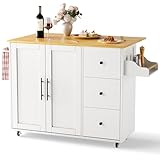
One of the most common complaints in a tiny japanese kitchen is the severe lack of counter space. A mobile kitchen cart for small spaces is the perfect solution, offering a dynamic surface for food prep that can be moved out of the way when not in use. These multi-functional tools often come with built-in drawers, shelves, and towel racks, providing much-needed storage + organization in a compact footprint.
Products & Tools Used
- Compact kitchen island with storage (on wheels, with features like drawers, shelves, or a towel bar, reflecting efficient layout)
- Folding kitchen cart or table (for extreme micro living situations)
- Cutting board (that fits flush with the countertop or cart surface)
- Stylish storage bins or baskets (for organizing items on shelves)
Action Plan / Workflow
- Assess: Determine your primary need – more prep space, storage, or a dining area. This will guide your choice between a dedicated island or a more flexible cart.
- Select: Look for carts or islands made from natural materials like wood, with a neutral color palette to align with the minimalist japanese kitchen aesthetic. Prioritize wheels for easy movement and locking casters for stability.
- Position: When not in use, position the cart against a wall to minimize its footprint. During cooking, roll it into the center for additional food prep area or use it as a serving station.
- Utilize: Fill its drawers and shelves with frequently used utensils, small appliances, or pantry staples. If it has an overhang, it can double as a small dining table.
- Maintain: Keep the surface as clutter-free as possible to enhance its functional and serene space appeal.
Pro-Tip: For ultra-small Japanese apartment kitchens, consider a slim kitchen cart with a drop-leaf extension. This can transform from a narrow storage unit to a decent-sized workspace or dining table, proving invaluable when space is at an absolute premium and embodying retractable work surfaces functionality.
3. Embrace the Japandi Aesthetic for Serene Spaces

Discover the beauty of Japandi kitchen design for your apartment! Pin it now!
The Japandi style is a design match made in heaven for japanese apartment kitchens. This fusion of Japanese + Scandinavian aesthetics creates a serene space that is both warm and minimalist. It champions natural materials, neutral color palettes, and a deep respect for functionality. By adopting Japandi principles, you can make your kitchen feel more harmonious, airy, and intentionally designed, even if it’s incredibly compact.
Supplies Needed
- Light-toned natural wood accents (e.g., cutting boards, utensils, small storage boxes, reflecting timeless appeal)
- Matte black or white ceramic dinnerware and minimalist pottery
- Linen textiles (dish towels, placemats)
- Subtle greenery (e.g., a single potted plant or dried floral arrangement)
- Neutral paint colors (warm whites, soft grays, muted greens)
Styling Tips
- Declutter Ruthlessly: The foundation of Japandi kitchen design is a clutter-free environment. Remove anything non-essential from countertops and open shelving.
- Embrace Natural Materials: Focus on natural wood (light oak, birch), bamboo, ceramics, and linen. These materials add warmth and texture, essential for a serene space.
- Adopt a Neutral Palette: Use a base of warm whites, soft grays, and muted earth tones. Introduce subtle contrasts with matte black or deep greens. This creates a harmonious and airy feel.
- Prioritize Functionality: Every item should serve a purpose. Choose simple, well-made tools and dishes. Integrate hidden handle cabinetry for a seamless look.
- Add Organic Touches: Incorporate a small, simple plant or a single branch in a minimalist vase. This brings nature indoors, enhancing the zen aesthetic.
Pro-Tip: The Japandi style excels at creating a sense of visual harmony and seijaku (tranquility). To achieve this, invest in high-quality, handcrafted pieces over mass-produced items, even if it means fewer items overall. This aligns with the principle of “quality over quantity,” a hallmark of both Japanese and Scandinavian design philosophies.

4. Utilize Wall-Mounted Organizers for Tools & Spices

Organize like a pro! Pin this japanese kitchen organization idea to your decluttering board!
To achieve a truly clutter-free kitchen, every item needs a home. Wall-mounted systems like pegboards and magnetic solutions are perfect for storage + organization in a small japanese kitchen. They keep frequently used tools and spices within arm’s reach but off the countertop, creating a more efficient layout. This approach, often inspired by the clean organization of Muji style, is both aesthetically pleasing and incredibly practical.
Supplies Needed
- Pegboard system (with hooks, shelves, and baskets, reflecting modular organization)
- Magnetic knife strip or magnetic spice rack (heavy-duty for safety)
- Drill, wall anchors, screws (if not renting), or strong adhesive strips (for renters)
- Level and pencil
- Uniform spice jars with magnetic backs (for magnetic racks)
Quick Steps
- Assess & Plan: Identify a clear wall section (e.g., above the sink, next to the stove) that is often underutilized. Map out what tools or spices you want to store there.
- Install Pegboard: Secure the pegboard system to the wall, ensuring it’s level. For rentals, look for free-standing pegboard units or use strong, removable adhesive strips.
- Arrange Tools: Place frequently used utensils, small pots, or cutting boards on pegboard hooks and shelves. Organize by function for quick access.
- Mount Magnetic Strip: Install a magnetic knife strip or magnetic spice rack above the counter. This keeps knives safely stored and spices visible, preventing cluttered countertops.
- Uniformity: Transfer spices to uniform jars for a cohesive and minimalist aesthetic, enhancing the overall visual harmony.
Pro-Tip: When planning wall-mounted organizers for a japanese apartment kitchen, think about the ‘flow’ of cooking. Place tools needed for prep near the cutting area, and spices near the stove. This thoughtful spatial flow minimizes wasted movement in a tight cooking zone and demonstrates functional expertise.

5. Opt for Compact, Integrated Appliances to Save Space

Upgrade your small japanese kitchen! Pin these smart appliance ideas!
In Japan, where space is a premium, appliances are designed to be compact and highly efficient. Choosing the right space saving appliances for japanese kitchens is crucial. This means forgoing bulky Western-style appliances for sleek, integrated options like a two-burner induction cooktop, a compact dishwasher, or an under-counter mini fridge. These choices allow for seamless integration into your cabinetry, creating a clean, uninterrupted kitchen layout and solving the common no room for oven dilemma.
Products Used
- Portable or built-in induction cooktop (single or double burner, often found in Sanwa micro-living designs, reflecting compact and efficient)
- Compact dishwasher (countertop or slim under-counter model, using space-saving)
- Mini fridge or integrated refrigerator drawer (to maximize kitchen layout)
- Multi-functional toaster oven or small convection oven (as an alternative to a full-sized oven, addressing no room for oven)
Selection Tips
- Prioritize Essentials: In a small Japanese kitchen, focus on appliances you use daily. An induction cooktop and a small rice cooker might be more essential than a full oven.
- Measure Meticulously: Before purchasing, measure every available inch. Many Japanese apartment kitchen spaces are designed for specific compact appliance sizes.
- Consider Portable Options: For items like a dishwasher or a convection oven, look for portable models that can be stored away or placed on a cart when not in use.
- Embrace Multi-Functional: Opt for appliances that do double duty, such as a microwave with convection features or a pressure cooker that also slow-cooks. This directly addresses the cramped cooking area problem.
- Blend In: Choose appliances with a sleek, minimalist design in neutral colors to blend seamlessly with your japanese kitchen aesthetic, contributing to a clutter-free look.
Pro-Tip: Many Japanese apartments come with built-in single or double induction cooktops. If upgrading, research the benefits of IH heating technology; it’s safer, more energy-efficient, and often faster for precise cooking, showcasing functional expertise in compact kitchen ergonomics.

6. Create Ret retractable Work Surfaces for Dynamic Prep Space

Unlock hidden space! Pin this smart japanese kitchen layout idea!
Imagine having extra counter space that appears only when you need it. Retractable work surfaces are a brilliant feature of many prefabricated kitchen modules in Japan, designed to solve the chronic lack of counter space. These can be pull-out cutting boards, slide-out countertop extensions, or fold-down shelves that provide a temporary food prep area and then disappear, preserving the kitchen’s minimalist material palette and open feel.
Supplies Needed
- Heavy-duty drawer slides or folding bracket hardware (for custom installations, for functional)
- Durable wood slab or countertop material (to match existing neutral color palette and natural materials)
- Saw, drill, and measuring tools
- Pre-fabricated pull-out cutting board or table (if buying ready-made)
- Cabinetry space to integrate the surface
Step-by-Step Directions
- Identify Location: Look for unused space beneath existing countertops, above drawers, or even a blank wall where a fold-down shelf could be installed.
- Choose Mechanism: Decide between a pull-out cutting board/table (integrated into cabinetry with drawer slides) or a wall-mounted fold-down shelf with sturdy brackets.
- Measure & Cut: Carefully measure the available space. If building custom, cut your chosen wood or countertop material to size.
- Install Hardware: Attach the drawer slides or folding brackets according to manufacturer instructions. Ensure the mechanism operates smoothly and securely.
- Integrate Surface: Mount the work surface to the hardware. Test its stability when fully extended. Ensure it tucks away discreetly when not in use, maintaining a clutter-free look.
Pro-Tip: When planning a retractable work surface, choose a material that is easy to clean and matches your existing japanese kitchen design. A thick butcher block surface can double as an excellent cutting board and add warmth, demonstrating attention to both functional expertise and minimalist material palette.

7. Declutter Ruthlessly & Master Minimalist Organization

Achieve ultimate calm! Pin this clutter-free kitchen transformation!
More than any specific product, the most powerful tool for transforming your small Japanese kitchen is a mindset of minimalist organization. This involves a commitment to declutter for small spaces, keeping only what is essential and beautiful. This practice is deeply connected to the Japanese philosophical concept of Kanso (simplicity), which finds beauty in clarity and restraint. A clutter-free countertop and well-organized slim cabinets will make your kitchen feel larger, calmer, and infinitely more enjoyable to use.
Supplies Needed
- Trash bags and recycling bins
- Donation boxes
- All-purpose cleaner and microfiber cloths
- Drawer organizers and shelf dividers (preferably bamboo or clear acrylic, reflecting minimalist material palette)
- Stackable food storage containers (uniform sizes for aesthetic appeal and efficient use of slim cabinets)
Workflow
- Empty Everything: Remove all items from your japanese apartment kitchen countertops, drawers, and cabinets. Place them on a table or the floor.
- Sort & Purge (Ruthlessly): Create three piles: “Keep,” “Donate/Sell,” and “Trash.” Be honest: if you haven’t used it in 2026, if it’s broken, or if you have duplicates, it goes. This directly addresses limited storage.
- Clean Thoroughly: With everything out, deep clean all surfaces, interiors of cabinets, and appliances.
- Categorize & Contain: Group similar items (e.g., baking supplies, cooking utensils, spices). Use drawer organizers and shelf dividers to create designated homes for everything within your slim cabinets.
- Return Thoughtfully: Only return items to the kitchen that truly belong and are frequently used. Store less-used items elsewhere if possible. Aim for clutter-free countertops with only 1-3 essential items.
- Adopt the “One In, One Out” Rule: For every new item you bring into your kitchen, remove one existing item. This prevents future cluttered countertops and helps maintain a serene space.
Pro-Tip: The concept of Kanso (simplicity) is central to Japanese kitchen design. It’s not just about decluttering, but about appreciating beauty in absence. By embracing simplicity, you create visual breathing room that makes your small apartment kitchen feel significantly larger and more peaceful, a key aspect of visual harmony.

Key Takeaways: Your Quick Guide to Japanese Apartment Kitchen Ideas
To quickly recap, achieving your ideal Japanese apartment kitchen boils down to a few core principles. This scannable summary highlights the most critical insights from our guide, reinforcing how to achieve both a functional and serene space through smart design.
- Embrace Vertical Space: Maximize every inch of your small Japanese kitchen by utilizing wall-mounted shelving and organizers to free up precious countertop space and combat limited storage.
- Choose Multi-Functional Furniture: Invest in portable kitchen islands or carts that offer both extra prep surface and hidden storage, dynamically adapting to your cooking needs and solving the lack of counter space problem.
- Adopt the Japandi Aesthetic: Fuse Japanese minimalist design with Scandinavian warmth to create a serene space using natural materials, a neutral color palette, and a clutter-free approach, enhancing visual harmony.
- Select Compact, Integrated Appliances: Opt for space-saving appliances for Japanese kitchens like induction cooktops and slim dishwashers that blend seamlessly into your cabinetry, demonstrating efficient layout and functional expertise.
- Implement Retractable Work Surfaces: Integrate pull-out cutting boards or slide-out countertops to instantly expand your food prep area when needed, then discreetly tuck them away to maintain a compact kitchen ergonomics.
- Practice Ruthless Decluttering: Regularly purge non-essential items and maintain minimalist organization to ensure a clutter-free environment that embodies the Kanso (simplicity) philosophy.
- Focus on Quality Over Quantity: In a Japanese apartment kitchen, well-chosen, durable items made from natural materials will serve you better and contribute more to a zen aesthetic than numerous mediocre ones, reflecting quality craftsmanship.
People Also Ask About Japanese Apartment Kitchen Ideas
Here are answers to some of the most common questions about designing and organizing a Japanese apartment kitchen.
How to design a small Japanese kitchen?
Designing a small Japanese kitchen involves prioritizing functionality, minimalism, and natural elements. Focus on maximizing vertical space with smart shelving, integrating compact and multi-functional appliances, and embracing a neutral color palette with natural materials. Ruthless decluttering is essential to maintain a serene space and a clutter-free aesthetic, creating an efficient and calming cooking zone.
What is Japandi kitchen style?
Japandi kitchen style is a harmonious blend of Japanese minimalism and Scandinavian functionality, creating a warm, simple, and elegant aesthetic. It emphasizes natural materials like light wood, bamboo, and ceramics, combined with a neutral color palette of whites, grays, and muted earth tones. The goal is a serene space that is both highly functional and visually appealing, ideal for a japanese apartment kitchen.
Why are Japanese kitchens so small?
Japanese kitchens are typically small due to high population density and the emphasis on efficient use of limited residential space, especially in urban areas like Tokyo. The design reflects urban density design principles, where homes prioritize living areas over expansive kitchens. This leads to specialized compact kitchen ergonomics and a culture of using space-saving appliances for japanese kitchens and ingenious storage solutions like vertical storage engineering.
How to organize a tiny Japanese kitchen?
Organizing a tiny Japanese kitchen effectively requires a systematic approach to decluttering and smart storage solutions. Start by decluttering ruthlessly to achieve clutter-free countertops, then utilize wall-mounted organizers (like pegboards or magnetic strips), drawer dividers, and stackable containers. The aim is to create designated homes for every item, embracing Kanso (simplicity) for a visually calm and highly functional workspace.
What are the best appliances for Japanese apartments?
The best appliances for Japanese apartments are compact, energy-efficient, and often multi-functional to suit limited space. Induction cooktops (often one or two burners) are common, along with small toaster ovens (as oven alternatives), mini-fridges, and portable or compact dishwashers. Look for models that offer seamless integration into cabinetry and prioritize functionality over bulk, reflecting Tokyo housing standards.
What is a common Japanese kitchen layout?
Common Japanese kitchen layouts are typically galley-style or U-shaped, maximizing efficiency in narrow spaces. These layouts are designed to be highly functional with minimal movement between the sink + cooktop and prep areas. Examples include the efficient 1K apartment configuration or slightly larger 1LDK layouts, all emphasizing compact kitchen ergonomics and clever storage solutions to combat limited storage.
How to hide appliances in a small kitchen?
Hiding appliances in a small Japanese kitchen involves strategic integration and clever cabinetry design to maintain a minimalist and clutter-free aesthetic. This can be achieved through custom cabinetry with hidden handle cabinetry that conceals dishwashers or mini-fridges. Using appliance garages for toasters or blenders, and opting for retractable work surfaces that slide away when not in use, creates a seamless and expanded visual space.
What materials are used in Japanese kitchens?
Japanese kitchens predominantly use natural materials that evoke warmth, tranquility, and durability. Common materials include light-toned woods (like bamboo, oak, or hinoki cypress), natural stone, concrete, and ceramic tiles. These choices contribute to a neutral color palette and a serene space, aligning with the Japandi style and emphasizing sustainable, quality craftsmanship and timeless design.
Can you fit a 3-hob stove in a 1K apartment?
Fitting a 3-hob stove in a typical 1K apartment kitchen can be challenging due to extremely limited space. Most 1K apartment configurations come with a single or double induction cooktop as a standard. While possible with a very compact model, it usually requires custom modifications or sacrificing essential counter space. It’s often more practical to use portable single hobs or larger multi-functional cooking devices.
What is the 1LDK kitchen size?
The kitchen size in a 1LDK apartment is generally larger and more functional than a 1K, often providing more counter and storage space. A 1LDK layout optimization includes a separate dining and living area (“LDK” stands for Living, Dining, Kitchen). While still compact by Western standards, these kitchens can typically accommodate a small range (often 2-hob gas or induction) and offer more room for storage + organization and meal preparation, reflecting improved functional expertise.
Final Thoughts on Japanese Apartment Kitchen Ideas
Transforming a small Japanese apartment kitchen from a challenging constraint into a source of efficiency and calm is entirely achievable with thoughtful design. By embracing minimalist principles, investing in space-saving solutions, and adopting the functional expertise inherent in Japanese kitchen design, you can create a serene space that not only meets your culinary needs but also enhances your overall living environment. Whether you’re integrating vertical storage engineering, experimenting with retractable work surfaces, or simply mastering ruthless decluttering, each step contributes to a more harmonious and productive cooking zone. These japanese apartment kitchen ideas are not just about aesthetics; they’re about creating a lifestyle that prioritizes peace and practicality in every square inch.
Which of these small space designs are you most excited to implement in your apartment kitchen this September 2026?
Last update on 2026-09-12 at 11:30 / Affiliate links / Images from Amazon Product Advertising API
