
As an Amazon Associate KitchenwareSets.com earns from qualifying purchases.
7 Authentic Rustic Mediterranean Kitchen Ideas to Inspire Home Cooks
Are you struggling to balance old-world charm with modern livability? Creating a historically authentic space that doesn’t feel heavy or outdated is a common challenge for homeowners. Let’s explore the best Rustic Mediterranean Kitchen Ideas to solve this.
Authentic rustic Mediterranean kitchen ideas combine natural, raw materials like textured plaster walls, reclaimed wood beams, and terracotta floor tiles to create a warm, lived-in aesthetic. To achieve this look, balance old-world architectural elements like arched stone niches with modern, integrated appliances for a functional, timeless design.
Drawing from comprehensive analysis of architectural standards and proven design methodologies, we will guide your home renovation planning. You will discover exactly how to balance rustic textures with modern functionality. Get ready to transform your space into a stunning European haven.
Contents
show
How Do You Bring Authentic Rustic Mediterranean Kitchen Ideas Into a Modern Home?
Creating a true Mediterranean Kitchen requires far more than just painting walls yellow and displaying ceramic bowls. The true secret lies in seamlessly blending historical architectural standards with modern functionality. Many homeowners confuse heavy Tuscan kitchen design—with its dark woods, deep reds, and ornate gold—with the breezier, coastal mediterranean kitchen design. A true rustic mediterranean style prioritizes raw, unpolished materials like exposed ceiling beams and hand-painted tiles to cultivate a light, airy atmosphere.
By focusing on authentic artisan sourcing, you can integrate modern appliances into these ancient aesthetics without the space feeling outdated. Applying material durability studies to your natural stone surfaces ensures they withstand daily cooking demands. Understanding wood porosity and thermal mass allows you to make informed decisions that echo traditional Spanish Colonial, Provencal, and Cycladic architecture. Rather than a generic remodel, utilizing warm earthy tones and tactile finishes guarantees a functional, timeless design that perfectly balances rustic warmth with modern livability.
7 Authentic Rustic Mediterranean Kitchen Ideas to Inspire Home Cooks
Transforming your space into a classic mediterranean kitchen: Focus on structural elements and layered organic textures. Upgrading your culinary space doesn’t necessarily require a massive demolition budget. By carefully balancing textures and focusing on specific focal points, you can implement stunning budget updates. You will need to move beyond standard drywall and basic flooring to incorporate materials like authentic Tadelakt plaster and encaustic cement tiles. Whether you are refinishing wood cabinets or installing architectural corbels, this actionable guide provides exact material lists and step-by-step directions. Let’s dive into the core projects that define true rustic kitchen themes.
1. Installing Terracotta Floor Tiles to Ground Your Space

Pin this timeless flooring inspiration to your “Dream Mediterranean Home” board!
Installing terracotta floor tiles: Ground your space by laying unsealed clay tiles in a classic pattern, providing essential thermal warmth and authentic texture.
When exploring mediterranean kitchen ideas with terracotta floors, understanding material properties is vital. In the debate of terracotta vs porcelain tiles, natural clay always delivers superior authenticity. However, natural clay requires proper maintenance to ensure low maintenance mediterranean floors. Mastering the terracotta floor design means properly sealing stone countertops and clay floors to protect against kitchen grease.
Materials Needed
- Authentic unsealed Mexican or Spanish terracotta tiles (allow for 15% waste due to rustic chipping)
- High-grade penetrating stone and clay sealer (imperative for kitchen grease protection)
- Wide-joint sanded grout in a warm beige or earthy + warm tone (avoid stark white)
- Heavy-duty notched trowel (1/2-inch for large format tiles)
- Masonry sponge and grout float
Step-by-Step Directions
- Prepare your subfloor ensuring it is completely level, as handmade clay tiles have natural thickness variations.
- Pre-seal the terracotta tiles before installing terracotta tiles; natural clay is highly porous and will instantly absorb grout water, causing permanent “grout haze.”
- Mix a flexible, large-format thinset mortar and apply it using your notched trowel in small, manageable 3×3 foot sections.
- Lay the tiles in your desired pattern (herringbone or running bond), leaving wide 1/2-inch to 3/4-inch grout lines for authentic old world charm.
- Grout the joints carefully, sponge away excess immediately, and allow to cure for 72 hours before applying a final, heavy top-coat of penetrating sealer to protect against cooking spills.
What most guides miss: True Mediterranean homes leverage terracotta for its thermal mass flooring properties. If you live in a colder climate, installing radiant heating mats directly beneath these tiles transforms them into a massive, slow-release heat source that keeps your cozy mediterranean atmosphere comfortable all winter.

2. Applying Tadelakt Plaster Finish to Upgrade Kitchen Walls

Save this gorgeous textured wall technique for your upcoming kitchen renovation!
Applying a plaster finish: Upgrade kitchen walls by replacing standard drywall with authentic Tadelakt plaster, creating a highly textured, water-resistant organic surface.
When evaluating plaster walls vs drywall, standard flat paint lacks soul. Applying plaster finish techniques combines stone + plaster aesthetics, defining the vernacular architecture of the region. A proper plaster wall finish stands up to modern cooking demands while eliminating the need for constant repairing plaster walls common in older homes.
Materials Needed
- Authentic lime-based Tadelakt plaster mix (tinted to warm earthy tones like ochre or sand)
- Flexible stainless steel burnishing trowel
- Natural black olive oil soap (for the waterproofing chemical reaction)
- Polishing stone (traditionally a smooth river stone)
- Primer designed specifically for heavy masonry or plaster applications
Step-by-Step Directions
- Prime your standard drywall with a high-grit masonry primer to ensure the heavy lime plaster has an abrasive surface to grip.
- Apply the first coat of Tadelakt plaster evenly using your steel trowel, covering the entire wall surface, and let it rest until it reaches a “leather-hard” consistency.
- Trowel a second, thinner coat over the first, using sweeping, arced motions to create subtle, organic texture rather than a perfectly flat, modern surface.
- Burnish the wall vigorously with your trowel as it dries, pushing the lime particles together to create a naturally smooth, slightly shiny surface.
- Seal the wall by rubbing traditional black olive oil soap into the curing plaster with a polishing stone; the soap reacts with the lime to create a durable, waterproof, limestone-like finish perfect for kitchen splashes.
Expert insight: Achieving a true tadelakt plaster finish requires patience. The key to the technique is the venetian plaster techniques of burnishing—compressing the lime with a hard stone forces the moisture out and creates an incredibly hard, water-resistant shell that standard modern paint simply cannot replicate.

3. Restoring Reclaimed Wood Islands and Exposed Ceiling Beams

Add serious architectural character to your kitchen by pinning this ceiling beam guide!
Restoring reclaimed wood: Introduce massive architectural weight by mounting weathered wood beams across the ceiling and anchoring the space with a custom wood island.
Comparing exposed beams vs flat ceilings reveals how vertical space manipulation completely alters a room’s character. Integrating a reclaimed wood island base with overhead weathered wood beams establishes the essential wood + iron dynamic. Restoring reclaimed wood properly ensures these structural elements look authentic rather than manufactured.
Materials Needed
- Reclaimed, kiln-dried structural timber or high-quality box beams (for lighter weight)
- Heavy-duty cast iron or forged steel corbel supports
- Matte, clear furniture wax or raw linseed oil
- Heavy-duty lag bolts (min. 6 inches) and structural wood screws
- Stud finder, chalk line, and laser level
Step-by-Step Directions
- Clean your rough-hewn wood thoroughly using a stiff bristle brush to remove loose dirt and splinters, taking care to preserve the original saw marks and age patina.
- Nourish the dry, antique wood by rubbing in a generous coat of raw linseed oil or matte wax to bring out the deep, rich tones without adding a modern, glossy shine.
- Map your ceiling joists precisely using a stud finder and snap chalk lines to ensure the heavy beams have structural, load-bearing wood to anchor into.
- Mount your decorative iron corbel supports at the wall edges where the beam will terminate, ensuring they are perfectly level across the span of the kitchen.
- Secure the beams into the ceiling joists using recessed lag bolts, covering the bolt heads with custom-cut wood plugs for a seamless, historic appearance.
An often-overlooked strategy: When utilizing heavy timber, proper corbel supports aren’t just decorative; historically, they distributed the roof’s weight. Even if you are using hollow faux beams to ease installation, adding authentic iron or carved wood corbels at the wall joints is the secret to making the architecture look structurally credible and historically accurate.

4. Designing Arched Stone Niches and Cladding Focal Points

Create a stunning focal point in your kitchen by saving this arched niche project!
Designing arched stone niches: Frame your cooking zone with natural stone veneer and curved architecture to disguise modern ventilation hoods gracefully.
Mastering designing arched doorways and alcoves solves the modern dilemma of visible appliances. Building arched stone niches to house a custom hood range completely transforms the room. Utilizing a natural stone backsplash alongside advanced masonry expertise ensures that these arches + beams feel like they have existed for centuries.
Materials Needed
- Pre-formed flexible arch framing kit or curved plywood forms
- Natural limestone or travertine veneer flats and corners
- High-heat resistant masonry adhesive (crucial for range hood proximity)
- Modern, slim-profile vent insert (to hide inside the structure)
- Premium stone sealer to prevent grease staining
Step-by-Step Directions
- Frame your cooking alcove using standard 2x4s, leaving space in the center to mount your modern, hidden ventilation insert above the stovetop.
- Install the flexible archway framing kit across the top span of your alcove, securing it to the wood studs to create a perfect, smooth curve.
- Clad the entire structure in cement board, taping all seams with alkaline-resistant fiberglass mesh tape.
- Apply your masonry adhesive and begin setting the natural stone surfaces, starting at the bottom corners and working your way up and over the arch.
- Seal the stone meticulously; because this niche houses your stovetop, applying a premium oleophobic (oil-repelling) sealer is mandatory to prevent cooking splatters from permanently ruining the porous limestone.
Professional insight: True masonry expertise shines in the corners. Always purchase “L-shaped” corner veneer pieces rather than butt-joining flat pieces at the edges. This creates the illusion of massive, full-depth structural stone blocks, deeply enhancing the authentic mediterranean kitchen aesthetic.

5. Sourcing Wrought Iron Lighting and Antique Patina Hardware

Elevate your kitchen’s ambiance by pinning this gorgeous lighting guide!
Sourcing wrought iron lighting: Swap builder-grade fixtures for heavy, hand-forged metal chandeliers and patina hardware to ground the room with authentic artisan details.
The debate of wrought iron vs stainless steel is easily settled in Southern European design. Sourcing antique hardware and a heavy wrought iron chandelier instantly upgrades your space. Aged iron hardware integrates with modern functionality while providing an authentic + handmade visual anchor, making this a highly impactful update.
Materials Needed
- Hand-forged wrought iron or distressed oil-rubbed bronze cabinet pulls and knobs
- Oversized wrought iron chandelier or heavy pendant lights
- Warm-toned LED bulbs (strictly between 2400K and 2700K color temperature)
- Cabinet hardware mounting jig for precise drilling
- Dimmer switches for all overhead lighting zones
Step-by-Step Directions
- Measure and map out your hardware placement using a cabinet jig. In traditional mediterranean kitchen design, large, heavy hardware is preferred over delicate, modern minimalist pulls.
- Install your aged iron hardware, mixing ring pulls for doors and heavy cup pulls or bin pulls for drawers to add a collected, vintage + salvaged feel.
- Calculate your lighting drop. A heavy wrought iron chandelier should hang exactly 30 to 36 inches above your butcher block island surface.
- Layer your lighting by installing dimmer switches on every circuit, allowing you to transition from bright, functional prep light to a dim, cozy mediterranean atmosphere for evening entertaining.
- Fit your fixtures exclusively with warm-white bulbs (2700K); cool-toned blue light instantly ruins the earthy warmth of Mediterranean colors.
Expert insight: Don’t be afraid to practice mixing metal finishes. While your main chandelier might be heavy wrought iron, utilizing unlacquered brass for your farmhouse sink faucet encourages beautiful, natural patina development over time, signaling high-end authentic artisan sourcing.

6. Styling Open Shelves with Hand-Painted Zellige Tile Backsplashes

Bring Mediterranean coastal vibes to your kitchen by saving this backsplash idea!
Styling open shelves: Mount heavy wood floating shelves over a vibrant Zellige mosaic backsplash to beautifully display your daily copper cookware and artisanal ceramics.
Styling open shelves allows a beautiful mosaic tile backsplash to become the visual hero of the room. Using authentic hand-painted tiles and vibrant ceramic accents establishes coastal flair. Perfecting your zellige tile application ensures your copper cookware display shines against a highly textured, oceanic background.
Materials Needed
- Authentic Moroccan Zellige or handmade Spanish ceramic tiles
- Thick reclaimed wood planks (minimum 2 inches thick for visual weight)
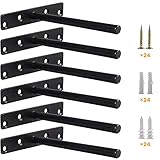
- Heavy-duty blind/hidden steel shelf brackets
- Tile mastic and non-sanded grout
- Curated display items (vibrant ceramic accents, wooden cutting boards, copper mugs)
Step-by-Step Directions
- Install your hidden steel brackets directly into the wall studs before tiling. Weight capacity is critical, as rustic spanish mediterranean kitchen design shelves hold heavy ceramics.
- Apply your tile mastic directly to the wall and back-butter each individual Zellige tile for maximum adhesion.
- Set the handmade tiles edge-to-edge without traditional plastic spacers. The natural imperfections and varying thicknesses of authentic Zellige dictate the grout lines naturally.
- Slide your heavy wood shelves onto the hidden steel posts once the grout has fully cured.
- Style your shelves using a mix of functional and beautiful items. Group items in odd numbers, layering tall wooden cutting boards in the back with stacks of handmade ceramic bowls and trailing plants in the front.
What most guides miss: Mastering zellige tile application means letting go of perfection. Because these tiles are hand-chiseled from Moroccan clay and pit-fired, they have chipped edges, pitting, and massive color variations. Emphasize these “flaws” by using a contrasting grout color; this uneven texture is exactly what gives an authentic mediterranean kitchen its soul.
7. Refinishing Distressed Wood Cabinets for Old-World Charm

Give builder-grade cabinets an instant old-world upgrade with this easy guide!
Refinishing distressed wood cabinets: Apply matte mineral paints and dark antiquing waxes to modern cabinetry to replicate the worn, historical patina of antique European furniture.
Executing budget mediterranean updates doesn’t mean sacrificing quality. Refinishing wood cabinets to create distressed wood cabinets mimics expensive antique finishes. Paired with carved wood details, transforming dark wood cabinetry into a matte, aged centerpiece completely shifts the room’s energy toward a traditional mediterranean kitchen.
Materials Needed
- High-quality liquid liquid deglosser
- Matte mineral or chalk-finish paint (in muted sage, deep ocean blue, or warm cream)
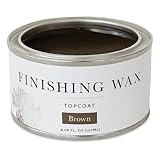
- Dark brown antiquing furniture wax
- Clear protective sealing wax
- Medium-grit flexible sanding sponges
- Round natural-bristle wax brushes
Step-by-Step Directions
- Clean and scrub all cabinet doors and frames with a liquid deglosser to strip away decades of kitchen grease and the modern glossy factory clear-coat.
- Paint two solid coats of your matte mineral paint, allowing full drying time between coats. Matte paint mimics the historic milk paints used in early European homes.
- Distress the cabinets gently using a medium-grit sanding sponge. Focus strictly on areas that would naturally wear over a century: the sharp corners, raised panel edges, and the area immediately surrounding the hardware.
- Apply a thin layer of clear wax to the entire door to act as a barrier.
- Antique the finish by working the dark brown wax into the corners, crevices, and distressed wood areas with a stiff round brush, immediately wiping away the excess. The dark pigment will settle into the recesses, creating instant age and rustic charm.
Expert insight: The biggest mistake DIYers make when refinishing wood cabinets is distressing random spots in the middle of a cabinet panel. Proven design techniques dictate that you must “logic distress”—only sand away paint where human hands, cleaning rags, or bumping chairs would have naturally worn the finish away over the last 100 years.
Key Takeaways: Your Quick Guide to Rustic Mediterranean Kitchen Ideas
Before diving into a massive renovation, let’s review a rustic mediterranean kitchen ideas summary to keep your mediterranean kitchen concepts organized. Achieving this timeless kitchen aesthetic relies entirely on prioritizing historical textures.
Key Takeaways:
- Embrace Authentic Textures over Perfection – The heart of a rustic mediterranean kitchen design lies in the imperfect, hand-crafted nature of materials like Zellige tile and unsealed terracotta, which add unparalleled character.
- Ground the Space with Thermal Mass – Utilizing terracotta floor tiles or natural limestone isn’t just aesthetic; these materials regulate temperature and provide the literal foundation of the old world charm.
- Integrate Organic Wall Finishes – Swapping flat, modern paint for a heavily textured tadelakt plaster finish or Venetian plaster instantly bridges the gap between indoor and outdoor living.
- Add Faux Architectural Weight – Installing exposed ceiling beams supported by heavy iron or wood corbels can make a brand-new, sterile kitchen feel centuries old.
- Hide Modern Appliances Gracefully – Achieving a true historical look requires masking stainless steel appliances, particularly by placing range hoods inside arched stone niches.
- Layer Heavy, Wrought Iron Details – Upgrading builder-grade lighting to heavy wrought iron lighting and layering with warm 2700K bulbs creates the essential, cozy evening ambiance.
- Master the Art of Antiquing – You don’t need custom cabinetry; using matte mineral paints and dark antiquing waxes can successfully replicate distressed wood cabinets on a strict budget.
FAQs About Rustic Mediterranean Kitchen Ideas
If you still have questions about rustic mediterranean kitchens, you aren’t alone. From understanding what colors are used in mediterranean kitchens to learning how to design a mediterranean kitchen on a budget, resolving these common uncertainties ensures your renovation stays historically accurate and functionally flawless.
What is the difference between Tuscan and Mediterranean style?
While both originate from Southern Europe, Tuscan style is heavier, ornate, and focuses heavily on dark woods, deep reds, gold accents, and intricate ironwork, whereas Mediterranean style is breezier, incorporating lighter coastal colors, airy whites, and more relaxed, organic textures.
Tuscan design often feels more formal and heavily layered. In contrast, an authentic mediterranean kitchen design leans into a relaxed, coastal + rural vibe, prioritizing raw, unpolished materials like whitewashed plaster, light terracotta, and vibrant sea-inspired tile accents over heavy ornamentation.
How do I design a Mediterranean kitchen on a budget?
The most effective way to design a Mediterranean kitchen on a budget is to focus on paint, hardware, and lighting rather than structural renovations; specifically by distressing your existing cabinets, swapping modern pulls for aged iron, and adding open wood shelving.
You can achieve budget mediterranean updates by applying a Roman clay or faux-plaster wash over existing drywall instead of installing expensive stone. Additionally, replacing a modern island pendant with an oversized, affordable wrought iron chandelier instantly shifts the room’s aesthetic focal point without requiring major demolition.
What colors are traditionally used in Mediterranean kitchens?
Traditional Mediterranean kitchens utilize a warm, earthy palette heavily inspired by nature, including warm terracotta, ochre yellow, deep olive green, oceanic blues, and creamy, sun-bleached whites.
These warm earthy tones reflect the natural landscape of the Mediterranean coast and countryside. The key is avoiding stark, cool-toned whites or modern grays. Instead, opt for heavily pigmented, warm neutrals for the plaster wall finish, allowing your vibrant hand-painted tiles and copper cookware to serve as the primary color pops.
Can I use white cabinets in a Mediterranean kitchen?
Yes, you can absolutely use white cabinets in a Mediterranean kitchen, provided you choose a warm, creamy white rather than a stark, cool, or glossy modern white.
A rustic mediterranean kitchen with white cabinets is highly authentic to coastal regions like Greece (Cycladic architecture) and Southern Italy. To keep the space feeling rustic rather than sterile, pair these warm white cabinets with heavy textured plaster walls, dark reclaimed wood beams, and a heavily patterned mosaic tile backsplash to ensure the room maintains essential visual warmth.
How do you maintain and clean terracotta kitchen floors?
To clean terracotta kitchen floors, sweep daily and mop weekly using a neutral, non-acidic stone cleaner mixed with warm water, completely avoiding harsh chemicals, bleach, or vinegar which will strip the protective sealant.
Because natural clay is incredibly porous, cleaning terracotta tiles effectively requires that they were properly sealed during installation. Remodeling best practices dictate re-applying a high-quality penetrating stone sealer every 2 to 3 years in high-traffic kitchen areas to prevent cooking oils and wine spills from permanently staining the floor’s thermal mass.
How do you mix rustic and modern Mediterranean styles?
To successfully mix rustic and modern Mediterranean styles, pair raw, highly textured architectural elements—like rough-hewn exposed beams and uneven stone walls—with sleek, minimalist integrated appliances, flat-front cabinetry, and clean-lined countertops.
This rustic vs modern mediterranean hybrid prevents the kitchen from feeling like a theme park recreation of the past. By allowing the “shell” of the room (floors, walls, ceilings) to carry the heavy organic textures, you can utilize modern, high-performance cooking technology seamlessly without compromising the overall timeless kitchen aesthetic.
What are the best Mediterranean backsplash ideas?
The best authentic Mediterranean backsplash ideas feature handmade Moroccan Zellige tiles, heavily patterned encaustic cement tiles, hand-painted Spanish Majolica tiles, or a solid slab of roughly honed natural limestone.
When exploring backsplash trends, moving away from standard subway tile is essential. Choosing a natural stone backsplash or uneven, glazed ceramics provides necessary depth. Authentic artisan sourcing ensures your tiles have the subtle color variations and chipped edges necessary to capture true old world charm against your stovetop.
Should I use a farmhouse sink in a Mediterranean kitchen?
Yes, a large apron-front or farmhouse sink is incredibly appropriate for a Mediterranean kitchen, especially if it is crafted from hammered copper, carved natural stone, or heavy fireclay rather than modern stainless steel.
Historically, communal wash basins were large, deep, and functional. An oversized farmhouse sink paired with an unlacquered brass bridge faucet naturally enhances the rustic kitchen themes. This deep basin design effortlessly balances the visual weight of thick natural stone surfaces and heavy reclaimed wood islands.
How do you balance stone and wood in kitchen design?
Balance stone and wood by utilizing the rule of opposites: if your floors are heavy stone or terracotta, use wood for the ceiling beams and island; if your floors are wood, feature stone heavily on the walls or range hood.
This stone + wood interplay is a fundamental interior design principle in Southern European homes. A successful rustic mediterranean interior design avoids letting one material dominate entirely. Breaking up a heavy limestone floor with warm distressed wood cabinets ensures the space feels cozy and grounded rather than cold and cavernous.
What type of lighting fits a rustic Mediterranean kitchen?
The ideal lighting for a Mediterranean kitchen includes heavy, forged wrought iron chandeliers, distressed copper dome pendants, antique brass lantern-style fixtures, and warm, ambient wall sconces to highlight textured plaster.
Avoid recessed “can” lights whenever possible, as they ruin historical authenticity. Instead, rely on layering warm lighting (2700K temperature) through multiple decorative fixtures. A large wrought iron chandelier acting as a central focal point above the island instantly roots the kitchen in the desired southern european style.
Final Thoughts on Rustic Mediterranean Kitchen Ideas
Transforming your space with authentic mediterranean kitchen inspiration is about much more than simply choosing a color palette; it is a commitment to celebrating raw materials, artisanal imperfections, and deep, historical warmth. Whether you are undertaking a massive structural renovation involving exposed ceiling beams and arched masonry, or simply updating a builder-grade space with distressed wood cabinets and wrought iron lighting, the guiding principle remains the same: prioritize texture and authenticity over modern perfection.
By stepping away from mass-produced, high-gloss finishes and leaning into the natural patina of terracotta floor tiles, hammered copper, and textured plaster walls, you create a timeless design elements that defies fleeting industry leading trends. This rustic mediterranean interior design approach ensures your kitchen isn’t just a place to cook, but a deeply inviting, soulful gathering space that bridges the gap between the relaxed coastal lifestyles of Southern Europe and your modern daily routines.
As you move forward with your home renovation planning into 2026, remember that you don’t have to tackle everything at once. Integrating modern appliances with just one or two of these historical elements—like a stunning Zellige tile backsplash or antique iron hardware—can dramatically shift the atmosphere of your room. Which of these authentic Mediterranean elements are you most excited to incorporate into your own kitchen design? Let us know in the comments below!
Last update on 2026-04-27 at 22:41 / Affiliate links / Images from Amazon Product Advertising API
