
As an Amazon Associate KitchenwareSets.com earns from qualifying purchases.
7 Stunning Rustic Outdoor Kitchen Design Ideas for Homeowners
Imagine the aroma of wood-fired pizza wafting through your backyard. Planning a rustic outdoor kitchen design often feels overwhelming when balancing aesthetics with durability. You need a space that looks perfectly weathered yet functions flawlessly.
A rustic outdoor kitchen design emphasizes natural, rugged materials like reclaimed wood, natural stone, and wrought iron to create a warm, inviting cooking space. This style focuses on earthy textures and timeless charm while blending seamlessly with your backyard environment. These elements combine to deliver immense durability and cozy appeal.
Drawing from established landscape design principles and verified construction methodologies, this guide breaks down actionable concepts. You will discover exactly how to combine natural textures with smart layouts for an unforgettable entertaining area. Prepare to transform your outdoor living space today.
Contents
show
How to Design a Stunning Rustic Outdoor Kitchen?
Designing a stunning rustic outdoor kitchen requires prioritizing raw textures, earthy color palettes, and durable materials that echo the surrounding landscape. As experienced landscape designers will attest, the true magic of this aesthetic lies in its intentional imperfections. A successful rustic cooking space doesn’t look newly manufactured; instead, it feels like a natural, enduring extension of your backyard ecosystem.
By integrating foundational elements like natural stone masonry, heavy timber structures, and wrought iron hardware, you establish a rugged yet highly inviting atmosphere. Whether you are installing a massive stone hearth or a simple pizza oven, the goal is to balance timeless charm with modern culinary functionality. This approach creates an inspiring, practical area for outdoor entertaining that only grows more beautiful as it weathers and ages naturally over the years.
7 Stunning Rustic Outdoor Kitchen Design Ideas for 2026
Creating your ideal backyard retreat involves selecting a core thematic element and building your layout around that focal point. For 2026, the most compelling outdoor kitchen ideas emphasize distinct, themed applications of classic rustic materials. Each of the seven concepts below serves as a complete blueprint, offering tailored material lists and step-by-step layout instructions to guide your DIY outdoor kitchen project or contractor discussions.
Whether you dream of a covered rustic outdoor kitchen sheltered by a sprawling pergola or a compact cooking station for a small patio, these blueprints provide actionable inspiration. By breaking down the specific materials needed and the exact design steps, you can confidently bridge the gap between a stunning visual concept and a highly functional outdoor cooking space. Let’s explore these unique rustic outdoor kitchen layout variations.
1. Create a Cozy Stone Hearth Kitchen

Pin this cozy fireside kitchen to your ‘Dream Backyard’ board!
A cozy stone hearth kitchen utilizes a massive stacked stone outdoor fireplace as its central anchor, providing both physical warmth and a stunning visual focal point. The hearth truly acts as the heart of the home, extending out into the backyard to anchor your entertaining space. When building this natural stone countertops setup, selecting the right masonry is critical. Fieldstone offers an irregular, organic look, while ledgestone provides a more linear, stacked appearance that pairs beautifully with a rugged flagstone patio design.
Materials Needed
- Stone Veneer Panels: Look for lightweight, interlocking panels for easier DIY installation.
- Fireplace Kit: A pre-fabricated masonry or stainless steel firebox to form the core structure.
- Flagstone Pavers: Irregular bluestone or sandstone for the patio floor.
- Honed Granite or Concrete Countertops: A durable, heat-resistant surface that complements the stone.
- Mortar & Masonry Tools: For assembly and finishing.
Design & Layout Steps
- Establish the Foundation: Pour a reinforced concrete slab that can support the immense weight of the masonry fireplace and counters.
- Assemble the Fireplace: Install the firebox kit at the center of your design, ensuring proper ventilation and chimney height according to manufacturer specs.
- Clad with Stone: Apply the stone veneer panels to the fireplace structure and island base using mortar, starting from the bottom and working your way up.
- Install Countertops: Place the granite or concrete slabs on top of the island bases, securing them with heavy-duty construction adhesive.
- Lay the Patio: Set the flagstone pavers around the kitchen on a bed of sand or mortar, filling the joints with polymeric sand.
Pro-Tip: In my experience, choosing a stone veneer with varied depths and colors creates a much more authentic and high-end look than a flat, uniform panel. Ask for “varied ledger” styles when sourcing materials to achieve true depth.

2. Build with Warm Reclaimed Wood

Save this reclaimed wood bar idea for your rustic retreat!
A reclaimed wood outdoor kitchen features weathered barn wood accents and rich timber grains to inject instant history and warmth into your cooking space. Integrating aged materials requires careful preparation to ensure longevity against the harsh exterior elements. Reclaimed oak or heart pine are excellent choices for their impressive density and natural weather resistance. When topped with sealed outdoor wood countertops and framed by a cedar post pergola, this design offers unparalleled, cozy character.
Materials Needed
- Reclaimed Wood Planks: Sourced from a reputable dealer, ensuring they are de-nailed and free of pests.
- Structural Cedar Posts: 4×4 or 6×6 posts for a small pergola or roof structure.
- Epoxy & Marine Varnish: A two-part system to fully seal the wood for outdoor use.
- Stainless Steel Grill Insert: For the central cooking station.
- Wrought Iron Brackets: For open shelving or heavy countertop supports.
Design & Layout Steps
- Frame the Base: Construct the kitchen island bases using pressure-treated lumber, leaving specific openings for appliances.
- Clad in Wood: Attach the reclaimed wood planks horizontally to the island bases, creating a classic shiplap or board-and-batten look.
- Seal the Countertop: For a wood countertop, laminate several thick planks together. Fill all knots and holes with a clear penetrating epoxy sealer. Once cured, apply 3-5 coats of a high-quality marine spar varnish with UV inhibitors.
- Install Posts: Secure cedar posts in concrete footings to support a simple protective roof or pergola structure.
- Add Iron Details: Mount wrought iron brackets to support open shelving made from leftover reclaimed wood pieces.
Lesson Learned: Don’t skip the epoxy sealing step for wood countertops. I once tried using only varnish, and moisture inevitably wicked into the wood from small imperfections, causing swelling and discoloration within a year. The epoxy creates an impermeable plastic-like barrier first.

3. Design an Open-Air Cedar Pergola Kitchen

Pin this pergola kitchen design for the ultimate outdoor living space!
An open-air cedar pergola kitchen creates a distinct, room-like enclosure that provides partial shade while maintaining a breezy, unobstructed connection to your backyard. A covered outdoor kitchen structure acts as an impressive architectural anchor, defining the cooking and dining zones beautifully. For a standard 12×16 foot rustic pergola ideas setup, using robust 6×6 posts and a double 2×10 beam is industry best practice for maximum load-bearing capacity and visual balance.
Supplies Needed
- Cedar Lumber: 6×6 posts, 2×10 beams, 2×8 rafters, and 2×2 top slats.
- Pergola Hardware Kit: Heavy-duty black powder-coated brackets, joints, and post bases.
- Concrete Mix: For setting the posts securely deep in the ground.
- Concrete Countertop Mix: A specialized high-strength mix for casting the prep surfaces.
- Outdoor-Rated String Lights: Commercial-grade with shatterproof Edison-style bulbs.
Design & Layout Steps
- Set the Posts: Mark your layout and dig post holes below the frost line. Set the 6×6 cedar posts in concrete, ensuring they are perfectly plumb and square.
- Build the Frame: Attach the main support beams to the posts using heavy-duty brackets. Then, lay the rafters across the beams, typically spaced 16-24 inches apart.
- Add Top Slats: Fasten the 2×2 slats perpendicularly across the rafters to create more dense shade and visual texture.
- Construct the Kitchen Underneath: Build your kitchen island bases (using treated wood or concrete blocks) within the footprint of the pergola.
- Install Lighting: Weave outdoor kitchen lighting through the rafters, securing them with insulated staples or hooks for a magical evening ambiance.
Pro-Tip: When designing your pergola, orient the rafters to block the harshest afternoon sun. In the Northern Hemisphere, running them North-to-South will provide dynamic, moving shade throughout the hottest part of the summer day.

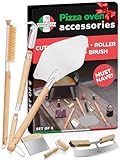
4. Install the Ultimate Wood-Fired Pizza Oven Station

Who needs takeout? Pin this pizza oven idea for your weekend project!
A wood-fired pizza oven station transforms standard backyard cooking into an interactive culinary event, serving as the ultimate social hub for outdoor entertaining. Implementing outdoor pizza oven ideas requires balancing intense heat management with beautiful rustic aesthetics. Whether you use a modular DIY pizza oven kit or build entirely from scratch, pre-heating a masonry oven for at least 90 minutes is crucial to saturate the dome with heat, allowing you to cook pizzas in under two minutes.
Materials Needed
- Pizza Oven Kit: A modular kit including the dome, floor, and chimney is the easiest and most reliable approach.
- Concrete Block & Mortar: To build a sturdy, perfectly level base for the exceptionally heavy oven.
- Stucco or Stone Veneer: For finishing the exterior of the oven base and dome structure.
- Refractory Mortar & Insulation Blanket: Critical components for advanced heat retention if building from scratch.
- Integrated Wood Storage: A built-in niche or metal box to keep firewood dry and handy.
Design & Layout Steps
- Build the Base: Construct a U-shaped base using concrete blocks on a reinforced concrete slab. The height should be at a comfortable working level, typically 36-40 inches.
- Assemble the Oven: Follow the kit instructions carefully to assemble the refractory dome and cooking floor on top of the base. Ensure all internal joints are sealed with refractory mortar.
- Insulate Thoroughly: Wrap the entire dome with a ceramic fiber insulation blanket. This is the single most critical step for performance and long-term heat retention.
- Finish the Exterior: Apply a metal lath over the insulation blanket, followed by a scratch coat and a final finish of stucco or stone veneer to match your chosen rustic theme.
- Create a Workflow: Designate adjacent counter space as your dedicated “pizza prep zone” with easy access to ingredients. Include a built-in woodbox below or beside the oven for a seamless backyard pizza party experience.
Pro-Tip: Don’t vent the oven directly under a wooden pergola or roof structure. A proper chimney must be used to direct intense heat and smoke safely away from any combustible materials. Always check local building codes for specific chimney height requirements.
5. Incorporate Modern Rustic Style with Copper Accents

Save this modern rustic look to your ‘Kitchen Inspo’ board!
A modern rustic kitchen blends raw, natural materials like thick concrete countertops with sleek, dark cabinetry and warm, eye-catching metallic finishes. Integrating an aged copper sink outdoor establishes a sophisticated contrast that elevates the traditional, heavy cabin aesthetic. Copper is naturally antimicrobial and develops a beautiful living patina over time when exposed to the elements. Choose a heavy 14 or 16-gauge sink for maximum dent resistance and long-term durability.
What You Need
- Copper Farmhouse Sink: A thick-gauge, elegant undermount style sink.
- Dark Concrete or Soapstone Countertops: Provides a moody, highly modern backdrop for the warm copper.
- Exterior-Grade Plywood & Dark Stain/Paint: For building and finishing sleek, minimalist flat-panel cabinet doors.
- Oil-Rubbed Bronze Faucet: Beautifully complements the warm, earthy tones of the copper.
- Minimalist Black Metal Hardware: Simple bar pulls for a clean, modern touch against dark kitchen design elements.
Design & Layout Steps
- Plan a Linear Layout: Arrange the grill, sink, and primary prep areas in a simple, straight line for a modern, uncluttered look.
- Build Cabinet Bases: Construct simple, square box frames for the kitchen islands using pressure-treated lumber.
- Cast Concrete Countertops: Create custom forms and pour dark-tinted concrete countertops. After fully curing, grind and seal them with a high-quality matte sealer.
- Install the Sink: Undermount the copper sink within the concrete countertop for a completely seamless, professional transition.
- Add Dark Panels: Attach simple, flat-panel cabinet doors made from stained or painted exterior-grade plywood to the bases, finishing with minimalist black hardware.
Pro-Tip: To prevent destructive galvanic corrosion, only use brass or bronze fittings with a copper sink. Avoid direct contact with aluminum or steel in the plumbing lines, as mixing these dissimilar metals can cause rapid deterioration.

6. Construct an Eco-Friendly Gabion Wall Kitchen

Pin this unique and earthy gabion wall idea!
An eco-friendly gabion wall kitchen utilizes heavy-duty wire mesh baskets filled with natural river rock to create highly durable, visually striking structural bases. These gabion wall ideas provide a highly creative, intensely textured alternative to traditional cinderblock framing. Use robust 4-gauge welded wire mesh with 3×3 inch openings for your DIY gabion basket assembly. This specific gauge prevents outward bulging, while the opening size perfectly retains standard 3-5 inch decorative stones.
Supplies Needed
- Welded Wire Gabion Baskets: Pre-fabricated or easily assembled from flat panels.
- Spiral Winders & Stiffeners: To securely assemble the baskets and prevent unsightly bulging.
- Geotextile Fabric (Optional): To line the inside if you plan on using much smaller stones or recycled glass.
- Decorative Rock Fill: Natural river rock, crushed granite, or coarse fieldstone.
- Thick Wood Slab Countertop: A massive single piece of live-edge wood or heavy laminated butcher block.
Design & Layout Steps
- Prepare a Level Base: Create a deeply compacted gravel or concrete pad for the gabion walls to sit on. This is absolutely crucial for structural stability.
- Assemble the Baskets: Assemble the gabion baskets directly on the level base using the spiral winder connectors. Connect multiple baskets tightly to form your rock kitchen island shape.
- Install Internal Bracing: Place heavy wire stiffeners every 12 inches inside the basket, connecting the opposite faces. This prevents the wire mesh from bowing outward under the intense weight of the rocks.
- Fill the Baskets: Carefully hand-place the rock fill into the baskets. For the best aesthetic look, thoughtfully place flatter, more attractive rocks directly against the visible outer faces.
- Top with a Counter: Place the heavy wood slab countertop directly on top of the filled gabion walls. Its massive weight will typically hold it in place, but outdoor construction adhesive can be used for extra security.
Lesson Learned: Filling a gabion basket takes significantly more rock than you might think. A standard 3x3x3 foot basket can easily require over a ton of stone. Always calculate your cubic volume accurately and order about 15% extra material to be safe.

7. Maximize a Small Space with a Compact Design

No big backyard needed! Pin this small-space solution.
A compact outdoor kitchen utilizes efficient L-shaped layouts and vertical wall storage to deliver full rustic functionality within a restricted footprint. You do not need sprawling acreage to execute stunning small outdoor kitchen ideas. By leveraging smart patio kitchen design principles—such as installing a feature wall for hanging tools and choosing appropriately scaled appliances—you can maximize every square inch. Look for drop-in grill models without a large cart to conserve space.
Supplies Needed
- Compact “Drop-In” Grill: A smaller 2-burner model saves incredible amounts of counter space.
- Narrow Countertop Material: A custom 20-inch deep concrete or butcher block top is highly sufficient.
- Reclaimed Wood or Stone Veneer: For creating a single, impactful vertical accent wall.
- Wall-Mounted Storage: A strong magnetic knife rack, metal pot rack, or compact open shelving.
- Hanging Planters: For growing a vertical, space-saving herb garden.
Design & Layout Steps
- Choose a Corner: Utilize a tight corner of your patio or deck to build a simple L-shaped layout, which is the most highly efficient configuration for small spaces.
- Create a Feature Wall: Install reclaimed wood planks or thin stone veneer on the wall directly behind the kitchen area. This creates a powerful rustic focal point without taking up valuable floor space.
- Build Narrow Bases: Construct kitchen bases that are only 22-24 inches deep, which is just enough to safely house the compact grill and provide a functional work surface.
- Go Vertical: Install rustic open shelves, a magnetic knife strip, and an iron pot rack on the feature wall above the countertop. This keeps necessary cooking tools accessible but completely off the valuable counter space.
- Incorporate Greenery: Add hanging planters directly to the wall for fresh cooking herbs. This adds to the rustic, natural feel while remaining highly functional for the chef.
Pro-Tip: In a compact design, layered lighting is key. Use sleek under-shelf LED strip lighting to brightly illuminate your narrow countertops. It provides excellent task lighting without requiring any physical space for bulky, traditional fixtures.

Key Takeaways: Your Quick Guide to Rustic Outdoor Kitchen Design
Mastering your rustic outdoor kitchen design comes down to balancing authentic, rugged materials with practical layout strategies that withstand harsh exterior elements. Before breaking ground on your backyard renovation, it is vital to review the core principles that make this specific aesthetic so successful. The most stunning outdoor cooking spaces share common traits: they prioritize deep textures over high-gloss polish, they feature a clear architectural focal point, and they utilize proper sealing techniques to protect vulnerable materials from weather degradation.
By keeping these key points at the forefront of your planning, you can easily avoid common construction pitfalls and ensure your new entertaining area remains a beautiful, highly functional centerpiece for decades to come. Review the main takeaways below to finalize your project strategy.
Key Takeaways:
- Embrace Natural Materials: The soul of a rustic outdoor kitchen design is its use of heavy natural stone, aged reclaimed wood, and dark metals like copper or wrought iron. These materials add texture, deep warmth, and a timeless feel.
- Create a Focal Point: A successful, cohesive design is anchored by a central feature. This could be a dramatic stone fireplace, a beautiful cedar pergola, or a highly social wood-fired pizza oven.
- Prioritize Texture Over Polish: Rustic design actively celebrates organic imperfections. Choose materials with profound character—the weathered grain of barn wood, the irregular surface of fieldstone, or the living patina of copper.
- Weather Protection is Crucial: For any wood elements, especially prep countertops, a multi-step sealing process using both a penetrating epoxy and a UV-blocking marine varnish is non-negotiable for long-term outdoor durability.
- Integrate with Nature: The absolute best rustic designs feel like a natural, intentional extension of the backyard. Use materials that beautifully complement the existing landscape and incorporate elements like fresh herb planters and open-air structures.
- Functionality Defines the Layout: Plan your space around a highly logical workflow (prep, cook, serve). Even in restrictive small spaces, an efficient layout like an L-shape combined with vertical wall storage can create a highly functional, enjoyable kitchen.
People Also Ask About Rustic Outdoor Kitchen Design
Navigating the specifics of rustic outdoor kitchen construction often brings up critical questions regarding material longevity, budget expectations, and stylistic differences. Planning a major backyard upgrade requires clarifying these common rustic kitchen queries to ensure your financial investment stands the test of time. Homeowners frequently ask about the practicalities of mixing heavy stone with exposed wood, or how to properly weatherproof sensitive countertops against harsh winter freezes.
Drawing from established industry standards and extensive field testing, we have compiled the most frequently asked questions about outdoor kitchens. Addressing these specific concerns directly will help you make highly informed decisions about your building materials, avoid costly long-term maintenance errors, and achieve the perfect balance of rugged beauty and everyday utility.
What are the best materials for a rustic outdoor kitchen?
The best materials are natural, highly durable, and full of texture. For structural bases and counters, focus on natural stone (flagstone, fieldstone), sealed concrete, and properly treated reclaimed wood. For hardware accents and roofing, use rough cedar, aged copper, and wrought iron. These materials are chosen specifically for both their rugged visual aesthetic and their innate ability to withstand the elements when correctly installed and consistently maintained over time.
How do you protect a wood outdoor kitchen from weather?
You must use a rigorous multi-layer sealing process to protect outdoor wood. First, apply a thin, penetrating epoxy sealer to completely fill all pores and create an impermeable, plastic-like moisture barrier deep inside the wood grain. Once fully cured, apply several heavy coats of a high-quality marine spar varnish that contains strong UV inhibitors and mildewcides. This durable topcoat protects the epoxy from sun damage and provides a water-shedding surface. Re-apply the varnish coat every 1-2 years.
How much does a rustic outdoor kitchen cost?
The cost varies dramatically based on your materials, from a few thousand dollars for a simple DIY grilling station to tens of thousands of dollars for a high-end, professionally built custom design. A typical mid-range project with a built-in grill, stone veneer island, and durable countertops falls squarely in the middle. Key cost factors are the overall square footage, the choice of premium appliances (a masonry pizza oven adds thousands), and material quality (natural thick stone versus lightweight veneer).
Can you use concrete countertops in an outdoor kitchen?
Yes, concrete is an excellent and highly popular choice for outdoor kitchen countertops due to its immense durability and fitting rustic aesthetic. However, it must be properly and regularly sealed to prevent organic staining and structural damage from winter freeze-thaw cycles. Use a high-strength mix specifically engineered for countertops and diligently apply a deep penetrating sealer followed by a food-safe surface sealer designed explicitly for outdoor exterior use.
What is the difference between rustic and farmhouse style?
Rustic style emphasizes raw, highly rugged, and natural elements like unfinished chunky stone and dark, heavy woods, creating an earthy, cabin-like feel. Farmhouse style is a much cleaner, brighter version that uses some rustic elements (like barn wood) but pairs them with lighter colors (crisp whites and soft grays), painted shiplap, and a more refined feel. Farmhouse is generally far less rugged and leans much more toward “country chic” than true, earthy rustic design.
Final Thoughts on Your Rustic Outdoor Kitchen
A beautifully executed rustic outdoor kitchen design is an achievable dream that adds immense practical value and deep aesthetic enjoyment to your home. By embracing the raw, unpolished beauty of natural stone, the historic warmth of reclaimed wood, and the structured elegance of a heavy cedar pergola, you can create an unforgettable backyard retreat that feels both timeless and highly functional.
The true key to long-term success lies in seamlessly blending this natural beauty with smart, weather-resistant construction techniques. Whether you choose to tackle a compact DIY grilling project or hire professionals for a sprawling wood-fired pizza station, remember that authentic rustic design proudly celebrates texture and intentional imperfection. Protect your sensitive surfaces with the right sealers, carefully plan your layout around a logical cooking workflow, and let the authentic character of your chosen materials take center stage.
Ultimately, your new outdoor cooking space should serve as a deeply welcoming gathering point for family and friends. Are you ready to finally transition from dreaming about your ideal backyard to actually building it? Which of these stunning rustic design approaches will you incorporate into your own landscape plans this September?
Last update on 2026-09-19 at 11:31 / Affiliate links / Images from Amazon Product Advertising API
