
As an Amazon Associate KitchenwareSets.com earns from qualifying purchases.
13 Stylish Small Covered Outdoor Kitchen Ideas for Compact Patios
Did a sudden downpour ruin your weekend family barbecue again? Dealing with limited patio space and unpredictable bad weather feels incredibly frustrating. You need practical small covered outdoor kitchen ideas today.
The best small covered outdoor kitchen ideas maximize limited space by utilizing modular L-shaped frames, weatherproof stainless steel cabinetry, and high-CFM vent hoods under pergolas or pavilions. By integrating built-in grills with space-saving under-counter storage, you can create a durable, fire-safe culinary island on any compact patio.
Drawing from comprehensive analysis of current building codes and proven structural methodologies, this guide reveals expertly verified layouts. You will discover actionable, space-saving designs tailored specifically for compact backyards. Prepare to transform your tight footprint into an incredible outdoor culinary oasis this August 2026.
Contents
show
13 Stylish Small Covered Outdoor Kitchen Ideas for Compact Patios
Compact outdoor kitchen designs require careful planning to transform limited square footage into a highly functional culinary paradise. When you plan, design, and build small modern outdoor kitchen designs with roof structures, you must consider both aesthetics and safety. Our comprehensive guide helps you navigate crucial decisions like balancing a tight budget with premium weather protection.
We will explore how integrated covered kitchens can withstand extreme weather while perfectly fitting small yards. By utilizing modular units and smart layouts, you can easily achieve a high-end look without needing massive yard space. Understanding vital concepts like combustible material clearance and proper ventilation ensures your DIY project remains legally compliant and structurally safe. Let us explore these thirteen specific layouts to find the perfect backyard solution for your home.
1. Build a Modular L-Shaped Corner Grill Station

Pin this space-saving corner kitchen layout to your Backyard Renovation board!
An L-shaped small covered outdoor kitchen maximizes tight patio corners by separating the cooking and prep zones efficiently. This smart outdoor kitchen layout keeps your essential culinary tools within arm’s reach while leaving the rest of your compact yard open. Clutter reduction becomes effortless when you integrate proper storage beneath the counters.
Materials Needed
- Modular galvanized steel L-shape island frame kit
- Weather-resistant cement board panels for cladding
- High-temperature construction adhesive and masonry screws
- Built-in grill insert (sized for compact 28-32 inch frames)
- Granite countertop slabs cut to exact corner dimensions
- Stainless steel under-counter storage doors
- Gas line connection hardware and safety valve
Step-by-Step Instructions
- Measure and mark your patio corner footprint, ensuring at least 36 inches of clearance from the front of the grill to any seating.
- Assemble the modular steel frame sections, bolting them together at a perfect 90-degree angle to form the L-shape.
- Mount the weather-resistant cement board to the framing using masonry screws, leaving precise cutouts for the grill and storage doors.
- Install the granite countertop slabs, securing them with heavy-duty construction adhesive and sealing the corner seam.
- Drop in the built-in grill and slide the stainless steel storage doors into their designated cutouts.
- Connect the gas line safely, ensuring the shut-off valve is easily accessible within the under-counter storage area.
Pro-Tip: When planning a corner unit under a patio cover, adhere strictly to combustible material clearance codes. A minimum of 36 inches from the grill hood to any combustible wall or pergola post is the standard to prevent heat damage.

2. Install a Freestanding Pergola Over a Compact Pizza Oven

Save this beautiful pergola and pizza oven setup for your next weekend DIY!
A freestanding pergola combined with a wood fire pizza oven creates a stunning, dedicated roofed bbq area without attaching to your home. This design complements modern architecture while providing adjustable weather protection. It is the perfect solution for specialty outdoor cooking appliances in tight spaces.
Materials Needed
- Small freestanding aluminum louvered pergola kit (e.g., 8×8 or 10×10)
- Heavy-duty concrete anchor bolts
- Portable or modular pizza oven (wood-fired or gas)
- High-heat resistant grill mat or stone base
- Weatherproof metal or concrete counter prep cart
- Laser level and power drill with masonry bits
- Fireproof chimney extension (if required by oven model)
Step-by-Step Instructions
- Measure the patio space to ensure the freestanding pergola legs will rest on a solid, level foundation, away from low-hanging tree branches.
- Assemble the top frame and louvered roof sections of the pergola on the ground according to the manufacturer’s instructions.
- Erect the structure by lifting the roof onto the supporting posts, requiring at least two people for safety.
- Anchor the pergola posts into the patio pavers or concrete slab using the masonry drill and heavy-duty anchor bolts for structural integrity.
- Position the prep cart directly under the open louvers and place the heat-resistant stone base on top.
- Mount the pizza oven onto the base and install the chimney extension so smoke is directed up and through the open pergola roof.
Pro-Tip: If comparing a pergola vs gazebo for your cooking station, a louvered pergola is superior for pizza ovens. It allows you to open the roof for immediate smoke ventilation while still offering rain protection when closed. Ensure your load-bearing paver base can support both the structure and the heavy oven.

3. Design a Weatherproof Linear Kitchenette Against a Retaining Wall

Don’t let a retaining wall go to waste—pin this linear kitchenette idea!
Building a linear outdoor kitchenette against an existing retaining wall perfectly anchors your patio and saves tremendous square footage. This straight-line design maximizes narrow yards by pushing all culinary activity to the perimeter. By using proper waterproofing techniques, you protect the structure from natural moisture and ground runoff.
Materials Needed
- Linear galvanized steel framing track
- Waterproof membrane and flashing tape
- Stainless steel weatherproof cabinetry modules
- Outdoor sink and compact gooseneck faucet
- Plumbing PVC pipes and drainage connectors
- Exterior-grade silicone sealant
- Wall-mounted cantilevered awning or canopy
Step-by-Step Instructions
- Design the linear footprint by marking a straight 6-to-8-foot line directly in front of the retaining wall.
- Waterproof the back side of the frame by applying a waterproof membrane and flashing tape where the kitchen structure meets the retaining wall to prevent rain runoff damage.
- Assemble the steel framing and slide the stainless steel cabinets into place, ensuring they are perfectly level.
- Mount the cantilevered awning securely to the retaining wall above the kitchen footprint to provide necessary shading and weather protection.
- Install the countertop and drop in the outdoor sink, sealing all edges with exterior-grade silicone.
- Connect the plumbing to your home’s main water line and route the drainage securely away from the retaining wall base.
Pro-Tip: When mixing metals in an outdoor wet zone, especially in coastal areas, be aware of galvanic corrosion. Always use identical metal types for screws, frames, and cabinets, or utilize rubber gaskets to separate dissimilar metals where the kitchen meets the retaining wall.

4. Construct a Budget-Friendly Cinder Block & Concrete Counter Oasis

Looking for an affordable weekend build? Pin this cinder block kitchen guide!
A cinder block base topped with a poured concrete countertop provides the ultimate budget-friendly, indestructible diy kitchen island. This rugged construction method eliminates the need for expensive professional steel framing. It withstands severe weather effortlessly while giving your patio a trendy, industrial aesthetic.
Materials Needed
- Standard 8x8x16 concrete cinder blocks
- High-strength masonry construction adhesive
- Melamine boards for concrete forms
- High-strength concrete mix and steel rebar grid
- Silicone caulk (for smoothing form edges)
- Drop-in charcoal or gas grill unit
- Food-safe outdoor concrete countertop sealer
Step-by-Step Instructions
- Plan the dimensions, ensuring the final cinder block base will comfortably hold the weight of your chosen grill.
- Build the base by dry-stacking the cinder blocks in an overlapping pattern, then glue them securely layer by layer with masonry adhesive.
- Construct the countertop mold using melamine boards, using silicone caulk in the inner corners to create smooth, rounded edges on the final concrete.
- Place the steel rebar grid inside the mold to reinforce the structure before pouring.
- Pour the high-strength concrete mix into the mold, vibrating the edges with a rubber mallet to release trapped air bubbles.
- Cure the concrete for 48 hours, remove the forms, carefully lift the top onto the cinder block base, and seal it heavily with a food-safe outdoor sealer.
Pro-Tip: To manage thermal expansion in countertops, leave a tiny 1/8-inch expansion gap between your drop-in grill and the concrete edge. Fill this gap with high-heat resistant silicone to prevent the concrete from cracking when the grill reaches maximum temperature.

5. Integrate an Under-Counter Refrigerator into a Stucco Bar Island

Keep your drinks cold and your patio stylish—pin this under-counter fridge setup!
Integrating an outdoor refrigerator into a stucco island creates a seamless outdoor bar area that saves massive amounts of space. By placing cold storage directly under your prep zone, you eliminate the need for bulky, freestanding coolers. This setup seamlessly blends entertainment seating with practical utility.
Materials Needed
- Outdoor rated refrigeration unit (front-venting is crucial)
- Concrete blocks or steel frame for the island structure
- Scratch coat mortar and exterior stucco finish mix
- Trowel and masonry float
- Stainless steel ventilation louvers/panels
- Weatherproof exterior electrical box and wiring
- Solid surface countertop (quartz or sealed granite)
Step-by-Step Instructions
- Frame the island base, ensuring the cutout for the refrigerator is exactly 1/2 inch wider and taller than the appliance specifications.
- Install a weatherproof electrical box inside the island cavity, wired directly to a dedicated GFCI-protected circuit by a licensed electrician.
- Apply the scratch coat of mortar over the island frame, let it dry, then trowel on the final smooth or textured exterior stucco layer.
- Mount stainless steel ventilation panels into the stucco base on either side of the fridge cavity to allow cross-airflow.
- Mount the solid surface countertop, providing a 12-inch overhang on the opposite side to accommodate bar stools.
- Slide the under-counter refrigerator into place, plug it in, and adjust the leveling feet so the door closes seamlessly.
Pro-Tip: Never use a standard indoor mini-fridge outside, even under a cover. Outdoor rated refrigeration units feature upgraded compressors capable of handling ambient temperature swings, and they must be front-venting to prevent overheating when built into a stucco island.

6. Mount a Space-Saving Floating Prep Station Under a Flat Roof

Zero floor space? No problem. Pin this floating prep station idea!
A floating prep station creates a highly functional, minimalist work zone that requires absolutely zero floor space. By utilizing your home’s exterior wall beneath a flat roof overhang, you gain a dedicated chopping and mixing area. This space-saving design is vital for condo balconies and tiny townhouse yards.
Materials Needed
- Solid wood butcher block countertop (minimum 1.5 inches thick)
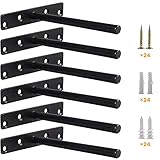
- Heavy-duty concealed floating shelf brackets (rated for 300+ lbs)
- Marine-grade polyurethane wood sealer
- Sandpaper (120 and 220 grit)
- Heavy-duty lag bolts
- Stud finder and masonry/wood drill bits
- Level and tape measure
Step-by-Step Instructions
- Sand the butcher block completely smooth, wiping away all dust with a tack cloth.
- Seal the block with at least three coats of marine-grade polyurethane, letting it dry and lightly sanding between coats to ensure total weather protection.
- Locate the structural wall studs on your patio exterior wall using a stud finder, marking a comfortable standing prep height (usually 36 inches).
- Drill pilot holes directly into the center of the studs and securely mount the heavy-duty brackets using lag bolts.
- Measure and drill corresponding recessed holes into the back edge of the sealed butcher block.
- Mount the block by sliding it onto the concealed brackets, applying a bead of silicone caulk at the wall seam to prevent water intrusion.
Pro-Tip: If mounting to a brick or masonry exterior wall, standard wood lag bolts will fail. You must use expanding masonry anchors or epoxy-set bolts to guarantee the structural integrity required to safely hold the weight of food, heavy appliances, and leaning bodies.
7. Set Up a Rustic Wood-Fired BBQ Area with a Galvanized Tin Roof

Bring the smokehouse to your small yard—pin this rustic BBQ shelter!
A rustic wood-fired setup under a pitched galvanized tin roof creates a dedicated smokehouse zone that handles extreme heat easily. This covered bbq area design protects your offset smoker from rain while solving the difficult smoke ventilation problem naturally. It gives your backyard authentic, rugged charm without breaking the bank.
Materials Needed
- Rough-sawn timber posts (4×4 or 6×6)
- Galvanized corrugated metal roofing panels
- Exterior roofing screws with rubber washers
- Quick-setting concrete for post holes
- Heavy-duty timber structural brackets
- Offset charcoal or wood smoker
- High-heat flat black spray paint (for touch-ups)
Step-by-Step Instructions
- Design the footprint, ensuring the roof will extend at least 2 feet beyond the smoker on all sides to protect the firebox from rain.
- Dig post holes below the frost line and set the timber posts in quick-setting concrete, ensuring the front posts are taller than the back to create a pitched roof.
- Frame the roof by attaching cross-beams to the timber posts using heavy-duty structural brackets.
- Mount the galvanized tin panels horizontally across the beams, overlapping each ridge and securing them with rubber-washer roofing screws to prevent leaks.
- Position the smoker beneath the roof, ensuring the exhaust stack aligns with the highest point of the roof pitch for optimal smoke ventilation.
- Seal the base of the timber posts with a wood preservative to protect against ground moisture and rot.
Pro-Tip: When building a solid roof over a heavy smoke-producing appliance, rely on the “lean-to” pitch method. Pitching the roof upward and away from your home’s exterior wall ensures that heavy barbecue smoke follows the natural airflow upward and outward, bypassing the need for an expensive powered vent hood.

8. Assemble a Pre-Fabricated Stainless Steel Modular Kitchenette

Want a luxury look with minimal effort? Pin this modular stainless setup!
A pre-fabricated stainless steel modular kitchenette delivers a modern, luxury aesthetic while completely bypassing stressful construction headaches. These turnkey modular small outdoor kitchens are incredibly durable, easily cleanable, and perfectly sized for patios. They provide an entire outdoor appliance suite without the cost of a custom masonry build.
Materials Needed
- Pre-fabricated stainless steel modular cabinet bases
- Adjustable cabinet leveling feet
- Module connection bolts and hardware kit
- Matching stainless steel or stone countertop modules
- Drop-in gas grill and side burner unit
- Allen wrenches and standard socket set
- Stainless steel polish and microfiber cloths
Step-by-Step Instructions
- Measure your patio footprint to ensure the pre-fabricated modules will fit seamlessly under your existing roof cover.
- Unbox the cabinet modules near the installation site, taking care not to scratch the brushed steel surfaces.
- Level each cabinet base individually by adjusting the threaded leveling feet, compensating for the natural slope of your patio drainage.
- Assemble the island by bolting the side panels of the cabinets together using the provided connection hardware until the structure is rigid.
- Mount the countertop modules onto the secured bases, locking them in place.
- Install the drop-in grill and side burners, connect the gas supply, and finish by wiping down the entire suite with stainless steel polish for easy cleaning.
Pro-Tip: When debating modular vs custom, modular stainless steel kits are vastly superior for renters or those who may move in the future. They can be unbolted and transported. However, if you live in a coastal area with high salt air, consider high-density polyethylene cabinets instead of steel to completely eliminate rust concerns.

9. Create a Balcony-Friendly Electric Grill Station with Weatherproof Cabinetry

Apartment living? Pin this space-saving, fire-safe balcony grill setup!
A compact electric grill mounted on a rolling weatherproof cabinet creates a 100% fire-safe cooking zone perfect for restricted townhome patios. This highly portable setup resolves strict HOA regulations against open flames while fitting into the tightest footprints. It delivers exceptional grilling power without violating local heat safety guidelines.
Materials Needed
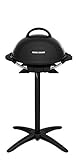
- High-performance outdoor electric grill
- Compact, weatherproof resin or steel rolling cart
- Heavy-duty outdoor-rated extension cord (if necessary)
- Cord management clips and raceways
- Silicone heat-resistant grill mat
- Magnetic spice racks (to attach to the cart)
- Fitted waterproof grill and cart cover
Step-by-Step Instructions
- Measure the balcony space, ensuring the cart will not block egress paths or balcony doors.
- Assemble the rolling weatherproof cart, locking the casters in place once positioned in the desired corner.
- Place the heat-resistant grill mat under the cart to protect your balcony flooring from accidental grease splatters.
- Mount the electric grill onto the cart’s surface, ensuring it is bolted down or securely seated in the cart’s grooves.
- Route the electrical cord safely along the baseboards using cord management clips to prevent tripping hazards.
- Organize your tools and spices inside the cart’s enclosed storage, and cover the entire unit when not in use to protect it from wind and rain.
Pro-Tip: Most multi-family building codes and HOAs strictly prohibit gas or charcoal grills on covered balconies due to fire hazards. A high-voltage outdoor electric grill provides the sear you want while keeping you 100% compliant with local fire safety standards.
10. Design a U-Shaped Covered Cooking Zone for Ultimate Efficiency

Maximize every square inch of your patio—pin this highly efficient U-shaped kitchen layout!
A U-shaped outdoor food prep area creates the ultimate professional-grade workflow within an incredibly condensed square footage. By wrapping the counters around the chef, you perfectly optimize your backyard kitchen plans. This setup allows seamless transitions between the prep, cook, and wash zones without taking up unnecessary lawn space.
Materials Needed
- U-shaped framing kit (steel or aluminum)
- Weather-resistant cladding (stone veneer or stucco)
- Granite countertops (custom cut)
- Drop-in gas grill (The “Hot” Zone)
- Drop-in outdoor sink (The “Wet” Zone)
- Trash/Recycling pull-out drawer
- Plumbing and gas line extensions
Step-by-Step Instructions
- Measure a 6×6 or 8×8 foot square on your patio, marking the exact footprint where the three sides of the U-shape will sit.
- Assemble the frame, leaving a minimum 36-inch walking path inside the “U” so you can pivot comfortably without feeling cramped.
- Designate your zones: install the grill on the left, the sink on the right, and leave the center section completely open for a dedicated prep area.
- Install the cladding and countertops, ensuring the corners are properly seamed and sealed.
- Drop in the appliances and the pull-out trash drawer directly below the main prep counter for immediate waste disposal.
- Connect the plumbing and gas utilities, ensuring they run neatly through the interior cabinet cavities.
Pro-Tip: The secret to a small U-shaped kitchen is maintaining the classic “kitchen work triangle.” Keep the sink, grill, and under-counter fridge equidistant from each other. Ensure your safety clearance requirements are met by keeping the grill at least 24 inches away from the sink to prevent water from splashing onto hot cast iron.

11. Combine a Fire Pit and Kamado Grill Under a Custom Pavilion
Combine warmth and flavor—pin this Kamado grill and fire pit pavilion!
Pairing a built-in Kamado grill with a sleek fire pit under a high-vaulted pavilion creates a cozy, year-round backyard culinary island. This specific layout anchors your patio by seamlessly blending a high-end smoker station with an inviting entertainment lounge. It is ideal for homeowners wanting multi-season usability.
Materials Needed
- Pre-cut wooden pavilion kit with high vaulted ceiling
- Ceramic Kamado grill (dome style)
- Kamado-specific metal cradle/nest for built-in mounting
- Smokeless gas or wood fire pit insert
- Non-porous stone countertops (like Quartzite)
- Fireproof grill mat
- Heavy-duty landscaping adhesive
Step-by-Step Instructions
- Construct the pavilion over your chosen patio space, ensuring the vaulted ceiling is high enough (at least 10 feet) to disperse smoke safely.
- Build the island base for the Kamado grill, leaving a perfectly sized circular cutout in the center for the grill to drop into.
- Mount the Kamado cradle securely inside the cutout, then carefully lower the heavy ceramic grill into place (requires at least two strong adults).
- Install the non-porous stone countertops around the grill, sealing the edges tightly.
- Position the fire pit 4 to 6 feet away from the grill island to create a distinct lounging zone that remains safely out of the cook’s way.
- Connect the gas line to the fire pit (if applicable) and lay the fireproof mat beneath the Kamado’s bottom vent to catch rogue embers.
Pro-Tip: When integrating a messy charcoal appliance next to a pristine lounging area, non-porous stone selection is critical. Avoid porous materials like limestone or slate on the floor or counters; they will absorb charcoal dust and grease permanently. Stick to glazed porcelain tiles, quartzite, or heavily sealed concrete.

12. Build a Compact Outdoor Bar with Integrated Drop-In Cooler
No room for a fridge? Pin this clever drop-in cooler bar design!
A compact outdoor bar area featuring an integrated drop-in cooler provides a budget-friendly beverage station without complex electrical wiring. This clever setup maximizes vertical space by keeping the ice chest flush with the counter. It acts as an excellent standalone entertainment zone for tiny spaces.
Materials Needed
- Treated lumber or aluminum framing for bar base
- Solid teak or sealed concrete countertop
- Stainless steel insulated drop-in ice chest/cooler
- Jigsaw with fine-tooth blade
- Clear silicone sealant
- Plastic drainage tubing and hose clamp
- Exterior-grade wood stain or paint
Step-by-Step Instructions
- Frame a narrow, counter-height bar island (typically 42 inches high and 18-24 inches deep).
- Measure the exact internal dimensions of your stainless steel drop-in cooler and trace this outline onto your countertop.
- Cut the hole using a jigsaw, ensuring the cuts are perfectly straight so the cooler’s lip sits flush against the counter.
- Drop in the cooler, apply a thick bead of silicone sealant under the lip, and press firmly to create a watertight seal.
- Attach the plastic drainage tubing to the cooler’s bottom drain plug using a hose clamp.
- Route the drainage tube down through the cabinet base and out into a nearby garden bed or patio drain to prevent water from pooling on your deck.
Pro-Tip: An integrated drop-in ice chest is significantly cheaper than an outdoor-rated refrigerator and requires zero electricity. However, the secret to longevity is drainage. Never let the ice melt drain directly onto a wooden deck, as this constant moisture will cause rapid wood rot and structural failure.

13. Install a Sleek Minimalist Stone Kitchen with a High-CFM Vent Hood
Cooking under a solid patio roof? Pin this essential vent hood guide!
A minimalist stone kitchen paired with a high-CFM vent hood ensures heavy-duty cooking under an enclosed patio roof remains completely smoke-free. This crucial setup directly addresses the dangerous smoke ventilation problem associated with integrated covered kitchens. It guarantees your sleek, modern finishes won’t be ruined by greasy soot stains.
Materials Needed
- High-CFM outdoor-rated vent hood (minimum 1200 CFM)
- Rigid stainless steel ducting
- Smooth stone cladding panels
- High-BTU built-in gas grill
- Roof flashing kit and exhaust cap
- Stud finder and heavy-duty ceiling mounting hardware
- Professional HVAC tape
Step-by-Step Instructions
- Calculate the size of the vent hood required; it must extend at least 3 inches past the edges of your grill on both sides to capture all billowing smoke.
- Mount the vent hood securely to the patio ceiling joists directly above the grill, ensuring the bottom edge sits exactly 36 inches above the cooking surface.
- Assemble the rigid steel ducting, running it straight up from the hood and through the patio roof.
- Seal the roof penetration point using the roof flashing kit and exterior-grade caulking to ensure absolute waterproofing.
- Install the exhaust cap on top of the roof to prevent rain and rodents from entering the duct.
- Tape all duct joints with professional HVAC tape to ensure maximum suction efficiency.
Pro-Tip: A common amateur mistake is installing an indoor kitchen hood outside. Outdoor grills have massive BTU output for outdoor burners. To calculate your CFM requirements for vent hoods, take your grill’s total BTUs and divide by 100. A 100,000 BTU grill requires a minimum 1,000 CFM outdoor-rated hood to safely extract smoke from an enclosed covered patio.

Key Takeaways: Your Quick Guide to Small Covered Outdoor Kitchen Ideas
Synthesizing all these small covered outdoor kitchen ideas into actionable steps is crucial for planning your backyard transformation. Before you measure your patio, reviewing this outdoor kitchen layout summary will ensure you don’t overlook critical safety protocols. From proper ventilation to understanding durable materials, these fundamental principles form the backbone of all successful compact outdoor kitchen designs. Keeping these key points in mind will save you time, money, and structural headaches.
Key Takeaways:
- Prioritize High-CFM Ventilation for Safety: Under solid patio covers, you must install an outdoor-rated vent hood (minimum 1000 CFM) to manage the massive BTU output for outdoor burners and prevent dangerous smoke buildup.
- Maximize Space with U-Shaped and L-Shaped Layouts: These compact outdoor kitchen designs create highly efficient work triangles, allowing you to integrate prep, cook, and wash zones into footprints as small as 6×6 feet.
- Observe Combustible Material Clearance Codes: Always maintain a strict 36-inch clearance between hot appliances and any combustible wood frames, pergolas, or home siding to adhere to fire safety standards.
- Utilize Modular Stainless Steel for Quick Builds: If you lack construction experience, pre-fabricated modular small outdoor kitchens save time, resist rust, and bypass complex framing and masonry work.
- Invest in True Outdoor-Rated Appliances: Never use indoor mini-fridges outside. Front-venting outdoor rated refrigeration is required to survive ambient temperature swings without overheating inside stucco or stone islands.
- Implement Proper Drainage for Wet Zones: Whether installing an outdoor sink or a drop-in cooler, ensure plumbing is routed away from retaining walls and wooden decking to prevent rot and structural failure.
People Also Ask About Small Covered Outdoor Kitchen Ideas
Navigating local building codes, calculating home renovation costs, and choosing the right weather-resistant materials can feel overwhelming when finalizing your backyard kitchen plans. Homeowners often face conflicting advice regarding ventilation, appliances, and layout dimensions. Let us address the most common questions about building your compact outdoor kitchen with factual, code-compliant answers.
How much does a small covered outdoor kitchen cost?
A small covered outdoor kitchen typically costs between $3,000 and $10,000, depending on materials and appliance choices. If you opt for budget-friendly cinder blocks, concrete counters, and a DIY pergola, you can keep costs closer to $3,000. However, choosing pre-fabricated modular stainless steel cabinets, granite countertops, and hiring contractors for gas line installation will quickly push the budget toward the $10,000 mark.
What is the best roof for an outdoor kitchen?
The best roof for an outdoor kitchen is a louvered aluminum pergola because it offers adjustable weather protection and natural smoke ventilation. When the louvers are open, smoke from heavy cooking escapes effortlessly. When closed, it provides complete waterproof protection for your appliances. For a more rustic, budget-friendly alternative, a pitched galvanized tin roof also provides excellent rain protection while allowing cross-breeze ventilation.
Can you put a grill under a covered patio?
Yes, you can put a grill under a covered patio, but you must strictly adhere to fire safety standards and ventilation requirements. You must maintain at least 36 inches of clearance between the grill and any combustible materials. Furthermore, if the patio has a solid ceiling, you must install a high-CFM outdoor vent hood to exhaust carbon monoxide and heavy grease smoke safely away from the seating area.
How to ventilate a covered outdoor kitchen?
To properly ventilate a covered outdoor kitchen, install a dedicated outdoor-rated vent hood directly above the grill. The hood should extend 3 inches past the grill’s edges and pull a minimum of 1,000 to 1,200 CFM (Cubic Feet per Minute) depending on the grill’s BTU output. Duct the exhaust straight up through the roof or out the side wall to prevent dangerous smoke and soot accumulation.
Is a permit required for a covered outdoor kitchen?
Yes, in most municipalities, a permit is required if your outdoor kitchen involves structural roofing, electrical wiring, or new plumbing and gas lines. While a freestanding grill on a patio does not require a permit, building a permanent structure like a pavilion, running a 220V electrical line, or tapping into your home’s natural gas line legally requires a certified contractor to pull permits and pass local building code inspections.
How to maximize space in a small outdoor kitchen?
You can maximize space in a small outdoor kitchen by utilizing U-shaped or L-shaped layouts, integrating under-counter storage, and using multi-functional appliances. Install floating prep stations against exterior walls to free up floor space, and choose a drop-in cooler or under-counter refrigerator instead of bulky freestanding units. Keeping the “kitchen work triangle” tight ensures high efficiency in a limited footprint.
What are the best materials for outdoor cabinets?
The best materials for outdoor cabinets are 304-grade stainless steel, high-density polyethylene (HDPE), and masonry (cinder block or stone). Stainless steel is highly durable and rust-resistant, making it a premium choice. HDPE offers the look of wood but is completely waterproof and won’t warp or rot. Masonry is virtually indestructible and provides a highly customizable, permanent foundation for extreme weather climates.
Can I use indoor cabinets outside?
No, you should never use indoor cabinets for an outdoor kitchen, even if they are placed under a covered patio. Indoor cabinets are typically made of MDF, particleboard, or standard wood, which will rapidly swell, warp, and rot when exposed to outdoor humidity and temperature fluctuations. Always invest in weatherproof cabinetry specifically engineered to withstand exterior environmental conditions.
How to protect an outdoor kitchen from wind?
Protect your outdoor kitchen from wind by positioning the cooking station against an existing structural wall, installing windbreak screens, or planting dense privacy hedges. If your grill is exposed, sudden wind gusts can blow out the flame or push dangerous heat toward combustible surfaces. Consider adding drop-down weatherproof shades to your pergola to act as a physical shield on particularly windy days.
Do outdoor kitchens add home value?
Yes, a well-built outdoor kitchen can yield an ROI (Return on Investment) of 50% to 100%, significantly increasing overall home value. Appraisers and homebuyers view covered outdoor kitchens as premium luxury additions that expand the usable living space of the home. Features like built-in gas grills, durable stone counters, and permanent weather protection offer the highest return on investment when it comes time to sell.
Final Thoughts on Small Covered Outdoor Kitchen Ideas
Transforming a compact patio into a highly functional culinary oasis is entirely possible when you prioritize smart layouts and durable materials. Whether you decide to build a budget-friendly cinder block island or invest in a sleek, modular small outdoor kitchen, the key to success lies in optimizing your available square footage. By choosing L-shaped or U-shaped configurations and utilizing vertical space with floating shelves, you can easily overcome the challenges of a tight footprint without sacrificing style or utility.
However, as you move from inspiration to execution, remember that safety and longevity must remain your top priorities. Always adhere to fire safety standards by maintaining proper combustible clearances and investing in high-CFM ventilation if you are cooking under a solid roof. Select true weatherproof outdoor kitchens materials like 304 stainless steel, high-density polyethylene, or sealed concrete to ensure your investment survives the elements year after year. For complex utilities like gas lines and dedicated electrical circuits, never hesitate to hire a licensed electrician or plumber to ensure your setup meets local building codes.
With these thirteen amazing layout ideas serving as your structural blueprint, you are fully prepared to build an incredible open-air dining experience right in your own backyard. What was once just a cramped patio can become your family’s favorite gathering spot.
Which of these space-saving layouts are you planning to incorporate into your patio renovation first? Let us know your thoughts in the comments below!
Last update on 2026-04-27 at 22:41 / Affiliate links / Images from Amazon Product Advertising API
