
As an Amazon Associate KitchenwareSets.com earns from qualifying purchases.
Moody Kitchen Apartment: 11 Chic Ideas for Compact Living
Ever feel like your apartment kitchen is just… functional, but completely devoid of personality? Transforming a compact cooking space into a sophisticated, inviting haven can seem impossible, especially with limited light and design constraints. But what if we told you a moody kitchen apartment aesthetic could be your secret weapon?
A moody kitchen apartment is defined by a sophisticated design aesthetic utilizing rich, deep color palettes—such as midnight blue, forest green, or matte black—to create a cozy, intimate, and often dramatic atmosphere within a compact living space. This look often incorporates layered, warm lighting and sophisticated materials to maximize depth and perceived luxury despite size limitations. Drawing from comprehensive analysis of current data and proven design principles, we’ll explore how to achieve this captivating style. The moody kitchen apartment concept leverages deep colors not to constrict, but to create an immediate sense of depth and refined character. You’ll discover 11 chic, practical ideas tailored for compact living, transforming your uninspiring apartment kitchen into a truly unique and sophisticated culinary area.
Contents
show
11 Chic Moody Kitchen Apartment Ideas for Compact Living
1. Transform Existing Cabinetry with Deep-Hued Paint

Pin this genius hack to your ‘Dream Kitchen’ board!
Transforming existing cabinetry is a cornerstone of the moody kitchen apartment aesthetic. A fresh coat of deep-hued paint on your cabinets instantly elevates the space, making a dramatic impact without extensive renovation. This budget-friendly moody kitchen update for apartment dwellers uses rich color palette kitchen tones to redefine the kitchen’s character, effectively turning outdated cabinetry into a sophisticated focal point. The paint itself acts as a tool, enabling the transformation.
Supplies Needed
- Primer (e.g., high-adhesion bonding primer)
- Deep-hued paint (e.g., Midnight Blue or Forest Green, low VOC, satin finish)
- Deglosser or liquid sandpaper (essential for existing finishes)
- Angled paintbrush and high-density foam roller kit
- Protective sheeting and high-quality painter’s tape
- Safety gear (gloves, mask)
Step-by-Step Directions
- Prepare Surfaces: Completely empty and remove all cabinet doors, drawers, and hardware. Clean all surfaces thoroughly using degreaser, then apply liquid sandpaper for optimal adhesion.
- Apply Primer: Apply one thin, even coat of high-adhesion primer to all surfaces. Allow to dry completely (check manufacturer’s specifications).
- Paint the Cabinets: Use the foam roller for flat surfaces and the angled brush for trim. Apply 2-3 thin coats of the deep-hued paint, allowing full drying time between layers.
- Cure and Reassemble: Allow the paint to fully cure (this can take several days or weeks depending on the paint type) before re-installing doors and new hardware.
Pro-Tip: In small kitchens, matte black paint can feel heavy. Opt for rich, deep colors like dark teal or emerald green to achieve the same sophisticated atmosphere while adding a unique character and integrating a subtle biophilic design element.

2. Implement Layered, Warm Lighting Design

Pin this moody lighting guide to your ‘Apartment Upgrade’ board!
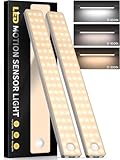
Dark designs, like those found in a moody kitchen, require thoughtful lighting to avoid feeling like a dark kitchen too dim. Implementing layered, warm lighting is the solution to create a cozy inviting atmosphere. This atmospheric lighting design uses a combination of task, ambient, and accent lighting to highlight the rich color palette and add depth, rather than making the space gloomy.
Supplies Needed
- Warm LED strip lights (battery-operated or plug-in, 2700K color temperature)
- Small wall sconces or picture lights (for accent lighting)
- Smart plugs or dimmers (optional, for controlling ambiance)
- Cable management clips or Command strips
Step-by-Step Directions
- Define Task Zones: Identify areas needing task lighting (prep counter, stove). Measure and apply warm LED strips beneath upper cabinets or shelving.
- Add Ambient Light: Use ceiling fixtures with low-glare, diffused bulbs. For open concept kitchens, ensure the kitchen lighting integrates with living room fixtures.
- Incorporate Accent Lighting: Place small, battery-operated picture lights above key focal points like artwork or open shelving to create dramatic highlights.
- Control the Mood: Utilize smart plugs or dimmer switches to easily adjust the light intensity and achieve the desired atmospheric ambiance.
Pro-Tip: Proper lighting temperature is critical. Use bulbs rated between 2700K and 3000K (Warm White) exclusively. Anything higher (4000K+) will introduce blue tones, making your deep colors look flat and your space feel institutional rather than intimate.
3. Maximize Vertical Storage with Dark Open Shelving

Pin this space-saving solution to your ‘Small Kitchen Hacks’ board!
Overcoming limited space kitchen solutions is crucial in an apartment. Vertical storage apartment solutions, such as dark open shelving, maximize vertical space and offer both functional storage and aesthetic display opportunities. Drawing from industrial moody kitchen inspiration, these shelves allow you to keep essentials close at hand while contributing to the overall dark kitchen apartment design. Proper installation, as detailed in a professional installation guide, is essential for safety and durability.
Tools Required
- Floating or pipe shelving kit (matte black or dark wood)
- Stud finder, level, and pencil
- Power drill and appropriate mounting hardware (heavy-duty preferred)
- Measuring tape
Step-by-Step Directions
- Determine Placement: Map the shelving location, ensuring at least one shelf aligns with a wall stud for maximum stability, optimizing vertical space above the counter.
- Mark and Drill: Use the level to mark precise drilling points. Drill pilot holes and secure the shelf brackets/hardware firmly to the wall.
- Mount Shelving: Attach the shelves to the hardware. Ensure they are level and secure before loading.
- Style the Mood: Use the shelves for functional items (dark ceramic bowls, glassware) and decorative elements (small artwork, plants) that complement the deep tones.
Pro-Tip: To ensure the shelving contributes positively to the aesthetic, limit visible items to essential, cohesive elements, maintaining a minimalist moody design and preventing the small kitchen from feeling small due to clutter.

4. Create Impact with a Dark, Textured Backsplash

Pin this unique backsplash idea to your ‘Kitchen Inspiration’ board!
A backsplash is a key focal point that can drastically define a small space, providing essential dramatic kitchen decor. Unique moody kitchen backsplash ideas for small spaces often involve dark, textured materials that add visual interest and depth. For renters, high-quality peel-and-stick options offer a transformative, low-commitment solution. Expert material selection is crucial, ensuring durable material specifications that enhance the refined material choices of your apartment kitchen.
Supplies Needed
- High-quality peel and stick textured backsplash (e.g., slate, dark metallic, or matte subway)
- Utility knife and straight edge
- Level and measuring tape
- Grout pen (optional, for enhancing tile look)
Step-by-Step Directions
- Clean and Prepare: Thoroughly clean the existing wall surface, ensuring it is dry and grease-free. Mark a level reference line on the wall.
- Measure and Cut: Measure the area and cut the peel-and-stick sheets precisely using a straight edge and utility knife.
- Apply the Backsplash: Starting from the bottom corner, slowly peel the backing and align the sheet with your reference line. Press firmly, smoothing out any air bubbles as you go.
- Finish and Seal: Use a grout pen if desired to define the ’tiles’. Step back and admire the immediate, dramatic kitchen decor change.
Pro-Tip: When dealing with small or urban moody kitchen spaces, using a backsplash with subtle texture (like brushed metal or faux slate) prevents the dark color from feeling flat under direct light and adds another sensory design element.

5. Incorporate Rich Wood Tones for Natural Warmth

Pin this wood tone guide to your ‘Moody Decor’ inspiration!
Integrating warm wood tones into a dark apartment kitchen is essential for adding natural warmth and preventing the space from feeling cold or heavy. Wood, with its rich organic tones, acts as a crucial material that adds warmth to dark kitchen design, achieving a cozy inviting atmosphere. Focus on durable kitchen surfaces and accents that introduce this organic element, ensuring the deep colors warm the entire space.
Products Needed
- Large dark wood cutting board (e.g., walnut, acacia)
- Wooden utensil holders and serving spoons
- Optional: Peel-and-stick wood-look counter cover for rental counters
- Wood conditioner or food-grade oil
Styling Tips
- Focal Point Wood: Place a large, thick wood cutting board against the backsplash or prominently on the counter to draw the eye and introduce texture.
- Layering Elements: Layer smaller wooden bowls and tools on open shelves or near the stove to scatter the rich organic tones throughout the space.
- Handle Integration: If possible, swap out plastic or metal handles on small appliances for sleek wooden knobs for an integrated look.
- Maintenance: Regularly treat wood surfaces with wood conditioner to enhance the depth of the color and ensure longevity.
Pro-Tip: For a high-end, bespoke moody kitchen look, focus on a single type of rich, dark wood (like walnut) and repeat it in multiple small accents. This repetition creates visual continuity and signals quality craftsmanship focus.

6. Introduce High Contrast with Lighter Countertops

Pin this color pairing idea to your ‘Sophisticated Kitchen Design’ board!
While dark kitchen cabinets are central to the moody aesthetic, lighter countertops provide vital contrast, preventing the space from feeling too dim. This balancing dark and light strategy introduces reflective surfaces that maximize natural light and visually expand the counter area. The choice between dark countertops vs light countertops in a small space often favors the latter for its ability to create depth in small kitchens and offer visual relief. For renters, contact paper offers an excellent, temporary alternative to permanent durable kitchen surfaces like quartz, ensuring ergonomic kitchen layout principles are still applied.
Supplies Needed
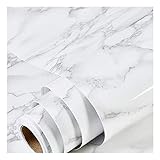
- White or light grey contact paper (high-gloss or faux marble finish)
- Felt squeegee and sharp utility knife
- Heat gun (optional, for stretching and sealing edges)
- Measuring grid
Step-by-Step Directions
- Clean and Measure: Degrease and dry the existing countertop. Measure the surface, allowing 1-2 inches extra for wrapping edges.
- Apply Slowly: Peel a small section of the backing and begin applying, using the squeegee to smooth out bubbles and ensure firm adhesion to the surface.
- Wrap Edges: Use the heat gun sparingly to make the vinyl pliable for wrapping around curves or edges, ensuring a seamless finish.
- Trim Excess: Use the utility knife and a straight edge to carefully trim the excess paper at the backsplash and sink edges.
Pro-Tip: The contrast between dark and light is essential for creating depth in small kitchens. The light surface visually pushes outward, making the counter area feel larger and preventing the darker elements from making the small kitchen feel cramped.
7. Upgrade Kitchen Hardware to Matte Black or Brass

Pin this small detail update to your ‘High Impact DIY’ board!
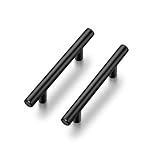
Upgrading kitchen hardware is one of the easiest and most affordable ways to achieve a sophisticated apartment kitchen look, infusing luxurious kitchen finishes. Modern moody design elements often feature matte black or brass cabinet hardware trends, which provide personalized design touches that instantly elevate the aesthetic. This small change makes a significant impact, allowing your dark cabinets to truly shine. Professional kitchen planning advises on measuring existing hardware to ensure a seamless swap, addressing budget constraints kitchen challenges with a stylish solution.
Supplies Needed
- Set of new matte black or brass cabinet pulls and knobs
- Screwdriver (manual or electric)
- Measuring tape and alignment template (optional)
Step-by-Step Directions
- Remove Old Hardware: Using a screwdriver, carefully remove all existing pulls, knobs, and screws from doors and drawers. Store them safely if the apartment is a rental.
- Match Measurements: Confirm the new hardware matches the center-to-center measurement of the old pulls. If not, use a template or filler kit for different hole spacing.
- Install New Hardware: Secure the new sophisticated kitchen materials. Ensure all screws are tightened to prevent spinning, but avoid overtightening.
- Immediate Impact: This small change instantly transforms the look, aligning the kitchen with modern moody design elements.
Pro-Tip: If drilling new holes is prohibited by your rental agreement, opt for finger pulls or cup pulls that may utilize fewer or existing holes, or use temporary adhesive pulls as a quick fix for a stylish kitchen features upgrade.
8. Integrate Concealed Appliance Solutions for Spatial Fluidity

Pin this advanced design trick to your ‘Minimalist Kitchen’ board!
In apartment living, visual clutter from appliances can detract from a minimalist moody design. Integrating concealed appliance solutions creates spatial fluidity, crucial for smaller spaces and open concept kitchen living room layouts. While full integration may not always be renter-friendly, solutions for countertop appliances like appliance garages or deep baskets keep necessary items out of sight, enhancing the overall deep tone kitchen apartment aesthetic. This supports modern living flow and emphasizes the smooth lines of your dark kitchen cabinetry. Architectural design review principles often highlight the importance of seamless transitions.
Materials Needed
- Appliance Garage Kit (or large basket/container with a lid)
- Custom cut dark veneer panels (optional, to match cabinetry)
- Cable management ties
- Drawer pulls/handles to match existing hardware
Process Guide
- Designate a Zone: Choose a deep cabinet or a segment of the counter to serve as the appliance garage. This should be close to a power source.
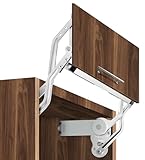
- Concealment Method: For cabinets, install a lift-up door or sliding door hardware. For counters, use a large basket or container with a matching lid to cover the appliances when not in use.
- Manage Cables: Use cable management ties to keep cords tidy and out of sight when the appliances are in use, supporting modern living flow.
- Maintain Seamlessness: If using custom panels, ensure the color and hardware match the adjacent dark kitchen cabinetry exactly to maintain the minimalist moody design.
Pro-Tip: In open concept kitchens, visual clutter is the enemy of sophistication. By utilizing advanced material composites or custom millwork solutions to conceal even small appliances, you ensure the cooking space serves as a focal point without being distracting.
9. Utilize Rich Textiles and Rugs to Ground the Space

Pin this textural accent idea to your ‘Cozy Apartment Decor’ board!
Rugs, with their rich textures, pair beautifully with deep color palettes, creating the cozy ambiance required by the moody kitchen apartment aesthetic. A dark, richly patterned kitchen runner rug introduces a soft, inviting element that grounds the space, contrasting with the hard surfaces of cabinetry and appliances. This adds a comfortable kitchen feel and enhances the overall atmosphere. For ergonomic kitchen layout, consider anti-fatigue mats to provide both comfort and another layer of texture in high-traffic zones. These functional design solutions are crucial for making a small kitchen cozy.
Supplies Needed
- Washable kitchen runner rug (dark, rich colors: deep reds, blues, greens)
- Anti-slip rug pad
- Optional: Anti-fatigue mat
Styling Tips
- Choose Rich Tones: Select a rug with deep tones and an intricate pattern (e.g., Persian or abstract) to introduce complexity and color depth.
- Anchor the Galley: Place the runner centrally in the main traffic area of your galley kitchen or in front of the sink/stove to define the space and add a layer of warmth.
- Secure Placement: Always use an anti-slip pad, especially in high-traffic areas, to ensure safety in the functional design solutions.
- Layering Texture: If space permits, layer a smaller anti-fatigue mat over the runner near the prep area for comfort and added textural interest.
Pro-Tip: Integrating textiles is crucial for making a moody kitchen inviting. The contrast between the hard surfaces (cabinets, counters) and the soft rug adds sensory design elements, enhancing the overall psychological warmth of the atmospheric cooking space.

10. Optimize the Small Dining Area for Intimate Seating

Pin this intimate dining setup to your ‘Open Concept Design’ board!
Dining area integration is crucial for efficient use of space in a compact, intimate kitchen apartment. Whether within the kitchen itself or in an open concept kitchen living room, optimizing a small dining area for intimate seating supports modern living and connects directly to the dining area. Small, dark-toned furniture and strategic lighting can create a cozy ambiance even in a limited 65 square meters. Selecting durable kitchen surfaces for your dining table and understanding ergonomic kitchen layout principles will ensure both style and functionality.
Supplies Needed
- Small, dark-toned bistro table (round preferred for traffic flow)
- Two compact, stylish chairs (e.g., dark velvet or leatherette)
- Ambient pendant light or wall sconce above the table
- Dark placemats and cohesive tableware
Styling Tips
- Define the Zone: Use a round table to soften the lines of the kitchen, minimizing interference with traffic flow. Place it near a window or adjacent to the kitchen zone.
- Cohesive Seating: Choose seating with deep, rich upholstery (velvet or dark leather) that matches the sophistication of the kitchen cabinetry.
- Lighting Focus: Install a low-hanging pendant light specifically over the dining area to create a pool of light, enhancing the intimate atmosphere and serving as a stylish kitchen feature.
- Keep it Minimal: Use simple, personalized design touches like a small vase or candle arrangement. Avoid clutter to maximize the perception of space.
Pro-Tip: When integrating dining in small kitchens, consider modular kitchen systems or expandable tables. This allows you to scale up for guests and fold down for daily use, optimizing the apartment living room design and spatial usage.

11. Personalize the Space with Curated Dark Decor Accents

Pin these sophisticated decor ideas to your ‘Apartment Style’ board!
To truly finish your moody kitchen apartment, personalize the space with curated dark decor accents. These elements reflect personal style and create unique kitchen character, supporting the elegant kitchen aesthetic. Styling moody decor involves thoughtfully selecting items with deep tones that add dramatic kitchen decor without creating clutter in a compact space. Expert design trends analysis suggests focusing on refined material choices like ceramics, metals, and stone.
Supplies Needed
- Dark ceramic canisters or sophisticated storage jars
- Matte black utensil holder
- Small abstract artwork or mirror with a dark frame
- Selection of dark serving ware (charcoal, slate)
Styling Steps
- Create Vignettes: Group items in odd numbers (3s or 5s) on the countertop or open shelving. Vary heights and textures for visual interest, keeping emphasis on the deep tones kitchen apartment.
- Utilize Walls: Instead of large frames, use small, dark-framed mirrors or subtle, dark abstract art to add visual depth without overwhelming the wall space.
- Functional Decor: Replace brightly colored items (e.g., spice jars, dish soap containers) with cohesive, dark alternatives to minimize visual noise.
- Soft Touches: Introduce one or two subtle elements of brass or copper to add a warm metallic shine that catches the light and complements the rich color palette.
Pro-Tip: Achieving a personalized moody kitchen relies on careful editing. Every item must be functional OR beautiful. When sourcing decor, prioritize natural materials like stone, wood, or unglazed ceramic to build textural depth that is necessary for the sophisticated culinary area.

FAQs About Moody Kitchen Apartment
What colors create a moody kitchen aesthetic without overwhelming a small space?
The most effective colors for a moody kitchen are deep, saturated jewel tones such as midnight blue, forest green, charcoal gray, or true matte black, which provide rich color depth. Crucially, in a small apartment, these dark colors should be contrasted with reflective surfaces like light countertops or brass hardware. Combining two deep tones, like dark blue and a rich walnut wood, creates a layered look that achieves the sophisticated aesthetic without making the space feel oppressive or too dark.
Can you successfully have a dark kitchen in a small apartment?
Yes, a dark kitchen can be highly successful in a small apartment if spatial fluidity concepts are managed through proper design principles. Dark colors visually recede, which paradoxically can create a sense of depth and sophistication, rather than making the space feel closed in. Success relies on balancing the deep tones with bright accents, ensuring layered warm lighting to counteract the lack of natural light, and implementing functional design solutions to manage clutter.
How do you balance light and dark in a moody kitchen apartment?
Balancing light and dark involves introducing reflective elements and varying textures to create contrast. This means pairing dark kitchen cabinets with lighter countertops or backsplashes, using reflective metals (like copper or brass) for hardware, and incorporating layered lighting sources. The goal is to ensure the light sources highlight the rich color palette kitchen and prevent the dark areas from becoming undifferentiated shadows.
What lighting works best for moody kitchens to prevent them from feeling gloomy?
Warm, layered lighting is the best approach for moody kitchens, specifically task lighting (under-cabinet strips) and accent lighting (pendants) using 2700K-3000K color temperatures. This atmospheric lighting design provides necessary brightness for food preparation while emphasizing the cozy ambiance. Avoid harsh, cool white lights (4000K+), as they flatten the deep tones and contribute to the “dark kitchen too dim” problem, making the space feel clinical rather than inviting.
Are there budget-friendly options for achieving a moody kitchen look in a rental?
Yes, achieving an elegant moody apartment kitchen design on a budget is highly feasible by focusing on non-permanent, high-impact changes. Primary strategies include utilizing peel-and-stick textured backsplashes, wrapping existing countertops in vinyl contact paper, and swapping out existing hardware for matte black or brass pulls (which can be replaced when moving). Painting the walls a deep, temporary color using renter-friendly paint is another powerful, cost-effective solution.
How can I make my open concept kitchen living room feel cohesive with the dark aesthetic?
To ensure the open concept kitchen integrates seamlessly with the living room, maintain visual continuity through repetition of deep tones and cohesive materials. Use the same accent color (e.g., deep charcoal) in textiles, throw pillows, and art in the living area. The lighting should also share the same warm color temperature and style (e.g., industrial moody) to create spatial fluidity and define the separate but connected zones effectively.
What are the common mistakes when designing a small moody kitchen?
The two most common mistakes are neglecting functional lighting and over-cluttering the limited space. Failing to install layered warm lighting results in a truly gloomy dark kitchen rather than a cozy one. Additionally, the sophisticated aesthetic is quickly undermined if items aren’t stored or concealed, magnifying the small space living challenge. Professional kitchen planning advises utilizing vertical storage and concealed appliance solutions.
Is matte black cabinetry too trendy, or is it a timeless look?
While highly popular now, matte black cabinetry has elements of a timeless look due to its neutral and sophisticated nature, provided it’s balanced with natural materials. It works as a strong foundation, especially in a modern contemporary kitchen design. To ensure longevity, incorporate rich organic tones (like wood) and classic stone elements. This grounds the deep colors and prevents the moody kitchen design from feeling overly specialized or quickly dated.
What materials are best for countertops that complement dark kitchen cabinets?
Lighter natural stone (quartz, marble) or wood (walnut, oak) are the best materials for countertops to complement dark kitchen cabinets, offering essential contrast. Light stone maximizes light reflection and adds a luxurious kitchen finish. Dark wood provides rich organic tones that infuse warmth, creating a cozy inviting atmosphere. Decision-makers should consider durability and maintenance, especially for apartment living.
What style is a moody kitchen, and how does it differ from traditional dark kitchens?
A moody kitchen is an aesthetic that emphasizes atmosphere, often drawing from industrial style kitchen, modern contemporary, or even Japandi influences, prioritizing a personalized, intimate feel. It differs from traditional dark kitchens by focusing less on wood-heavy, historic elements and more on rich, saturated color palettes, layered lighting, and textural contrast to create a dramatic, sophisticated, and serene apartment kitchen environment.
Final Thoughts on Moody Kitchen Apartment Design
The shift to a moody kitchen apartment aesthetic proves that small spaces don’t necessitate bland design. By strategically utilizing the 11 chic ideas outlined here—from deep-hued cabinetry and warm layered lighting to the introduction of rich organic tones—you can transform an uninspiring kitchen facelift into a sophisticated, intimate culinary area. Remember that the challenge of limited space is your greatest asset; deep colors can create an immediate, powerful sense of depth and personality when properly balanced. This approach allows apartment dwellers to avoid design mistakes and fully customize their small kitchen for a truly personalized apartment kitchen experience. Embrace the process keywords—plan, renovate, integrate, and style—to successfully achieve that desirable cozy inviting atmosphere.
Are you planning to incorporate deep tones or sophisticated textures in your next apartment kitchen project? Share your top moody design ideas in the comments below!
Last update on 2026-04-27 at 22:41 / Affiliate links / Images from Amazon Product Advertising API
