
As an Amazon Associate KitchenwareSets.com earns from qualifying purchases.
Genius Small Eat In Kitchen Ideas For Apartment Living
Is eating on the couch your new normal? A small apartment kitchen often means sacrificing a proper dining spot. This daily frustration makes your home feel incomplete and cramped.
An eat-in kitchen is simply a kitchen with a dedicated space for dining. But in a small apartment, finding that space feels impossible, leaving you struggling with cluttered counters and no place to comfortably enjoy a meal.
The best small eat in kitchen ideas for apartments use multi-functional furniture and clever layouts. This guide will show you 9 genius, renter-friendly solutions to reclaim your space and create a cozy, functional dining nook you’ll love.
Contents
show
Feeling Cramped? Why Your Small Kitchen Is Missing Its Cozy Dining Spot
We’ve all been there. Juggling a plate on your lap while trying not to spill on the sofa, or eating hunched over a coffee table. When you live in an apartment, the lack of a dining room often feels like a major downgrade. Your kitchen, the heart of the home, can feel purely utilitarian—a cramped, cluttered space for cooking, with no room for the joy of a shared meal.
This isn’t just a logistical problem; it’s an emotional one. A dedicated dining spot, no matter how small, transforms a house into a home. It’s a place for morning coffee, weeknight dinners, and connecting with loved ones. The good news? You don’t need a formal dining room to have one. Creating an eat-in kitchen in a small apartment is achievable with clever solutions. Key ideas include building a space-saving corner banquette, installing a wall-mounted drop-leaf table, utilizing a multi-functional rolling island, or creating a narrow breakfast bar.
9 Genius Small Eat In Kitchen Ideas To Reclaim Your Space
Ready to transform your kitchen from a cramped cooking-only zone into a charming and functional kitchen-dining combo? We’ve gathered 9 distinct, clever solutions specifically designed for apartment living and small spaces. Each idea is broken down with exactly what you need and what to do, with options perfect for both renters and homeowners looking to maximize their square footage.
1. Build a Cozy Corner Banquette with Hidden Storage

Pin this space-saving dream to your ‘Small Kitchen Solutions’ board!
Materials Needed:
- 2x Freestanding storage benches or IKEA NORDLI/SMÅSTAD units to form an “L” shape
- 1x Piece of plywood or MDF cut to size for a unified seat base
- 2-inch thick high-density foam for cushions
- Upholstery fabric of your choice (e.g., durable linen or canvas)
- Staple gun and staples
- Small round pedestal dining table (approx. 30-36 inch diameter to maximize legroom)
Step-by-Step Directions:
- Measure Your Corner: Carefully measure the two walls of your corner to determine the maximum length for your benches.
- Assemble Benches: Assemble your storage benches and position them in an “L” shape in the corner.
- Create the Seat (Optional but Recommended): Place the cut plywood on top of the benches to create a seamless, solid seating surface. Secure it if necessary.
- Cut and Cover Cushions: Cut the high-density foam to match the dimensions of your bench tops. Wrap the foam tightly with your chosen fabric, using a staple gun to secure the fabric to a thin plywood backing underneath the foam.
- Position the Table: Place your round pedestal table in front of the banquette. The single leg allows for much easier access than a traditional four-legged table.
- Add Comfort: Finish with throw pillows for back support and style.
Pro-Tip: Choose storage benches with lift-up tops instead of drawers. This prevents drawers from hitting the table leg when you try to open them.

2. Install a Genius Wall-Mounted Drop-Leaf Table

Save this ultimate space-saving idea!
Materials Needed:
- 1x Wall-mounted drop-leaf table kit (like the IKEA NORBERG or similar)
- Stud finder
- Power drill and appropriate drill bits
- Level
- Pencil
- 2x Stylish, compact folding chairs
Step-by-Step Directions:
- Choose Your Wall: Identify a clear section of wall that won’t obstruct walkways or appliance doors, even when the table is up.
- Locate Studs: Use a stud finder to locate the studs in the wall. Mark them with a pencil. Securing the table to studs is critical for safety and stability.
- Position the Bracket: Hold the table’s mounting bracket against the wall at your desired height (standard table height is 29-31 inches). Use a level to ensure it’s perfectly straight.
- Mark and Drill Holes: Mark the screw holes through the bracket onto the wall, ensuring they align with the studs you found. Drill pilot holes.
- Secure the Table: Firmly screw the mounting bracket to the wall. Attach the tabletop to the bracket according to the manufacturer’s instructions.
- Test the Mechanism: Lift and lower the table several times to ensure the folding mechanism works smoothly and locks securely.
- Pair with Chairs: Hang the folding chairs on nearby wall hooks or slide them into a narrow gap beside the fridge to keep the floor clear.
Lesson Learned: Don’t skip the stud finder! Attaching a table to drywall alone is not safe and will not support the weight of leaning elbows or heavy plates.

3. Utilize a Multi-Functional Rolling Kitchen Island

Pin this versatile island idea for your apartment!
Materials Needed:
- 1x Rolling kitchen island or cart with an extended leaf or overhang for seating (at least 10 inches deep for knee space)
- 2x Counter-height backless stools (saddle stools or simple round stools work well)
- Optional: Baskets or bins for organizing the shelves
Step-by-Step Directions:
- Measure Your Clear Space: Determine the largest island size that can fit in your kitchen’s center while leaving at least 36 inches for walkways on all sides.
- Assemble the Island: Follow the manufacturer’s instructions to assemble your rolling island. Ensure the locking casters are installed correctly.
- Position for Workflow: Roll the island into place. Use it as a prep station when cooking, positioning it near your stove or sink.
- Transform for Dining: For mealtime, roll it to a less central spot if needed. Raise the drop-leaf if it has one. Lock the casters to keep it from moving.
- Tuck in Seating: Slide your backless, counter-height stools under the overhang. Backless stools are key because they can disappear completely, keeping pathways clear.
- Organize Shelves: Use the shelves below for storing cookbooks, mixing bowls, or small appliances to free up precious cabinet space.
Pro-Tip: Look for an island with a built-in spice rack or towel bar on the side. These small features add a ton of functionality without taking up more floor space.
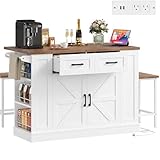
4. Create a Chic and Narrow Breakfast Bar

Save this renter-friendly breakfast bar tips!
Materials Needed:
- 1x Narrow console table or sofa table at counter height (approx. 35-37 inches tall) or bar height (41-43 inches)
- 2-3 Bar or counter stools with a slim profile that can tuck fully underneath the table
- Optional: Non-slip furniture pads for the table legs
Step-by-Step Directions:
- Identify Your Wall: Find an unused wall in your kitchen or the area just outside it. This works perfectly in a galley kitchen layout.
- Measure Carefully: Measure the wall’s length and your walkway clearance. Look for a console table that is no more than 12-15 inches deep to keep it from jutting out too far.
- Select Your Height: Decide between counter-height or bar-height. Counter-height feels more integrated with the kitchen, while bar-height can feel more like a distinct “bar” area.
- Position the Table: Place the console table flat against the wall. Add non-slip pads to the feet to prevent it from sliding.
- Add Stools: Choose stools that match your chosen table height. Backless stools are the most space-efficient, but low-back stools can also work if they don’t obstruct the path.
- Zone the Space: Hang a piece of art or a narrow mirror on the wall above the table to visually define it as an intentional dining zone.
Pro-Tip: A console table with a bottom shelf provides a perfect spot for decorative storage baskets, holding items like cloth napkins, placemats, or even mail.
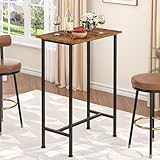
5. Go Vertical with an Integrated Shelf and Dining Ledge

Pin this genius vertical space solution!
Materials Needed:
- 2-3 Heavy-duty floating shelves with a rustic wood finish (e.g., 8-10 inches deep)
- 1x Extra-deep heavy-duty floating shelf for the dining ledge (at least 12-14 inches deep)
- Heavy-duty floating shelf brackets rated for 50+ pounds each
- Stud finder, drill, level, and pencil
- 2x Bar-height stools
Step-by-Step Directions:
- Plan Your Layout: On a clear wall, use painter’s tape to mark where you’ll place your shelves. The bottom dining ledge should be at bar height (approx. 41-43 inches from the floor).
- Locate Studs: Use your stud finder to mark all wall studs in the area. You must anchor the brackets for the dining ledge into studs.
- Install Dining Ledge Brackets: Following the manufacturer’s instructions, securely install the heavy-duty brackets for your deepest shelf into the wall studs. Use a level to ensure they are perfectly aligned.
- Mount the Ledge: Place the deep shelf onto the brackets and secure it. Test its stability. It should feel completely solid.
- Install Upper Shelves: Install the brackets and shelves for your storage shelves above the dining ledge, leaving enough headroom (at least 24 inches) between the ledge and the first shelf.
- Style and Use: Style the upper shelves with your everyday dishes, glassware, and mugs. Slide the bar stools underneath the ledge. Your dining and storage solution is complete.
Pro-Tip: Install a slim LED under-cabinet light strip beneath the lowest storage shelf. This will illuminate your dining ledge, providing perfect task lighting for meals.

6. Embrace Curves with a Round Pedestal Table

Save this classic solution for tight spaces!
Materials Needed:
- 1x Round pedestal dining table (24-36 inches in diameter is ideal for apartments)
- 2-3 Armless dining chairs with a small footprint (e.g., bentwood or molded plastic chairs)
- 1x Small round or square area rug (approx. 4’x4′ or 5′ round)
Step-by-Step Directions:
- Measure Your Nook: Identify the corner or wall space where the table will go. Use painter’s tape to mark a circle on the floor representing the table’s diameter to visualize the footprint.
- Choose the Pedestal Base: This is the most important feature. A single, central leg (pedestal or tulip base) eliminates the four corner legs that get in the way, allowing you to tuck chairs in fully and providing more legroom.
- Select Armless Chairs: Armless chairs are less bulky and can be pushed in much closer to the table, which is a critical space-saver when the table is not in use.
- Define the Zone: Place the area rug in your designated spot. This simple trick visually separates the dining nook from the rest of the kitchen, making it feel like a distinct “room.”
- Assemble and Position: Assemble your table and chairs, and place them on the rug. The rug should be large enough that the chairs remain on it even when pulled out slightly.
- Add Lighting: If possible, hang a small pendant light directly over the center of the table to complete the look and provide intimate lighting.
Lesson Learned: Don’t underestimate the “flow” benefit. A round table has no sharp corners to bump into, which makes navigating a tight kitchen much easier and safer.

7. Repurpose a Deep Window Sill as a Dining Ledge

Pin this charming idea for a sunny breakfast spot!
Materials Needed:
- An apartment kitchen with a deep window sill (at least 10-12 inches deep and at counter-height)
- 2x Counter-height stools that complement your kitchen style
- Optional: A custom-cut piece of butcher block or durable laminate to place on top for a more finished look and added depth
- Small potted herbs or plants for decoration
Step-by-Step Directions:
- Assess Your Window: Check that your window sill is sturdy, wide enough for a plate, and at a comfortable seating height (usually counter height, around 36 inches).
- Clean and Prep: Thoroughly clean the window sill. If it’s old wood, you may want to give it a fresh coat of durable, wipeable paint.
- Enhance the Surface (Optional): For a more durable and stylish surface, have a piece of wood (like butcher block) or quartz remnant cut to the exact dimensions of your sill. Simply place it on top. This can also add an extra inch or two of depth.
- Select Stools: Find two counter-height stools. Backless stools are ideal as they can be pushed against the wall under the sill when not in use.
- Position Seating: Place the stools in front of the window. You’ve instantly created a perfect spot for morning coffee or a quick lunch with a view.
- Accessorize Simply: Add a couple of small potted herbs to the sill to bring life to the space without creating clutter.
Pro-Tip: If your sill isn’t quite deep enough, you can mount a narrow floating shelf directly underneath it at the same level. This can add 4-6 inches of crucial surface space.
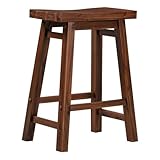
8. Design a Smart Two-Tiered Peninsula Bar

Save this clever layout idea for your kitchen reno!
Materials Needed:
- Existing kitchen peninsula or the end of a cabinet run
- Sturdy metal brackets designed for raising a countertop
- A piece of thick wood or countertop material (e.g., butcher block) for the raised bar, approx. 12-15 inches wide
- Power drill, screws, and a level
- 2-3 Bar-height stools (41-43 inch seat height)
Step-by-Step Directions:
- Assess Your Peninsula: This idea works on the back of an existing peninsula or the end of a row of cabinets in an L-shaped or galley kitchen.
- Choose Bar Material: Select a material for your raised bar. Using a different material, like a warm wood on top of a quartz counter, adds beautiful contrast.
- Install Brackets: Securely screw the metal support brackets onto the surface of your existing countertop, spaced evenly for support. These brackets create the height difference.
- Attach the Bar Top: Place your new bar top onto the brackets. Secure it by screwing up through the brackets into the underside of the bar top. Use a level to ensure it’s perfectly horizontal.
- Check for Stability: The finished bar should feel completely solid with no wobble. The separation visually hides kitchen messes from the dining side.
- Add Seating: Slide your bar-height stools up to the new bar. This creates a clear, elevated dining space separate from your main prep surface.
Pro-Tip: Install an outlet strip with USB ports on the kitchen-facing side of the raised bar. This creates a perfect spot to charge devices while you eat or work.

9. Create an Illusion of Space with “Invisible” Furniture

Pin this magical space-making trick!
Materials Needed:
- 1x Clear acrylic (lucite) table. A narrow console table or a small round table works best.
- 2-4 Clear acrylic dining chairs (often called “ghost chairs”)
- Optional: A rug with a bold pattern or color to show through the furniture
Step-by-Step Directions:
- Identify the Placement: Choose a spot for your dining set. This technique works especially well if you have a beautiful rug or interesting flooring you don’t want to cover up.
- Select the Table: Find an acrylic table that fits your space. A narrow console against a wall is great for hallways, while a small round version can float in a corner.
- Choose Your Chairs: The iconic “ghost chair” (with or without arms) is the perfect companion. Because you can see right through them, they take up zero visual space.
- Assemble and Arrange: Place your table and chairs in the designated spot. The effect is immediate—a fully functional dining area that doesn’t feel like it’s crowding the room.
- Style with Color: Since the furniture is a neutral canvas, have fun with accessories. Use colorful placemats, napkins, or a vibrant centerpiece to add personality. The color will appear to float in space.
- Keep it Clean: The only downside to acrylic is that it shows fingerprints. Keep a microfiber cloth and a gentle plastic cleaner handy to maintain its sparkling, invisible look.
Lesson Learned: This is a purely visual trick. The furniture has the same physical footprint, but by eliminating visual weight, it tricks the eye and makes the entire room feel more open and airy.

Key Takeaways: Your Quick Guide to a Perfect Small Eat-In Kitchen
| Principle | Why It Works | Best For… |
|---|---|---|
| Go Vertical | Uses underutilized wall space for both storage and dining, clearing the floor. | Extremely small kitchens or anyone needing more storage. |
| Choose Multi-Functional | Pieces like storage benches or rolling islands serve 2-3 purposes in one footprint. | Maximizing utility in any apartment kitchen. |
| Embrace Curves | Round pedestal tables eliminate bulky legs and sharp corners, improving traffic flow. | Tight corners, square spaces, and high-traffic areas. |
| Minimize Visual Weight | Transparent or “leggy” furniture takes up less visual space, making the room feel bigger. | Anyone whose primary goal is making the kitchen feel open and airy. |
FAQs About small eat in kitchen apartment ideas
What is the best table shape for a small kitchen?
A round or oval table is generally the best shape for a small kitchen. Because they lack sharp corners, they allow for better traffic flow and are safer in tight spaces. A table with a single pedestal base is even better, as it maximizes legroom and allows chairs to be tucked in completely.
How can I create an eat-in kitchen in a rental apartment?
Focus on non-permanent, freestanding solutions. Use a narrow counter-height console table as a breakfast bar, choose a small rolling kitchen cart with an overhang for seating, or opt for a stylish freestanding storage bench instead of a built-in banquette. A wall-mounted drop-leaf table is also a great option that requires minimal wall repair upon moving out.
How much space do I need for a small breakfast nook?
For a very small two-person nook, you’ll need a space of about 5 feet by 5 feet. This allows for a small 30-inch table and enough clearance to sit comfortably. Always aim to have at least 24-30 inches of space between the edge of the table and a wall for chair push-back room.
Final Thoughts
A small kitchen doesn’t mean you have to sacrifice the comfort and joy of a dedicated dining spot. As we’ve seen, the limitations of apartment living often inspire the most creative and genius solutions. With a little planning, you can transform an overlooked corner or a blank wall into a cozy and inviting place to enjoy your meals.
Remember these key takeaways:
* Maximize corners and walls with banquettes or folding tables.
* Choose multi-functional pieces like a rolling island that doubles as prep space.
* Embrace round tables with pedestal bases to improve flow.
* Use visual tricks like acrylic furniture to make the space feel bigger.
A beautiful and functional eat-in kitchen is within your reach. Which of these genius ideas would work best in your apartment? Share your favorite in the comments below
Last update on 2026-04-27 at 22:41 / Affiliate links / Images from Amazon Product Advertising API
