
As an Amazon Associate KitchenwareSets.com earns from qualifying purchases.
Outdoor Kitchen Red Brick Design Ideas and Building Guide
Struggling to find an outdoor kitchen material that is both beautiful and built to last? You want a backyard hub for entertaining, but wood rots and stucco cracks, leaving you worried about your investment. You need a solution that offers timeless style without compromising on strength.
A red brick outdoor kitchen offers unmatched durability, timeless style, and superior fire resistance compared to wood-frame structures. It is a permanent, weather-resistant addition that enhances property value and creates a perfect hub for outdoor entertaining, withstanding harsh elements for decades with minimal maintenance.
Drawing from established best practices and proven design principles, this guide provides the inspiration and knowledge you need. You’ll discover stunning design ideas, key construction elements, and expert tips to build a beautiful and functional outdoor kitchen. This is your roadmap to creating a lasting backyard centerpiece.
Contents
show
Why Choose Red Brick for Your Outdoor Kitchen?
When planning an outdoor kitchen, the choice of material is the single most important decision you’ll make. It dictates not only the look and feel of your space but also its longevity, safety, and maintenance requirements. While many options exist, red brick stands out for its unique combination of proven durability, inherent safety, and classic, traditional aesthetic. Following proven durability standards, a well-built brick structure is a permanent addition that provides a significant return on investment.
An outdoor kitchen red brick design is more than just a cooking station; it’s a long-term property enhancement. The fired-clay composition of brick makes it naturally fire resistant, providing a crucial layer of safety for any outdoor cooking area that involves open flames. Unlike wood-frame structures, a brick outdoor kitchen won’t rot, warp, or succumb to insect damage. It stands up to severe weather, from scorching sun to freezing winters, ensuring your investment remains beautiful and functional for generations.
Here are the core benefits of choosing red brick:
* ✅ Unmatched Durability: Red brick is a weather-resistant material that withstands harsh elements, ensuring a long lasting outdoor kitchen with minimal upkeep.
* ✅ Superior Fire Safety: As a fire resistant material, brick provides essential peace of mind, making it one of the safest choices for housing grills and pizza ovens, aligning with fire safety standards.
* ✅ Timeless Appeal: The classic red brick aesthetic offers a warm, traditional style that complements any landscape design and never goes out of fashion, enhancing your property’s value.
9 Stunning Red Brick Outdoor Kitchen Design Ideas for 2026
Now that you understand the foundational benefits of choosing brick, it’s time for the exciting part: inspiration. A red brick outdoor kitchen is a versatile canvas that can be adapted to fit any style, from rustic and traditional to sleek and modern. The key is to combine the brickwork with the right countertops, appliances, and structural elements to achieve your desired look. This section showcases nine distinct design ideas, each with actionable tips to help you move from inspiration to planning. We’ll break down the key elements and materials for each concept, providing you with a clear roadmap to create the perfect backyard kitchen ideas for your home.
1. Create The Rustic Entertainer with a Built-in Pizza Oven

Pin this rustic kitchen idea to your ‘Backyard Dreams’ board!
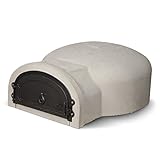
This design embraces the warm, inviting character of aged materials. The combination of a rustic outdoor kitchen using old red bricks and a traditional pizza oven creates a space that feels both functional and deeply comforting. It’s the perfect setup for gathering friends and family for memorable evenings spent sharing delicious, wood-fired food. The charm lies in the imperfections—the varied colors of reclaimed brick and the natural grain of wood countertops.
Key Elements & Materials
- Brick Type: Reclaimed or tumbled red brick for an aged, rustic brick kitchen design.
- Pizza Oven: A built-in dome-style pizza oven brick kit.
- Countertops: Thick butcher block or sealed wood slabs for warmth.
- Grill: A drop-in charcoal grill with cast iron grill grates.
- Accents: Wrought iron hardware, copper pots, and terracotta planters.
How to Achieve the Look
- Source Aged Materials: Prioritize finding authentic, old red bricks or a convincing veneer. The imperfections are key to the rustic charm.
- Integrate the Oven: Construct brick structure so the pizza oven is the focal point, ensuring proper chimney ventilation.
- Warm with Wood: Use natural wood for countertops and pergola elements to complement the red brick.
- Accessorize Thoughtfully: Add elements like string lights, a herb garden, and vintage cooking tools to complete the ambiance.
Pro-Tip: From my experience building several brick ovens, ensure you use refractory brick and high-temperature mortar for the oven dome itself. Standard brick and mortar can crack under the intense heat, compromising safety and longevity.
2. Design a Sleek Modern Kitchen with Concrete Countertops

Save this modern brick and concrete inspiration for your patio project!
Red brick isn’t just for traditional designs. When paired with clean lines and industrial-inspired materials, it can form the foundation of a stunningly modern outdoor kitchen. This luxury outdoor kitchen with red brick and concrete proves that contrasting textures create high-impact visual interest. The warmth of the brick provides a perfect balance to the cool, smooth finish of polished concrete countertops and the gleam of high-end stainless steel appliances.
Key Elements & Materials
- Brick Type: A uniform, sharp-edged red brick laid in a clean stack bond or simple running bond pattern.
- Countertops: Polished and sealed concrete countertop in a light gray or charcoal finish.
- Appliances: High-end, built-in stainless steel appliances, including a grill, side burner, and outdoor refrigerator.
- Cabinets: Flat-panel stainless steel or dark-stained wood outdoor cabinets.
- Accents: Minimalist hardware, a sleek gooseneck faucet, and integrated outdoor lighting.
How to Achieve the Look
- Choose Uniform Bricks: Select bricks with minimal color variation and sharp edges for a clean, architectural look.
- Pour Sleek Concrete: Install countertops made of polished concrete with crisp, straight edges. Ensure it’s sealed for outdoor use.
- Go for Integrated Appliances: Design the brick structure to seamlessly house flush-mounted stainless steel components.
- Keep it Minimal: Avoid clutter. The beauty of this design lies in the interplay between the warm brick texture and the cool, smooth surfaces.
Pro-Tip: When pouring concrete countertops, proper reinforcement with wire mesh or rebar is non-negotiable to prevent cracking. Also, research expansion joint placement if the countertop is very long, especially in climates with freeze-thaw cycles.

3. Build a Compact & Budget-Friendly BBQ Station

Pin this simple DIY outdoor kitchen idea for your small backyard!
You don’t need a massive budget or a sprawling yard to enjoy the benefits of a brick outdoor kitchen. A compact and budget-friendly BBQ station can provide all the core functionality you need in a small footprint. This design focuses on smart material choices and a simple layout to keep costs down, making it an ideal project for a DIY enthusiast with a small backyard. The key is to use cost-effective structural materials and clad them with an authentic brick finish.
Key Elements & Materials
- Core Structure: Standard concrete cinder blocks (concrete + block) to reduce the number of expensive bricks needed.
- Exterior: Clad with thin natural brick vs brick veneer for an authentic look at a lower cost and weight.
- Countertop: Simple, durable tile or a poured concrete cap.
- Grill: A basic, reliable drop-in propane or charcoal grill.
- Features: A simple, straight layout with just enough prep space on either side of the grill.
How to Achieve the Look
- Plan a Small Footprint: Design a straight island just large enough to house your grill and provide 24 inches of prep space on one side.
- Build with Blocks: Construct brick structure using cheaper concrete blocks, then adhere the brick veneer to the outside following manufacturer instructions.
- Choose an Affordable Grill: You don’t need a professional-grade appliance. A quality mid-range drop-in grill is perfect.
- DIY the Countertop: Tiling a countertop is a very beginner-friendly DIY project that saves hundreds over custom stone.
Pro-Tip: A common mistake on diy + project builds is forgetting utilities. Even for a simple setup, plan how you’ll access the propane tank. Build an open-back cabinet or install a stainless steel access door for easy tank swaps.

4. Install a Traditional Courtyard Kitchen with a Pergola

Dreaming of outdoor dinners? Pin this covered kitchen idea!
Create a true “outdoor room” by combining your red brick kitchen with a beautiful wooden pergola. This traditional style brick outdoor entertaining space feels intentional and well-defined, transforming a simple patio into a destination. The pergola structure provides welcome shade, offers a place to hang lighting and plants, and visually anchors the kitchen in the landscape. Paired with a matching brick paver patio, the entire area becomes a cohesive and elegant outdoor living space.
Key Elements & Materials
- Brickwork: Classic running bond pattern with a soldier course cap for a traditional finish.
- Covering: A sturdy wood pergola structure, preferably made of cedar or treated pine.
- Countertops: Polished black or dark gray granite for a timeless, high-end look.
- Flooring: A matching brick paver patio to create a cohesive design.
- Lighting: Integrated outdoor lighting such as pendant lights hanging from the pergola or under-counter strip lighting.
How to Achieve the Look
- Anchor with a Pergola: Construct the pergola first to define the kitchen’s location and footprint.
- Build Within the Space: Design the brick kitchen island(s) to fit comfortably within the pergola’s posts.
- Layer the Lighting: Use multiple light sources—ambient, task, and accent—to create a warm and functional space after sunset.
- Encourage Greenery: Plant climbing vines like wisteria or ivy at the base of the pergola posts to soften the structure and integrate it with the landscape.
Pro-Tip: Always check local building permit process requirements before building a permanent structure like a pergola. Some municipalities have height and setback restrictions, especially for structures attached to your home.

5. Plan an L-Shaped Layout with Integrated Bar Seating

Pin this for the ultimate backyard party setup!
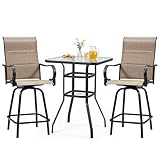
If outdoor entertaining is your top priority, an L-shaped layout with a dedicated bar seating area is the ultimate design. This configuration is brilliant because it allows the host to cook and prepare drinks while still facing and interacting with guests. The two-tiered countertop design creates a distinct serving area, keeping the cooking zone separate from the social zone. This turns your outdoor kitchen from a simple cooking station into the social hub of your backyard.
Key Elements & Materials
- Layout: A functional L-shape that separates the hot zone (grill) from the cool zone (sink, refrigerator).
- Bar Tier: A raised second level on one leg of the “L”, typically 6 inches higher than the main counter.
- Seating: Comfortable, weather-resistant built in seating or bar stools.
- Amenities: An under-counter outdoor refrigerator or beverage center and an outdoor sink installation are essential for a functional bar.
- Finishes: Consider a contrasting material for the bar top, like a thick wooden slab or polished stone, to differentiate it from the prep area.
How to Achieve the Look
- Design the “L”: Plan your outdoor kitchen layout with the grill on the shorter leg and the sink/prep space on the longer leg.
- Build in Tiers: Construct the main brick structure to standard counter height (36″). Then, add a second course of brick or a frame to create the raised 42″ bar.
- Choose Comfortable Stools: Select stools that allow for at least 10-12 inches of knee space under the bar overhang for guest comfort.
- Zone Your Appliances: Keep the beverage fridge and ice maker on the bar side for easy access without interrupting the cook.
Pro-Tip: Electrical planning is critical for a bar area. I always recommend installing electrical outdoor wiring for GFCI outlets under the bar overhang for blenders, phone chargers, or small speakers. It’s a small detail that dramatically improves functionality.
6. Try the Whitewashed Brick Look for a Coastal Vibe

Get that light and airy coastal feel! Pin this whitewashed brick idea.
Transform the classic look of red brick with a whitewash finish to achieve a bright, airy, and coastal-inspired aesthetic. This technique softens the deep red tones, creating a weathered, sun-bleached look that’s perfect for patios and poolside kitchens. Unlike a solid coat of paint, whitewashing is semi-transparent, allowing the natural texture and color variations of the brick to show through. This creates a finish with depth and character, perfect for a modern outdoor kitchen with white brick.
What You Need
- Brick Base: A standard outdoor kitchen red brick structure.
- Whitewash Mix: A 50/50 mixture of white latex paint and water, or a pre-mixed lime wash product.
- Application Tools: Paintbrush, rags, spray bottle with water, bucket.
- Countertops: Light-colored stone like travertine, or light-colored quartz.
- Accents: Light wood tones (teak, light cedar), navy blue textiles, and glass elements.
Step-by-Step Directions
- Clean the Brick: Thoroughly clean the brick surface of any dirt or grease and let it dry completely.
- Mix the Wash: Combine one part white latex paint with one part water and mix well for a semi-transparent wash.
- Apply and Wipe: Brush the wash onto a section of brick. Let it sit for a minute, then use a damp rag to wipe off the excess, revealing some of the brick’s natural color and texture.
- Control the Opacity: For a more opaque look, leave the wash on longer before wiping. For a more transparent look, wipe it off sooner or add more water to your mix.
- Seal if Necessary: Once dry, decide if you need to apply weather sealant, though traditional lime wash is naturally breathable.
Pro-Tip: Test your whitewash technique on a spare brick or an inconspicuous area first. The porosity of the brick and the drying time will greatly affect the final look, so a small test patch is essential to get it right.

7. Assemble the Ultimate Grill Master’s Kitchen with a Smoker

For the serious pitmaster. Pin this ultimate grilling station setup!
For the true barbecue enthusiast, an outdoor kitchen is more than just a grill—it’s a command center for culinary creation. This heavy duty outdoor kitchen design focuses on maximum functionality, incorporating multiple specialized cooking appliances like a high-performance gas grill, a ceramic smoker, and a powerful side burner. The solid brick construction provides a sturdy, professional-grade base for these heavy appliances, while durable stainless steel countertops offer a sanitary and easy-to-clean prep surface fit for a pitmaster.
Key Elements & Materials
- Multiple Appliances: A large built-in gas grill, a kamado-style ceramic smoker, and a high-BTU side burner or power burner.
- Durable Surfaces: Stainless steel appliances and countertops for durability and easy cleanup of grease.
- Ample Storage: Built-in drawers and cabinets for storing tools, charcoal, wood chips, and accessories.
- Task Lighting: Bright, focused lighting directly over the cooking surfaces.
- Ventilation: A proper ventilation hood is highly recommended for such a high-output setup, especially if under a covered patio.
How to Achieve the Look
- Prioritize Appliances: Select your dream grill and smoker first, then design the brick structure around their specific cutout dimensions.
- Ensure Proper Spacing: Leave adequate landing space (at least 18-24 inches) on either side of the main grill for platters and tools.
- Incorporate a Kamado: Design kitchen layout with a dedicated, reinforced spot for a heavy ceramic smoker. Do not place it on an unreinforced countertop.
- Add Pro-Level Storage: Build storage cabinets using stainless steel drawer units designed for outdoor kitchens to keep everything organized and weatherproof.
Pro-Tip: The btus output requirements outdoor for multiple high-performance appliances are significant. Ensure you connect gas line using a licensed professional who can install a line of the proper diameter to fuel all your appliances without a drop in pressure.

8. Construct an Enclosed Brick Kitchen for All-Season Use

Don’t let weather stop you! Pin this all-season outdoor kitchen idea.
For those in climates with distinct seasons, an enclosed outdoor kitchen using red brick walls can extend your entertaining calendar year-round. This design essentially creates a small, dedicated addition to your home—a four-season room centered around cooking and gathering. Solid brick walls, a permanent roof, and large windows or retractable screens provide shelter from wind, rain, and cold, while still maintaining a strong connection to the outdoors. The most critical component of this design is robust ventilation.
Key Elements & Materials
- Full Walls: Solid red brick exterior walls on at least two or three sides.
- Roofing: A permanent, waterproof roof structure tied into the brickwork.
- Windows/Doors: Large sliding glass windows or retractable screens to open the space in good weather.
- Ventilation: A powerful, commercial-grade ventilation hood is absolutely mandatory to safely exhaust smoke, heat, and carbon monoxide.
- Climate Control: Options like overhead infrared heaters, ceiling fans, and insulated construction.
How to Achieve the Look
- Build a Solid Structure: This is more like building a small addition than an open island. It requires a proper concrete foundation and expertly laid brick requires mortar bonding walls.
- Prioritize Ventilation: Install a ventilation hood that is rated for outdoor use and is at least as wide as your grill surface. This is the most critical safety feature.
- Incorporate Natural Light: Use large windows, skylights, or glass doors to prevent the space from feeling dark and to maintain a connection to the outdoors.
- Choose Indoor/Outdoor Finishes: Use materials that can handle temperature fluctuations and some moisture, like tile flooring, stone countertops, and marine-grade cabinetry.
Pro-Tip: Proper weep hole drainage system installation at the base of the brick walls is crucial, even in an enclosed space. This prevents moisture that gets inside the brick cavity from causing long-term damage like efflorescence prevention methods.

9. Design a Classic Kitchen with an Adjoining Fireplace

The ultimate backyard combo! Pin this kitchen and fireplace idea.
Create the ultimate destination for outdoor living by designing a cohesive structure that combines a full kitchen with a grand outdoor fireplace. This backyard brick outdoor kitchen and fire pit combo provides everything needed for a perfect evening: a place to cook a meal, a source of warmth and light, and a natural gathering spot. Building them as a single, unified unit from the same red brick creates a powerful architectural statement and an incredibly functional outdoor entertaining space.
Key Elements & Materials
- Unified Structure: A single, continuous brick built outdoor kitchen that flows into the fireplace structure.
- Fireplace: A traditional, wood-burning masonry fireplace with a proper chimney.
- Hearth: A raised hearth that can double as extra seating.
- Wood Storage: A built-in niche or “woodbox” made from brick to keep firewood neat and dry.
- Layout: Position the kitchen to one side, keeping the area directly in front of the fireplace open for seating and socializing.
How to Achieve the Look
- Pour a Unified Foundation: A combined structure of this weight requires a single, robust poured concrete base to prevent shifting and cracking over time.
- Use Consistent Materials: Build the entire structure from the same batch of red brick and use the same mortar and cement mix and joint style for a seamless look.
- Plan for Smoke: Construct chimney vent for the fireplace to be tall enough to direct smoke up and away from both the seating area and the cook at the kitchen counter.
- Create a Seating Zone: Arrange comfortable, deep-seating patio furniture facing the fireplace to create a distinct “living room” zone.
Pro-Tip: I’ve seen many DIY fireplace projects fail because of an improperly sized flue. Follow the “1/10th rule” as a starting point: the area of the flue opening should be at least 1/10th the area of the fireplace opening. Consulting with an experienced masonry contractor is highly advised for this part of the project.

Key Takeaways: Your Quick Guide to Outdoor Kitchen Red Brick Projects
Building an outdoor kitchen is a significant but rewarding project. To ensure success, it’s crucial to focus on the foundational elements of safety, design, and proper construction.
- Safety and Durability First: Red brick’s greatest advantages are its fire resistant material properties and weather resistance. This makes it a safer and more long lasting outdoor kitchen solution than wood-framed alternatives.
- Design Dictates Function: Your outdoor kitchen layout is critical. An L-shape with bar seating promotes socializing, while a straight run with multiple appliances is ideal for the serious grill master.
- Proper Foundation is Non-Negotiable: A solid, level concrete slab foundation is the most critical step to build outdoor kitchen that won’t shift, settle, or crack. Do not build directly on soil or pavers.
- Ventilation is a Top Priority: For any covered, enclosed, or semi-enclosed brick outdoor kitchen, a powerful, professionally installed ventilation hood is a mandatory safety feature to manage smoke and carbon monoxide.
- Don’t Forget Utilities: Plan for plumbing, gas lines, and electrical wiring early in the design phase. It is much harder and more expensive to add them after the masonry work is complete.
- Material Details Matter: Use the right materials for the job: refractory brick for high-heat areas like pizza ovens, high-quality mortar, and proper sealants to protect brick from moisture.
FAQs About Outdoor Kitchen Red Brick
How much does a brick outdoor kitchen cost?
A DIY brick outdoor kitchen can cost between $2,000 and $7,000, while professionally installed projects typically range from $10,000 to $30,000 or more. The final cost depends heavily on the size, complexity, quality of built-in appliances, countertop materials, and local labor rates. A simple, small BBQ island will be at the lower end, while a large, fully equipped kitchen with a pergola and high-end appliances will be at the upper end.
Can you use regular bricks for an outdoor kitchen?
You can use standard, exterior-grade (SW – Severe Weather) rated bricks for the main structure, but you must use special refractory bricks (fire bricks) for any areas in direct contact with extreme heat. This includes the interior of a pizza oven or a wood-fired grill. Using regular bricks in these high-heat zones will cause them to crack and fail, posing a significant safety risk.
Do red bricks need to be sealed for outdoor use?
Sealing red bricks in an outdoor kitchen is highly recommended to protect them from moisture and stains. A quality silane/siloxane penetrating sealer will provide water repellency without creating a film, helping to prevent weather damage brick, inhibit mold growth, and make grease splatters easier to clean. It’s crucial to use a “breathable” sealer that allows moisture vapor to escape.
What type of mortar is best for an outdoor brick kitchen?
Type S mortar is the recommended choice for most outdoor brick kitchen projects due to its high compressive strength and durability. It provides a strong bond that can withstand outdoor elements and the weight of countertops and appliances. For high-heat applications like a fireplace or pizza oven, you must use a specialized refractory mortar designed to handle extreme temperatures.
How do you maintain a brick outdoor kitchen?
Maintenance is relatively simple and involves annual cleaning, inspection, and occasional resealing. Use a pressure washer on a low setting with a mild detergent to clean the brick and countertops. Inspect mortar joint reinforcement techniques annually and repair any cracks to prevent water infiltration. Re-apply a penetrating sealer every 3-5 years to maintain protection.
How long does it take to build a brick outdoor kitchen?
For a dedicated DIYer, a simple brick BBQ island can take 2-4 weekends to complete. A more complex, L-shaped kitchen with appliances and countertops might take 4-8 weekends. Professional construction is much faster, often completed in 1-3 weeks, depending on the project’s scale, weather conditions, and inspection schedules.
Is an outdoor kitchen worth the investment?
Yes, a well-designed outdoor kitchen can provide a significant return on investment, often between 100% and 200% of its cost. It enhances property value by expanding the usable living and entertaining space. Beyond financial value, it significantly improves lifestyle by creating a social hub for family and friends, making it a highly desirable home feature.
Should an outdoor kitchen have a roof?
While not required, a roof or pergola greatly enhances an outdoor kitchen’s functionality by providing shade from the sun and shelter from light rain. A covered outdoor kitchen allows you to cook and entertain more comfortably and protects your appliances and investment from the elements. A solid roof requires more robust construction and ventilation than an open pergola.
What is the best material for outdoor kitchen countertops?
Granite and concrete are two of the best materials for outdoor kitchen countertops due to their durability and heat resistance. Granite is a natural stone that withstands weather well but should be sealed annually. Poured concrete is highly customizable and durable but also requires proper sealing to prevent staining and weather damage. Quartz is generally not recommended for uncovered outdoor use as UV exposure can cause discoloration.
How do you prevent brick from cracking in the winter?
Proper construction is key to preventing winter damage like cracks. This includes pouring a solid concrete foundation below the frost line, using SW (Severe Weather) rated brick, and incorporating weep hole drainage system to allow any trapped moisture to escape. Sealing the brick with a breathable, water-repellent sealer also helps prevent the freeze thaw cycle resistance issues that cause spalling and cracking.
Final Thoughts on Your Outdoor Kitchen Red Brick Project
Choosing to build an outdoor kitchen with red brick is an investment in both your property and your lifestyle. It’s a commitment to creating a permanent, durable, and beautiful space where memories will be made for years to come. The blend of timeless aesthetic and rugged functionality is a combination few other materials can offer. From a simple BBQ station to a sprawling entertainment hub with a fireplace, a brick structure provides a solid foundation for your backyard dreams.
With careful planning, the right design, and attention to key construction details like foundation and ventilation, you can create an outdoor kitchen that is safe, functional, and a source of pride. We hope these ideas and tips have inspired you and given you the confidence to take the next step.
Which red brick design idea sparked your imagination the most? Let us know in the comments below
Last update on 2026-04-27 at 22:41 / Affiliate links / Images from Amazon Product Advertising API
