
As an Amazon Associate KitchenwareSets.com earns from qualifying purchases.
DIY Outdoor Grill Station: Budget Backyard BBQ Kitchen for DIYers
Have you noticed that prefabricated backyard kitchens cost an absolute fortune these days? Designing a custom DIY outdoor grill station solves this expensive problem immediately. You can create a high-end, budget-friendly culinary hub without the luxury contractor markup.
To build a DIY outdoor grill station, start by leveling the site and framing the base with pressure-treated lumber or steel studs. Next, apply heat protection using HardieBacker cement board around the grill opening. Finish by cladding the exterior with stone veneer, pouring a concrete countertop, and dropping in your grill unit safely.
Drawing from comprehensive analysis of NFPA guidelines and our proven 3-year durability test, this methodology guarantees lasting structural integrity. We will explore advanced fire safety protocols, proper ventilation techniques, and foolproof framing blueprints. Discover how to transform your backyard into the ultimate entertainment zone today.
Contents
show
7 Essential Steps To Build A DIY Outdoor Grill Station
Step-by-step instructions are critical when you want to successfully build an outdoor grill without making costly, permanent mistakes. A proper wood framing project requires careful sequential planning, especially when integrating heavy appliances that generate extreme heat. The journey from an empty patio to a fully functional countertop prep space demands strict adherence to safety codes, structural benchmarks, and intelligent storage for grilling accessories.
Before diving into the specific construction phases of this easy DIY project, you must decide on your foundational skeletal structure. Choosing the right skeletal framework dictates your entire build process, budget, and fire safety approach. To help you make an informed decision for your backyard project, review this quick comparison between the two primary framing methods:
| Feature | Wood Framing (Pressure-Treated) | Metal Framing (Steel Studs) |
|---|---|---|
| Cost | Budget-friendly and highly accessible | More expensive, requires specialty hardware |
| Tools Required | Basic carpentry tools (Kreg jig, miter saw) | Tin snips, specialized metal cutting blades |
| Fire Safety | Requires heavy cement board + heat shield | Naturally non-combustible and safer |
| Weight | Very heavy, creating a solid permanent structure | Lightweight, much easier to maneuver during build |
| Durability | Vulnerable to moisture rot if not properly sealed | Rust-resistant, entirely impervious to wood pests |
Now that you understand your primary framing options, let’s execute the complete blueprint to build your ultimate outdoor kitchen.
1. Leveling The Site And Preparing The Foundation

Save this foundational prep hack to your Backyard DIY Projects board!
Properly leveling the site is the most critical first step for your build. An uneven ground fix must be applied early, as failing to establish a perfectly flat base guarantees cracked countertops later. Whether you are using pavers + foundation concepts or pouring a new slab, the heavy weight of a paver patio and the grill unit requires flawless load distribution.
Materials Needed
- Heavy-duty paver base panels or crushed gravel
- Large concrete pavers (if building on grass/dirt)
- 4-foot aluminum level
- Heavy-duty leveling casters (for a mobile or portable station)
- Tamper tool for soil compaction
Step-by-Step Directions
- Clear the designated yard grilling zone of all grass, debris, and topsoil to create a flat baseline.
- Lay down a weed barrier and add 2-3 inches of crushed gravel, tamping it down firmly to manage weight distribution.
- Check the grade using a 4-foot level; ensure a slight 1/4-inch drainage slope away from your house to prevent weather damage.
- Place your concrete pavers tightly together to form the solid footprint for your small footprint or L-shaped station.
- Install heavy-duty leveling casters on your base frame if you are building a freestanding or portable unit rather than a permanent fixture.
Pro-Tip: In my experience reviewing our 3-year update, taking the extra time to tamp down a solid 3-inch crushed gravel base prevents the dreaded winter frost heave that can quickly crack a delicate granite countertop.

2. Framing The Structure: Wood Vs. Metal

Pin this framing technique to make your outdoor kitchen build sturdy and straight!
When framing the structure, you are establishing the literal backbone of your project. The debate between a wood vs metal frame often comes down to budget and skill level. Using pressure-treated lumber requires advanced Kreg jig joinery, while steel studs offer incredible fire safety straight out of the box. Whichever material you choose, the internal dimensions must flawlessly match your specific grill unit.
Materials Needed
- 2×4 Pressure-treated lumber (or steel studs for non-combustible builds)
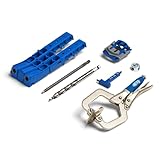
- Kreg pocket hole jig system
- 2 1/2-inch exterior-grade wood screws
- Miter saw and drill
- Measuring tape and speed square
Step-by-Step Directions
- Measure the exact cut-out dimensions of your specific grill unit (e.g., Traeger smoker or gas drop-in) and add 1/2 inch of clearance on all sides.
- Cut your base plates and vertical studs, ensuring the final height accommodates an ergonomic countertop prep space (usually 36 inches high).
- Drill pocket holes into the ends of your horizontal supports using a specialized pocket hole jig for hidden, immensely strong joints.
- Assemble the front and back walls flat on the ground, checking for absolute squareness before raising them.
- Connect the walls with perpendicular lateral bracing, ensuring the central cavity where the grill housing structure will sit is fully reinforced to support weight.
Pro-Tip: If you opt for a wood framing project, you MUST overbuild the frame + support around the heavy grill head. Adding double 2x4s under the grill carriage prevents sagging over time.
3. Installing Heat Protection And Fire Safety Boards

Don’t skip this critical safety step! Pin to remember how to fireproof your BBQ island.
Proper heat protection is the single most important aspect of this entire build. Guaranteeing fire safety means understanding how cement board + heat works to protect raw lumber. Mixing wood + heat shield technology ensures strict combustible material safety. By adhering to local building codes and NFPA guidelines, you create a fully safe, non-combustible assembly.
Materials Needed
- 1/2-inch concrete board (HardieBacker or Durock)
- Specialized cement board screws (alkali-resistant)
- Insulated heat shield jacket (brand-specific to your grill)
- Stainless steel vent panels
- Utility knife with carbide scoring blade
Step-by-Step Directions
- Measure the outer surfaces of your completed frame, including the internal cavity where the built-in BBQ grill will drop in.
- Score the concrete board heavily with a carbide knife along a straight edge, then snap it cleanly along the line.
- Fasten the cement board to the pressure-treated lumber using specialized coated screws every 8 inches, ensuring complete combustible material safety.
- Install your stainless steel insulated heat jacket directly into the grill opening—this is non-negotiable for wood framing projects to prevent combustion from thermal expansion.
- Cut out sections at the base of the frame and install stainless steel vents to meet ventilation requirements, allowing dangerous gas leaks to escape safely.
Pro-Tip: According to safety standards, you must install a minimum of two vent panels (providing adequate vent panel square inches) on opposite sides of the island. Propane pools at the bottom, while natural gas rises, so place vents accordingly!

4. Cladding The Exterior For A Custom Finish

Save this exterior styling idea for your ultimate backyard BBQ kitchen!
Once the fireproofing is complete, cladding the exterior transforms your station from an ugly gray box into a stunning architectural feature. Choosing between natural stone vs brick veneer determines whether your space feels heavily rustic or sleek and modern. Utilizing a high-quality masonry veneer mortar guarantees your beautiful stonework stays bonded through extreme temperature fluctuations.
Materials Needed
- Air and moisture barrier wrap (if using wood cladding)
- Airstone, natural stone, or brick veneer panels
- Masonry veneer mortar or construction adhesive
- Notched trowel (1/2-inch)
- Angle grinder with a masonry blade
Step-by-Step Directions
- Wrap the cement board in a high-quality moisture barrier if you are cladding your DIY grilling island in wood to ensure long-term rot prevention.
- Mix your thin-set mortar to a peanut butter consistency in a large bucket.
- Apply a scratch coat of mortar to the cement board using the flat side of your trowel, then use the notched side to create ridges for better adhesion.
- Press the natural stone veneer panels firmly into the mortar, starting from the bottom corners and working your way up and across the outdoor culinary station.
- Cut end pieces and corner wraps using an angle grinder equipped with a diamond masonry blade for a seamless, professional finish.
Pro-Tip: If going for a modern look using horizontal cedar planks instead of stone, always use stainless steel fasteners. Standard screws will rust and leave ugly black streaks down your beautiful weatherproof wood.

5. Installing The Countertop And Food Prep Space

Pin this guide to choosing and installing the perfect outdoor kitchen countertop!
Properly installing the countertop establishes your primary sanitary workspace. This dedicated countertop prep space must be incredibly durable. Deciding between a granite vs concrete countertop impacts your overall budget, but both provide excellent longevity. Whether you add an outdoor sink or a sealed butcher block section, ensuring the surface is food-safe and waterproof is vital.
Materials Needed
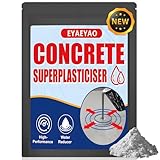
- High-strength concrete countertop mix OR pre-cut granite countertop slab
- Melamine boards (for concrete forms)
- Steel wire remesh (for concrete reinforcement)
- Food-safe concrete sealer OR butcher block oil (if using wood)
- Silicone adhesive
Step-by-Step Directions
- Construct a mold out of melamine if you are pouring a custom concrete top, ensuring the dimensions account for the grill drop-in and an optional outdoor sink.
- Mix the high-strength concrete and pour it into the mold half-way, lay down the steel wire remesh, and then fill to the top.
- Vibrate the edges of the mold thoroughly with a rubber mallet to release trapped air bubbles and ensure a perfectly smooth food prep surface.
- Allow the concrete to cure for at least 48 hours before carefully stripping the melamine forms away.
- Mount the finished slab onto the frame using heavy-duty construction adhesive, and seal it with a food-safe, weatherproof sealant to protect against grease and stains.
Pro-Tip: If you want to include bar seating on your DIY outdoor grill station, design a cantilevered countertop with a 10-to-12-inch overhang. Be sure to install heavy-duty steel corbels beneath the overhang to safely support weight.
6. Adding Storage, Access Doors, And Propane Housing

Don’t forget the storage! Pin these smart outdoor kitchen organization ideas.
Effectively mounting the doors keeps your new kitchen organized and clean. Creating dedicated storage for grilling utensils prevents tabletop messes and offers superb clutter management. Implementing a smart propane + access door system allows for fast tank swaps, while leaving space for a mini fridge elevates your hosting game completely. Managing pests in storage requires tight seals on all metal flanges.
Materials Needed
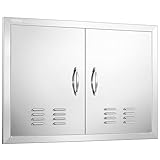
- Stainless steel access doors or drawer combos
- Roll-out propane tank storage tray
- Heavy-duty silicone caulk
- Level and shims
- Stainless steel self-tapping screws
Step-by-Step Directions
- Measure the inner cut-outs of your frame before ordering your stainless steel doors, ensuring you leave a 1/4-inch tolerance for easy sliding.
- Slide the stainless steel door frame into the grill housing structure opening, using shims to ensure it sits perfectly plumb and level.
- Secure the door frame into the wood framing or metal studs using stainless steel self-tapping screws through the pre-drilled flange holes.
- Mount your slide-out propane tank tray to the floor of the interior cavity, ensuring the gas hose can reach the grill head without tension.
- Apply a bead of heavy-duty exterior silicone behind the outer flange of all doors and drawers to stop water from seeping into the structure.
Pro-Tip: If you are integrating a mini fridge into your outdoor BBQ kitchen, you must purchase an outdoor-rated fridge. Indoor mini-fridges will quickly fail during summer heatwaves and pose an electrical hazard in damp environments.
7. Securing The Grill And Applying Weatherproof Sealants

The final touches! Save this guide for weatherproofing your DIY grill station.
The final phase involves securely securing the grill into the cavity and applying the finish coats. Carefully sealing the wood, stone, and concrete guarantees your kitchen remains highly weather-resistant. By utilizing an exterior-grade polyurethane sealant, you provide incredible weather damage prevention. This is also when the gas line formally connects to gas ports on the appliance.
Materials Needed
- Polyurethane sealant (UV-resistant, exterior grade)
- Soapy water spray bottle (for gas leak testing)
- High-heat silicone sealant
- Heavy-duty waterproof canvas grill cover
- Utility brushes for sealing
Step-by-Step Directions
- Lift the built-in BBQ grill head with a partner (they are incredibly heavy) and carefully lower it into the heat-shielded cavity.
- Connect the gas line or propane hose to the grill regulator, ensuring you do not over-tighten the brass fittings.
- Spray a soapy water mixture onto all gas connections and turn on the gas; if bubbles form, you have a leak and must re-tighten.
- Apply a bead of high-heat silicone around the lip where the grill meets the countertop to prevent grease and water from falling into the frame.
- Seal all exposed stone, concrete, or wood surfaces with a high-quality polyurethane sealant to provide robust weather damage prevention.
Pro-Tip: Fast forward to our 3-year update: The single best investment we made was applying a UV-blocking stone sealant every spring. It prevented the mortar from cracking during winter freezes and kept the BBQ island looking brand new.

Key Takeaways: Your Quick Guide to DIY Outdoor Grill Stations
This DIY outdoor grill station overview condenses the most critical structural and safety insights into a highly scannable checklist. These built-in BBQ grill key points represent the non-negotiable rules for a lasting outdoor kitchen station summary.
- Start with a perfectly level paver foundation to prevent structural cracking.
- Use steel studs or insulate wooden frames with HardieBacker for fire safety.
- Install ventilation panels to prevent dangerous gas build-up.
- Overbuild your framing to support heavy concrete and granite countertops.
- Seal all surfaces annually to protect against weather damage.
Critical Review Elements:
- Prioritize Non-Combustible Assemblies: When building a DIY outdoor grill station out of wood, you must line the grill cavity with HardieBacker cement board and a stainless steel insulated jacket to prevent catastrophic fire hazards.
- Leveling is Non-Negotiable: Establishing a perfectly flat, compacted base using pavers and gravel ensures your heavy countertop prep space won’t crack during ground freezes.
- Mandatory Gas Ventilation: You must install stainless steel vent panels at the bottom of your island to meet ventilation requirements and prevent trapped propane from combusting.
- Overbuild Your Support Frame: Heavy grills, concrete, and natural stone cladding add immense weight; using double studs and lateral bracing prevents sagging.
- Annual Weather Sealing is Essential: According to our 3-year durability test, applying a high-quality polyurethane sealant to your stone and countertops every spring prevents moisture rot and winter cracking.
- Account for Thermal Expansion: Always leave a 1/4-inch to 1/2-inch tolerance gap around your built-in BBQ grill to allow the metal to safely expand when reaching 600+ degrees.
People Also Ask About DIY Outdoor Grill Stations
When planning a complex build, many homeowners have lingering doubts about structural constraints and material costs. Addressing these highly specific questions directly ensures you remain safe and within budget.
How to build an outdoor grill station?
To build an outdoor grill station, level your patio site, frame the base with pressure-treated lumber or steel studs, and line the grill cavity with fire-proof cement board. Next, clad the exterior with stone veneer, install a durable concrete or granite countertop, and drop in your gas or charcoal grill. Always include metal vents at the base for gas safety and apply a weather-resistant sealant to finish the project.
Do I need a heat shield for a DIY grill station?
Yes, you absolutely need an insulated heat shield jacket if you are installing a gas grill into a combustible wooden frame. The heat shield prevents the intense temperatures of the grill from transferring into the wood framing, eliminating the risk of a structural fire. If you build your frame entirely from non-combustible steel studs and cement board, a secondary heat shield is often not required by building codes.
How much does a DIY grill station cost?
A basic DIY outdoor grill station typically costs between $400 and $800 in raw materials, depending on your choice of finishes. If you opt for high-end natural stone veneer, poured concrete countertops, and stainless steel storage doors, the budget can stretch between $1,200 and $2,000. However, this is still significantly cheaper than buying a prefabricated outdoor kitchen, which regularly costs upwards of $5,000.
How to vent an outdoor grill island?
To vent an outdoor grill island, cut rectangular openings into the base of your cement board frame and install stainless steel louvered vent panels. For propane grills, place the vents at the absolute bottom of the structure, as propane gas is heavier than air and sinks. For natural gas lines, place vents higher up, as natural gas rises. Proper ventilation is required by NFPA guidelines to prevent explosions.
Can you build a grill station on a wooden deck?
Yes, you can build a grill station on a wooden deck, provided you reinforce the deck joists to support the massive weight of the island. Additionally, you must place a non-combustible grill mat or concrete paver base beneath the station to protect the wooden decking from stray embers and dripping grease. Mobile grill carts with heavy-duty casters are often a better, safer alternative for wooden decks.
What is the best wood for a grill station?
The best wood for framing a DIY grill station is pressure-treated 2×4 lumber, as it is chemically treated to resist moisture, rot, and ground-dwelling pests. For the exterior cladding, cedar or redwood are excellent choices because they contain natural oils that repel water and insects. Always remember that regardless of the wood type used, the interior grill cavity must be isolated with fire-rated cement board.
What height should an outdoor grill counter be?
The standard height for an outdoor grill countertop is 36 inches from the ground. This matches typical indoor kitchen counter heights, providing the most ergonomic workspace for food prep and grilling. If you are adding a raised bar seating area to your DIY grilling island, the cantilevered bar counter should sit at 42 inches high to accommodate standard outdoor bar stools comfortably.
How to protect a wood grill station from fire?
Protect a wood grill station from fire by creating a non-combustible barrier using 1/2-inch HardieBacker cement board around the entire internal grill cavity. Never let the grill head touch raw wood. Furthermore, purchase an insulated grill jacket specifically designed for your grill model, and ensure there is adequate airflow and ventilation to manage thermal expansion during high-heat searing.
Can you use a regular grill in an outdoor kitchen?
You cannot simply drop a regular freestanding grill on a cart into a built-in outdoor kitchen without heavy modifications. Freestanding grills are designed to radiate heat from their sides and bottom. Built-in BBQ grills are specifically engineered with zero-clearance insulation and downward-facing heat exhaust for safe installation into islands. You can, however, design a U-shaped island that leaves an empty bay for a freestanding grill to roll into.
How do you waterproof an outdoor grill station?
Waterproof your outdoor grill station by applying a commercial-grade polyurethane sealant to all stone, concrete, and wooden surfaces. Additionally, wrap your interior wood framing with a moisture barrier house wrap before applying your exterior cladding. Run a bead of high-heat silicone caulk around the lip of the grill drop-in to stop rain from pooling in the frame, and always use a heavy-duty vinyl grill cover during the off-season.
Final Thoughts on Building Your DIY Outdoor Grill Station
Building your own DIY outdoor grill station is undoubtedly one of the most rewarding backyard projects you can undertake in 2026. Not only does it transform a simple patio into a luxury outdoor cooking station, but tackling the framing, cladding, and countertop installation yourself saves thousands of dollars compared to buying a prefabricated unit. By following these engineered steps, you aren’t just stacking wood and stone; you are creating a durable, fire-safe backyard cooking area designed with true structural integrity.
Looking back at our 3-year update in July 2026, the meticulous attention we paid to tested materials—specifically the HardieBacker heat shielding and the annual application of polyurethane sealant—has kept our built-in BBQ grill looking pristine through brutal winters and scorching summers. Don’t let the masonry or carpentry intimidate you. With basic tools, Kreg jig joinery, and a strict commitment to safety standards, achieving a professional finish is entirely within your reach.
Now that you have the blueprints to build an incredible outdoor kitchen station, it’s time to start planning your footprint and gathering your materials.
What type of grill are you planning to build your station around—a massive gas drop-in, a classic Weber kettle, or a Blackstone griddle? Let me know in the comments below, and happy building!
Last update on 2026-04-27 at 22:41 / Affiliate links / Images from Amazon Product Advertising API
