
As an Amazon Associate KitchenwareSets.com earns from qualifying purchases.
Budget DIY Grill Station: Cheap Outdoor Kitchen Ideas for Beginners
Are you tired of staring at overpriced outdoor kitchens? Building your dream backyard cooking space shouldn’t empty your savings account. The frustration of wanting a beautiful budget DIY grill station without spending thousands is a common struggle.
To build a budget DIY grill station, construct a sturdy frame using pressure-treated 2×4 lumber, wrap the interior grill cutout with heat-resistant cement board, and finish the exterior with a weather-proof material like corrugated metal or faux stone. This creates a safe, custom outdoor kitchen for under $500. Proper planning ensures lasting durability.
Drawing from comprehensive analysis of current data and proven methodologies, we’ve compiled the ultimate blueprint for beginners. A grill station seamlessly integrates your cooking area into your patio safely. You will discover exactly how to construct your own durable, fire-safe island this weekend. Let’s transform your backyard space today.
Contents
show
How to Build a Budget DIY Grill Station That Enhances Your Backyard
Building a cheap outdoor grilling station requires a balance of accessible materials, proven structural engineering principles, and strict adherence to fire safety protocols. Purchasing a pre-fabricated outdoor kitchen kit can easily cost upwards of $5,000, putting it completely out of reach for many homeowners. However, executing an affordable BBQ station DIY build brings that cost down to under $500 while providing the exact same functionality. The secret to this massive cost reduction lies in understanding how to properly utilize inexpensive framing lumber and durable finishing materials. As we look at outdoor living trends for 2026, the demand for budget-friendly backyard solutions has reached an all-time high.
For any DIY enthusiast, the primary concern when building a homemade grill island must always be safety. Combining wood framing with extreme radiant heat requires highly specific precautions. You must strictly adhere to clearance requirements and install a robust thermal barrier. By integrating heavy-duty cement board over a basic 2×4 frame, you protect the structure from both heat and moisture ingress. This foundation allows you to create a compact, portable small outdoor grill station or a permanent patio fixture without risking structural failure or weather damage over time.
9 Budget DIY Grill Station Ideas and Step-By-Step Plans for Beginners
The best free grill station designs rely on accessible materials like cinder blocks, pallet wood, and basic poured concrete to keep construction costs remarkably low. When you construct an outdoor kitchen yourself, you gain complete control over the design, functionality, and durability of the finished product. Many generic project plans fail to provide the essential structural load calculations needed to support heavy concrete countertops safely. Our comprehensive guide fills this crucial gap by offering precise material lists and step-by-step instructions for nine distinct building methods.
Whether you want an easy to build grill station using cinder blocks or a complex wooden structure featuring an outdoor mini fridge, mastering basic masonry techniques and carpentry is essential. Applying the right weatherproofing methods will ensure your DIY BBQ island survives harsh winter climates and intense summer UV exposure. Here are the core methods you will use to build a grill station successfully:
- Frame a wood base with 2x4s
- Cover framing with cement board
- Build a cinder block foundation
- Pour a concrete countertop
- Repurpose heat-treated pallets
- Install outdoor mini fridge
- Apply stone veneer finishing
1. Frame an Outdoor Kitchen Base Using 2x4s and Cement Board

Save this sturdy DIY frame blueprint to your backyard projects board!
Framing an outdoor kitchen base requires cutting pressure-treated 2x4s to size, assembling a supportive skeleton, and wrapping the entire structure in 1/2-inch cement board for crucial heat resistance. This essential step forms the foundation of any safe and durable backyard build.
When you frame outdoor kitchen structures, you must prioritize structural integrity and safety above all else. Pressure-treated 2×4 framing supports the immense weight of concrete countertops and built-in appliances effortlessly. Meanwhile, the cement board construction protects the combustible wood from the intense heat of your Weber grill. Following established construction safety protocols regarding clearances ensures your project remains certified safe for years. Always cut wood for station accurately using a heavy-duty speed square to prevent a wobbly frame.
Supplies Needed
- 15-20 pieces of pressure-treated 2×4 lumber (rated for ground contact)
- 4 sheets of 1/2-inch cement board (like HardieBacker) for heat resistance
- 2.5-inch exterior-grade wood screws for structural framing
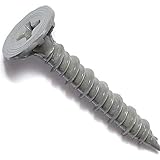
- 1.25-inch rust-resistant cement board screws
- High-quality construction adhesive suitable for outdoor use
- Cordless drill, circular saw, and a heavy-duty speed square
Instructions
- Measure and cut your pressure-treated 2x4s to match the specific dimensions of your intended small outdoor grill station, ensuring you account for a 2-inch clearance around your grill insert.
- Assemble the base frame as two separate boxes for the top and bottom, securing the joints with exterior wood screws.
- Erect the vertical support beams every 16 inches on center to prevent structural failure when supporting heavy countertops.
- Frame the grill cutout according to the manufacturer specifications of your drop-in grill, double-checking dimensions for accuracy.
- Install the cement board over the entire wood frame using a utility knife to score and snap the panels to size.
- Secure the cement board tightly against the wood using specialized rust-resistant cement board screws every 8 inches along the studs.
Pro-Tip: Applying advanced weatherization techniques like a layer of liquid waterproofing membrane over the cement board joints prevents moisture ingress, significantly extending the lifespan of your DIY BBQ island project.
2. Construct a Cheap Cinder Block Grill Station Base

Pin this brilliant $200 cinder block setup for your weekend project!
Constructing a cinder block base involves leveling a foundation, dry-stacking concrete blocks in a U-shape, and securing them permanently with heavy-duty masonry construction adhesive. This method provides unparalleled fire safety without requiring advanced carpentry skills.
A cinder block grill station stands out as the ultimate cost-effective outdoor kitchen solution for beginners. By relying on basic masonry techniques, you eliminate the need to cut expensive lumber or worry about wood rotting over time. Cinder blocks naturally form a heavy, robust base, while the construction adhesive secures the structure tightly. You must prepare foundation surfaces perfectly before starting; a level base ensures your station won’t suffer from structural failure as the ground settles.
Supplies Needed
- 40-50 standard 8x8x16-inch concrete cinder blocks
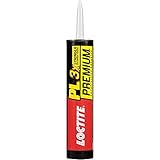
- Heavy-duty exterior construction adhesive (polyurethane-based) designed for masonry
- 4-foot I-beam level to ensure perfect alignment
- 12×12-inch concrete patio pavers (for a quick makeshift countertop if avoiding poured concrete)
- Masonry chisel and heavy hammer (if block modification is required)
- High-heat spray paint (optional, for aesthetics)
Instructions
- Prepare the foundation by ensuring your existing patio or concrete slab is perfectly flat; if building on grass, you must pour a concrete footer or lay a tamped gravel and paver base.
- Dry-fit the first course of cinder blocks in a U-shape, placing your level across them to verify they are perfectly even.
- Apply a thick bead of heavy-duty masonry construction adhesive to the top of the first row of blocks.
- Stagger the second course over the first (running bond pattern) to maximize the structural integrity of your inexpensive outdoor grill stand.
- Continue stacking and gluing until you reach standard counter height, usually around 36 inches including your intended countertop.
- Cure the structure for at least 48 hours to allow the polyurethane adhesive to fully bond before placing any heavy grills or countertops on the station.
Pro-Tip: If you live in an area with a high freeze-thaw cycle, skip the adhesive and use a proper mortar mix. Adding rebar and filling the block cores with concrete will mitigate seismic considerations and prevent shifting.
3. Repurpose Pallet Wood for a Rustic BBQ Island

Save this genius reclaimed wood upcycle to your patio inspiration board!
Repurposing pallet wood requires dismantling heat-treated pallets, sanding the planks smooth, sealing them heavily against moisture, and nailing them over a fire-safe cement board barrier. This approach delivers a high-end farmhouse aesthetic on a micro-budget.
Using reclaimed materials for pallet wood outdoor projects is incredibly popular, but it requires strict adherence to safety protocols. Wood needs protection from fire, meaning you can never attach it directly next to a hot grill box. You must attach cladding exclusively over a non-combustible cement board underlayment. Furthermore, preventing rot in outdoor wood structures requires premium weather resistant finishes. By properly sealing the wood before installation, your rustic homemade BBQ island will resist atmospheric corrosion and last for many years.
Supplies Needed
- 4-6 heat-treated (HT stamped) wooden pallets (never use chemically treated MB pallets)
- 18-gauge brad nailer and 1.5-inch galvanized brad nails
- Orbital sander with 80 and 120-grit sandpaper
- Premium exterior wood sealer and stain with UV protection
- Pry bar and hammer for dismantling pallets
- Wood framing and cement board underlayment (refer to Idea #1)
Instructions
- Dismantle the pallets carefully using a pry bar, removing any rusted nails or staples to harvest the usable wooden planks.
- Sand each plank thoroughly with 80-grit paper to remove splinters, following up with 120-grit for a smoother finish suitable for a DIY BBQ island.
- Stain and seal the boards before installation. Applying a heavy coat of UV-blocking outdoor sealer prevents atmospheric corrosion and rotting.
- Attach the cladding by starting at the bottom of your cement-board-wrapped frame and working your way up, using the brad nailer to secure the planks horizontally.
- Stagger the seams of the pallet wood as you move up to create an authentic, rustic brick-lay pattern on the exterior.
- Apply a final topcoat of waterproof sealer once the entire affordable BBQ station DIY is wrapped to ensure maximum weather resistance.
Pro-Tip: Applying advanced biocide treatments to reclaimed wood before staining will kill existing fungal spores, preventing future rot underneath your premium finish.

4. Pour a Concrete Countertop for a Custom Finish

Pin this gorgeous budget-friendly concrete countertop technique!
Pouring a concrete countertop involves building a smooth melamine mold directly on your station, mixing high-strength concrete to the right consistency, pouring it over reinforcing mesh, and sealing the cured surface. This creates a premium, highly durable workspace.
When evaluating concrete countertops vs tile for DIY builds, concrete consistently wins due to its seamless finish and extreme longevity outdoors. To pour concrete countertop slabs successfully, your underlying 2×4 framing must be robust enough to support the massive weight. Concrete provides unmatched structural strength, but it remains porous until properly treated. You must finish outdoor counter surfaces with a food-safe sealant to protect the surface from grease stains and freezing moisture. Exploring different concrete countertop ideas allows you to mimic the look of expensive natural stone at a fraction of the cost.
Supplies Needed
- High-strength concrete countertop mix (do not use standard fence post concrete)
- Melamine boards (for building a perfectly smooth casting form)
- Silicone caulk (for sealing the form edges)
- Steel reinforcing mesh or rebar
- Concrete vibrator or rubber mallet for releasing air pockets
- Magnesium float and steel finishing trowel
- Food-safe outdoor concrete sealer
Instructions
- Build the mold directly on top of your grill station frame using smooth melamine boards, cutting a precise void where your grill insert will sit.
- Seal the inner edges of the melamine form with black silicone caulk, running a specialized shaping tool over it to create a perfectly rounded edge for your counter.
- Mix the concrete in a wheelbarrow according to the manufacturer specifications, ensuring it reaches an oatmeal-like consistency without being overly soupy.
- Pour the concrete into the mold halfway, lay in your steel reinforcing mesh, and then continue pouring until the mold is slightly overfilled.
- Level the surface by screeding a straight 2×4 across the top of the mold, then tap the sides of the form repeatedly with a rubber mallet to force air bubbles to the surface.
- Finish the outdoor counter using a magnesium float once the bleed water disappears, allowing it to cure for 72 hours before removing the forms and applying a food-safe sealer.
Pro-Tip: The concrete curing process outdoor is heavily impacted by temperature. If pouring during hot summer months, cover the wet concrete with plastic sheeting to slow moisture evaporation, preventing hairline shrinkage cracks.

5. Integrate a Mini Fridge into Your Custom Budget Grill Station

Don’t build your island without saving this clever fridge integration trick!
Integrating a mini fridge requires framing a highly ventilated cavity within your station, running a weatherproof GFCI electrical outlet, lining the interior with heat-resistant cement board, and sliding in a front-venting appliance. This dramatically upgrades the functionality of your build.
A dedicated beverage fridge adds immense convenience to your patio, but outdoor appliance integration demands strict attention to safety. When you build a homemade outdoor grill station with integrated fridge, you must account for the heat generated by the appliance’s compressor. Standard indoor fridges will quickly overheat and fail if boxed into a wooden frame. You must integrate appliances that are specifically rated for outdoor use and front-venting. Ensuring you safely connect utilities following outdoor electrical codes guarantees your new entertaining space remains completely safe for your family.
Supplies Needed
- Outdoor-rated built-in beverage cooler (must be front-venting if enclosed)
- Outdoor-rated GFCI electrical outlet and waterproof cover
- 2×4 framing lumber for structural support
- Cement board for finishing the interior cavity
- Heavy-duty measuring tape and level
- Exterior-grade extension cord or direct wiring supplies (if certified)
Instructions
- Calculate dimensions carefully based on the manufacturer’s clearance requirements for your specific fridge, ensuring you leave at least 1/4-inch breathing room on the sides.
- Frame the opening during the initial build phase, reinforcing the header above the fridge so the weight of the concrete countertop doesn’t crush the appliance.
- Connect utilities safely by installing a weather-resistant GFCI outlet inside the island cavity; if you lack electrical experience, hire an electrician for this single step.
- Line the interior cavity with cement board to protect the wood frame from the heat exhausted by the refrigerator’s compressor.
- Level the base where the fridge will sit, adding wooden shims if necessary to ensure the appliance operates smoothly without the door swinging open.
- Slide the fridge into the completed budget-friendly grill setup, plugging it in and testing the front venting airflow before securing any final trim pieces.
Pro-Tip: Passive cooling for outdoor fridges is vital. Even if you purchase a front-venting model, installing louvered stainless steel vent panels on the sides of your wooden island frame will release trapped ambient heat and significantly extend the life of the appliance compressor.

6. Build a Grill Station with a Protective Pergola Roof

Keep the rain off your grill with this easy DIY pergola addition!
Building a protective roof requires anchoring heavy-duty cedar posts to your patio, connecting horizontal support beams with steel brackets, and fastening spaced shade slats across the top. This structural addition offers essential protection without trapping dangerous grill smoke.
If you want to build a cheap outdoor grilling station with roof coverage, a traditional solid patio cover might break your budget. Instead, integrating a pergola over grill station setups perfectly balances cost, aesthetics, and ventilation. A slatted wood roof offers vital shade and helps with protecting a grill station from elements while allowing extreme heat to safely dissipate upward. By focusing on building a highly weatherproof grill station, you ensure your outdoor living space remains comfortable and functional regardless of intense midday sun or sudden, light rain showers.
Supplies Needed
- Four 4×4 or 6×6 pressure-treated cedar posts (8-10 feet tall)
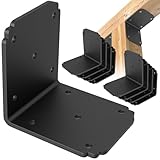
- Steel heavy-duty pergola base brackets and corner brackets
- 2×6 cedar boards for the horizontal support beams
- 2×4 cedar boards for the top shade slats
- 3/8-inch galvanized lag screws and washers
- Concrete wedge anchors (for securing to a patio)
- Ladder and a heavy-duty impact driver
Instructions
- Layout the perimeter of your DIY open-air kitchen, ensuring your pergola posts will sit comfortably outside the footprint of the grill base.
- Secure the steel base brackets directly into your concrete patio using a hammer drill and heavy-duty concrete wedge anchors to prevent wind uplift.
- Erect the 4×4 cedar posts, using a post level to ensure they are perfectly plumb before tightening the bracket screws.
- Attach the 2×6 support beams horizontally across the tops of the posts, utilizing steel corner bracket kits for a flawless, beginner-friendly 90-degree connection.
- Cut decorative tails onto the ends of your 2×4 shade slats using a jigsaw, then space them evenly (about 12 inches apart) across the top of the support beams.
- Drill and fasten the shade slats into place using exterior wood screws, creating a structure that offers shade while allowing intense grill heat to vent safely upward.
Pro-Tip: Structural load calculations dictate that if you intend to grow heavy vines on your pergola or hang heavy outdoor heating units, you must upgrade your posts to 6×6 lumber and use lateral knee braces to prevent the structure from racking in high winds.
7. Assemble a Portable DIY Grill Cart With Casters

Need mobility? Pin this heavy-duty DIY cart design for later!
Assembling a portable grill cart requires building a compact two-tier 2×4 frame, cladding the shelves with spaced cedar boards for drainage, and mounting four heavy-duty locking polyurethane casters to the reinforced base. This provides maximum flexibility for small patios.
When evaluating a portable grill cart vs built-in station, renters and homeowners with multi-use patios frequently prefer mobility. You can assemble grill stand units quickly, and utilizing industrial casters supports total patio flexibility. A well-designed portable grill station holds your heavy grill securely while allowing you to move it out of the weather when not in use. This DIY grill cart project enables you to maximize your outdoor space while still enjoying the benefits of a dedicated, highly functional cooking prep area.
Supplies Needed
- 2×4 lumber for the structural frame
- 1×6 cedar or treated pine boards for the shelving and top
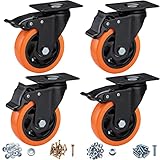
- Set of 4 heavy-duty locking polyurethane casters (minimum 4-inch diameter)
- 3/8-inch lag bolts and washers (for attaching the casters)
- Heat-resistant silicone mat or large ceramic tile (to place under the grill)
- Stainless steel heavy-duty handle/towel bar
Instructions
- Design a compact frame measuring approximately 48 inches wide by 24 inches deep, building a simple two-tier 2×4 skeleton.
- Turn the frame upside down and attach solid blocking to the four corners using scrap 2x4s to create a wide, secure base for the wheels.
- Attach the casters by pre-drilling holes and driving heavy-duty lag bolts through the caster base plates into the corner blocking; ensure all four casters have locking mechanisms.
- Flip the cart upright and clad the top and lower shelf with 1×6 cedar boards, leaving a 1/4-inch gap between boards for water drainage.
- Mount a heavy-duty handle to the side of the cart; this acts as both a steering mechanism for the portable grill station and a convenient towel rack.
- Secure a heat-resistant tile or silicone mat to the top surface where your tabletop grill will sit, protecting the wood from the extreme radiant heat of the firebox.
Pro-Tip: Engineered wood outdoor applications often fail on portable carts because movement stresses the joints. Use advanced joinery like half-lap joints glued with waterproof polyurethane adhesive, rather than relying solely on butt joints and screws, to ensure your cart withstands being rolled across uneven patio pavers.
8. Install Weatherproof Access Doors for Outdoor Storage

Upgrade your DIY build instantly with this sleek storage door hack!
Installing access doors requires framing a precisely sized cavity in your base, applying thick silicone caulk to the door flange, sliding the stainless steel unit into place, and securing it with rust-proof screws. This solves the common problem of messy, exposed outdoor storage.
Finding budget solutions for outdoor storage doesn’t mean sacrificing aesthetics. By choosing stainless steel vs wood frame doors, you ensure the hardware resists severe weather conditions while providing a luxury finish. High-quality outdoor cabinets provide secure storage for grilling tools and effectively hide unsightly propane tanks. You must install support blocking carefully around the cutout; a sturdy frame supports the heavy metal doors, preventing them from sagging over time. This simple addition instantly elevates the overall look of your project.
Supplies Needed
- Pre-made 304-grade stainless steel outdoor kitchen access doors
- Pressure-treated 2×2 or 2×4 lumber for framing the opening
- Exterior construction adhesive
- Stainless steel self-tapping screws
- Level and framing square
- Silicone caulk for weatherproofing the flange
Instructions
- Determine the cutout size required by referencing the manufacturer specifications of your stainless steel doors; the cutout is typically 1-2 inches smaller than the total faceplate size.
- Frame out the opening securely within your custom budget grill station, ensuring all four sides are perfectly level and square using 2×4 blocking.
- Apply a thick bead of outdoor silicone caulk to the back of the stainless steel door flange to prevent water from seeping behind the frame and rotting the interior.
- Slide the door unit into the framed cutout, pressing the flange firmly against the cement board or finished siding of your island.
- Drill and fasten the frame to the wood blocking using stainless steel screws driven through the pre-drilled holes on the inside rim of the door frame.
- Wipe away any excess caulk immediately with a damp rag, leaving a watertight, professional-looking seal for your budget solutions for outdoor storage.
Pro-Tip: Galvanic corrosion prevention is critical here. Never use standard zinc or galvanized screws when installing 304 stainless steel doors outdoors. The dissimilar metals will react with atmospheric moisture, causing rapid, ugly rust bleeding down the face of your beautiful new grill station. Always use 100% stainless steel fasteners.
9. Apply Faux Stone Veneer to Finish Your Homemade Setup

Transform your cheap cement board frame into luxury stone with this step!
Applying faux stone veneer involves mixing polymer-modified Type S mortar, troweling a thin scratch coat over the cement board, buttering the back of each individual stone, and pressing them firmly into place. This creates the illusion of a solid, high-end masonry build.
A beautifully finished stone grilling station completely disguises its humble 2×4 origins. Even when using basic stone products, the stone veneer finishes the surface to look indistinguishable from a custom $10,000 contractor build. You must apply adhesive mortar properly to ensure long-term durability. The cement board provides the perfect rigid backing for this heavy finish, while the specialized mortar secures the stone vertically, easily resisting the freeze-thaw cycles that destroy amateur backyard masonry projects.
Supplies Needed
- Faux stone or manufactured stone veneer panels/pieces
- Polymer-modified Type S mortar (essential for vertical outdoor adhesion)
- Metal lath (if applying over wood; skip if applying directly to cement board)
- Masonry trowel and a notched trowel
- Grout bag and joint striking tool
- Masonry wet saw or an angle grinder with a diamond blade
Instructions
- Prepare the cement board surface by wiping it clean of all dust. If you are applying stone over a painted or non-porous surface, staple a layer of metal lath securely to the frame first.
- Mix the polymer-modified mortar to a thick, peanut-butter-like consistency, ensuring it is sticky enough to hold the stones vertically without sagging.
- Apply a thin scratch coat of mortar across the entire surface of the cement board using a trowel, allowing it to dry slightly until it is firm to the touch.
- Butter the back of each stone generously with mortar, then press it firmly into the scratch coat, wiggling it slightly back and forth to ensure a complete vacuum seal.
- Cut stones as needed using an angle grinder with a diamond blade to fit perfectly around your stainless doors and grill cutout.
- Fill the joints using a grout bag filled with mortar (if using a grouted stone style), letting it set until crumbly before striking the joints smooth with a tooling stick to finish your stone grilling station.
Pro-Tip: Atmospheric corrosion resistance relies heavily on proper mortar selection. Standard thinset will fail outdoors. You must use a polymer-modified Type S masonry mortar, which offers the flexibility needed to withstand the thermal expansion considerations of an outdoor kitchen heating up and cooling down rapidly.

Key Takeaways: Your Quick Guide to Budget DIY Grill Stations
Reviewing the core principles of safety, material selection, and structural design guarantees a successful and long-lasting backyard build. While the step-by-step plans provide the mechanical knowledge you need, keeping the overarching rules of an expert DIY outdoor kitchen guide in mind prevents catastrophic failures. Whether you are designing a compact charcoal station or a sprawling stone island, these fundamental concepts apply universally. Keep these actionable insights handy as you finalize your material lists and begin your outdoor kitchen design project.
- Safety First with Clearances: Always leave a manufacturer-specified air gap between your grill and any combustible framing. Even when wrapped in cement board, radiant heat requires ventilation to prevent fire hazards in your DIY BBQ island.
- Cement Board is Non-Negotiable: When using inexpensive 2×4 lumber for framing, applying 1/2-inch cement board is mandatory. It acts as a vital heat shield and provides the perfect rigid backing for heavy stone or tile finishes.
- Cost-Savings Lie in the Base: Opting for a cinder block foundation or a wood-and-cement-board frame saves thousands of dollars compared to buying pre-fabricated metal outdoor kitchen kits.
- Invest in the Right Fasteners: A common DIY mistake is using indoor screws outside. Always spend a few extra dollars on rust-resistant, exterior-grade screws and polyurethane adhesives to prevent structural failure and weather damage.
- Plan for Utilities Early: If your budget DIY grill station includes a mini-fridge, lighting, or a sink, you must frame out the precise dimensions and run GFCI-protected electrical conduits before pouring countertops or applying stone veneer.
- Weatherproofing Extends Lifespan: Protect your investment by sealing concrete countertops annually, using UV-resistant stains on exposed wood, and ensuring your patio base allows for proper water drainage away from the structure.
FAQs About Budget DIY Grill Stations
Understanding the specific requirements, costs, and safety protocols of building an outdoor kitchen is essential before purchasing materials or breaking ground. Many DIY enthusiasts encounter unforeseen challenges regarding fire safety, weatherproofing, and budgeting during their first major build. Addressing these common concerns early prevents costly structural mistakes down the road. Whether you are wondering about the cheapest construction methods or the necessity of fire-resistant materials, these expert answers will clarify the process. Below, we address the most critical questions about building a safe, durable, and cost-effective backyard grilling area.
What is the cheapest way to build a grill station?
The absolute cheapest way to build a grill station is by constructing a dry-stacked concrete cinder block base held together with heavy-duty masonry adhesive, topped with large concrete patio pavers instead of a poured countertop.
This method can easily be completed for under $200. It requires no specialized carpentry tools, eliminates the need to cut expensive lumber, and is inherently fireproof. While it lacks the refined look of a custom stone island, you can easily paint the blocks or add stucco later to upgrade the aesthetic.
Can I build a DIY grill station for under $500?
Yes, you can build a highly functional DIY grill station for under $500 by utilizing pressure-treated 2×4 framing, covering it with heat-resistant cement board, and finishing it with affordable reclaimed pallet wood or a simple coat of exterior stucco.
To keep costs this low, you must avoid expensive materials like custom granite countertops or pre-fabricated stainless steel cabinet modules. Pouring your own concrete countertop and framing simple open shelving instead of installing metal access doors will keep your budget strictly under the $500 mark.
How do you ensure safety with wood framing near a grill?
To ensure safety, you must never let wood framing touch the grill box. You must maintain at least a 1- to 2-inch air gap, wrap all interior wood framing with 1/2-inch fire-resistant cement board, and utilize a specialized insulated grill jacket if building-in a gas grill.
Failing to properly shield a budget DIY grill station from radiant heat can lead to combustion over time as the wood dries out. Always refer strictly to the grill manufacturer’s clearance guidelines for combustible enclosures.
What are the best materials for a budget grill station?
The best materials for balancing low cost with high durability are pressure-treated 2×4 lumber for the skeleton, HardieBacker cement board for heat and moisture protection, and poured concrete for a virtually indestructible, weather-resistant countertop.
For exterior finishes, corrugated galvanized metal, repurposed pallet wood (properly sealed), or basic cinder blocks covered in a scratch coat of mortar offer excellent value. These robust budget materials endure harsh weather while remaining accessible to beginners.
Can a DIY grill station include a fridge?
Yes, a homemade grill station can include a fridge, but you must purchase an outdoor-rated model and ensure the station cavity is built with adequate ventilation to prevent the compressor from overheating in the summer.
Standard indoor dorm fridges will fail quickly outside due to temperature fluctuations and humidity. Furthermore, you must ensure the electrical outlet powering the fridge is on a dedicated, weather-proofed GFCI circuit to meet outdoor building codes.
Is cement board necessary for a grill station?
Yes, cement board is absolutely necessary if you are framing your outdoor kitchen with combustible materials like 2×4 wood. It acts as a vital heat shield and provides an dimensionally stable, waterproof substrate for attaching stone, tile, or stucco.
Even if you are not applying stone veneer, skipping the cement board wrapper on a wood frame violates basic fire safety protocols. It also prevents moisture ingress, stopping the underlying wood structure from rotting away within a few seasons.
What’s the difference between a grill station and an outdoor kitchen?
A grill station is typically a smaller, simplified structure focused solely on housing the grill and providing minimal counter space, whereas an outdoor kitchen is a larger, permanent installation featuring multiple appliances, sinks, expansive seating, and complex utility connections.
Grill stations are inherently more budget-friendly and DIY-accessible. They are perfect for small patios and beginners looking for a weekend project, whereas full outdoor kitchens often require professional contractors, plumbers, and a budget exceeding $10,000.
How to waterproof a DIY grill station?
To waterproof your build, apply a liquid waterproofing membrane over all cement board seams, use outdoor-rated silicone caulk around grill drop-ins and doors, and seal wooden elements with a premium UV-blocking exterior polyurethane stain.
Additionally, the design itself matters. Ensuring your poured concrete countertop has a slight 1/8-inch overhang (a drip edge) prevents rain from running directly down the face of your cabinetry, significantly reducing the chances of water damage and rot.
Can I use pallets for a budget grill station?
You can safely use heat-treated pallet wood to clad the exterior of a grill station, provided it is mounted over a fire-safe cement board barrier and never comes in direct contact with the hot grill insert.
Never use pallets stamped with MB (Methyl Bromide), as these are chemically treated and dangerous to use near food preparation areas. Pallets offer a free, rustic aesthetic, but they must be aggressively sanded and sealed to survive outdoor conditions without rotting.
What are common mistakes when building a DIY outdoor kitchen?
The most common mistakes are failing to leave expansion gaps for grills, using indoor-rated screws that rust and break, failing to slope countertops for water runoff, and ignoring the structural load requirements of heavy concrete tops on flimsy frames.
Another frequent error is failing to level the foundation before starting. If your base frame is crooked, your countertops will crack, your doors won’t shut, and grease will pool unevenly in your grill. Always start with a perfectly level, tamped foundation.
Final Thoughts on Building Your Budget DIY Grill Station
Transforming your backyard doesn’t require emptying your savings account or hiring a fleet of expensive contractors. By committing to a budget DIY grill station, you are taking control of your outdoor living space, crafting a custom cooking area that perfectly fits your specific needs, aesthetic, and financial realities. Whether you choose to construct a rustic pallet-wood cart on casters or a permanent, stone-veneered concrete island, the foundational rules remain the same: prioritize fire safety with cement board, respect the elements with proper sealants, and never underestimate the structural integrity of a well-built 2×4 frame.
The beauty of a homemade grill setup lies in its incredible flexibility. You can start with a basic cinder block base this summer and choose to upgrade it with stucco or poured concrete countertops next year. The plans and techniques outlined above are designed to empower any DIY enthusiast to approach outdoor construction with confidence, utilizing accessible materials found at any local big-box hardware store.
Now that you possess the blueprints, the material lists, and the expert safety protocols, the only thing left to do is choose the design that best fits your patio. Which of these affordable outdoor cooking options are you planning to tackle first? Are you leaning toward the industrial look of cinder blocks or the classic finish of stone veneer? Let us know in the comments below, and happy building!
Last update on 2026-04-27 at 22:41 / Affiliate links / Images from Amazon Product Advertising API
