
As an Amazon Associate KitchenwareSets.com earns from qualifying purchases.
13 Rustic Outdoor Kitchen Design Ideas for Homeowners
Are you tired of staring at a plain, uninspired backyard patio? Building the perfect entertaining space often feels overwhelming. Navigating rustic outdoor kitchen design ideas requires balancing rugged charm with serious weather resistance.
A rustic outdoor kitchen is a functional backyard cooking area built using unrefined, natural materials like reclaimed wood, natural stone veneer, and distressed metal. To design one successfully, homeowners must balance rugged aesthetic charm with high-heat cooking safety, proper ventilation, and weatherproof sealing for long-lasting durability.
Drawing from comprehensive analysis of current data and proven architectural methodologies, we understand this masonry construction challenge. This farmhouse outdoor kitchen guide reveals thirteen tested configurations for your home. Discover how to create a durable, weatherproof backyard entertainment area today.
Contents
show
Are You Looking for Rustic Outdoor Kitchen Design Ideas That Blend Functionality with Earthy Aesthetics?
Transitioning your backyard from a simple grassy lawn to a deeply inviting lodge-style gathering space requires careful planning. Many homeowners fall into the trap of purchasing synthetic, short-lived setups that rapidly degrade under harsh UV rays and rain. In contrast, a properly built rustic al fresco kitchen utilizing authentic masonry construction and heavy timbers will easily last generations while significantly enhancing property value.
When you prioritize earthy tones and rugged textures, you are not just making aesthetic choices; you are selecting materials that naturally hide wear and tear. A true backyard entertainment area must effectively balance this visual appeal with strict, building code compliant fire safety regulations and moisture resistance.
Whether you are drawing inspiration from high-end landscape architecture or planning a weekend DIY project, the foundational elements remain the same. Connecting stone countertop ideas with weatherproof structural components ensures your new outdoor living space remains both beautiful and structurally sound through every season. Let’s explore the actionable material lists and specific structural configurations you need to bring these concepts to life in 2026.
13 Rustic Outdoor Kitchen Design Ideas for Homeowners
Moving from inspirational mood boards to hands-on installation requires a clear understanding of material science. As we break down these thirteen distinct designs, you will notice a progression from heavy foundational masonry construction up to the finer reclaimed wood accents.
When designing your ideal outdoor bbq zone, you must evaluate the load-bearing capacity of your chosen base. Heavy wood-fired pizza ovens and expansive countertops demand extreme structural integrity that standard 2×4 framing simply cannot provide. By comparing options like granite vs concrete or reclaimed wood vs cedar, you can tailor your small rustic outdoor kitchen ideas on a budget without compromising on safety or tested durability.
Let’s dive into the step-by-step logic, technical pro-tips, and precise material sourcing required for building out a phenomenal rustic kitchen layout.
1. Installing a Natural Stone Veneer BBQ Island

- Pin this stone island design to your ‘Dream Backyard Build’ board!
Installing a natural stone veneer BBQ island involves bonding earthy-toned masonry to a sturdy concrete block base to ensure ultimate moisture resistance and structural strength. This heavy-duty approach effortlessly supports heavy countertops while safely housing your stainless steel appliances against the elements.
Materials Needed
- Concrete block base pre-built to grill specifications
- Natural stone veneer panels (earthy tones like split-face ledger)
- Type S mortar mix for optimal resistance to outdoor elements
- Notched trowel and masonry pointing tool
- Stainless steel appliances (built-in gas grill)
- Metal lath and masonry fasteners
Step-by-Step Directions
- Prepare the concrete block substrate by attaching the metal lath securely to ensure the mortar has a gripping surface.
- Mix the Type S mortar to a peanut-butter consistency to prevent sliding during the installing process.
- Apply a scratch coat of mortar over the lath and allow it to cure overnight for maximum structural integrity.
- Back-butter each piece of natural stone veneer and press it firmly against the scratch coat, starting from the bottom corners and working upward.
- Level and align the stones tightly to emphasize the rugged textures, wiping away excess mortar immediately to prevent staining.
- Seal the completed masonry with a breathable, penetrating sealant for ultimate uv protection and moisture resistance.
What most guides miss: In my experience with masonry construction, applying a silane-siloxane penetrating sealer after the mortar cures for 28 days is crucial for efflorescence prevention. This critical step stops white mineral salt deposits from bleeding through the mortar and ruining your carefully crafted rustic patina.

2. Building a Reclaimed Wood Pergola for Shade

- Save this beautiful shade solution for your upcoming summer project!
Building a reclaimed wood pergola requires anchoring heavy timber beams into deep concrete footings to establish massive load-bearing capacity and wind resistance. A well-constructed overhead pergola protects from rain, utilizes natural light effectively, and significantly enhances the cozy atmosphere of a covered outdoor kitchen.
Materials Needed
- Hand-hewn beams or salvaged barn wood (6×6 posts, 2×8 beams)
- Heavy-duty structural post bases (powder-coated black for a distressed metal look)
- Galvanized carriage bolts and antiqued hardware
- Quick-setting concrete for footings
- High-grade outdoor polyurethane or tung oil for weatherproofing
- Level, drill, and heavy-duty socket sets
Step-by-Step Directions
- Measure and mark your post locations, digging footings at least 24 inches deep or below your local frost line.
- Pour the concrete footings and embed the heavy-duty post bases, ensuring they are perfectly level and square to support the load-bearing capacity.
- Stand the reclaimed wood posts into the brackets, using temporary bracing to hold them plumb while you drill and bolt them in place.
- Mount the main support beams across the top of the posts using carriage bolts and mortise and tenon joinery if preferred for a deeply authentic material look.
- Install the cross rafters evenly across the main beams to filter sunlight, securing them with heavy-duty exterior timber screws.
- Seal the entire structure with a UV-blocking penetrating oil to maintain the rustic patina while preventing graying.
Expert insight: Always elevate your wooden pergola posts exactly 1 inch above the concrete using specialized standoff post bases. This prevents galvanic corrosion of your fasteners and stops the thirsty end-grain of the timber from soaking up standing patio water, saving your reclaimed wood accents from premature base rot.

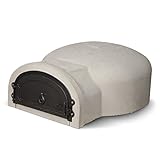
3. Constructing a Concrete Block Base for a Wood-Fired Pizza Oven

- Love homemade pizza? Pin this foundation guide for your own backyard pizzeria!
Constructing a concrete block base for a wood-fired pizza oven demands utilizing rebar-reinforced cinder blocks and high-heat refractory mortar. This specialized masonry construction accommodates large groups safely by providing extreme fire safety and managing the massive thermal expansion coefficients generated by live fires.
Materials Needed
- Standard 8x8x16 cinder blocks (quantity based on oven dimensions)
- Rebar (number 4 or 5) for vertical and horizontal reinforcement
- Type S mortar and concrete mix for core filling
- Fire safety refractory bricks for the hearth layer
- High-heat refractory mortar
- Plywood and 2x4s for pouring the concrete hearth slab
Step-by-Step Directions
- Lay the first course of cinder blocks onto a level, poured concrete footer, ensuring exact squareness for your concrete block base.
- Build the block walls up to your desired waist height (usually 36-40 inches), staggering the joints and inserting rebar vertically into the cells.
- Fill the rebar-lined block cells with wet concrete to create an impenetrable, structural support pillar.
- Construct a temporary wooden form inside and around the top of the blocks to pour a 4-inch reinforced concrete hearth slab.
- Pour the concrete slab, let it cure for 48 hours, then remove the wooden forms completely.
- Install a layer of insulating board topped with firebrick laid in refractory mortar to act as the heat-shielding base for your wood-fired pizza oven.
An often-overlooked strategy: Never use standard Portland cement mortar for the interior hearth of your rustic stone outdoor kitchen with pizza oven. Standard mortar degrades rapidly under extreme heat. Always specify high-alumina refractory mortar capable of handling 2000°F+ temperatures to ensure a completely safety certified result.
4. Mounting Distressed Metal Cabinets for Weatherproof Storage

- Ensure your outdoor tools stay dry—pin these weatherproof cabinet ideas!
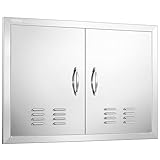
Mounting distressed metal cabinets into a masonry island provides essential rust proofing and moisture resistance while maintaining a rugged, vintage finish. These heavy-duty steel inserts securely house appliances and cookware, resolving the common rot issues associated with traditional wooden open shelving outdoors.
Materials Needed
- 304 or 316 marine-grade stainless steel outdoor cabinet inserts
- Metal etching primer and distressed/hammered finish spray paint (if customizing standard steel)
- Masonry drill bits and tapcon screws for mounting
- Polyurethane construction adhesive
- Clear, matte uv protection automotive clear coat
- Shims for leveling
Step-by-Step Directions
- Scuff the front facing of standard stainless steel outdoor doors with fine-grit sandpaper to give the primer a gripping surface.
- Apply the metal etching primer, followed by a hammered or antiqued bronze spray paint to create that distressed metal aesthetic.
- Seal the painted doors with a high-quality matte clear coat to ensure maximum rust proofing and moisture resistance.
- Slide the custom cabinetry design into the rough openings of your masonry island, using plastic shims to ensure the doors hang perfectly square.
- Drill pilot holes through the inner cabinet flange directly into the concrete block surround using a masonry bit.
- Anchor the cabinets permanently using masonry screws, then seal the outer perimeter gap with a heat-resistant outdoor silicone to block water intrusion.
Professional standard: If you live within 10 miles of the coast, standard 304 stainless steel will quickly develop ugly surface rust. Always upgrade to 316 marine-grade stainless steel for your outdoor kitchen inserts, even if you plan on painting over them to achieve that classic vintage finish. The underlying metal quality dictates the lifespan.
5. Designing a Brick and Mortar Bar-Top Grill Station

- Upgrade your entertaining space! Save this brick bar-top layout for inspiration.
Designing a brick and mortar bar-top grill station utilizes a sturdy, split-level masonry core to safely separate the 36-inch cooking zone from the 42-inch guest seating area. This structural arrangement clearly defines outdoor zone boundaries, beautifully accommodates large groups, and showcases the timeless appeal of exposed brick.
Materials Needed
- Antique or tumbled exposed brick (facing bricks)
- Standard cinder blocks (for the structural core)
- Heavy-duty steel countertop support brackets (L-brackets)
- Outdoor bar stools (wrought iron and wood mix)
- Thick cedar planks or poured concrete for the raised bar top
- Masonry ties and Type N mortar
Step-by-Step Directions
- Design the dual-level foundation using cinder blocks: build the cooking station up to 36 inches, and the rear bar-wall up to 42 inches.
- Install heavy-duty steel countertop support brackets along the 42-inch wall, bolting them directly into the masonry to support the heavy cantilevered counters.
- Clad the entire exposed block structure with your tumbled exposed brick, using masonry ties every few courses to bind the brick veneer to the block core.
- Tool the mortar joints with a jointer tool to create a clean, concave finish that sheds rainwater effectively.
- Mount the heavy bar-top material (like a thick live-edge wood slab) onto the hidden steel brackets, securing it from underneath.
- Position your outdoor bar stools along the overhang, ensuring at least 10-12 inches of knee clearance for guest comfort.
What most guides miss: When designing a split-level masonry island with a heavy overhanging bar top, never rely solely on construction adhesive to hold the ledge. Always use 1/2-inch thick, powder-coated steel L-brackets spaced every 18-24 inches to guarantee absolute safety certified support that won’t crack under the weight of leaning guests.

6. Integrating a Copper Sink with Antiqued Hardware

- Add immense farmhouse charm to your patio—save this copper sink aesthetic!
Integrating a copper sink with antiqued hardware introduces highly functional running water to your prep station while developing a beautiful, naturalistic patina over time. Proper plumbing installation greatly simplifies entertaining and food safety, providing an incredibly authentic pastoral style.
Materials Needed
- Hammered copper sink (drop-in or apron-front farmhouse style)
- Antiqued hardware faucet (Oil-Rubbed Bronze or aged brass)
- Outdoor-rated PVC drain pipes and P-trap assembly
- Silicone plumbing sealant
- Stainless steel braided water supply lines
- In-line water shut-off valves for winterization
Step-by-Step Directions
- Cut the sink template outline into your countertop material, leaving adequate space behind the sink for the faucet installation.
- Apply a continuous bead of outdoor-grade silicone sealant under the lip of the copper sink before dropping it securely into the cutout.
- Mount the antiqued hardware faucet, ensuring the rubber gaskets are seated perfectly to prevent leaks into your lower cabinetry.
- Connect the hot and cold braided supply lines to your home’s main water feed, ensuring in-line shut-off valves are installed at the lowest point.
- Assemble the PVC P-trap and drain piping, sloping the horizontal drain pipe at a 1/4-inch drop per foot to prevent standing water.
- Winterize the system before the first freeze by shutting off the main water valves, opening the faucet to bleed pressure, and clearing the lines to prevent burst pipes.
Expert insight: Copper is a “living finish” material. When used in a backyard rustic kitchen, it will naturally oxidize and darken, developing a stunning green/brown rustic patina. Never use harsh chemical cleaners on copper; wash it simply with mild dish soap and warm water to preserve the finish without stripping the natural oils.

7. Leveling a Flagstone Patio for a Rustic Galley Kitchen

- Build a foundation that lasts decades! Pin this flagstone patio guide.
Leveling a flagstone patio requires excavating a 1/4-inch slope and utilizing a heavily compacted crushed gravel base to prevent destructive hydrostatic pressure buildup. This permeable paver approach perfectly coordinates with patio aesthetics while providing ultra-durable outdoor flooring that easily supports a heavy rustic outdoor galley kitchen.
Materials Needed
- Large, irregular flagstone pieces (2 inches thick minimum for foot traffic)
- 3/4-inch crushed gravel (Class II permeable base)
- Coarse leveling sand (concrete sand)
- Polymeric sand specifically formulated for wide joints
- Heavy-duty hand tamper or plate compactor
- Landscape fabric and a heavy rubber mallet
Step-by-Step Directions
- Excavate the footprint of your rustic outdoor galley kitchen to a depth of 6 inches, sloping the soil away from any existing home foundations at 1/4-inch per foot.
- Lay heavy-duty landscape fabric over the soil to prevent weed growth and separate the soil from your aggregate base.
- Spread a 4-inch layer of 3/4-inch crushed gravel, moistening it slightly before heavily leveling and compacting it to create a rigid sub-base.
- Screed a 1-inch layer of coarse leveling sand over the compacted gravel, creating a smooth bed without compacting it.
- Set the heavy flagstones onto the sand, piecing them together like a puzzle with 1-to-2-inch gaps, tapping them firmly down with a rubber mallet until perfectly flush.
- Sweep the wide-joint polymeric sand into the gaps, blow off the excess dust from the stone surfaces, and mist gently with a hose to activate the hardening agents.
What most guides miss: When dealing with hardscaping basics, never use regular masonry sand between flagstones in a cooking area. Heavy grill grease and food spills will ruin it instantly. High-quality polymeric sand binds together like concrete, preventing rapid washouts and resisting deep grease stains while remaining flexible enough to prevent structural cracking during harsh freeze-thaw cycles.

8. Anchoring a Hand-Hewn Beam Gazebo Structure

- Want a lodge-style aesthetic? Pin these massive timber structural ideas!
Anchoring a hand-hewn beam gazebo structure involves securing massive 8×8 timber posts to poured concrete footings using heavy-duty steel gussets for maximum structural support and wind resistance. This permanent roofing solution fully protects from rain and establishes the ultimate lodge style outdoor kitchen environment.
Materials Needed
- Massive hand-hewn beams (8×8 or 10×10 minimum for a true lodge look)
- Powder-coated black steel timber framing gussets and brackets
- 1-inch diameter galvanized through-bolts and washers
- Tongue and groove joinery roof decking boards (cedar or pine)
- Asphalt shingles or corrugated metal roofing panels
- Heavy-duty impact driver and wood auger drill bits
Step-by-Step Directions
- Pour massive 24×24-inch concrete footings to handle the extreme weight and uplift forces of a solid-roof structure.
- Anchor heavy steel base plates into the wet concrete, allowing them to cure for 48 hours before hoisting the 8×8 timber posts.
- Plumb and brace the main vertical posts, then hoist the heavy cross-beams into place using a material lift.
- Fasten the beams to the posts using thick black steel gusset plates and driving massive through-bolts entirely through the timber.
- Frame the pitched roof rafters over the beams, then nail down the tongue and groove joinery decking boards to form the beautiful interior ceiling.
- Install the waterproof underlayment and your chosen roofing material on top to completely weatherproof the cooking area below.
Professional standard: When building solid-roof structures over an outdoor grill, you are legally required by most building codes to implement proper ventilation solutions. Always install a commercial-grade outdoor exhaust hood system directly over the grill to aggressively vent dangerous carbon monoxide and highly flammable grease smoke safely outside the structure.

9. Finishing Custom Cedar Cabinetry for a Farmhouse Feel

- Get that perfect farmhouse aesthetic! Pin these custom cedar cabinetry steps.
Finishing custom cedar cabinetry requires meticulously sealing the porous wood end-grains with multiple coats of marine-grade spar urethane to ensure complete termite prevention and UV resistance. Cedar provides naturally rot-resistant, space saving storage that perfectly complements a classic farmhouse outdoor kitchen.
Materials Needed
- Western Red Cedar lumber (naturally rot-resistant)
- Marine-grade spar urethane or spar varnish
- High-quality bristle brush and tack cloths
- 120 and 220 grit sandpaper
- Matte surfaces black hardware (handles and hinges)
- Exterior-grade wood glue and stainless steel brad nails
Step-by-Step Directions
- Construct the cabinet frames and doors using the cedar lumber, ensuring all joints are glued with exterior-grade waterproof adhesive.
- Sand the entire surface of the cedar cabinetry evenly with 120-grit, followed by 220-grit sandpaper, wiping away all dust with a tack cloth.
- Seal every inch of the wood, paying obsessive attention to the porous end-grains, which are the primary entry points for destructive moisture.
- Apply the first coat of marine-grade spar urethane using a high-quality brush, allowing it to dry for 24 hours.
- Sand the first coat lightly with 220-grit paper to knock down any raised wood fibers, wipe clean, and apply two additional top coats for ultimate termite prevention and UV resistance.
- Install the matte black hardware onto the doors before securely mounting the custom units into your masonry island framework.
Expert insight: Never use standard indoor polyurethane for finishing outdoor custom cabinetry design. Harsh sunlight will cause indoor poly to aggressively peel and turn yellow within months. Always specify marine-grade “Spar Urethane,” which contains specialized UV blockers and is chemically formulated to flex naturally with the wood during extreme seasonal temperature fluctuations.

10. Sealing Rough-Sawn Wood Countertops for UV Protection

- Keep your wood counters from turning grey! Pin this outdoor sealing guide.
Sealing rough-sawn wood countertops for UV protection relies on deeply penetrating food-safe hardening oils rather than brittle plastic films that chip easily under knife work. When properly treated, an organic materials butcher block provides an incredibly durable, heat shielding prep surface that looks phenomenal.
Materials Needed
- Thick rough-sawn wood slab or pre-made hardwood butcher block
- 100% Pure Tung Oil (penetrating) OR Food-Safe Marine Varnish (film-building)
- Citrus solvent (for thinning the first oil coat)
- Clean, lint-free cotton rags
- Orbital sander with graduating grits (80 to 320)
- Wood conditioner (if using softwoods)
Step-by-Step Directions
- Sand the rough-sawn wood countertop meticulously, progressing from 80-grit to 320-grit until the surface is exceptionally smooth for safe food prep.
- Wipe the entire surface with a damp cloth to intentionally raise the wood grain, let it dry completely, and do one final pass with 320-grit sandpaper.
- Mix 100% pure tung oil with citrus solvent at a 50/50 ratio to allow the critical first coat to penetrate deeply into the dense wood fibers.
- Rub the thinned oil generously into the wood using a lint-free rag, letting it soak in for 30 minutes before firmly wiping off any excess pooling.
- Apply 3 to 5 subsequent coats of unthinned pure tung oil, waiting a full 24 hours between each application, to build a water-resistant, food-safe barrier.
- Cure the countertop for a full 15-30 days before using it for heavy food prep to ensure the protective oils have completely polymerized and hardened.
An often-overlooked strategy: If you plan on actively chopping directly on the surface, entirely avoid thick polyurethane sealants. Sharp kitchen knives will quickly slice through the plastic film, allowing trapped moisture to seep underneath and violently peel the finish. Instead, use a deeply penetrating, food-safe hardening oil like Pure Tung Oil, which offers excellent uv protection and can be effortlessly repaired with a quick seasonal re-oiling.

11. Decorating with Warm String Lights and Vintage Fixtures

- Create the ultimate evening ambiance! Pin these outdoor lighting ideas.
Decorating with warm string lights requires suspending commercial-grade, shatterproof LED bulbs from tensioned steel guide wires to safely create an inviting, cozy atmosphere. Strategic outdoor lighting highlights the rugged textures of your stonework while extending the functional usability of your space well past sunset.
Materials Needed
- Commercial-grade, shatterproof LED string lights (2700K warm white)
- Heavy-duty steel guide wire and turnbuckle tensioners
- Vintage finish brass or bronze outdoor wall sconces (for task lighting)
- Exterior-rated GFCI outlets and weatherproof covers
- Low-voltage landscape lighting transformer (if adding pathway lights)
- Drill, masonry anchors, and zip ties
Step-by-Step Directions
- Plan your lighting zones carefully: bright task lighting directly over the grill, and softer ambient string lights suspended over the seating area.
- Install exterior-rated GFCI electrical outlets near your high mounting points to ensure the wiring is safely protected from sudden moisture faults.
- Anchor heavy-duty steel guide wires firmly between your pergola posts or masonry walls, using turnbuckles to pull the metal cables completely taut.
- Suspend the commercial-grade string lights from the steel guide wire using heavy zip ties; this prevents the thin electrical cord from bearing its own weight and snapping during storms.
- Mount the vintage wall sconces directly over your countertop prep zones to provide crisp, safe visibility for knife work after dusk.
- Connect all fixtures to an automated smart timer or photocell sensor so your warm lighting turns on flawlessly automatically at sunset.
Safety certified tip: Never hang standard thin glass Edison bulbs over an active outdoor cooking or dining area. High wind storms can easily shatter them directly into your food. Always purchase commercial-grade, shatterproof LED bulbs carrying a verified IP65 waterproof rating to ensure your backyard entertainment area remains incredibly safe and brightly lit year-round.
12. Installing a Durable Granite Countertop over Cinder Blocks

- Looking for a lifetime countertop? Pin this rugged granite edge design!
Installing a durable granite countertop involves resting heavy, leathered-finish stone slabs onto flexible silicone dollops atop a perfectly level masonry base. When comparing granite vs concrete, dense granite provides an incredibly easy clean workspace that heavily resists outdoor elements and nasty grease stains.
Materials Needed
- Pre-cut granite countertops (request a “leathered” finish and a chiseled/broken edge)
- High-quality penetrating stone sealer
- Exterior-grade clear silicone adhesive
- Wooden shims for leveling
- Heavy-duty lifting straps and a 3-4 person crew
- Caulking gun and microfiber cloths
Step-by-Step Directions
- Ensure your cinder block foundation is perfectly level across all planes and completely clean of any loose debris or protruding mortar clumps.
- Apply quarter-sized dollops of exterior-grade clear silicone every 12 inches along the top of the masonry walls (do not use rigid construction adhesive).
- Lift the incredibly heavy granite slabs carefully using heavy-duty lifting straps, resting them gently downward onto the silicone dollops.
- Level the slabs immediately using small wooden shims if necessary, ensuring any seam joins are perfectly flush to the touch.
- Fill any seams precisely with color-matched outdoor epoxy, scraping it flush once hardened to prevent water intrusion.
- Seal the entire surface with a penetrating stone sealer to aggressively prevent hot grease stains from your grill from soaking into the microscopic pores of the stone.
Expert insight: When actively choosing granite countertops for a rustic kitchen layout, strongly ask your local fabricator for a “leathered” or “honed” finish rather than a standard high-gloss polish. High gloss looks far too modern and reflects harsh midday sunlight directly into your eyes. A leathered finish with chiseled unrefined edges feels deeply organic and naturally hides everyday dust and pollen beautifully.

13. Planning a Cozy Fire Pit Integration with River Rock Accents

- Complete your outdoor living zone! Pin this seamless fire pit integration.
Planning a cozy fire pit integration involves establishing a strict 10-foot safety clearance and utilizing decorative river rock accents to visually transition the cooking space to the lounging area. A dedicated fire pit naturally creates a secondary gathering zone that perfectly compliments fire pit aesthetics and safely utilizes natural light and heat.
Materials Needed
- Pre-cast concrete fire pit blocks or a smokeless steel insert
- High-heat refractory mortar
- Decorative river rock accents (medium size, 1-3 inches)
- Lava rocks or fire glass for the interior
- Heavy-duty steel spark screen
- Shovels and landscape edging
Step-by-Step Directions
- Plan the location of your fire pit carefully to be at least 10 to 15 feet away from your wooden pergola, overhanging branches, or home siding for absolute fire safety.
- Dig a 6-inch deep circular trench specifically for the fire pit foundation, filling it with crushed gravel to ensure proper drainage.
- Build the stone surround slowly using pre-cast blocks and refractory mortar, leaving a few small intentional gaps in the bottom course to allow oxygen to feed the fire.
- Excavate a 2-foot perimeter around the outside of the completed fire ring, laying down heavy-duty landscape fabric to block weeds.
- Fill this perimeter trench exclusively with your decorative river rock accents, creating a beautiful, non-combustible visual transition zone between the fire pit and your lawn or patio.
- Insert your steel smokeless ring or line the interior heavily with firebrick, finishing the bottom with a thick layer of lava rock to safely disperse heat downward.
Safety certified tip: Never use standard river rock accents, pea gravel, or wet natural stones inside the actual high-heat burn zone of a fire pit. Porous stones actively trap hidden moisture inside them; when rapidly heated by a live fire, the trapped water instantly turns to steam, causing the rocks to literally explode and aggressively shoot dangerous shrapnel toward your guests. Always use heavily rated lava rock, fire glass, or solid firebrick inside the active burn area.

Key Takeaways: Your Quick Guide to Rustic Outdoor Kitchen Design Ideas
Before you start pouring concrete or buying timber, it is critical to review the foundational rules that govern a successful backyard entertainment area. A truly breathtaking rustic outdoor kitchen relies on synthesizing structural masonry, weather-resistant timber, and stringent building codes. These core principles will ensure your outdoor living space remains safe and stunning for decades.
Key Takeaways:
- Masonry Foundations Are Non-Negotiable – Always build the core of your rustic outdoor kitchen using concrete blocks and cement board, never combustible wood framing, especially near high-heat grills.
- Select the Right Stainless Steel – Use 304 or 316 marine-grade stainless steel for all outdoor appliances and doors to guarantee moisture resistance and true rust proofing in exposed environments.
- Prioritize Heavy-Duty Wood Finishes – When utilizing reclaimed wood accents or cedar, always use a UV-blocking marine spar varnish or pure tung oil to prevent rapid graying and rot.
- Never Ignore Proper Ventilation – Gas grills built into natural stone veneer islands require explicit lower and upper venting to prevent dangerous gas pooling and potential explosions.
- Countertop Choice Dictates Maintenance – Choosing leathered granite countertops offers an easy clean, lifetime surface, whereas rough-sawn wood requires bi-annual re-oiling to remain food-safe and weatherproof.
- Implement Proper Drainage Early – Whether leveling a flagstone patio or plumbing a copper sink, establish your 1/4-inch per foot slope grading before building any structures.
- Balance Aesthetics with Building Codes – Massive hand-hewn beams provide incredible rustic charm, but their load-bearing capacity and anchoring must meet local wind-uplift and frost-line regulations.
FAQs About Rustic Outdoor Kitchen Design Ideas
As homeowners transition from gathering rustic outdoor kitchen design ideas to active project planning, a host of technical and financial questions inevitably arise. Navigating the choices between a simple DIY setup and a professional luxury build can feel overwhelming. Below, we address the most common roadblocks to help you confidently map out your outdoor cooking sanctuary.
How to build a rustic outdoor kitchen on a budget?
Building a rustic outdoor kitchen on a budget requires utilizing a DIY cinder block foundation, opting for salvaged or reclaimed wood accents, and choosing a modular drop-in charcoal grill instead of premium built-in gas appliances.
By acting as your own general contractor, you can save up to 50% on expensive labor. Focus your budget tightly on high-quality masonry construction for the base, and save significant money by dry-stacking a flagstone patio yourself rather than paying for poured stamped concrete.
What are the best materials for a rustic outdoor kitchen?
The best materials for a rustic outdoor kitchen include natural stone veneer, marine-grade stainless steel, thick granite countertops, and weather-resistant timbers like Western Red Cedar or White Oak.
These authentic materials not only deliver the highly desired lodge style outdoor kitchen aesthetic but also offer superior tested durability against extreme seasonal weather, harsh UV radiation, and destructive insect damage.
How much does a rustic outdoor kitchen cost?
A basic DIY rustic outdoor kitchen island can cost between $2,000 and $4,500, while a professionally installed, fully covered luxury setup with premium appliances ranges from $15,000 to over $40,000.
The vast price difference depends heavily on whether you choose a diy vs professional labor route, the inclusion of a heavy solid-roof structure, and whether you integrate expensive hard-plumbed utilities like gas lines and winterized plumbing.
Can you use reclaimed wood for outdoor kitchens?
Yes, you can use reclaimed wood for outdoor kitchens, but it must be heavily sealed with a marine-grade spar urethane to protect against moisture and must be kept away from the immediate high-heat grilling zones.
Because old barn wood is incredibly dry, it is highly combustible. Always use a concrete block base around your grill, utilizing the weathered timber strictly for decorative cabinet faces or overhead pergolas far from open flames.
What stone is best for rustic counters?
Leathered or honed granite is the best stone for rustic outdoor counters because it is exceptionally dense, highly stain-resistant, and its matte finish perfectly mimics unrefined natural rock.
While porous stones like travertine or limestone offer great rugged textures, they absorb grease and wine spills entirely too easily. A dark granite with a chiseled edge provides the ultimate weatherproof + durable solution for messy outdoor cooking.
Is a wood-fired pizza oven worth it?
A wood-fired pizza oven is highly worth it if you frequently entertain large groups and enjoy artisanal outdoor cooking, as it serves as both a high-heat culinary tool and a stunning visual centerpiece.
However, they require massive structural support and significant pre-heating time before cooking. If you prefer quick weeknight dinners, a high-end gas grill might be considerably more practical for your backyard entertainment area.
How to weatherproof a rustic kitchen?
To weatherproof a rustic kitchen, apply penetrating silane sealers to masonry, use UV-blocking spar varnish on all wood surfaces, install 316 stainless steel hardware, and utilize breathable waterproof appliance covers.
Effective winterization also involves proactively blowing out your plumbing lines before the first hard freeze and ensuring your patio drainage flows safely away from the base of the kitchen to prevent destructive frost heave.
How to design a small rustic outdoor kitchen?
To design a small rustic outdoor kitchen, utilize a linear galley layout against an existing wall, combine your grill and prep space into one 6-foot island, and use vertical wall space for hanging distressed metal storage.
Embrace space saving tactics by intentionally skipping the bulky pizza oven or wide double sinks. A simple charcoal grill cleanly built into a natural stone veneer base delivers massive charm without eating up your entire usable patio footprint.
Do I need a permit for an outdoor kitchen?
Yes, you generally need a building permit for an outdoor kitchen if the project involves running new electrical lines, plumbing, gas piping, or building a permanent overhead roof structure.
Simple standalone DIY islands without hard-plumbed utilities may successfully bypass permitting in some local municipalities, but you must always verify local zoning laws and ensure building code compliant property line setbacks before breaking ground.
How to mix rustic and modern styles?
To mix rustic and modern styles successfully, pair rugged, natural stone veneer bases with sleek, minimalist stainless steel appliances and clean, square-edged poured concrete countertops.
This transitional design approach perfectly balances the cozy atmosphere of organic materials with the easy clean functionality and sharp, crisp lines of contemporary design, creating a highly sophisticated and timeless outdoor space.
Final Thoughts on Rustic Outdoor Kitchen Design Ideas
Creating a stunning rustic outdoor kitchen is about much more than just nailing up some weathered wood and stacking a few loose rocks. As we’ve explored through these 13 rustic outdoor kitchen design ideas, the most successful outdoor living spaces seamlessly blend the untamed, natural beauty of organic materials with the exacting structural standards of modern masonry construction.
Whether you are embarking on a budget-friendly DIY cinder block build this July or working alongside a landscape architect to construct a massive timber-framed pavilion in 2026, your unwavering focus must remain on tested durability. By strictly prioritizing non-combustible substrates, marine-grade hardware, and proper building code compliant weatherproofing techniques, you ensure that your farmhouse outdoor kitchen won’t just look incredible on its first day—it will weather beautifully, developing a rich rustic patina over decades of family gatherings.
Are you ready to break ground on your own durable backyard retreat? Which of these rustic design elements are you most excited to incorporate into your space? Share your planning thoughts, or let us know if you have specific questions about mixing natural stone veneer with your favorite built-in grill!
Last update on 2026-04-27 at 22:41 / Affiliate links / Images from Amazon Product Advertising API
