
As an Amazon Associate KitchenwareSets.com earns from qualifying purchases.
9 Charming DIY Rustic Outdoor Kitchen Ideas on a Budget for Small Backyards
Dreaming of hosting summer barbecues but discouraged by the high cost of outdoor kitchens? You see gorgeous setups online, but they seem built for sprawling yards and unlimited budgets, leaving your small patio and tight wallet feeling left out. It’s a common frustration that can make an outdoor cooking space feel like an impossible luxury.
To build a DIY rustic outdoor kitchen for budget-friendly spaces, focus on repurposing materials like salvaged pallets, cinder blocks, and reclaimed wood. By constructing modular grill stations and using weather-resistant concrete for countertops, you can create a charming, functional small backyard cooking area for under $500. This approach transforms what seems like a major renovation into a manageable and rewarding project.
Leveraging proven methodologies and data-driven insights, this guide breaks down the process into simple, actionable steps. You will discover nine charming and genuinely affordable designs that prove you don’t need a fortune to create a beautiful and functional outdoor living space. Prepare to turn your backyard into the rustic oasis you’ve always wanted.
Contents
show
How to Build DIY Rustic Outdoor Kitchen Ideas for Budget-Friendly Spaces
The dream of an outdoor kitchen often collides with the reality of high material costs and limited backyard space. Many guides showcase “budget” options that still run into the thousands, creating a frustrating gap for the true DIY enthusiast. The secret to bridging this gap lies in a shift in perspective: from buying new to creatively repurposing. By embracing materials like salvaged wood, cinder blocks, and reclaimed pallets, you can construct a beautiful and highly functional outdoor kitchen without the hefty price tag. This approach is not about cutting corners on quality; it’s about smart sourcing and clever design. Focusing on a modular outdoor kitchen allows you to build in stages, adding components like a prep counter for outdoor kitchen or a DIY outdoor bar as your time and budget allow. This section will empower you with the foundational knowledge to tackle these projects, ensuring you build a space that is not only affordable and rustic but also safe and durable.
9 Charming DIY Rustic Outdoor Kitchen Ideas on a Budget for Small Backyards
Ready to get your hands dirty? This is where inspiration meets action. We’ve curated nine distinct, actionable, and genuinely budget-friendly outdoor kitchen designs using reclaimed materials. Each idea is a complete mini-project, broken down with material lists and step-by-step directions designed for the beginner DIYer. Whether you’re working with a tiny patio, a narrow balcony, or a small patch of grass, these small backyard rustic kitchen setup plans prove you can achieve a high-end look on a low-end budget. From a simple repurposed pallet outdoor kitchen to a durable concrete prep counter, these projects focus on solving common problems like limited space, weather damage, and storage issues. Get ready to find the perfect starting point for your own custom DIY rustic outdoor kitchen.
1. Build a Reclaimed Pallet Wood Grill Station

Pin this genius budget-friendly grill station build to your Dream Backyard board!
This project is the cornerstone of cheap outdoor kitchen solutions. Using readily available and often free wooden pallets, you can create a custom-fit surround for your freestanding grill. This not only adds valuable prep space but also instantly injects a rustic patio kitchen vibe. The key to success is prioritizing safety by creating a non-combustible barrier between the hot grill and the wood.
Materials Needed
- 4-6 clean, heat-treated (HT stamped) wooden pallets (never use chemically treated pallets for food zones)
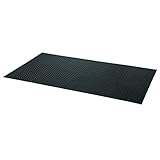
- Heavy-duty heat resistant grill mat or cement backer board (crucial for safety)
- 2×4 framing lumber (for structural stability)
- 2.5-inch exterior-grade decking screws
- Weather-resistant outdoor wood stain and sealer
- Compact charcoal or gas grill suited for small spaces
Step-by-Step Directions
- Dismantle and prep your pallets, removing nails and sanding the boards to prevent splinters while maintaining the rugged, rustic texture.
- Construct outdoor kitchen structural framing using the 2×4 lumber, leaving a minimum 12-inch clearance gap on all sides for where the grill will sit.
- Assemble outdoor kitchen cladding by attaching the sanded pallet planks horizontally across your 2×4 frame using exterior decking screws.
- Install outdoor kitchen components safely by mounting a cement backer board or high-heat grill mat on the interior walls of the wood frame where the grill radiates the most heat.
- Stain outdoor kitchen wood with a UV-protectant, waterproof sealant to ensure longevity against harsh weather conditions.
- Slide the grill carefully into the designated central cavity, ensuring all venting remains completely unobstructed for safe operation.
Pro-Tip: Utilizing sustainable forestry for reclaimed wood sourcing or heat-treated pallets ensures you avoid toxic chemicals. Always treat the interior wood with a VOC-free sealant for outdoor use to maintain an eco-friendly outdoor kitchen environment.
2. Construct a Cinder Block and Concrete Prep Counter

Save this durable, industrial-rustic concrete counter idea for your next weekend DIY!
For a truly durable budget outdoor kitchen, nothing beats the combination of cinder blocks and poured concrete. This industrial-chic look is incredibly popular and surprisingly easy to achieve. A DIY outdoor kitchen with concrete countertops offers a bulletproof work surface that stands up to weather, heat, and heavy use, all for a fraction of the cost of granite or quartz.
Materials Needed
- Standard 8x8x16 concrete cinder blocks (calculate amount based on desired height, usually 4-5 blocks high)
- High-strength concrete countertop mix
- Melamine boards (for building the concrete casting mold)
- Wire remesh or rebar (for internal structural reinforcement)
- Construction adhesive designed for masonry
- Food-safe concrete countertop sealer
Step-by-Step Directions
- Level your foundation meticulously. Stack your cinder blocks in two pillar columns, using masonry construction adhesive between each layer to secure the outdoor kitchen structure permanently.
- Build an outdoor kitchen mold using smooth melamine boards cut to your desired countertop dimensions. Screw the edges together tightly and seal the inside corners with silicone caulk for smooth edges.
- Mix the concrete according to package instructions until it reaches an oatmeal-like consistency.
- Pour the first layer of concrete halfway up the mold, then embed your wire remesh for tensile strength before filling the rest of the mold to the top.
- Vibrate the mold thoroughly by tapping the edges with a rubber mallet to force trapped air bubbles to the surface, ensuring a smooth, professional finish.
- Cure and seal the slab for a minimum of 48 hours. Carefully remove the melamine mold, recruit friends to lift the heavy slab onto your cinder block pillars, and finish the surface with a food-safe outdoor sealant.
Pro-Tip: Integrating recycled aggregate concrete countertops not only lowers your environmental footprint but also increases the thermal mass in outdoor cooking structures, making the surface highly durable against freeze-thaw cycles.

3. Repurpose a Vintage Workbench into a Sink Station

Love vintage upcycling? Pin this brilliant rustic workbench sink idea!
Adding an outdoor sink area DIY is a game-changer for convenience, but plumbing can be intimidating and expensive. This upcycling project solves that by transforming a flea market workbench or a heavy-duty potting table into a charming, fully functional outdoor kitchen budget sink station. The secret is a simple garden hose adapter that provides running water without any complex plumbing.
Materials Needed
- 1 sturdy vintage wooden workbench or heavy-duty potting table
- Stainless steel drop-in bar sink and basic faucet
- Jigsaw with a heavy-duty wood blade
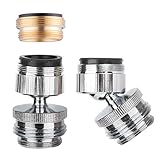
- Garden hose to faucet adapter kit (for the water supply)
- 5-gallon bucket or PVC piping (for wastewater drainage)
- Marine-grade polyurethane (to protect the vintage wood)
Step-by-Step Directions
- Trace the template provided with your drop-in sink onto the surface of the vintage workbench, ensuring it sits between the structural support beams underneath.
- Cut wood for the kitchen frame by drilling a pilot hole, then carefully following your traced line with a jigsaw to create the sink opening.
- Waterproof outdoor kitchen surfaces by heavily coating the entire workbench, especially the newly cut raw edges, with three coats of marine-grade polyurethane.
- Incorporate sink outdoor by dropping it into the hole, applying a thick bead of waterproof silicone caulk under the rim to prevent water from seeping into the wood.
- Connect outdoor kitchen utilities by attaching a garden hose adapter to the faucet’s water inlet, allowing you to plug your standard backyard hose directly in for running water.
- Set up basic drainage by running the sink’s PVC tailpiece directly into a decorative 5-gallon bucket (for manual emptying) or routing a longer pipe into a safe garden french drain.
Pro-Tip: When planning your cleanup station, consider incorporating greywater systems for outdoor sinks. Routing your wastewater (provided you use biodegradable, eco-friendly soap) directly to water thirsty, non-edible landscape plants is a brilliant bioclimatic design for outdoor spaces.
4. Create a Corrugated Metal and Salvaged Lumber Bar

This reclaimed metal bar is the ultimate cheap backyard upgrade—save it now!
An affordable outdoor entertainment area is within reach with this striking mixed-material bar. Pairing industrial corrugated metal with chunky salvaged lumber creates a high-impact look for very little cost. The metal provides an incredibly weather-resistant siding, while the wood brings in the necessary rustic warmth. This is a perfect weekend project to construct outdoor kitchen features that elevate your hosting game.
Materials Needed
- Corrugated galvanized roofing metal panels (can often be found cheap at salvage yards)
- Salvaged 4×4 timber posts (for the structural legs) and 2x4s (for framing)
- 2×10 reclaimed wood planks (for the bar top countertop)
- Self-tapping metal roofing screws with rubber washers
- Tin snips or an angle grinder with a metal cutting blade
- Heavy-duty work gloves and safety glasses (essential for handling sharp metal)
Step-by-Step Directions
- Frame outdoor kitchen bar dimensions by constructing a basic rectangular skeleton using your 2x4s and 4×4 corner posts. Ensure the final height is standard bar level (about 42 inches).
- Measure and cut your corrugated metal panels carefully using tin snips or an grinder, ensuring you wear thick safety gloves to protect against razor-sharp raw edges.
- Secure outdoor kitchen structure by attaching the metal panels to the front and sides of your wooden frame. Use the self-tapping roofing screws, drilling them into the “valleys” of the metal corrugation for a flush fit.
- Create the countertop by laying your salvaged 2×10 wood planks across the top of the frame. Secure them from underneath so no screw heads are visible on the serving surface.
- Sand and finish the wooden bar top aggressively to remove any splinters, then seal it with a high-gloss, food-safe epoxy or outdoor spar urethane to protect against spills and weather.
- Enhance outdoor kitchen seating by adding weather-resistant, rustic metal bar stools to complete the entertaining zone.
Pro-Tip: Mixing textures like metal and wood is a staple of urban homesteading outdoor kitchen concepts. Using upcycled industrial materials like roofing tin not only saves money but inherently solves weatherization techniques for outdoor structures, as it’s designed to shed rain instantly.
5. Assemble a Modular Cedar Wood Pizza Oven Stand

Dreaming of backyard pizza nights? Pin this easy DIY rolling cart!
A budget pizza oven setup is one of the most popular backyard upgrades. Instead of a massive, permanent brick oven, this project focuses on building a mobile stand for a modern, portable pizza oven. Using naturally rot-resistant cedar wood, you can assemble outdoor kitchen components that are both beautiful and mobile, a perfect solution for compact outdoor cooking in small spaces.
Materials Needed
- Unfinished cedar 4x4s (for legs) and cedar 1x4s (for shelving and top)
- Heavy-duty locking caster wheels (rated for outdoor weight)
- Exterior grade pocket hole screws and a pocket hole jig (like a Kreg Jig)
- Large ceramic tiles or a small granite remnant (for a heat-safe resting pad)
- High-temp silicone adhesive
- Natural tung oil or teak oil for finishing
Step-by-Step Directions
- Cut wood for the kitchen stand, creating a perfectly square top frame and a lower shelf frame that fits the exact footprint of your portable pizza oven.
- Assemble outdoor kitchen frames using a pocket hole jig. This ensures all screws are hidden from the outside, maintaining a clean, professional rustic look.
- Attach the 4×4 cedar legs to the interior corners of your frames, ensuring the lower shelf is high enough off the ground to accommodate firewood storage.
- Install heavy-duty casters to the bottom of the 4×4 legs. Locking wheels are strictly necessary to prevent the hot oven from rolling during use.
- Create a heat-safe top by adhering ceramic tiles or a scrap piece of granite to the cedar top using high-temp silicone, providing a completely fire-proof base for the oven to sit on.
- Customize outdoor kitchen storage by adding sturdy metal hooks to the sides of the cedar cart to hang your pizza peel, turning brush, and oven mitts.
Pro-Tip: Utilizing modular outdoor kitchen construction techniques on locking wheels is the ultimate hack for tiny patios. Furthermore, natural cedar requires no toxic stains; treating it with pure Tung oil leans into bio-based materials outdoor kitchen practices while naturally resisting pests and rot.
6. Design a Rustic Brick Fire Pit with a Cooking Grate

Two-in-one! Save this brick fire pit that doubles as a rustic grill!
Combine ambiance and functionality by building a fire pit with cooking grate. This project is the epitome of a rustic backyard grill station build, providing both a cozy gathering spot and an open-flame cooking surface. Using salvaged bricks for the exterior gives it an authentic, aged look, while following basic masonry for DIY principles ensures it’s safe and will last for years.
Materials Needed
- High-heat fire bricks (for the inner ring) and reclaimed antique bricks (for the decorative outer ring)
- High-temperature refractory cement
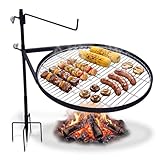
- Steel swivel campfire cooking grate with a stake
- Tamp tool and marking paint
- 3/4 inch crushed gravel and coarse leveling sand (for the base)
- Long level and rubber mallet
Step-by-Step Directions
- Plan outdoor kitchen layout by painting a perfectly circular outline in your yard. Dig out the grass and soil within that circle to a depth of roughly 6 inches.
- Create a sturdy foundation by pouring and tamping down 3 inches of crushed gravel, followed by an inch of leveling sand to ensure proper drainage under the fire pit.
- Build the inner ring using your high-heat fire bricks, securing them with refractory cement. Never use standard landscaping pavers for the inside, as they can crack or explode under extreme heat.
- Construct the outer ring using your charming reclaimed vintage bricks to achieve that authentic rustic aesthetic, staggering the vertical joints (running bond pattern) for structural strength.
- Install outdoor kitchen components by driving the heavy steel stake of your swivel cooking grate deep into the ground just outside the brick ring, ensuring it can easily swing over the flames.
- Maintain outdoor kitchen safety by letting the refractory cement cure for at least 72 hours before lighting your first fire and cooking your first open-flame meal.
Pro-Tip: Utilizing dual-purpose designs is a cornerstone of permaculture outdoor kitchen design. A fire pit serves as the thermal mass in outdoor cooking structures, radiating heat to keep guests warm long after the cooking flames die down, maximizing backyard usability into the cold months.
7. Install a Space-Saving Fold-Down Wall Kitchen

Got a tiny patio? Pin this incredible fold-down outdoor kitchen hack!
This is the ultimate space-saving outdoor kitchen solution, perfect for apartment balconies or tiny patios where floor space is precious. By mounting a hinged countertop to an exterior wall, you create an instant prep and cooking station that folds away to nothing when not in use. It’s one of the best compact rustic outdoor kitchen solutions for apartments or anyone overcoming limited space for kitchen.
Materials Needed
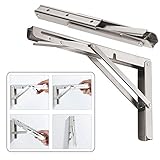
- Heavy-duty collapsible folding shelf brackets (rated for 300+ lbs)
- Edge-glued butcher block panel or reclaimed solid wood slab
- Exterior grade lag screws and masonry anchors (if drilling into brick/stucco)
- Stud finder, level, and impact driver
- Compact tabletop propane grill or electric griddle
- Spar urethane outdoor wood sealer
Step-by-Step Directions
- Seal your wood tabletop thoroughly with three coats of marine-grade spar urethane to ensure it can survive rain, even when folded flat against the house.
- Locate structural support on your exterior wall using a stud finder. Never attach a heavy load-bearing prep station directly to vinyl siding or drywall without hitting a stud.
- Install the heavy-duty brackets to the exterior wall studs using thick lag screws. Use a long spirit level to ensure the brackets are perfectly horizontal relative to each other.
- Secure outdoor kitchen structure by attaching the wood slab to the top flanges of the folding brackets from underneath.
- Optimize outdoor kitchen space by mounting a narrow, rustic spice rack or a magnetic knife strip on the wall immediately above the fold-down table.
- Set up your cooking zone by placing a lightweight, portable tabletop grill on the sturdy surface when open, folding everything neatly away to reclaim patio space when dinner is done.
Pro-Tip: For renters or those dealing with tight balconies, mastering ergonomics of outdoor kitchen layouts is essential. Using a fold-down design borrows concepts from computational design outdoor kitchen strategies, maximizing utility per square inch while keeping pathways clear for fire safety.
8. Upcycle Galvanized Trough Planters for Storage and Ice

Need outdoor storage and a cooler? Save this brilliant galvanized trough hack!
Outdoor kitchen storage issues solved! An upcycled outdoor kitchen project that’s as clever as it is charming, this idea transforms a simple galvanized livestock trough into a multi-functional island. It provides a massive prep surface, dry storage for charcoal and tools, and an insulated cooler for drinks—all in one rustic package, eliminating the need for a pricey outdoor refrigerator cabinet.
Materials Needed
- Large galvanized steel livestock trough (2ft x 4ft size works well for islands)
- Rigid foam insulation board and spray foam (for the cooler side)
- 1×6 cedar or treated pine boards (to build the custom lid/countertop)
- Drain plug replacement kit or brass spigot (for draining melted ice)
- Heavy-duty hinges and a rustic handle
- Construction adhesive and silicone caulk
Step-by-Step Directions
- Clean and prep the inside of the trough. Drill a hole near the bottom on one side and install a brass spigot to serve as a water drain for when the ice melts.
- Insulate the cooler zone by partitioning half the trough. Line the walls and bottom of that half with rigid foam board, sealing all gaps with expanding spray foam to trap the cold.
- Build a custom lid by cutting your 1×6 boards to span the top of the trough, securing them together with cross-battens underneath to create a heavy wooden countertop.
- Cut the lid in two sections—one permanently fixed over the dry storage side, and one hinged section over the insulated cooler side.
- Attach hardware by securing the heavy-duty hinges to the moving lid, adding a rustic cast-iron handle for easy access to drinks while cooking.
- Waterproof outdoor kitchen storage by sealing the wooden top with a food-safe wax or polyurethane, giving you a massive prep island that secretly holds your beverages and charcoal.
Pro-Tip: Upcycling agricultural materials is a brilliant way to achieve the authentic rustic look cheaply. By using advanced insulation outdoor kitchen techniques (like closed-cell spray foam) inside the metal, you create an off-grid autonomous outdoor cooking system that keeps drinks ice-cold for days without needing outdoor electrical wiring.
9. Build a Covered Pergola Grilling Nook with Scrap Timber

Don’t let rain ruin dinner! Pin this budget-friendly mini grilling pergola!
Don’t let a sudden downpour or the blazing summer sun ruin your cookout. Building a small pergola over outdoor kitchen grilling nooks is a fantastic way of preventing weather damage outdoor kitchen builds. Using scrap timber and inexpensive polycarbonate roofing, you can create a sheltered outdoor living space development that allows you to grill year-round, adding immense value and usability to your rustic setup.
Materials Needed
- 4×4 pressure-treated wood or salvaged timber (for the main support posts)
- 2x4s and 2x6s (for the roof rafters and cross beams)
- Clear corrugated polycarbonate roofing panels
- Roofing screws with watertight rubber gaskets
- Heavy-duty post base anchors and concrete masonry screws
- Wood stain and water repellent
Step-by-Step Directions
- Plan outdoor kitchen layout by measuring the footprint of your grill station. Mark the four corners where the support posts will go, keeping the footprint tight to save space.
- Secure outdoor kitchen structure by drilling metal post base anchors directly into your concrete patio or deck structure, then insert and bolt the 4×4 timber posts vertically.
- Frame the roof by attaching 2×6 cross beams to the tops of the posts. Ensure the front posts are slightly higher than the rear posts to create a distinct slope for water drainage.
- Install the rafters across the beams using 2x4s spaced 24 inches apart.
- Waterproof outdoor kitchen by laying the clear corrugated polycarbonate panels over the rafters. This keeps the rain off your grill while still letting natural sunlight shine through.
- Secure the roofing using specialty roofing screws with rubber washers, driving them into the peaks of the corrugation to prevent water leakage.
Pro-Tip: Incorporating a slight roof pitch is a fundamental weatherization technique for outdoor structures. To elevate this further, add a simple gutter to the rear of the polycarbonate roof for rainwater harvesting outdoor kitchen capabilities—use the collected water for your patio plants!
Key Takeaways
- Source Salvaged Materials Smartly: Repurposing pallets, corrugated tin, and vintage furniture is the secret to a budget-friendly outdoor kitchen, but always ensure pallet wood is heat-treated (HT) rather than chemically treated for food safety.
- Prioritize Weatherproofing and Sealants: A rustic outdoor kitchen requires heavy defense against the elements; always use marine-grade polyurethane on wood and food-safe sealers on concrete countertops to prevent rot and cracking.
- Maximize Small Footprints with Modularity: If dealing with a tiny patio, opt for compact kitchen solutions like fold-down wall prep stations or pizza ovens on locking casters rather than massive permanent brick islands.
- Never Compromise on Fire Clearances: Safe building guidelines for outdoor kitchens dictate leaving a minimum 12-inch gap between raw wood structures and hot grills, utilizing cement backer board as a heat shield.
- Utilize Multi-Functional Zones: Solve outdoor kitchen storage issues by building dual-purpose items, such as upcycling a galvanized farm trough into an island that serves as both prep space and an insulated drink cooler.
- Incorporate Foundational Drainage: Whether building an outdoor sink area DIY or a masonry fire pit, planning for wastewater or rain drainage via gravel bases or french drains is essential for long-term structural integrity.
People Also Ask About DIY Rustic Outdoor Kitchen Ideas for Budget-Friendly Spaces
How to build a DIY rustic outdoor kitchen on a budget?
To build a DIY rustic outdoor kitchen on a budget, prioritize upcycling materials like heat-treated pallets, galvanized troughs, and salvaged lumber rather than buying new building materials.
Start by designing a modular layout featuring a simple wooden grill surround and a cinderblock prep station. By doing the labor yourself and using a garden hose adapter for plumbing instead of hiring professionals, you can construct a charming, fully functional cooking space for under $500.
What are cheap materials for an outdoor kitchen?
The best cheap materials for an outdoor kitchen include cinder blocks, heat-treated wooden pallets, corrugated roofing metal, and high-strength concrete mixes.
Cinder blocks offer incredible structural integrity for pennies on the dollar compared to custom stonework. Reclaimed wood and pallets provide the desired rustic aesthetic for free, while pouring your own concrete countertops is vastly cheaper than purchasing custom-cut granite or quartz slabs.
Can you build an outdoor kitchen for under $500?
Yes, you can absolutely build a functional outdoor kitchen for under $500 by utilizing a modular approach and repurposed materials.
Instead of full masonry structures, use a $50 vintage workbench for a prep area, spend $100 on concrete and cinder blocks for a grill station, and utilize a $30 garden hose sink adapter. By avoiding professional contractor fees and expensive natural stone, a $500 budget is highly realistic.
Are pallet outdoor kitchens durable?
Pallet outdoor kitchens are highly durable only if they are constructed with heat-treated (HT) pallets, properly sealed, and kept elevated from ground moisture.
To prevent rot, you must coat the wood annually with an exterior-grade UV and water-repellent sealant. Additionally, ensure the pallet wood never makes direct contact with dirt or pooling water by resting the frame on concrete pavers or heavy-duty caster wheels.
Can I use reclaimed wood for outdoor kitchen countertops?
You can use reclaimed wood for outdoor kitchen countertops, provided it is heavily sanded and completely sealed with a food-safe, marine-grade epoxy or spar urethane.
Untreated reclaimed wood is porous and will harbor dangerous bacteria from raw meat. To maintain the rustic charm safely, apply multiple thick coats of waterproof resin to create a smooth, glass-like barrier that is easy to sanitize and highly weather-resistant.
What drainage is needed for an outdoor kitchen sink?
For a budget DIY outdoor sink, you can drain wastewater safely into a 5-gallon bucket for manual emptying, or route a PVC pipe into a landscape french drain.
If you use biodegradable, eco-friendly dish soaps, you can implement a greywater system that routes the sink runoff directly into nearby flower beds. Never route outdoor sink drainage into municipal storm drains, as this violates local environmental codes.
How to protect a wooden outdoor kitchen?
To protect a wooden outdoor kitchen, you must apply a high-quality outdoor sealant, elevate the base off the ground, and use a waterproof grill cover.
Wood is susceptible to UV fading and water rot. Applying tung oil, spar urethane, or exterior deck stain annually acts as a barrier. For ultimate protection, building a small scrap-timber pergola or awning over the kitchen prevents direct weather exposure entirely.
What is the easiest way to build a small outdoor kitchen?
The easiest way to build a small outdoor kitchen is to use the “cinder block and concrete” method or assemble pre-cut modular wood components.
Stacking cinder blocks requires no advanced carpentry skills, complex joinery, or power tools beyond a drill. You simply glue the blocks together with construction adhesive and top them with a poured concrete slab or heavy butcher block for an instant, foolproof prep station.
How to incorporate a pizza oven into a budget outdoor kitchen?
To incorporate a pizza oven on a budget, purchase a compact, portable tabletop pizza oven and build a dedicated rolling wooden cart to house it.
Permanent brick pizza ovens can cost thousands of dollars and require expert masonry. A modular cedar wood stand on locking caster wheels allows you to use a $300 portable gas or wood-fired oven securely, saving both money and precious patio space.
What kind of finishes work best for rustic outdoor kitchens?
The best finishes for rustic outdoor kitchens are matte exterior polyurethanes, natural tung oils, and clear food-safe epoxies.
To preserve the weathered, charming look of salvaged lumber without making it look overly glossy or plastic, penetrating natural oils are ideal. For high-use areas like countertops, a flat-finish marine spar urethane provides maximum waterproofing while allowing the natural grain and rustic imperfections of the wood to shine through.
Final Thoughts on DIY Rustic Outdoor Kitchen Ideas for Budget-Friendly Spaces
Creating your dream backyard cooking space doesn’t require taking out a second mortgage or hiring a team of landscape architects. As we’ve explored with these DIY rustic outdoor kitchen ideas for budget-friendly spaces, the most charming and functional backyard destinations are often born from creativity, sweat equity, and a willingness to upcycle.
Whether you decide to build an outdoor kitchen around a salvaged vintage workbench, stack cinder blocks for an indestructible prep counter, or assemble a modular pallet wood grill station, the key is maximizing the materials you have on hand. By utilizing certified weather-resistant materials, adhering to safe fire clearances, and applying high-quality sealants to your reclaimed wood, you ensure your DIY build will last for years to come.
Don’t let a small patio or a tight budget stop you from enjoying al fresco dining. Start small—perhaps with a simple rolling pizza oven cart or a fold-down wall table—and expand your modular setup season by season.
Which of these 9 budget-friendly rustic projects are you planning to tackle first in your backyard? Let us know in the comments below, and don’t forget to save your favorite ideas to your DIY Pinterest boards
Last update on 2026-04-27 at 22:41 / Affiliate links / Images from Amazon Product Advertising API
