
As an Amazon Associate KitchenwareSets.com earns from qualifying purchases.
7 Authentic Mediterranean Kitchen Decor Ideas for Home Cooks
Dreaming of a kitchen that feels like a sun-drenched European vacation? You’re not alone. Many home cooks crave that warm, inviting atmosphere but struggle to balance authentic rustic charm with the needs of a modern, functional kitchen. This is where exploring Mediterranean kitchen decor ideas can transform your space.
Mediterranean kitchen decor ideas focus on bringing the warmth of Southern Europe into your home through earthy color palettes, natural materials, and rustic architectural details. Key elements include terracotta tile floors, exposed wood beams, wrought iron lighting, and vibrant mosaic tile backsplashes that create a welcoming, sun-drenched atmosphere. This approach perfectly blends timeless style with practical functionality.
Drawing from the rich architectural heritage of regions like Tuscany, Andalusia, and the Greek isles, this guide offers proven design principles. You’ll discover seven authentic and actionable ideas to transform your kitchen into a welcoming retreat. Get ready to create a space that celebrates the joy of cooking and gathering.
Contents
show
Mediterranean Kitchen Decor Ideas: How to Transform Your Space Into a Sun-Drenched European Retreat?
The core of Mediterranean interior design is a celebration of natural, time-honored materials and a deep connection to the surrounding landscape. This design style is characterized by a blend of natural stone, terracotta-hued floors, and exposed wood beams, creating a space that feels both grounded and airy. It’s less about following a rigid set of rules and more about evoking a feeling—the warmth of the sun, the texture of old stone, and the vibrancy of coastal life. When applying these principles to the kitchen, the goal is to solve the common problem of modernizing dated decor without sacrificing this authentic charm. By focusing on distinct regional variations, from the robust forms of Spanish Revival to the serene simplicity of a Greek island aesthetic, you can move beyond generic stereotypes and create a kitchen with a true sense of place. This approach ensures your space is not only beautiful but also deeply personal and functional.
7 Authentic Mediterranean Kitchen Decor Ideas for Home Cooks
To truly capture the essence of a Mediterranean style kitchen, you must focus on layering authentic textures and materials. This is not about a complete overhaul overnight, but a thoughtful process of integrating elements that speak to a rich history of traditional craftsmanship. From the sun-baked warmth of Spanish flooring to the rustic elegance of a French Country kitchen, each of the following ideas provides a practical roadmap for your kitchen transformation. We’ll explore specific regional styles, like the Tuscan style that incorporates heavy woods and stone, and show how they can complement even a modern Mediterranean kitchen layout. These seven actionable steps are designed to guide you through decorating your space with confidence, whether you’re planning a full remodel or a simple weekend update.
1. Installing Authentic Terracotta Tile Floors for Earthy Warmth

Save this stunning terracotta floor inspiration to your Kitchen Remodel board!
Nothing grounds a Mediterranean kitchen quite like authentic terra-cotta tile floors. Their rich, earthy color and slightly uneven texture provide an immediate sense of history and warmth. These tiles, often weathered and terracotta-hued, serve as the foundational element that anchors the entire design, especially within a Spanish Revival aesthetic. While genuine clay tiles offer unparalleled authenticity, it’s crucial to understand their porous nature and the need for proper sealing to ensure they remain a durable and low maintenance flooring option for a busy kitchen.
Materials Needed
- Authentic Saltillo tiles or high-quality matte porcelain terracotta alternatives
- Penetrating stone sealer (essential for genuine clay tiles to prevent staining)
- Wide sanded grout in a sand-inspired or warm gray tone
- Tile spacers (1/2 inch for a traditional, handmade look)
- High-adhesion thinset mortar suitable for porous stone
Styling Steps
- Prepare the subfloor ensuring it is completely level to accommodate the natural thickness variations of handmade terracotta saltillo tiles.
- Plan your layout dry before applying mortar; a traditional grid or dynamic herringbone pattern beautifully accentuates a Spanish Colonial aesthetic.
- Install the tiles using thinset, working in small sections and pressing firmly to ensure no air pockets remain under the natural clay.
- Apply a pre-grout sealer to the porous clay tiles to prevent the grout from staining the terracotta surface.
- Apply the sanded grout using a float, pushing it deeply into the wide joints, then wipe clean with a damp sponge.
- Seal the entire floor with multiple coats of a penetrating matte sealer to ensure a durable tile option that withstands kitchen spills.
Pro-Tip: In my experience as a design consultant, authentic terracotta saltillo tiles require resealing every 2-3 years. If you want the Old World aesthetic without the upkeep, high-end, digitally printed porcelain tiles with a matte, weathered finish offer an incredibly realistic alternative.

2. Layering Exposed Wood Beams for Architectural Charm

Pin this stunning architectural ceiling idea to your Dream Home board!
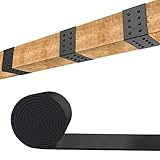
Exposed wood beams are a hallmark of Mediterranean architecture, instantly adding a layer of rustic, hand-crafted charm. These structural elements draw the eye upward, making the kitchen feel grander and more connected to its architectural heritage. Historically, reclaimed timber rafters were a functional necessity in Tuscan and Provencal farmhouses. Today, they embody the European farmhouse style, providing a powerful visual contrast against smooth plaster ceilings and offering an opportunity for transforming a standard room into a space with character and depth.
Materials Needed
- Faux wood polyurethane beams (lightweight and incredibly realistic) or reclaimed timber rafters
- Heavy-duty construction adhesive
- Wood blocking (2x4s to anchor faux beams to the ceiling joists)
- Wrought iron decorative beam straps (for a hand-forged, Old World aesthetic)
- Stud finder and chalk line for precise measuring
Styling Steps
- Locate and mark your ceiling joists using a stud finder and chalk line to ensure secure anchoring for the beams.
- Install solid wood blocking strips directly into the ceiling joists along your chalk lines.
- Measure and cut the hollow faux beams to fit the exact width of your kitchen ceiling.
- Apply construction adhesive to the inside edges of the faux beam.
- Slide the hollow faux beam over the wood blocking and secure it in place using finishing nails or trim screws.
- Wrap the joints or ends with decorative wrought iron beam straps to hide seams and instantly elevate the Tuscan style authenticity.
Pro-Tip: If your kitchen suffers from lighting low ceilings, opt for a limewashed or lightly weathered wood finish rather than dark walnut. Lighter warm wood tones draw the eye upward without making the room feel heavy or compressed.
3. Designing a Vibrant Mosaic Tile Backsplash

Save this stunning Mediterranean backsplash design to your Kitchen Tiles board!
A mosaic tile backsplash is where the vibrant personality of a Mediterranean kitchen truly shines. This element allows for an injection of color, pattern, and regional artistry that serves as the focal point of the room. Whether you choose the intricate geometry of Moroccan tiles or the rich, hand-crafted glaze of a Zellige backsplash, these tiles tell a story. A well-designed backsplash highlights the Moorish architecture influences found in Spanish design or the azure-accented beauty of the Greek isles, all while providing a durable, practical surface behind the stove and sink.
Materials Needed
- Zellige backsplash tiles, Moroccan tiles, or high-quality peel-and-stick alternatives for a budget-friendly update
- Tile adhesive (mastic or thinset)
- Notched trowel (size dependent on tile thickness)
- Tile wet saw or manual snap cutter
- Non-sanded grout (best for tight mosaic joints)
- Grout float and heavy-duty sponges
Styling Steps
- Select your regional influence: blue and white geometric patterns for a Greek island aesthetic, or warm, hand-painted Talavera pottery motifs for a Spanish Colonial look.
- Clean the drywall thoroughly and lightly sand glossy paint to ensure proper adhesive grip.
- Plan your focal point by dry-laying your mosaic tile backsplash pattern on the floor, centering the most intricate design directly behind the stove or sink.
- Apply adhesive to the wall using a notched trowel, working in small 2-foot sections.
- Press the tiles firmly into place, using tiny spacers if your tiles are perfectly uniform, or leaving natural, slightly uneven gaps if using authentic, hand-crafted Moroccan Zellige.
- Grout the lines after 24 hours, wiping diagonally across the tiles to preserve the textured finish without pulling grout from the joints.
Pro-Tip: Authentic Zellige backsplash tiles are celebrated for their flaws. The edges are uneven, and the glazing has natural pits. Embrace these imperfections! They are the hallmark of traditional craftsmanship and provide an organic, Old World aesthetic that perfect machine-made tiles simply cannot replicate.
4. Sourcing Wrought Iron Lighting for Rustic Elegance

Pin this gorgeous wrought iron lighting idea for your next home upgrade!
Wrought iron lighting is the jewelry of a Mediterranean kitchen. These fixtures, often ornate and timeless, provide a necessary counterpoint to the softer textures of plaster and wood. A heavy wrought iron + chandelier combination over a dining area or a series of pendants above a kitchen island provides both essential task lighting and a powerful design statement. This type of lighting complements warm wood tones and anchors the room’s design, adding a touch of rustic, hand-forged elegance that is essential to the style.
Materials Needed
- Wrought iron chandelier or pendant lights with hand-forged hardware details
- Heavy-duty ceiling junction box rated for heavy fixtures
- Warm-toned LED Edison bulbs (2700K color temperature)
- Wire strippers and voltage tester
- Sturdy ladder and a helper for lifting heavy iron fixtures
Styling Steps
- Determine your scale: a large, single wrought iron chandelier works beautifully over a dining table, while two or three smaller iron pendants complement a long Mediterranean kitchen island.
- Measure the drop height. The bottom of the fixture should hang approximately 30 to 36 inches above the countertop surface to ensure proper lighting design basics.
- Turn off all power at the breaker box and verify with a voltage tester before beginning installation.
- Install a heavy-duty bracket, as authentic wrought iron scrolls and fixtures are significantly heavier than modern aluminum lights.
- Wire the fixture (black to black, white to white, and ground to the green screw) and secure the decorative iron canopy against the ceiling.
- Install warm 2700K bulbs. Crisp blue daylight bulbs will ruin the sun-drenched, earthy vibe of a Traditional Mediterranean kitchen.
Pro-Tip: Don’t be afraid to mix metals! According to design industry standards, pairing dark wrought iron light fixtures with antique brass patinas on your cabinet hardware creates a curated, collected-over-time appearance that defines true European style kitchen decor.

5. Applying Textured Plaster Finishes to Walls

Save this beautiful textured plaster wall idea to your Home Renovation board!
The subtle depth of textured plaster walls provides an authentic backdrop that flat drywall simply cannot match. This finish, whether a smooth and polished Venetian plaster application or a more rustic, plastered look, adds a soft, light-reflecting quality to the kitchen. Textured walls replicate the authentic Stucco finishes found in traditional Italian villa decor, creating a tactile experience and a sense of permanence. This is a crucial step in updating Tuscan styles, moving away from dated faux finishes toward a more sophisticated and historically accurate wall treatment.
Materials Needed
- High-quality Venetian plaster or limewash paint (for a softer, matte Old World aesthetic)
- Stainless steel plaster trowel or wide putty knife
- Large block brush (if using limewash)
- Painter’s tape and drop cloths
- Sealing wax (if using traditional Venetian plaster in a high-moisture kitchen zone)
Styling Steps
- Prep the walls by filling any holes and applying a high-quality primer specifically designed to grip heavy textures.
- Apply the first coat of Venetian plaster application using a stainless steel trowel, working in random, overlapping sweeping motions. Don’t try to be perfect; the goal is an organic, weathered look.
- Allow the base coat to dry completely, which usually takes 4-6 hours depending on humidity.
- Burnish the second, thinner coat. Apply the plaster tightly to the wall, holding the trowel at a 30-degree angle and applying pressure to polish the high spots, creating depth and a subtle sheen.
- Protect your new finish. Because kitchens are prone to splatters, apply a protective wax topcoat using a soft cloth to seal the plaster against moisture and grease.
- Style the newly textured walls with open wood shelving and wrought-iron brackets to complete the Rustic Mediterranean kitchen transformation.
Pro-Tip: If true plaster feels too intimidating, mineral-based limewash paint is an excellent, DIY-friendly alternative. It naturally creates that cloudy, mottled, sun-baked design and actually calcifies onto the drywall, improving indoor air quality by resisting mold—perfect for humid cooking spaces!
6. Integrating Copper Range Hoods & Warm Metal Accents

Pin this gorgeous hammered copper design to your Kitchen Upgrades board!
A statement piece like a copper range hood can serve as the warm, beating heart of a Mediterranean kitchen. Its glowing, warm-toned finish provides a luxurious yet rustic focal point, elevating the cooking area from purely functional to a work of art. These hand-crafted, timeless elements embody traditional craftsmanship and offer a welcome alternative to cold stainless steel. Copper elements beautifully contrast with crisp white cabinets, bringing a rich, metallic warmth that resonates with the style’s earthy palette.
Materials Needed
- A statement copper range hood (hammered or smooth finish)
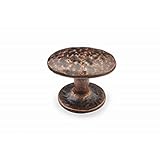
- Copper or oil-rubbed bronze cabinet knobs and drawer pulls
- Decorative copper + lighting accents (like a matching pendant over the sink)
- Soft microfiber cloths and specialized copper wax (for maintenance)
- Natural stone or marble countertops to complement the warm metals
Styling Steps
- Establish the cooking zone as the primary focal point of the room by installing a large, custom-look copper range hood above the stove. This mimics the massive stone hearths found in an authentic Italian villa decor.
- Layer secondary metals. Replace standard brushed nickel cabinet hardware with antique brass patinas, oil-rubbed bronze, or antiqued copper.
- Display your functional decor. Hang heavy copper pots and pans from wrought iron pot racks either over a center island or directly on the stone walls.
- Mix materials carefully. If you have a copper hood, contrast it elegantly with limewashed cabinetry or olive-toned lower cabinets to prevent the metals from overpowering the room.
- Maintain the metal by applying a protective micro-crystalline wax twice a year, or leave it completely untreated to allow a natural, weathered green/brown patina to develop over time.
Pro-Tip: True copper features a “living finish.” As a proven design principle, authentic Mediterranean architecture embraces aging. Don’t obsess over keeping copper perfectly shiny; the fingerprints, oxidation, and changing colors are exactly what give the space its Old World kitchen design soul.
7. Accessorizing with Open Shelving & Hand-Painted Ceramics

Pin this beautiful open shelving styling idea for your kitchen decor inspiration!
Accessorizing with open wood shelving is the final, essential step in bringing your Mediterranean kitchen to life. This approach replaces bulky upper cabinets with an airy, accessible display area that makes the kitchen feel lived-in and personal. These shelves are the perfect stage for showcasing collections of hand-painted + ceramics, which accentuate the Provencal kitchen look. Styling with vibrant, organic, and hand-crafted pottery, alongside functional items like olive oil bottles and fresh herbs, helps to showcase the artisan kitchen features that define this warm and welcoming style.
Materials Needed
- Heavy-duty rustic open wood shelving (reclaimed pine or oak)
- Heavy-duty corbel shelf supports (wrought iron or carved wood)
- Authentic Majolica, Talavera pottery, or Deruta ceramics
- Functional decor: tall glass olive oil cruets, a heavy stone mortar and pestle, wooden cutting boards
- Small terracotta pots for fresh herbs (basil, rosemary, oregano)
Styling Steps
- Install your open wood shelving securely into wall studs using heavy-duty corbel shelf supports, ensuring they can bear the weight of heavy stoneware.
- Anchor the shelf styling by placing your largest, heaviest items first—such as a large hand-painted + ceramics serving bowl or a stack of rustic plates.
- Layer in functional items that a home cook reaches for daily. Group vintage glass olive oil bottles alongside a heavy travertine stone slabs cutting board.
- Introduce vibrant pops of color through your pottery. Mix sunny lemon yellows, olive-toned greens, and deep ocean blues to capture the coastal Greek style kitchen decor palette.
- Soften the hard edges of the wood and ceramics by adding organic elements. Place small pots of trailing ivy or fresh culinary herbs on the ends of the shelves.
- Balance the visual weight. Ensure that you leave empty “negative space” on the shelves; true European style kitchen decor is curated over generations, not crowded like a souvenir shop.
Pro-Tip: When accessorizing, follow the Mediterranean philosophy of “beautiful utility.” Don’t buy items just for display. Invest in high-quality, artisan kitchen features that you actually cook with and serve from. A beautifully worn wooden spoon resting in a hand-painted Spanish pitcher is the ultimate expression of authentic style.
Key Takeaways: Your Quick Guide to Mediterranean Kitchen Decor Ideas
Here is a quick summary of the most critical insights to help you achieve the Mediterranean look in your own kitchen.
- Embrace Natural, Earthy Foundations: Start your Mediterranean kitchen remodel from the ground up by prioritizing authentic terra-cotta tile floors or high-quality matte porcelain that grounds the space in warm, sun-baked tones.
- Look Up to Architectural Details: Don’t ignore the ceiling. Installing exposed wood beams (either reclaimed timber or realistic faux wood) instantly transforms a basic room into an authentic European farmhouse.
- Celebrate Vibrant Artisan Tilework: Use the backsplash as your canvas. Whether opting for Spanish Talavera pottery patterns or Moroccan Zellige backsplash tiles, vibrant ceramics provide the essential pops of color this style requires.
- Mix Robust, Warm Metals: Ditch the cold stainless steel. Introduce copper range hoods and heavy wrought iron lighting fixtures to add historic weight, elegance, and tactile warmth to the space.
- Prioritize Texture Over Perfection: Flat, pristine drywall lacks soul. Apply Venetian plaster application or mineral limewash to your walls to achieve that weathered, cloudy, tactile surface found in true Tuscan villas.
- Curate “Beautiful Utility” on Open Shelves: Replace some upper cabinetry with open wood shelving. Display your functional, hand-crafted ceramics, olive oil cruets, and fresh herbs to create a space that feels lived-in and welcoming.
- Balance Rustic and Modern Elements: To avoid a heavy, dated look, intentionally contrast distressed and heavy elements (like stone archways) with crisp white cabinets and abundant natural light.
People Also Ask About Mediterranean Kitchen Decor Ideas
What is a Mediterranean style kitchen?
A Mediterranean style kitchen is a warm, inviting cooking space inspired by the coastal and rural homes of Southern European countries like Spain, Italy, and Greece. Characterized by natural materials, it relies heavily on terra-cotta tile floors, exposed wood beams, and textured plaster walls. The design aesthetic blends rustic, Old World kitchen design architecture with vibrant accents like mosaic tile backsplashes and wrought iron lighting, creating a space that feels both earthy and sun-drenched.
What are the best colors for a Mediterranean kitchen?
The best colors for a Mediterranean kitchen are earthy neutrals paired with vibrant, sea-and-sky accents. According to professional color theory, your foundation should consist of warm creams, terracotta-hued reds, sand-inspired beiges, and rich browns from warm wood tones. To add regional flair, inject azure-accented blues for a coastal Greek style kitchen decor vibe, or deep olive-toned greens and ochre yellows to capture an authentic Tuscan style.
How to modernize a Tuscan kitchen?
To modernize a dated Tuscan kitchen, lighten the overall color palette and strip away excessive, heavy ornamentation. Swap out dark, faux-finish walls for clean, bright white limewash paint. Keep the beautiful natural stone elements and exposed wood beams, but contrast them with crisp white cabinets and sleek marble countertops. Removing heavy drapery to maximize natural light will instantly update the space while preserving its European soul.
What is the difference between Tuscan and Mediterranean style?
Tuscan style is a specific regional subset of the broader Mediterranean aesthetic, focusing exclusively on central Italian country design. While Mediterranean design can incorporate bright blue and white Greek coastal elements or vibrant Spanish Moorish tiles, Tuscan style is strictly characterized by earthy earth tones, heavy wrought-iron scrolls, distressed woods, and natural stone walls. Mediterranean is the umbrella term; Tuscan is a highly localized variation.
Can I have a Mediterranean kitchen in a small space?
Yes, you can absolutely achieve a Mediterranean aesthetic in a small kitchen by focusing on light colors and vertical design elements. Use light Venetian plaster application on the walls to reflect light, and opt for open reclaimed timber shelving instead of bulky upper cabinets to make the room feel airy. Stick to smaller Zellige backsplash tiles and use streamlined, understated wrought iron hardware to prevent the space from feeling overwhelmed by heavy rustic elements.
How to decorate a Mediterranean kitchen on a budget?
To get a Mediterranean look without remodeling, focus on affordable aesthetic upgrades like paint, hardware, and styling. You don’t need a full renovation. Painting existing cabinets in a warm cream or olive green and swapping standard pulls for antique brass patinas makes a huge impact. Add budget-friendly Mediterranean kitchen backsplash alternatives like high-quality peel-and-stick Moroccan tiles, and style your counters with authentic Talavera pottery and fresh potted herbs to instantly capture the vibe.
Should I use white or wood cabinets for Mediterranean style?
Both white and wood cabinets work perfectly, depending on which regional Mediterranean look you want to achieve. Dark, heavy wood cabinets pair beautifully with stone archway design for a traditional, rustic Iberian kitchen style. Conversely, crisp white cabinets are ideal if you want a Coastal European or modern Mediterranean feel, as they beautifully balance the heavy textures of terracotta floors and exposed beams.
What kind of hardware suits a Mediterranean kitchen?
The most authentic hardware for a Mediterranean kitchen features unlacquered, living-finish metals that develop a patina over time. Look for heavy, hand-forged drawer pulls and knobs in dark iron, oil-rubbed bronze, or antiqued copper. Ornate wrought iron scrolls work well in traditional spaces, while simple, hammered brass cups or knobs fit perfectly in a transitional Mediterranean or French Country kitchen design.
Which plants look best in a Mediterranean kitchen?
The best plants for this style are functional, aromatic culinary herbs and fruit-bearing indoor trees native to the Mediterranean basin. Potted basil, rosemary, thyme, and oregano in small weathered terracotta pots look stunning on open shelving or windowsills. If you have the floor space and natural light, a potted dwarf olive tree or a Meyer lemon tree is the ultimate organic accessory to complete your Southern European style.
Are Mediterranean kitchens expensive to build?
They can be, as authentic materials like solid stone, custom ironwork, and handmade tiles carry a premium price tag. However, clever material substitutions can drastically lower costs. Using digitally printed porcelain instead of porous Saltillo clay, polyurethane faux beams instead of solid reclaimed timber rafters, and limewash paint instead of expensive Venetian plaster allows you to achieve a luxury Mediterranean kitchen look on a much more manageable budget.
Final Thoughts on Mediterranean Kitchen Decor Ideas
Designing a kitchen using Mediterranean kitchen decor ideas is ultimately about creating a space that celebrates the joy of cooking, gathering, and living well. You don’t need to live in a sun-baked Tuscan villa or a whitewashed Greek cottage to capture this magic. By thoughtfully layering authentic, tactile materials—from the grounding warmth of terra-cotta tile floors to the architectural heritage of exposed wood beams—you can build a space with profound historical soul.
Remember that true European style kitchen decor thrives on imperfection. The slight color variations in a Zellige backsplash, the natural patina developing on a copper range hood, and the beautifully weathered edge of a wooden cutting board are not flaws; they are the hallmarks of a kitchen that is truly loved and used. Focus on sourcing high-quality, artisan kitchen features that provide both beauty and utility.
Whether you are planning a complete Mediterranean kitchen remodel or simply updating your space with wrought iron lighting and hand-painted ceramics, start small. Let the kitchen evolve organically over time, just as authentic European homes do.
Which of these Mediterranean elements are you most excited to incorporate into your own home? Will you start with a warm terracotta floor or a vibrant mosaic backsplash? Let me know in the comments below
Last update on 2026-04-27 at 22:41 / Affiliate links / Images from Amazon Product Advertising API
