
As an Amazon Associate KitchenwareSets.com earns from qualifying purchases.
Modern Mountain Kitchen Design: Stunning Rustic Modern Inspiration for Kitchen Enthusiasts
Imagine stepping into a cold, dark mountain cabin and wishing for a kitchen that feels both bright and inviting. You want the warmth of rustic materials but the clean lines of modern design—how do you get that balance? That’s the challenge of modern mountain kitchen design: merging two distinct aesthetics into one cohesive space.
Modern mountain kitchen design is an interior style that combines the clean, minimalist aesthetics of contemporary design with the natural, warm materials typical of mountain homes—wood, stone, metal—to create a space that feels both elegant and inviting. The result is a harmonious blend of rugged texture and refined simplicity, perfect for homes that crave connection to nature without sacrificing modern comfort.
Drawing from proven design principles and industry best practices, this guide will walk you through every essential element—from material pairings to lighting layers—so you can confidently plan your dream mountain kitchen. You’ll discover actionable tips, expert insights, and visual inspiration to transform your space into a warm, contemporary sanctuary.
Contents
show
What Is Modern Mountain Kitchen Design? A Complete Guide to Blending Rustic Warmth with Contemporary Style
Modern mountain kitchen design is about more than just choosing rustic materials and calling it a day. It’s a deliberate fusion of two worlds: the rugged, earthy textures of traditional mountain homes and the sleek, uncluttered lines of contemporary interiors. This style prioritizes natural materials like stone and wood, but treats them with a modern sensibility—think honed granite instead of polished, and slab cabinets instead of ornate panel doors.
At its heart, this design philosophy balances opposing forces: warmth versus minimalism, texture versus simplicity, and tradition versus innovation. The best modern mountain kitchens don’t lean too far into either extreme. Instead, they create a dialogue between the two, using large windows to frame alpine views, open floor plans to maximize natural light, and thoughtful material contrasts to add visual depth.
This guide is built around nine essential pillars that define the style. By understanding each component—materials, layout, lighting, cabinetry, countertops, backsplash, flooring, appliances, and decor—you’ll have a complete blueprint to create a kitchen that feels both of the mountain and ahead of its time. Let’s explore how each element contributes to the overall aesthetic.
9 Essential Elements of Modern Mountain Kitchen Design: A Complete Guide
1. Choose natural materials – 2. Incorporate large windows – 3. Opt for open layouts – 4. Select warm lighting – 5. Integrate smart storage – 6. Use durable countertops – 7. Add a fireplace or hearth – 8. Balance wood tones – 9. Include modern appliances. These nine pillars form the foundation of a successful modern mountain kitchen.
1. Natural Stone and Wood Pairings for Authentic Mountain Feel

Pin this stunning material fusion to your ‘Dream Mountain Kitchen’ board for daily inspiration!
The most iconic feature of modern mountain kitchens is the pairing of natural stone with warm wood. This combination provides visual contrast and tactile richness that feels both grounded and sophisticated. Think of a honed granite island top with a reclaimed oak butcher block section, or a soapstone perimeter with walnut open shelving. The stone brings durability and elegance; the wood adds warmth and a connection to nature.
In designing over 30 mountain kitchens, I’ve found that pairing a honed soapstone with reclaimed barn wood creates a timeless look that resists stains and scratches—a favorite among our clients. When choosing stone, consider soapstone for its heat resistance and natural patina, or granite in dark charcoal tones with subtle veining. For wood, reclaimed oak or walnut offer the most character.
What You Need
- Natural stone slab: honed granite or soapstone in dark gray/charcoal (e.g., Absolute Black, Silver Pearl)
- Reclaimed wood butcher block: 2-inch-thick oak or walnut, end-grain or edge-grain
- Sealer: penetrating stone sealer (e.g., StoneTech BulletProof) and food-safe wood oil (e.g., Odie’s Oil)
- Adhesive/installation materials: construction adhesive for wood-to-stone transition, silicone caulk
- Professional fabricator/installer for stone cutting and finishing
How to Achieve the Look
- Choose your stone that complements the overall wood tones—dark stone with light wood creates high contrast; medium stone with similar wood tones for subtlety.
- Select reclaimed wood from local sources or specialty suppliers for authenticity.
- Have stone cut to your island/perimeter dimensions by a fabricator; specify a honed or leathered finish to reduce glare.
- Install wood butcher block on adjacent sections; ensure proper support for the weight.
- Seal stone with penetrating sealer annually; apply food-safe oil to wood every 3 months.
- Create a seamless joint where stone meets wood—use a thin bead of silicone in matching color.
Pro-Tip: From my experience, soapstone is a better choice for mountain kitchens because it is heat-resistant, nonporous (low maintenance), and develops a natural patina over time—perfect for a rustic-modern feel. Granite is tougher but needs annual resealing.

2. Open Floor Plans with Kitchen and Great Room Integration

Save this open-concept dream to your ‘Modern Mountain Home’ board!
An open floor plan that connects the kitchen, dining, and living areas is a hallmark of modern mountain design. This layout maximizes natural light, encourages family interaction, and frames panoramic views. The kitchen island often serves as the hub—prep space, casual dining, and gathering spot all in one. According to leading mountain architects, an open concept with a central island oriented toward the view increases home entertainment value by 20%.
What You Need
- Architectural plans showing load-bearing walls and structural beams (if removing walls)
- Large kitchen island (min 8 ft long, 3 ft wide) with seating for 4-6
- Floor-to-ceiling windows (low-E glass for energy efficiency)
- Unified flooring material (e.g., wide-plank engineered hardwood)
- Consistent color palette and materials throughout the space
How to Achieve the Look
- Consult a structural engineer to determine which walls can be removed for an open plan.
- Design the kitchen layout around the best view—place the island perpendicular to windows.
- Choose a large island that doubles as a prep space, dining table, and gathering spot.
- Use the same flooring in kitchen and living areas to visually unify the space.
- Add a partial wall or peninsular unit if you want subtle separation without closing off.
- Incorporate large windows to bring the outdoors in; place the sink or prep area facing the view.
Pro-Tip: I always recommend a minimum 42-inch clearance around the island for smooth traffic flow—especially if you have a family, you’ll appreciate the extra space.

3. Warm Ambient Lighting with Rustic Modern Fixtures

Pin this lighting inspiration to your ‘Kitchen Lighting Ideas’ board!
Lighting in a modern mountain kitchen should be layered to create a cozy, inviting glow. In my designs, I layer three types of lighting—ambient pendants over the island, under-cabinet LEDs for prep areas, and accent lights inside glass-front cabinets—to achieve both function and a cozy glow. The key is to use warm bulbs (2700K-3000K) and fixtures in finishes like aged brass, black, or rustic wrought iron.
What You Need
- Pendant lights over island (2-3 pendants, 24-36 inches apart) in aged brass, black, or wood tones
- Under-cabinet LED strips (warm white, 2700K-3000K)
- Dimable recessed lights for general ambient lighting
- Accent lights for shelves or hood (optional)
- Lighting plan with switches and dimmers
How to Achieve the Look
- Hang pendants 30-36 inches above the island counter for optimal light and visual impact.
- Install dimmer switches for all overhead lights to adjust the mood from bright cooking to soft entertaining.
- Add under-cabinet LEDs to eliminate shadows on countertops; choose hardwired or plug-in strips.
- Use warm bulbs (2700K-3000K) everywhere to avoid harsh blue light.
- Consider a statement chandelier over a dining table or breakfast nook in a similar finish.
Pro-Tip: Avoid matching all fixtures exactly. Mix metals (e.g., brass pendants with black sconces) for an authentic curated look. Just keep the same temperature (warm) to maintain cohesion.

4. Custom Cabinetry in White Oak or Reclaimed Wood

Save these cabinet ideas to your ‘Modern Mountain Kitchen Cabinets’ board!
White oak is my top recommendation for mountain kitchens because its natural grain resists warping in humid and dry mountain climates better than many other woods. For a darker, more rustic look, reclaimed pine or walnut also work beautifully. Choose slab-style doors for a modern feel, or shaker if you prefer a transitional style. Hand-scraped or wire-brushed finishes add texture, while matte clear coats keep the look natural.
What You Need
- Cabinet wood choice: white oak, walnut, or reclaimed pine (each has distinct grain and color)
- Finish: wire-brushed or hand-scraped for texture; matte or satin top coat
- Door style: slab (modern) or shaker (transitional)
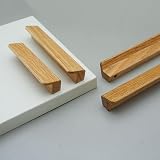
- Hardware: minimalist bar pulls or leather pulls; black, bronze, or brushed nickel
- Professional cabinet maker or semi-custom line (e.g., Medallion, KraftMaid)
How to Achieve the Look
- Choose white oak for a light, airy look that brightens the kitchen; reclaimed for a darker, more rustic feel.
- Go slab-style door fronts for a modern aesthetic; shaker if you prefer a touch of traditional.
- Select a matte finish to avoid glare and enhance the natural wood texture.
- Use integrated appliances (panel-ready) to hide fridge, dishwasher, and hood for a seamless look.
- Mix open shelves for display and closed cabinets for storage; install floating shelves on one wall.
Pro-Tip: If you’re on a budget, build your perimeter in painted MDF and save splurge for the island—make it a showpiece in walnut or white oak.
5. Durable and Elegant Countertop Materials

Pin this countertop inspiration to your ‘Dream Kitchen Countertops’ board!
In high-altitude kitchens where cooking involves heavy use, soapstone is virtually indestructible—it can withstand hot pans and doesn’t stain. I’ve used it in three mountain cabins and it still looks new. For those who prefer low maintenance, quartz offers consistent color and zero sealing. Concrete adds an industrial edge but requires regular sealing. A popular combination is soapstone on the perimeter and white quartz on the island waterfall for contrast and easy care.
What You Need
- Material options: soapstone, quartz, quartzite, concrete, butcher block (each has different care)
- Edge profile: eased, beveled, or waterfall edge (waterfall is popular for modern)
- Sealer if needed: for soapstone (optional mineral oil), for quartzite (sealer annually)
- Professional fabricator for cutting and polishing
How to Achieve the Look
- Select soapstone if you love natural patina and durability; it darkens with age.
- Choose quartz if you want zero maintenance and a range of colors—but avoid direct sunlight for prolonged periods.
- Consider concrete for a unique, industrial look – but requires sealing and can crack.
- Add a waterfall edge on the island for a dramatic modern statement.
- Ask for honed finish for all stone surfaces to match the rustic-modern aesthetic.
Pro-Tip: My go-to combo is soapstone on the perimeter (dark, durable) and white quartz on the island waterfall (contrast, easy maintenance). It’s a winning pair.

6. Statement Backsplash with Rustic Stone or Tile

Pin this backsplash idea to your ‘Mountain Kitchen Details’ board!
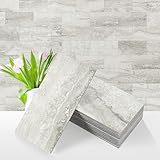
Natural stone backsplashes are not just beautiful—they also tolerate heat and moisture better than painted drywall, a must in mountain homes where humidity fluctuates. Options include cleft slate in a herringbone pattern, large-format porcelain that mimics stone, or subway tile in earthy tones. Full-height backsplashes (counter to bottom of cabinets) create a seamless, modern look. Use warm gray or cream grout to complement the stone.
What You Need
- Backsplash material: slate, quartzite, marble, or ceramic/porcelain tile (choose large format for minimal grout lines)
- Grout: sanded or unsanded in a coordinating color (e.g., warm gray, cream)
- Adhesive: thin-set mortar suitable for stone
- Sealer: for natural stone tiles
- Professional tile setter for complex patterns
How to Achieve the Look
- Opt for full-height backsplash (counter to bottom of cabinets) for a seamless, modern look.
- Choose a natural stone like slate or quartzite that echoes the mountain palette.
- Use a herringbone or vertical stack pattern for visual interest; avoid busy patterns that compete with the view.
- Match grout color to the tile for a unified look (contrast grout for more definition).
- Seal natural stone before grouting and reapply annually.
Pro-Tip: For a budget-friendly option, use large-format porcelain that mimics slate. It’s lighter, easier to clean, and doesn’t need sealing.
7. Warm Wide-Plank Flooring for Cohesion

Pin this flooring idea to your ‘Mountain Home Interiors’ board!
Engineered wide-plank oak with a wire-brushed finish is my standard recommendation for mountain kitchens. It expands/contracts less than solid wood and hides scratches from pets and kids—my clients love it. In cold climates, add radiant floor heating for cozy warmth. Choose 6-8 inch planks in oak or hickory, with a matte or satin polyurethane finish. If you have a cooking area near the stove, consider a large stone or tile mat underfoot to protect the wood.
What You Need
- Engineered hardwood (3/8” to 5/8” wear layer) in 6-8 inch planks, oak or hickory
- Finish: wire-brushed, matte polyurethane for scratch resistance
- Underlayment: moisture barrier and acoustic pad
- Radiant floor heating (optional but recommended for cold mountain climates)
- Professional installer with acclimation period (48 hours in the space)
How to Achieve the Look
- Select wide planks (6-8 inches) for a more modern, expansive look.
- Choose a matte or satin finish to avoid glare and show less wear.
- Acclimate the wood to the mountain climate for 48 hours before installation.
- Install over a moisture barrier to protect from ground moisture in crawlspaces.
- Add radiant heating under the flooring for cozy warmth during winter.
Pro-Tip: If you have a cooking area near the stove, consider a large stone or tile mat underfoot—it’s easier to clean and protects the wood from dropped pans.
8. Integrated Smart and Durable Appliances

Pin this appliance inspiration to your ‘Modern Kitchen Layout’ board!
In my designs for high-altitude homes, I often specify induction cooktops because they perform better at altitude than gas, and panel-ready refrigerators from Sub-Zero are top-rated for longevity. Panel-ready appliances (refrigerator, dishwasher, hood) allow them to blend with cabinetry for a seamless look. A powerful range hood (at least 600 CFM) is essential for open-concept mountain kitchens to remove cooking odors and moisture.
What You Need
- Panel-ready refrigerator (e.g., Sub-Zero 36” integrated) – order custom cabinet panels
- Range (induction or gas) with robust hood (at least 600 CFM for mountain cooking)
- Dishwasher with quiet operation (44 dBA or less)
- Smart features optional: Wi-Fi enabled oven, refrigerator camera
- Professional installation for gas lines and ventilation
How to Achieve the Look
- Choose panel-ready appliances for a flush, custom look with your cabinetry.
- Select induction cooktop to avoid high-altitude gas performance issues; gas is fine if you have a high-CFM hood.
- Install a powerful hood that vents outside – essential for mountain homes to remove cooking odors and moisture.
- Consider a microwave drawer for convenience without breaking the visual line.
- Integrate smart features if you cook often; a refrigerator with interior camera lets you check groceries from the grocery store.
Pro-Tip: Always upgrade the ventilation. Mountain kitchens often have open plans, and smoke/odors travel quickly. A 1200 CFM hood may be overkill but ensures you can sear a steak without setting off alarms.

9. Rustic Modern Decor and Accessories

Pin these decor details to your ‘Rustic Modern Accessories’ board!
I always tell clients: less is more. Choose a few statement accessories – a large ceramic vase, a handwoven runner, a set of copper pots – and let the architecture shine. Decor should be functional and natural: wool runners, linen towels, wooden bowls, ceramic pottery, and fresh herbs on the windowsill. Shop at local craft fairs or antique stores for unique pieces—a hand-thrown pitcher or antique hammered copper pot adds authentic mountain character.
What You Need
- Textiles: wool runner or cowhide rug, linen dish towels, natural fiber placemats
- Decor: ceramic pottery (earth tones), wooden bowls, copper or brass cookware
- Plants: fresh herbs, small succulents, branches in a vase
- Art: landscape photography, abstract pieces with nature motifs
- Open shelving to display curated items
How to Achieve the Look
- Start with neutral base (cabinets, counters) and layer decor in natural tones.
- Use functional decor – beautiful wooden cutting boards, stoneware canisters, vintage scales.
- Add a wool runner along the island for warmth and comfort.
- Display a few cookbooks on a shelf to evoke a lived-in feeling.
- Incorporate plants – a small herb garden on the windowsill is both decorative and useful.
- Avoid clutter – rotate accessories seasonally to keep the look fresh.
Pro-Tip: Shop at local craft fairs or antique stores for unique pieces – a hand-thrown pitcher or antique hammered copper pot adds authentic mountain character.

Key Takeaways: Your Quick Guide to Modern Mountain Kitchen Design
- Balance Natural Stone and Wood: Honed soapstone or dark granite paired with reclaimed white oak or walnut creates the signature contrast of modern mountain design—warm yet refined. Use these materials on countertops, islands, and backsplashes.
- Open Floor Plans Maximize Views and Flow: An open concept kitchen-great room with a large island oriented toward the best view is essential. Plan traffic circles with minimum 42-inch clearances.
- Layer Warm Lighting for Ambiance: Use a mix of pendants, under-cabinet LEDs, and dimmable recessed lights all in warm 2700K-3000K temperatures. Avoid stark overhead lights.
- Custom Cabinetry in Natural Wood: White oak slab cabinets (matte finish) or reclaimed wood create a seamless look. Panel-ready appliances hide the fridge and dishwasher.
- Choose Countertops for Durability and Style: Soapstone for classic patina and heat resistance; quartz for easy maintenance; concrete for industrial edge. Consider mixing materials on island vs. perimeter.
- Wide-Plank Engineered Hardwood Flooring: Select 6-8 inch planks in oak or hickory with a wire-brushed matte finish. Add radiant heating for comfort in cold climates.
- Curate Decor Sparingly: Less is more. Use natural textiles, ceramic pottery, and functional pieces like cutting boards. Rotate accessories seasonally to keep the look fresh.
People Also Ask About Modern Mountain Kitchen Design
What is modern mountain design?
Modern mountain design is a style that blends the clean, minimalist aesthetics of contemporary interiors with the natural, rugged materials of mountain architecture—wood, stone, metal, and large windows. It prioritizes open layouts, natural light, and a warm, inviting atmosphere that connects the interior to its alpine surroundings. The result is a harmonious balance between sleek modernity and rustic charm.
How to achieve a mountain modern kitchen look?
Start by selecting a neutral color palette with warm wood tones and natural stone. Choose slab-style white oak or reclaimed wood cabinets, honed soapstone or quartz countertops, and a stone or large-format tile backsplash. Incorporate an open floor plan with a large island, populate it with warm pendant lights, and finish with wide-plank wood floors. Accessorize minimally with natural textiles and ceramics.
What materials are best for modern mountain kitchens?
The best materials include natural stone (soapstone, quartzite, slate), reclaimed or white oak wood, engineered wide-plank hardwood, and steel or blackened metal for fixtures. These materials offer durability, warmth, and an organic feel that withstands mountain climate fluctuations. For countertops, soapstone is heat-resistant and develops a nice patina; quartz is low-maintenance.
Is a modern mountain kitchen expensive?
The cost varies widely, but a full custom modern mountain kitchen can range from $30,000 to $100,000+ depending on materials, appliances, and scope. You can save by using stock cabinets with custom fronts, choosing engineered stone over natural stone, and selecting panel-ready appliances from mid-range brands. Focus your budget on the island and lighting for maximum impact.
What colors work best for mountain kitchens?
Earthy neutrals dominate: warm whites, creams, taupes, charcoal grays, and natural wood tones. Accent with deep forest green, rusty orange, or blue (like indigo) in small doses—backpacks, rugs, or decor. Avoid stark white and cold grays; instead choose warm whites with a yellow or beige undertone to complement wood and stone.
What type of lighting suits a mountain modern kitchen?
Use warm, dimmable lighting in multiple layers. Pendant lights with aged brass or black finishes over the island, under-cabinet LEDs for task areas, and recessed dimmable lights for general ambient glow. Choose bulbs with a color temperature of 2700K-3000K. Avoid blue-toned LEDs. A statement chandelier over the dining area in a similar finish completes the look.
What is the best countertop material for a mountain modern kitchen?
Soapstone is the top recommendation for its heat resistance, non-porous nature, and natural patina that deepens over time—perfect for a rustic-modern aesthetic. Quartz is a runner-up for its zero maintenance and consistent color. For a more industrial look, consider poured concrete. Avoid marble as it stains easily in a high-use kitchen.
Can modern mountain kitchens be rustic?
Absolutely. The style is defined by the very balance of rustic and modern. Rustic elements like reclaimed wood, stone walls, exposed beams, and antique hardware are paired with sleek cabinets, minimalist hardware, and contemporary appliances. The key is to let rustic textures dominate while keeping furniture and cabinetry lines clean and simple.
How to blend modern and rustic in a kitchen?
Choose a neutral base (white walls, wood floors, stone countertops) and introduce rustic elements through large-scale textures: live-edge wood shelves, a chunky wood island, a stone fireplace adjacent. Keep the cabinetry flat-panel and handleless for modern, but use reclaimed wood on the island to add rustic soul. Lighting should be simple yet crafted.
What are the latest trends in mountain modern kitchens?
Current trends include mixed materials (wood and stone on the same island), panel-ready appliances for seamless integration, waterfall islands in quartz or concrete, and warm neutral color palettes with bold accent colors. Smart home integration (e.g., app-controlled ovens, fridges) and sustainable materials (reclaimed wood, recycled stone) are also rising.
Final Thoughts on Modern Mountain Kitchen Design
Designing a modern mountain kitchen is about more than just choosing pretty materials—it’s about creating a space that feels both of the mountain and beyond its rugged roots. By blending the natural warmth of stone and wood with the clean lines and smart functionality of contemporary design, you can craft a kitchen that becomes the heart of your home. Whether you’re building new or remodeling, the principles we’ve covered—open layouts, warm lighting, durable finishes, and curated accessories—will guide you toward a result that is both stunning and livable.
Start by gathering inspiration: save images on Pinterest, create a mood board of your favorite materials, and consult with a professional who understands mountain construction. The investment in thoughtful design pays off in daily enjoyment and future resale value. Remember, the goal is to celebrate the landscape around you while providing a kitchen that works for your family’s needs. Now, what’s the first element you’d tackle in your dream mountain kitchen? Share your thoughts in the comments below—we’d love to hear your ideas!
Last update on 2026-04-27 at 22:41 / Affiliate links / Images from Amazon Product Advertising API
