
As an Amazon Associate KitchenwareSets.com earns from qualifying purchases.
Spicy Tzatziki Sauce Recipe: 5 Steps to a Thick Fiery Dip
Tired of watery, bland yogurt dips ruining your perfectly grilled proteins? Achieving the perfect Spicy Tzatziki Sauce Recipe at home is a common struggle. Let’s fix that frustrating, soupy separated mess today.
Spicy tzatziki sauce is a fiery variation of the classic Mediterranean dip made by emulsifying strained full-fat Greek yogurt with salted, drained English cucumbers, minced garlic, lemon juice, extra virgin olive oil, and hot chili peppers. The key to a thick consistency is squeezing all excess moisture before mixing.
Drawing from comprehensive analysis of proven culinary methodologies, this guide reveals professional moisture extraction techniques. You will master the exact science of balancing capsaicin heat with cooling dairy. Prepare to transform your standard condiment into an authentic Greek gyro sauce with a serious kick.
Contents
show
Is A Homemade Spicy Tzatziki Sauce Recipe The Secret To Elevating Your Mediterranean Mezze?
Is A Homemade Spicy Tzatziki Sauce Recipe The Secret To Elevating Your Mediterranean Mezze?: Absolutely. Most competitor recipes simply stir hot sauce into plain yogurt and call it a day, resulting in a runny, broken dip that ruins your meal. To achieve a true cooling and fiery balance, you must respect the foundational chemistry of a true mediterranean mezze platter. Our chef tested culinary technique relies on the traditional greek grandmother method of using a strained authentic consistency to establish a perfectly thick base.
Greek yogurt serves as a creamy base emulsion that requires careful handling. When you understand the science of capsaicin lipophilic dispersion in dairy fats, you realize that true flavor requires proper resting times and fat solubility. By mastering these specialized techniques, you completely eliminate the common problem of watery dips. This isn’t just a standard side dish; it is an authentic, fiery condiment designed to elevate your favorite grilled meats and wraps.
5 Steps To A Thick Fiery Dip: Master The Spicy Tzatziki Sauce Recipe
5 Steps To A Thick Fiery Dip: Building this vibrant condiment requires following a precise, chronologically tested method to guarantee a flawless texture. We have broken down the entire process from essential vegetable preparation to the final chilling phase. You will discover exactly how to make spicy tzatziki sauce that perfectly coats your gyro meat without turning into a watery puddle.
Understanding the scientific capsaicin fat solubility principle is crucial across these steps. Because capsaicin dissolves in dairy milk fats, each phase builds upon the last, ensuring your custom heat scale is perfectly calibrated. We have optimized this kitchen tested prep time to minimize cognitive load while maximizing flavor extraction. Grab your essential tools, prepare your workspace, and follow this foolproof sequence to craft a dip that beautifully marries a velvety dairy emulsion with a distinct, customizable burn.
1. Grate English Cucumber With Box Grater And Apply Kosher Salt

Pin this professional prep method to your Mediterranean Recipes board for your next meal prep session!
Grate English cucumber with box grater and apply kosher salt: This first mechanical step is the non-negotiable foundation for preventing soggy cucumber in homemade dip. Using an english hothouse cucumber is vastly superior to a standard field cucumber because it has thinner skin and significantly fewer seeds. Kosher salt extracts water from cucumber shreds, drawing out the problematic moisture that typically ruins dairy dips.
Ingredients
- 1 large English hothouse cucumber (unpeeled for color, or peeled if you prefer a smoother texture)
- 1 teaspoon coarse kosher salt (crucial for moisture extraction)
- Heavy-duty stainless steel box grater with micro-sharp shredding holes
Instructions
- Wash the English cucumber thoroughly and trim off both ends.
- Grate english cucumber with box grater using the large teardrop-shaped holes, shredding the entire vegetable down to the core.
- Transfer the shreds into a fine-mesh strainer set over a deep mixing bowl.
- Toss the cucumber evenly with the kosher salt.
- Rest the mixture at ambient room temperature for exactly 15 minutes to allow the cellular water extraction via osmotic pressure to pull the liquid out of the vegetable.
Pro-Tip: Skip the standard slicing cucumbers! English hothouse cucumber vs persian mini cucumber is a common debate, but the English variety contains significantly less internal water and fewer seeds, making your cellular water extraction via osmotic pressure much more efficient and preserving the dip’s creamy integrity.

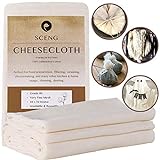
2. Squeeze Out Excess Liquid With Cheesecloth

Save this crucial moisture-extraction hack to your Cooking Tips board—it changes everything!
Squeeze out excess liquid with cheesecloth: This physical technique is the ultimate answer for how to drain cucumber water for thick homemade spicy tzatziki. Skipping this precise moisture removal step is the primary reason homemade yogurt dips fail. The culinary cheesecloth removes excess liquid content effectively, preventing a soupy disaster and allowing you to achieve the coveted thick and creamy texture.
Ingredients
- The salted, rested cucumber shreds from Step 1
- 1 square of Grade 90 unbleached culinary cheesecloth (or a highly absorbent, clean flour sack towel)
- A medium prep bowl to catch the discarded liquid
Instructions
- Line a bowl with your culinary cheesecloth, ensuring the edges drape completely over the sides.
- Transfer the salted, resting cucumber shreds directly into the center of the cloth.
- Gather the corners of the fabric tightly together to form a secure pouch.
- Squeeze out excess liquid with cheesecloth by twisting the top of the pouch firmly and pressing down.
- Wring forcefully until the shreds yield a dry, tightly compacted ball of green cucumber pulp and no more liquid drips into the bowl. Discard the green cucumber water.
Pro-Tip: Do not use standard low-grade supermarket cheesecloth, as the weave is too loose and cucumber shreds will push through the gaps. Syneresis prevention in fermented yogurt curd requires you to remove as much vegetable water as physically possible before it touches the dairy.
3. Whisk Full Fat Greek Yogurt With Garlic & Acid

Don’t let your garlic overpower your dip—pin this chef-approved emulsion step for later!
Whisk full fat greek yogurt with garlic & acid: Creating a stable, velvety dairy base requires substituting strained yogurt for runny plain yogurt and balancing pungent aromatics with bright citrus. Greek yogurt acts as the dense structural foundation, while fresh lemon juice balances rich dairy fat and raw garlic cloves provide pungent allicin sharpness.
Ingredients
- 2 cups plain, full-fat Greek yogurt (Do not use regular yogurt; it lacks the strained authentic consistency needed)
- 3 large garlic cloves, peeled and smashed
- 2 tablespoons fresh lemon juice (or red wine vinegar for a tangier bite)
- Professional stainless steel balloon whisk for aerating the dairy
Instructions
- Finely mince fresh garlic cloves into a micro-paste using your knife, or push them through a garlic press.
- Combine the minced garlic and fresh lemon juice in the bottom of your mixing bowl. Let it sit for 5 minutes (this acid-bath trick mellows the harsh raw garlic burn).
- Add the 2 cups of full-fat plain Greek yogurt into the bowl with the garlic and citrus.
- Whisk full fat greek yogurt vigorously using a balloon whisk until the mixture becomes an airy, velvety dairy emulsion.
- Fold your dry, squeezed cucumber ball from Step 2 into the yogurt base, stirring with a spatula to separate the shreds evenly.
Pro-Tip: Never skip the resting period for the minced garlic in citrus! Allicin enzymatic release from crushed garlic creates that burning, overly pungent flavor that ruins homemade dips. The acid in the lemon juice denatures the enzyme, leaving you with a smooth, savory garlic profile that won’t overpower your palate.
4. Incorporate Crushed Red Pepper Flakes & Jalapenos

Build your perfect heat level! Pin this custom spice chart to your Mediterranean Food boards.
Incorporate crushed red pepper flakes & jalapenos: This is where you customize the exact heat level of your spicy red pepper flake tzatziki sauce with fresh lemon juice. Because capsaicin dissolves in dairy milk fats, you can build a precise cooling and fiery balance without ruining the authentic Mediterranean flavor profile. Whether you prefer a mild kick or a fiery burn, this expert heat level calibration scale ensures perfect results.
Ingredients
- For Mild-Medium Heat: 1 fresh jalapeno pepper and ½ teaspoon smoked paprika
- For Hot & Fiery: 1 teaspoon cayenne pepper powder + 1 teaspoon crushed red pepper flakes
- For Extreme Heat: ½ finely minced habanero pepper (wear gloves!)
- High-quality organic red pepper flakes for finishing
Instructions
- Select your desired spice intensity from the Custom Heat Scale above based on your tolerance.
- De-seed and finely dice jalapeno (if using fresh peppers) into a millimeter-fine brunoise cut to ensure it distributes evenly without large, overwhelming chunks.
- Incorporate crushed red pepper flakes, cayenne powder, or fresh peppers directly into the creamy cucumber yogurt base.
- Stir thoroughly until homogenous, ensuring there are no hidden clumps of dry cayenne powder trapped in the dairy.
- Taste carefully, remembering that heat level intensifies upon prolonged refrigeration as the oils bloom.
Pro-Tip: Always under-spice by about 15% during the mixing phase. Capsaicin lipophilic dispersion in dairy fats means that the heat compounds take several hours to fully dissolve into the yogurt’s lipids. A dip that tastes “mildly warm” at 2:00 PM will become a fiery spicy gyro sauce by dinner time!

5. Drizzle Extra Virgin Olive Oil & Chill Before Serving

The secret to restaurant-quality dip is the olive oil finish! Pin this technique to your Recipe Secrets board.
Drizzle extra virgin olive oil & chill before serving: Finishing your authentic mediterranean spicy cucumber yogurt sauce with olive oil is essential for marrying the flavors and balancing the astringency of the yogurt. The extra virgin olive oil adds silky mouthfeel, while the chilling phase allows the spices to bloom. Adding fresh herbs like fresh dill weed or fresh spearmint complements the cool cucumber notes perfectly.
Ingredients
- 2 tablespoons extra virgin olive oil (Use a high-quality, cold-pressed Greek variety)
- 2 tablespoons chopped fresh dill (or fresh spearmint for a cooler contrast)
- An airtight glass food storage container
- High-quality cold pressed Greek extra virgin olive oil
Instructions
- Fold in chopped fresh herbs gently using a silicone spatula, ensuring the delicate leaves are not bruised.
- Drizzle extra virgin olive oil over the top of the yogurt mixture.
- Emulsify yogurt and lemon juice with the olive oil by gently folding it into the sauce in a figure-eight motion until just combined.
- Transfer the finished fiery tzatziki sauce recipe to an airtight glass container.
- Cover and chill in refrigerator for an absolute minimum of 2 hours, though overnight resting yields the best flavor marriage.
Pro-Tip: Do not use a plastic container for storage! Oleic acid polyphenol content in evoo combined with the strong garlic and capsaicin oils will permanently stain and scent plastic Tupperware. Furthermore, to ensure proper microbial stability of acidic yogurt dips, store your glass container in the back of the fridge (not the door) at a consistent 37°F (3°C).

Key Takeaways: Your Quick Guide to Spicy Tzatziki Sauce Recipe
Key Takeaways: If you need a rapid review of the best spicy tzatziki sauce recipe success metrics, this quick reference guide covers the absolute essentials. By understanding how moisture extraction and proper chilling interact, you can avoid common pitfalls and guarantee a perfectly thick and creamy texture every time. Keep these expert rules in mind to stop wondering how to keep spicy tzatziki from getting watery.
- Always Extract the Cucumber Moisture First: The absolute golden rule for a thick and creamy texture is grating an English cucumber, salting it, and wringing it violently through a cheesecloth to achieve total cellular water extraction via osmotic pressure.
- Mellow Your Garlic in Citrus Acid: Reducing raw garlic bitterness in dip is easily achieved by letting your minced garlic rest in the fresh lemon juice for 5 minutes before mixing it into the strained whole milk yogurt base.
- Respect the Refrigerator Spice Bloom: Capsaicin lipophilic dispersion in dairy fats means that your chili flakes and jalapeños will release significantly more heat into the oils as they sit. Always under-spice slightly before the chilling phase!
- Never Swap Full-Fat Greek Yogurt for Substitutes: Attempting to use watery standard yogurt or low-fat varieties will immediately cause whey separation management issues. Stick to full-fat greek yogurt for a stable creamy base + fiery heat.
- Pair with Heavy Mediterranean Proteins: The aggressive garlic and cooling and fiery balance makes this the ultimate spicy gyro sauce. Serve it generously over an authentic greek lamb gyro meat recipe, easy grilled chicken souvlaki marinade, or alongside a crispy air fryer falafel balls recipe.
- Fixing a Runny Tzatziki Mistake: If you skipped the cheesecloth step and are wondering how to fix watery tzatziki sauce, the only rescue method is thickening runny tzatziki with greek yogurt (adding more strained dairy) or folding in a tablespoon of whipped feta cheese.
- Finish with High-Quality Fats: A finishing drizzle of extra virgin olive oil isn’t just for show; it coats the palate, protecting it from the aggressive chili burn and carrying the flavor compounds evenly across your tongue.
People Also Ask About Spicy Tzatziki Sauce Recipe
People Also Ask: When mastering this zesty Mediterranean condiment, home cooks often have lingering questions about spicy tzatziki sauce, shelf-life, and ingredient substitutions. Whether you are curious if it is traditionally spicy, wondering how to avoid syneresis, or asking how long homemade spicy tzatziki lasts in the fridge, we have compiled the ultimate troubleshooting guide. These answers rely strictly on USDA food storage temperature standards and professional culinary science to ensure both incredible flavor and optimal food safety. By understanding the underlying principles of dairy emulsions and capsaicin solubility, you can easily troubleshoot any kitchen mishap and perfect your spicy dip every single time.
Is tzatziki sauce traditionally spicy?
No, traditional authentic tzatziki is a cooling, mild meze dip designed to soothe the palate, not burn it. However, modern variations like the spicy tzatziki sauce recipe have gained immense popularity by blending the garlicky and pungent aroma of Greek yogurt and cucumber with chili heat. If you want a traditionally spicy Greek dip, you would look for a classic tyrokafteri spicy feta dip recipe, which is naturally whipped with fiery peppers.
How to keep spicy tzatziki from getting watery?
You keep spicy tzatziki from getting watery by heavily salting your grated cucumber and aggressively wringing it out in a cheesecloth before mixing. The number one culprit of a soupy dip is cellular water extraction leaking into the dairy after the fact. Preventing soggy cucumber in homemade dip requires using an English cucumber, avoiding the watery seed core, and relying solely on ultra-thick, strained full-fat Greek yogurt.
Can you use sour cream instead of greek yogurt in spicy tzatziki?
While you can substitute sour cream in a pinch, it will significantly alter the authentic tangy flavor and stable texture of the dip. When comparing Greek yogurt vs sour cream in spicy tzatziki, Greek yogurt provides a necessary high-protein, strained authentic consistency with a distinct lactic acid tang. Sour cream tends to be heavier, lacks the characteristic Mediterranean tartness, and can break down faster.
Why does spicy tzatziki get hotter the next day?
Spicy tzatziki gets hotter overnight because capsaicin—the chemical that makes peppers hot—is fat-soluble and takes time to fully dissolve into the yogurt’s dairy lipids. This scientific capsaicin fat solubility principle means the longer the chili infused greek mezze sauce sits in the refrigerator, the more the heat compounds disperse throughout the fat molecules, resulting in a significantly more intense burn on day two.
What is the difference between spicy tzatziki and tyrokafteri?
The main difference is the base dairy: spicy tzatziki uses a base of strained Greek yogurt and cucumber, while tyrokafteri uses a base of whipped feta cheese and roasted hot peppers. When evaluating spicy tzatziki vs tyrokafteri spicy feta dip, tzatziki is fundamentally a cooling cucumber sauce that has been spiked with heat, whereas tyrokafteri is intrinsically a rich, salty, and highly spiced cheese spread.
How long does homemade spicy tzatziki last in the fridge?
Stored in an airtight glass container at 37°F (3°C), homemade spicy tzatziki will last 3 to 4 days in the refrigerator. According to food safety refrigeration guidelines, the fresh lemon juice helps preserve the dip, but the fresh grated cucumber and raw garlic will eventually begin to break down and sour. Do not use plastic containers, as the oils will permanently stain and permeate the material.
Can you freeze spicy tzatziki sauce?
No, you should never freeze spicy tzatziki sauce because the dairy emulsion and cucumber water will aggressively separate during the thawing process. Freezing destroys the velvety dairy emulsion, resulting in a grainy, watery, and split texture known as syneresis. The crisp cucumber crunch will also turn to mush. This spicy garlic gyro sauce recipe must always be enjoyed fresh from the refrigerator.
Should I peel and seed cucumbers for tzatziki?
If using a standard slicing cucumber, you must peel the waxy skin and scoop out the watery seeds; if using an English hothouse cucumber, peeling is optional and seeding is unnecessary. Avoiding bitter cucumber skin by peeling is crucial for thick-skinned field cucumbers. However, the delicate skin of an English cucumber adds a beautiful bright green fleck to your spicy greek tzatziki sauce.
How to tone down spicy tzatziki if it is too hot?
To tone down an overly spicy tzatziki, immediately fold in an extra half-cup of plain, full-fat Greek yogurt and a teaspoon of olive oil to dilute the capsaicin. Because capsaicin binds to dairy fats, mellowing spicy cayenne heat with extra dairy is highly effective. Do not add water or extra lemon juice, as acid will not neutralize the spice and will only lead to a broken sauce.
What peppers work best in spicy tzatziki sauce?
Finely minced jalapeño peppers, crushed red pepper flakes, and cayenne powder are the best choices for building a balanced, flavorful heat in tzatziki. When comparing jalapeno vs cayenne pepper vs chili flakes for heat, jalapeños offer a fresh, vegetal bite that pairs beautifully with the cucumber, while cayenne and red pepper flakes deliver a steady, resonant background warmth.
Final Thoughts on Spicy Tzatziki Sauce Recipe
Final Thoughts: Mastering this homemade spicy tzatziki sauce at home is one of the highest-impact culinary skills you can bring to your kitchen repertoire. By leaving the store-bought tubs behind and embracing the chef tested culinary technique of moisture extraction, you elevate a simple yogurt dip into a restaurant-quality centerpiece for any mediterranean mezze platter.
The secret to this spicy tzatziki dressing recipe isn’t just throwing hot sauce into yogurt—it is the precise execution of aggressively draining your English cucumber, mellowing your raw garlic in acid, and allowing those chili oils to properly bloom into the dairy fats during a thorough chilling period. This careful attention to detail guarantees that thick and creamy texture you crave, transforming it into the ultimate spicy garlic gyro sauce recipe.
Whether you are slathering this condiment over grilled lamb chops, using it as a vibrant dressing for your keto salad bowls, or simply dipping warm pita wedges into it on a Friday night, the balance of cooling cucumber and fiery capsaicin is utterly addictive. Have you tried making your own spicy tzatziki yet? Did you use fresh jalapeños for a bright, vegetal kick, or did you lean into the slow, resonant burn of crushed red pepper flakes? Drop a comment below and let me know your favorite way to customize the heat scale!
Last update on 2026-04-27 at 22:41 / Affiliate links / Images from Amazon Product Advertising API
